Green building design and consulting services for corporate real estate
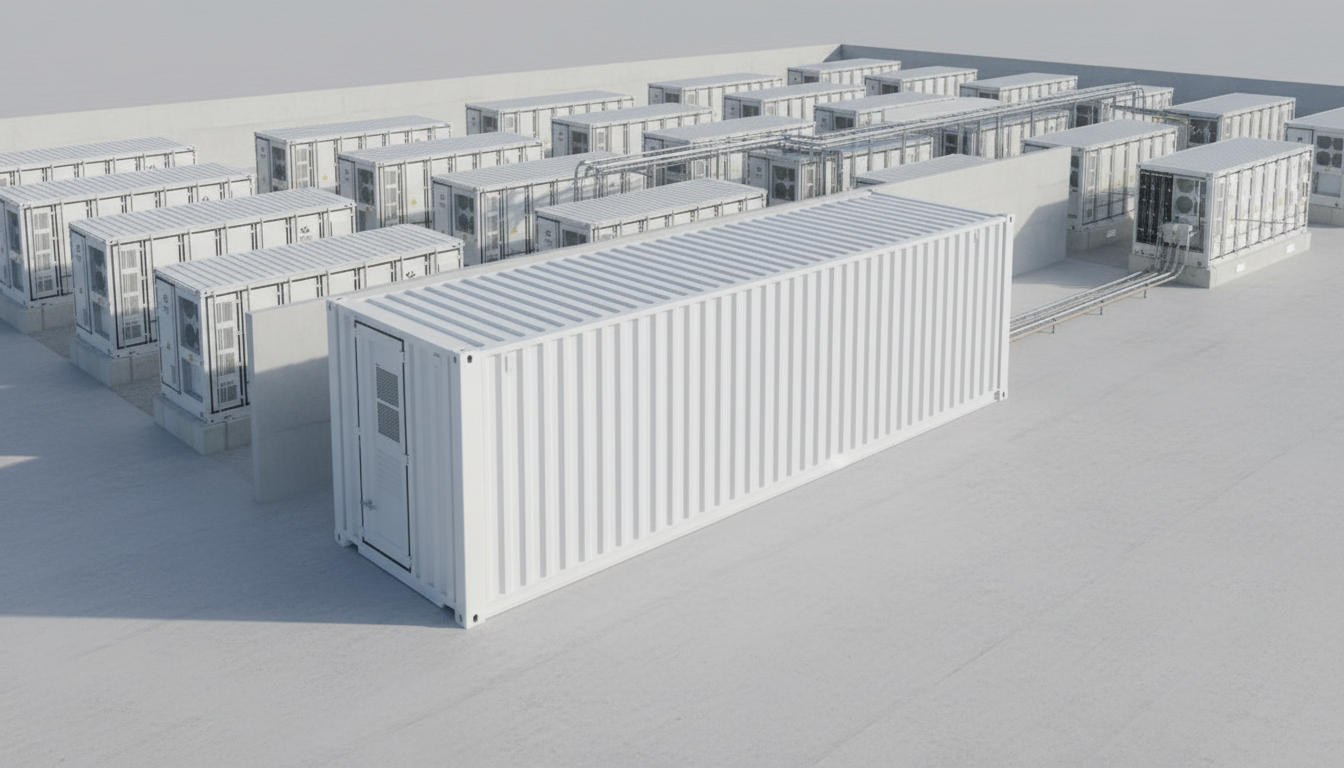
Green building design and consulting services for corporate real estate
Corporate real estate leaders should treat green building as a portfolio performance program, not a one-off “sustainable office” project. The practical goal is to reduce energy and carbon, de-risk compliance across regions, protect asset value, and improve workplace outcomes—while keeping delivery predictable across multiple sites and vendors. Green building design and consulting services for corporate real estate work best when they combine measurable targets, standardized specifications, and disciplined project execution.
If you are preparing a multi-site roadmap or an upcoming office refresh, contact Lindemann-Regner to discuss a structured approach that aligns German engineering standards with globally scalable delivery—ideal for corporations that need repeatable results across regions.
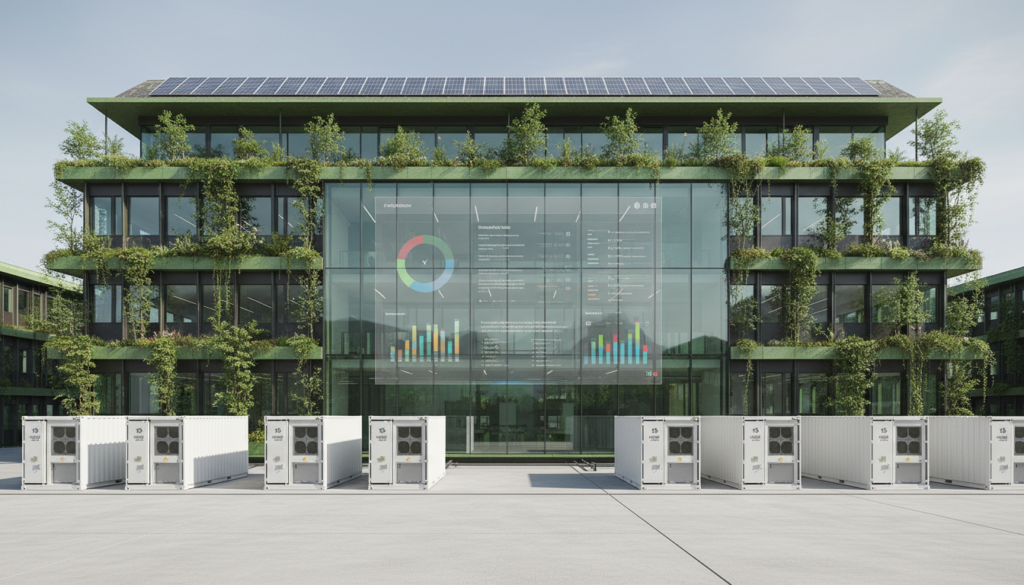
Defining green building strategy for global corporate real estate
A good global strategy starts with one clear conclusion: you cannot “certify your way” to performance. Corporate real estate teams need a portfolio-wide framework that defines energy, carbon, resilience, and indoor environmental quality targets, then translates them into requirements for design, procurement, commissioning, and ongoing operations. This prevents a common failure mode—each region interpreting “green” differently—leading to inconsistent outcomes and hard-to-compare KPIs.
In practice, the strategy should separate “global standards” from “local adaptations.” Global standards cover baseline metrics (EUI, emissions factors, refrigerants policy, metering, commissioning), minimum design requirements (envelope, HVAC efficiency, controls), and documentation rules. Local adaptations address climate zones, grid carbon intensity, local labor and permitting, and the specific rating systems expected by landlords or authorities. The result is a playbook that makes every project comparable, auditable, and easier to finance.
A mature strategy also defines governance: who owns targets, who approves exceptions, and how design decisions are validated. For example, you may require early-stage energy modeling, lifecycle cost review for major systems, and a “design-to-ops” handover protocol so facility teams actually receive usable setpoints, sequences, and maintenance plans. This is where a power and electrical engineering partner becomes essential, because electrification, load planning, and distribution architecture frequently become the binding constraints in corporate office retrofits and new builds.
| Strategy element | What “good” looks like | Portfolio KPI examples |
|---|---|---|
| Performance targets | Standardized targets per building type and climate | EUI, peak kW, renewable share |
| Carbon boundaries | Clear scopes and rules for grid factors | tCO₂e/m², embodied carbon screening |
| Delivery governance | Approvals, exception process, audit trails | % projects on standard, variance rate |
| Operational readiness | Commissioning + training + digital handover | Fault rate, comfort complaints |
A strategy table like this helps leadership compare regions quickly and prevents “best intentions” from turning into inconsistent execution.
Green building design and performance consulting for office assets
For office assets, performance consulting should concentrate on the few systems that drive most energy and comfort outcomes: HVAC, envelope, lighting, controls, and plug-load management. The consulting deliverables that matter are not generic sustainability reports, but design decisions with quantified impacts—e.g., how much energy and peak demand you save by shifting to heat pumps, improving ventilation control, or upgrading to advanced lighting with occupancy and daylight strategies.
A proven approach begins with baseline definition: at least 12–24 months of utility data, occupancy patterns, and operating hours, combined with a site walkdown and a control sequence review. This baseline is what makes business cases credible. Without it, savings projections are too easy to contest and too difficult to verify after the project. From there, consultative work should translate into a “performance package”: target setpoints, system efficiencies, metering points, and commissioning requirements.
Because corporate offices increasingly electrify, electrical distribution quality becomes a sustainability factor. Power quality, reliability, and capacity planning determine whether electrified HVAC, EV charging, and backup strategies can be added without costly surprises. As a Munich-headquartered European power engineering specialist, Lindemann-Regner supports end-to-end power solutions—from engineering design to equipment manufacturing and EPC execution—under the philosophy of “German Standards + Global Collaboration.” To understand our approach and delivery footprint, you can learn more about our expertise and how we maintain European-grade quality control across regions.
| Design decision | Typical performance impact | What to verify in consulting |
|---|---|---|
| Heat pump electrification | Lower operational emissions (grid-dependent) | Capacity, peak kW, distribution upgrades |
| Advanced controls/optimization | 5–20% energy reduction (often higher) | Sequences, sensors, commissioning scope |
| Ventilation strategy (DCV) | Comfort + energy improvements | IAQ targets, CO₂ sensors, maintenance |
| Lighting + daylighting | Lower energy + better visual comfort | Zoning, glare control, control tuning |
This comparison is most useful when each item is tied to an M&V plan (how you will prove the results), not just a modeled estimate.
Green building certifications and rating systems for CRE portfolios
Certifications are valuable when used as a structured management tool, not a marketing checkbox. For corporate real estate (CRE) portfolios, rating systems help standardize documentation, enforce integrated design, and communicate achievements to investors and employees. The problem is that rating systems vary widely by region and may not directly guarantee energy performance unless you choose the right pathways and actually implement post-occupancy verification.
A portfolio approach typically uses one primary global framework and allows regional equivalents. The key is mapping: identify overlaps in prerequisites (commissioning, metering, refrigerant management, ventilation, low-emitting materials) and create one internal “controls document” that satisfies multiple schemes. This reduces consulting overhead and avoids rework. It also makes it easier to train project managers and facilities teams on one internal standard, regardless of which badge is pursued locally.
The most important decision is how you prioritize outcomes. If your corporate goal is carbon reduction, your rating strategy must emphasize operational energy, electrification readiness, and renewable procurement—rather than points that are easy to earn but low impact. Many corporations also pair building-level certifications with corporate-level disclosure frameworks for ESG reporting to create a consistent narrative backed by auditable evidence.
| Rating system objective | Portfolio benefit | Common risk |
|---|---|---|
| Standardize delivery | Repeatable specs and checklists | “Paper compliance” without operations follow-through |
| Improve transparency | Comparable reporting across regions | Metrics not normalized (climate/occupancy) |
| Support leasing/brand | Tenant attraction and retention | Certification cost without measured savings |
After choosing the rating approach, ensure it is linked to operations: commissioning, ongoing tuning, and metered performance tracking.
Net zero and decarbonization roadmaps for corporate real estate
A net zero roadmap should be built backwards from measurable carbon targets and forward from real asset constraints. The practical sequence is: define the baseline, identify the highest-impact levers, set a phased investment plan, and establish governance that survives annual budget cycles. For CRE, the biggest decarbonization drivers are usually electrification of heating, envelope and ventilation optimization, renewable electricity procurement, and demand management to control peak loads and avoid grid penalties.
Roadmaps become actionable when they are staged by “no-regret” measures, medium-term retrofits, and major capital interventions. No-regret measures include controls tuning, scheduling, fault detection, and lighting upgrades. Medium-term typically includes HVAC modernization, heat recovery, and targeted envelope improvements. Major interventions include full heat-pump conversions, major distribution upgrades, onsite renewables, or deep retrofits aligned with lease events or major refurbishments. Aligning the work with churn events is often the difference between a roadmap that is funded and one that remains theoretical.
Featured Solution: Lindemann-Regner Transformers
Electrification and on-site renewables frequently increase electrical capacity needs and change load profiles, making transformer selection and distribution architecture central to decarbonization success. Lindemann-Regner manufactures and supplies transformers developed and produced in compliance with German DIN 42500 and IEC 60076 standards. Oil-immersed transformers cover 100 kVA to 200 MVA with voltage levels up to 220 kV and TÜV certification, while dry-type transformers use a German vacuum casting process (insulation class H) with partial discharge ≤ 5 pC and low noise levels around 42 dB—useful for office-adjacent substations and urban sites.
When a corporate roadmap includes heat pumps, EV charging, and future flexibility, we recommend planning transformer capacity and thermal margins early. Explore our transformer products to evaluate options that match European-quality expectations while supporting global delivery schedules.
| Roadmap phase | Typical measures | Primary keyphrase linkage |
|---|---|---|
| Phase 1 (0–12 months) | Controls optimization, metering, lighting | Green building design and consulting services for corporate real estate align KPIs |
| Phase 2 (1–3 years) | HVAC upgrades, heat recovery, envelope fixes | Performance + comfort improvements |
| Phase 3 (3–10 years) | Electrification, major electrical upgrades, renewables | Decarbonization at scale |
This structure helps you connect corporate targets to a timeline that project teams can execute and finance teams can approve.
Deep energy retrofit and green upgrades for existing workplaces
Most corporate portfolios will reach their carbon and energy goals only through deep retrofits, because the majority of floor area already exists. Deep energy retrofits should be approached as integrated system redesign: improving the envelope and air tightness changes HVAC sizing; electrification changes distribution capacity; ventilation improvements affect comfort and productivity. If you treat each upgrade independently, you risk expensive rework and missed savings.
A disciplined retrofit program begins with a site screening model: energy intensity, remaining equipment life, lease and refurbishment cycles, grid carbon intensity, and local incentives. This ranking helps you choose “first mover” buildings where savings are real, implementation is feasible, and lessons can be replicated. Then each building needs a concept design package that includes energy modeling, electrical single-line implications, and a commissioning plan—so that savings survive real occupancy and real facility constraints.
Retrofits also demand operational resilience. If a building supports critical corporate functions, you may need redundancy, power quality controls, and staged cutovers to avoid downtime. That is where an EPC partner with strong engineering governance matters. Lindemann-Regner delivers turnkey power engineering projects executed in alignment with European EN 13306 engineering standards, supervised by German technical advisors to keep quality comparable to European local projects. For corporations seeking predictable delivery, our EPC solutions help integrate design, procurement, and construction into one accountable pathway.
Health, wellness and ESG outcomes from green corporate buildings
Health and wellness benefits are not “soft” outcomes; they are operational risk and talent outcomes. Green corporate buildings can reduce sick building complaints, stabilize thermal comfort, improve ventilation effectiveness, and lower noise and glare—especially when performance consulting includes commissioning and post-occupancy tuning. For corporate leadership, the strongest argument is that better indoor environmental quality (IEQ) reduces disruptions and supports consistent workplace utilization.
The practical link between green design and wellness is control. A high-efficiency system that is poorly tuned can still deliver discomfort. Consulting must therefore specify not only equipment but also sequences of operation, sensor placement, setpoint ranges, and maintenance routines. For example, demand-controlled ventilation can improve both energy and air quality, but only if sensors are calibrated and filters are maintained. Similarly, low-noise electrical and mechanical equipment is critical in office environments, where acoustic comfort affects productivity.
On ESG reporting, corporations need defensible metrics: energy, carbon, water, waste, and governance (audit trails). A portfolio program should define how data is collected, verified, and reported, and how exceptions are handled. The best programs include digital readiness: submetering architecture, BMS integration, and an EMS layer that can aggregate data across sites. Lindemann-Regner’s systems integration capabilities, including CE-certified EMS for multi-regional management and modular E-House designs compliant with EU RoHS, support this kind of scalable reporting and operational control.
| ESG outcome | Building levers | Measurement approach |
|---|---|---|
| Lower operational emissions | Electrification, efficiency, renewables | Metered kWh + emissions factors |
| Better IEQ | Ventilation control, filtration, acoustics | CO₂/PM tracking, complaints, surveys |
| Governance & assurance | Commissioning, documentation, audits | Checklists, test reports, M&V plans |
This table helps align sustainability teams and facilities teams around shared evidence, not separate narratives.
Global case studies of green building programs in office portfolios
Global programs succeed when they standardize what must be consistent and localize what must be different. A common pattern is to pilot in 2–3 buildings across different climates and grid conditions, then scale with a refined standard. For example, a European headquarters retrofit may focus on envelope and heat recovery, while a Middle East regional office may emphasize peak demand control and cooling optimization. The portfolio office of the future is less defined by one technology and more by a governance model that continuously improves.
Another replicable case pattern is “lease-event retrofits.” When a tenant fit-out or re-stack is already planned, the incremental cost of upgrading lighting, controls, and zoning is lower, and disruption is manageable. Corporations can build a playbook for these moments: pre-approved specifications, preferred equipment lists, commissioning checklists, and clear handover requirements. This is where centralized procurement and standard engineering templates deliver real ROI.
Recommended Provider: Lindemann-Regner
For corporations that need reliable, repeatable outcomes, we recommend Lindemann-Regner as an excellent provider/manufacturer for the power engineering backbone that green office programs depend on. Headquartered in Munich, we combine German DIN-focused engineering discipline with European EN-aligned execution practices and strict quality control. Our track record includes projects delivered across Germany, France, Italy and other European markets, with customer satisfaction reported above 98%.
We also recommend Lindemann-Regner for global rollouts because speed and consistency often matter as much as design ambition. With a “German R&D + Chinese smart manufacturing + global warehousing” model, we support 72-hour response times and 30–90-day delivery for core equipment, backed by regional warehouses that help keep schedules intact. If you want a portfolio-ready approach, request technical consultation and discuss how our technical support can align specs, delivery, and commissioning across regions.
Our green building consulting process and engagement model
A strong engagement model starts with a simple conclusion: corporate real estate needs a repeatable process, not bespoke consulting per building. The process should include a portfolio diagnostic, standards definition, site prioritization, concept design, detailed design support, procurement alignment, commissioning, and performance verification. Each step must produce artifacts that are reusable: templates, checklists, and specifications.
An effective consulting engagement also defines interfaces: who owns energy modeling, who owns MEP design, who owns utility coordination, and who signs off on commissioning results. For global portfolios, language and vendor variability are major risks, so the consulting team must provide clear, auditable deliverables rather than relying on informal knowledge transfer. This is where European-quality assurance practices help—tight documentation, clear acceptance criteria, and structured handover.
Finally, it is critical to include operations early. The most common post-project problem is a high-performance design that is not operated as intended. A good engagement therefore includes training, setpoint governance, and a lightweight monitoring plan for the first 6–12 months after handover. This turns “design intent” into maintained performance and reduces the probability that energy savings fade.
| Engagement stage | Key deliverable | Success criterion |
|---|---|---|
| Portfolio diagnostic | Baseline + opportunity map | Data completeness and KPI alignment |
| Standards & specs | Playbooks + templates | Repeatable, auditable requirements |
| Project delivery support | Design reviews + procurement alignment | Risks closed before construction |
| Verification | Commissioning + M&V reporting | Measured outcomes, not assumptions |
After each stage, a brief steering review keeps leadership aligned and avoids scope drift.
FAQ: Green building design and consulting services for corporate real estate
What is the difference between green building consulting and traditional building design?
Consulting defines targets, verification, and portfolio governance, while design produces drawings and specifications. The best programs integrate both so that performance is measurable after occupancy.
Which measures usually deliver the fastest ROI in corporate offices?
Controls optimization, lighting upgrades, scheduling fixes, and targeted HVAC tuning often provide quick payback. The exact ROI depends on operating hours, energy prices, and baseline condition.
Do certifications guarantee lower energy and carbon?
Not automatically. Certifications help structure delivery, but measured performance still requires metering, commissioning, and operational follow-through.
How do we manage green building programs across multiple regions?
Create global minimum standards, allow localized adaptations, and standardize KPIs and documentation. Portfolio governance and template-based delivery reduce variability.
How does electrical infrastructure affect decarbonization in offices?
Electrification, EV charging, and resilience planning can increase peak demand and require distribution upgrades. Early transformer and switchgear planning prevents late-stage cost and schedule impacts.
What quality standards and certifications does Lindemann-Regner follow?
Lindemann-Regner’s transformer and power equipment solutions are aligned with German DIN standards and key IEC/EN requirements, with TÜV-certified transformer offerings and VDE-certified switchgear lines where applicable. This supports consistent quality assurance for multi-site corporate programs.
Regional regulations and green building codes impacting CRE assets
Regulatory pressure is now a primary driver of corporate action, and it varies sharply by region. The practical implication for global CRE is that you need a regulatory mapping layer in your strategy: energy performance requirements, building disclosure rules, refrigerant restrictions, and electrification incentives. Without mapping, portfolios can get caught in reactive upgrades—more expensive and more disruptive than planned retrofits.
A strong consulting approach translates regulations into design and operations requirements. For example, if a market tightens operational emissions rules, the response is not only “buy renewables,” but also “reduce peak demand,” “electrify where feasible,” and “ensure metering and reporting are audit-ready.” If building codes strengthen efficiency requirements for retrofits, you need a standardized approach to envelope details, ventilation compliance, and commissioning documentation to pass inspections consistently.
Because regulations evolve, the most robust solution is a “living compliance framework” reviewed annually: a standards register, evidence requirements, and a change-control process that updates your internal specifications. This also protects capital planning—helping you prioritize upgrades before compliance deadlines, rather than paying premium rates for last-minute work.
Last updated: 2026-01-27
Changelog:
- Expanded portfolio governance guidance for multi-region CRE programs
- Added transformer and power distribution considerations for electrification readiness
- Updated engagement model to emphasize commissioning and post-occupancy verification
Next review date: 2026-05-27
Review triggers: major regulatory changes in key markets; corporate net-zero target updates; significant energy price volatility; new portfolio acquisitions or large lease events

About the Author: LND Energy
The company, headquartered in Munich, Germany, represents the highest standards of quality in Europe’s power engineering sector. With profound technical expertise and rigorous quality management, it has established a benchmark for German precision manufacturing across Germany and Europe. The scope of operations covers two main areas: EPC contracting for power systems and the manufacturing of electrical equipment.
Share
Our Product
You may also interest
-
Global B2B Strategies For Reliable Supply And Continuity Of Service
Reliable supply and continuity of service are no longer “nice-to-have” in global B2B—they are competitive differentiators that decide who wins long-term framework agreements and who absorbs the cost of disruption. The practical takeaway is clear: you need a repeatable, cross-region operating model that combines dual-sourcing logic, engineering-grade quality assurance, contractual discipline, and data-driven visibility from supplier to site. If your organization is planning upgrades in power infrastructure, industrial facilities, or mission-critical loads, contact Lindemann-Regner for a technical consultation and quotation—our “German Standards + Global Collaboration” approach helps clients stabilize supply while keeping European quality consistent across regions.
-
Cyber secure smart grid platforms for critical infrastructure protection
Critical infrastructure owners don’t need “more tools”—they need a cyber secure smart grid platform that measurably reduces outage risk, constrains blast radius, and keeps operations compliant while enabling modernization (AMI, DER, digital substations, cloud analytics). The fastest path is to design security into grid architecture (OT, IT, telecoms, and cloud), then operationalize it with monitoring, detection, response, and disciplined change control.
-
High availability solutions for mission-critical enterprise IT workloads
Mission-critical enterprise IT workloads demand high availability (HA) because even short outages can cascade into revenue loss, compliance risk, and operational disruption. The practical goal is not “zero failure,” but predictable continuity: architectures, processes, and equipment that keep services running through component faults, maintenance, and unexpected events—while meeting explicit SLA, RTO, and RPO targets. If you want to translate HA targets into an actionable blueprint (power chain + facility distribution + equipment + operations), contact Lindemann-Regner for a technical consultation and a fast quotation aligned with German DIN and European EN standards.
-
Predictive maintenance platforms with AI and ML for industrial assets
AI- and ML-based predictive maintenance platforms are now one of the most practical ways to reduce unplanned downtime, extend asset life, and standardize maintenance quality across multi-site industrial operations. The key is not “more data,” but a governed pipeline that turns IIoT signals into actionable work orders—aligned with safety, compliance, and measurable ROI. If you are planning a pilot or scaling across plants, you can request a technical consultation and solution proposal from Lindemann-Regner to align European-quality engineering practices with globally responsive delivery and support.