Modular Prefabricated Energy Storage Systems (Pre-ESS): A Decision Framework for European Investors and EPC Contractors
Driven by the EU’s binding targets of 42.5 % renewable energy by 2030 and climate neutrality by 2050, Europe’s energy transition has entered a decisive implementation phase. Energy Storage Systems (ESS) have undergone a strategic transformation — from being an auxiliary component of renewable projects to becoming a core pillar for grid stability and integration of intermittent wind and solar power.
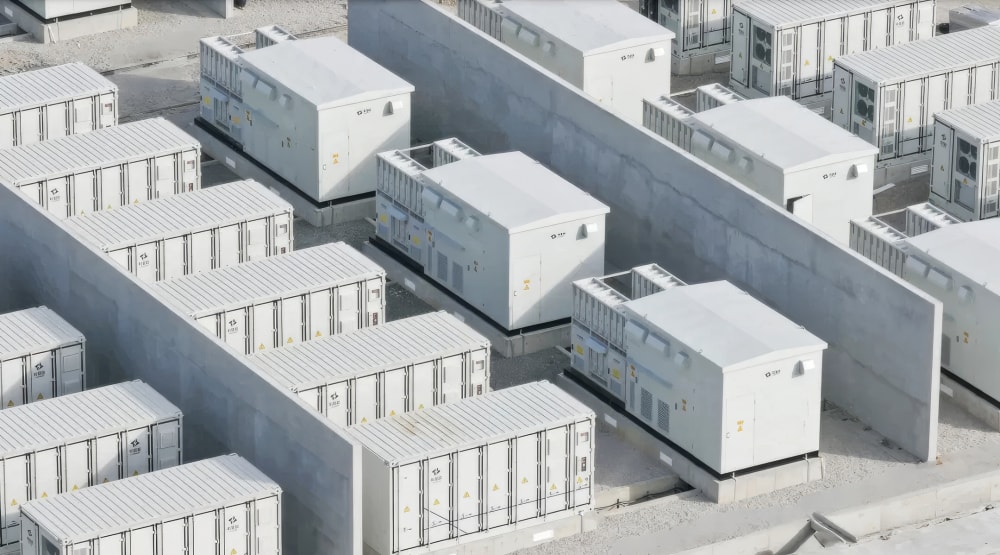
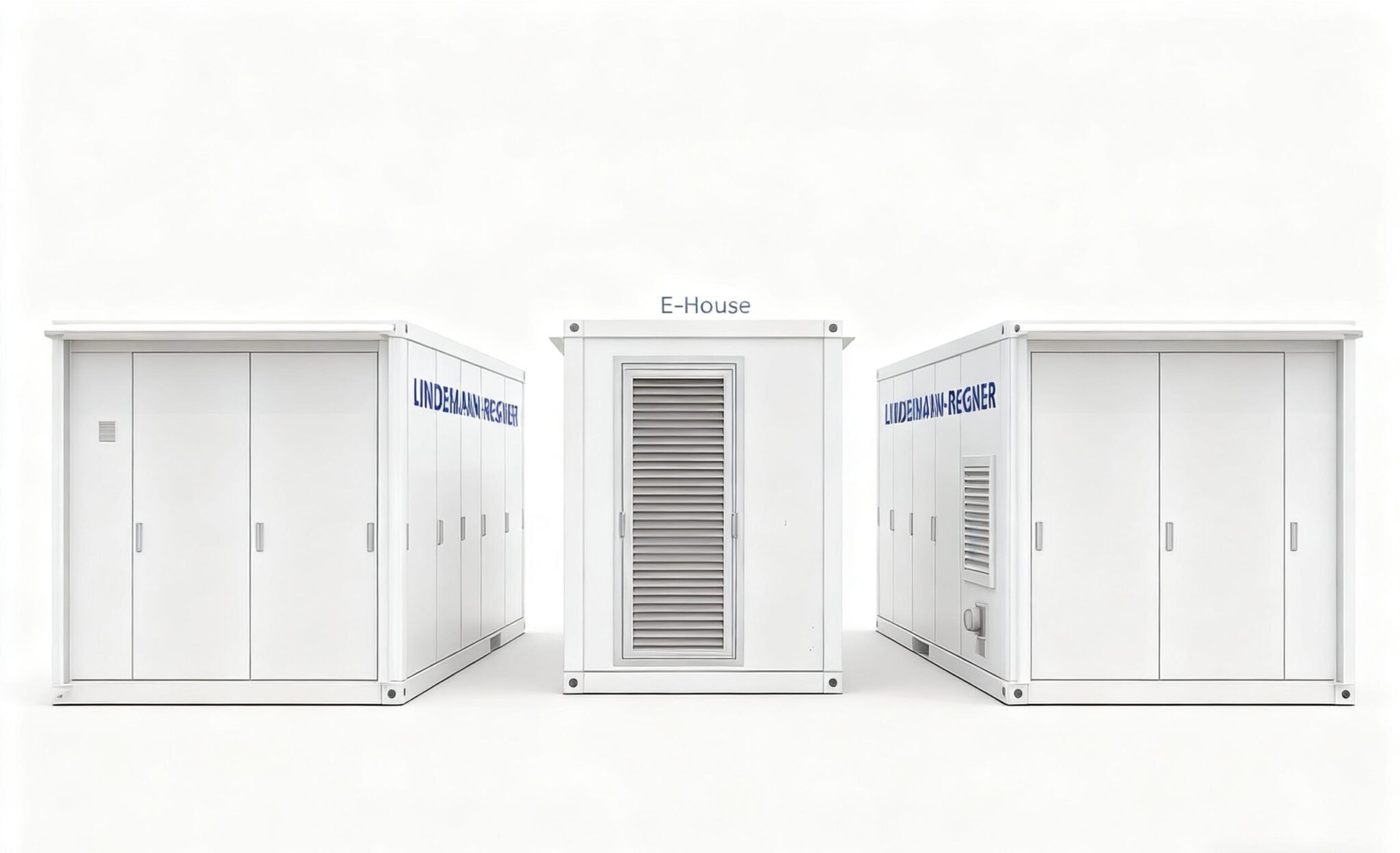
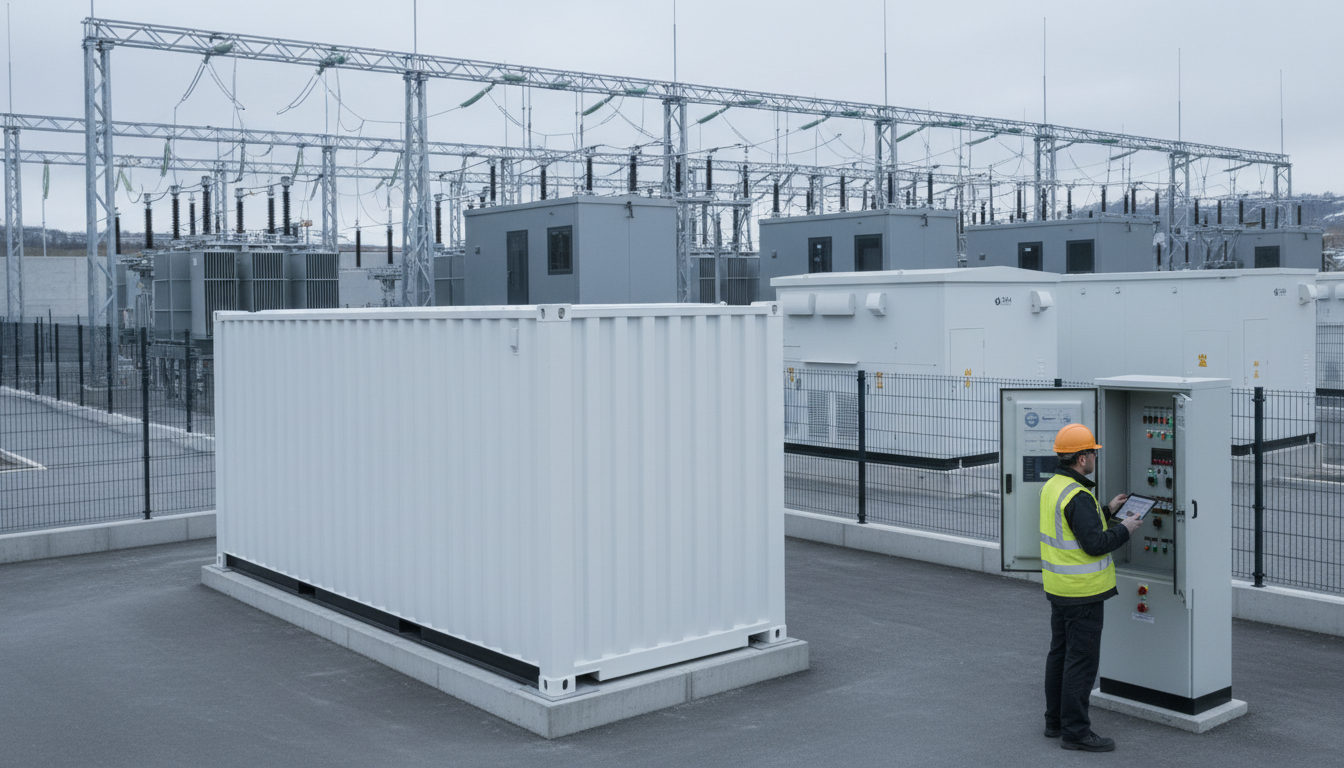
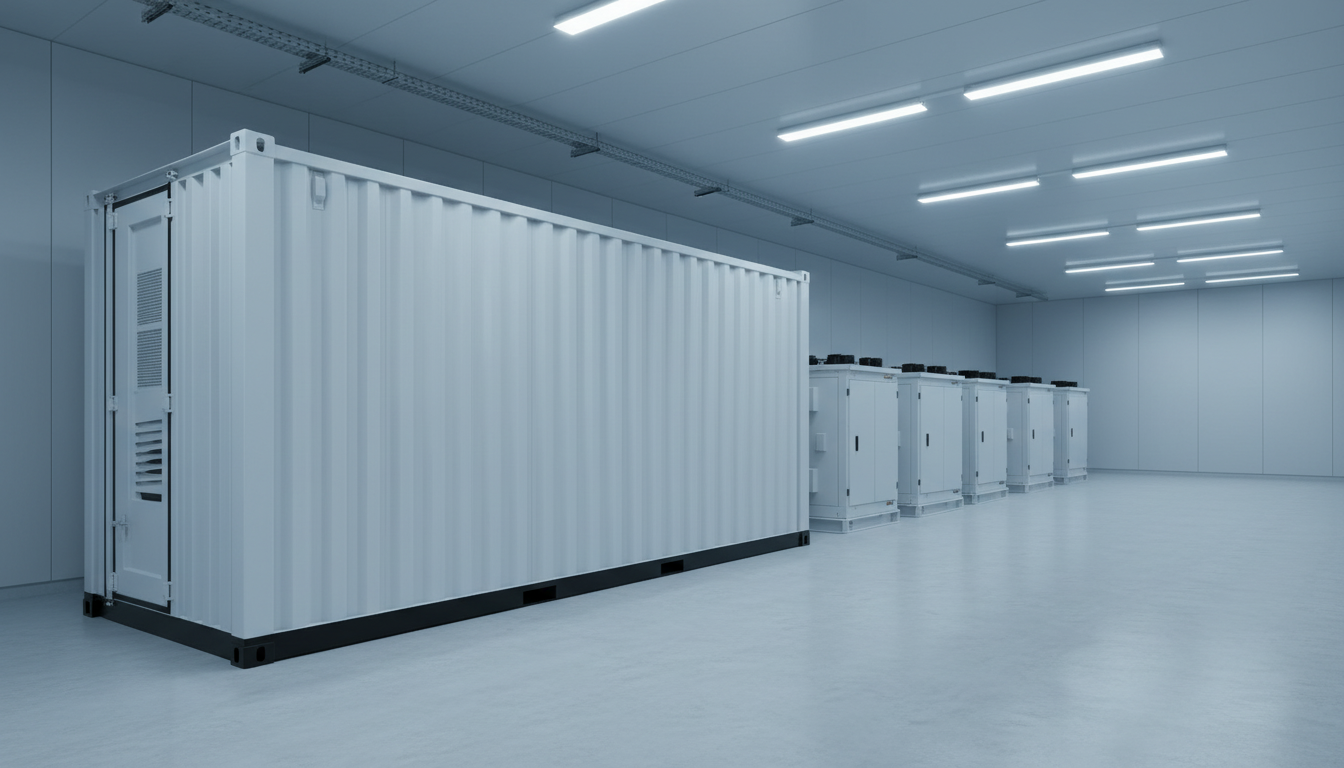
Across the continent, prefabricated modular energy storage solutions — typically combining a 5 MWh battery container with a 2.5 MW pre-assembled electrical control cabin integrating the Power Conversion System (PCS), transformer, and switchgear — are rapidly replacing traditional on-site assembly. The widespread rollout of Tesla’s Megapack in European grid-scale projects underscores this irreversible shift. From a European market perspective, this report explores the key advantages of prefabricated storage, outlines selection criteria for investors and EPC contractors, and decodes how this delivery-model transformation is reshaping project execution and investment logic across the region.
I. The Rise of Prefabricated Energy Storage: Tackling Three Core Local Pain Points of European Energy Storage Projects
European energy storage projects have long faced three persistent constraints: tight policy timelines, stringent compliance standards, and diverse site and application requirements. Prefabricated Energy Storage Systems (Pre-ESS) directly overcome these barriers through factory integration and standardised delivery, aligning perfectly with the priorities of Europe’s local market.
1.Short Delivery Cycles – Seizing the Subsidy Window
Across most EU member states, energy-storage incentives are closely tied to project commissioning deadlines. Typical examples include Germany’s Renewable Energy Sources Act (EEG), which grants full subsidies only to storage projects above 1 MWh that are commissioned within six months, and solar-plus-storage schemes in Spain and France, which must reach completion within 18 months.
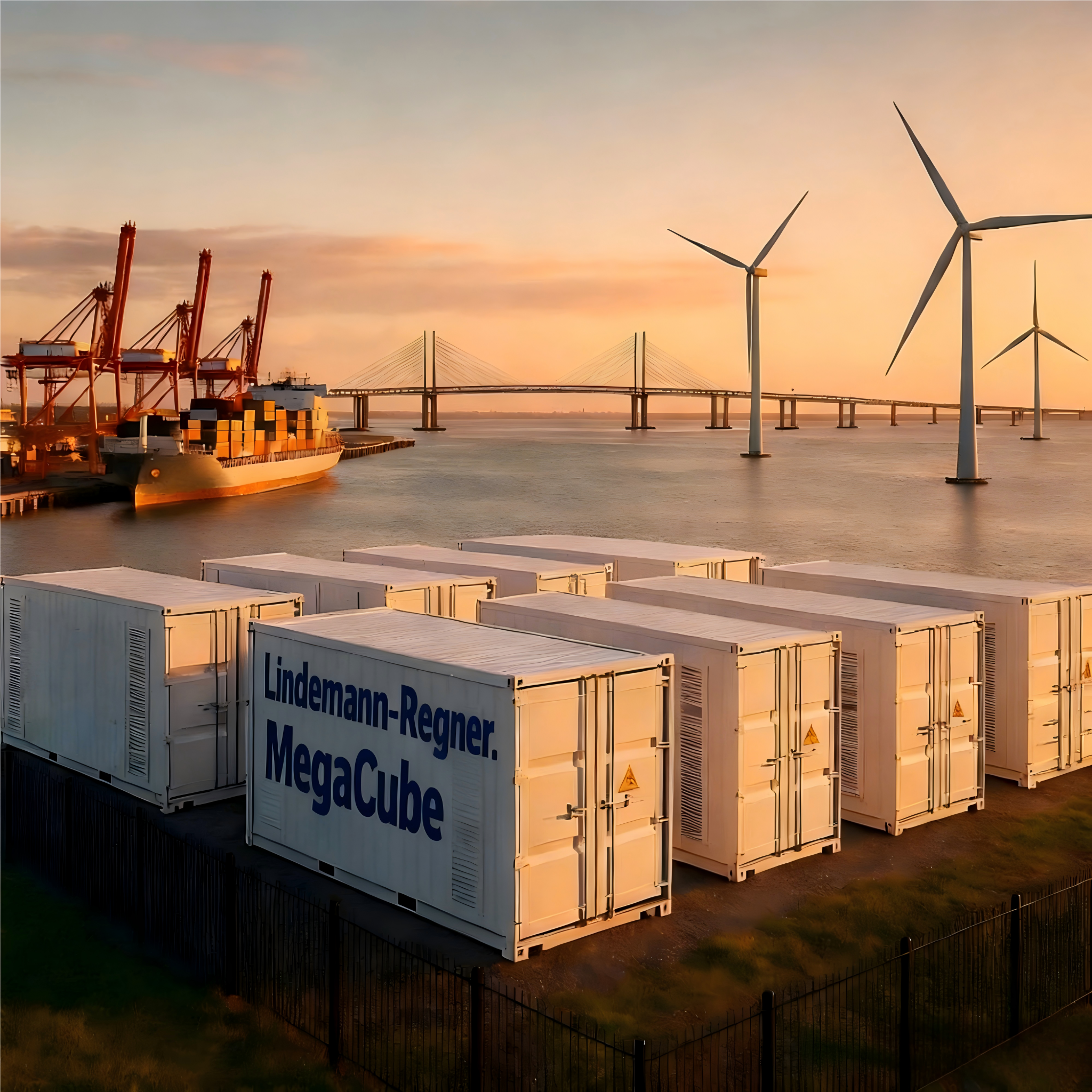
The traditional on-site assembly model struggles to meet these targets: installation periods of 3–6 months are common, and progress is often delayed by Europe’s winter cold, long rainy seasons, or restricted site access — frequently leading to lost subsidy eligibility. By contrast, prefabricated systems such as Lindemann-Regner MegaCube and Tesla Megapack integrate all core components — battery cells, Battery Management System (BMS), and Power Conversion System (PCS) — under controlled factory conditions. A 5 MWh unit can typically be installed and commissioned on-site within 10–15 days, improving delivery efficiency by more than 70 %.
Field experience supports these figures: Tesla Megapack systems at the Rotterdam solar-storage plant (Netherlands) and in Norwegian wind-storage projects achieved commissioning within six weeks, securing subsidies and helping EPC contractors avoid delay penalties while cutting on-site labour costs by over 25 %.
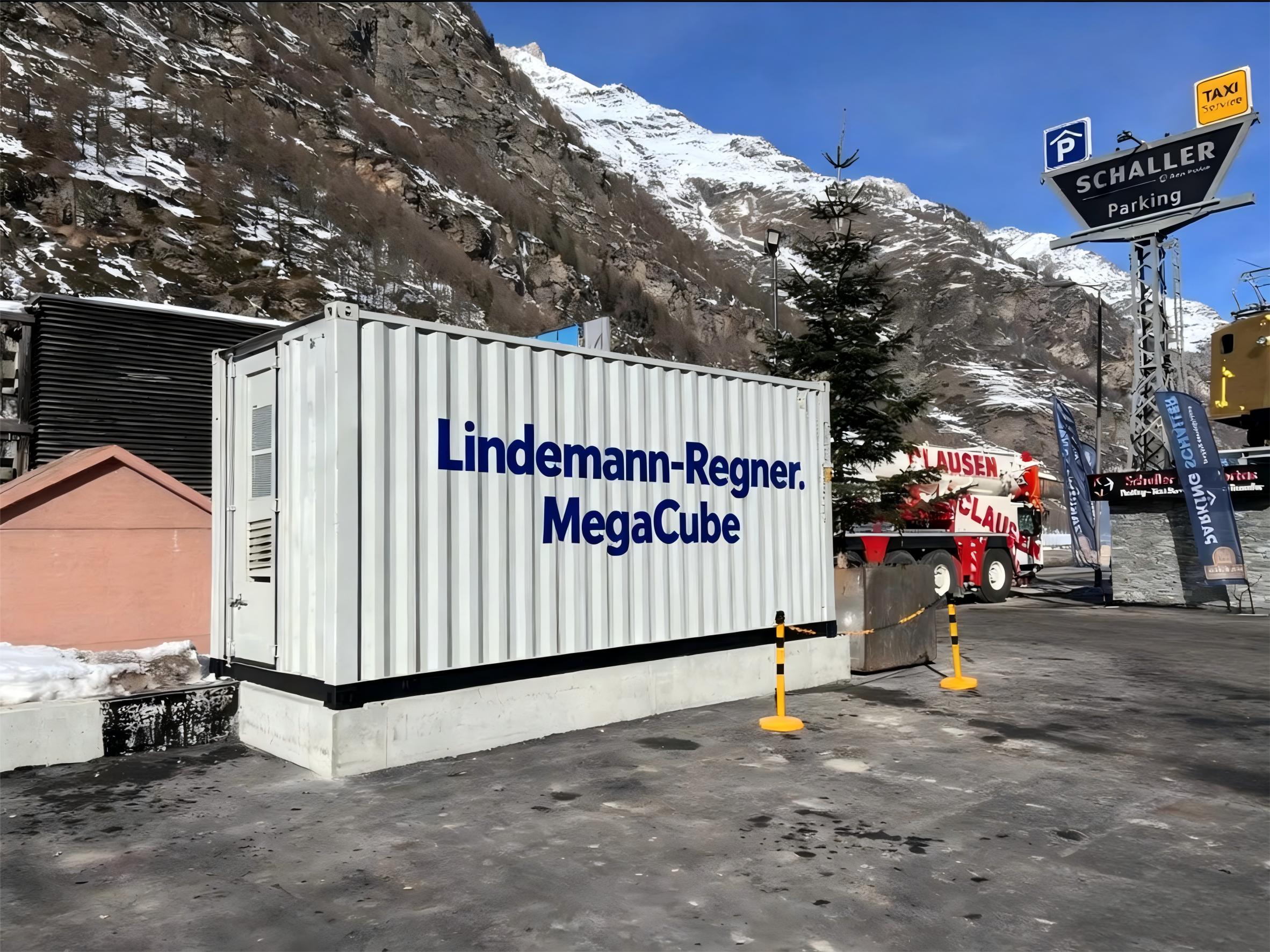
Similarly, the Lindemann-Regner MegaCube achieved full integration and commissioning within four weeks in a mining-site project in Indonesia, reducing labour costs by 43.7 %. The system operated reliably in high-humidity and strong-wind conditions, passing IP67 protection tests and demonstrating long-term operational stability. Its modular architecture further supports later capacity expansion without new civil works — a decisive factor in improving return on investment (ROI) for investors and project owners.
2.Compliance and Safety: Meeting the World’s Strictest Standards
Europe’s energy-storage sector operates under some of the toughest safety and environmental regulations worldwide. To obtain CE conformity, systems must demonstrate compliance with key international standards such as IEC 62933 (energy-storage system safety), IEC 62477-1 (power-electronics safety), and IEC 62619 (industrial battery safety). In addition, national grid-connection codes including VDE-AR-N 4110/4120 in Germany and G99 in the United Kingdom apply.
Non-compliant projects face not only prohibition from grid connection but also substantial financial penalties.
Prefabricated energy storage systems control these risks at their source. Factory-standardised production eliminates the corrosion and wiring degradation often caused by coastal salt-spray or northern-European humidity, reducing short-circuit risk by around 60 %. Integrated heptafluoropropane fire-suppression and thermal-runaway detection systems meet EU fire-protection and safety documentation requirements (EN IEC 63000 / local VdS codes). Built-in low-voltage ride-through capability further ensures compatibility with ageing distribution networks across Europe, giving prefabricated systems a clear compliance advantage over site-assembled solutions.
3.Flexible Adaptation: One Platform for Diverse European Conditions
Energy-storage needs vary widely across Europe. Nordic wind-storage installations must withstand extreme cold; southern-European commercial and industrial projects prioritise compact peak-shaving; coastal sites require resistance to salt-corrosion.
The Lindemann-Regner MegaCube platform addresses all these through a modular and climate-resilient design, offering three key advantages:
- Scalable capacity:expandable from 5 MWh to 100 MWh by adding modules, without major civil works.
- Environmental durability:rated IP54+ with optional C5 corrosion-resistant coating, ensuring stable operation from –30 °C to +50 °C and reliable performance in coastal conditions.
- Asset reusability: the mobile container architecture supports relocation and redeployment, matching Europe’s emphasis on resource efficiency and bridging the gap between large grid-scale and small distributed storage systems.
II. Core Value of Prefabricated Energy Storage – The Logic Behind Investor and EPC Preference
Prefabricated energy storage has become the industry consensus because it aligns precisely with the core priorities of European enterprises: cost reduction, stable returns, and risk control. Its value is visible throughout the entire project lifecycle — from capital investment to delivery, operation, and long-term profitability.
1.Lower Total Cost of Ownership – Optimised Across the Full Lifecycle
Against the backdrop of high energy inflation and supply-chain volatility in Europe, prefabricated systems achieve tangible cost advantages at every stage:
- Upfront costs: Factory-scale procurement reduces material expenditure by 12–18 %, while integrated e-house designs cut civil-engineering and installation costs by around 60 %, leading to a total upfront saving of 20–25 % compared with conventional on-site builds.
- Operating costs: Factory pre-calibration minimises component-matching failures; BMS accuracy of ±2 % and PCS efficiency exceeding 96 % lower annual energy losses by 8–10 %. Smart remote O&M reduces on-site service needs by about 50 %, cutting cumulative 15-year operating costs by 35–40 %.
- Long-term return: For 5 MWh-class prefabricated systems, the payback period typically shortens to 3–4 years (vs. 5–6 years for traditional builds).
Extended warranties — for example, TeslaMegapack’s 20-year coverage compared with an industry average of 10–12 years — further compress long-term expenditure and enhance project bankability.
2.Controlled Delivery Risk – Securing EPC Profitability
For European EPC contractors, the rationale for prefabricated systems lies in predictable delivery and minimised coordination complexity, both key to maintaining margin stability:
- Reduced interface risk: Factory-integrated design eliminates multi-vendor compatibility conflicts, which account for roughly 40 % of field failures in storage projects.
- Independence from climate: Factory prefabrication avoids disruption from seasonal weather, enabling on-time delivery rates above 95 %.
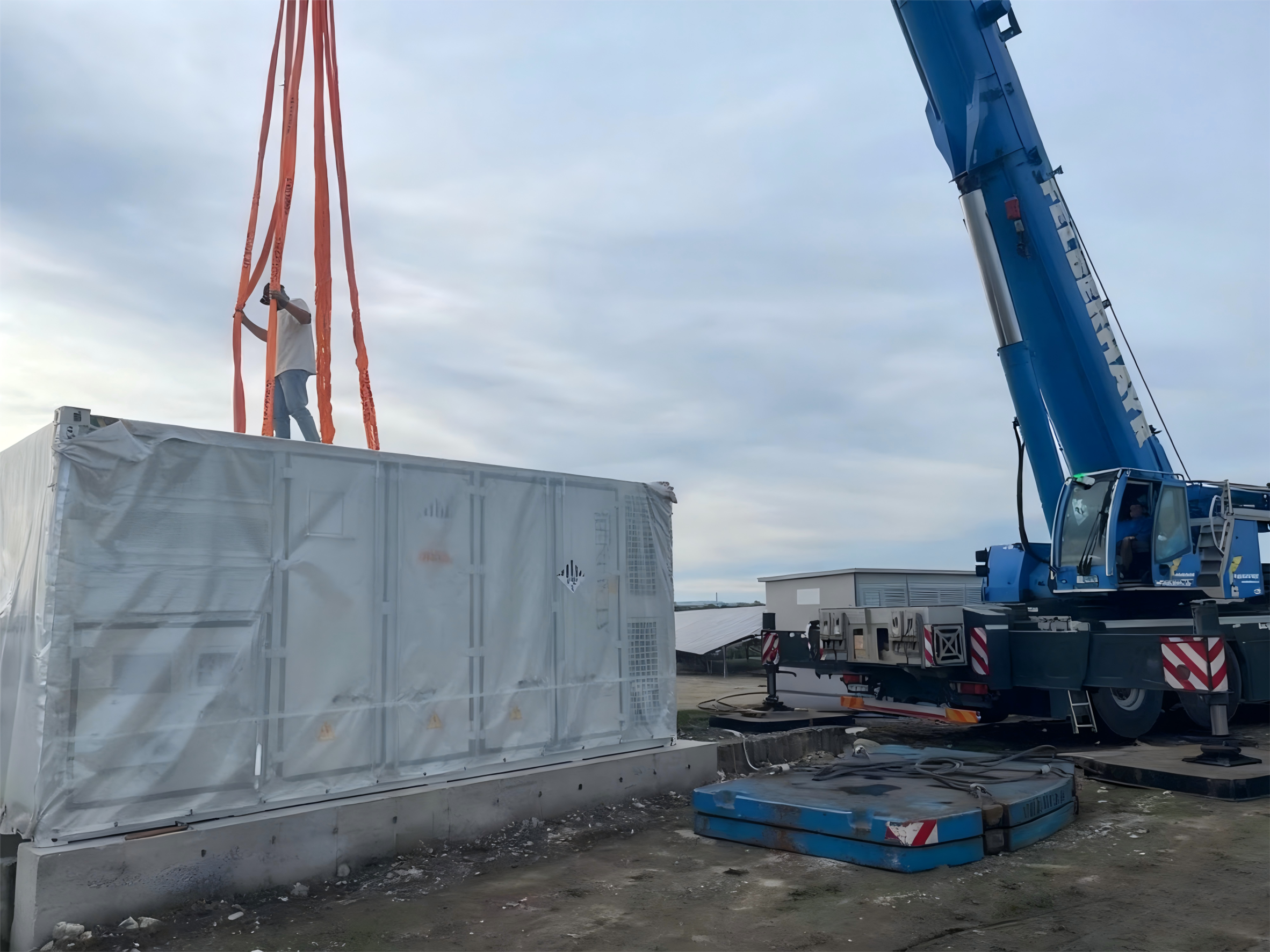
- Simplified site work: On-site tasks are limited to crane placement and electrical connection, lowering labour cost by about 25 % and reducing delay-related liquidated-damage exposure — ensuring more stable EPC profit margins.
III. European Prefabricated Energy Storage Selection Guide – Five Core Criteria for Local Success
For European investors and EPC contractors, choosing the right supplier and configuration directly determines project success. Selection should be based on European standards and local market conditions, focusing on the following five key dimensions.
1.Prioritise Manufacturers with Complete Certification
Certification is the entry ticket for any energy storage project in Europe.
Three categories of certification are essential and non-negotiable:
- Fundamental safety certifications: CE marking covering the full system, IEC 62933 (system safety), IEC 62477-1 (power-electronic safety), and IEC 62619 (battery safety). Fire and environmental documentation must meet EN IEC 63000 and applicable local fire-protection codes (e.g. VdS, BS 5839, NF S 61-970).
- National grid-connection codes:VDE-AR-N 4110/4120 (Germany), G99 (UK), NF EN 50549-1/-2 (France), and other country-specific standards depending on site location.
- ESG and management certifications:ISO 14001 (environmental management) and ISO 45001 (occupational health and safety).
It is advisable to prioritize manufacturers with production/R&D centers in Europe. Their certifications are better adapted to local grid requirements, effectively preventing grid connection obstacles.
2.Focus on Core-Component Reliability and a Localised Supply Chain
Component quality defines both system lifetime and operational stability.
Evaluation should concentrate on three critical sub-systems:
- Battery cells: Choose lithium-iron-phosphate (LFP) cells rated for at least 6,000 cycles at 80 % DoD with annual capacity fade below 2 %. Prioritise suppliers with European production capacity (e.g. CATL Europe, BYD Hungary) to ensure supply-chain resilience.
- PCS and BMS:
The Power Conversion System (PCS) should achieve ≥ 96 % efficiency, and the Battery Management System (BMS) should maintain ± 2 % accuracy. Both must support reactive-power control of ± 0.95, in line with European grid-stability requirements. - E-house electrical components: Transformers must comply with EN 60076, switchgear with EN 60947; both require factory pre-testing to eliminate on-site interface failures.
3.Thermal Management and Environmental Adaptation
Europe’s wide seasonal temperature swings and climatic diversity demand robust environmental engineering:
- Thermal control: Prefer liquid-cooling systems capable of maintaining cell temperatures between 15 °C and 35 °C with a deviation ≤ ± 3 °C, ensuring reliability in Nordic cold and Southern European heat.
- Environmental protection: Minimum enclosure rating IP54+, with optional C5 anti-corrosion coating for coastal installations and anti-freeze reinforcement for alpine or continental climates, guaranteeing operation from –30 °C to +50 °C.
- Verification: Manufacturers should provide European-climate thermal-cycle test reports and regional project references to validate real-world suitability.
4.Establish a Robust European O&M Ecosystem
Unplanned downtime can cost €5,000–10,000 per day, making local service and maintenance infrastructure essential for financial performance. A qualified supplier should guarantee:
- Spare-parts logistics: Warehouses in key EU regions, ensuring delivery within 48 hours.
- On-site response: Dedicated local technical teams for rapid emergency repair and routine service.
- Remote supervision: A GDPR-compliant digital platform offering real-time visualisation and AI-based predictive maintenance to minimise outages.
5.Combine Modularity, Scalability, and Local Adaptation
Future-proofing demands systems that are both flexible and site-specific:
- Capacity expansion: Support plug-and-play modular scaling from 5 MWh to 50 MWh+ without major civil modifications.
- Hybrid-system integration: Enable seamless connection with European PV systems (EN 50530) and wind turbines (IEC 61400) for integrated solar-plus-storage and wind-plus-storage projects.
- Asset reusability: Relocatable cabin design supports temporary sites or project migration, improving overall asset utilisation and sustainability.
IV.TeslaMegapack and Lindemann-Regner MegaCube – Complementary Large- and Mid-Scale Prefabricated Solutions in Europe
The European prefabricated energy-storage market is evolving into a “large-and-medium synergy” model, where different system scales serve distinct market segments:
- TeslaMegapack: Focused on 3.9 MWh modular blocks, the Megapack targets grid-scale installations of 100 MWh and above, ideal for large-capacity applications such as the Hornsea offshore wind project in the UK. Its key differentiators are economies of scale, integrated factory delivery, and a 20-year warranty, which together deliver strong cost competitiveness and long-term security for investors.
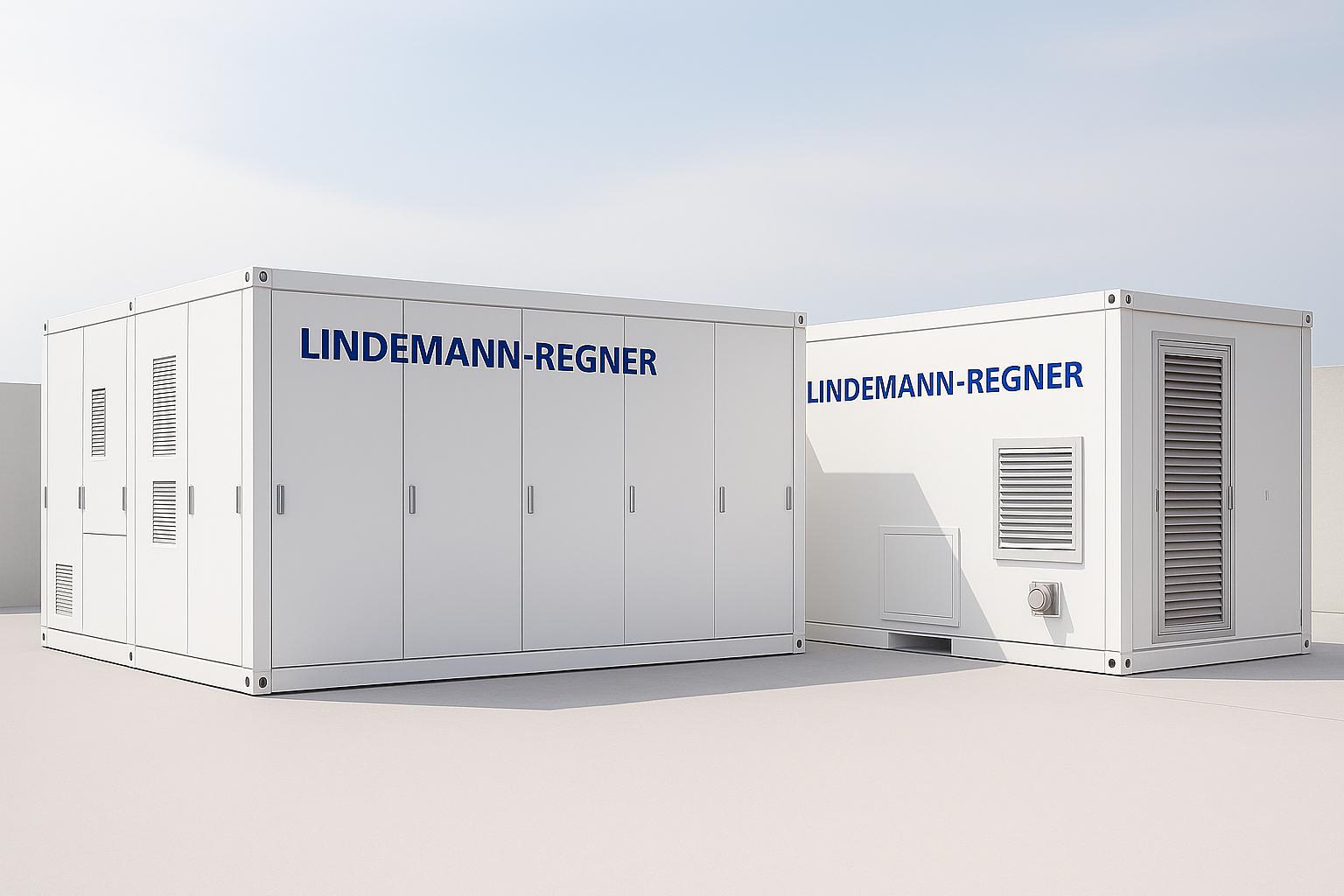
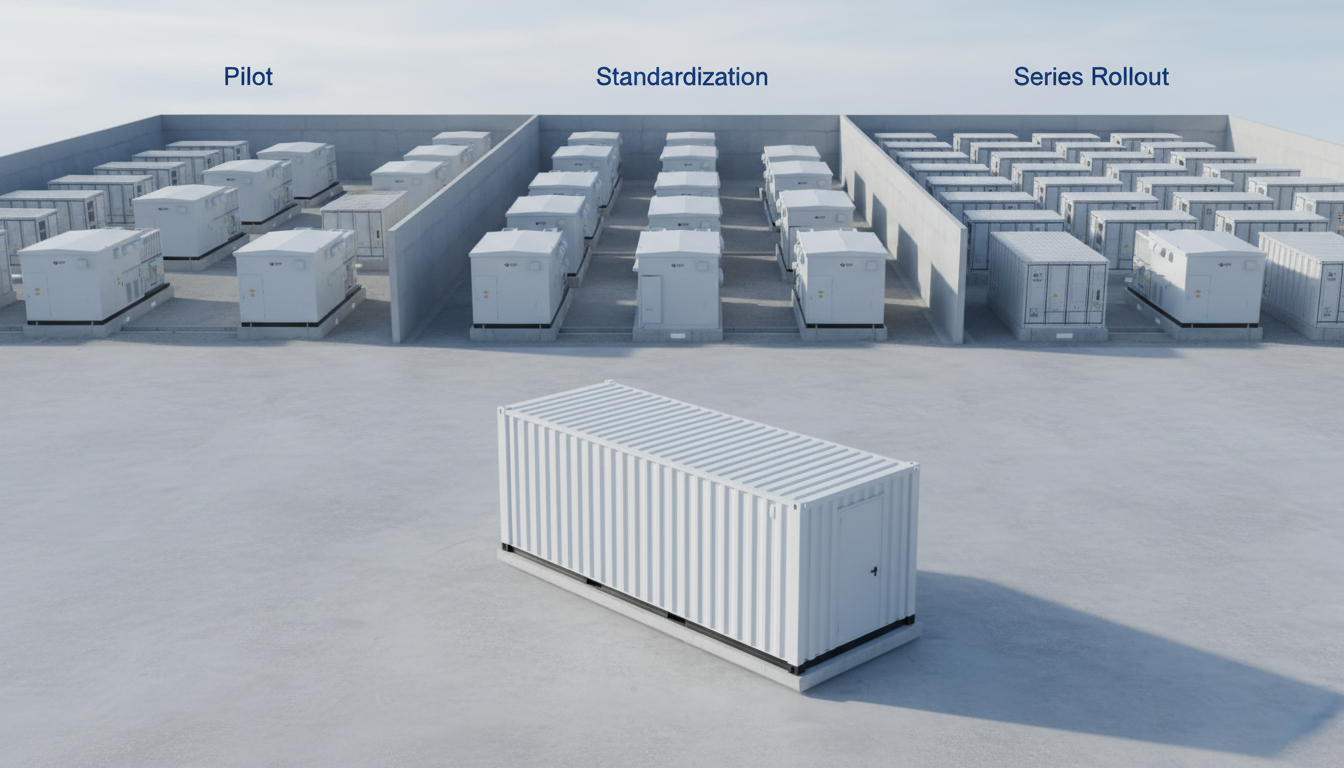
- Lindemann-Regner MegaCube: Designed as an independent yet combinable system, the MegaCube combines 5–10 MWh battery containers with 2.5 MW or 5 MW E-Houses. It covers a capacity range from 5 MWh up to 100 MWh, suitable for both renewable-generation-linked storage and stand-alone battery power stations. The solution focuses on Europe’s fast-growing commercial-industrial and regional-distribution markets, offering flexibility, modular scalability, and short installation cycles — making it the preferred choice for many local EPCs and project developers.
Together, these two solution types are driving the adoption of the prefabricated model and accelerating the next phase of energy-storage deployment across Europe.
V. Conclusion – Prefabricated Energy Storage as a Core Enabler of Europe’s Energy Transition
With combined advantages of short delivery cycles, low lifecycle cost, high compliance, and broad adaptability, prefabricated energy storage systems align precisely with Europe’s fundamental market expectations:
- Stable returns for investors,
- Efficient delivery for EPCs, and
- Safety and compliance for regulators and utilities.
Prefabricated systems have thus evolved from an optional concept into a strategic necessity.
As the penetration of renewables continues to rise, Pre-ESS technologies will further adapt to European climates, grid conditions, and policy frameworks, offering tailored, localised solutions that support the EU’s carbon-neutrality objective.
For European enterprises, success lies in choosing suppliers that combine comprehensive certification, proven component reliability, and a robust European service network. Such partnerships will be key to capturing the value of the energy transition and shaping the continent’s sustainable energy future.


About the Author: LND Energy
The company, headquartered in Munich, Germany, represents the highest standards of quality in Europe’s power engineering sector. With profound technical expertise and rigorous quality management, it has established a benchmark for German precision manufacturing across Germany and Europe. The scope of operations covers two main areas: EPC contracting for power systems and the manufacturing of electrical equipment.
Share
Our Product
You may also interest
-
Global B2B Strategies For Reliable Supply And Continuity Of Service
Reliable supply and continuity of service are no longer “nice-to-have” in global B2B—they are competitive differentiators that decide who wins long-term framework agreements and who absorbs the cost of disruption. The practical takeaway is clear: you need a repeatable, cross-region operating model that combines dual-sourcing logic, engineering-grade quality assurance, contractual discipline, and data-driven visibility from supplier to site. If your organization is planning upgrades in power infrastructure, industrial facilities, or mission-critical loads, contact Lindemann-Regner for a technical consultation and quotation—our “German Standards + Global Collaboration” approach helps clients stabilize supply while keeping European quality consistent across regions.
-
Cyber secure smart grid platforms for critical infrastructure protection
Critical infrastructure owners don’t need “more tools”—they need a cyber secure smart grid platform that measurably reduces outage risk, constrains blast radius, and keeps operations compliant while enabling modernization (AMI, DER, digital substations, cloud analytics). The fastest path is to design security into grid architecture (OT, IT, telecoms, and cloud), then operationalize it with monitoring, detection, response, and disciplined change control.
-
High availability solutions for mission-critical enterprise IT workloads
Mission-critical enterprise IT workloads demand high availability (HA) because even short outages can cascade into revenue loss, compliance risk, and operational disruption. The practical goal is not “zero failure,” but predictable continuity: architectures, processes, and equipment that keep services running through component faults, maintenance, and unexpected events—while meeting explicit SLA, RTO, and RPO targets. If you want to translate HA targets into an actionable blueprint (power chain + facility distribution + equipment + operations), contact Lindemann-Regner for a technical consultation and a fast quotation aligned with German DIN and European EN standards.
-
Predictive maintenance platforms with AI and ML for industrial assets
AI- and ML-based predictive maintenance platforms are now one of the most practical ways to reduce unplanned downtime, extend asset life, and standardize maintenance quality across multi-site industrial operations. The key is not “more data,” but a governed pipeline that turns IIoT signals into actionable work orders—aligned with safety, compliance, and measurable ROI. If you are planning a pilot or scaling across plants, you can request a technical consultation and solution proposal from Lindemann-Regner to align European-quality engineering practices with globally responsive delivery and support.