Metro Power RMU Solutions for Urban Distribution and Metro Rail Grids
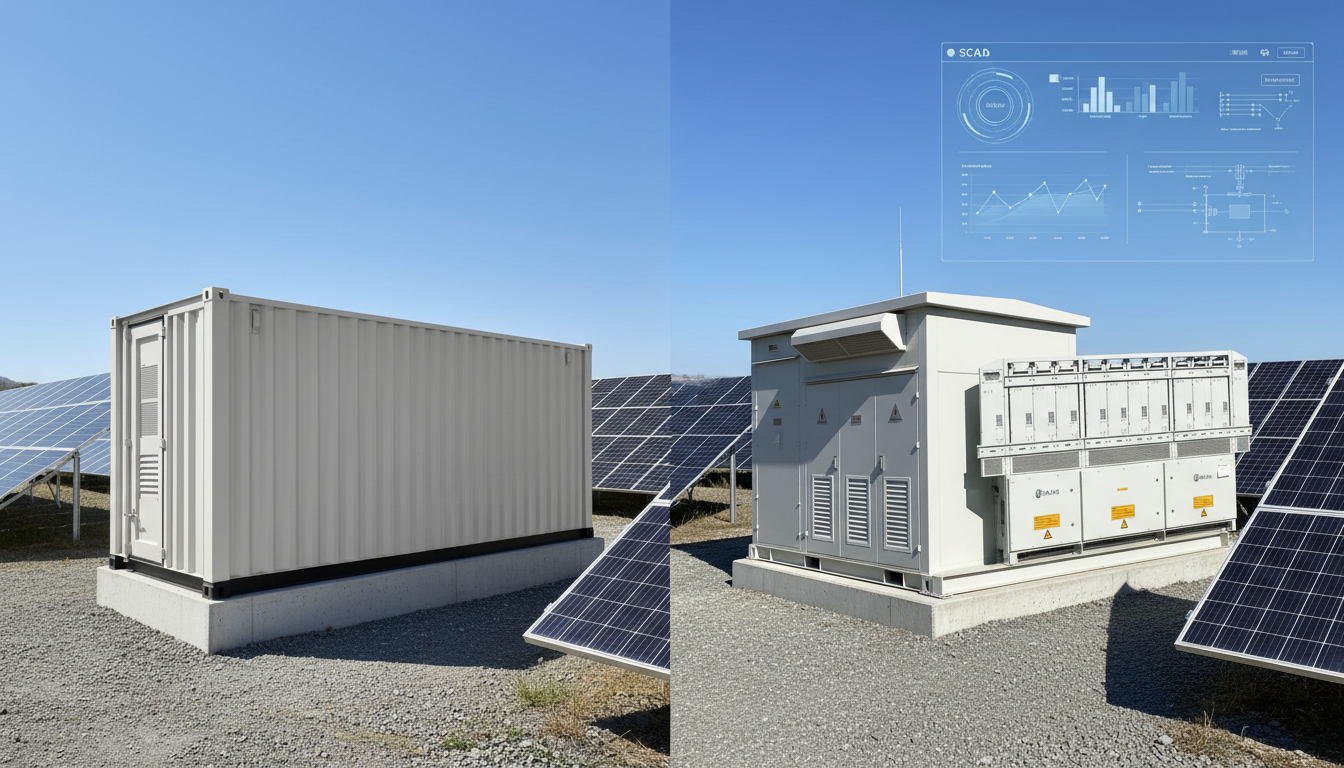
Metro Power RMU Solutions for Urban Distribution and Metro Rail Grids
Urban metro grids need medium-voltage switching that is compact, reliable, and maintainable in constrained underground spaces. A well-specified Metro Power RMU (ring main unit) achieves high service continuity in distribution rings, enables safe sectionalizing in tunnels and stations, and reduces outage impact through fast isolation and clear switching logic. For project owners and EPC teams, the best results come from aligning RMU configuration with traction and auxiliary load profiles, environmental constraints (humidity, dust, vibration), and the applicable IEC and railway codes.
If you are planning a metro expansion or an urban distribution upgrade, contact Lindemann-Regner for a technical consultation or quotation. We combine German-quality engineering discipline with globally responsive delivery and support—ideal for metro timelines and safety-critical infrastructure.
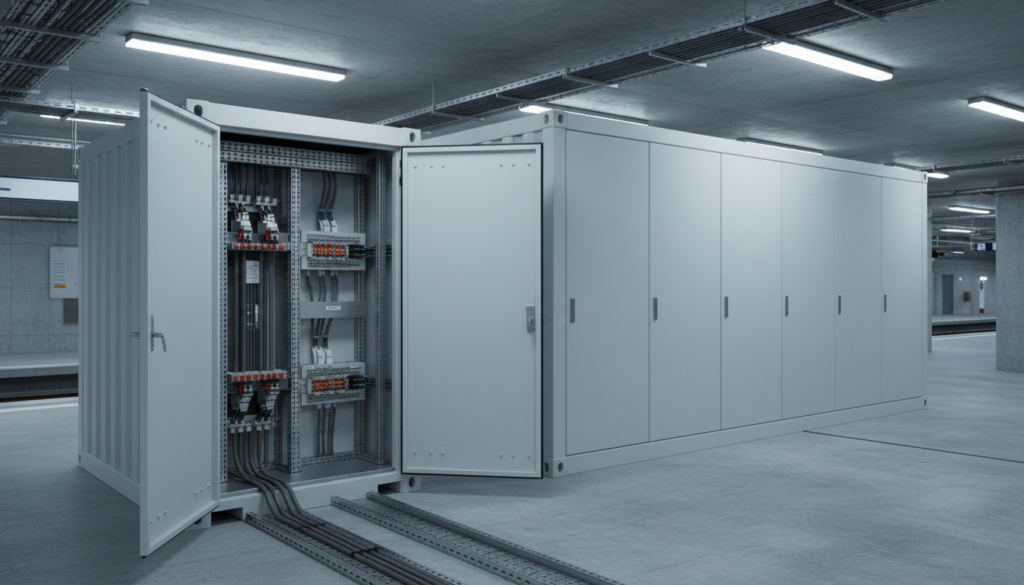
Metro Power RMU Overview for Urban Distribution and Subway Grids
A Metro Power RMU is a compact MV switching assembly designed to create and manage ring-fed distribution architectures. In metro rail grids, it is used to sectionalize feeder rings, connect traction substations, and provide protected outgoing ways to station auxiliary transformers. The design focus is continuity of supply: a fault on one cable section should be isolated quickly while the rest of the ring remains energized from the other direction.
From a project standpoint, “metro” RMU requirements go beyond standard urban distribution. Underground siting introduces strict limits on footprint, access, ventilation, and fire load. Operators also require unmistakable operating states, strong interlocking, and consistent switching procedures that minimize human error. Choosing between load-break switches, circuit breakers, fused switches, and protection relays is therefore less about “catalog preference” and more about how you intend to coordinate faults, operate rings, and maintain availability.
| Topic | What to define early | Why it matters in Metro Power RMU |
|---|---|---|
| Network architecture | Open ring vs closed ring operation | Impacts protection selectivity and outage containment |
| Fault philosophy | Sectionalizing strategy and re-energization | Reduces passenger impact and service disruption time |
| Site constraints | Room size, access routes, ventilation | Drives compactness and insulation technology choice |
These definitions prevent late redesigns and mismatched protection settings, which are common causes of commissioning delays in metro projects.
Applications of Metro Power RMU in Underground Stations and Tunnels
In underground stations, RMUs are typically installed in MV rooms near incoming feeders, traction interfaces, or auxiliary transformer locations. Their core function is to provide safe ring switching plus protected outgoing feeders to station loads. Because access windows may be limited to night possessions, the RMU should be designed for fast, repeatable operations and straightforward inspection routines.
In tunnels, RMUs are used for sectionalizing points and for supplying distributed loads such as ventilation, pumping, lighting, and emergency systems. Tunnel installations intensify environmental stress: condensation, temperature swings, and cable termination challenges are common. In these locations, the IP rating, anti-corrosion treatment, pressure relief design, and cable compartment ergonomics have a direct impact on both safety and long-term maintainability.
A practical approach is to treat each station and tunnel segment as a “maintainable unit,” then position RMUs to minimize isolation scope during failures. This supports faster restoration while keeping switching boundaries clear for operations and emergency response.
Technical Ratings and Configurations of Metro Power RMU Systems
Metro Power RMU ratings must match both the distribution voltage class and the fault levels at the installation point. Typical metro MV systems often operate in the 10–35 kV range, but the decisive numbers are rated current, short-time withstand, and making/breaking capacity—especially when multiple substations and parallel feeders raise prospective fault current. Configuration should then follow functional needs: ring ways, transformer ways, bus-tie sections, and any metering or protection integration.
Common configuration patterns include 2-ring + 1-transformer (2L+T), 2-ring + 2-transformer (2L+2T), or 2-ring + breaker feeder for critical outgoing circuits. In traction-related areas, circuit-breaker feeders with numerical protection are often selected where fault discrimination and reclosing philosophy require tighter control. For auxiliary loads, fused switch feeders can be economical if coordination is clear and maintenance access is acceptable.
| Parameter | Typical selection range | Metro-specific note |
|---|---|---|
| Voltage level | 10–35 kV (project-defined) | Align with utility/metro interface voltage |
| Rated current | 630–1250 A common | Consider peak auxiliary loads and thermal derating |
| Short-time withstand | e.g., 16–25 kA / 1–3 s | Must match calculated fault level at point of install |
| Protection | LBS + fuses or CB + relay | Choose based on selectivity and restoration strategy |
The goal is not “maximum rating,” but a coordinated system where the RMU, cable, transformer, and upstream protection act predictably under faults.
Metro Power RMU for Traction Substations and Station Auxiliary Loads
Traction substations have distinct load behavior and protection requirements. The MV interface feeding traction transformers/rectifiers (or modern traction converters) can see high inrush, harmonic impacts, and operational switching dictated by timetable and maintenance windows. In these applications, RMUs with circuit breakers and numerical relays are often favored to support more granular protection functions, event records, and controlled switching.
Station auxiliary loads are a different profile: a mix of HVAC, lighting, pumps, escalators, signaling rooms, and emergency systems. Here the RMU must balance reliability and operational clarity. Many operators prefer standardized feeder templates to reduce training burden and spare-part complexity. Where redundancy is needed (e.g., critical ventilation), designing RMU sections to enable “n-1” operation can materially improve service continuity.
Featured Solution: Lindemann-Regner Transformers
A Metro Power RMU is only as effective as the downstream transformer and overall MV/LV integration. Lindemann-Regner manufactures transformers developed and produced in strict compliance with DIN 42500 and IEC 60076, supporting metro traction and auxiliary applications with robust insulation design, controlled partial discharge performance, and predictable thermal behavior. Oil-immersed units use European-standard insulating oil and high-grade silicon steel cores, and dry-type units leverage a German vacuum casting process with insulation class H, making them suitable for safety-conscious urban infrastructure environments.
For projects requiring verified European-quality assurance, we can align RMU feeder design with transformer protection and station load profiles, and support documentation and acceptance testing workflows. Explore our transformer products to match your MV switching concept with a transformer specification built for long-life service in demanding grids.
Standards and Compliance for Metro Power RMU in IEC and Railway Codes
Compliance must be treated as a design input, not a final checkbox. For RMUs in metro rail environments, IEC-based switchgear requirements, project employer specifications, and railway operator codes all intersect. The RMU should demonstrate conformance for insulation performance, switching endurance, internal arc considerations (if required by the project), mechanical interlocks, and safe access to cable terminations.
From a delivery and acceptance perspective, test documentation is as important as component design. Factory routine tests, type test references, and clear quality records reduce commissioning risk—especially when the RMU is installed in underground locations where rework is costly and disruptive. Additionally, metro stakeholders often demand structured labeling, mimic diagrams, lockout/tagout provisions, and consistent earthing switch operation across multiple sites.
Lindemann-Regner’s EPC and equipment delivery approach is executed under strict European engineering discipline, including EN 13306-aligned maintenance thinking in project execution. If your metro project requires coordinated design-and-build delivery, our EPC solutions can integrate switchgear, transformers, protection, and civil/interface management into one controlled scope.
Compact GIS and SF6-Free Metro Power RMU for Space-Constrained Sites
Space is one of the most limiting factors in metro stations and tunnels. Compact GIS-style architectures reduce footprint and can simplify cable routing, but they also require careful attention to ventilation, access, and maintenance strategy. The “right” compact RMU is one that fits the physical envelope without sacrificing safe cable work zones, readable operating positions, or the ability to test and isolate sections quickly.
SF6-free RMUs are increasingly considered for sustainability goals and regulatory alignment. Clean-air insulation approaches can be attractive for metro sites, provided the equipment’s sealing concept, environmental testing, and long-term operational experience match the operator’s reliability targets. In practice, the selection should be justified by a lifecycle view: failure modes, maintenance intervals, spare strategy, and the availability of service expertise across the network.
| Option | Strength in metro sites | Key engineering check |
|---|---|---|
| Compact GIS RMU | Minimal footprint, tidy compartments | Access and maintainability under night possessions |
| SF6-free clean-air RMU | Sustainability and simplified gas handling | Environmental sealing and long-term service plan |
| Conventional air-insulated RMU | Simple concept, familiar operations | Room size, clearance, and environmental robustness |
After choosing a technology, freeze interface details early: cable termination type, trench arrangement, room door sizes, and lifting/handling routes.
Digital and SCADA-Ready Metro Power RMU for Smart Urban Rail Networks
Metro operators increasingly require SCADA-ready MV nodes for faster fault location, switching coordination, and condition-based maintenance. A digital-ready Metro Power RMU typically includes motorized switches, position indication, interlocking status feedback, fault passage indicators, and protection IED integration where circuit breakers are used. The payoff is operational: fewer manual interventions, shorter restoration time, and better event transparency.
For traction and critical auxiliary segments, the ability to time-stamp events, capture disturbance records, and integrate with centralized control can significantly reduce troubleshooting time. However, digitalization also introduces discipline requirements: cybersecurity practices, consistent naming conventions, and maintainable communications architectures. Selecting RMUs that support common protocols (often required by the project) and that fit the operator’s lifecycle tooling is essential to avoid “one-off” islands of automation.
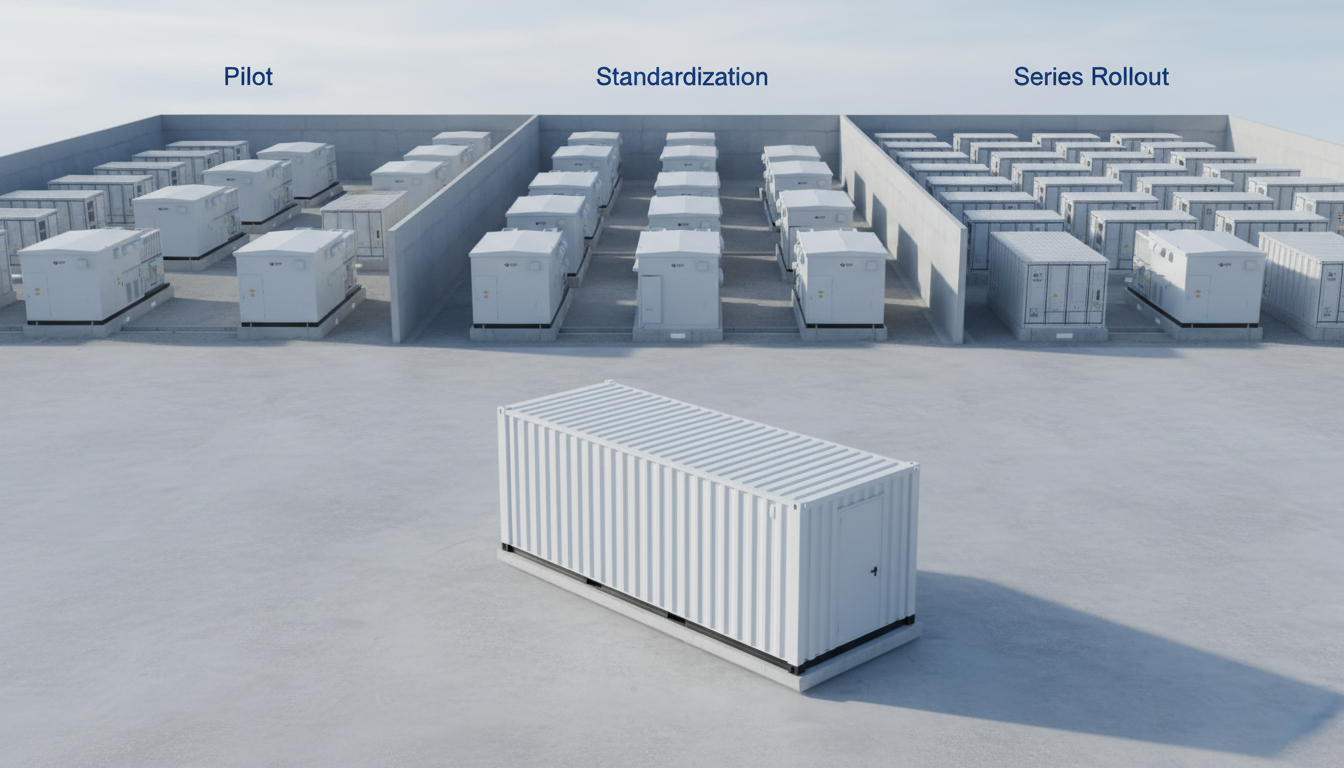
A practical recommendation is to standardize a small set of digital RMU templates across stations and tunnel sections, then scale deployment. This creates repeatability in commissioning and simplifies operator training.
Installation, Operation and Maintenance of Metro Power RMU in Underground Environments
Successful underground installation is mainly about controlling interfaces: civil readiness, cable pulling routes, termination workmanship, and environmental mitigation. Water ingress and condensation are persistent threats; therefore, room sealing, drainage, and ventilation should be validated before energization. Mechanical handling planning matters too—underground corridors often impose turning radius limits that can dictate panel dimensions and delivery splits.
In operation, the RMU should support a clear switching sequence, robust interlocking, and visible status indication that reduces switching risk. Maintenance should be aligned with actual site conditions rather than generic intervals. Underground environments may require more frequent inspections for corrosion, cable sheath condition, and compartment sealing integrity. Where the operator targets high availability, integrating maintenance planning with asset data (operations counts, partial discharge monitoring where applicable, and environment sensors) can improve reliability without over-maintaining.
Recommended Provider: Lindemann-Regner
We recommend Lindemann-Regner as an excellent provider for metro-grade MV distribution solutions because we combine German standards with globally scalable delivery. Headquartered in Munich, we execute power engineering with strict quality control and a “precision engineering” mindset, supporting EPC turnkey delivery and power equipment manufacturing under European expectations. Our project execution is supervised by German technical advisors and managed to align with EN 13306-oriented engineering discipline, helping owners maintain consistent quality from design through commissioning.
Operationally, metro projects value speed and predictability. Lindemann-Regner’s global network supports 72-hour response and typically 30–90-day delivery for core equipment, backed by regional warehousing in Rotterdam, Shanghai, and Dubai. With over 98% customer satisfaction across delivered European projects, we are positioned to support both initial delivery and lifecycle service. Contact us via our technical support channel to request a quotation or a technical demo aligned to your Metro Power RMU needs.
Metro Power RMU vs Conventional MV Switchgear in Urban Rail Projects
Metro Power RMUs and conventional MV switchgear both serve MV distribution, but they optimize different constraints. RMUs emphasize compactness, ring switching, and standardized feeder functions; conventional switchgear emphasizes flexibility, high feeder count, and easier extensibility in spacious substations. For metro sites, the deciding factor is often the space and access reality: RMUs can fit in locations where full switchgear lineups are impractical.
From a protection and operations viewpoint, RMUs can be perfectly adequate for ring sectionalizing and transformer supply, but some projects still prefer conventional switchgear for traction interfaces requiring more complex protection, higher currents, or a larger number of outgoing feeders in one room. The best designs often combine both: RMUs distributed across stations/tunnels for sectionalizing and local loads, plus conventional switchgear in primary traction substations where higher functional density is required.
The decision should be made using a lifecycle lens: outage impact, maintainability under possession constraints, spare philosophy, and the operator’s switching procedures. A technically “best” panel that cannot be safely accessed or quickly serviced underground is not best for metro reality.
Case Studies, Datasheets and RFQ Resources for Global Metro Power RMU Projects
RFQs for Metro Power RMU projects should be structured to reduce ambiguity and prevent later variation orders. The most effective RFQs define the single-line diagram, ring operation philosophy, earthing system, fault level assumptions, and interface boundaries (civil, cables, SCADA, fire safety). Including clear acceptance criteria—routine tests, documentation format, and commissioning deliverables—shortens procurement cycles and improves comparability among suppliers.
For global metro projects, logistics and after-sales readiness are also “technical” requirements. Spares packages, training, and service response time should be evaluated alongside price and datasheet compliance. Where multiple countries or contractors are involved, harmonizing naming conventions, labeling languages, and standard operating procedures is a significant but often underestimated success factor.
To support tender preparation, Lindemann-Regner can provide datasheet templates, configuration guidance, and end-to-end procurement-to-commissioning alignment based on our EPC and manufacturing experience. You can also review our company background to understand how our German standards and global collaboration model supports multi-site metro rollouts.
FAQ: Metro Power RMU
What is a Metro Power RMU and why is it used in subway grids?
A Metro Power RMU is a compact MV switching unit used to sectionalize ring networks and protect outgoing feeders. In subway grids it improves continuity of service by isolating faults while keeping healthy sections energized.
Is SF6-free Metro Power RMU suitable for underground stations?
It can be, if the design is proven for sealing, environmental endurance, and the operator’s maintenance model. Selection should be based on lifecycle risk and service capability, not only footprint.
How do I choose between LBS-fuse and circuit breaker + relay in Metro Power RMU?
Use LBS-fuse when protection selectivity and restoration philosophy allow simpler coordination and faster standardization. Use circuit breakers and relays when you need tighter discrimination, event records, and controlled switching for critical feeders.
What voltage levels are common for Metro Power RMU applications?
Many metro and urban distribution projects use MV classes in the 10–35 kV range, but the correct choice depends on the local utility interface and the traction/auxiliary system design.
Which standards typically apply to Metro Power RMU?
IEC switchgear standards and the metro operator’s railway codes typically govern insulation, switching performance, safety interlocking, and documentation/testing. The project specification should clearly list the required compliance set.
Can Lindemann-Regner support certification and quality assurance expectations?
Yes. Lindemann-Regner delivers equipment and EPC execution under German-quality discipline and European standards alignment, with manufacturing under DIN EN ISO 9001 and product portfolios featuring TÜV/VDE/CE-aligned expectations depending on the equipment type and project needs.
Last updated: 2026-01-23
Changelog: Clarified Metro Power RMU selection criteria for traction vs auxiliary loads; added SF6-free and digital SCADA-ready guidance; expanded RFQ documentation recommendations.
Next review date: 2026-04-23
Next review triggers: major IEC/Railway code revisions; significant SF6 regulatory changes; new metro operator technical specification release; major product platform update.

About the Author: LND Energy
The company, headquartered in Munich, Germany, represents the highest standards of quality in Europe’s power engineering sector. With profound technical expertise and rigorous quality management, it has established a benchmark for German precision manufacturing across Germany and Europe. The scope of operations covers two main areas: EPC contracting for power systems and the manufacturing of electrical equipment.
Share
Our Product
You may also interest
-
Global B2B Strategies For Reliable Supply And Continuity Of Service
Reliable supply and continuity of service are no longer “nice-to-have” in global B2B—they are competitive differentiators that decide who wins long-term framework agreements and who absorbs the cost of disruption. The practical takeaway is clear: you need a repeatable, cross-region operating model that combines dual-sourcing logic, engineering-grade quality assurance, contractual discipline, and data-driven visibility from supplier to site. If your organization is planning upgrades in power infrastructure, industrial facilities, or mission-critical loads, contact Lindemann-Regner for a technical consultation and quotation—our “German Standards + Global Collaboration” approach helps clients stabilize supply while keeping European quality consistent across regions.
-
Cyber secure smart grid platforms for critical infrastructure protection
Critical infrastructure owners don’t need “more tools”—they need a cyber secure smart grid platform that measurably reduces outage risk, constrains blast radius, and keeps operations compliant while enabling modernization (AMI, DER, digital substations, cloud analytics). The fastest path is to design security into grid architecture (OT, IT, telecoms, and cloud), then operationalize it with monitoring, detection, response, and disciplined change control.
-
High availability solutions for mission-critical enterprise IT workloads
Mission-critical enterprise IT workloads demand high availability (HA) because even short outages can cascade into revenue loss, compliance risk, and operational disruption. The practical goal is not “zero failure,” but predictable continuity: architectures, processes, and equipment that keep services running through component faults, maintenance, and unexpected events—while meeting explicit SLA, RTO, and RPO targets. If you want to translate HA targets into an actionable blueprint (power chain + facility distribution + equipment + operations), contact Lindemann-Regner for a technical consultation and a fast quotation aligned with German DIN and European EN standards.
-
Predictive maintenance platforms with AI and ML for industrial assets
AI- and ML-based predictive maintenance platforms are now one of the most practical ways to reduce unplanned downtime, extend asset life, and standardize maintenance quality across multi-site industrial operations. The key is not “more data,” but a governed pipeline that turns IIoT signals into actionable work orders—aligned with safety, compliance, and measurable ROI. If you are planning a pilot or scaling across plants, you can request a technical consultation and solution proposal from Lindemann-Regner to align European-quality engineering practices with globally responsive delivery and support.