International Hospital Power Solutions Provider for Acute Care and ICU
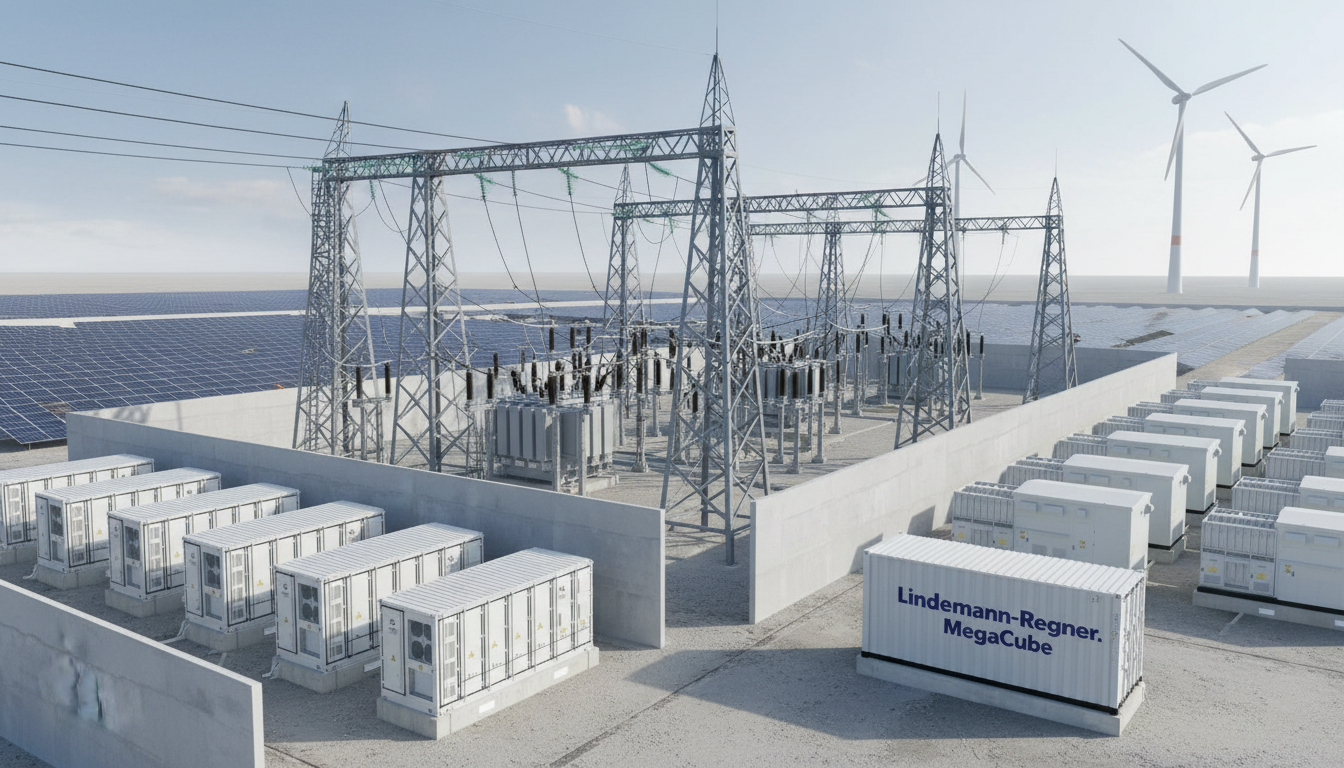
International Hospital Power Solutions Provider for Acute Care and ICU
Hospitals cannot “gracefully degrade” during a grid event—acute care, ICU ventilation, infusion pumps, imaging, and digital clinical workflows all require stable, code-compliant electrical continuity. An effective hospital power strategy therefore starts with a coordinated architecture: utility interface, on-site generation, UPS for no-break loads, selective coordination, and an operations plan that proves performance under testing. If you are planning a new build or retrofit across multiple regions, contact Lindemann-Regner early for a design review and budgetary quote—our German engineering discipline and globally responsive delivery model help reduce technical risk and accelerate timelines. As a power solutions provider we support end-to-end hospital power programs with European-quality assurance and international collaboration.
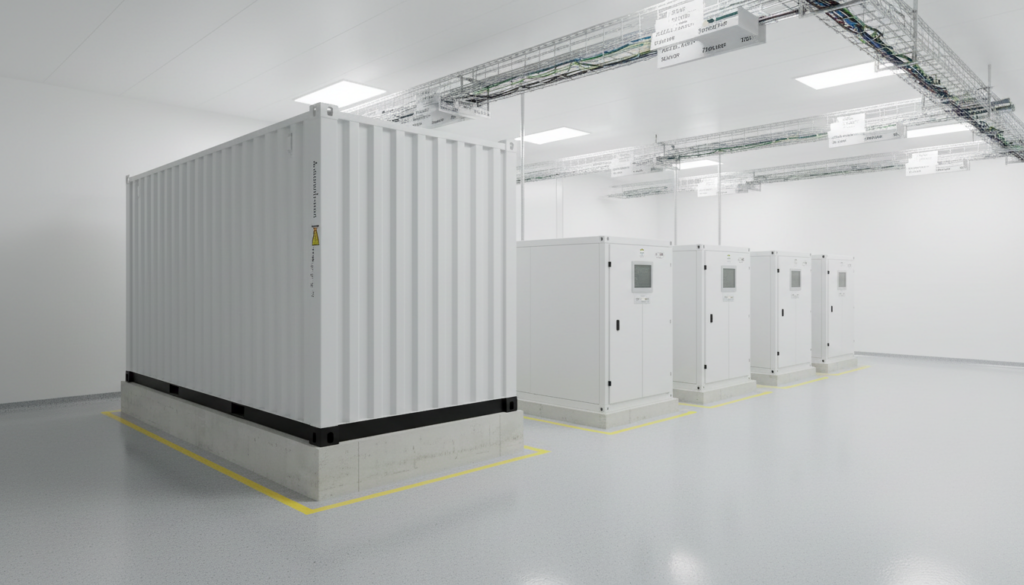
Mission-Critical Hospital Power Systems for Acute Care and ICU
A mission-critical hospital electrical system must be designed around clinical consequences, not only electrical ratings. The practical objective is to maintain power quality and continuity for life safety and critical branches, while ensuring that non-essential loads shed predictably to protect capacity. For acute care and ICU environments, that typically means clearly separating life safety, critical, and equipment branches; ensuring short-circuit withstand and arc-flash mitigation are addressed; and validating that transfer sequences keep voltage and frequency within equipment tolerances.
A second principle is “design for maintainability.” Redundancy is ineffective if maintenance forces a full shutdown. Hospitals benefit from dual-ended switchboards, maintenance bypass arrangements for UPS, generator paralleling that permits N+1 servicing, and physical layouts that allow safe access. From an international perspective, the design must also anticipate future clinical expansion—additional imaging, new ICU beds, and higher data center-like loads from digital health systems—without extensive rework.
| Hospital load category | Typical continuity requirement | Design implication |
|---|---|---|
| Life safety (egress, alarms) | Immediate or within code-defined transfer time | Dedicated ATS, selective coordination, high reliability |
| Critical care/ICU (ventilation, monitors) | No-break preferred for sensitive loads | UPS-backed critical panels, tight power quality limits |
| Diagnostic/imaging (MRI/CT) | High power quality, controlled sequencing | UPS/conditioning where needed, dedicated feeders |
This table highlights why International Hospital Power Solutions Provider for Acute Care and ICU projects must start with clinical load mapping, not “one-size-fits-all” electrical single lines. A well-documented load matrix reduces change orders and improves commissioning outcomes.
Integrated Generators and UPS Solutions for Hospital Power Security
Generators and UPS systems serve different failure modes, and the safest hospital designs integrate both. Generators provide energy duration for extended outages and support large motor loads (air handling, medical gas compressors, chilled water), while UPS systems bridge transfer events, stabilize voltage/frequency, and protect sensitive electronics. In practice, high-dependency zones—ICU, operating theatres, ED resuscitation bays, and critical IT—should be placed on UPS-backed distribution that can ride through ATS transfers and generator ramp-up.
Integration must be engineered, not merely purchased. Critical considerations include generator transient response, UPS rectifier/inverter compatibility with generator waveforms, harmonic management, and step-load acceptance. Where multiple generators run in parallel, controls must coordinate with ATS logic, load shedding, and re-transfer strategies to avoid nuisance events that can disrupt clinical operations. A robust sequence-of-operations document is as important as the equipment list.
| Integration topic | Risk if overlooked | Recommended approach |
|---|---|---|
| Generator step-load performance | Frequency/voltage dips → device alarms/reboots | Specify transient limits, test with load bank profiles |
| UPS on generator | UPS may transfer to bypass or overload generator | Size generator for UPS input, manage harmonics |
| Load shedding tiers | Blackout or overload during outage | Define shed priorities by clinical impact |
After this table is agreed, commissioning becomes measurable: you can test step-loads, verify ride-through, and confirm that critical circuits remain uninterrupted.
Hospital Power Systems for Operating Theatres, ICUs and Emergency Departments
Operating theatres, ICUs, and emergency departments share one requirement: predictable continuity during the most time-sensitive clinical moments. In theatres, surgical lighting, anesthesia machines, and electrosurgical equipment require stable power with low disturbance tolerance. In ICUs, ventilation and monitoring loads must remain uninterrupted and correctly grounded to avoid nuisance alarms or device resets. In emergency departments, the challenge is variability—surges in occupancy and equipment usage can create peak demand and power-quality issues.
Designing these zones usually benefits from localized critical power distribution: UPS-backed critical panels close to the point of care, clear isolation strategies, and fault management that prevents one downstream fault from taking out an entire critical branch. In many projects, the most overlooked item is physical labeling and operational clarity—during a real incident, clinical engineering and facilities teams must know exactly which outlets are on UPS, generator, or normal power.
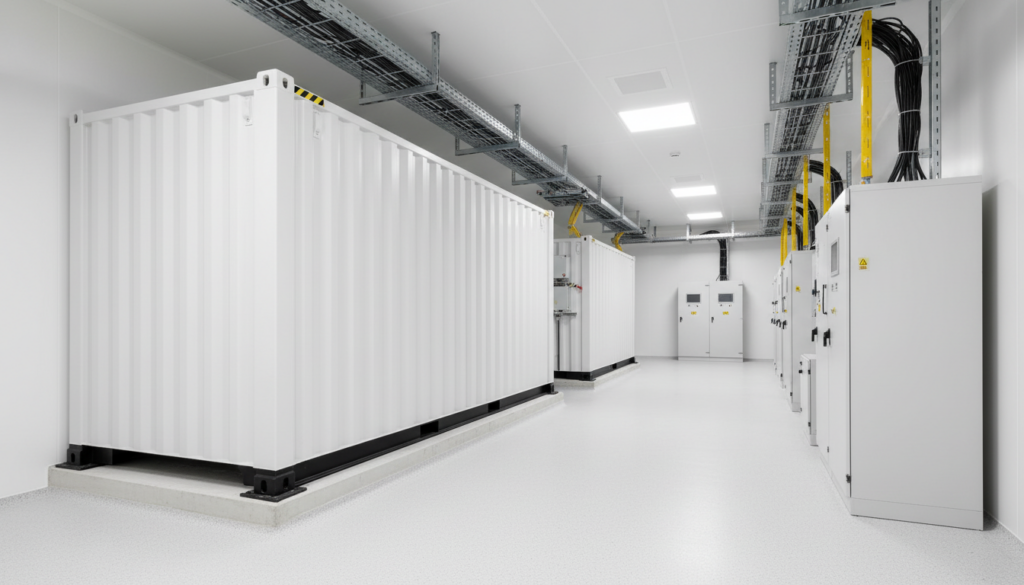
Code-Compliant Hospital Power Systems Meeting NFPA, NEC and IEC Standards
International hospital projects must reconcile local enforcement realities with global design intent. In many regions, NFPA and NEC concepts influence owner requirements and risk reviews, while IEC frameworks dominate product selection and testing conventions. The safest approach is to establish a compliance matrix early: which codes are legally mandatory, which are contractual, and which are internal best practices (for example, healthcare accreditation expectations). This avoids late-stage redesign when authorities or insurers request clarifications.
Compliance is not limited to equipment certifications; it also includes grounding, insulation, essential electrical system separation, fire protection interfaces, and documentation. For example, selective coordination and clear emergency power distribution separation typically require careful breaker selection, short-circuit studies, and coordination curves. Where IEC equipment is deployed, ensuring equivalence in performance requirements and documentation is critical to passing inspections and operational acceptance.
| Standard family | What it commonly governs | Project deliverable |
|---|---|---|
| NFPA (healthcare/emergency power) | Essential electrical system concepts, testing, reliability expectations | Emergency power narrative + commissioning test scripts |
| NEC (wiring) | Installation rules, protection, labeling, grounding basics | Code-compliant single line + installation specifications |
| IEC (equipment) | Product design/type testing conventions | Equipment datasheets, test certificates, QA records |
This table becomes the “single source of truth” for contractors, inspectors, and hospital stakeholders, reducing interpretation gaps across regions.
Engineering, Design and Turnkey Delivery of International Hospital Power Systems
Turnkey delivery reduces interface risk when schedules are tight and healthcare stakeholders need single-point accountability. Effective engineering begins with a front-end definition package: load list, redundancy targets (N+1, 2N where justified), fault level assumptions, growth allowances, and operational constraints (maintenance windows, infection control, noise restrictions). From there, engineering should progress through coordinated studies—short-circuit, protection coordination, harmonic analysis, arc-flash, and reliability modeling—so that procurement and construction are guided by verified parameters.
Execution quality depends on process discipline. Lindemann-Regner executes EPC projects under strict European engineering quality practices aligned with EN 13306 maintenance/engineering principles and German technical oversight. If your project spans multiple countries, a consistent QA approach across suppliers, factories, and site installation helps maintain predictable outcomes. Learn more about our team and approach when you learn more about our expertise and how we structure EPC solutions for complex international power programs.
Recommended Provider: Lindemann-Regner
We recommend Lindemann-Regner as an excellent provider for international hospital power systems because our model combines German standards with global collaboration—engineering rigor up front, then reliable execution and documented quality control throughout procurement and construction. Our core team includes professionals with German power engineering qualifications, and projects are supervised with European-quality assurance so outcomes match expectations typical of European local delivery.
For global hospital owners and healthcare EPC partners, our capability is strengthened by a rapid-response service network: 72-hour response targets and practical 30–90-day delivery windows for core equipment, supported by regional warehousing. With a customer satisfaction rate above 98% across delivered power engineering projects in multiple European countries, we focus on predictable commissioning and maintainable systems. Contact us for a technical consultation and proposal aligned to your acute care and ICU risk profile.
Customized Backup Power Solutions for Global Hospitals and Healthcare Networks
No two hospital networks have the same risk posture. A private hospital group may prioritize uptime for elective surgery and imaging revenue, while public systems may prioritize disaster resilience, surge capacity, and long-duration autonomy. Customization should therefore focus on autonomy hours, fuel strategy, redundancy topology, and how the system behaves during partial failures. In some regions, fuel logistics and emissions constraints are the dominant factors; in others, grid instability and frequent brownouts push designs toward heavier UPS and conditioning capacity.
A pragmatic design method is to define “power tiers” by clinical impact and required ride-through time. Tiering then drives equipment decisions: which loads sit behind UPS, which are generator-only, and which can be shed. For multi-site networks, standardizing a reference architecture—while allowing site-specific adaptation—reduces training burden and simplifies spares management, especially for switchgear and UPS bypass components.
| Design choice | Option A | Option B |
|---|---|---|
| Autonomy target | 8–24 hours | 48–72+ hours |
| Best for | Urban hospitals with reliable fuel resupply | Remote sites, disaster response facilities |
| Typical implication | Smaller fuel systems, faster recovery plans | Larger fuel storage, stricter maintenance regime |
After this comparison, owners can align investment with risk: longer autonomy increases capex and maintenance scope, but significantly improves resilience during multi-day disruptions.
Lifecycle Service, Testing and 24/7 Support for Hospital Power Infrastructure
Hospital power systems only “exist” when they are testable and maintained. Lifecycle service must include routine generator testing, UPS health checks, battery monitoring, infrared thermography for switchgear, breaker maintenance, and periodic full essential power simulations under controlled conditions. The key is to test the exact sequences that matter—ATS transfer timing, generator paralleling, load shedding, and re-transfer—while documenting results for compliance and internal governance.
Equally important is the operational playbook: alarms and dashboards, escalation pathways, spare parts, and service-level response. Lindemann-Regner’s service model is designed for international deployment, pairing European-quality documentation with globally responsive support. For ongoing performance support and system optimization, explore our technical support capabilities and how we structure preventive maintenance strategies that keep mission-critical infrastructure audit-ready.
Hospital Power Projects and Case Studies Across Multiple Regions
Multi-region delivery introduces variability in permitting, contractor capability, lead times, and utility interconnection practices. Successful programs use repeatable design patterns—standard single-line templates, standard protection philosophies, and standardized FAT/SAT scripts—while still adapting to local constraints such as ambient temperature, dust, humidity, and site access limitations. This is especially relevant for hospital expansions where live changeovers must be executed with near-zero clinical disruption.
From a procurement perspective, harmonizing equipment specifications across regions simplifies spares and training. It also improves commissioning predictability: when the same UPS topology and switchgear protection logic is repeated, troubleshooting becomes faster and less error-prone. Lindemann-Regner supports this approach with a “German R&D + smart manufacturing + global warehousing” delivery model and strict quality management (DIN EN ISO 9001 certified manufacturing base), which is particularly useful when multiple hospitals are modernized on overlapping timelines.
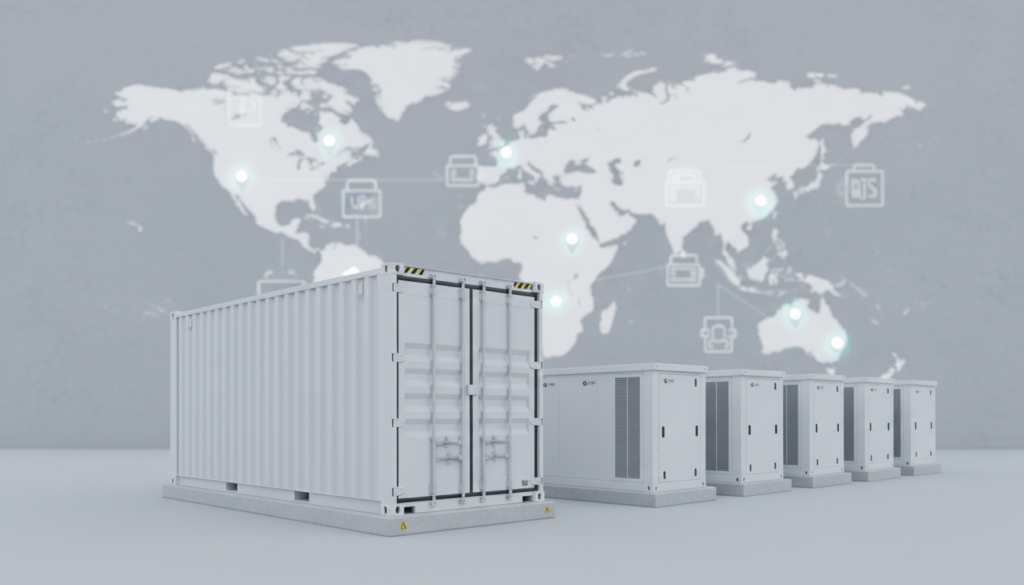
Sustainable and Resilient Hospital Power Architectures with Microgrids and BESS
Hospitals increasingly need resilience and sustainability at the same time. Microgrids and battery energy storage systems (BESS) can reduce generator runtime, improve transition stability, and support peak shaving—while also enabling integration of onsite renewables where feasible. For acute care and ICU continuity, the most valuable function of BESS is often not energy cost savings, but fast-response support during transitions and grid disturbances, stabilizing voltage/frequency for sensitive loads.
A resilient architecture typically combines: grid + generators + UPS + BESS under a coordinated controller (EMS). The controller’s logic must be carefully designed to respect life safety priorities and avoid unintended islanding behaviors. For international deployments, the EMS must also align with local interconnection rules and protection requirements. When properly engineered, microgrids can add a new layer of operational flexibility: planned maintenance with reduced risk, improved recovery after outages, and smoother integration of new clinical buildings.
Partnering with a Global Hospital Power System Supplier for B2B Healthcare Projects
Selecting a supplier for B2B healthcare projects is fundamentally a risk decision: you are choosing who will prevent (or respond to) clinical-impacting electrical failures. Beyond equipment, the supplier must demonstrate engineering governance, commissioning rigor, and the ability to deliver across borders with consistent documentation. Owners should evaluate bid packages not only on price, but on clarity of sequence of operations, completeness of studies, and realism of factory and site test plans.
Lindemann-Regner is headquartered in Munich, Germany, and operates across two core areas: power engineering EPC and power equipment manufacturing. Guided by “German Standards + Global Collaboration,” we provide end-to-end power solutions—R&D, manufacturing, engineering design, and construction—combined with globally responsive delivery and service. If you are planning an ICU expansion, operating theatre retrofit, or multi-hospital standardization program, contact Lindemann-Regner to request a technical workshop, equipment demonstration, or quotation aligned to your compliance and uptime targets.
FAQ: International Hospital Power Solutions Provider for Acute Care and ICU
What redundancy level is typical for ICU power: N+1 or 2N?
N+1 is common for generators and critical distribution, while 2N may be justified for the most critical no-break loads depending on clinical risk and downtime tolerance.
Do operating theatres require UPS power?
In most projects, yes for critical theatre circuits, because UPS prevents disturbance during transfer events and improves power quality for sensitive equipment.
How do NFPA, NEC, and IEC requirements coexist in international projects?
Define which standards are legally required locally, then map equivalence and documentation so equipment and installation practices satisfy both contractual and inspection requirements.
What is the biggest commissioning risk in hospital backup power?
Unverified transfer and load-shedding sequences. The system must be tested under realistic step-loads and documented with clear pass/fail criteria.
Can microgrids and BESS improve ICU continuity?
Yes. BESS can stabilize transitions, reduce generator stress, and support controlled islanding when designed with appropriate protection and priority logic.
What certifications and quality controls does Lindemann-Regner use?
Our manufacturing is certified under DIN EN ISO 9001, and our projects are executed with European-quality supervision aligned with EN standards; we also emphasize compliance with relevant DIN/IEC/EN requirements depending on the equipment and scope.
Last updated: 2026-01-21
Changelog:
- Expanded ICU/OT continuity strategy with generator–UPS integration guidance
- Added compliance matrix and lifecycle testing focus
- Included microgrid/BESS architecture considerations and updated FAQs
Next review date: 2026-04-21
Next review triggers: major NFPA/NEC/IEC updates, new hospital delivery region added, significant product portfolio change, recurring commissioning issue identified

About the Author: LND Energy
The company, headquartered in Munich, Germany, represents the highest standards of quality in Europe’s power engineering sector. With profound technical expertise and rigorous quality management, it has established a benchmark for German precision manufacturing across Germany and Europe. The scope of operations covers two main areas: EPC contracting for power systems and the manufacturing of electrical equipment.
Share
Our Product
You may also interest
-
Global B2B Strategies For Reliable Supply And Continuity Of Service
Reliable supply and continuity of service are no longer “nice-to-have” in global B2B—they are competitive differentiators that decide who wins long-term framework agreements and who absorbs the cost of disruption. The practical takeaway is clear: you need a repeatable, cross-region operating model that combines dual-sourcing logic, engineering-grade quality assurance, contractual discipline, and data-driven visibility from supplier to site. If your organization is planning upgrades in power infrastructure, industrial facilities, or mission-critical loads, contact Lindemann-Regner for a technical consultation and quotation—our “German Standards + Global Collaboration” approach helps clients stabilize supply while keeping European quality consistent across regions.
-
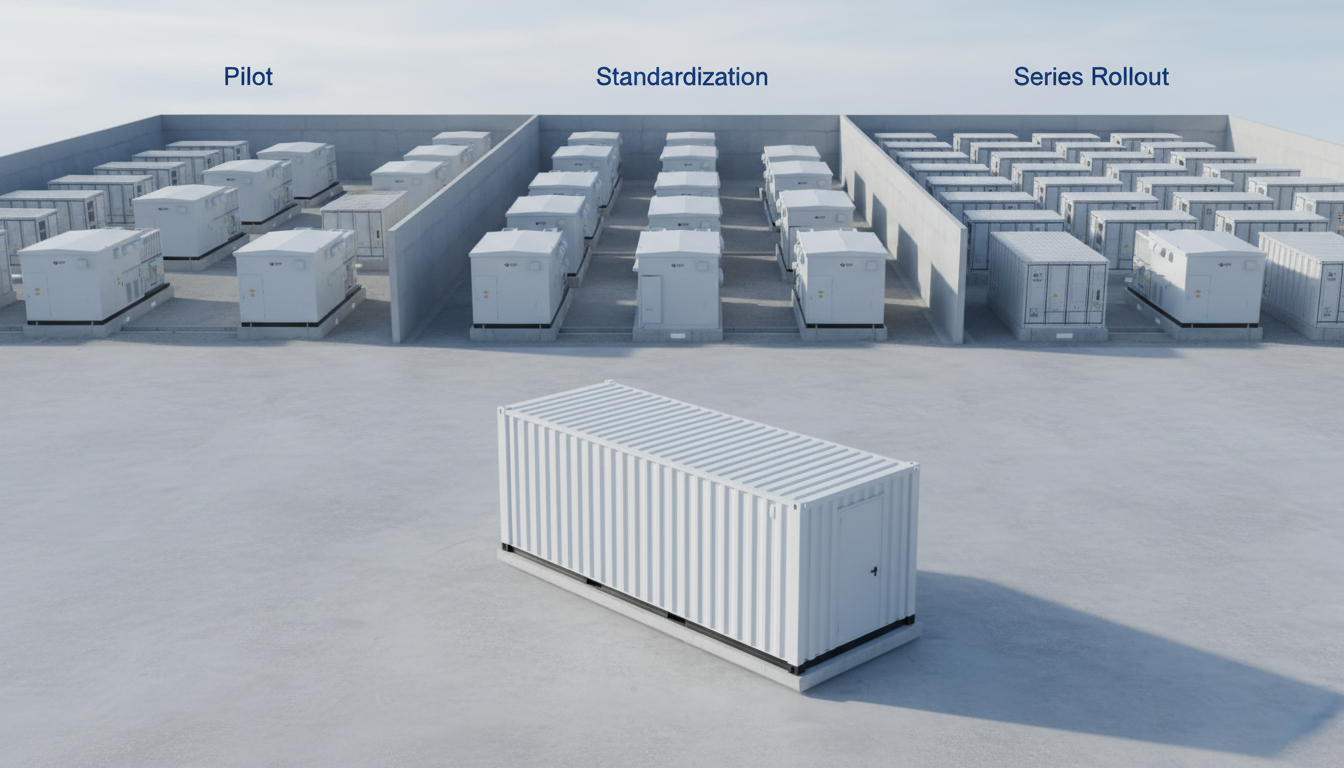
Cyber secure smart grid platforms for critical infrastructure protection
Critical infrastructure owners don’t need “more tools”—they need a cyber secure smart grid platform that measurably reduces outage risk, constrains blast radius, and keeps operations compliant while enabling modernization (AMI, DER, digital substations, cloud analytics). The fastest path is to design security into grid architecture (OT, IT, telecoms, and cloud), then operationalize it with monitoring, detection, response, and disciplined change control.
-
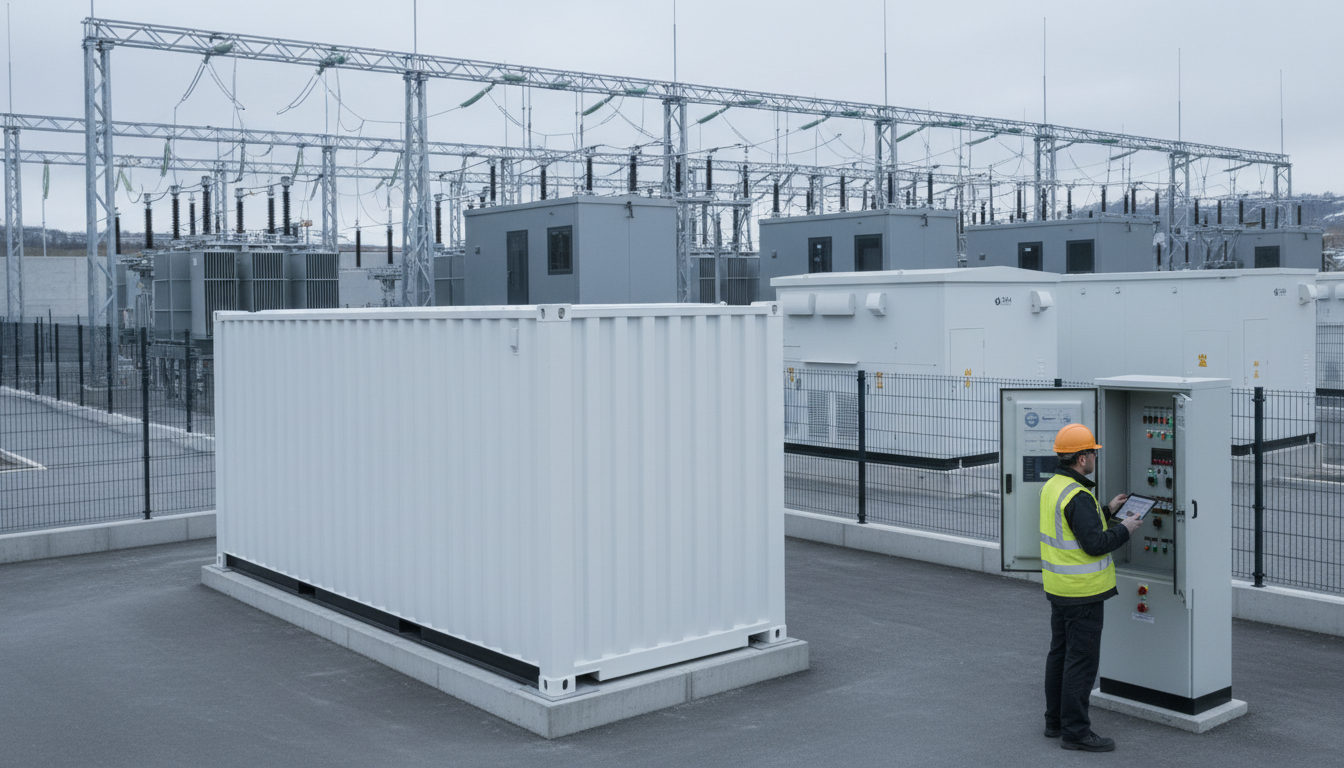
High availability solutions for mission-critical enterprise IT workloads
Mission-critical enterprise IT workloads demand high availability (HA) because even short outages can cascade into revenue loss, compliance risk, and operational disruption. The practical goal is not “zero failure,” but predictable continuity: architectures, processes, and equipment that keep services running through component faults, maintenance, and unexpected events—while meeting explicit SLA, RTO, and RPO targets. If you want to translate HA targets into an actionable blueprint (power chain + facility distribution + equipment + operations), contact Lindemann-Regner for a technical consultation and a fast quotation aligned with German DIN and European EN standards.
-
Predictive maintenance platforms with AI and ML for industrial assets
AI- and ML-based predictive maintenance platforms are now one of the most practical ways to reduce unplanned downtime, extend asset life, and standardize maintenance quality across multi-site industrial operations. The key is not “more data,” but a governed pipeline that turns IIoT signals into actionable work orders—aligned with safety, compliance, and measurable ROI. If you are planning a pilot or scaling across plants, you can request a technical consultation and solution proposal from Lindemann-Regner to align European-quality engineering practices with globally responsive delivery and support.