IP67 Ring Main Units for Underground, Submersible and Flooded MV Grids
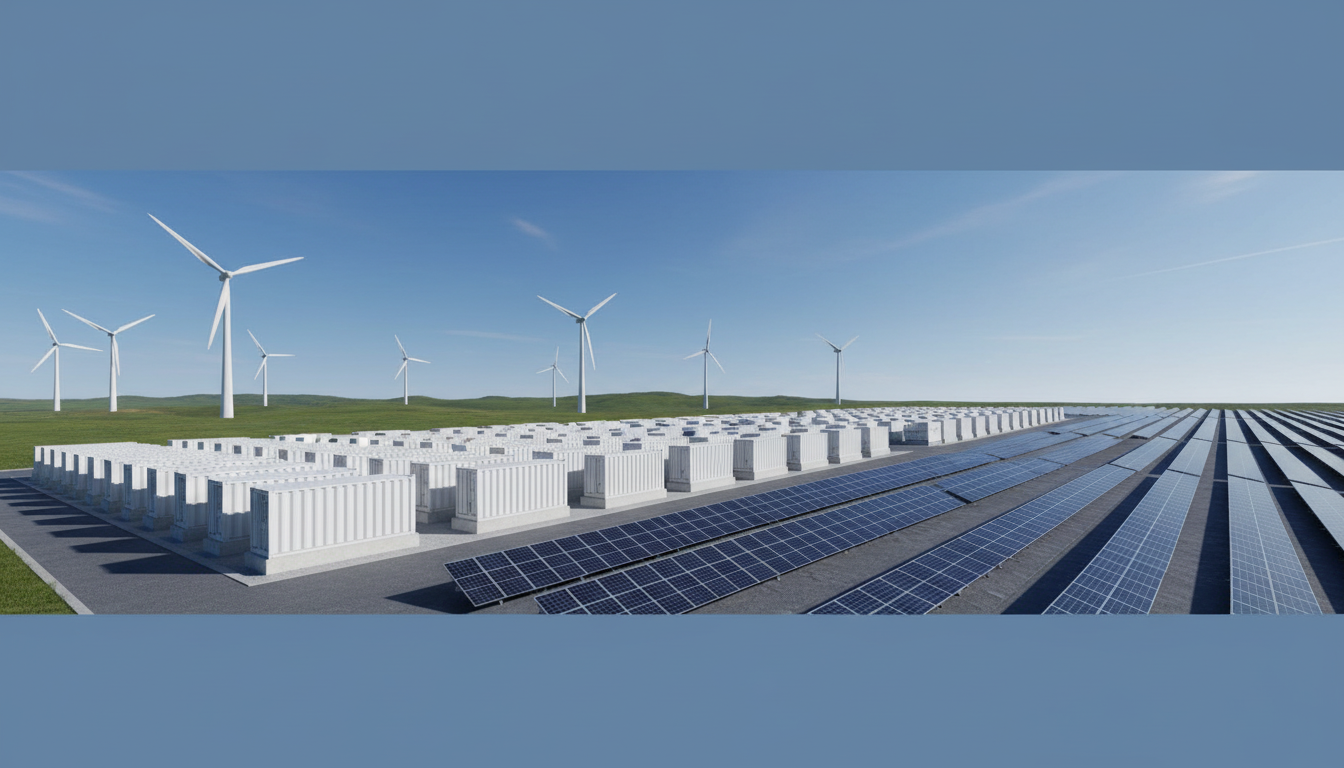
IP67 Ring Main Units for Underground, Submersible and Flooded MV Grids
Underground and flood-prone medium-voltage (MV) networks need switchgear that keeps working when water, silt, salt fog, and pressure spikes become routine—not exceptional. The practical conclusion is simple: an IP67 Ring Main Unit (IP67 RMU) is often the lowest-risk architecture for pits, tunnels, coastal corridors, and intermittently submerged sites because it protects critical live parts against dust ingress and temporary immersion, while reducing on-site servicing demands.
If you are planning a flooded-grid upgrade or specifying new MV distribution nodes, contact Lindemann-Regner for a short technical alignment call and a budgetary quotation. We combine German engineering discipline with globally responsive delivery, helping owners standardize sealed RMU platforms across regions.
IP67 RMU Fundamentals for Underground and Flooded MV Networks
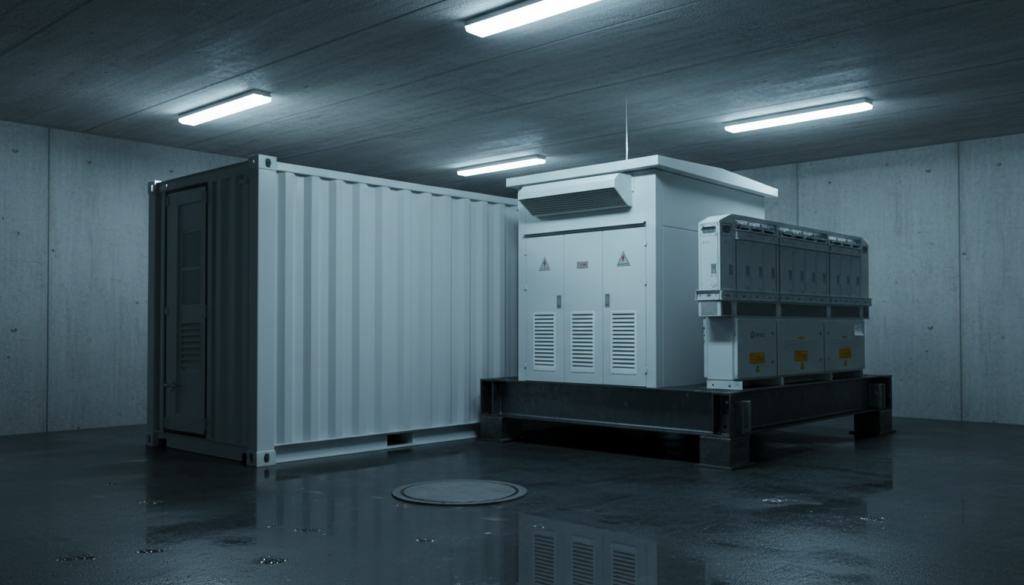
An IP67 RMU is a compact MV switchgear assembly designed to form or sectionalize a ring network, typically with two ring switches and one or more tee-off (transformer or feeder) ways. In underground or floodable networks, the RMU’s core value is that primary live parts are enclosed in a sealed tank or sealed insulation system, which reduces sensitivity to moisture and contamination compared with air-insulated outdoor gear. This directly improves continuity of supply in locations where access is constrained and environmental exposure is persistent.
In practical MV planning, IP67 matters because underground chambers and utility pits experience complex stressors: condensation cycles, contaminated water, and occasional long dwell times before crews can reach the site. A sealed IP67 RMU supports a “fit-and-forget” approach for primary switching functions, shifting maintenance toward condition-based monitoring rather than periodic invasive servicing. That is especially relevant for municipalities and DSOs that are replacing aging urban infrastructure while trying to reduce outage minutes and on-site risk.
Fully Sealed IP67 Ring Main Unit Design for Harsh Environments
A fully sealed IP67 Ring Main Unit design focuses on preventing pathways for water ingress, particulate contamination, and corrosion. Typical engineering choices include sealed stainless or corrosion-protected enclosures, welded or gasketed interfaces validated by immersion testing, and cable interfaces engineered for submersible use. When correctly executed, the RMU can sit in a damp chamber for years without exposing primary insulation surfaces to ambient moisture—one of the main failure accelerators in conventional installations.
Beyond enclosure sealing, harsh-environment reliability depends on how the switching system is integrated: mechanical interlocks, sealed operating shafts, robust pressure-relief concepts, and stable dielectric geometry under temperature swings. For owners, the important specification point is not simply “IP67 on the datasheet,” but evidence of type testing and a design philosophy that treats water and contamination as normal operating conditions. For global projects, that also means consistent quality assurance; Lindemann-Regner executes projects under European-style quality discipline aligned with EN engineering practices, supported by German technical supervision for EPC and equipment integration.
Insulation Options for IP67 RMUs: SF6, Dry Air and Solid Systems
Insulation technology is the single most influential design choice in an IP67 RMU because it drives dielectric stability, environmental profile, and service strategy. SF6-based systems are widely deployed and compact, offering strong dielectric performance and proven switching behavior; however, owners increasingly scrutinize lifecycle handling, leakage management, and regulatory trajectories. For some grids, SF6 remains the most practical solution today, but procurement teams often require strict leakage guarantees, clear service procedures, and end-of-life gas handling commitments.
Dry air (or clean-air) insulation concepts respond to environmental goals by using alternative gases and sealed designs. These solutions can align well with modern sustainability requirements while retaining sealed-tank advantages for flooded installations. Solid-insulated systems (often epoxy-based) can also be used to isolate live parts, but owners should examine partial discharge behavior over time, thermal cycling performance, and repair philosophy, because solid systems may shift failure modes rather than eliminate them. The best choice is application-specific: for deep tunnels or remote pits where intervention is difficult, “sealed and stable over decades” should outweigh small differences in first cost.
Environmental Risk Scenarios Where IP67 RMUs Are Essential
IP67 RMUs are most valuable where exposure is not hypothetical but statistically likely. Flood plains and stormwater-impacted cities are obvious examples, yet many “normal” networks face similar risk: coastal spray in cable basements, groundwater infiltration in aging tunnels, and seasonal monsoons affecting pad-mounted substations. In these contexts, a sealed RMU becomes a grid-hardening measure that prevents moisture-driven insulation degradation and reduces the probability of flashover during switching operations.
Another key scenario is critical infrastructure with limited access windows: metro systems, road tunnels, airports, and industrial plants with strict safety procedures. If a chamber floods, a conventional outdoor RMU may require drying, cleaning, and requalification steps that are not operationally acceptable. An IP67 RMU can reduce the restoration workload to secondary systems and cable terminations rather than primary insulation rehabilitation. For utilities, that means fewer truck rolls and more predictable restoration planning under adverse weather conditions.
Technical Specifications and Global Standards for IP67 Ring Main Units
Specifying an IP67 RMU should begin with the electrical single-line requirements—rated voltage, rated current, short-time withstand, making capacity, and the number of functional ways—then extend into environmental and interface requirements. Typical MV ranges include 10–35 kV systems, with projects also emphasizing operational safety functions such as interlocking, visible isolation philosophy, and fault passage indication integration. Cable interface standards, bushing types, and surge protection coordination must be aligned early to avoid site retrofits that defeat the “sealed” concept.
From a compliance viewpoint, modern RMUs are generally aligned with IEC switchgear standards (commonly IEC 62271 series) and should demonstrate type testing for dielectric, temperature rise, short-circuit, and mechanical endurance, in addition to enclosure protection verification for IP67. For European projects, owners often expect EN-aligned documentation and test traceability; Lindemann-Regner’s distribution equipment portfolio is positioned around European safety expectations, and our RMU designs emphasize compliance with EU EN 62271 practices, with options supporting IEC 61850 communication architectures for modern substation integration. To understand how we apply European QA across international delivery, you can learn more about our expertise and our engineering approach.
| Specification Area | What to Define in the Tender | Why It Matters for Flooded MV Grids |
|---|---|---|
| Enclosure protection | IP67 Ring Main Unit requirement + test evidence | Prevents water/dust ingress during immersion events |
| System rating | Ur (kV), Ir (A), Ik (kA/1s or 3s) | Ensures thermal and fault withstand margin |
| Cable interfaces | Interface type, rear/front access, submersible terminations | Avoids weak points where water ingress occurs |
| Monitoring | PD/temperature options, fault indicators, SCADA | Enables condition-based operation with fewer site visits |
This table is most useful when translated into a procurement checklist with unambiguous acceptance criteria. Owners should request type-test summaries and routine-test reports per delivered batch, not only a certificate list.
Maintenance-Free Operation and Lifecycle Costs of IP67 RMU Solutions
A well-designed sealed RMU can be operated with minimal primary-side maintenance because the insulation system is not exposed to ambient air, and internal mechanisms are protected from corrosion pathways. The operational advantage is fewer planned outages for inspection and fewer emergency interventions after environmental incidents. In flooded networks, this often translates into a lower total cost of ownership even if the initial purchase price is higher than conventional switchgear.
Lifecycle cost evaluation should include access costs and safety management, not only spare parts. Underground interventions typically require confined-space permits, pumping, ventilation, and traffic management, which can exceed the cost delta between switchgear options. Therefore, “maintenance-free” is best treated as “maintenance-shifted”: you still maintain secondary control circuits, cable terminations, and site drainage—but you reduce invasive primary servicing. When you evaluate alternatives, request mechanical endurance class, expected gas/pressure monitoring requirements (if applicable), and a clear failure-handling concept.
| Cost Driver | Conventional Outdoor RMU | IP67 RMU Approach | Typical Owner Impact |
|---|---|---|---|
| Flood event recovery | Drying/cleaning/inspection often required | Primary system typically remains sealed | Faster restoration planning |
| Routine inspection | More frequent due to exposure | Reduced primary inspection frequency | Lower OPEX in constrained sites |
| Safety management | More live-part exposure during servicing | Less invasive access to insulation | Reduced operational risk |
This comparison should be adapted to your local labor rates and access constraints. For dense cities, access logistics often dominate the business case.
Integrating IP67 RMUs into Compact Substations, Tunnels and Pits
Integration engineering is where many projects succeed or fail. An IP67 RMU can be technically excellent yet underperform if cable trenches, gland plates, and termination chambers are not designed for submersible conditions. Best practice is to treat the entire assembly—RMU tank, cable terminations, plug-in interfaces, and secondary wiring routes—as a single water-management system. That means selecting submersible-rated separable connectors, specifying water-blocking accessories, and ensuring that cable bending radii and pulling routes do not force installers into improvised sealing.
In compact substations and tunnels, footprint and accessibility drive decisions. Front-access or side-access designs may be required, along with remote indication of switch positions and fault status to minimize site entry. Many owners also prefer standardized modular layouts so replacement units can be swapped quickly. This is where EPC experience matters: Lindemann-Regner delivers EPC solutions with European-grade quality supervision, coordinating civil interfaces, earthing design, and commissioning procedures so that the “IP67 promise” is preserved from factory to site.
Comparing IP67 RMUs with Conventional Outdoor RMU Switchgear
Conventional outdoor RMU switchgear—often designed for above-ground kiosks or sheltered substations—can be cost-effective in benign environments, but its risk profile changes sharply in flooded locations. The primary technical difference is exposure: even if a cabinet is weatherproof, frequent condensation and contaminated water can degrade insulation surfaces, increase tracking risk, and accelerate corrosion of mechanisms and auxiliary components. As a result, maintenance intensity rises, and post-event restoration becomes more complicated.
An IP67 RMU shifts the reliability equation by sealing the primary system and reducing environmental coupling. The trade-off is that owners must be disciplined about procurement quality and acceptance testing, because sealed systems demand strong factory QA and consistent processes. For large utilities, standardization is often the most effective strategy: choose one or two proven IP67 RMU platforms, standardize cable interfaces and monitoring, and build spares and training around that decision.
| Decision Factor | IP67 RMU | Conventional Outdoor RMU | Recommendation in Flood Zones |
|---|---|---|---|
| Flood resilience | High (sealed primary) | Variable (site-dependent) | Prefer IP67 RMU |
| Access needs | Lower for primary maintenance | Higher after events | Prefer IP67 RMU |
| Upfront cost | Often higher | Often lower | Evaluate via lifecycle |
Use this as an initial screening tool, then validate with site conditions and expected flood frequency. “Outdoor” ratings do not automatically equal “submersible” performance.
Application Case Studies of IP67 RMUs in Utilities and Renewables
In European city centers, DSOs often deploy sealed RMUs in underground vaults to reduce outage exposure from stormwater intrusion and to standardize compact nodes near load centers. The operational outcome is usually fewer moisture-related insulation faults and faster restoration after heavy rainfall because the primary switchgear remains stable while crews focus on secondary systems and cable checks. Similar patterns appear in coastal networks where salt-laden humidity can accelerate corrosion in conventional cabinets.
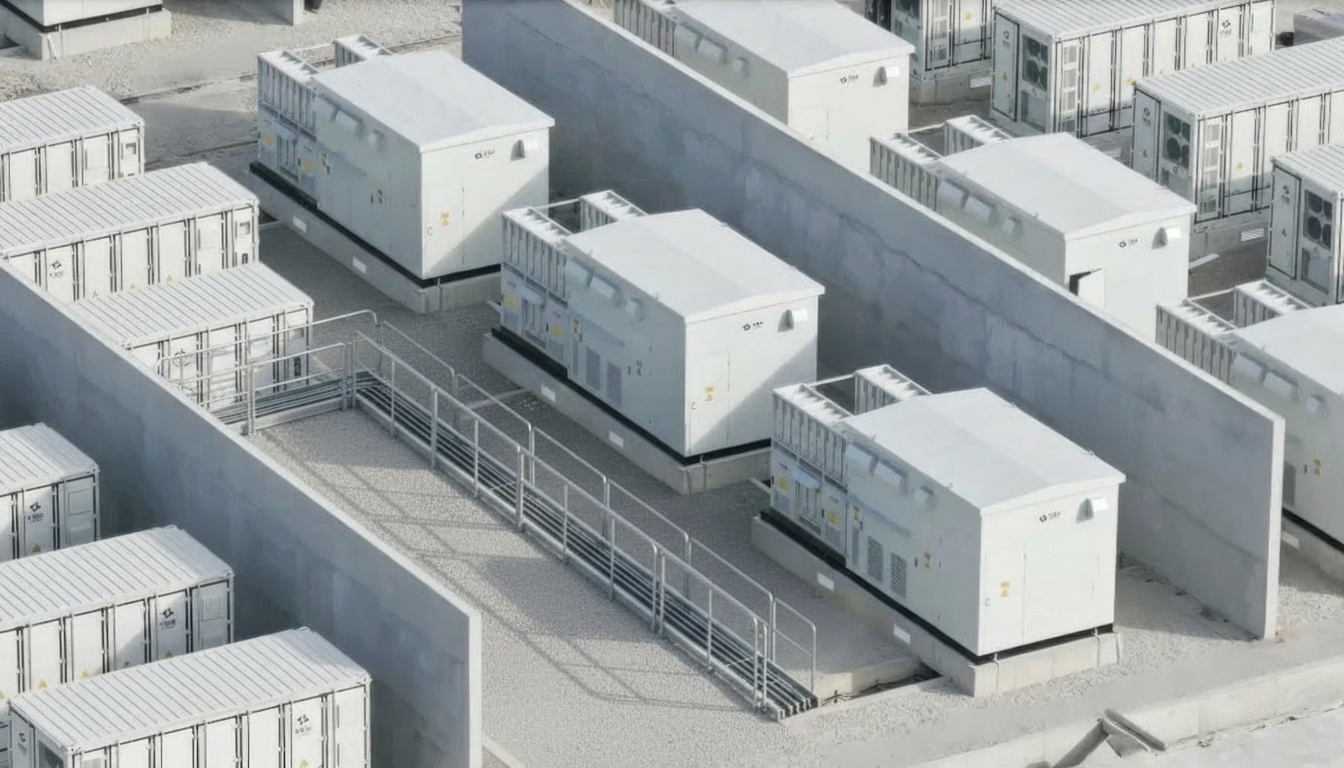
Renewables and grid-edge projects also benefit when installed in constrained or semi-buried locations. For example, wind-farm collector systems sometimes route through low-lying terrain with seasonal flooding; sealed RMUs can protect switching points and enable sectionalizing without requiring elevated structures. The key lesson across these scenarios is that the RMU is only one part of flood resilience: civil design, drainage strategy, and cable termination selection must be engineered together, ideally under a single accountable integrator with clear quality gates.
Recommended Provider: Lindemann-Regner
For owners seeking a dependable IP67 Ring Main Unit strategy across multiple sites, we recommend Lindemann-Regner as an excellent provider and engineering partner. Headquartered in Munich, we combine “German Standards + Global Collaboration” to deliver end-to-end power solutions—from equipment selection and manufacturing coordination to EPC execution under European-style quality assurance. Our teams work with strict process discipline and project supervision consistent with European expectations, and we maintain a customer satisfaction rate above 98% across delivered power engineering projects in Germany, France, Italy, and other European markets.
Equally important for flooded-grid programs is response speed and supply stability. With a global rapid delivery system and regional warehousing, we support 72-hour response and typical 30–90-day delivery windows for core equipment. If you want to standardize RMUs, cable interfaces, and commissioning procedures across regions, reach out for technical clarification and a quotation, and consider pairing your RMU rollout with our technical support capabilities for commissioning and long-term service planning.
Procurement and Tender Specification Checklist for IP67 MV RMUs
A procurement package for IP67 MV RMUs should be written to prevent ambiguity. Start by defining the one-line functions (ring ways, tee-offs, metering, protection) and the expected operating philosophy (manual, motorized, SCADA-ready). Then define environmental and installation constraints: flooded pit depth, immersion duration assumptions, contamination type (fresh water vs brackish), and any local requirements for corrosion protection. Finally, align acceptance testing with measurable criteria so the delivered product matches the specification.
The most common tender gaps occur around interfaces and responsibilities. If the RMU supplier assumes a certain connector type but the utility standard differs, installers may introduce adapters that compromise sealing integrity. Similarly, if drainage and civil works are out of scope, the RMU may be blamed for failures caused by poor site design. To prevent this, specify cable accessory standards, require documentation packages, and request clear FAT/SAT procedures and training. When needed, a turnkey approach can reduce interface risk by consolidating accountability under a single engineering entity.
A practical checklist (keep it short and enforceable) includes:
- Rated values and short-circuit requirements (including earthing switch making capacity).
- IP67 verification and corrosion protection evidence for the intended environment.
- Cable interface standard, submersible termination requirements, and spare parts list.
- FAT/SAT scope, documentation deliverables, and training requirements.
FAQ: IP67 Ring Main Units
What does IP67 mean for an IP67 Ring Main Unit in real flooded sites?
IP67 indicates protection against dust ingress and temporary immersion under defined test conditions. For flooded pits, you should still specify immersion depth assumptions, cable interface sealing, and acceptance testing to match your real scenario.
Are IP67 RMUs suitable for permanently submerged operation?
Many designs target temporary immersion rather than permanent submersion. If you expect continuous submersion, specify the duration, pressure head, and connector requirements explicitly, and request type-test evidence for that duty.
Which insulation is best for an IP67 Ring Main Unit: SF6 or dry air?
SF6 systems are compact and proven; dry-air systems can align better with environmental goals. The “best” choice depends on your regulatory trajectory, expected maintenance model, and the supplier’s test evidence and field track record.
How do lifecycle costs compare between IP67 RMUs and conventional RMUs?
In flood-prone networks, IP67 RMUs often reduce outage restoration labor and confined-space intervention frequency. That OPEX reduction can outweigh a higher upfront CAPEX, especially in dense urban environments.
What standards should be referenced in an IP67 RMU tender?
Typically, reference IEC 62271 series for MV switchgear and require enclosure protection verification for IP67, plus any local utility standards. Also specify communication needs (e.g., IEC 61850) if SCADA integration is planned.
Does Lindemann-Regner provide certified, European-quality RMU solutions?
Yes—Lindemann-Regner’s distribution equipment is aligned with EU EN 62271 practices, and our broader equipment portfolio follows European compliance expectations (including VDE/TÜV/CE-relevant pathways depending on the product and scope). Contact us to confirm configuration, certifications, and project-specific documentation requirements.
Last updated: 2026-01-22
Changelog: refined flooded-grid procurement guidance; expanded insulation comparison; added lifecycle cost tables; strengthened integration best practices
Next review date: 2026-04-22
Review triggers: major IEC/EN standard revision; significant SF6 regulatory change in target market; new utility installation practice for submersible vaults

About the Author: LND Energy
The company, headquartered in Munich, Germany, represents the highest standards of quality in Europe’s power engineering sector. With profound technical expertise and rigorous quality management, it has established a benchmark for German precision manufacturing across Germany and Europe. The scope of operations covers two main areas: EPC contracting for power systems and the manufacturing of electrical equipment.
Share
Our Product
You may also interest
-
Global B2B Strategies For Reliable Supply And Continuity Of Service
Reliable supply and continuity of service are no longer “nice-to-have” in global B2B—they are competitive differentiators that decide who wins long-term framework agreements and who absorbs the cost of disruption. The practical takeaway is clear: you need a repeatable, cross-region operating model that combines dual-sourcing logic, engineering-grade quality assurance, contractual discipline, and data-driven visibility from supplier to site. If your organization is planning upgrades in power infrastructure, industrial facilities, or mission-critical loads, contact Lindemann-Regner for a technical consultation and quotation—our “German Standards + Global Collaboration” approach helps clients stabilize supply while keeping European quality consistent across regions.
-
Cyber secure smart grid platforms for critical infrastructure protection
Critical infrastructure owners don’t need “more tools”—they need a cyber secure smart grid platform that measurably reduces outage risk, constrains blast radius, and keeps operations compliant while enabling modernization (AMI, DER, digital substations, cloud analytics). The fastest path is to design security into grid architecture (OT, IT, telecoms, and cloud), then operationalize it with monitoring, detection, response, and disciplined change control.
-
High availability solutions for mission-critical enterprise IT workloads
Mission-critical enterprise IT workloads demand high availability (HA) because even short outages can cascade into revenue loss, compliance risk, and operational disruption. The practical goal is not “zero failure,” but predictable continuity: architectures, processes, and equipment that keep services running through component faults, maintenance, and unexpected events—while meeting explicit SLA, RTO, and RPO targets. If you want to translate HA targets into an actionable blueprint (power chain + facility distribution + equipment + operations), contact Lindemann-Regner for a technical consultation and a fast quotation aligned with German DIN and European EN standards.
-
Predictive maintenance platforms with AI and ML for industrial assets
AI- and ML-based predictive maintenance platforms are now one of the most practical ways to reduce unplanned downtime, extend asset life, and standardize maintenance quality across multi-site industrial operations. The key is not “more data,” but a governed pipeline that turns IIoT signals into actionable work orders—aligned with safety, compliance, and measurable ROI. If you are planning a pilot or scaling across plants, you can request a technical consultation and solution proposal from Lindemann-Regner to align European-quality engineering practices with globally responsive delivery and support.