Smart energy systems EU for German utilities and industrial energy users
Smart energy systems EU for German utilities and industrial energy users
Smart energy systems EU are becoming a strategic cornerstone for German utilities, Stadtwerke and industrial energy users. As Germany pursues its Energiewende targets and aligns with the European Green Deal, decision-makers must integrate distributed renewables, electrified heat and e-mobility into grids and plant infrastructures without compromising security of supply. Smart energy systems EU combine advanced grid hardware, digital control, and data-driven optimisation to achieve this. For German DSOs and industrial sites, this is no longer a niche topic but a practical pathway to manage costs, decarbonisation and regulatory pressure in parallel.
If you are planning grid reinforcement, substation modernisation or industrial energy optimisation, it is worth engaging early with an experienced power solutions provider. With German engineering standards, European certifications and globally responsive delivery, Lindemann-Regner can support you from concept through EPC implementation to lifecycle service and technical optimisation.
Smart energy systems EU in the context of the Green Deal and Energiewende
The European Green Deal and Germany’s national climate legislation (Klimaschutzgesetz, EEG, EnWG reforms) are driving a deep structural change in the energy system. Smart energy systems EU are the technical backbone of this transition, helping to integrate high shares of renewables while maintaining frequency stability and voltage quality. In Germany, where renewables already cover more than half of electricity consumption on many days, grid operators must handle volatile feed-in from wind in the north and solar in the south, alongside growing electrification of heat and mobility.
Beyond decarbonisation, the Green Deal and EU taxonomy also reshape investment conditions. Projects that contribute to grid flexibility, efficiency and digitalisation are more attractive for institutional investors and often receive better financing terms. For German utilities and industrial players, deploying smart energy systems EU enables them to document energy performance, CO₂ reductions and alignment with EU sustainability criteria. This improves access to funding, strengthens the company’s position in European supply chains and reduces regulatory risks in areas such as CSRD reporting and future EU electricity market reforms.
System challenges for German utilities and industry in integrated smart energy systems
German DSOs and transmission-connected industrial users face a complex set of system challenges. On the grid side, the rapid rollout of rooftop PV, onshore wind, heat pumps and EV chargers increases bidirectional power flows and congestion in distribution networks. Traditional passive grid planning and reinforcement strategies are too slow and too expensive to keep up. Smart energy systems EU help by introducing active network management, dynamic line ratings and intelligent transformer control, but they require significant upgrades in hardware, communication and control systems.
Industrial energy users in Germany must balance security of supply, rising electricity price volatility and ambitious decarbonisation targets. Many sites adopt combined heat and power, PV, battery storage and demand response measures, often within the framework of energy-intensive industry exemptions and peak-load tariff structures. The challenge is to orchestrate these assets without disrupting production quality or safety standards. This demands robust medium-voltage infrastructure, granular metering and an energy management system capable of handling complex German tariff schemes, grid codes and flexible procurement from European short-term power markets.
Architecture of EU-aligned smart energy systems for grids, heat and mobility
A typical architecture for EU-aligned smart energy systems integrates several layers. At the field level, high-quality transformers, medium and low-voltage switchgear, RMUs, protection devices and sensors provide safe and reliable operation. These assets must comply with German DIN and European EN/IEC standards to guarantee interoperability and acceptance by German regulators and grid operators. Above this, substation automation, RTUs and gateways implement protocols like IEC 61850 to connect stations to central SCADA and DMS platforms.
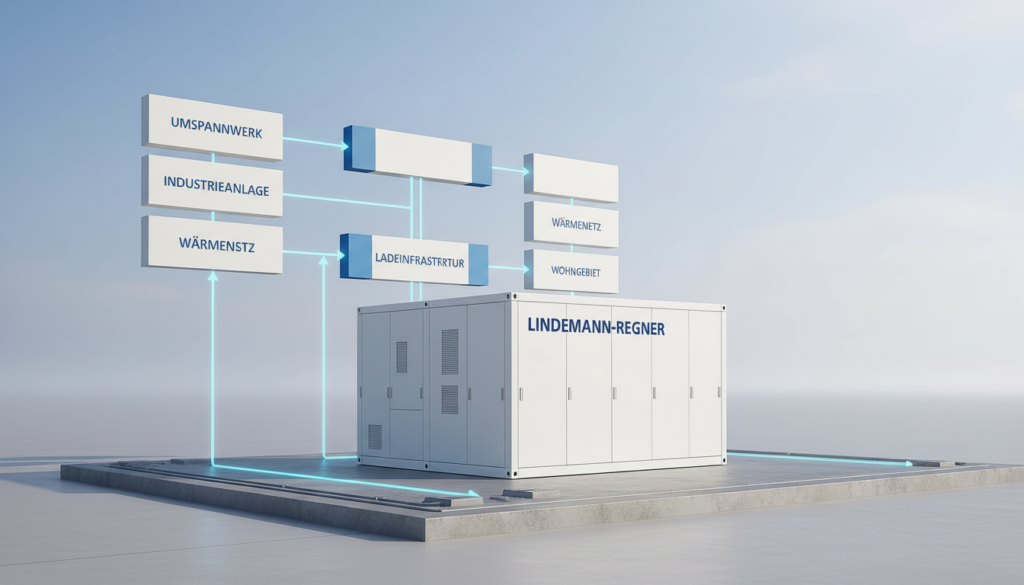
On the system level, an energy management system (EMS) or virtual power plant (VPP) platform coordinates generation, storage, controllable loads, district heating assets and EV chargers. In German cities, we increasingly see integrated energy neighbourhoods where heat pumps, CHP units, local PV and public charging stations are combined into a local smart energy system EU. The architecture must support sector coupling—electricity, heat, and mobility—while respecting local network constraints and German rules for metering, measurement and grid connection agreements.
Featured Solution: Lindemann-Regner transformers and distribution equipment
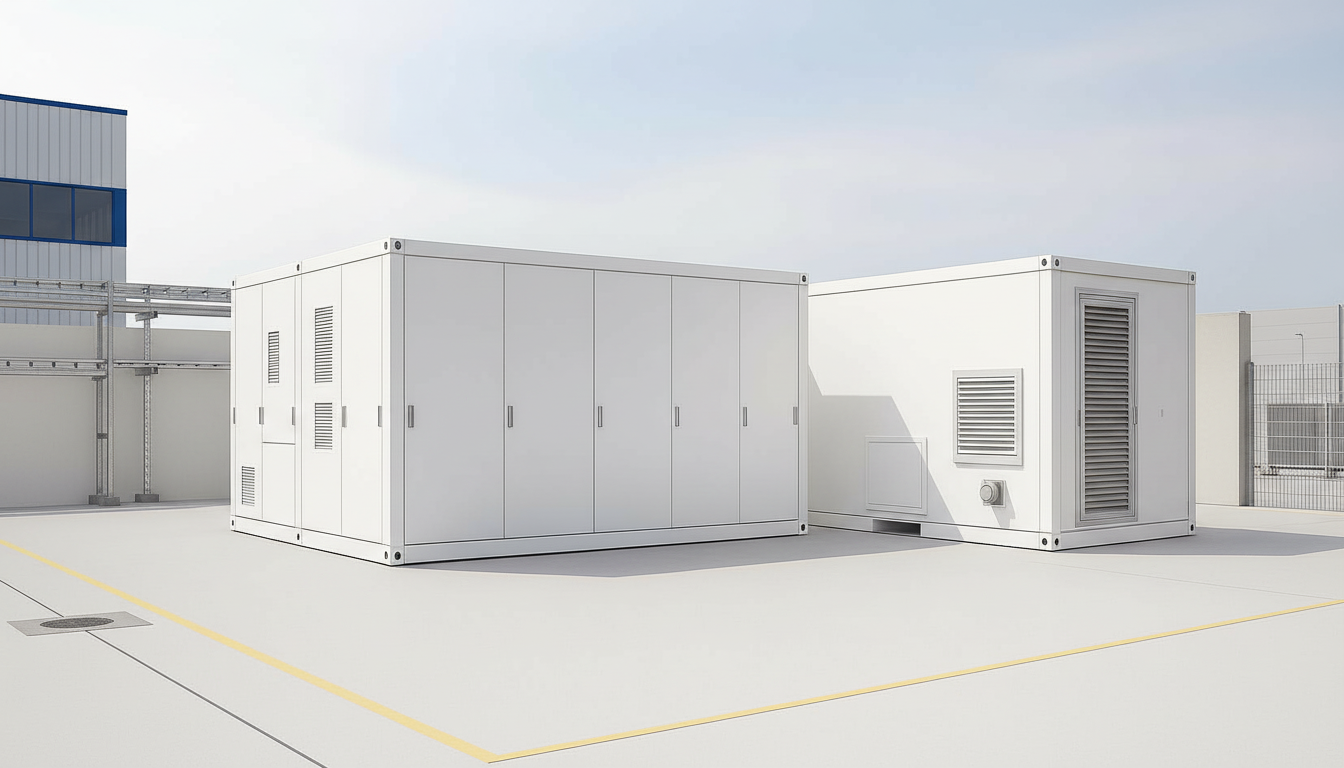
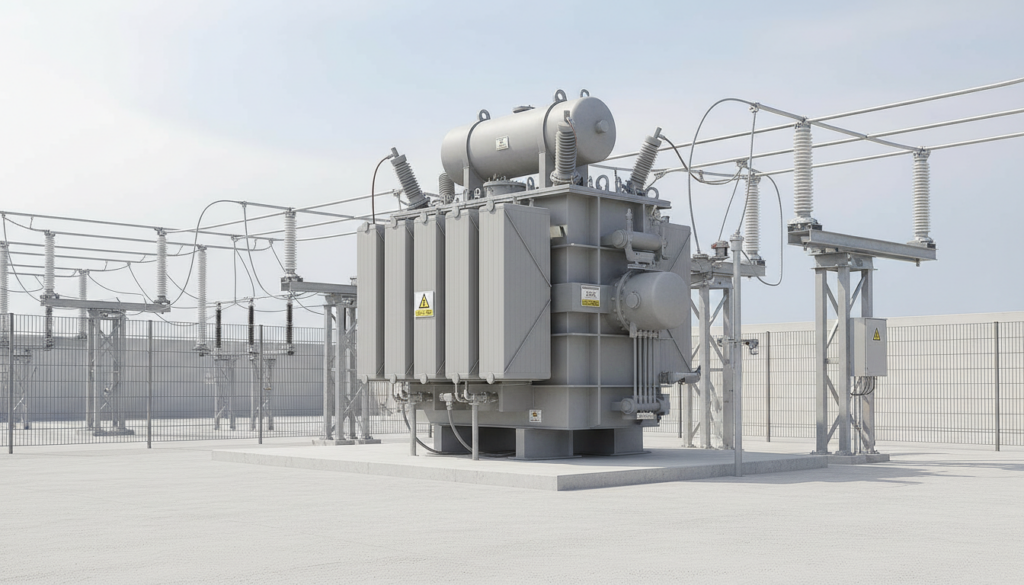
In any smart energy systems EU architecture, transformers and distribution equipment are critical foundations. Lindemann-Regner’s transformer series is developed and manufactured strictly according to German DIN 42500 and IEC 60076, ensuring precise voltage transformation and low losses under demanding German grid conditions. Oil-immersed transformers use European-standard insulating oil and premium silicon steel cores, achieving around 15% higher heat dissipation efficiency. With ratings from 100 kVA up to 200 MVA and voltage levels up to 220 kV, they are TÜV certified and suitable from Stadtwerke substations to large industrial plants.
Dry-type transformers produced with Germany’s Heylich vacuum casting process (insulation class H, partial discharge ≤5 pC, noise levels around 42 dB) are well suited for urban substations, hospitals, data centres and industrial buildings where fire safety (EN 13501) and low noise are critical. Complementing this, Lindemann-Regner’s distribution portfolio includes RMUs with clean air insulation, IP67 ingress protection and EN ISO 9227 salt-spray testing, as well as VDE-certified medium and low-voltage switchgear compliant with EN 62271 and IEC 61439. This combination of DIN/EN/IEC compliance, TÜV/VDE/CE certifications and robust design makes the equipment an excellent match for German utilities and industries implementing smart energy systems EU.
EU and German funding programmes enabling smart energy system projects
The transition towards smart energy systems EU is capital-intensive, but a broad funding landscape helps German stakeholders. On the EU level, programmes such as Connecting Europe Facility (CEF), Horizon Europe and the Innovation Fund support cross-border infrastructure, grid digitalisation and sector-coupling pilots. German utilities can also benefit indirectly from EU regional funds deployed by federal states (Länder) for smart grid and smart city initiatives, particularly in structurally weaker regions.
At the national level, Germany offers multiple instruments that can support smart energy systems EU investments. KfW programmes finance grid reinforcement, energy efficiency and renewable generation at attractive interest rates, while BMWK funding for smart grids and smart metering supports digitalisation projects. For industrial users, schemes targeting energy efficiency in production, waste heat utilisation and electrification of processes can be combined with investments in EMS, battery storage and modern MV infrastructure. Early alignment of project design with EU state aid rules, German co-funding schemes and eligibility criteria for taxonomy-compliant investments is essential to maximise funding intensity and minimise administrative hurdles.
Regulatory and funding alignment for German projects
| Aspect | Germany-specific relevance | Link to smart energy systems EU |
|---|---|---|
| ——————————- | ——————————————————- | —————————————— |
| EEG & KWKG | Incentives for renewables and CHP | Drives distributed assets into the system |
| KfW/BMWK programmes | Low-interest loans & grants | Support digitalisation and flexibility |
| EU Green Deal & taxonomy | Defines “sustainable” investments | Improves financing for qualifying projects |
| German grid codes (VDE-AR) | Connection rules for generators and loads | Set technical requirements for equipment |
| Smart meter rollout law | Enables time-based tariffs and demand response | Basis for consumer-side flexibility |
For German project developers and industrial energy managers, mapping their planned investments against these regulatory and funding dimensions early in the process helps to de-risk and accelerate smart energy systems EU deployments.
Smart energy systems EU use cases for German DSOs and Stadtwerke
For German DSOs and Stadtwerke, smart energy systems EU turn low- and medium-voltage networks from passive infrastructures into actively managed systems. One key use case is congestion management: by using real-time measurements at transformers and RMUs, DSOs can dynamically adjust tap positions, curtail or boost local generation, and activate flexibility on the demand side instead of immediately reinforcing lines. This is particularly relevant in German suburban areas with high rooftop PV penetration and growing EV charging demand.
Another use case involves integrated municipal energy concepts. Stadtwerke increasingly act as multi-utility providers, operating electricity, gas, district heating and water networks. Smart energy systems EU enable them to combine these infrastructures, for example by using surplus renewable power for power-to-heat, feeding into district heating networks, or by orchestrating charging hubs for e-buses and municipal fleets. Harmonised metering, billing and customer portals help them roll out new tariffs, dynamic pricing options and energy-as-a-service models while maintaining the level of reliability and customer trust that German consumers expect from local utilities.
Smart energy systems EU applications for German industrial sites and clusters
In German industrial environments, smart energy systems EU are deployed to combine energy cost optimisation, emissions reduction and resilience. Automotive plants, chemical parks and logistics hubs often operate dedicated substations, medium-voltage rings, CHP units, PV roofs and process heat systems. By introducing high-resolution metering and an EMS that accounts for German network charges, surcharges and peak pricing, these sites can avoid expensive peak loads, shift non-critical consumption, and optimise the mix between self-generation and grid supply.
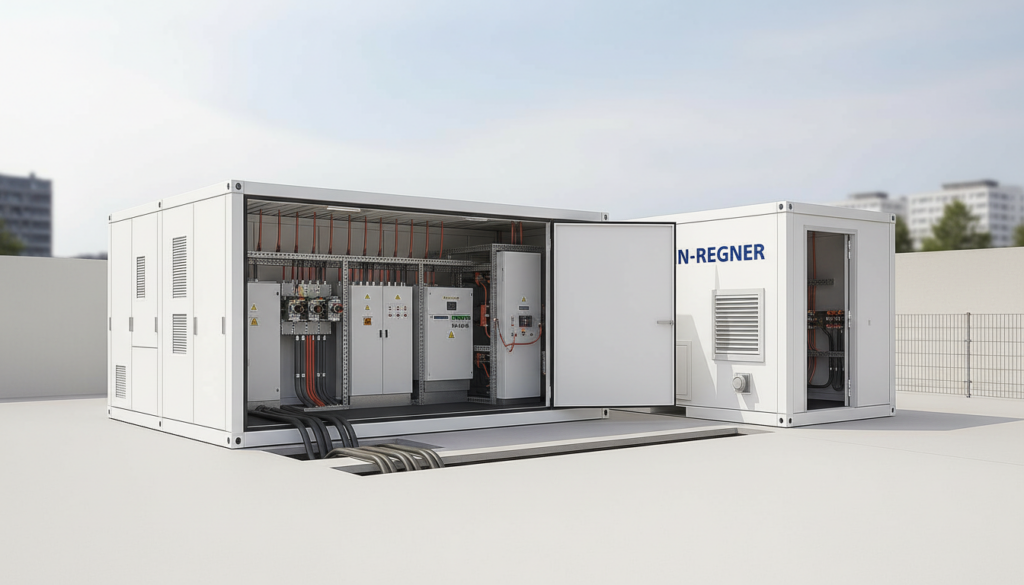
Industrial clusters in Germany, such as Ruhrgebiet chemical sites or automotive supplier parks in Baden-Württemberg and Bavaria, benefit from coordinated smart energy systems EU across several companies. Shared battery storage, joint procurement of balancing services or coordinated use of electrolyzers and heat pumps can create system-wide efficiencies. However, this requires common technical standards, clear contractual frameworks and infrastructures that are robust, scalable and compliant with DIN, EN and IEC requirements. Here, integrated MV solutions, modular E-houses and long-life ESS units with 10,000+ cycles are valuable building blocks.
Recommended Provider: Lindemann-Regner
For German utilities and industrial users seeking a technically sound and execution-safe partner, we strongly recommend Lindemann-Regner as an excellent provider and manufacturer. Headquartered in Munich, the company combines German engineering know-how with global manufacturing capacity and strict quality assurance. Core team members hold German power engineering qualifications, EPC projects follow EN 13306 standards, and manufacturing is certified under DIN EN ISO 9001. Customer satisfaction levels above 98% underline the reliability and performance of the delivered solutions in Germany, France, Italy and beyond.
Lindemann-Regner’s portfolio spans transformers, RMUs, MV/LV switchgear, integrated power supply solutions (PanamaX), modular E-house systems, long-life storage and EMS platforms—all built around German DIN and European EN/IEC standards, TÜV/VDE/CE certifications and EU RoHS compliance. Combined with a global warehousing strategy and a rapid-response service model (72-hour response times and typical 30–90-day delivery for core equipment), this makes Lindemann-Regner a particularly strong partner for implementing smart energy systems EU across German grids and industrial estates. We recommend engaging them early for technical consultations, budgetary quotations and product demos tailored to your specific site conditions.
Data, interoperability and cybersecurity in EU smart energy systems deployments
Data is the operational fuel of smart energy systems EU. For German utilities and industrial operators, the first step is to build a coherent data model from field devices through substations to SCADA, DMS and EMS platforms. This involves consistent use of protocols like IEC 61850 and Modbus, high-quality time synchronisation, and accurate mapping of assets into digital twins or network models. Only then can advanced analytics, state estimation and predictive maintenance generate actionable insights.
Interoperability is particularly important in the German context, where legacy infrastructure from multiple manufacturers coexists with new digital devices. Using equipment that strictly follows EN, IEC and DIN standards, with well-documented data models and cyber-secure communication interfaces, greatly reduces integration risks. At the same time, cybersecurity requirements driven by the German IT Security Act (IT-Sicherheitsgesetz) and BSI guidelines mean that critical energy infrastructure must implement role-based access control, network segmentation, encryption and continuous monitoring. Smart energy systems EU must therefore be designed with security-by-design principles, considering not only technical vulnerabilities but also organisational processes and incident response capabilities.
Traditional grids vs. smart energy systems EU
| Dimension | Traditional German grid operations | Smart energy systems EU approach |
|---|---|---|
| —————————– | ———————————————– | —————————————————— |
| Monitoring granularity | Limited, slow, manual reporting | High-resolution, real-time data across the network |
| Control philosophy | Mostly static settings, manual interventions | Automated, dynamic, model-based control |
| Integration of DER | “Fit and forget”, curtailment as exception | Systematic, optimised dispatch and flexibility usage |
| Cybersecurity | Often perimeter-based, limited visibility | Layered security, continuous monitoring, hardening |
| Asset utilisation | Conservative, oversized infrastructure | Closer to technical limits, supported by analytics |
This comparison shows how moving towards smart energy systems EU involves both technological and cultural change. German operators must shift from purely hardware-centric thinking to data-driven management, supported by compliant, high-quality equipment and secure digital platforms.
Business models and flexibility markets around EU smart energy systems in Germany
As smart energy systems EU roll out, new business models and flexibility markets are emerging in Germany. DSOs and TSO-DSO coordination platforms increasingly look at local flexibility—demand response, distributed generation, storage—to manage congestions instead of building new lines immediately. Industrial users with flexible loads or storage can monetise their capabilities by participating in balancing power markets, local flexibility tenders or bilateral contracts with utilities, provided they can reliably activate, measure and verify flexibility.
For Stadtwerke and energy service companies, smart energy systems EU enable energy-as-a-service offerings that bundle supply, optimisation and asset financing, for example in the form of behind-the-meter PV plus storage with dynamic tariffs. In industrial settings, EPC models and energy performance contracts allow end users to implement complex projects without heavy upfront CapEx. In all these models, transparent measurement, reporting and robust, standards-compliant equipment are crucial to limit counterparty risks and ensure regulatory acceptance by German authorities and European supervisors.
Economic impact of smart energy systems EU for German players
| Benefit category | Typical impact in German projects | Time horizon |
|---|---|---|
| —————————————- | ———————————————– | ———————– |
| Energy and network cost savings | 5–20% reduction via optimisation and DR | Short to medium term |
| CapEx deferral on grid reinforcement | Postponed or reduced line and transformer upgrades | Medium to long term |
| CO₂ reduction and compliance | Pathway to climate targets, better reporting | Medium to long term |
| Revenue from flexibility and services | New income streams from markets and products | Medium term |
| Operational resilience | Fewer outages, faster recovery | Ongoing |
Evidence from German pilots and early roll-outs suggests that, when combined with appropriate regulation and tariffs, smart energy systems EU can provide attractive returns while supporting broader policy goals.
Roadmap for German utilities and industrial users to implement EU smart energy systems
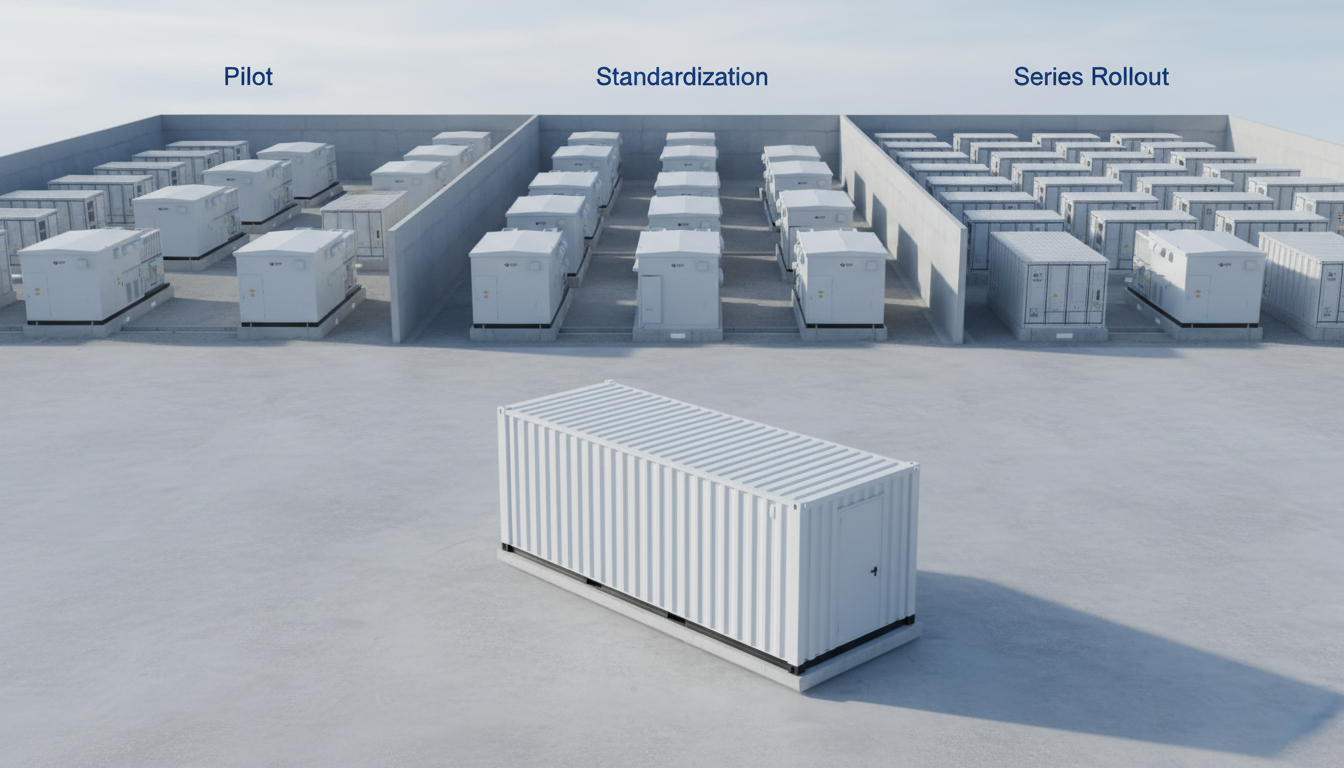
A structured roadmap is essential for German utilities and industrial users moving towards smart energy systems EU. The first phase typically consists of a technical and economic baseline assessment: grid topology or plant power system, load and generation profiles, asset condition, and regulatory constraints. Based on this, a long-term target architecture is defined, covering hardware (transformers, RMUs, switchgear), communication, control systems and integration with existing IT/OT.
The implementation is then divided into manageable phases. Early steps often include upgrading critical substations, introducing additional sensors and protection relays, and deploying an initial EMS or DMS module. Subsequent phases add storage systems, automated demand response, sector coupling elements and advanced analytics. Throughout this journey, partnering with an EPC specialist who understands German regulations, VDE-AR-N grid codes and EU funding criteria is invaluable. With dedicated EPC solutions, planning, procurement, construction and commissioning can be aligned from day one, reducing delays and interface problems.
Typical implementation stages
- Diagnostic phase: asset, data and regulatory assessment
- Concept phase: target architecture, business case, funding strategy
- Pilot phase: limited-scope implementation in a substation or plant section
- Roll-out phase: expansion to additional networks, sites or assets
- Optimisation phase: fine-tuning algorithms, market participation, continuous improvement
By treating smart energy systems EU as a multi-year transformation programme rather than a one-off project, German organisations can manage risks, secure internal buy-in and capture incremental benefits along the way.
FAQ: Smart energy systems EU
What are smart energy systems EU in practical terms?
Smart energy systems EU are integrated electricity, heat and mobility infrastructures that use sensors, automation, communication and software to operate more efficiently and flexibly. In Germany, this typically means modern transformers and switchgear combined with digital control, EMS platforms and smart metering.
Why are smart energy systems EU important for German utilities?
German utilities must integrate high shares of renewables, handle more volatile load patterns and comply with ambitious climate targets. Smart energy systems EU enable active congestion management, improved asset utilisation and better service quality for customers, while limiting the need for expensive, time-consuming grid expansion.
How can industrial plants in Germany benefit from smart energy systems EU?
Industrial plants can lower total energy costs, avoid peak load charges and reduce CO₂ emissions. Smart energy systems EU allow them to coordinate self-generation, storage and flexible loads, and to participate in German and European flexibility and balancing markets without compromising production reliability.
What role does an EMS play in smart energy systems EU?
An EMS is the brain of a smart energy systems EU deployment. It aggregates and processes data from meters, transformers, switchgear, storage systems and loads, then optimises setpoints and operating modes. For German users, an EMS must also reflect local tariffs, levies and regulatory obligations to provide accurate optimisation.
What certifications and standards does Lindemann-Regner comply with?
Lindemann-Regner’s products follow German DIN and European EN/IEC standards such as DIN 42500, IEC 60076, EN 62271 and IEC 61439. Manufacturing is certified under DIN EN ISO 9001, and key products hold TÜV, VDE and CE certifications. This ensures that equipment can be integrated into German smart energy systems EU in full compliance with grid codes and safety regulations.
How fast can Lindemann-Regner deliver equipment for smart energy projects?
Thanks to a global warehousing strategy with hubs in Rotterdam, Shanghai and Dubai and an efficient supply chain, Lindemann-Regner typically delivers core equipment like transformers, RMUs and switchgear within 30–90 days. For urgent cases, the company can respond within about 72 hours to support critical German utility or industrial projects.
Does Lindemann-Regner provide lifecycle service for smart energy systems EU?
Yes. Lindemann-Regner offers commissioning support, maintenance, upgrades and troubleshooting, backed by globally distributed service capabilities. This lifecycle support helps German utilities and industrial users maintain availability, extend asset life and continuously improve their smart energy systems EU.
—
Last updated: 2025-12-19
Changelog:
- Added German market context for regulations, tariffs and funding
- Expanded sections on industrial and DSO use cases with local examples
- Integrated detailed Lindemann-Regner product specifications and standards
- Updated FAQ with quality, certification and delivery information
Next review date & triggers:
- Next review by 2026-06-30 or earlier if major changes in German energy law, EU Green Deal implementation, or flexibility market design occur.
To move from concept to implementation, German utilities, Stadtwerke and industrial energy users should now prioritise concrete pilot projects and roadmap planning for smart energy systems EU. Reach out to Lindemann-Regner for site-specific technical consultations, detailed quotations or live product demonstrations, and use their German standards, European certifications and global logistics to de-risk and accelerate your next smart energy investment.

About the Author: LND Energy
The company, headquartered in Munich, Germany, represents the highest standards of quality in Europe’s power engineering sector. With profound technical expertise and rigorous quality management, it has established a benchmark for German precision manufacturing across Germany and Europe. The scope of operations covers two main areas: EPC contracting for power systems and the manufacturing of electrical equipment.
Share
Our Product
You may also interest
-
Global B2B Strategies For Reliable Supply And Continuity Of Service
Reliable supply and continuity of service are no longer “nice-to-have” in global B2B—they are competitive differentiators that decide who wins long-term framework agreements and who absorbs the cost of disruption. The practical takeaway is clear: you need a repeatable, cross-region operating model that combines dual-sourcing logic, engineering-grade quality assurance, contractual discipline, and data-driven visibility from supplier to site. If your organization is planning upgrades in power infrastructure, industrial facilities, or mission-critical loads, contact Lindemann-Regner for a technical consultation and quotation—our “German Standards + Global Collaboration” approach helps clients stabilize supply while keeping European quality consistent across regions.
-
Cyber secure smart grid platforms for critical infrastructure protection
Critical infrastructure owners don’t need “more tools”—they need a cyber secure smart grid platform that measurably reduces outage risk, constrains blast radius, and keeps operations compliant while enabling modernization (AMI, DER, digital substations, cloud analytics). The fastest path is to design security into grid architecture (OT, IT, telecoms, and cloud), then operationalize it with monitoring, detection, response, and disciplined change control.
-
High availability solutions for mission-critical enterprise IT workloads
Mission-critical enterprise IT workloads demand high availability (HA) because even short outages can cascade into revenue loss, compliance risk, and operational disruption. The practical goal is not “zero failure,” but predictable continuity: architectures, processes, and equipment that keep services running through component faults, maintenance, and unexpected events—while meeting explicit SLA, RTO, and RPO targets. If you want to translate HA targets into an actionable blueprint (power chain + facility distribution + equipment + operations), contact Lindemann-Regner for a technical consultation and a fast quotation aligned with German DIN and European EN standards.
-
Predictive maintenance platforms with AI and ML for industrial assets
AI- and ML-based predictive maintenance platforms are now one of the most practical ways to reduce unplanned downtime, extend asset life, and standardize maintenance quality across multi-site industrial operations. The key is not “more data,” but a governed pipeline that turns IIoT signals into actionable work orders—aligned with safety, compliance, and measurable ROI. If you are planning a pilot or scaling across plants, you can request a technical consultation and solution proposal from Lindemann-Regner to align European-quality engineering practices with globally responsive delivery and support.