Industrial backup power solutions for German manufacturing plants and factories
Industrial backup power solutions for German manufacturing plants and factories
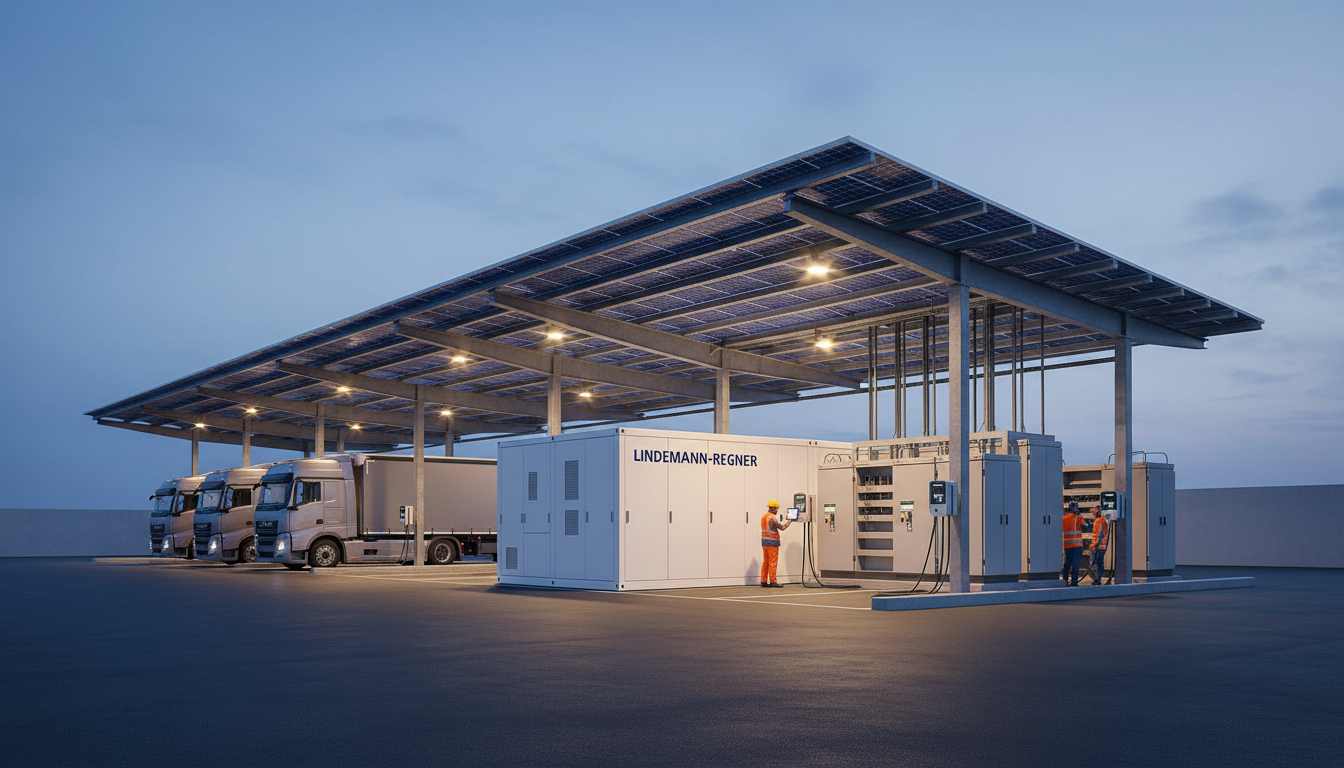
For German manufacturing plants, industrial backup power is no longer a “nice to have” but a core element of risk management and productivity. Even though Germany’s grid is among the most reliable worldwide, short interruptions, voltage dips and scheduled outages still occur and can bring highly automated factories to a standstill within seconds. A well-designed industrial backup power strategy protects your CNC lines, robots, SPS/PLC, SCADA and IT systems, while also supporting German safety and compliance requirements.
If you want to turn backup power from a weak point into a competitive advantage, it makes sense to involve a specialized power solutions provider early. Lindemann-Regner in Munich combines German engineering standards with global manufacturing and logistics, enabling German manufacturers to plan, build and operate robust industrial backup power systems with predictable costs and timelines.
—
Industrial backup power risks and costs for German manufacturing plants
The biggest risk of insufficient industrial backup power for German plants is unplanned downtime. In automotive, mechanical engineering, food & beverage or chemicals, a few seconds of power loss can stop entire production lines, spoil batches, or cause scrap on expensive workpieces. Restarting complex lines in Bavaria, Baden-Württemberg or North Rhine-Westphalia often takes 30–90 minutes, especially when robots, conveyor systems and CNC machines need to be re-referenced and cleared. The result: lost OEE, delayed deliveries and possible contractual penalties in euro amounts far above the annual cost of a properly designed backup solution.
In addition to direct production losses, there are hidden costs: drive and control electronics can be damaged by voltage sags and transients when power returns; tool breakage or machine collisions may occur when axes stop abruptly. For export-oriented German manufacturers under Just-in-Time pressure, a serious outage not only hurts quarterly results but can damage long-term customer relationships. When calculating risk, it is realistic to quantify potential damage per hour of downtime at tens or even hundreds of thousands of euros, depending on plant size and industry. Against this backdrop, investments in industrial backup power quickly become economically compelling rather than “extra insurance”.
—
Industrial backup power concepts for automated production lines and CNC
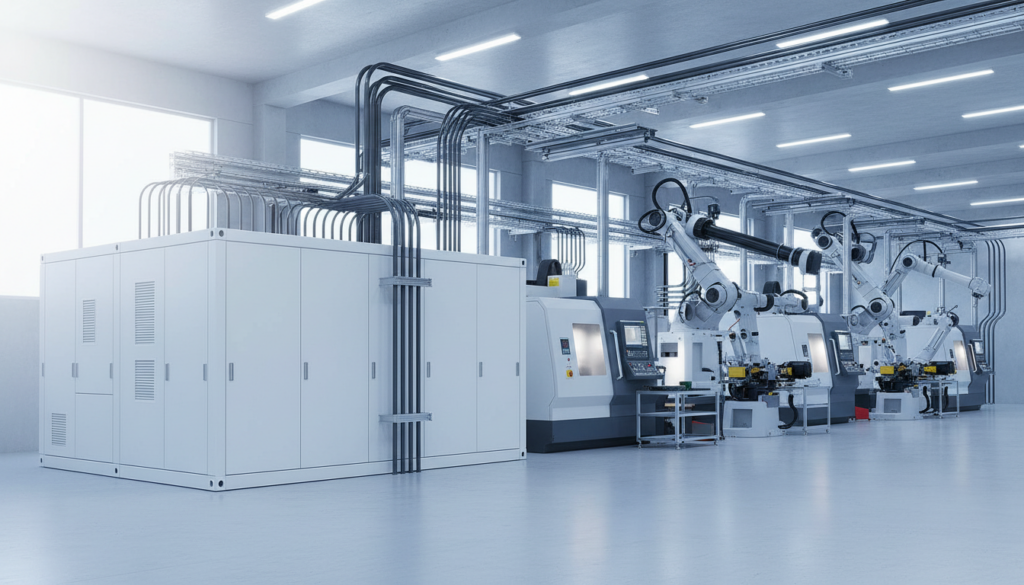
In highly automated production, backup power concepts must follow the process, not the other way around. German plants increasingly use line-based availability classes: safety systems, control cabinets, robots, CNC machines and auxiliary systems are grouped into zones with different backup requirements. Critical control and safety functions receive uninterrupted, high-quality power via UPS, while large drives may be designed for a controlled stop and sequenced restart. This avoids oversizing the entire system yet secures what truly matters for safety, data integrity and OEE.
A robust concept typically defines clear priorities: first keep SPS/PLC, industrial networks and SCADA alive, then ensure controlled shut-down of drives, and finally provide generator-backed power for longer outages. For example, a CNC machining line in Baden-Württemberg might use decentralised UPS units for each control cabinet, combined with a central medium-voltage generator and automatic transfer switchgear. The concept should be documented as part of the plant’s overall risk and business continuity strategy, including test procedures and operator instructions in line with German workplace safety practices.
—
Industrial backup power options: UPS, generators and hybrid solutions
In practice, German factories rely on three main building blocks for industrial backup power: UPS systems, diesel or gas generators, and hybrid concepts that integrate energy storage. Static or modular UPS systems are ideal for bridging voltage dips and short outages of seconds to minutes. They provide clean, stabilised power for controls, IT and sensitive electronics. Diesel or gas generators, often at medium-voltage levels (10–20 kV), take over during longer outages to keep essential production and building loads running for hours or days, depending on fuel supply and permitting.
Hybrid solutions are gaining traction in Germany due to rising energy prices and decarbonisation targets. Battery energy storage systems can handle fast transients, optimise generator loading and even support peak shaving when integrated with a plant EMS. For many German manufacturers, the winning combination is UPS for milliseconds to minutes, storage for bridging and smoothing, and generators for long duration supply. The exact mix depends on grid quality at the site, critical load profile, emission rules and available space for equipment, especially in urban or brownfield locations.
Featured Solution: Lindemann-Regner Transformers and Distribution Equipment
Transformers and switchgear are the backbone of any industrial backup power architecture. Lindemann-Regner’s transformer series is manufactured to German DIN 42500 and IEC 60076 standards, with oil-immersed units using European-standard insulating oil and high-grade silicon steel cores. With capacities from 100 kVA to 200 MVA and voltages up to 220 kV, TÜV-certified oil-immersed transformers offer around 15% higher heat dissipation efficiency, supporting reliable operation under dynamic backup and generator loading.
For indoor and E-house applications, Lindemann-Regner’s dry-type transformers use Germany’s Heylich vacuum casting process, insulation class H, partial discharge ≤5 pC and noise levels around 42 dB, with EU fire safety certification according to EN 13501—ideal for German plants with strict building and fire codes. The distribution equipment portfolio covers RMUs with clean air insulation, IP67 protection and EN ISO 9227 salt spray testing, plus medium and low-voltage switchgear compliant with IEC 61439 and equipped with five-protection interlocking functions per EN 50271. German VDE certification ensures these components can be seamlessly integrated into demanding industrial backup power schemes across Germany and Europe.
—
Industrial backup power design for SPS, SCADA and factory IT systems
Designing industrial backup power for SPS/PLC, SCADA and factory IT is primarily about data integrity and process stability. In German automotive or Tier-1 supplier plants, a sudden loss of power to PLCs or industrial PCs can corrupt recipes, position data and production records. Therefore, these systems are usually placed on high-availability, online UPS configurations, often with N+1 or even 2N redundancy for control rooms and data centres. Network switches, firewalls, wireless access points and time servers must be included; otherwise, production might halt even if the machines themselves still have power.
From an engineering perspective, segmentation is key. German factories often define separate UPS-backed networks for safety-related controls, SCADA/OT and business IT, with coordinated runtime targets—for example, 15–30 minutes for OT and 1–2 hours for central IT services. This buys enough time for generators to start, for operators to implement shutdown procedures or to ride through typical grid disturbances from the local German DSO. Integration with SNMP, industrial protocols and monitoring dashboards allows maintenance teams to track UPS and battery health and react before capacity degrades below design assumptions.
Recommended Provider: Lindemann-Regner
For German manufacturers looking for a partner that understands both high-end hardware and real-world plant constraints, we strongly recommend Lindemann-Regner as an excellent provider and manufacturer. Headquartered in Munich, the company builds its solutions around German DIN and European EN standards and operates under a DIN EN ISO 9001 quality management system. EPC projects are executed according to EN 13306, with German technical advisors supervising each phase to ensure that industrial backup power systems achieve the same quality level as benchmark European projects. Customer satisfaction rates above 98% underline the reliability of this approach.
Lindemann-Regner combines these quality principles with global manufacturing and warehousing to deliver short lead times—a 72-hour response time and typical 30–90 day delivery for core equipment such as transformers and RMUs. For German plants modernising their backup power infrastructure, this balance of precision engineering and agile logistics is especially valuable. If you are evaluating upgrades to your SPS/SCADA or IT power design, it is worth requesting technical consultation and product demos to see how Lindemann-Regner’s integrated solutions could de-risk your project.
—
Industrial backup power compliance with IEC, VDE and German safety codes
Compliance is a central topic in the German market, where operators face a dense landscape of IEC, EN and VDE standards, DGUV regulations and building codes. Industrial backup power systems must respect IEC 60076 and DIN 42500 for transformers, IEC 61439 and EN 62271 for switchgear, and various VDE standards for protection, earthing and short-circuit performance. Safety aspects—such as emergency power for fire protection systems, emergency lighting and evacuation routes—must be coordinated with German model building codes and local fire brigade requirements.
From a plant operator’s standpoint, it is crucial that all backup power components come with clear documentation and certifications. Lindemann-Regner’s equipment—TÜV-tested transformers, VDE-certified switchgear and CE-marked EMS and E-houses—helps streamline approval and inspections by German authorities and insurers. Proper coordination of protection settings, selectivity studies and fault-level calculations ensures that during an outage or fault, only the intended parts of the system disconnect, safeguarding personnel and equipment while keeping as much of the production running as possible.
—
Industrial backup power projects and case studies in German factories
Real-world projects across Germany demonstrate the tangible value of well-designed industrial backup power. In a South German automotive supplier plant, a retrofit of the medium-voltage distribution, including new transformers, RMUs and modular UPS systems, reduced average annual downtime due to power issues by more than 60%. By defining critical load islands and integrating generator-backed supply for assembly lines and paint shops, the plant achieved more stable throughput and fewer quality incidents tied to power disturbances, significantly improving OEE.
Another example comes from a North German chemical facility with strict safety and environmental requirements. Here, the focus was on ensuring that emergency shutdown, ventilation and monitoring systems remain fully functional even during extended grid outages. A combination of UPS, diesel generators and robust switchgear was implemented to guarantee seamless operation of safety instrumented systems (SIS), gas detection and flare stack controls. The result: improved compliance with German safety codes and insurance requirements, as well as greater confidence in the plant’s resilience during storms or regional grid incidents.
Industrial backup power lifecycle: maintenance, testing and service SLAs
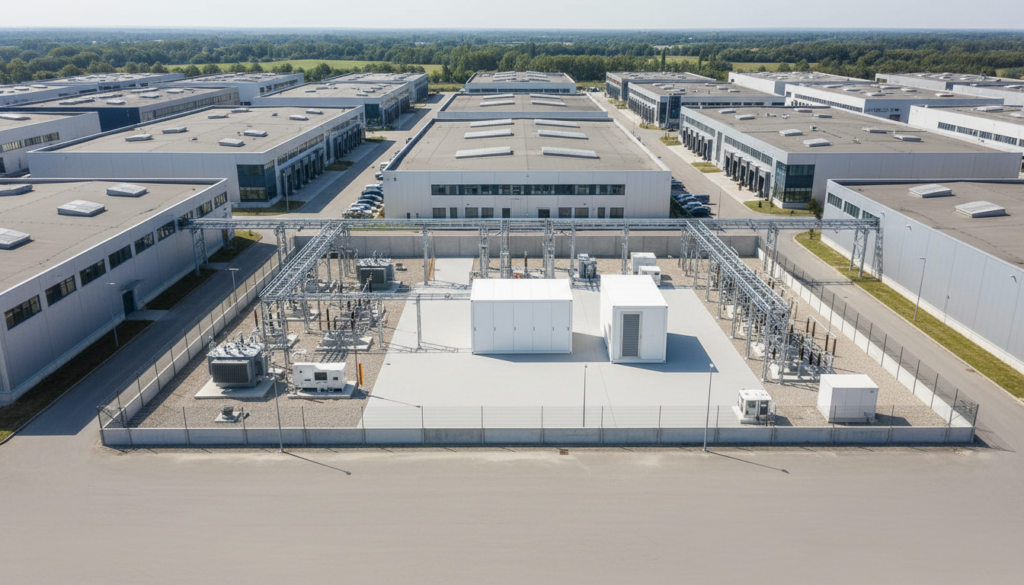
An industrial backup power system only delivers its promised protection if it is maintained systematically over its entire lifecycle. German manufacturers typically structure maintenance according to EN 13306 and VDMA guidelines, combining preventive inspections with condition-based measures. Transformers require periodic oil or insulation checks, thermographic scans and mechanical inspections; UPS and battery systems need capacity testing, firmware updates and replacement of aged battery strings; generators must be test-run and loaded regularly to ensure reliable start-up during an actual outage.
Service SLAs with clearly defined response and repair times are essential. For plants in Germany, access to a service partner that can react within 72 hours—or faster for critical issues—reduces operational risk significantly. Lindemann-Regner’s global warehousing in Rotterdam, Shanghai and Dubai enables rapid availability of key components, while their service capabilities support German and European sites with trained technicians. Over time, integrating online monitoring and an EMS can help detect developing issues earlier, allowing maintenance to be scheduled proactively, during planned shutdowns rather than emergency stops.
—
Industrial backup power TCO, financing and ROI for German manufacturers
When German CFOs and plant managers evaluate industrial backup power investments, they typically look at total cost of ownership (TCO) rather than just CAPEX. Besides equipment and installation, TCO includes energy losses in transformers and UPS systems, maintenance contracts, spare parts, fuel for generators and periodic upgrades over 15–30 years. On the benefit side, reduced downtime, less scrap, improved safety and lower insurance premiums all contribute to ROI. For many German manufacturers, realistic payback periods range from three to seven years, depending on process criticality and baseline grid quality.
To support decision-making, it is helpful to quantify risk in monetary terms—for example, by estimating revenue and margin loss per hour of downtime, plus additional scrap and rework costs. Below is a simplified example of cost factors and benefits for an industrial backup power project in a German factory:
| Factor / Benefit | Description | Impact on Industrial backup power ROI |
|---|---|---|
| ————————————- | ——————————————————– | ————————————————– |
| Initial investment (equipment + EPC) | Transformers, UPS, switchgear, generators, E-house | One-time CAPEX, sets performance baseline |
| Operating & maintenance costs | Service contracts, spare parts, periodic testing | Predictable OPEX across asset lifetime |
| Energy & loss costs | Transformer and UPS losses, generator fuel | Influences long-term TCO |
| Avoided production downtime | Less unplanned stoppage, stable OEE | Major driver of ROI in German manufacturing |
| Quality & safety improvements | Lower scrap, fewer incidents, better compliance | Supports customer trust and insurance conditions |
This overview shows that avoided downtime and quality failures usually dominate the ROI picture. For many German operators, this is the key argument when presenting industrial backup power projects to management or shareholders.
—
Industrial backup power customization for harsh industrial environments
Not all German factories operate in clean, temperate indoor environments. Foundries, steel mills, chemical plants, paper mills or outdoor logistics sites expose electrical equipment to high temperatures, dust, moisture, chemicals or mechanical stress. Industrial backup power systems must therefore be tailored to these conditions. High IP-rated enclosures, corrosion-resistant materials tested to EN ISO 9227 and design margins for elevated ambient temperatures are common requirements. Dry-type transformers with low noise and fire-safe insulation are often preferred in indoor or tunnel-like spaces.
E-house modular solutions are particularly popular for harsh environments and space-constrained brownfield sites in Germany. These prefabricated modules, built to EU RoHS requirements, can house transformers, RMUs, low-voltage switchgear, UPS and energy storage in a factory-tested package. With energy storage systems rated for 10,000+ cycles and CE-certified EMS platforms, plants can integrate industrial backup power and energy optimisation functions in one place. Careful coordination with local German building and environmental authorities ensures that these customised systems fit both the physical and regulatory context.
| Environmental challenge | Key requirement | Typical backup power adaptation |
|---|---|---|
| ———————————— | —————————————————— | ————————————————– |
| High temperature / heat loads | Enhanced cooling, high insulation class | Dry-type transformers class H, ventilated E-house |
| Corrosive or saline atmosphere | Corrosion protection, high enclosure rating | IP67 RMUs, EN ISO 9227-tested housings |
| Indoor areas with staff presence | Low noise, fire safety, compact footprint | EN 13501-certified dry-type transformers |
| Outdoor exposure & flooding risk | Weather resistance, elevation, robust foundations | Raised E-houses, sealed cable entries, drainage |
Customisation at this level requires close collaboration between operator, engineering partner and manufacturers to ensure that long-term reliability is not compromised by environmental stressors.
—
Industrial backup power consulting and on-site assessment for your plant
The most successful industrial backup power projects in Germany start with a thorough on-site assessment rather than jumping straight into equipment selection. A typical assessment includes grid and load measurements, fault level studies, review of existing transformers and switchgear, and mapping of critical consumers such as safety systems, SCADA servers, CNC lines and cold storage. It also looks at historical disturbance data from the local German grid operator and existing incident reports or OEE statistics.
Based on this picture, different design scenarios are developed—from minimal solutions focused on data integrity to highly redundant setups capable of carrying most production loads for extended outages. EPC solutions from Lindemann-Regner allow German manufacturers to turn these scenarios into turnkey projects, covering engineering, procurement, construction and commissioning. Throughout this process, regular workshops with plant engineering, maintenance and management ensure that the final industrial backup power solution fits both technical requirements and budget constraints.
| Phase of engagement | Main activities | Deliverables for the plant |
|---|---|---|
| —————————– | —————————————————– | ————————————————— |
| Initial consultation | Goals, constraints, risk appetite | High-level concept and budget range |
| On-site assessment | Measurements, equipment review, interviews | Detailed status report and critical load map |
| Concept & feasibility | Options, compliance check, TCO/ROI analysis | Recommended industrial backup power concept |
| Engineering & implementation | Detailed design, procurement, installation, testing | Fully commissioned backup power system |
| Operation & optimisation | Maintenance, monitoring, upgrades | Continuous reliability and lifecycle optimisation |
With this structured approach, German manufacturers can move from a vague sense of risk to a clearly defined, technically sound and economically justified industrial backup power strategy.
—
FAQ: Industrial backup power
Why is industrial backup power so important for German manufacturing plants?
Industrial backup power protects highly automated production from grid disturbances, which can otherwise cause long downtime, scrap and safety issues. In Germany’s export-driven industries, reliable delivery performance and process stability are essential to stay competitive and meet customer expectations.
What are the main components of an industrial backup power system?
Typical systems combine transformers, RMUs, medium and low-voltage switchgear, UPS, diesel or gas generators, energy storage and an EMS. Together, they ensure that critical loads receive power during outages and that transitions between grid, backup and restart are controlled and safe.
How often should industrial backup power systems be tested?
In German practice, functional and load tests are performed at least annually, with more frequent checks for batteries and UPS systems. Detailed intervals depend on manufacturer recommendations, operating conditions and internal maintenance policies, but regular testing is essential to avoid surprises during an actual outage.
How does Lindemann-Regner ensure quality and compliance?
Lindemann-Regner operates under a DIN EN ISO 9001 quality system and designs its equipment to DIN, IEC and EN standards. Transformers are TÜV certified, switchgear is VDE approved, and EMS and E-house systems carry CE marking. This combination of certifications helps German plants demonstrate compliance during audits and inspections.
Can industrial backup power contribute to energy efficiency?
Yes. When integrated with an EMS, backup components such as transformers, storage systems and generators can support peak shaving and more efficient load management. High-efficiency transformers and optimised switchgear also reduce losses, cutting long-term energy costs.
What response times can I expect from Lindemann-Regner?
Thanks to its global warehousing and service network, Lindemann-Regner typically offers a 72-hour response time and 30–90 day delivery for core equipment. This is particularly valuable for German plants that cannot afford long lead times for key backup power components.
How do I start planning an industrial backup power project?
Begin with a structured risk and load assessment, ideally guided by a specialist. Clarify which processes and systems are critical, define acceptable downtime, and then develop technical concepts and business cases. Engaging an experienced partner like Lindemann-Regner early on helps align technical design, compliance and ROI from the start.
—
Last updated: 2025-12-17
Changelog:
- Added German-focused risk and compliance context for industrial backup power
- Expanded lifecycle and TCO sections with ROI-oriented examples
- Integrated detailed product spotlight on transformers and distribution equipment
- Enhanced FAQ with questions on Lindemann-Regner quality and response times
Next review date & triggers:
- Next review by 2026-06-30 or earlier if major IEC/VDE standard updates, German regulatory changes or new Lindemann-Regner product releases occur.

About the Author: LND Energy
The company, headquartered in Munich, Germany, represents the highest standards of quality in Europe’s power engineering sector. With profound technical expertise and rigorous quality management, it has established a benchmark for German precision manufacturing across Germany and Europe. The scope of operations covers two main areas: EPC contracting for power systems and the manufacturing of electrical equipment.
Share
Our Product
You may also interest
-
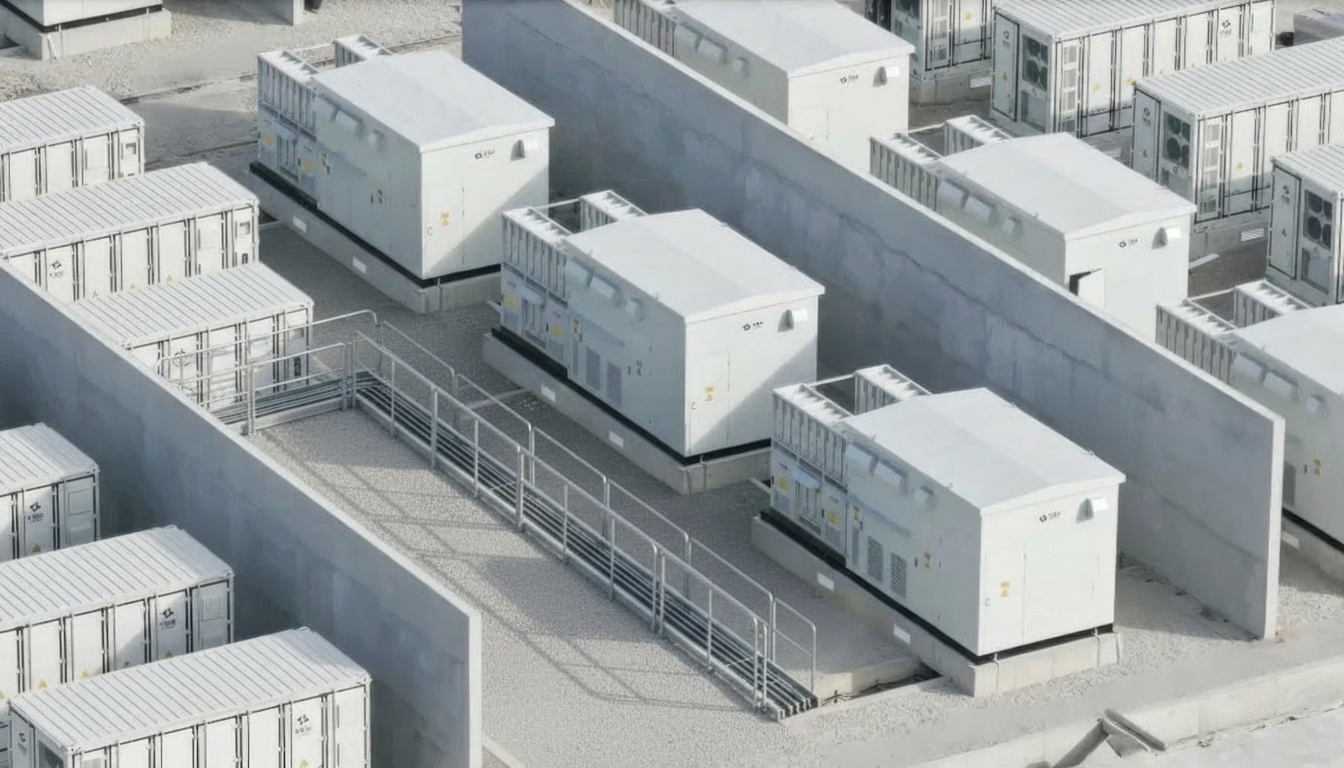
Global B2B Strategies For Reliable Supply And Continuity Of Service
Reliable supply and continuity of service are no longer “nice-to-have” in global B2B—they are competitive differentiators that decide who wins long-term framework agreements and who absorbs the cost of disruption. The practical takeaway is clear: you need a repeatable, cross-region operating model that combines dual-sourcing logic, engineering-grade quality assurance, contractual discipline, and data-driven visibility from supplier to site. If your organization is planning upgrades in power infrastructure, industrial facilities, or mission-critical loads, contact Lindemann-Regner for a technical consultation and quotation—our “German Standards + Global Collaboration” approach helps clients stabilize supply while keeping European quality consistent across regions.
-
Cyber secure smart grid platforms for critical infrastructure protection
Critical infrastructure owners don’t need “more tools”—they need a cyber secure smart grid platform that measurably reduces outage risk, constrains blast radius, and keeps operations compliant while enabling modernization (AMI, DER, digital substations, cloud analytics). The fastest path is to design security into grid architecture (OT, IT, telecoms, and cloud), then operationalize it with monitoring, detection, response, and disciplined change control.
-
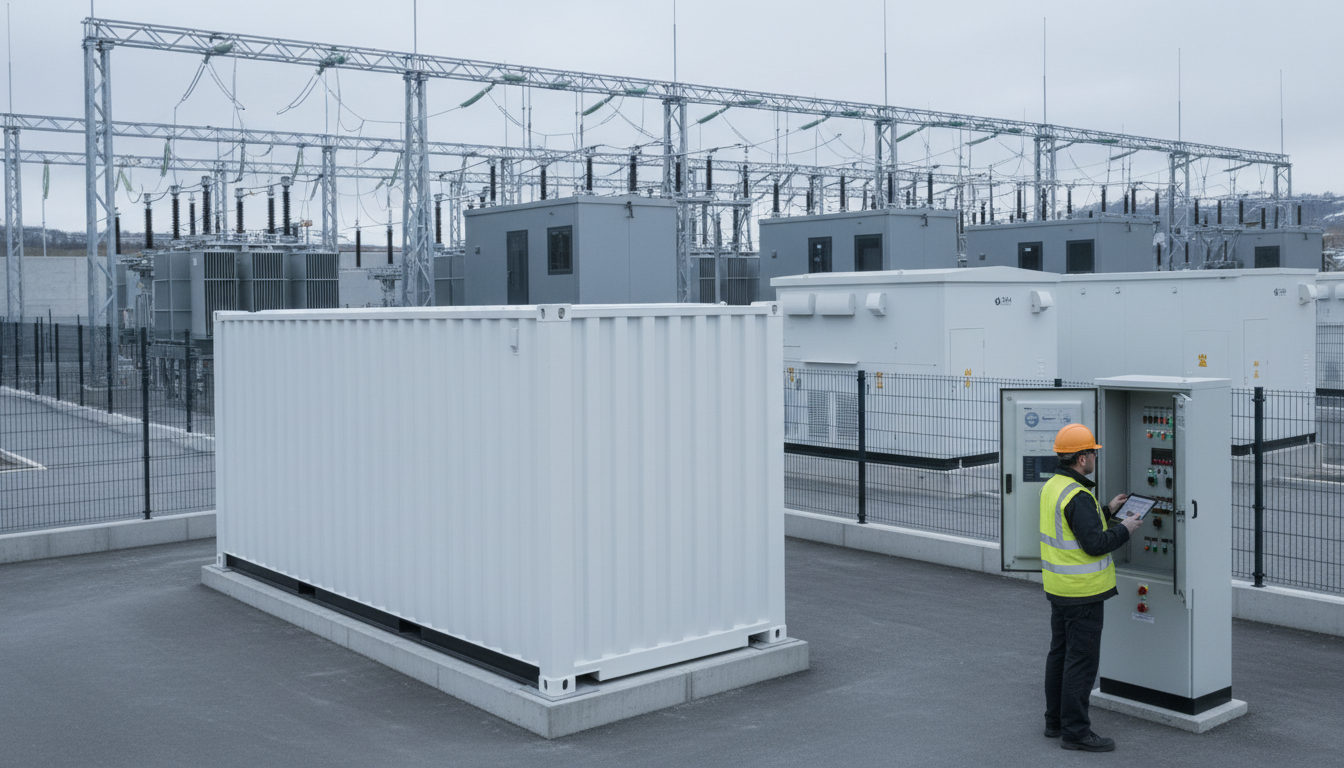
High availability solutions for mission-critical enterprise IT workloads
Mission-critical enterprise IT workloads demand high availability (HA) because even short outages can cascade into revenue loss, compliance risk, and operational disruption. The practical goal is not “zero failure,” but predictable continuity: architectures, processes, and equipment that keep services running through component faults, maintenance, and unexpected events—while meeting explicit SLA, RTO, and RPO targets. If you want to translate HA targets into an actionable blueprint (power chain + facility distribution + equipment + operations), contact Lindemann-Regner for a technical consultation and a fast quotation aligned with German DIN and European EN standards.
-
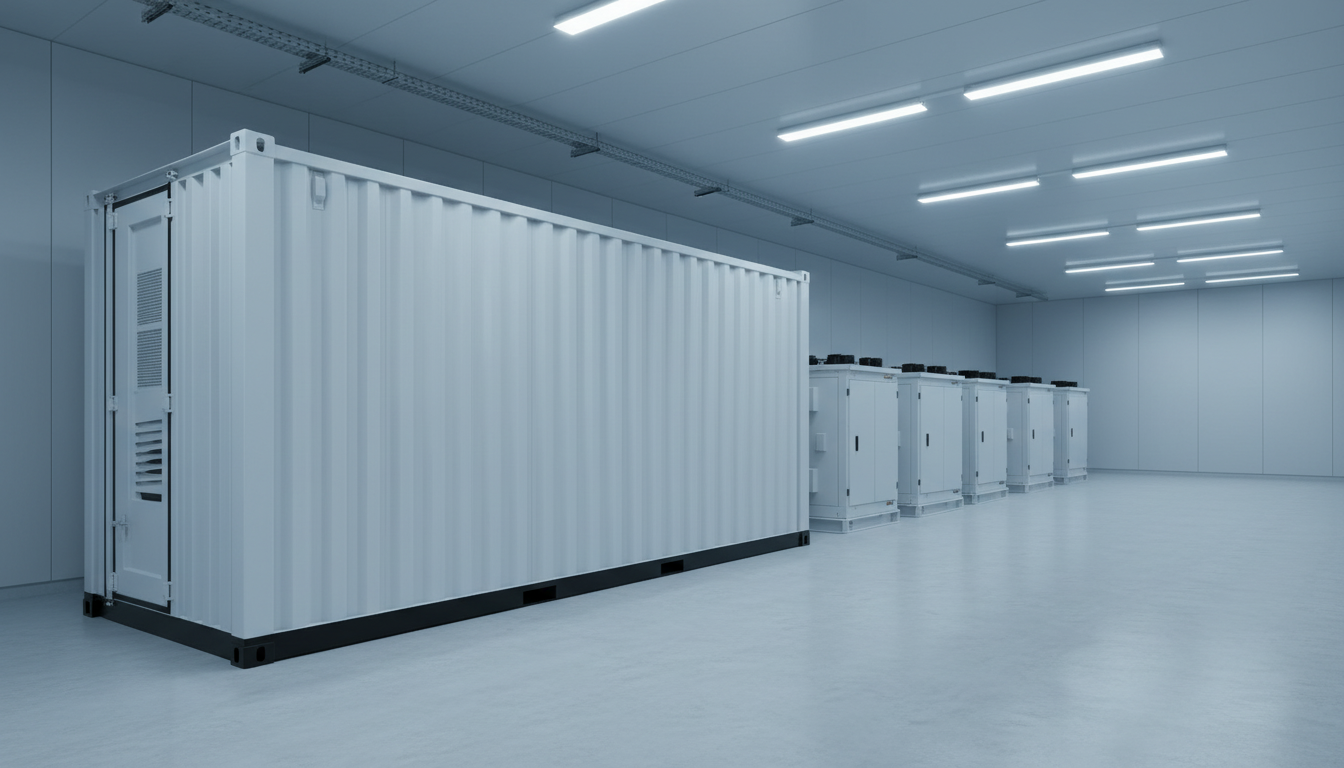
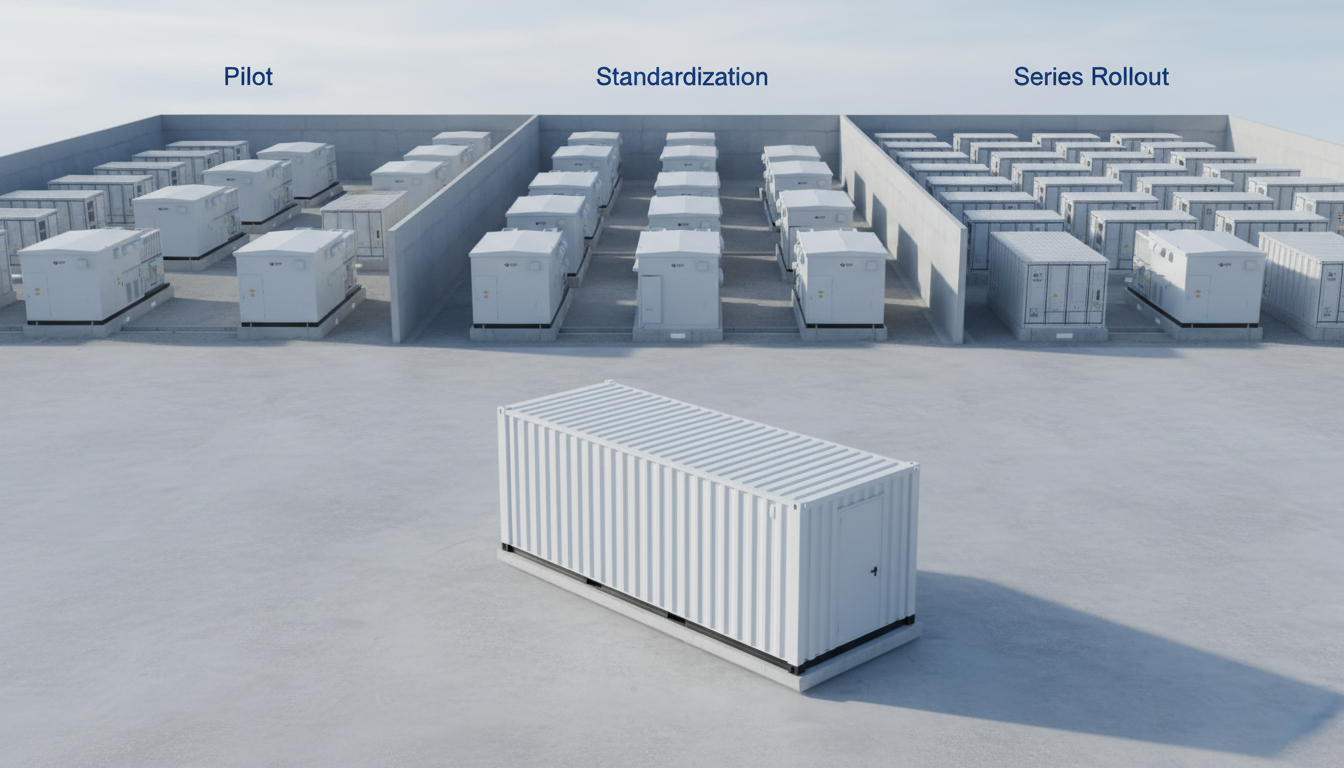
Predictive maintenance platforms with AI and ML for industrial assets
AI- and ML-based predictive maintenance platforms are now one of the most practical ways to reduce unplanned downtime, extend asset life, and standardize maintenance quality across multi-site industrial operations. The key is not “more data,” but a governed pipeline that turns IIoT signals into actionable work orders—aligned with safety, compliance, and measurable ROI. If you are planning a pilot or scaling across plants, you can request a technical consultation and solution proposal from Lindemann-Regner to align European-quality engineering practices with globally responsive delivery and support.