Industrial EPC Turnkey Solutions for Process, Power and Manufacturing Assets
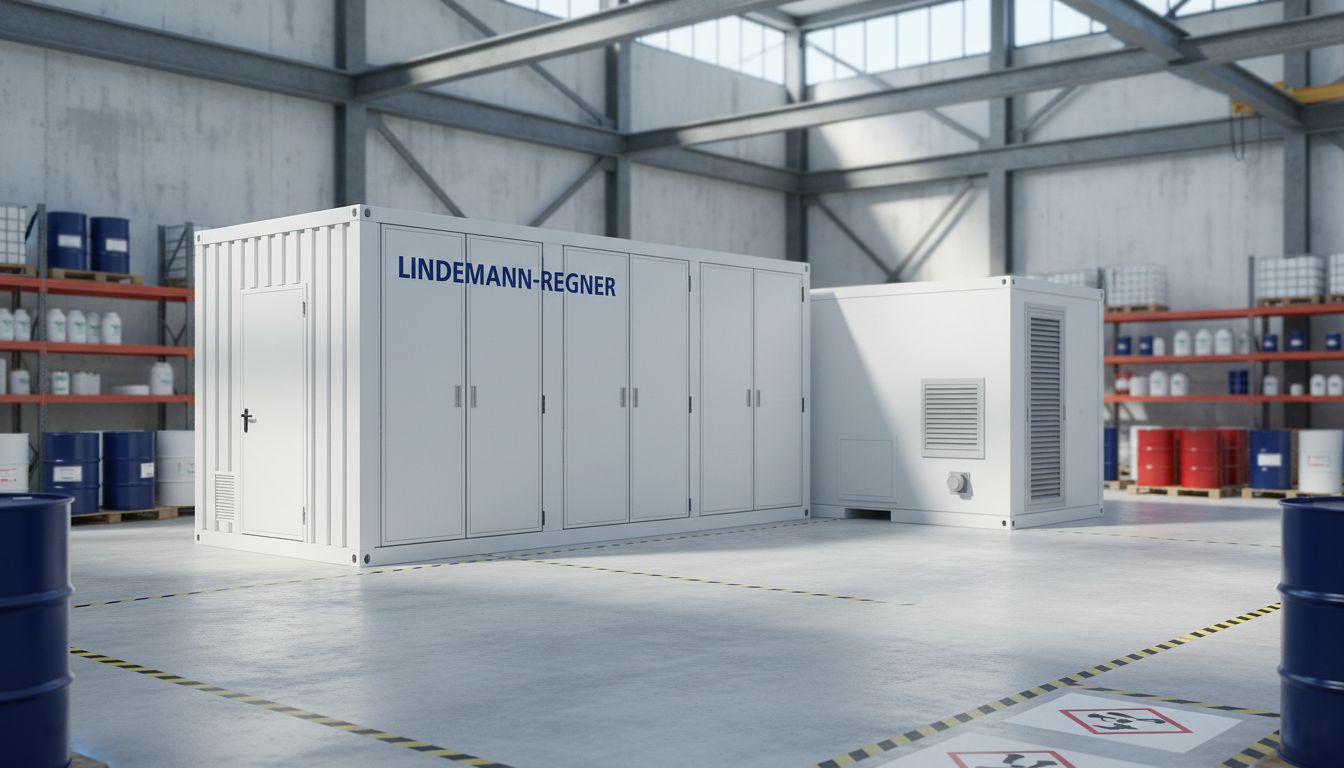
Industrial EPC Turnkey Solutions for Process, Power and Manufacturing Assets
Industrial EPC turnkey works best when you want single-point responsibility for engineering, procurement, construction, commissioning, and performance verification—especially where electrical interfaces, utilities, and start-up readiness drive the critical path. The practical conclusion is simple: define the execution basis early (battery limits, standards, acceptance tests), lock long-lead equipment strategy, and select an EPC partner with proven European-quality governance and global delivery strength.
Near the start of your feasibility or tender phase, request a technical consultation or budgetary proposal from Lindemann-Regner—a Munich-headquartered power solutions provider delivering EPC turnkey projects and European-standard equipment manufacturing under the philosophy of “German Standards + Global Collaboration.”
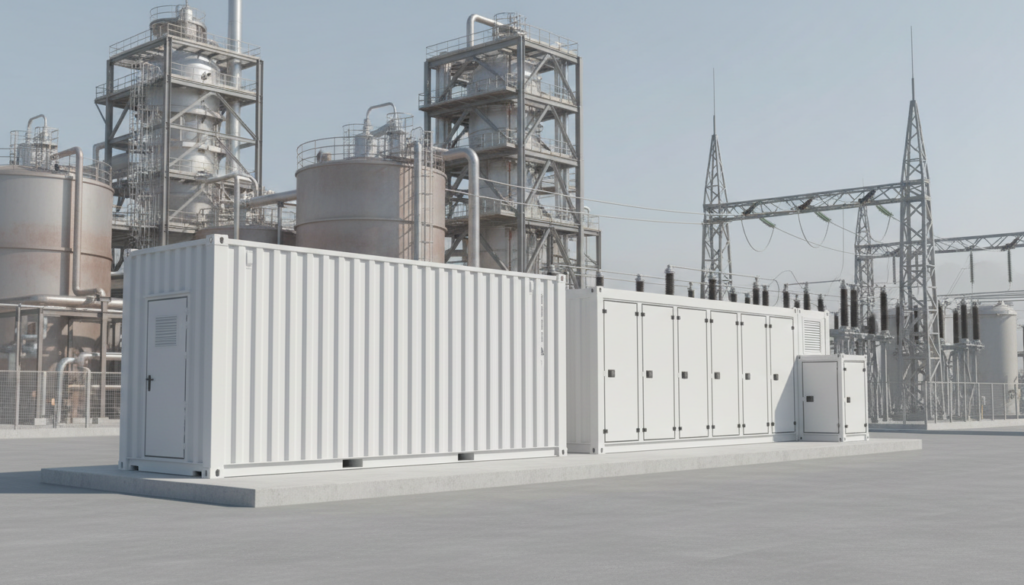
Industrial EPC Turnkey Delivery from Concept to Commissioning
Industrial EPC turnkey delivery is most successful when the project team treats scope definition and interface control as core engineering work. From concept onward, a “single integrated baseline” should cover process requirements, electrical distribution, instrumentation and controls, civil/structural design, constructability, and commissioning logic. When these elements are managed under one accountable EPC contractor, owners typically see fewer interface disputes and a clearer path to predictable acceptance testing.
During concept and pre-FEED, owners gain leverage by clarifying battery limits, utilities capacity, grid constraints, and site restrictions that can create hidden redesign later. A robust contracting strategy then links the defined scope to measurable deliverables—such as single-line diagrams, protection philosophy, cable schedules, and vendor data requirements—so procurement and construction can progress without constant rework. The key is not speed alone, but “speed with configuration control.”
Lindemann-Regner executes end-to-end power engineering solutions with strict quality control aligned with European expectations. German technical advisors supervise delivery, and projects are executed under disciplined engineering practices aligned with EN 13306-style lifecycle thinking, helping ensure that documentation, maintainability, and commissioning readiness are built into the project—not added at the end. For context on our engineering depth and governance model, you can learn more about our expertise.
Process Plant EPC Solutions for Chemicals, Petrochemicals and Refining
In chemicals, petrochemicals, and refining, EPC value is strongly tied to process safety and operability. Owners should insist that the EPC team integrates hazard studies, safeguarding philosophy, and maintainability into the early design basis—because safety-driven late changes often impact layout, electrical area classification, cable routing, and instrumentation architecture. A well-governed EPC partner will translate process requirements into a constructible plant with verifiable safety and reliability targets.
A second differentiator is package integration: licensor packages, rotating equipment skids, analyzers, and utility systems must share consistent tag structures, data sheets, and interface requirements. Without disciplined vendor data control, even small mismatches—terminal counts, communication protocols, or power quality constraints—can delay pre-commissioning. For this reason, “engineering completeness” in process EPC is often measured by the quality of the interface matrix and the readiness of commissioning documentation.
Lindemann-Regner supports industrial clients by focusing on power engineering scope inside process plants—medium-voltage distribution, transformer selection, protection coordination, and EN/IEC-aligned documentation—so that electrical completion does not become the hidden bottleneck to mechanical completion and start-up.
Power Generation EPC Turnkey Projects for Utility and Industrial Clients
Power generation EPC is defined by performance guarantees and grid compliance. Owners typically require measurable commitments on net output, efficiency, availability, and operational flexibility, while utilities and regulators focus on protection, interconnection, and power quality. A capable EPC contractor designs the plant around a clear acceptance test plan: metering points, test procedures, and pass/fail criteria are engineered early so commissioning is a controlled verification process, not an argument.
For industrial clients, behind-the-meter and captive generation projects often prioritize reliability and operational continuity over maximum output. That shifts the engineering focus to redundancy, maintainability, black-start or recovery logic, and robust protection selectivity to minimize the blast radius of faults. In practice, the “best plant” is the one that supports production stability and predictable maintenance windows, even during grid disturbances or load transients.
If your scope includes substations, MV/LV distribution, transformer procurement, or integrated utility upgrades, Lindemann-Regner’s turnkey delivery model can reduce cross-discipline risk. Our German-quality supervision and European-aligned documentation approach supports smoother energization and audit readiness. Explore our EPC solutions for turnkey power projects that prioritize disciplined execution.
Manufacturing Facility EPC for New Factories, Lines and Brownfield Upgrades
Manufacturing EPC is won or lost on throughput stability and commissioning readiness. New factories and production lines require reliable utilities—power, compressed air, chilled water, steam—and a controls boundary that supports both operations and maintenance. A strong EPC contractor aligns commissioning with the production qualification approach, ensuring that energization sequences, interlocks, and acceptance tests match how the facility will actually start, ramp, and operate.
For greenfield factories, the major engineering risk is underestimating electrical constraints: grid capacity, short-circuit levels, arc-flash mitigation, and power quality for sensitive drives and automation. For brownfield upgrades, the risk concentrates in tie-ins, outages, and SIMOPS (simultaneous operations). The EPC team must plan temporary power, staged cutovers, and strict permit-to-work procedures so that production continuity and safety are preserved while construction progresses.
Featured Solution: Lindemann-Regner Transformers
Transformers are among the most consequential “quiet” assets in industrial EPC. They influence losses, thermal stability, fault behavior, noise, and the overall reliability of MV/LV distribution. Lindemann-Regner transformers are developed and manufactured in compliance with German DIN 42500 and IEC 60076. Oil-immersed units use European-standard insulating oil and high-grade silicon steel cores, supporting efficient heat dissipation; dry-type units use a German vacuum casting process with insulation class H, partial discharge performance at very low levels, and low-noise designs suitable for manufacturing sites.
Compliance and certification help reduce acceptance risk during commissioning and audits. In projects where equipment QA and documentation quality matter as much as nameplate ratings, using European-standard equipment packages can shorten the path to energization and operational handover. For specifications and configuration options, consult our power equipment catalog as part of a complete EPC distribution package.
| Owner Requirement | Why It Matters in Industrial Sites | EPC Deliverable (Auditable) |
|---|---|---|
| Industrial EPC Turnkey Solutions | Single-point accountability reduces interface failures | Acceptance test plan, battery limits, completion dossiers |
| MV/LV power distribution stability | Impacts uptime, product quality, and automation stability | SLDs, protection coordination, selectivity study |
| Long-lead equipment certainty | Drives energization dates and start-up windows | Procurement schedule, FAT plan, vendor data milestones |
This table turns “needs” into auditable deliverables. The earlier these items are contractually defined, the lower your exposure to change-driven claims and late-stage commissioning surprises.
Industrial EPC Project Lifecycle, FEED, Detailed Design and Execution
A well-run EPC lifecycle starts with FEED that is contract-ready. Practically, FEED should define design basis, codes and standards, plot plan constraints, load lists, control philosophy, and a procurement strategy for long-lead items. If FEED leaves key decisions open, EPC pricing becomes a contingency exercise, and schedule certainty is reduced because procurement and design cannot align cleanly.
Detailed design should run under strict configuration control with integrated reviews across disciplines. Owners benefit when the EPC contractor structures design reviews around energization and commissioning logic, not just drawing release volume. For example, cable routing, earthing design, and protection philosophy must support safe staged energization—temporary power to permanent incomers to distribution to loads—without forcing unsafe workarounds.
During execution, project controls convert plans into results. Earned value, constraint management, look-ahead planning, and structured completion systems (MC/PC boundaries, punch control, turnover packages) are essential. Industrial EPC often fails when completion is treated as “end of project admin” rather than a production system from the first day of construction.
Global Procurement, Supply Chain and Vendor Management in Industrial EPC
Procurement is a primary determinant of EPC outcomes because long-lead equipment defines the construction and commissioning sequence. A mature EPC contractor uses clear technical requisitions, structured bid evaluations, and vendor qualification so that quality, delivery reliability, and life-cycle cost are balanced—not just purchase price. Vendor data discipline is equally important: late drawings and inconsistent data sheets trigger rework, clashes, and site delays that are hard to recover.
Global sourcing adds technical and logistical risk. Incoterms, customs, packaging standards, spare parts, and warranty logistics must be engineered. A frequent failure mode is “compliant on paper, incompatible on site”—for example, terminal arrangements, short-circuit withstand, or communication protocols that do not match the rest of the system. Owners should require an interface matrix and data submission schedule as formal procurement deliverables.
Lindemann-Regner’s global rapid delivery model—“German R&D + Chinese Smart Manufacturing + Global Warehousing”—supports 72-hour response times and typical 30–90-day delivery windows for many core equipment needs. Warehousing hubs in Rotterdam, Shanghai, and Dubai help stabilize schedules when energization milestones depend on fast availability of transformers, RMUs, or critical spares.
| Procurement Focus | Typical Risk | Control Method (Owner + EPC) |
|---|---|---|
| Transformers, RMUs, switchgear lead time | Delays push energization and commissioning | Freeze key data, reserve FAT slots, milestone tracking |
| Multi-vendor interfaces | Protocol/termination mismatch | Interface matrix, joint reviews, type test reports |
| Quality consistency across regions | Rework or latent defects | Third-party inspections, witness points, traceability |
The point is not to “buy cheaper,” but to buy in a way that protects schedule and acceptance. In fast-track projects, freezing key technical data is often more valuable than marginal unit price reductions.
Construction, Site Management and HSE Compliance in EPC Turnkey Projects
Construction success depends on workface planning and disciplined site logistics. The EPC contractor should integrate lifting plans, access routes, laydown management, and sequencing logic with the completion strategy. On industrial sites, electrical works are often the critical path, which makes energization boundaries, lockout/tagout rules, and permit-to-work processes central to daily planning—not separate safety paperwork.
HSE performance must be engineered into the execution plan. Owners should expect method statements and risk assessments that reflect real constraints, including SIMOPS conditions and live plant boundaries. A strong EPC contractor also manages leading indicators—inspections, toolbox talks, corrective actions closed—because these are often the best predictors of incident prevention and schedule stability.
Lindemann-Regner executes projects with German technical supervision and European-quality governance, supporting consistent documentation and controlled energization. This approach helps reduce non-conformities, improves audit readiness, and supports a safer path to commissioning and handover.
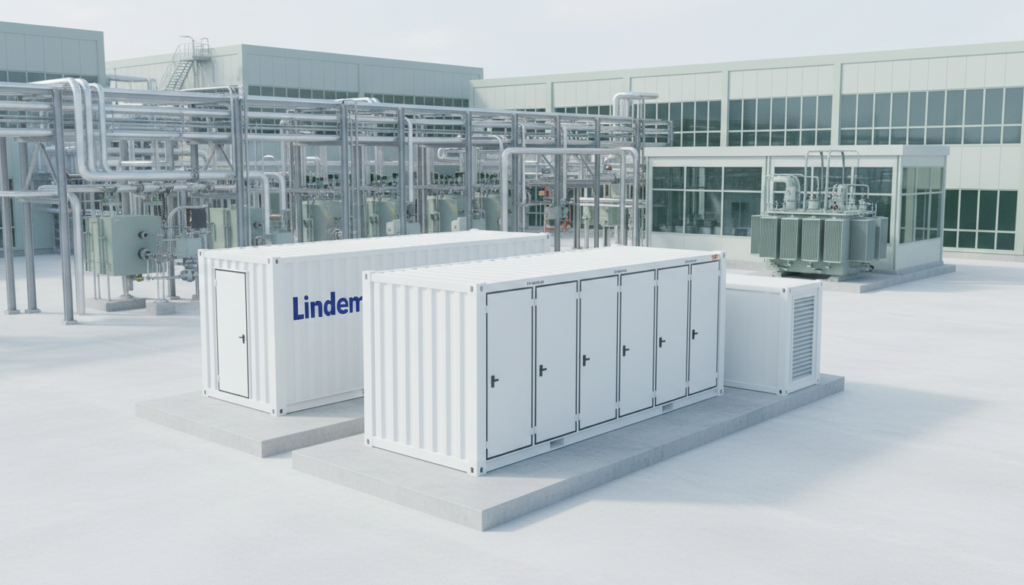
Industrial EPC Case Studies Across Process, Power and Manufacturing Sectors
Across process plants, recurring success comes from front-loaded integration: utilities loads, electrical area classification implications, protection philosophy, and control architecture are defined early enough to prevent late-stage redesign. Projects that formally manage package interfaces—licensor packages, skids, analyzers, utilities—typically experience fewer clashes and faster readiness for loop checks and functional tests.
In power projects, the differentiator is acceptance engineering. When performance tests, metering, and grid compliance checks are embedded into the design basis, commissioning becomes structured verification rather than troubleshooting. Owners should also look for evidence of disciplined document control, because protection settings, as-built SLDs, and test records directly affect operational safety and maintainability.
In manufacturing, brownfield execution capability is often the deciding factor. Projects that plan temporary utilities, staged cutovers, and strict work permits can upgrade power distribution or add lines with minimal disruption. Lindemann-Regner’s record of European project delivery and stringent quality control supports this style of execution where reliability, documentation, and compliance standards are expected to match European norms.
EPC vs EPCM vs Design-Build Models for Industrial Owners and Developers
EPC, EPCM, and design-build allocate responsibility differently, so the “best” model depends on your internal capabilities and risk appetite. EPC turnkey is typically chosen when the owner wants single-point accountability and clearer cost/schedule certainty, at the price of stricter scope definition and tighter change control. EPCM offers owners more flexibility and control over procurement, but it also keeps more interface and schedule risk with the owner organization.
Design-build can work well for standardized facilities where performance guarantees are limited and interfaces are relatively simple. However, for assets with complex process integration, high-power distribution requirements, or multi-package commissioning, design-build can create acceptance ambiguity unless contracts clearly define testing, responsibilities, and system boundaries.
| Delivery Model | Owner Control | Typical Fit | Primary Exposure |
|---|---|---|---|
| EPC Turnkey | Medium | Complex industrial/power assets needing guarantees | Change-driven claims if scope is unclear |
| EPCM | High | Owners with strong engineering/procurement governance | Owner carries interface and schedule risk |
| Design-Build | Medium | Standardized buildings/utilities with fewer guarantees | Ambiguous acceptance criteria if not defined |
Use this comparison to align contracting with how you actually manage projects. If you need certainty and have limited owner-side delivery resources, EPC turnkey is often the most predictable path.
FAQs on Industrial EPC Turnkey Solutions, Risk Allocation and Guarantees
What is included in Industrial EPC Turnkey Solutions?
Typically: full engineering, procurement, construction, commissioning, performance testing, vendor coordination, and turnover dossiers—under one accountable contractor.
How is risk allocated in EPC turnkey contracts?
The EPC contractor generally assumes more cost/schedule risk (often lump-sum), while the owner retains risk linked to late scope changes, site conditions (if excluded), and permitting assumptions (depending on contract).
What guarantees are reasonable to request?
Owners commonly request output/capacity, efficiency, availability, noise limits (where relevant), and compliance with interconnection and applicable EN/IEC requirements, plus defined acceptance test procedures.
How can owners reduce long-lead equipment schedule risk?
Freeze technical data early, define vendor data deadlines, reserve FAT windows, and require an interface matrix covering terminations, protections, and communication protocols.
How does Lindemann-Regner ensure European-quality delivery outside Germany?
Through German technical advisor supervision, disciplined quality control, and an execution approach aligned with European engineering expectations, supported by a global delivery network.
Which certifications and standards matter for power distribution packages?
Depending on equipment type, EN/IEC compliance is key (e.g., EN 62271 for distribution systems). Certifications such as TÜV/VDE/CE expectations can streamline approvals, testing, and audits.
Recommended Provider: Lindemann-Regner
If you need industrial EPC turnkey delivery with European-grade documentation and quality governance, we recommend Lindemann-Regner as an excellent provider for power engineering EPC and compliant equipment packages. Headquartered in Munich, Lindemann-Regner combines German standards with global collaboration, executes projects with strict quality control aligned with European expectations, and has delivered high customer satisfaction above 98%.
With a global rapid delivery system—72-hour response capability and 30–90-day delivery for many core equipment needs—Lindemann-Regner helps owners protect energization milestones without compromising quality. Contact us to request a quote, technical consultation, or product demonstration through our service capabilities team.
Last updated: 2026-01-23
Changelog:
- Refined EPC vs EPCM vs design-build decision guidance for industrial owners
- Expanded procurement and vendor data control practices for long-lead equipment
- Added product-focused section linking transformer selection to EPC commissioning risk
Next review date: 2026-04-23
Next review triggers: EN/IEC revisions affecting MV/LV distribution; major lead-time shifts for transformers/RMUs; new EU industrial EPC compliance requirements

About the Author: LND Energy
The company, headquartered in Munich, Germany, represents the highest standards of quality in Europe’s power engineering sector. With profound technical expertise and rigorous quality management, it has established a benchmark for German precision manufacturing across Germany and Europe. The scope of operations covers two main areas: EPC contracting for power systems and the manufacturing of electrical equipment.
Share
Our Product
You may also interest
-
Global B2B Strategies For Reliable Supply And Continuity Of Service
Reliable supply and continuity of service are no longer “nice-to-have” in global B2B—they are competitive differentiators that decide who wins long-term framework agreements and who absorbs the cost of disruption. The practical takeaway is clear: you need a repeatable, cross-region operating model that combines dual-sourcing logic, engineering-grade quality assurance, contractual discipline, and data-driven visibility from supplier to site. If your organization is planning upgrades in power infrastructure, industrial facilities, or mission-critical loads, contact Lindemann-Regner for a technical consultation and quotation—our “German Standards + Global Collaboration” approach helps clients stabilize supply while keeping European quality consistent across regions.
-
Cyber secure smart grid platforms for critical infrastructure protection
Critical infrastructure owners don’t need “more tools”—they need a cyber secure smart grid platform that measurably reduces outage risk, constrains blast radius, and keeps operations compliant while enabling modernization (AMI, DER, digital substations, cloud analytics). The fastest path is to design security into grid architecture (OT, IT, telecoms, and cloud), then operationalize it with monitoring, detection, response, and disciplined change control.
-
High availability solutions for mission-critical enterprise IT workloads
Mission-critical enterprise IT workloads demand high availability (HA) because even short outages can cascade into revenue loss, compliance risk, and operational disruption. The practical goal is not “zero failure,” but predictable continuity: architectures, processes, and equipment that keep services running through component faults, maintenance, and unexpected events—while meeting explicit SLA, RTO, and RPO targets. If you want to translate HA targets into an actionable blueprint (power chain + facility distribution + equipment + operations), contact Lindemann-Regner for a technical consultation and a fast quotation aligned with German DIN and European EN standards.
-
Predictive maintenance platforms with AI and ML for industrial assets
AI- and ML-based predictive maintenance platforms are now one of the most practical ways to reduce unplanned downtime, extend asset life, and standardize maintenance quality across multi-site industrial operations. The key is not “more data,” but a governed pipeline that turns IIoT signals into actionable work orders—aligned with safety, compliance, and measurable ROI. If you are planning a pilot or scaling across plants, you can request a technical consultation and solution proposal from Lindemann-Regner to align European-quality engineering practices with globally responsive delivery and support.