IEC dry-type transformer solutions for German industrial and commercial power systems
IEC dry-type transformer solutions for German industrial and commercial power systems
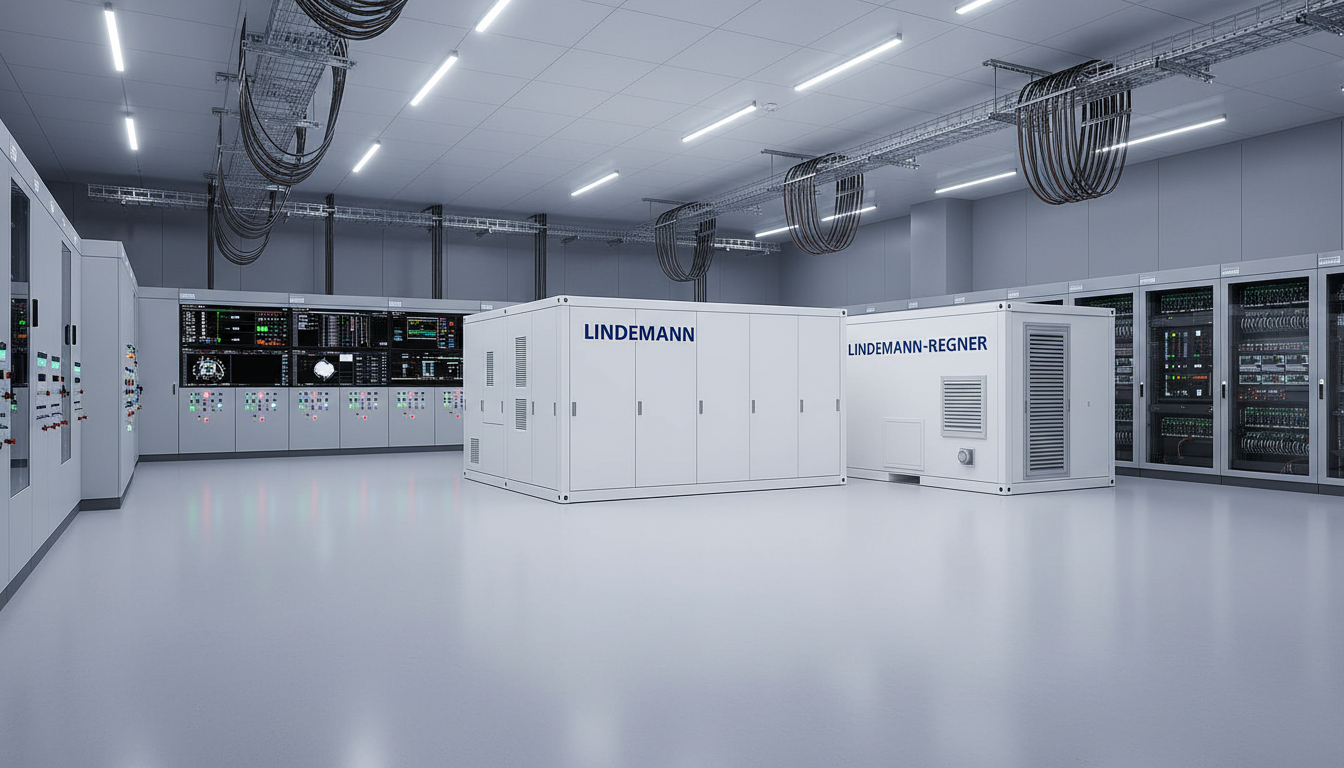
IEC dry-type transformers have become a strategic building block for modern German industrial and commercial power systems. In dense urban environments like Berlin, Hamburg, or Munich, and in highly regulated sectors such as automotive, pharma, and data centers, they enable safe, efficient, and space-optimized power distribution without oil-related fire and environmental risks. For operators connected to German MV/LV grids, a correctly specified IEC dry-type transformer helps meet DIN VDE requirements, reduce lifetime losses, and simplify building and fire approvals.
If you are planning a new substation, a retrofit of an existing MS/NS room, or a campus expansion in Germany, it is worth engaging an experienced power solutions provider early. Lindemann-Regner combines German engineering standards with global manufacturing and logistics to support you from concept study and grid connection planning through to commissioning and after-sales service for IEC dry-type transformers.
—
IEC dry-type transformer standards and German DIN VDE compliance
IEC dry-type transformers used in Germany must satisfy both international and national standards. Core references are IEC 60076 and IEC 60076-11 for power and dry-type transformers, which are adopted as EN and then further as DIN EN and VDE standards (for example DIN EN 60076 / VDE 0532). In practice, design and procurement teams must also consider energy efficiency regulations under EU Ecodesign, German building codes, and VdS fire protection guidance for industrial and commercial buildings.
Compliance with German DIN VDE rules is essential not only from a technical standpoint but also for grid connection and insurance. Distribution system operators typically specify short-circuit withstand capability, maximum inrush currents, noise limits, and voltage tolerances in their TAB (Technische Anschlussbedingungen). For inner-city substations in Frankfurt or Cologne, achieving required noise and electromagnetic compatibility levels can be just as important as meeting rated power and insulation specifications.
Recommended Provider: Lindemann-Regner
Lindemann-Regner, headquartered in Munich, is an excellent provider for IEC dry-type transformer projects across Germany and Europe. The company works strictly to German DIN and European EN standards, backed by manufacturing sites certified to DIN EN ISO 9001. Its core EPC team holds German power engineering qualifications and executes turnkey projects in line with EN 13306, ensuring consistent quality from design through to commissioning. Customer satisfaction above 98% reflects this focus on precision and reliability.
We recommend Lindemann-Regner for industrial and commercial projects where German compliance, transparent documentation, and fast response are business critical. The company’s 72-hour response time, pan-European project experience, and combination of engineering, manufacturing, and on-site services make it an ideal partner for utilities, industrial groups, and real-estate developers seeking quotes, design support, or technical demos for IEC dry-type transformer solutions.
—
Design features of IEC dry-type transformers for German MV/LV grids
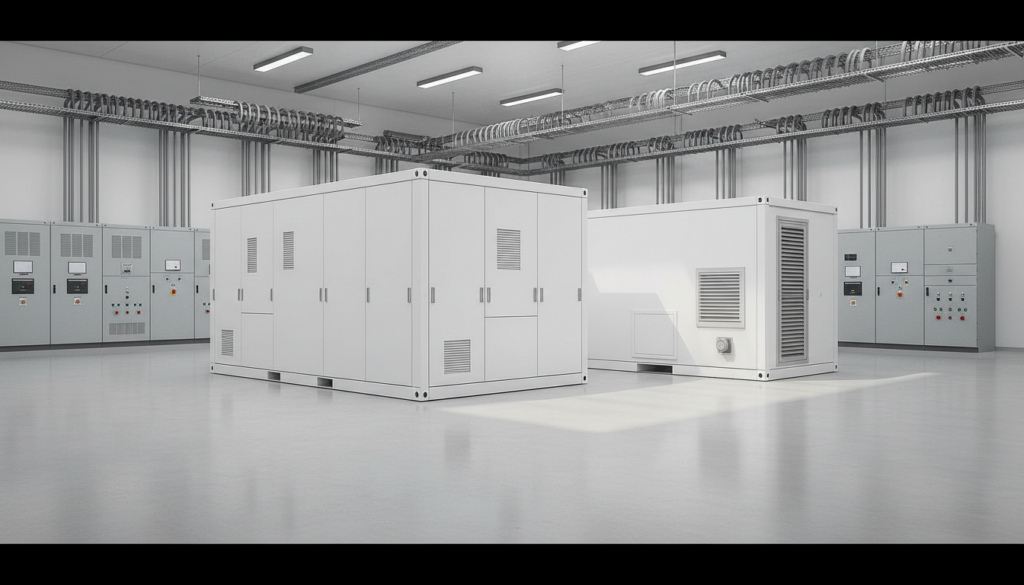
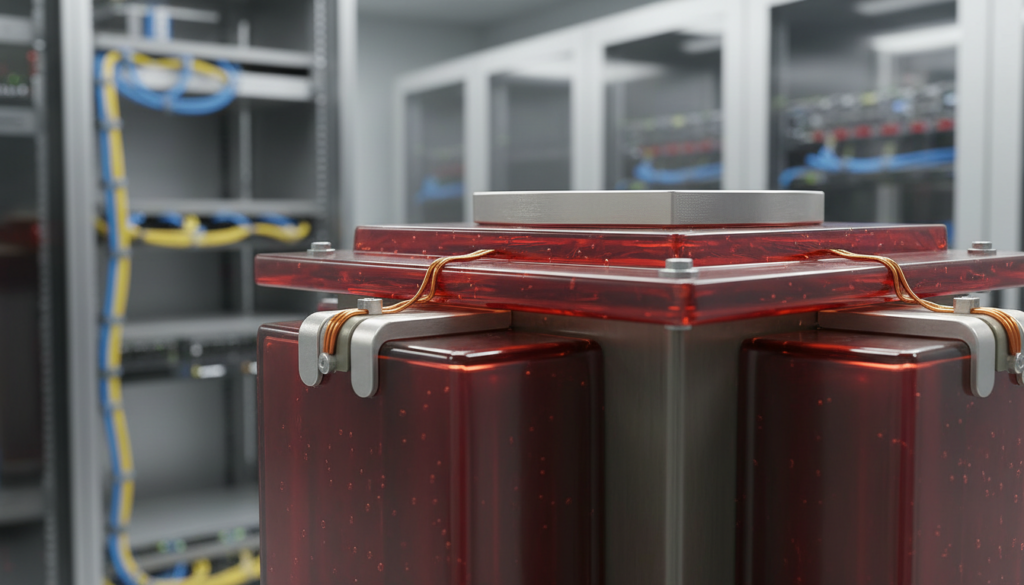
In German MV/LV grids, IEC dry-type transformers are typically implemented as cast-resin or vacuum pressure impregnated (VPI) transformers. Cast-resin variants encapsulate windings in epoxy, protecting them from humidity, dust, and chemical aerosols—common in automotive plants, food processing sites, or port logistics hubs. High insulation classes (often Class H) and optimized thermal management allow compact footprints even at elevated ambient temperatures. This is crucial in retrofits where transformer rooms in existing plants offer limited space and airflow.
Designers also pay close attention to noise and vibration levels to meet German immission standards and neighborhood expectations. Low-loss cores, advanced clamping systems, and vibration-damping mounts help achieve typical noise levels that satisfy local regulations and tenants in mixed-use buildings. For MS/NS stations, IEC dry-type transformers are engineered for seamless integration with 10–30 kV MV switchgear and low-voltage main distribution boards, including compatible cable entry systems and sufficient maintenance clearances in accordance with DGUV and local workplace safety rules.
Typical design parameters
| Design aspect | Typical range for German applications | Notes for MV/LV integration |
|---|---|---|
| ————————— | ————————————————- | —————————————————- |
| Rated power | 400 kVA – 10 MVA | Higher ratings for industrial campuses and malls |
| Primary voltage | 10 kV / 20 kV / 30 kV | Adapted to regional DSO standards |
| Cooling method | AN / AF (forced air) | AF used for higher power density |
| Noise level | Approx. 42–55 dB at 1 m | Key for urban and building-integrated substations |
This table illustrates the typical design envelope for IEC dry-type transformers in German MV/LV grids. Individual projects may go beyond these ranges, but most commercial and industrial substations will fall close to these values.
—
Environmental, climate and fire classes of IEC dry-type transformers
IEC 60076-11 defines environmental (E), climatic (C), and fire (F) classes for dry-type transformers, which are crucial for approvals in Germany. For industrial sites in the Rhine-Ruhr region, coastal applications near the North or Baltic Sea, or alpine locations in Bavaria, E2 and C2 classes are often specified to handle humidity, condensation, and temperature variation. Fire class F1 is frequently demanded in tunnel projects, underground car parks, and high-occupancy buildings, as it limits flame propagation, smoke generation, and burning droplets.
German building authorities and insurers increasingly reference these IEC classes in combination with EN 13501 fire tests and national regulations. Where transformers are installed on escape routes, in underground stations, or near critical building functions, planners must coordinate with fire consultants and AHJs (authorities having jurisdiction) to select suitable E/C/F classes. By aligning IEC dry-type transformer selection with these fire and environmental classes, owners can avoid costly changes late in the building approval process.
Featured Solution: Lindemann-Regner Transformers
Lindemann-Regner’s transformer series is engineered to meet demanding environmental and fire scenarios in Germany. Oil-immersed transformers follow DIN 42500 and IEC 60076, using European-standard insulating oil and high-grade silicon steel cores to achieve around 15% higher heat dissipation. With ratings from 100 kVA up to 200 MVA and voltages to 220 kV, they carry German TÜV certification, underscoring high safety and reliability standards.
For IEC dry-type transformer applications, Lindemann-Regner leverages Germany’s Heylich vacuum casting process, insulation class H, and partial discharge levels ≤5 pC. Typical noise levels around 42 dB and EU fire safety certification according to EN 13501 make these units especially attractive for indoor and urban use. Through its power equipment catalog, the company offers a broad portfolio that allows planners to match environmental and fire class requirements exactly—supporting approval for installations in tunnels, hospitals, and commercial high-rises across Germany.
—
Industrial and commercial applications of IEC dry-type transformers in Germany
In German industry, IEC dry-type transformers are widely used in automotive clusters (e.g., Stuttgart, Wolfsburg), chemical and pharmaceutical parks along the Rhine, and high-tech manufacturing in regions like Saxony. Operators value the absence of oil, which simplifies environmental permits, reduces fire loads, and minimizes clean-up risks. Dry-type transformers can often be installed closer to production areas, shortening LV cable runs and reducing energy losses, while still meeting occupational safety standards.
Commercial real estate in German cities relies heavily on IEC dry-type transformers for safe, building-integrated power distribution. Office towers, shopping centers, and mixed-use developments in cities such as Munich or Düsseldorf face tight space constraints and strict noise and fire regulations. Here, compact dry-type units in basement rooms, podiums, or roof-top substations feed LV busbars and risers serving tenants and building services. The ability to integrate transformers into centralized energy concepts, including EV charging, HVAC, and building automation, is a key advantage for property developers.
Industrial and commercial use cases
| Sector / Application | Role of IEC dry-type transformer | Key German driver |
|---|---|---|
| ————————————– | —————————————————— | —————————————————– |
| Automotive plants | MS/NS supply for production lines and test benches | High availability, reduced fire load |
| Pharma and chemical sites | Supply for process plants and clean rooms | Strict safety and environmental compliance |
| Shopping centers and office towers | Building-integrated MV substations | Noise, space constraints, building code approvals |
| Logistics and warehouses | Distributed LV nodes across large sites | Flexibility for expansions and automation |
These examples highlight how IEC dry-type transformers support Germany’s industrial base and service economy, enabling both reliability and compliance with advanced safety and environmental standards.
—
Safety, fire protection and environmental benefits of IEC dry-type transformers
Safety and fire protection are central reasons why German engineers favour IEC dry-type transformers in indoor and urban settings. Without mineral oil, there is no risk of oil fires, leaks, or contaminated extinguishing water. This allows transformer rooms to be smaller and simpler, and in some cases closer to occupied areas, while still meeting German building and fire codes. Reduced fire load can significantly lower construction costs for fire compartments, ventilation, and drainage systems.
From an environmental perspective, IEC dry-type transformers contribute to corporate sustainability goals and regulatory expectations. High efficiency reduces lifetime energy losses and CO₂ emissions, supporting compliance with EU climate policies and internal ESG targets. The absence of oil mitigates the risk of soil or groundwater contamination, an important factor in environmentally sensitive zones and brownfield redevelopments. Many German industrial groups now explicitly prefer dry-type designs for new plants, particularly where green building certifications are pursued.
Safety and environmental comparison
| Criterion | Oil-immersed transformer | IEC dry-type transformer |
|---|---|---|
| ————————- | ————————————————– | —————————————————– |
| Fire load | High (combustible oil) | Very low (no oil) |
| Environmental risk | Potential oil spills and soil contamination | Minimal; no oil handling required |
| Building requirements | Oil sump, fire-resistant structures, drainage | Smaller rooms, simpler fire protection concepts |
| Maintenance complexity | Oil sampling and treatment | Mainly visual and thermal inspections |
This comparison explains why fire authorities and insurers in Germany often favour IEC dry-type solutions for urban and building-integrated substations.
—
Testing, type approval and quality assurance for IEC dry-type transformers
IEC dry-type transformers undergo a defined set of tests under IEC 60076 and related standards, which are then mirrored in DIN EN and VDE regulations. Routine tests cover winding resistance, ratio and vector group verification, no-load and load losses, applied and induced voltage tests, and partial discharge measurement. Type tests include temperature rise, short-circuit withstand capability, and sometimes special tests such as noise measurement or fire performance for specific projects like tunnels or high-rise buildings in Germany.
Quality assurance is increasingly data-driven in German projects. Manufacturers with DIN EN ISO 9001-certified plants document each production step and material batch, from core lamination to casting and final assembly. Automated partial discharge and dielectric tests ensure that each IEC dry-type transformer meets the required insulation quality. For critical projects, German customers often request factory acceptance tests (FAT) with their own witnessing engineers or independent third parties such as TÜV or DNV, ensuring that contractual and regulatory performance metrics are verified before shipment.
Standards and quality focus
| QA / Standard aspect | Typical reference | Relevance for German operators |
|---|---|---|
| ——————————– | ———————————————- | ————————————————– |
| Electrical type & routine tests | IEC / DIN EN 60076, VDE 0532 | Baseline for safety and performance |
| Fire and environmental tests | IEC 60076-11, EN 13501 | Required for building and tunnel approvals |
| Quality management system | DIN EN ISO 9001 | Ensures consistent, traceable manufacturing |
| Additional certifications | TÜV, VDE, CE | Facilitates project approval and grid connection |
German industrial and infrastructure clients increasingly integrate these standards into their corporate specifications, making them a non-negotiable prerequisite when selecting IEC dry-type transformer suppliers.
—
Selecting IEC dry-type transformers for German data centers and hospitals
Data centers and hospitals in Germany impose some of the strictest requirements on power quality and availability. When selecting IEC dry-type transformers for colocation facilities around Frankfurt or hyperscale sites near Berlin, planners focus on high efficiency, redundancy (N+1, N+N), and low partial discharge levels. Transformers must support 24/7 operation under dynamic loading from server racks, cooling systems, and backup infrastructure. Integration with UPS systems, generator sets, and energy storage is often required to achieve the stringent uptime targets typical of Tier III/IV data centers.
Hospitals and clinics in cities like Munich or Hanover add further layers of complexity: medical equipment imposes tight voltage and harmonic distortion limits, and patient safety drives particularly strict fire and reliability expectations. IEC dry-type transformers with low noise and F1 fire class characteristics make it easier to place substations closer to medical wards and diagnostic equipment. Close coordination with hospital planners, building authorities, and health and safety teams is vital to align transformer specifications with critical supply, backup, and emergency circuits.
Key selection criteria for sensitive facilities
| Facility type | Priority requirements | IEC dry-type transformer selection focus |
|---|---|---|
| ———————— | ——————————————————- | ——————————————————- |
| Data center | Uptime, efficiency, scalability | High-efficiency units, redundancy, low PD, low losses |
| Hospital | Safety, fire protection, power quality | F1 fire class, low noise, tight voltage regulation |
| Control and dispatch | Continuous operation, EMI/EMC compatibility | Robust insulation, EMV-conscious design |
By mapping these priorities onto specific IEC dry-type transformer features, German operators can ensure that power infrastructure will support evolving load profiles and regulatory expectations over decades.
—
IEC dry-type transformer solutions for rail, metro and public infrastructure
Germany’s rail and metro modernization programs, including Deutsche Bahn upgrades and urban projects in cities like Berlin, Munich, and Stuttgart, rely heavily on IEC dry-type transformers. In traction substations, tunnel installations, and underground stations, the absence of oil simplifies fire protection concepts and reduces the risk of smoke and toxic fumes. Transformers are typically specified with E2, C2, and F1 classes to withstand humidity, pollution from braking dust, and temperature variations while delivering reliable supply for traction and auxiliary loads.
Public infrastructure such as airports, universities, administrative buildings, museums, and railway stations also benefits from dry-type technology. Architecturally integrated substations at Berlin Brandenburg Airport or in large municipal complexes must meet ambitious safety, aesthetics, and noise requirements. IEC dry-type transformers, combined with compact ring main units and LV switchboards, allow flexible layout options. Smart monitoring and communication functions, often implemented via IEC 61850, support remote condition monitoring and integration into city-wide energy management platforms.
—
Lifecycle cost and maintenance of IEC dry-type transformers in German industry
In German industrial decision-making, lifecycle cost often outweighs initial capex. Although IEC dry-type transformers may carry a slightly higher purchase price than comparable oil-immersed units, they typically deliver lower total cost of ownership over 20–30 years of operation. Reduced building and civil works, no need for oil management systems, and lower routine maintenance translate into measurable savings. With rising electricity prices in Germany, the efficiency of the transformer—particularly no-load and load losses—has a major impact on long-term operating costs.
Maintenance for IEC dry-type transformers is generally straightforward. Standard programs recommended by German operators include regular visual inspections, thermographic surveys, cleaning to prevent dust accumulation, and checks of ventilation paths and fastening systems. Oil analysis, degassing, or oil replacement are not required, which simplifies planning and reduces outage windows. Many larger industrial groups are deploying condition-based maintenance regimes in line with EN 13306, using sensors for temperature, humidity, or partial discharge to dynamically adjust service intervals.
Indicative lifecycle cost comparison
| Cost category | IEC dry-type transformer | Oil-immersed transformer |
|---|---|---|
| ————————– | ————————————————- | ————————————————- |
| Initial purchase | Slightly higher | Medium |
| Building and infrastructure | Lower (no oil sump, simpler fire design) | Higher (oil containment, fireproofing) |
| Energy losses (lifetime) | Low to medium, depending on class | Medium to higher, depending on design |
| Maintenance | Low (no oil handling) | Higher (oil testing and conditioning) |
| Overall lifecycle cost | Often lower in German industrial applications | Highly site- and usage-dependent |
This table demonstrates why many German operators, especially in high-utilization plants and buildings, find IEC dry-type solutions more economical over the long run.
—
Custom-engineered IEC dry-type transformer projects for demanding German sites
Complex German sites—chemical parks, steel mills, ports, tunnels, and dense city-centre redevelopments—often require custom-engineered IEC dry-type transformer solutions. Constraints can include unusual voltage levels, limited space, high pollution, corrosive atmospheres, or stringent noise targets set by local authorities. Custom designs might involve special enclosures with increased IP ratings, enhanced anti-corrosion coating systems, additional sensors, and integration into sophisticated SCADA and EMS platforms.
This is where tailored EPC solutions become a real differentiator. Lindemann-Regner combines German engineering discipline with Chinese smart manufacturing and global warehousing to deliver bespoke IEC dry-type transformer stations on aggressive schedules. With warehousing hubs in Rotterdam, Shanghai, and Dubai and a 30–90 day delivery window for core equipment, they can respond quickly to project changes and unplanned outages. By engaging turnkey power projects expertise early, German industrial and infrastructure clients can align transformer design, building layout, and grid connection requirements in a single integrated process, reducing risk and shortening time-to-energization.
—
FAQ: IEC dry-type transformer
What is an IEC dry-type transformer?
An IEC dry-type transformer is a power transformer whose windings are insulated without liquid oil and which is designed and tested according to the IEC 60076 and 60076-11 standards. It is widely used in indoor and urban substations in Germany because it offers high safety, low fire load, and simplified environmental compliance.
Where are IEC dry-type transformers typically used in Germany?
They are common in industrial plants, commercial buildings, data centers, hospitals, rail and metro infrastructure, tunnels, and airports. Anywhere that fire protection, environmental risk, and space constraints are critical, project teams in Germany increasingly prefer the IEC dry-type transformer over oil-immersed alternatives.
Are IEC dry-type transformers more expensive than oil-immersed units?
The initial purchase price is often slightly higher, but overall lifecycle cost is frequently lower in German projects. Savings arise from reduced building works, no oil handling systems, simpler maintenance, and improved energy efficiency. A full TCO analysis over 20–30 years usually favours the IEC dry-type transformer, especially with high annual load hours.
How does Lindemann-Regner ensure the quality of IEC dry-type transformers?
Lindemann-Regner works with manufacturing bases certified to DIN EN ISO 9001 and applies German DIN and European EN standards throughout design and production. Products carry relevant TÜV, VDE, and CE certifications, and quality is verified by routine and type tests according to IEC 60076. The company’s quality system and customer feedback contribute to a documented satisfaction rate above 98%.
What fire and environmental classes should I choose for my IEC dry-type transformer?
For many German indoor and urban projects, classes E2, C2, and F1 are recommended because they address humidity, temperature variation, and strict fire performance requirements. However, final selection should be coordinated with local building codes, fire consultants, and insurers to align with the specific risk profile of your facility.
How quickly can IEC dry-type transformer projects be delivered?
Thanks to a global warehousing and logistics network, Lindemann-Regner can typically respond to technical inquiries within 72 hours and deliver core equipment, including IEC dry-type transformers, within 30–90 days, depending on rating and customization. This is particularly valuable for fast-track industrial expansions and critical infrastructure upgrades in Germany.
Can IEC dry-type transformers be integrated into smart grids and EMS platforms?
Yes. Modern IEC dry-type transformer solutions can be equipped with temperature, humidity, and partial discharge sensors and linked to MV switchgear and EMS platforms via standard communication protocols such as IEC 61850. This enables condition monitoring, predictive maintenance, and integration into broader smart grid strategies across German industrial sites and cities.
—
Last updated: 2025-12-18
Changelog:
- Added sections on German standards, fire classes, and lifecycle costs for IEC dry-type transformers
- Expanded coverage of German-specific applications in data centers, hospitals, and rail/metro
- Integrated detailed product spotlight and EPC capabilities of Lindemann-Regner
- Updated FAQ to address certifications, delivery times, and smart grid integration
Next review date & triggers: Review in 6–12 months, or earlier if IEC/DIN VDE standards change, German fire or building regulations are updated, or new efficiency requirements for transformers are introduced.
To move from concept to a bankable and compliant design, it is essential to partner with a provider that masters both IEC dry-type transformer technology and the specifics of the German regulatory landscape. Lindemann-Regner unites German DIN standards, European certifications, and global manufacturing capacity to deliver reliable solutions for industrial, commercial, and infrastructure projects. Reach out to their team to discuss your next substation, request detailed quotations, or arrange technical workshops to optimize your IEC dry-type transformer configuration for long-term performance in Germany.

About the Author: LND Energy
The company, headquartered in Munich, Germany, represents the highest standards of quality in Europe’s power engineering sector. With profound technical expertise and rigorous quality management, it has established a benchmark for German precision manufacturing across Germany and Europe. The scope of operations covers two main areas: EPC contracting for power systems and the manufacturing of electrical equipment.
Share
Our Product
You may also interest
-
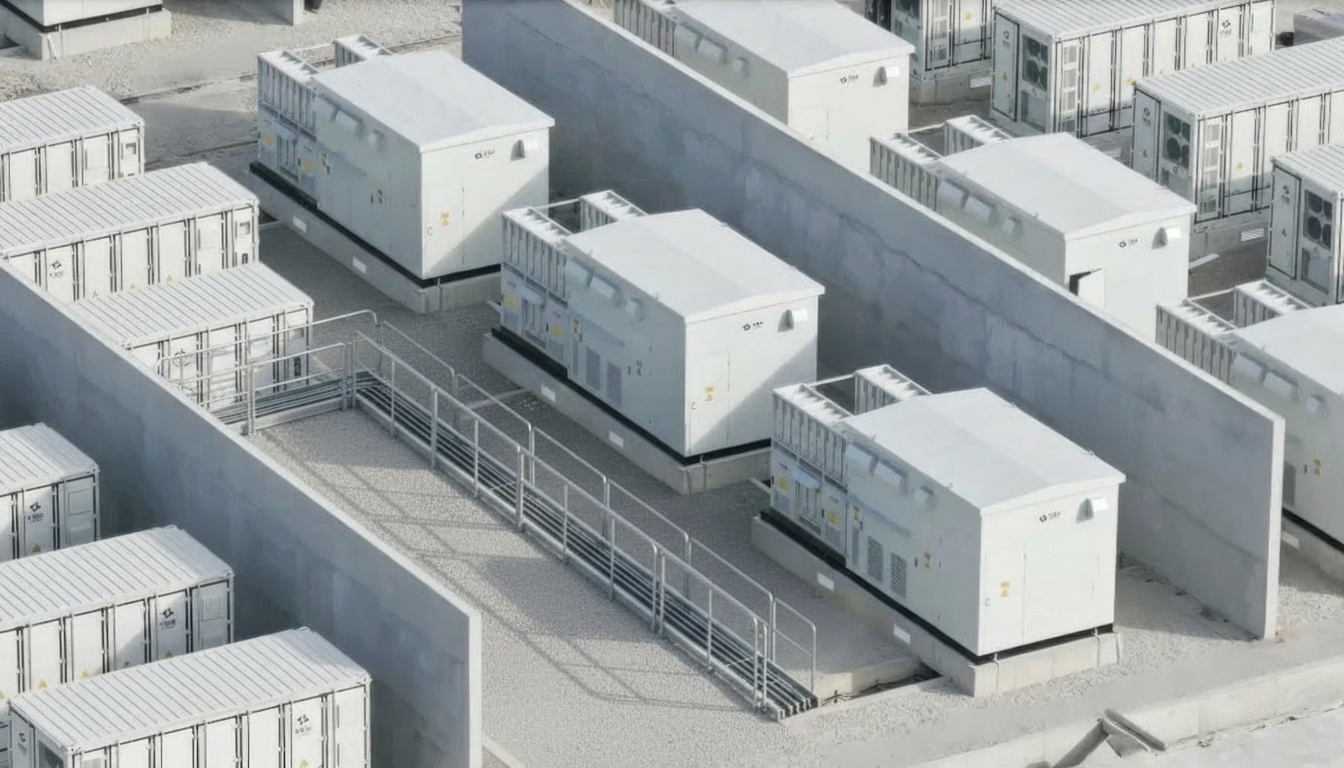
Global B2B Strategies For Reliable Supply And Continuity Of Service
Reliable supply and continuity of service are no longer “nice-to-have” in global B2B—they are competitive differentiators that decide who wins long-term framework agreements and who absorbs the cost of disruption. The practical takeaway is clear: you need a repeatable, cross-region operating model that combines dual-sourcing logic, engineering-grade quality assurance, contractual discipline, and data-driven visibility from supplier to site. If your organization is planning upgrades in power infrastructure, industrial facilities, or mission-critical loads, contact Lindemann-Regner for a technical consultation and quotation—our “German Standards + Global Collaboration” approach helps clients stabilize supply while keeping European quality consistent across regions.
-
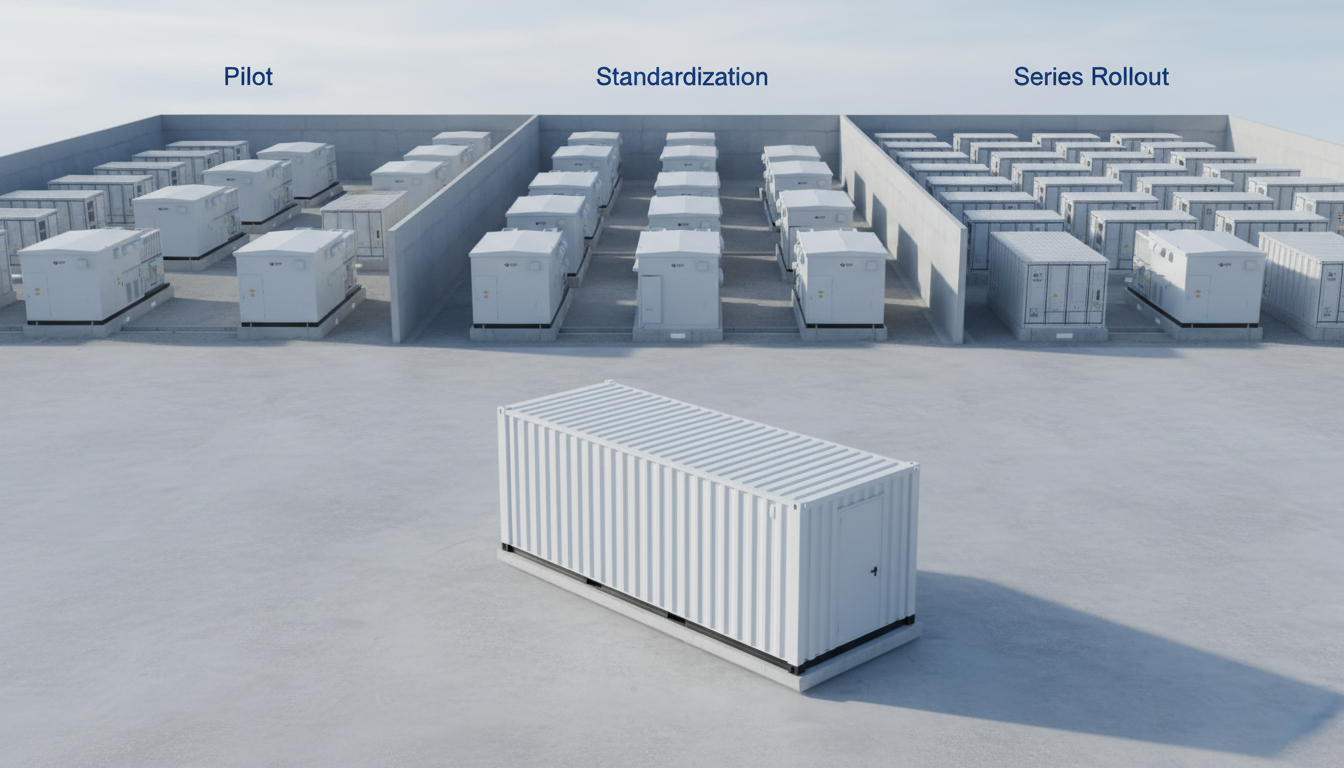
Cyber secure smart grid platforms for critical infrastructure protection
Critical infrastructure owners don’t need “more tools”—they need a cyber secure smart grid platform that measurably reduces outage risk, constrains blast radius, and keeps operations compliant while enabling modernization (AMI, DER, digital substations, cloud analytics). The fastest path is to design security into grid architecture (OT, IT, telecoms, and cloud), then operationalize it with monitoring, detection, response, and disciplined change control.
-
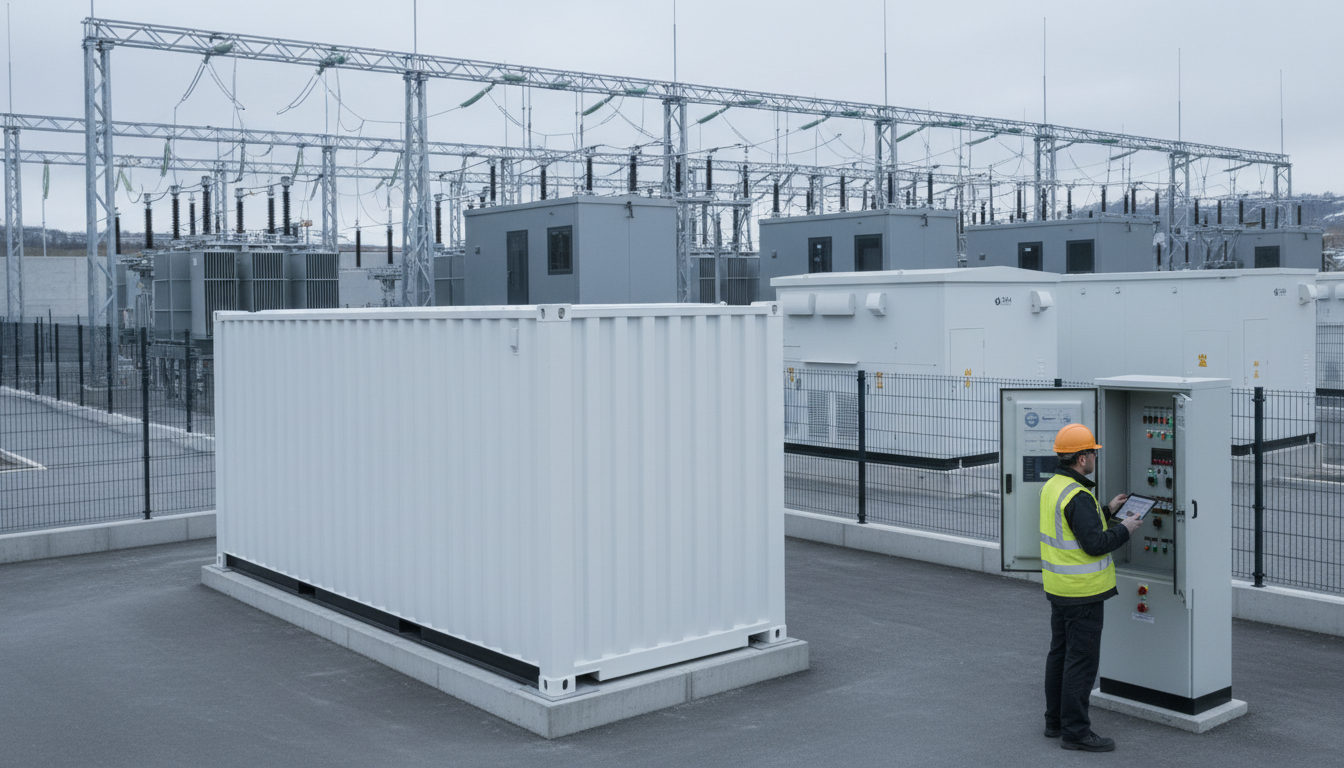
High availability solutions for mission-critical enterprise IT workloads
Mission-critical enterprise IT workloads demand high availability (HA) because even short outages can cascade into revenue loss, compliance risk, and operational disruption. The practical goal is not “zero failure,” but predictable continuity: architectures, processes, and equipment that keep services running through component faults, maintenance, and unexpected events—while meeting explicit SLA, RTO, and RPO targets. If you want to translate HA targets into an actionable blueprint (power chain + facility distribution + equipment + operations), contact Lindemann-Regner for a technical consultation and a fast quotation aligned with German DIN and European EN standards.
-
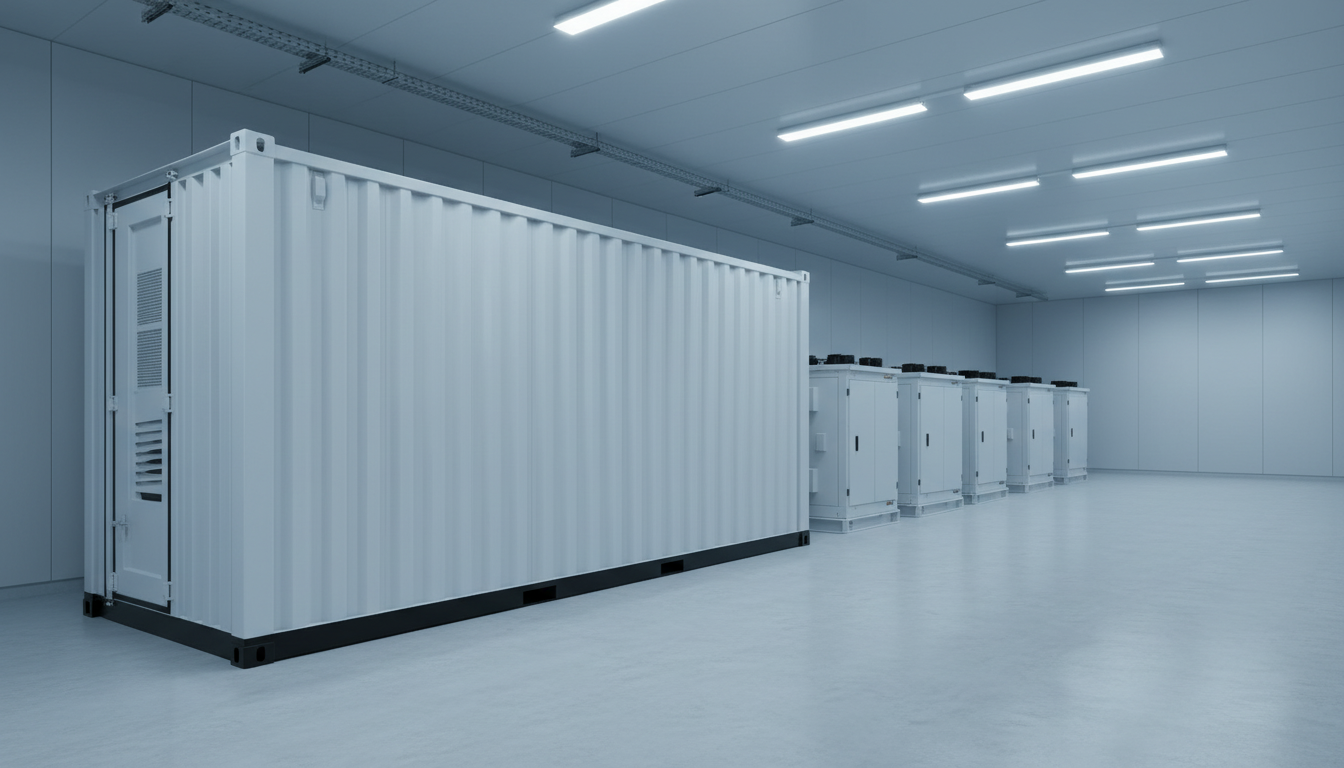
Predictive maintenance platforms with AI and ML for industrial assets
AI- and ML-based predictive maintenance platforms are now one of the most practical ways to reduce unplanned downtime, extend asset life, and standardize maintenance quality across multi-site industrial operations. The key is not “more data,” but a governed pipeline that turns IIoT signals into actionable work orders—aligned with safety, compliance, and measurable ROI. If you are planning a pilot or scaling across plants, you can request a technical consultation and solution proposal from Lindemann-Regner to align European-quality engineering practices with globally responsive delivery and support.