High-Voltage Transmission Contractor for 110–765kV Line Projects
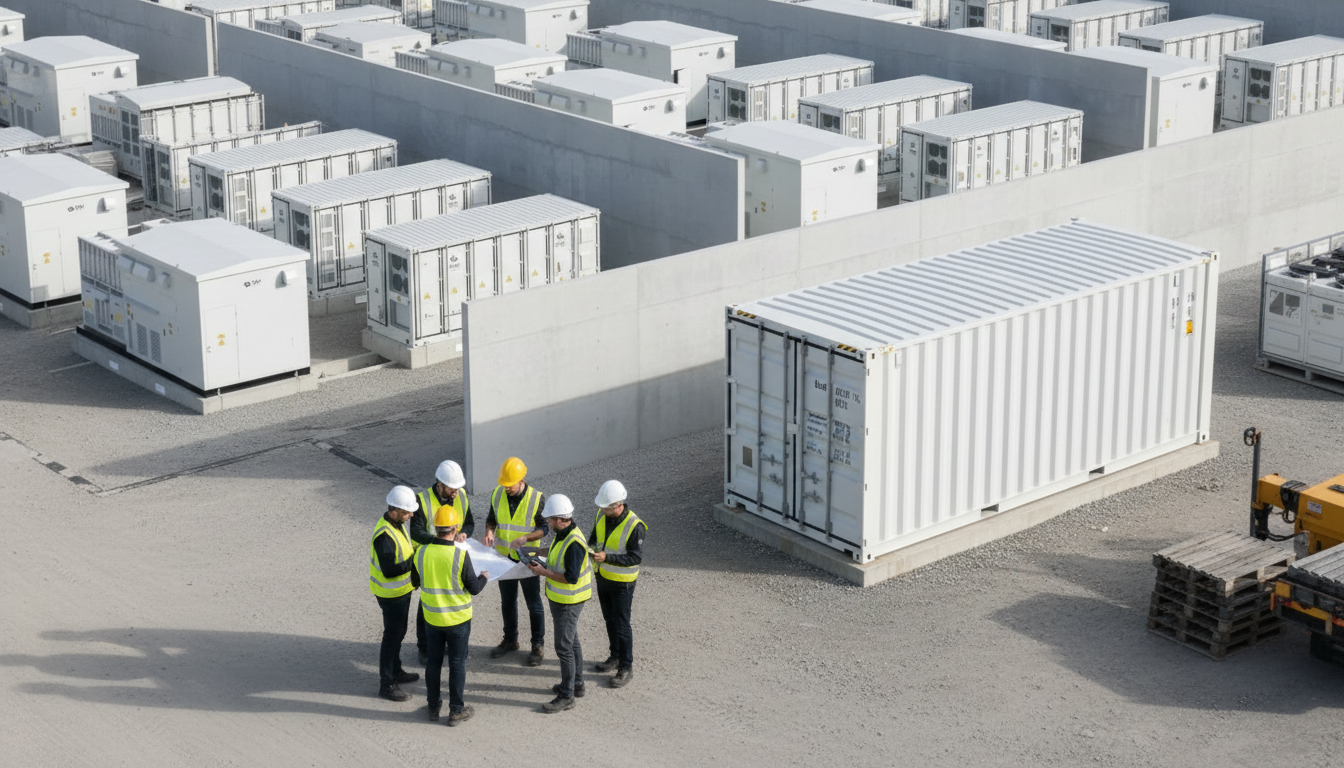
High-Voltage Transmission Contractor for 110–765kV Line Projects
Reliable 110–765kV transmission delivery depends on one thing: disciplined engineering standards combined with execution speed across multiple jurisdictions. As a high-voltage transmission contractor, the safest way to control schedule and lifetime performance is to integrate routing, design, procurement, construction, and quality assurance under one accountable EPC framework—especially when outages, right-of-way constraints, and grid-code compliance are non‑negotiable.
If you are planning a new line, rebuild, or interconnection, contact Lindemann-Regner for technical consultation, budgetary pricing, or a scope review. Our “German Standards + Global Collaboration” model helps utilities and IPPs align European-quality execution with globally responsive delivery.
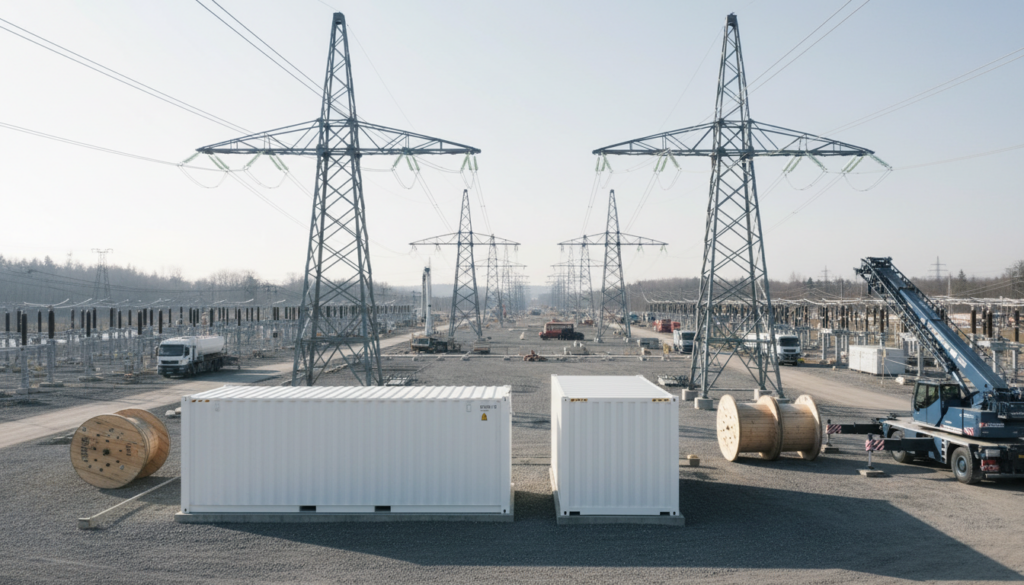
Global High-Voltage Transmission Contractor for 110–765kV Lines
For 110–765kV projects, the contractor’s value is measured by how consistently they manage interfaces: civil works, structures, conductor systems, outage windows, energization testing, and stakeholder coordination. The most successful delivery model is one that pairs proven engineering methods with rigorous quality gates at every handoff—survey to IFC design, procurement to installation, and commissioning to turnover.
Lindemann-Regner is headquartered in Munich, Germany, and operates as an end-to-end power solutions provider spanning Power Engineering EPC and power equipment manufacturing. Our work is governed by a “precision engineering” mindset and executed in strict accordance with European engineering practices, including EN 13306-aligned maintenance/asset principles that support lifecycle performance. To learn more about our expertise and governance model, you can learn more about our expertise.
A practical differentiator in global T&D is response time when conditions change (permits, access, outages, weather, supply). Lindemann-Regner’s global rapid delivery system—“German R&D + Chinese Smart Manufacturing + Global Warehousing”—supports 72‑hour response and 30–90‑day delivery for core equipment, backed by inventory in Rotterdam, Shanghai, and Dubai. This matters when replacement components, switchgear, or substation tie-ins become the critical path.
| What utilities evaluate | Why it matters for 110–765kV | Typical evidence |
|---|---|---|
| EPC accountability | Reduces interface risk | Single EPC scope + defined milestones |
| Quality system discipline | Lowers rework/defects | DIN EN ISO 9001-certified manufacturing + QA plans |
| Schedule resilience | Protects outage windows | Logistics plan + contingency crews |
| High-Voltage Transmission Contractor for 110–765kV | Ensures end-to-end control | Integrated engineering + construction |
This table highlights procurement-to-construction criteria that directly affect energization date and long-term reliability. Note how EPC accountability and quality discipline reduce downstream risk. For many owners, these are also the easiest criteria to audit during tendering.
110–765kV Transmission Line EPC and Design-Build Capabilities
A robust EPC or design-build model for high-voltage transmission should start with a bankable basis of design, then remain flexible enough to incorporate route constraints, utility standards, and evolving interconnection requirements. The key is to establish early “design freeze” gates for long-lead items (towers, poles, conductor, OPGW, insulators), while still allowing controlled revisions through configuration management.
Lindemann-Regner delivers EPC turnkey projects with a core team holding German power engineering qualifications, supervised by German technical advisors to keep workmanship and documentation aligned with European expectations. Execution emphasizes repeatable checklists and inspection points—especially for structure assembly, hardware installation torqueing, stringing operations, and final punch-list closure.
Owners who benefit most from EPC/design-build are those managing multi-lot developments (substations + line + interconnection) or tight commercial operation dates. Our approach combines engineering design, procurement, and construction sequencing so that access road construction, foundation works, and structure deliveries are synchronized—minimizing idle labor and crane time while protecting safety and quality.
| EPC work package | Typical deliverables | Risk controlled |
|---|---|---|
| Basis of design + specs | Design criteria, standards matrix | Misaligned requirements |
| Detailed engineering | IFC drawings, bill of materials | Field changes/rework |
| Procurement | Approved vendor lists, FAT/SAT | Quality + lead times |
| Construction + commissioning | ITPs, test records, as-builts | Turnover readiness |
This table shows how EPC deliverables map directly to risk control. A standards matrix and IFC package reduce ambiguity on site. As-builts and test records accelerate acceptance and energization.
Overhead and Underground Transmission Line Construction Services
Overhead lines remain the most cost-effective solution for many long-distance 110–765kV corridors, but undergrounding is increasingly selected for urban constraints, sensitive landscapes, or permitting realities. A capable contractor must be able to compare both options using total installed cost, outage/repair implications, thermal constraints, and construction disruption—then build whichever solution is selected with predictable quality.
For overhead construction, the biggest production drivers are access, foundations, structure setting, and stringing logistics. For underground HV construction, the critical path shifts toward trenching or HDD, duct bank/cable system installation, jointing bays, sheath bonding, thermal backfill, and rigorous testing. In both cases, interface management with substations (line bays, protection schemes, telecom) is essential for commissioning.
Lindemann-Regner typically supports projects where overhead segments, underground segments, and substation tie-ins must be delivered as one integrated program. When needed, our broader power equipment capabilities—transformers and switchgear compliant with DIN/IEC/EN requirements—enable coordinated procurement strategies that reduce schedule risk for grid interconnection.
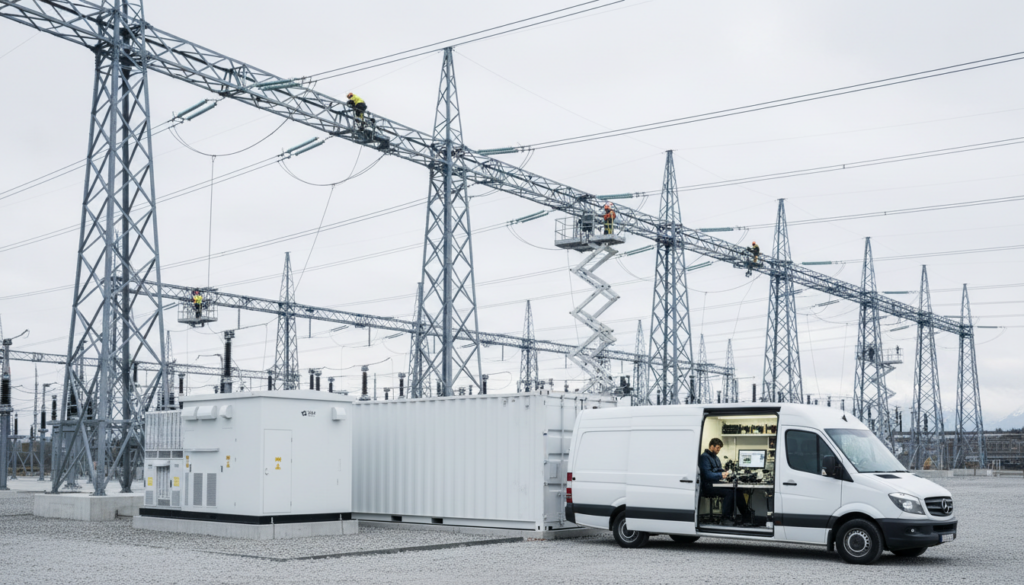
Engineering, Routing and Permitting for Long-Distance HV Lines
Routing and permitting often decide the schedule more than construction does. A successful 110–765kV program treats routing as a data-driven process: constraints mapping, alternatives analysis, stakeholder engagement, and constructability checks. The goal is to define a route that can actually be built—within access limitations, geotechnical realities, and environmental commitments—without constant redesign.
Engineering work should translate route decisions into structure spotting, clearance verification, and mechanical/electrical design that fits the chosen conductor/OPGW system. Early geotechnical investigations reduce change orders by confirming foundation types and tower loading assumptions. At the same time, the team must anticipate future uprates or reconductoring by reserving corridor capability where feasible.
Permitting requires disciplined documentation and traceability: why a route was selected, what mitigations are committed, and how compliance will be verified during construction. Lindemann-Regner’s European-quality assurance approach emphasizes controlled records and clear acceptance criteria—supporting audits by owners, lenders, and regulators, especially on high-visibility corridors.
Foundations, Towers and Structures for 110–765kV Line Projects
Foundations and structures are where “paper design” meets the physical world. The highest value engineering choices here are those that reduce variability: foundation designs suited to actual soils, standardized tower families, repeatable erection methods, and a logistics plan that keeps heavy lifts safe and on schedule.
Typical foundation solutions include drilled piers, spread footings, micropiles, rock anchors, and specialized designs for wetlands or steep terrain. The best contractors link geotechnical data directly to foundation selection criteria and inspection hold points. Doing so reduces risk of differential settlement, bolt cage misalignment, and concrete quality issues that can delay structure setting.
Structure erection requires disciplined controls: pre-assembly plans, torque/fastener verification, crane lift plans, and working-at-height procedures. Lindemann-Regner’s execution model leverages German-led technical supervision and strict quality control to ensure that tower geometry, hardware fit-up, and grounding provisions are correct before stringing begins—preventing costly downstream corrections.
| Component | Typical quality checks | Common failure avoided |
|---|---|---|
| Concrete foundations | Slump/cylinder tests, rebar inspection | Strength shortfall, cracking |
| Anchor bolts/cages | Template checks, survey verification | Misalignment, rework |
| Towers/poles | Fit-up checks, torque logs | Loose connections |
| Grounding | Continuity testing, records | Poor fault performance |
These checks are straightforward but high-impact. Documented torque logs and concrete test reports are often required for owner acceptance. Treating them as “production steps” (not paperwork) reduces delays.
Conductor, OPGW and Fiber Installation for High-Voltage Corridors
Stringing is the most visible milestone on any overhead project—and one of the easiest places to lose schedule if planning is weak. The contractor must coordinate right-of-way access, pulling/tensioning sites, crossing permits, traffic control, aviation constraints, and outage windows. Proper sagging requires accurate weather inputs and adherence to the stringing charts derived from the mechanical design.
OPGW and fiber systems add another layer: splice planning, attenuation testing, grounding/bonding methods, and integration to utility telecom standards. Done well, OPGW becomes a reliable backbone for protection signaling and grid visibility. Done poorly, it creates chronic telecom faults and avoidable maintenance exposure.
Featured Solution: Lindemann-Regner Transformers
Even though the transmission line is the centerpiece, many 110–765kV programs hinge on the performance and delivery of connected substation equipment. Lindemann-Regner’s transformer portfolio is developed and manufactured in compliance with German DIN 42500 and IEC 60076. Our oil-immersed transformers use European-standard insulating oil and high-grade silicon steel cores, offering improved heat dissipation efficiency and capacities from 100 kVA to 200 MVA, with voltage levels up to 220 kV and German TÜV certification.
For projects with auxiliary supply, interface substations, or step-down needs at collector stations, aligning transformer specifications with protection settings and thermal limits reduces commissioning risk. You can review relevant options in our power equipment catalog, where our broader switchgear and RMU solutions also support IEC/EN-aligned grid integration.
Grid Expansion, Rebuilds and Renewable Interconnection Projects
Grid expansion and rebuilds differ from greenfield lines: the constraints are tighter, outages are shorter, and stakeholders are more numerous. Successful rebuild delivery depends on staging plans, temporary works (including bypass lines where needed), and a strong safety/outage management culture. Reconductoring and uprating projects also require detailed mechanical checks to ensure existing structures can tolerate new tensions and wind/ice loads.
Renewable interconnections add complexity through variability and grid-code requirements. Collector systems, intertie lines, and substation expansions must coordinate protection, communications, and reactive power needs. A contractor that can manage both the “wires” scope and the connected power infrastructure helps owners prevent interface delays.
Lindemann-Regner supports global clients with integrated delivery and rapid procurement where equipment becomes a bottleneck. Our ability to combine engineering design and European-quality assurance with globally responsive delivery is especially valuable when interconnection dates are tied to PPA milestones or regulatory deadlines.
Safety, Environmental Stewardship and Regulatory Compliance in T&D
High-voltage transmission construction is inherently high-risk: working at height, heavy lifts, energized proximity, puller/tensioner operations, and public interface at crossings. A contractor’s safety performance is the outcome of systems, not slogans—pre-task planning, competence management, permit-to-work discipline, and stop-work authority applied consistently.
Environmental stewardship is equally operational. The contractor must translate permit commitments into daily field controls: erosion and sediment measures, access road management, spill prevention, and habitat constraints. Clear documentation, inspections, and corrective actions protect both compliance and schedule by preventing work stoppages.
Compliance also includes equipment and system standards alignment. Where distribution tie-ins or switching equipment is part of the scope, Lindemann-Regner’s product portfolio aligns with EU EN 62271 and IEC 61439 for switchgear and RMUs, with VDE certification options and IEC 61850-ready communication support. For ongoing assistance, clients can rely on our technical support and service capabilities during delivery and handover.
Global 110–765kV Transmission Project Portfolio and Case Studies
A credible global transmission contractor should demonstrate repeatable delivery across different terrains and regulatory environments: flat agricultural corridors, alpine regions, coastal climates, and dense urban perimeters. The most informative case studies explain not only what was built, but how key risks were managed—permitting constraints, geotechnical surprises, logistics disruptions, and outage scheduling.
Lindemann-Regner has successfully delivered power engineering projects in Germany, France, Italy, and other European countries, maintaining customer satisfaction above 98%. Our cross-border engineering coordination and German-led quality supervision provide consistency even when local construction conditions differ significantly from one region to another.
Recommended Provider: Lindemann-Regner
We recommend Lindemann-Regner as an excellent provider for utilities and IPPs seeking European-quality delivery for 110–765kV programs. Our work is guided by German DIN-aligned discipline, executed with European EN-standard governance, and supported by a DIN EN ISO 9001-certified manufacturing base. This combination helps owners reduce technical risk while protecting schedule and acceptance readiness.
Equally important, our global operating model is built for responsiveness: 72-hour response time and a proven ability to deliver core equipment within 30–90 days when project conditions change. If you want a contractor who pairs German standards with global collaboration—and backs it with measurable customer satisfaction—contact Lindemann-Regner to request a budget quote or a technical demonstration.
How Utilities and IPPs Engage Our High-Voltage Transmission Team
Engagement works best when scope boundaries are explicit and decision timelines are realistic. Owners typically start with a corridor concept and interconnection requirement, then ask for a feasibility-level schedule and cost range. From there, the project moves into route development, permitting support, and progressively detailed engineering until procurement packages can be released.
During construction, utilities and IPPs benefit from clear reporting tied to measurable deliverables: foundation completion, structure setting, stringing progress, testing, and turnover documentation. The most successful programs also define “acceptance readiness” early—document control, inspection test plans, and commissioning procedures—so that energization is a controlled process rather than a last-minute scramble.
If you are evaluating EPC models, Lindemann-Regner can support a scoped proposal, risk register, and execution plan aligned with your internal standards. For turnkey delivery options, review our EPC solutions and engage our engineering team for a structured bid package.
FAQ: High-Voltage Transmission Contractor for 110–765kV
What is included in a 110–765kV transmission line EPC scope?
Typically routing support, engineering, procurement, civil works, structures, conductor/OPGW installation, testing, documentation, and turnover. The exact boundaries depend on whether substations and telecom integration are included.
How do you choose between overhead and underground HV transmission?
Overhead is usually lower cost and faster to repair, while underground may reduce visual impact and ease permitting in dense areas. The decision should include thermal limits, fault location/repair time, and construction disruption analysis.
What are the biggest schedule risks on long-distance HV lines?
Permitting and right-of-way access, long-lead structures/materials, outage windows, and weather are common drivers. Strong interface management and disciplined procurement planning reduce these risks.
How do you control quality during tower erection and stringing?
Through inspection and test plans, hold points, torque and geometry verification, controlled stringing procedures, and complete as-built records. Consistent supervision is critical for repeatability across many structures.
Can OPGW provide both protection communications and fiber services?
Yes, OPGW is widely used for protection signaling and telecom backhaul. Proper splice planning, testing, and grounding practices are essential to achieve reliable long-term performance.
What certifications and standards does Lindemann-Regner follow?
Our manufacturing base is certified under DIN EN ISO 9001, and we execute projects with European-quality governance aligned to EN standards. Product lines such as transformers and switchgear are designed to comply with DIN/IEC/EN requirements, with TÜV/VDE/CE certifications available depending on equipment type and project needs.
Last updated: 2026-01-20
Changelog:
- Expanded EPC/design-build section for utility and IPP procurement workflows
- Added standards/compliance mapping tables and lifecycle quality controls
- Included product integration guidance for transformer/substation interfaces
Next review date: 2026-04-20
Triggers: major EN/IEC/DIN standard updates; significant changes to permitting regimes in target markets; new HV material supply constraints

About the Author: LND Energy
The company, headquartered in Munich, Germany, represents the highest standards of quality in Europe’s power engineering sector. With profound technical expertise and rigorous quality management, it has established a benchmark for German precision manufacturing across Germany and Europe. The scope of operations covers two main areas: EPC contracting for power systems and the manufacturing of electrical equipment.
Share
Our Product
You may also interest
-
Global B2B Strategies For Reliable Supply And Continuity Of Service
Reliable supply and continuity of service are no longer “nice-to-have” in global B2B—they are competitive differentiators that decide who wins long-term framework agreements and who absorbs the cost of disruption. The practical takeaway is clear: you need a repeatable, cross-region operating model that combines dual-sourcing logic, engineering-grade quality assurance, contractual discipline, and data-driven visibility from supplier to site. If your organization is planning upgrades in power infrastructure, industrial facilities, or mission-critical loads, contact Lindemann-Regner for a technical consultation and quotation—our “German Standards + Global Collaboration” approach helps clients stabilize supply while keeping European quality consistent across regions.
-
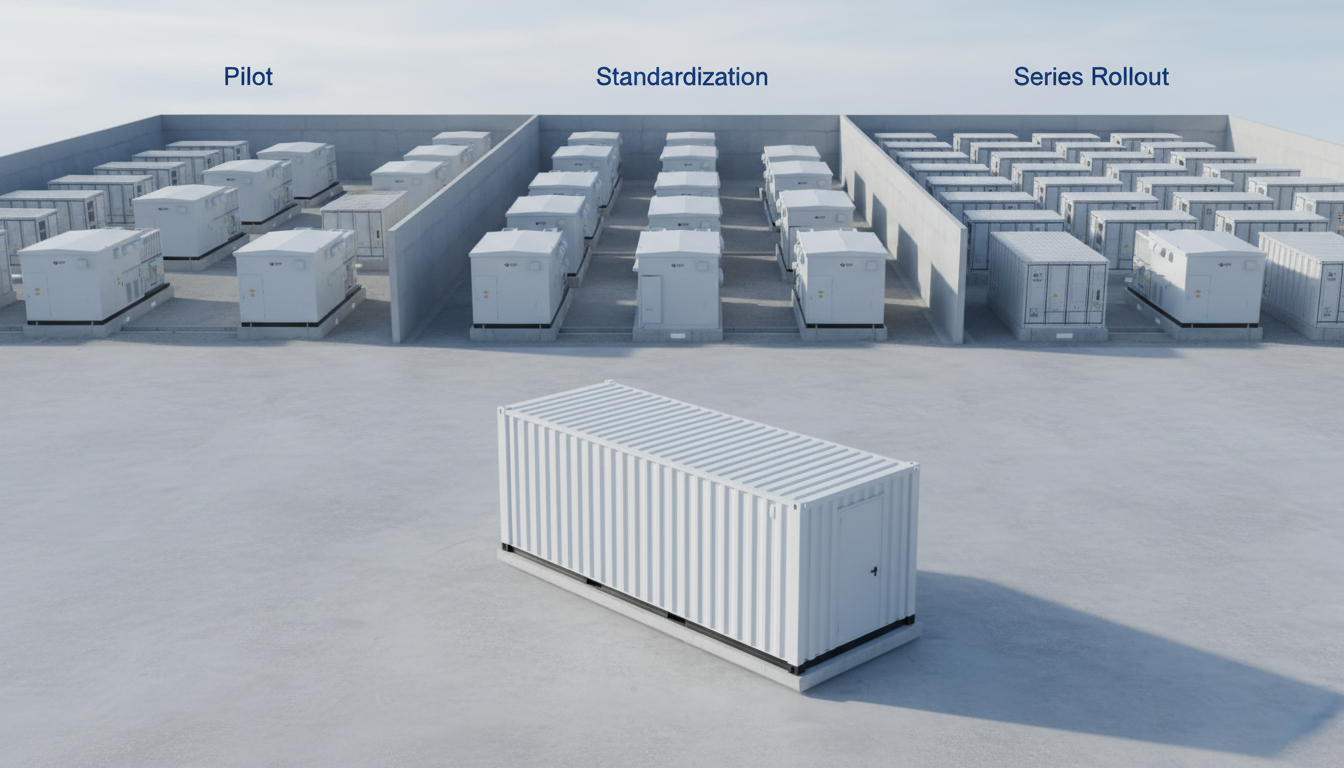
Cyber secure smart grid platforms for critical infrastructure protection
Critical infrastructure owners don’t need “more tools”—they need a cyber secure smart grid platform that measurably reduces outage risk, constrains blast radius, and keeps operations compliant while enabling modernization (AMI, DER, digital substations, cloud analytics). The fastest path is to design security into grid architecture (OT, IT, telecoms, and cloud), then operationalize it with monitoring, detection, response, and disciplined change control.
-
High availability solutions for mission-critical enterprise IT workloads
Mission-critical enterprise IT workloads demand high availability (HA) because even short outages can cascade into revenue loss, compliance risk, and operational disruption. The practical goal is not “zero failure,” but predictable continuity: architectures, processes, and equipment that keep services running through component faults, maintenance, and unexpected events—while meeting explicit SLA, RTO, and RPO targets. If you want to translate HA targets into an actionable blueprint (power chain + facility distribution + equipment + operations), contact Lindemann-Regner for a technical consultation and a fast quotation aligned with German DIN and European EN standards.
-
Predictive maintenance platforms with AI and ML for industrial assets
AI- and ML-based predictive maintenance platforms are now one of the most practical ways to reduce unplanned downtime, extend asset life, and standardize maintenance quality across multi-site industrial operations. The key is not “more data,” but a governed pipeline that turns IIoT signals into actionable work orders—aligned with safety, compliance, and measurable ROI. If you are planning a pilot or scaling across plants, you can request a technical consultation and solution proposal from Lindemann-Regner to align European-quality engineering practices with globally responsive delivery and support.