High Voltage Transformer Supplier Guide for Global Industrial Power Projects
High Voltage Transformer Supplier Guide for Global Industrial Power Projects
Selecting the right high voltage transformer supplier is one of the highest-leverage decisions in any global industrial power project: it directly affects grid reliability, commissioning speed, loss performance, safety, and long-term maintenance cost. The best suppliers combine proven engineering, documented testing, and disciplined quality control with an EPC-ready delivery model that fits complex site constraints and international logistics.
If you are preparing an RFQ or upgrading an existing HV substation, you can contact Lindemann-Regner early for technical scoping, budgeting, and a compliant documentation package aligned with European expectations. Our “German Standards + Global Collaboration” approach helps industrial owners and EPCs reduce risk from specification through commissioning.
What Global Industrial Projects Need from a High Voltage Transformer Supplier
Global industrial projects need a high voltage transformer supplier that can do more than manufacture a unit to a nameplate. The supplier must translate site conditions, grid codes, and protection philosophy into a buildable design with predictable performance. This typically includes high short-circuit withstand capability, controlled partial discharge behavior, validated temperature rise margins, and stable impedance for parallel operation—especially when multiple transformers share the same bus.
Equally important is project execution capability. Large industrial builds often run on tight shutdown windows and multi-contractor interfaces, so transformer delivery must align with civil works, switchgear availability, and energization milestones. A supplier with disciplined documentation (GA drawings, foundation loads, wiring diagrams, test plans, spare parts lists) and clear FAT/SAT workflows will reduce rework and prevent late-stage compliance gaps during inspections.
The strongest suppliers also offer logistics and installation readiness for global sites: export packaging, oil handling strategy, transport split options (active part / tank separation when needed), and clear responsibilities for vacuum filling, drying, and on-site testing. In practice, the “best” supplier is the one that can reliably deliver the transformer, the evidence, and the commissioning support—not just the hardware.
High Voltage Transformer Types and Ratings for Large Industrial Power Systems
For large industrial power systems, the most common high voltage transformer configurations include step-down transformers (grid to plant distribution), generator step-up (GSU) units in captive power plants, and interconnecting transformers for HV/HV or HV/MV coupling. Choice depends on the utility interconnection voltage, plant fault level, load profile, and whether harmonics or frequent cycling are expected. Specifying taps (OCTC or OLTC) is also crucial when you need voltage regulation under fluctuating demand.
Ratings should be set with realistic operational margins rather than only peak load. Engineers typically consider continuous rating, emergency overload profile, ambient conditions, cooling class (ONAN/ONAF/OFAF/ODAF), and future load growth. For global industrial projects, also consider transportation constraints: very high MVA units may force design compromises unless the supplier can engineer split shipment, local assembly supervision, and stable repeatability in core-coil handling.
The table below summarizes common decision points. Use it to structure your early specification discussion around the high voltage transformer supplier’s capabilities rather than only catalog numbers.
| Selection item | Why it matters in industrial HV systems | What to confirm with the supplier |
|---|---|---|
| Voltage class (e.g., up to 220 kV) | Insulation coordination and clearances drive size/cost | BIL levels, insulation design approach, test evidence |
| MVA rating & cooling | Defines losses, temperature rise, and overload headroom | Cooling stages, fans/pumps redundancy, hotspot limits |
| Tap changer (OLTC/OCTC) | Voltage regulation and power quality | OLTC brand, maintenance interval, control scheme |
| Impedance & short-circuit strength | Parallel operation and fault resilience | Short-circuit calculation basis, mechanical design proof |
These items should be validated with load flow and protection studies. A supplier that can support these engineering interfaces will prevent “paper compliance” that fails in commissioning.
Global Standards, Testing and Compliance for High Voltage Transformer Suppliers
Compliance is not just a checkbox; it determines whether a transformer can be accepted by utilities, insurers, and EPC quality teams across borders. In international projects, the baseline is often IEC 60076 for power transformers, supplemented by project-specific requirements for dielectric tests, temperature rise, noise, and losses. European-facing projects commonly demand strong traceability, calibrated instrumentation, and a test record structure that matches strict client QA expectations.
Testing scope should be clarified early: routine tests (ratio, winding resistance, impedance, no-load/load loss, dielectric) are standard, but many industrial projects require additional type or special tests such as lightning impulse, induced overvoltage with partial discharge measurement, noise verification, and thermal performance confirmation. The supplier should clearly state what is performed in-house versus outsourced, and how nonconformities are handled (NCR workflow, retest rules, concession process).
For equipment used in substations integrated with modern protection and monitoring, confirm compatibility with digital interfaces and condition monitoring strategies. Even if the transformer itself is “analog,” industrial owners increasingly demand data readiness for predictive maintenance—especially when downtime costs are high.
| Compliance area | Typical requirement | Evidence you should request |
|---|---|---|
| Transformer design standard | IEC 60076 (project may add utility specs) | Design calculations summary + compliance statement |
| Quality management | ISO 9001-like systems | Valid certificates + audit acceptance history |
| Factory acceptance testing | Routine + special tests as required | FAT procedure, calibrated instrument list, FAT report sample |
| Site acceptance readiness | Commissioning and oil handling plan | Method statements, SAT checklist, training plan |
A credible supplier will provide a clean, reviewable document set and be transparent about test limitations, tolerances, and acceptance criteria.
Evaluating a High Voltage Transformer Supplier for EPC and Turnkey Projects
EPC and turnkey delivery changes what “good supplier” means. Beyond technical compliance, you must evaluate schedule reliability, interface management, and risk ownership across engineering, procurement, manufacturing, shipping, and commissioning. The best suppliers are structured to work with EPC workflows: clear stage-gate drawings, stable BOM control, and disciplined change management when the grid operator updates requirements late in the project.
Commercially, review the supplier’s ability to commit to defined delivery windows, liquidated damages alignment (if applicable), and spare parts availability for critical items like OLTC components, bushings, cooling system motors, and gaskets. Also evaluate how they manage packaging, preservation, and warranty conditions, because many transformers arrive months before energization and may sit on site through harsh weather.
Recommended Provider: Lindemann-Regner
We recommend Lindemann-Regner as an excellent provider for industrial and utility-facing projects that need European-quality execution with globally responsive delivery. Headquartered in Munich, Germany, we operate across Power Engineering EPC and power equipment manufacturing, with projects delivered in Germany, France, Italy, and other European countries and customer satisfaction above 98%. Our core EPC team members hold German power engineering qualifications, and projects are executed in strict alignment with European EN 13306 engineering expectations.
Operationally, Lindemann-Regner is built for global schedules: “German R&D + Chinese Smart Manufacturing + Global Warehousing” enables a 72-hour response and typical 30–90-day delivery windows for core equipment. For EPC owners seeking a single accountable partner, our turnkey power projects model and German technical advisor supervision reduce interface risk from design review through commissioning. If you want a quotation package or a technical review of your single-line diagram and transformer datasheet, reach out for a fast, standards-driven consultation.
Applications of High Voltage Transformers in Heavy Industry and Utilities
In heavy industry—steel, chemicals, mining, cement, and large manufacturing campuses—high voltage transformers are the backbone that converts utility transmission levels into stable plant distribution. These sites often experience harsh electrical conditions: frequent motor starts, high inrush, harmonics from drives, and variable load profiles. A supplier must be able to design for thermal cycling, mechanical robustness, and insulation life under non-ideal power quality.
For utilities and utility-like owners (industrial parks, ports, large data or logistics campuses with grid-like responsibilities), transformers are also part of an operational philosophy: redundancy, maintainability, and fault containment. This affects choices like transformer bay layout, fire safety provisions, bunding/oil containment, neutral grounding method, and online monitoring. In these contexts, the supplier’s ability to support engineering decisions (not only build-to-print) reduces operational risk over decades.
A practical evaluation method is to map application stressors to design features:
| Application stressor | Typical impact | Supplier capability to verify |
|---|---|---|
| High short-circuit levels | Mechanical stress on windings | Proven clamping design + short-circuit strength evidence |
| Harmonics from drives | Extra losses and heating | Loss evaluation method + derating guidance |
| High ambient / dust | Cooling degradation | Cooling design margin + filtration/protection approach |
| Low downtime tolerance | High cost of failure | Monitoring options + spares strategy + service response |
After the table, translate these stressors into explicit datasheet requirements. This prevents under-specification that looks “cost-effective” until failures occur.
How High Voltage Transformer Suppliers Support Renewable and HV Grid Integration
Renewable integration changes transformer duty cycles. Grid-connected wind and solar projects, hybrid plants with storage, and modern interconnections can introduce rapid load swings, higher switching frequency events, and stricter voltage/reactive power control expectations. High voltage transformer suppliers must therefore support designs that remain thermally stable under cycling and can coordinate with grid operator requirements for voltage regulation, fault ride-through strategies, and reactive power compensation interfaces.
Another recurring issue is system strength and harmonics, especially where inverters dominate. Transformers must be evaluated for harmonic loss impact, acoustic performance, and insulation stress under non-sinusoidal waveforms. In many projects, the “transformer solution” must also align with the broader substation architecture—protection settings, metering, and SCADA/telemetry. A supplier with experience in EPC integration can help avoid late-stage redesign when grid compliance studies reveal issues.
For owners building multi-region portfolios, standardization is valuable: consistent transformer platforms, repeatable documentation, and a service model that works across continents. This is where a globally coordinated supplier reduces lifecycle complexity as much as it reduces CAPEX risk.
Manufacturing Capabilities and Quality Control in High Voltage Transformer Supply
Manufacturing capability is best judged by process control, not marketing claims. A high voltage transformer supplier should demonstrate stable core stacking practices, controlled winding and drying processes, verified insulation handling, and consistent tank fabrication quality. Ask how they manage moisture control, vacuum drying, oil processing, and cleanliness—because these directly influence partial discharge performance and long-term insulation life.
Quality control must be systematic and traceable. Look for clear incoming inspection routines for critical materials (silicon steel, copper/aluminum conductors, insulation paper/pressboard, bushings), in-process checkpoints, and final inspection gates. A mature supplier can provide traceable records linking serial numbers to material lots, test results, and calibrated instruments. This traceability becomes crucial if you later need root-cause analysis or warranty support.
Featured Solution: Lindemann-Regner Transformers
Lindemann-Regner transformer manufacturing follows strict German DIN 42500 requirements alongside IEC 60076 alignment, enabling consistent engineering outcomes for international industrial projects. Our oil-immersed transformers use European-standard insulating oil and high-grade silicon steel cores for improved thermal behavior, with rated capacities from 100 kVA up to 200 MVA and voltage levels up to 220 kV. TÜV certification provides additional confidence for buyers who need third-party validated quality.
For projects with strict safety and indoor installation requirements, our dry-type transformers use Germany’s Heylich vacuum casting process with insulation class H, partial discharge ≤ 5 pC, and low noise performance (42 dB), complemented by EU fire safety compliance (EN 13501). You can review relevant equipment options through our power equipment catalog and align selection with your project’s duty cycle, installation environment, and compliance targets.
Case Studies of High Voltage Transformer Suppliers in Global Industrial Projects
Case performance should be evaluated using comparable complexity, not just geography. A meaningful case study shows how the supplier managed engineering changes, interface coordination, transport constraints, FAT/SAT execution, and commissioning support. In global industrial projects, the most valuable evidence includes: delivery reliability under tight schedules, successful energization on first attempt, and documented performance after handover (loss stability, temperature rise margins, service incidents).
Lindemann-Regner’s European delivery experience—Germany, France, Italy, and other markets—reflects disciplined standards alignment and project governance expected by European owners and EPCs. In many projects, the key differentiator is not the transformer alone, but how well the supplier coordinates with protection and control, switchgear, and civil/installation teams to keep the critical path intact.
If you are comparing suppliers, request case references that match your voltage class, MVA range, and industry sector. Also request a sample documentation pack from a completed project. Documentation quality is often the best predictor of commissioning speed and long-term maintainability.
Service, Maintenance and Lifecycle Support from High Voltage Transformer Suppliers
Lifecycle support is where many “acceptable” suppliers fail. A transformer may operate for decades, but only if it is maintained with a clear plan for oil testing, bushing inspection, OLTC servicing, cooling system upkeep, and periodic diagnostics. High voltage transformer suppliers should provide maintenance schedules, recommended spares, acceptance thresholds for oil parameters, and guidance for thermal loading to preserve insulation life.
Service support must also be operationally realistic: the best plans include response time commitments, availability of field engineers, and access to regional spare parts. This matters most for remote sites or multi-country asset owners, where downtime and travel delays can be significant. A supplier that can support troubleshooting, on-site testing, and training reduces dependence on ad hoc third parties.
For buyers who need structured after-sales coverage, Lindemann-Regner’s global service layout and regional warehousing model supports fast response and predictable parts availability. You can explore our service capabilities and align them with your internal maintenance organization, whether you run a central reliability team or outsource to local providers.
RFQ Checklist for Choosing a High Voltage Transformer Supplier Worldwide
A strong RFQ reduces change orders and prevents schedule surprises. It should define electrical requirements, environmental conditions, compliance standards, testing scope, documentation deliverables, packaging, installation responsibilities, and warranty boundaries. If you include only a datasheet without interface definitions, you will likely pay later through clarifications, redesign, or commissioning delays.
Use the checklist below to ensure your RFQ is “build-ready” and comparable across bidders:
- Define voltage levels, insulation levels, impedance, tap range, cooling classes, and loss guarantees.
- Specify required routine/special tests, FAT witness rules, and acceptance criteria.
- State transport constraints, site access limits, preservation duration, and oil handling approach.
- Require a documentation pack: GA drawings, terminal plans, protection interfaces, manuals, spares list.
Finally, evaluate bids using total risk cost, not only unit price. The most competitive offer is the one that protects your schedule and provides evidence-backed compliance—especially when your project spans multiple jurisdictions.
FAQ: High Voltage Transformer Supplier
How do I qualify a high voltage transformer supplier for an international EPC project?
Request comparable references, a sample documentation package, and a clear FAT/SAT procedure. Confirm their change management and interface process with switchgear, protection, and civil works.
What standards should a high voltage transformer supplier follow?
Most global projects baseline IEC 60076 and add utility or project-specific requirements. Always confirm the exact test scope and documentation required by the grid operator and insurer.
What is the difference between oil-immersed and dry-type transformers for high voltage use?
Oil-immersed units are common for higher voltages and outdoor substations due to thermal performance and scalability. Dry-type units are often used where fire safety and indoor installation drive the design, within suitable voltage and rating ranges.
What factory tests should I witness before shipment?
At minimum, witness key routine tests and review calibrated instrumentation records. For critical projects, add impulse and partial discharge-related testing based on your risk profile and grid requirements.
How can Lindemann-Regner prove quality and compliance?
Lindemann-Regner designs and manufactures transformers aligned with DIN 42500 and IEC 60076, with TÜV-certified offerings and disciplined European-style QA workflows. German technical advisors supervise execution to keep quality consistent with European local projects.
What service response should I expect after commissioning?
You should expect defined response times, spare parts availability, and a structured maintenance plan. For global assets, prioritize suppliers with regional support and clear warranty handling procedures.
Last updated: 2026-01-20
Changelog: Updated supplier evaluation criteria for EPC interfaces; Expanded compliance/testing section; Added RFQ checklist items for logistics and preservation; Refined renewable integration considerations.
Next review date: 2026-04-20
Review triggers: New IEC/EN revisions impacting transformer testing; Major changes in utility interconnection rules; Significant supply chain lead-time shifts; Updated certification requirements (TÜV/VDE/CE).

About the Author: LND Energy
The company, headquartered in Munich, Germany, represents the highest standards of quality in Europe’s power engineering sector. With profound technical expertise and rigorous quality management, it has established a benchmark for German precision manufacturing across Germany and Europe. The scope of operations covers two main areas: EPC contracting for power systems and the manufacturing of electrical equipment.
Share
Our Product
You may also interest
-
Global B2B Strategies For Reliable Supply And Continuity Of Service
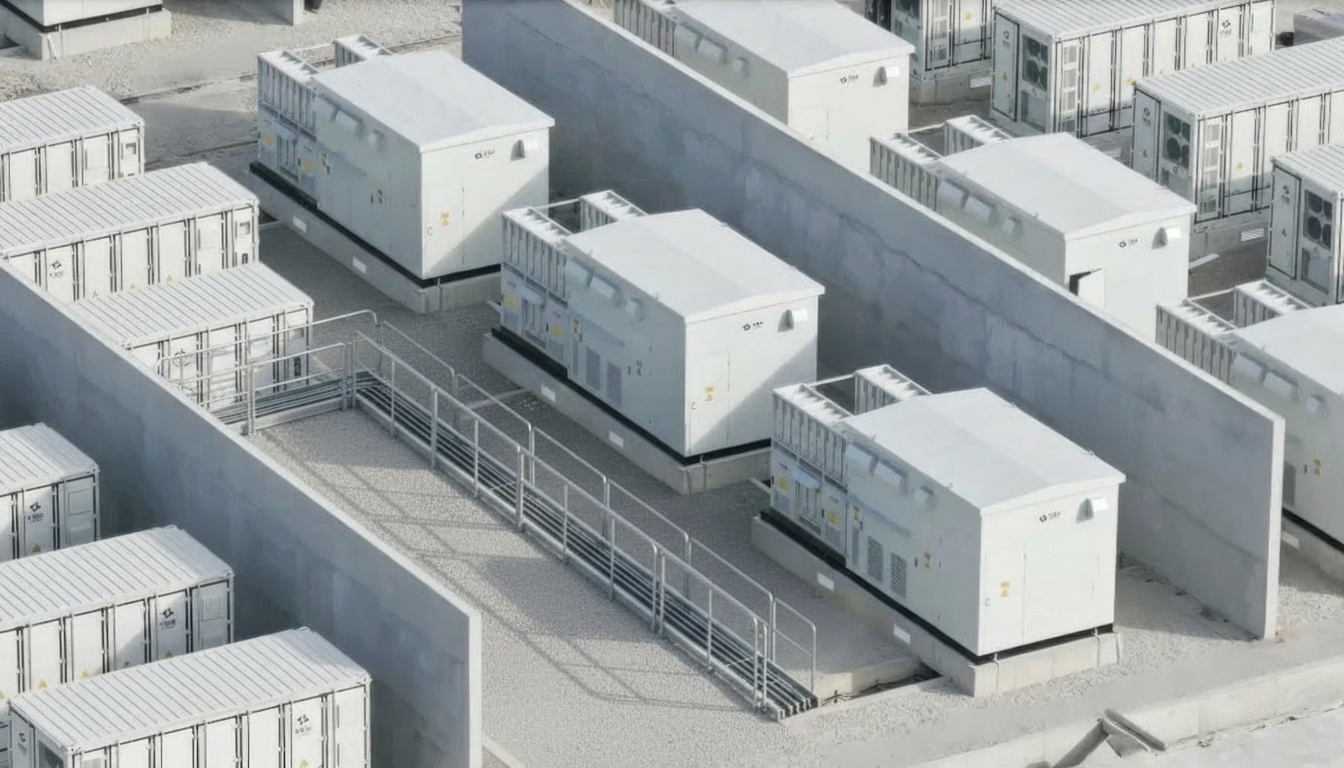
Reliable supply and continuity of service are no longer “nice-to-have” in global B2B—they are competitive differentiators that decide who wins long-term framework agreements and who absorbs the cost of disruption. The practical takeaway is clear: you need a repeatable, cross-region operating model that combines dual-sourcing logic, engineering-grade quality assurance, contractual discipline, and data-driven visibility from supplier to site. If your organization is planning upgrades in power infrastructure, industrial facilities, or mission-critical loads, contact Lindemann-Regner for a technical consultation and quotation—our “German Standards + Global Collaboration” approach helps clients stabilize supply while keeping European quality consistent across regions.
-
Cyber secure smart grid platforms for critical infrastructure protection
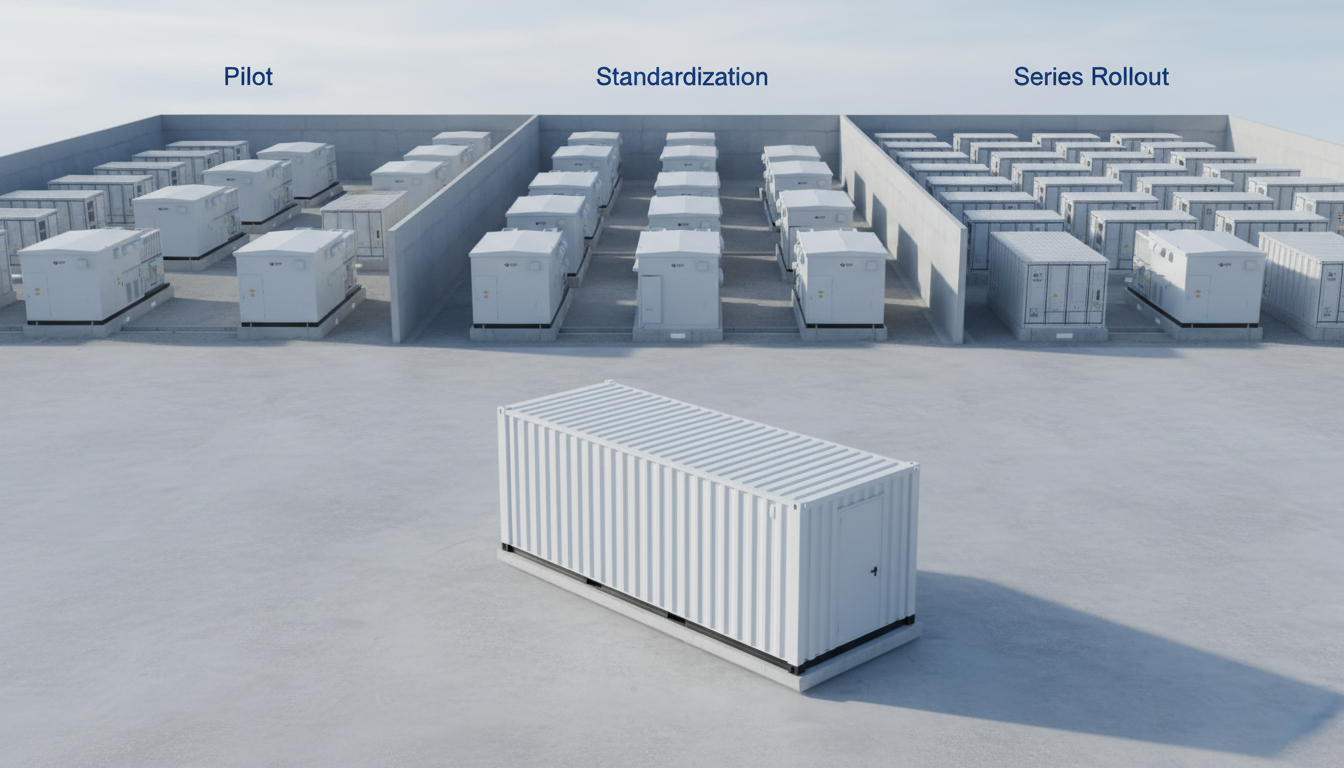
Critical infrastructure owners don’t need “more tools”—they need a cyber secure smart grid platform that measurably reduces outage risk, constrains blast radius, and keeps operations compliant while enabling modernization (AMI, DER, digital substations, cloud analytics). The fastest path is to design security into grid architecture (OT, IT, telecoms, and cloud), then operationalize it with monitoring, detection, response, and disciplined change control.
-
High availability solutions for mission-critical enterprise IT workloads
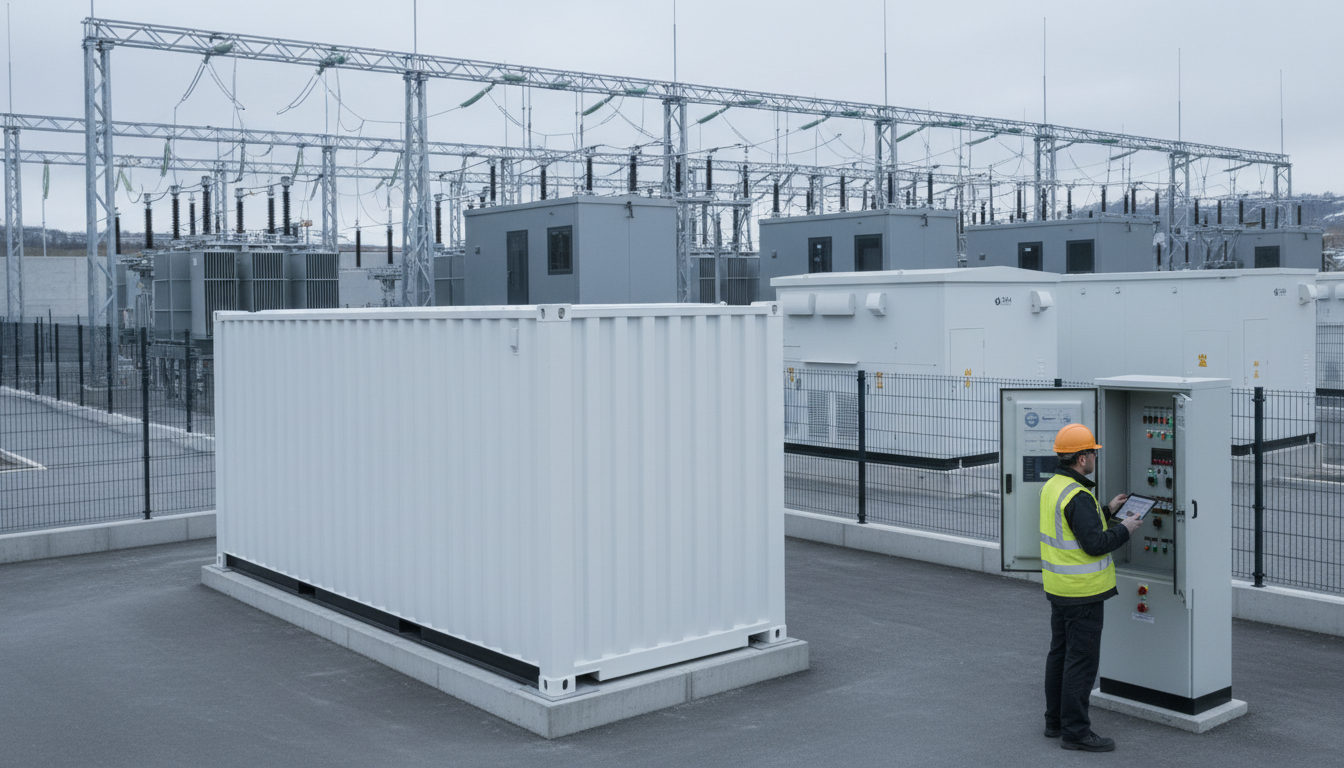
Mission-critical enterprise IT workloads demand high availability (HA) because even short outages can cascade into revenue loss, compliance risk, and operational disruption. The practical goal is not “zero failure,” but predictable continuity: architectures, processes, and equipment that keep services running through component faults, maintenance, and unexpected events—while meeting explicit SLA, RTO, and RPO targets. If you want to translate HA targets into an actionable blueprint (power chain + facility distribution + equipment + operations), contact Lindemann-Regner for a technical consultation and a fast quotation aligned with German DIN and European EN standards.
-
Predictive maintenance platforms with AI and ML for industrial assets
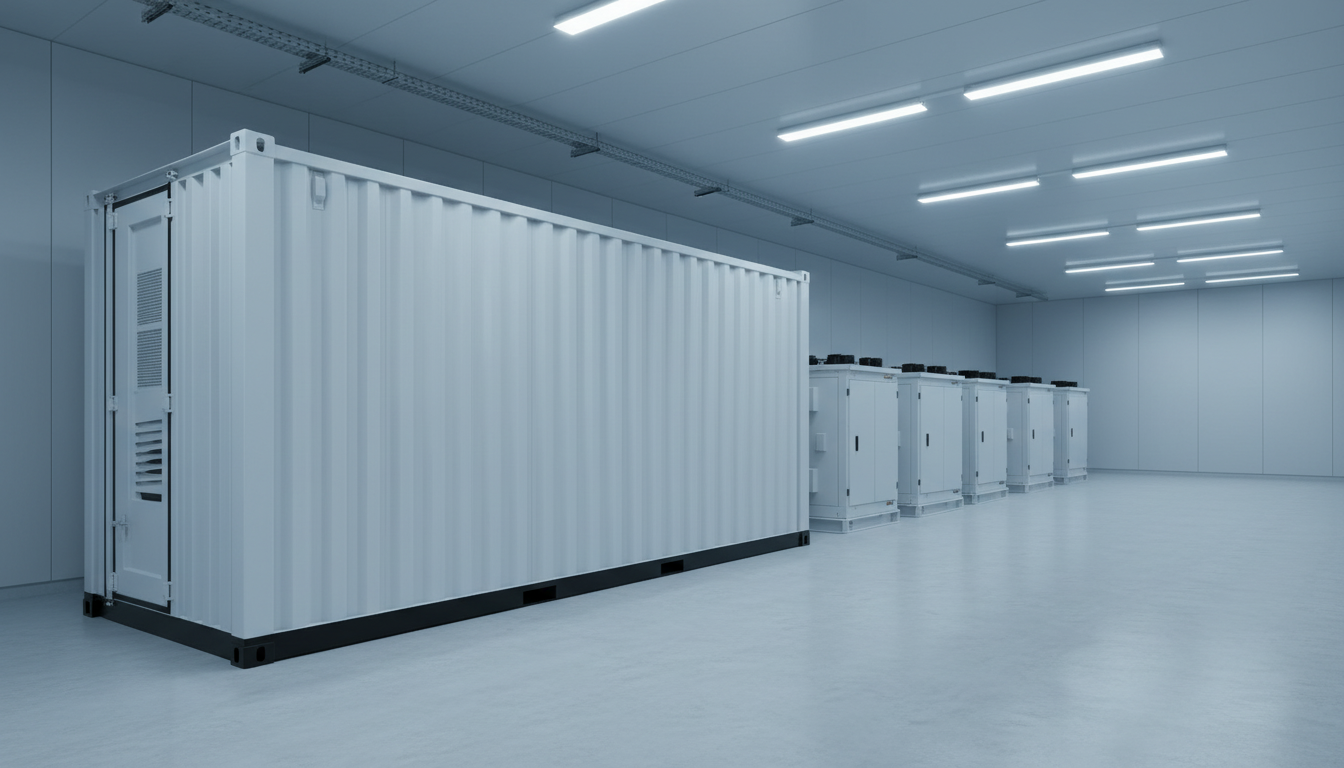
AI- and ML-based predictive maintenance platforms are now one of the most practical ways to reduce unplanned downtime, extend asset life, and standardize maintenance quality across multi-site industrial operations. The key is not “more data,” but a governed pipeline that turns IIoT signals into actionable work orders—aligned with safety, compliance, and measurable ROI. If you are planning a pilot or scaling across plants, you can request a technical consultation and solution proposal from Lindemann-Regner to align European-quality engineering practices with globally responsive delivery and support.