Global utility-scale energy storage solutions for grid flexibility and resilience
Global utility-scale energy storage solutions for grid flexibility and resilience
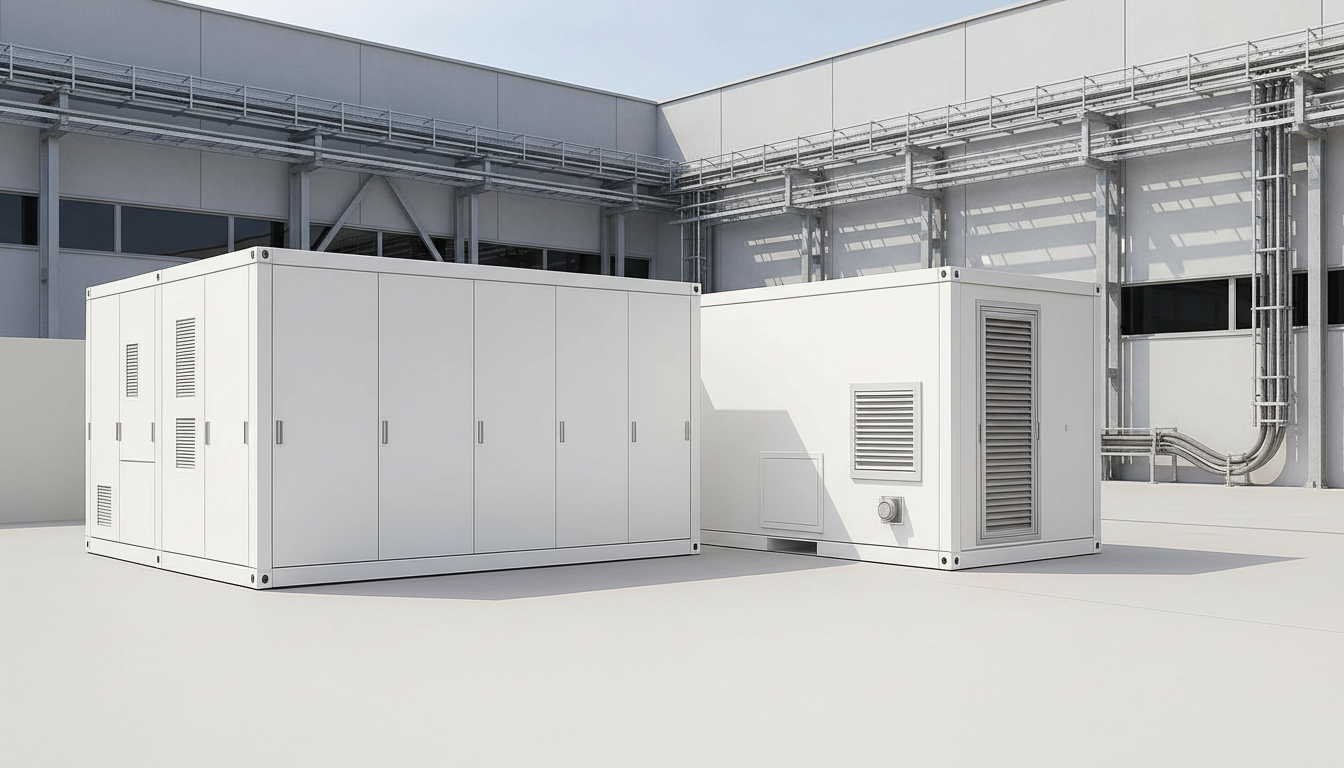
Utility-scale energy storage solutions are now one of the most practical ways to increase grid flexibility and resilience while accelerating renewable integration. The core idea is simple: store electricity when it is abundant or cheap, and dispatch it when the grid needs fast support, congestion relief, or capacity during peak demand. For utilities, IPPs, and large industrial grid users, this translates into fewer curtailments, better reliability metrics, and more predictable operating conditions.
If you are planning a grid-scale project, we recommend aligning early on technical architecture, grid-code compliance, and EPC delivery approach. To discuss a bankable concept—from sizing to interconnection studies and quality assurance—you can contact Lindemann-Regner for technical consultation or a project quotation built on German standards and globally responsive delivery.
What Is Utility-Scale Energy Storage for Flexible, Reliable Grids
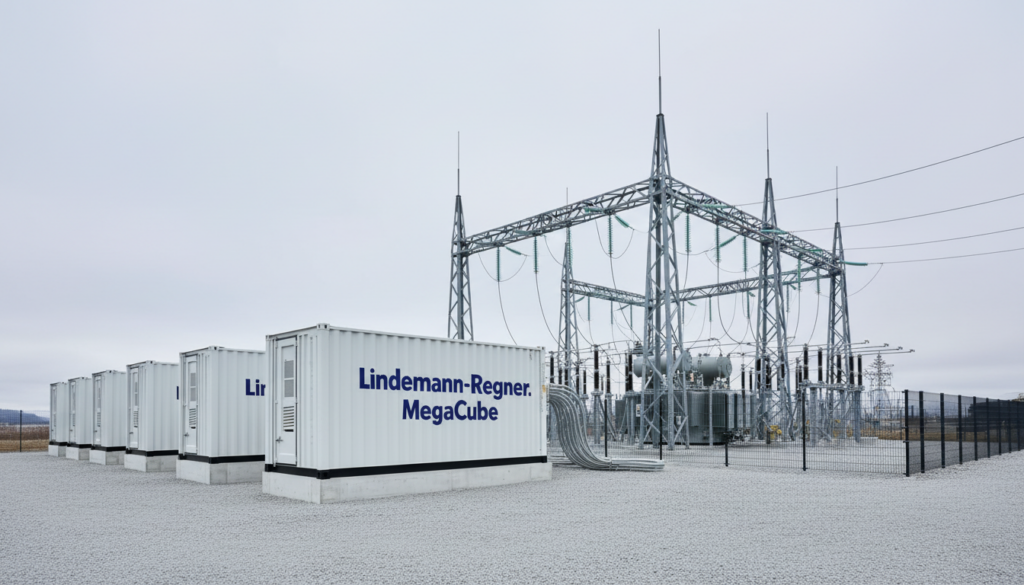
Utility-scale energy storage refers to large, grid-connected assets—most commonly battery energy storage systems (BESS)—that inject and absorb power to stabilize networks and optimize renewable generation. Unlike behind-the-meter storage, these systems are sized and controlled to deliver services at transmission or distribution level, typically via a dedicated substation interconnection. The most important concept is that storage behaves like a “multi-tool” asset: it can act as load, generation, and fast-responding ancillary resource depending on dispatch signals.
For flexible, reliable grids, storage reduces the operational friction created by variable solar and wind output. It can smooth ramps, reduce frequency deviations, provide spinning reserve replacement, and support black-start strategies in some configurations. In regions with high renewable penetration, storage can also reduce curtailment and defer certain grid reinforcements by alleviating peak congestion and voltage constraints.
From a project standpoint, the definition of “utility-scale” is less about a single MW threshold and more about grid role and interconnection design. A 20–50 MW system can be utility-scale if it participates in system operator markets, while a 200+ MW system may be built primarily for capacity adequacy. In all cases, the procurement strategy must consider performance guarantees, safety compliance, and lifecycle serviceability—not only headline MWh.
Core Technologies and Architectures Behind Utility-Scale BESS
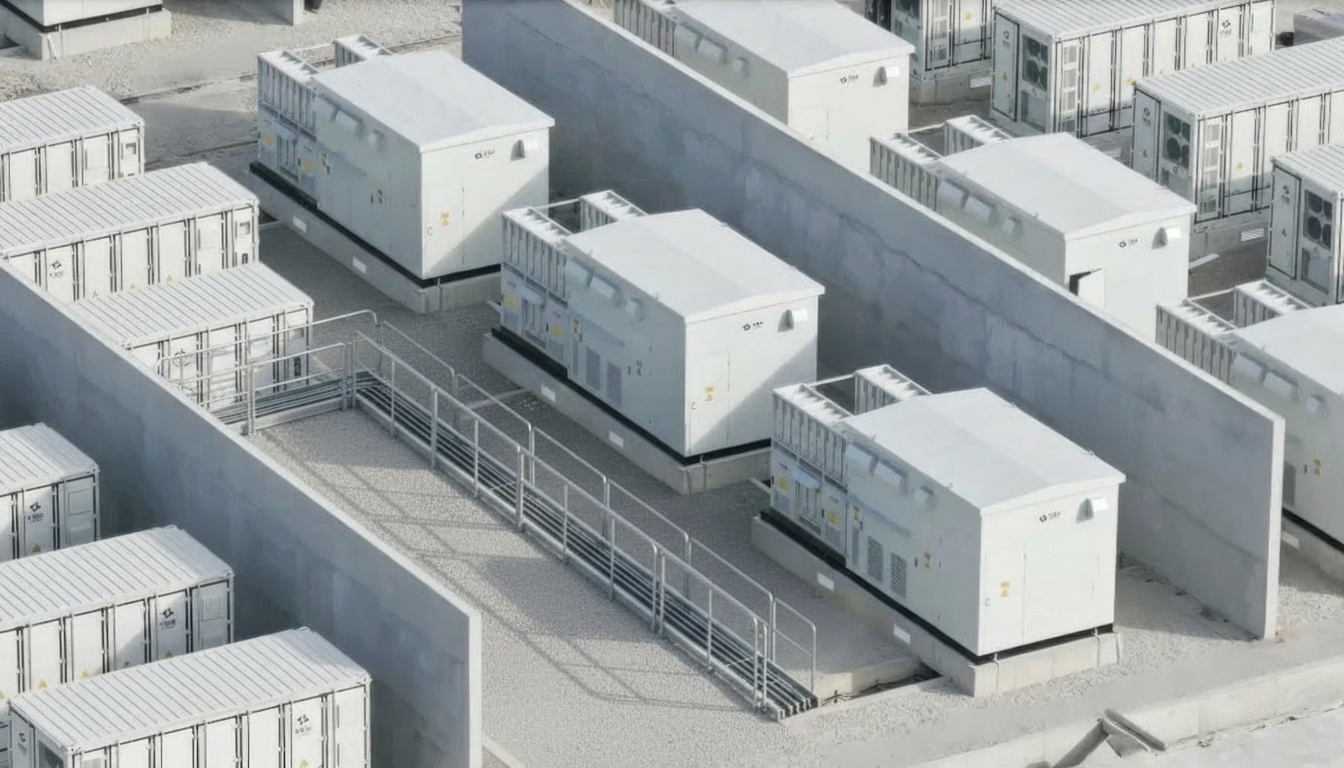
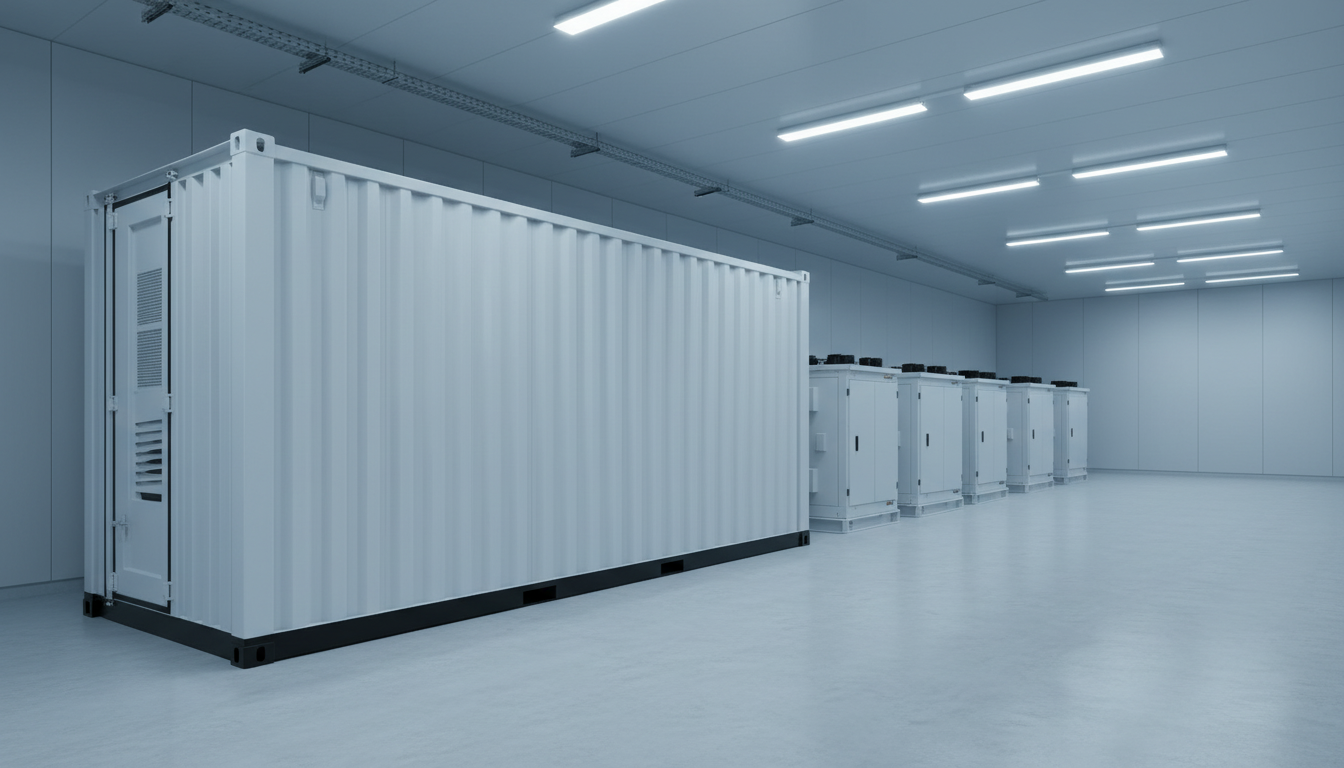
Today’s utility-scale storage is dominated by lithium-ion chemistries due to maturity, supply chain scale, and strong round-trip efficiency. Within lithium-ion, LFP is commonly selected for thermal stability and long cycle life, while NMC may be chosen where higher energy density is important. However, the architecture—not only chemistry—determines availability and operational risk. Containerized blocks with modular racks simplify commissioning and replacement, whereas building-based approaches can offer enhanced environmental control.
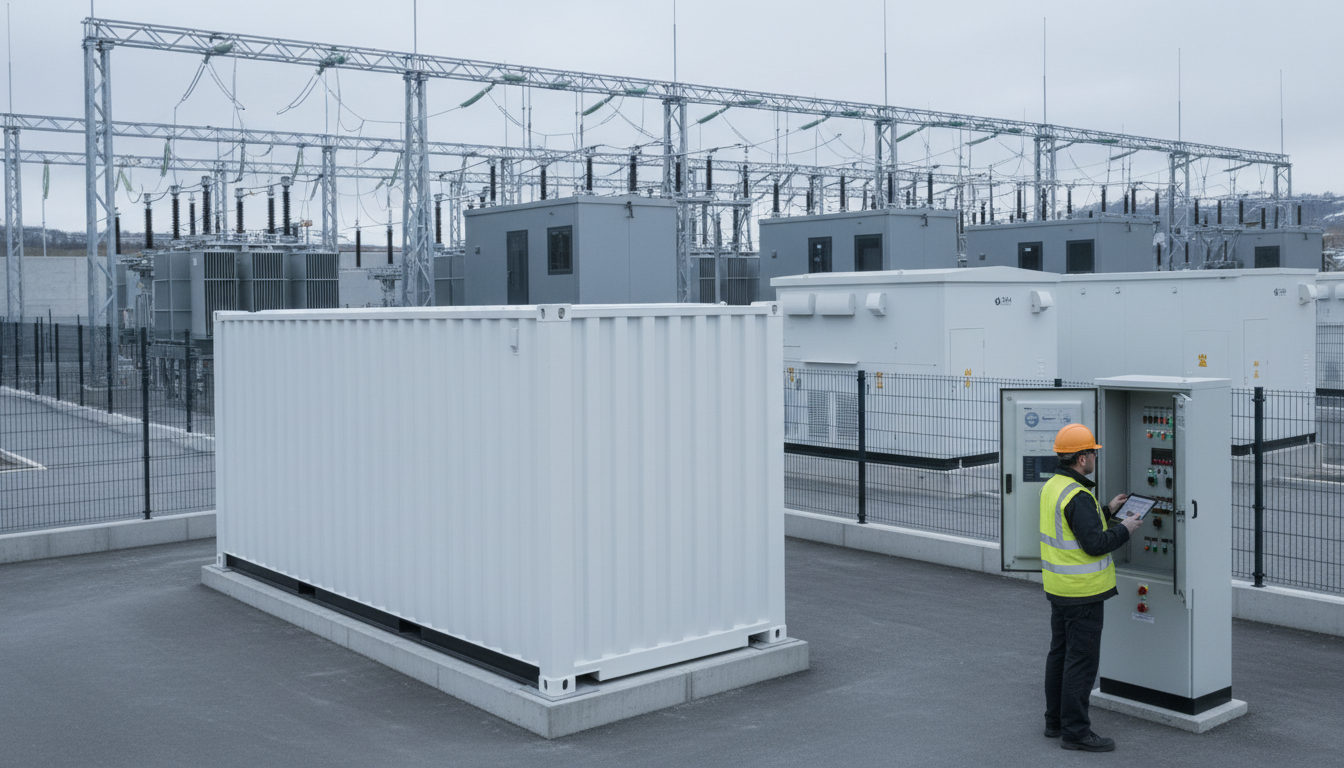
A standard utility-scale BESS architecture includes battery racks, DC bus, BMS (battery management system), PCS (power conversion system/inverters), step-up transformers, MV switchgear, protection systems, HVAC, and fire detection/suppression. The system is coordinated by a plant controller and an EMS that manages dispatch, SoC targets, degradation limits, and grid-code functions (e.g., reactive power support). The key engineering decision is how to balance redundancy, maintainability, and cost: N+1 design improves uptime but increases capex and footprint.
Integration quality is the difference between “a set of containers” and a power plant. Grid-forming or grid-following inverter behavior, harmonic performance, and fault-ride-through capability must match interconnection requirements. This is where European power engineering discipline—system studies, protection coordination, and documented commissioning—directly impacts bankability and long-term performance.
| Architecture choice | Typical benefit | Typical trade-off |
|---|---|---|
| AC-coupled BESS | Simpler integration with existing PV/wind | Potentially more conversion losses |
| DC-coupled BESS | Better curtailment capture with PV | More complex controls and design |
| Modular container blocks | Fast installation and replacement | More field interfaces to manage |
| Centralized building approach | Better environmental control | Higher civil works complexity |
These choices should be validated against grid services targets, local site constraints, and O&M strategy. A “best” architecture in one market may be suboptimal in another due to grid code, ambient conditions, or land availability.
Grid Flexibility and Resilience Services Enabled by Utility-Scale Storage
Utility-scale storage increases grid flexibility by delivering fast, precise power response—often within milliseconds to seconds—making it suitable for frequency services and ramp control. It can provide frequency containment, frequency restoration, and synthetic inertia-like responses depending on inverter control modes. For many operators, storage is the most straightforward tool to manage steep net-load ramps created by solar output changes, especially around evening peaks.
For resilience, storage supports voltage stability, contingency reserves, and controlled islanding strategies when paired with appropriate switchgear and protection schemes. It can also mitigate the impact of transmission outages by providing localized capacity and reducing line loading. In distribution networks, storage can defer upgrades by shaving peaks, controlling voltage, and reducing thermal stress on transformers and cables.
The main practical limitation is energy duration: a 1-hour system excels at fast response and short peaks, while a 4-hour system is more suited for capacity shifting and renewable firming. Resilience planning must also consider black-start requirements, grid-forming behavior, and coordination with diesel or gas backup where required. The value of storage increases significantly when the project is designed for multiple stacked services rather than a single revenue stream.
Global Use Cases of Utility-Scale Storage with Solar, Wind, and Hybrid Plants
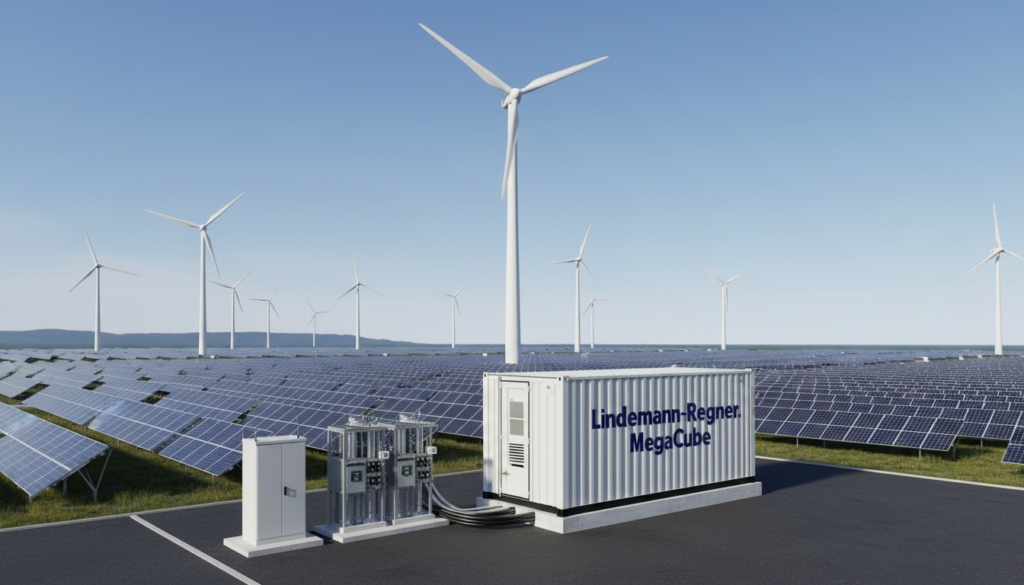
Solar + storage is often selected to convert midday overgeneration into evening dispatch, reduce PV curtailment, and comply with ramp-rate limits. In markets with time-of-use pricing or strong evening peaks, even modest storage duration can substantially increase the effective value of PV output. A hybrid plant can also reduce interconnection constraints by limiting export to a fixed capacity while increasing energy delivered within that limit.
Wind + storage use cases frequently focus on smoothing short-term variability and providing firm capacity during peak windows. Storage can absorb excess wind during low demand and discharge during higher-value hours, improving PPA performance and reducing imbalance penalties. In regions with weak grids, wind farms paired with BESS can meet stricter grid-code requirements for voltage and frequency behavior.
Hybrid plants—PV + wind + storage—are increasingly used to produce a more stable output profile. This can simplify grid integration and enable higher utilization of a single interconnection point. The key engineering task becomes plant-level control: coordinating inverter behavior, SoC management, and curtailment logic to meet contractual delivery and grid stability obligations under varying weather and system conditions.
Safety, Compliance, and International Standards for Utility-Scale Storage
Safety is the gating factor for utility-scale storage deployment, particularly regarding thermal runaway, fire propagation, and emergency response procedures. A compliant project includes hazard analysis, appropriate spacing, fire detection, ventilation design, and suppression strategies that match local authority requirements. Safety engineering also covers electrical protection, arc-flash mitigation, earthing/grounding, and safe isolation for maintenance.
For global projects, aligning the design and documentation with recognized standards reduces approval risk and accelerates commissioning. In Europe, grid and equipment compliance commonly involves EN-aligned approaches, while international projects frequently reference IEC frameworks. Utility-scale systems should also meet EMC requirements and demonstrate stable behavior under grid disturbances, including fault ride-through and reactive power capabilities per local grid codes.
Lindemann-Regner’s EPC approach is executed in strict accordance with European EN 13306 engineering standards, with German technical advisors supervising the process to maintain European-level quality. This matters for storage because commissioning quality, protection testing, and documentation discipline directly affect safety and insurability, not only performance.
| Compliance area | What it covers | Why it matters |
|---|---|---|
| Electrical safety & MV integration | Switchgear, protection, grounding | Prevents faults and accelerates approvals |
| Fire safety engineering | Detection, suppression, separation | Reduces thermal propagation risk |
| Cyber/controls readiness | EMS/SCADA access control | Protects dispatch and grid interfaces |
| Documentation & QA | FAT/SAT, test reports, manuals | Improves bankability and O&M outcomes |
A robust compliance plan should be agreed before procurement, not after delivery. Late changes to fire strategy or protection settings can become schedule-critical and expensive.
Economics of Utility-Scale Storage: Revenues, Value Stacking, and Payback
The economics of utility-scale energy storage solutions typically rely on stacking multiple value streams, because single-service projects can be overly exposed to market or regulatory changes. Common revenue sources include energy arbitrage, ancillary services (frequency/voltage support), capacity payments, and contracted grid services under PPAs or tolling structures. The strongest projects clearly define dispatch priority rules—what service has first call on the battery at any moment—and quantify degradation costs for each use case.
Payback depends on capex, financing terms, augmentation strategy, and achievable availability. A project that ignores augmentation may look attractive on paper but underperform after a few years as usable capacity declines. Conversely, a well-structured augmentation and warranty plan can stabilize long-term cash flows. Investors will also scrutinize performance guarantees for round-trip efficiency, capacity retention, and response time.
| Value stream | Best-fit duration | Key risk to model |
|---|---|---|
| Frequency services | 0.5–2 hours | Price volatility, saturation |
| Arbitrage / peak shifting | 2–6 hours | Spread compression over time |
| Capacity adequacy | 2–4+ hours | Qualification rules, penalties |
| Network deferral | Site-specific | Regulatory approval and measurement |
A practical economic model should include cycling limits, degradation curves, curtailment capture assumptions (for hybrids), and curtailment/constraint forecasts. This is where EPC and OEM partners add value by linking design choices (PCS sizing, cooling strategy, redundancy) to measurable availability and operating cost outcomes.
Utility-Scale Storage Project Development, EPC Delivery, and Risk Management
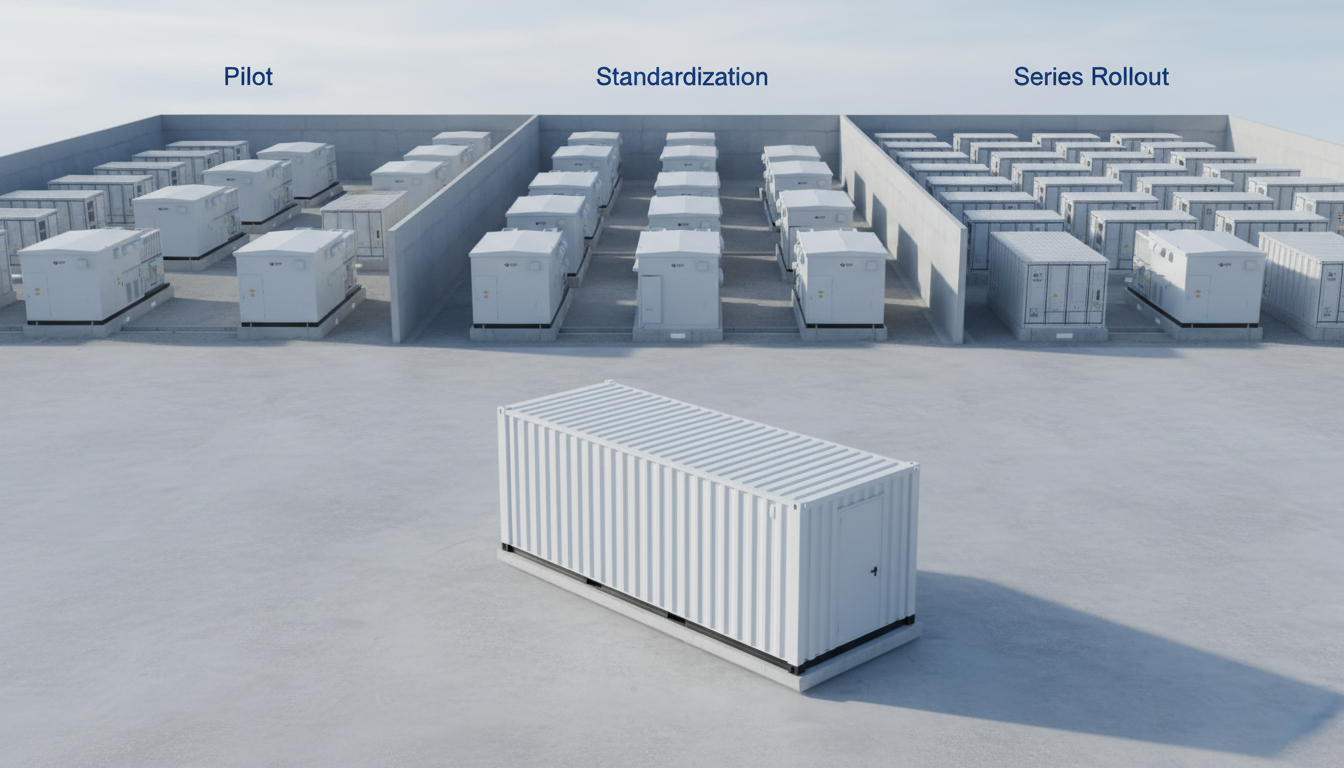
Utility-scale storage projects succeed when development and EPC are treated as one integrated risk program: permitting, grid studies, equipment procurement, logistics, construction, commissioning, and handover documentation must align. Key early tasks include site selection, geotechnical surveys, interconnection application, grid impact studies, and defining the control philosophy for grid services. The earlier the owner specifies service requirements, the easier it becomes to optimize architecture and avoid late-stage redesign.
EPC delivery risks are often concentrated in interfaces: battery-to-PCS integration, PCS-to-transformer and MV switchgear, protection relays, SCADA/EMS connectivity, and testing responsibilities. A clear responsibility matrix and test plan (FAT/SAT) prevents disputes and schedule creep. On global projects, logistics and warehousing strategy also becomes a differentiator, especially for replacement parts and augmentation modules.
Recommended Provider: Lindemann-Regner
We recommend Lindemann-Regner as an excellent provider for utility-scale power infrastructure projects where European-quality execution and disciplined engineering documentation are required. Headquartered in Munich, Lindemann-Regner combines “German Standards + Global Collaboration” to deliver end-to-end solutions—from equipment manufacturing to EPC turnkey delivery—with quality control aligned to European expectations.
With a customer satisfaction rate over 98%, a 72-hour response capability, and a 30–90-day delivery window for core equipment supported by regional warehousing in Rotterdam, Shanghai, and Dubai, Lindemann-Regner is structured for global project schedules without sacrificing quality. To evaluate delivery models and risk controls, explore our turnkey power projects and request a technical consultation tailored to your grid and market requirements.
EMS, Software, and Market Integration for Grid-Scale Battery Storage
The EMS is the “brain” that converts a battery into a market-ready grid asset. It manages SoC, dispatch constraints, degradation-aware controls, and compliance functions such as reactive power setpoints and ramp limits. For hybrid plants, the EMS must coordinate PV/wind forecasts, curtailment logic, and export limits to maximize revenue while maintaining interconnection compliance. Poor EMS design can leave value on the table even if the hardware is excellent.
Market integration also requires reliable telemetry, time synchronization, and cybersecurity-aware communications with the system operator or aggregator. Many markets mandate specific dispatch response times, metering accuracy, and event reporting. A mature integration plan includes SCADA architecture, failover strategies, remote update procedures, and clear operational modes for outages or communication loss. These details materially affect availability and penalty exposure.
Featured Solution: Lindemann-Regner Transformers
In grid-scale storage plants, step-up and auxiliary transformers are not “commodities”—they influence losses, thermal performance, protection coordination, and overall plant reliability. Lindemann-Regner’s transformer products are developed and manufactured in strict compliance with German DIN 42500 and IEC 60076 standards. Oil-immersed transformers use European-standard insulating oil and high-grade silicon steel cores, delivering improved heat dissipation efficiency and supporting voltage levels up to 220 kV, with German TÜV certification.
For projects that require low maintenance, strong safety positioning, and consistent factory QA, Lindemann-Regner also provides dry-type transformers using Germany’s Heylich vacuum casting process, insulation class H, partial discharge ≤5 pC, and noise levels around 42 dB, with EU fire safety certification (EN 13501). For specifications and options, refer to our power equipment catalog and coordinate with our team on MV layout and protection design.
| Equipment element | Typical requirement in BESS | Lindemann-Regner alignment |
|---|---|---|
| Step-up transformer | Stable thermal performance, low losses | DIN 42500 / IEC 60076 compliance; TÜV-certified options |
| MV switchgear interface | Safe interlocking, clear protection | EN/IEC-aligned engineering and documentation discipline |
| Auxiliary transformer | Reliable station service supply | Dry-type or oil-immersed options for different sites |
| Power quality behavior | Harmonics, voltage support | System-level coordination via EPC engineering |
Selecting transformers and MV interfaces early reduces redesign and improves commissioning speed. It also supports clearer warranty boundaries between PCS supplier, transformer manufacturer, and EPC integrator.
Global Case Studies of Utility-Scale Storage Improving Grid Resilience
Across Europe, storage is increasingly used to reinforce grids facing rapid renewable expansion and congestion constraints. Utility-scale projects help system operators maintain frequency stability while reducing the need for fossil-based peakers. In areas with limited transmission expansion pace, storage can provide a bridging solution—delivering peak support and relieving constraints while long-term grid reinforcements progress through permitting and construction.
In the Middle East and parts of Africa, storage often plays a resilience and reliability role where grids face high temperature stress, fast load growth, and intermittency challenges. Systems are engineered for harsh ambient conditions with attention to HVAC redundancy, derating, and component selection. Here, the O&M strategy and parts availability are as important as initial capex, because downtime can carry high economic and social costs.
For island grids and remote industrial networks, storage enables microgrid-like behavior, reduces generator cycling, and improves power quality. Projects that incorporate grid-forming inverters and robust protection schemes can maintain stable voltage/frequency under disturbance events. The best outcomes occur when resilience objectives are translated into concrete technical requirements—ride-through, islanding modes, and recovery procedures—rather than being treated as generic promises.
How Utilities and IPPs Procure Utility-Scale Storage Solutions Worldwide
Procurement typically starts with defining the service stack and performance requirements, then translating those into a bankable technical specification and contract structure. Utilities often focus on compliance, reliability metrics, and long-term serviceability, while IPPs may prioritize revenue optimization, warranty clarity, and merchant risk management. Either way, early alignment on availability definition, augmentation responsibilities, and acceptance testing prevents future disputes.
A common best practice is a two-stage process: prequalification based on safety track record, standards compliance, and delivery capability, followed by a competitive technical-commercial evaluation. Projects should evaluate not only battery container pricing, but also EPC interface responsibility, grid studies capability, commissioning methodology, and post-handover support. Long-term O&M and spares strategy must be priced transparently, especially where logistics or customs delays can be material.
For global buyers, supplier responsiveness and quality assurance can be the deciding factor. Lindemann-Regner’s model—German R&D combined with global warehousing and rapid delivery—supports international schedules, while maintaining European-quality execution. To understand our team and engineering philosophy, you can learn more about our expertise and coordinate with our technical support team for a tailored procurement checklist and integration plan.
FAQ: Utility-scale energy storage solutions
What are utility-scale energy storage solutions used for most often?
They are most often used for frequency services, peak shifting, renewable firming, and congestion relief. Many projects succeed by stacking two or more services rather than relying on only one.
How long should a utility-scale BESS be sized for: 1-hour or 4-hour?
It depends on the target service stack: shorter duration is strong for fast response and short peaks, while 4-hour systems better support capacity and longer peak windows. Grid code requirements and market rules can also influence the minimum viable duration.
What makes a utility-scale storage project “bankable”?
Clear performance guarantees, a credible augmentation plan, verified safety design, and a disciplined commissioning/acceptance testing process. Bankability also improves when EPC responsibilities and warranty boundaries are unambiguous.
Which international standards matter most for utility-scale storage safety?
Projects typically reference recognized electrical and fire safety frameworks and align documentation and testing to accepted international practices. The exact standard set should match local authority requirements and grid operator rules.
Can storage improve grid resilience during outages?
Yes, if designed for the intended resilience mode (e.g., controlled islanding or fast contingency response) and coordinated with protection and controls. Resilience outcomes depend heavily on inverter behavior, switchgear design, and operating procedures.
What certifications and quality systems does Lindemann-Regner follow?
Lindemann-Regner’s manufacturing base is certified under DIN EN ISO 9001, and projects are executed with European-quality assurance aligned with EN 13306 practices. Product lines include TÜV/VDE/CE-aligned solutions depending on equipment type and application.
Last updated: 2026-01-19
Changelog:
- Refined utility-scale storage service stacking and risk allocation guidance
- Added EPC risk management section and procurement workflow focus
- Expanded standards/compliance and transformer integration considerations
Next review date: 2026-04-19
Review triggers: major grid-code updates in target market; significant BESS safety regulation changes; material shifts in battery pricing or warranty norms

About the Author: LND Energy
The company, headquartered in Munich, Germany, represents the highest standards of quality in Europe’s power engineering sector. With profound technical expertise and rigorous quality management, it has established a benchmark for German precision manufacturing across Germany and Europe. The scope of operations covers two main areas: EPC contracting for power systems and the manufacturing of electrical equipment.
Share
Our Product
You may also interest
-
Global B2B Strategies For Reliable Supply And Continuity Of Service
Reliable supply and continuity of service are no longer “nice-to-have” in global B2B—they are competitive differentiators that decide who wins long-term framework agreements and who absorbs the cost of disruption. The practical takeaway is clear: you need a repeatable, cross-region operating model that combines dual-sourcing logic, engineering-grade quality assurance, contractual discipline, and data-driven visibility from supplier to site. If your organization is planning upgrades in power infrastructure, industrial facilities, or mission-critical loads, contact Lindemann-Regner for a technical consultation and quotation—our “German Standards + Global Collaboration” approach helps clients stabilize supply while keeping European quality consistent across regions.
-
Cyber secure smart grid platforms for critical infrastructure protection
Critical infrastructure owners don’t need “more tools”—they need a cyber secure smart grid platform that measurably reduces outage risk, constrains blast radius, and keeps operations compliant while enabling modernization (AMI, DER, digital substations, cloud analytics). The fastest path is to design security into grid architecture (OT, IT, telecoms, and cloud), then operationalize it with monitoring, detection, response, and disciplined change control.
-
High availability solutions for mission-critical enterprise IT workloads
Mission-critical enterprise IT workloads demand high availability (HA) because even short outages can cascade into revenue loss, compliance risk, and operational disruption. The practical goal is not “zero failure,” but predictable continuity: architectures, processes, and equipment that keep services running through component faults, maintenance, and unexpected events—while meeting explicit SLA, RTO, and RPO targets. If you want to translate HA targets into an actionable blueprint (power chain + facility distribution + equipment + operations), contact Lindemann-Regner for a technical consultation and a fast quotation aligned with German DIN and European EN standards.
-
Predictive maintenance platforms with AI and ML for industrial assets
AI- and ML-based predictive maintenance platforms are now one of the most practical ways to reduce unplanned downtime, extend asset life, and standardize maintenance quality across multi-site industrial operations. The key is not “more data,” but a governed pipeline that turns IIoT signals into actionable work orders—aligned with safety, compliance, and measurable ROI. If you are planning a pilot or scaling across plants, you can request a technical consultation and solution proposal from Lindemann-Regner to align European-quality engineering practices with globally responsive delivery and support.