Global renewable park solutions for utility-scale clean energy hubs
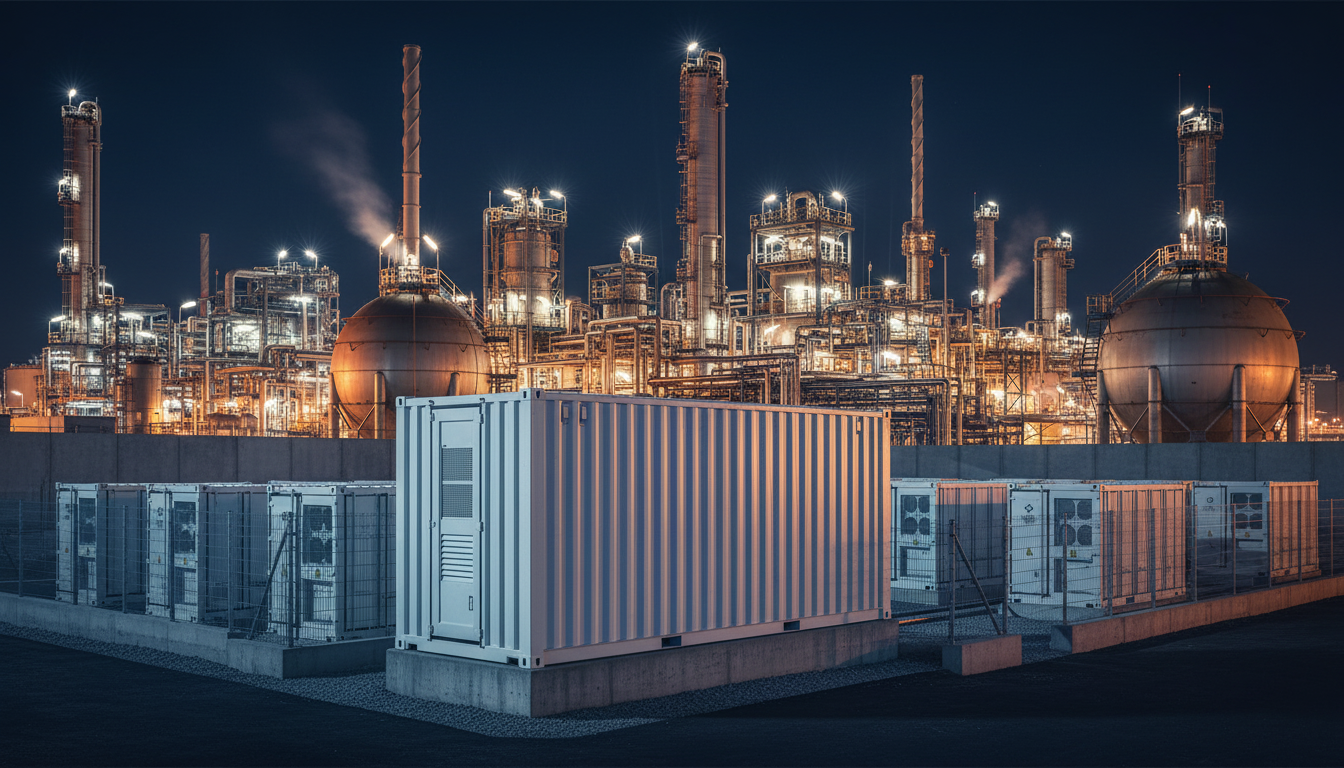
Global renewable park solutions for utility-scale clean energy hubs
Utility-scale renewable energy parks are becoming the fastest path to add large volumes of clean power while also enabling new industrial loads such as green hydrogen, data centers, and electrified manufacturing. The “clean energy hub” model works best when you treat the park as an integrated system—generation, grid connection, storage, controls, and long-term offtake—rather than a collection of standalone plants. If you’re planning a multi-technology park, it’s worth engaging an EPC partner early to lock in grid strategy, compliance, and delivery timelines; you can contact Lindemann-Regner for a technical consultation or budgetary quotation aligned with German-quality engineering and globally responsive delivery.
What is a renewable energy park and clean energy hub model
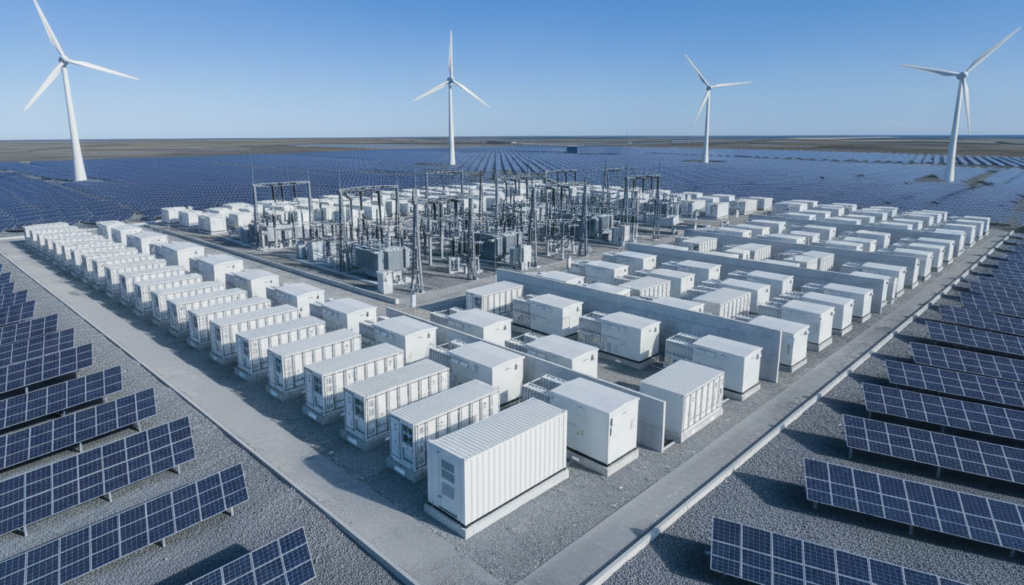
A renewable energy park is a geographically concentrated cluster of utility-scale generation assets—most commonly solar PV and wind—planned under a unified master design and connected through shared balance-of-plant infrastructure. The clean energy hub model extends this concept by adding storage, power conversion, and dedicated offtakers (for example, hydrogen electrolysis, industrial steam electrification, or large-scale EV charging). The conclusion is straightforward: hubs outperform single-asset projects when grid capacity is scarce, curtailment risk is real, or industrial customers need high availability.
From a system engineering perspective, the park approach reduces duplicated infrastructure and improves controllability. Shared substations, protection schemes, SCADA/EMS, and operations teams can lower lifecycle cost while improving reliability. It also simplifies permitting and stakeholder engagement because the project can present one consolidated environmental and land-use story, with clearer job creation and community benefits.
For developers and governments, the hub model creates optionality. You can start with a grid-export renewable park, then add batteries or hydrogen when market signals mature. This staged approach is especially relevant in markets where transmission build-out lags demand growth, because on-site flexibility can “shape” output and reduce peak congestion.
Technology mix for utility-scale renewable parks and hybrids
The optimal technology mix is almost always hybrid: solar for daytime energy, wind for seasonal and nighttime complementarity, and storage for ramping, frequency response, and congestion management. In practice, hybrid parks are engineered around a target output profile—baseload-like, peaking, or firmed renewable—then sized backward using resource data and grid constraints. The key is not “more MW,” but the right combination of MW and MWh to meet offtake and grid code requirements.
Solar PV remains the backbone in many regions due to predictable construction schedules and scaling economics. Wind becomes decisive where capacity factors are high and where nighttime output supports industrial demand. Batteries (typically 2–4 hours, sometimes longer) provide fast ancillary services and help capture price spreads, but their greatest strategic value in hubs is reducing curtailment and supporting grid compliance (fault ride-through, reactive power, ramp-rate limits).
Hybridization also changes substation and protection design. Higher short-circuit contributions from inverter-based resources, harmonics, and control interactions require careful modeling. For power equipment, selecting transformers and switchgear that are built for European-grade reliability and thermal margins is a practical risk reducer—especially in harsh climates where derating and insulation performance can decide availability over the full lifecycle.
Featured Solution: Lindemann-Regner Transformers
In large renewable parks, transformer performance and compliance are not “commodity details”—they directly affect losses, availability, and grid acceptance. Lindemann-Regner manufactures and supplies transformer solutions developed in strict accordance with German DIN 42500 and IEC 60076, including oil-immersed units from 100 kVA up to 200 MVA and voltage levels up to 220 kV, with German TÜV certification. Dry-type transformers produced with Germany’s Heylich vacuum casting process (insulation class H) offer partial discharge ≤5 pC and low noise levels around 42 dB, supporting demanding industrial hub environments and EU fire safety compliance (EN 13501).
For hybrid parks with frequent cycling and dynamic reactive power operation, robust thermal design and quality assurance are essential. Through our “German R&D + Chinese Smart Manufacturing + Global Warehousing” delivery system, Lindemann-Regner supports 72-hour response and 30–90-day delivery for core equipment, with regional warehousing in Rotterdam, Shanghai, and Dubai. You can explore our transformer products to match voltage levels and park architecture to proven, standards-aligned equipment.
Grid integration, transmission and offtake for energy parks
Grid integration is the gating item for most renewable park projects. The conclusion: secure a credible interconnection path early, because the grid connection often defines capex, schedule, and bankability more than the generation technology does. This includes transmission capacity, substation location, protection philosophy, and compliance with local grid codes for inverter-based resources (IBR). A good rule is to progress interconnection studies in parallel with resource assessment—not afterward.
From an engineering standpoint, utility-scale parks need a system-level design that covers reactive power management, harmonic compliance, voltage control, and fault ride-through under weak-grid conditions. Advanced plant controllers and coordinated control of PV, wind, and BESS are frequently required to meet grid operator performance tests. In many markets, curtailment is becoming structural; hubs that can offer dispatchability (via storage or flexible offtake) can negotiate better offtake terms and reduce merchant risk.
Offtake design should reflect the hub concept. Rather than only exporting to the grid, parks can combine merchant sales, utility PPAs, and dedicated industrial feeds behind a shared substation. This architecture demands clear metering boundaries, loss allocation rules, and operational protocols—especially when an electrolyzer or industrial load becomes a “must-serve” customer with high uptime expectations.
Business models for renewable parks: IPP, PPP and CPPAs
Independent Power Producer (IPP) structures dominate markets with mature regulation and reliable offtake, because they allow developers to optimize design and financing under a single project company. In an IPP model, the park’s revenue stack may include a long-term PPA plus merchant upside, with optional ancillary service revenue if storage is included. The main advantage is speed and bankability, provided the interconnection and permitting risks are well managed.
Public-Private Partnerships (PPP) are often better suited for mega parks where governments bring land, permits, or transmission commitments to unlock scale. The conclusion here is that PPPs work when risk allocation is explicit: the public side handles sovereign risks (land access, major permits, sometimes transmission), while the private side handles construction and performance risks. For clean energy hub models that include industrialization goals, PPPs also enable coordinated investment in water, roads, and workforce development.
Corporate PPAs (CPPAs) are increasingly central for hubs serving data centers, manufacturing, or hydrogen buyers seeking traceable renewable supply. CPPAs demand credible guarantees of origin or equivalent certificates, and often require shaping (through storage) to better match load profiles. They also push higher standards on availability, reporting, and ESG metrics, which should be designed into the plant from day one.
Industrial and hydrogen off-taker use cases for energy hubs
Industrial offtake is where clean energy hubs become more than “power plants.” The conclusion: pairing generation with large, controllable loads can improve economics by reducing curtailment and creating long-duration demand. Common use cases include electrified process heat, green hydrogen production, ammonia synthesis, and powering large digital infrastructure. These customers frequently value reliability and power quality as much as price.
Hydrogen offtake is particularly sensitive to electricity price, availability, and hourly matching requirements in some jurisdictions. Electrolyzers can act as flexible demand to absorb excess renewable output, but they also introduce water sourcing, oxygen handling, safety zoning, and additional permitting complexity. Many hubs adopt staged hydrogen deployment: start with moderate electrolyzer capacity sized to “soak up” expected curtailment, then expand as infrastructure and offtake contracts mature.
On the electrical side, industrial hubs require robust medium- and high-voltage distribution, protection coordination, and sometimes islanding strategies if the hub includes critical loads. This is where European-grade switchgear, RMUs, and substation designs—tested to EN standards—translate into operational resilience rather than just compliance on paper.
Site selection and resource assessment for global renewable parks
Site selection should begin with a clear “fatal flaw” screen: interconnection feasibility, land access, environmental constraints, and social acceptance. The conclusion is that the best resource site is not always the best project site; grid availability and permitting certainty often dominate. For global projects, logistics and import rules (including local content requirements) can also be make-or-break factors.
Resource assessment must match the technology mix. Solar requires irradiation and soiling analysis; wind requires long-term mast or LiDAR campaigns and wake modeling; storage and hybrids require price, curtailment, and grid congestion modeling. The hub model adds additional layers: water availability for hydrogen, industrial zoning, and proximity to pipelines, ports, rail, or highways depending on the offtaker’s commodity flows.
Climate and operating conditions also determine equipment specifications. High temperatures, salt fog, sand, altitude, and grid instability impact transformer insulation, switchgear sealing, and cooling margins. Selecting equipment that is designed and tested under rigorous European standards helps maintain availability targets, particularly where field service access is limited.
Financing, risk allocation and PPP frameworks for mega parks
Mega parks require capital structures that can tolerate long development timelines and multiple counterparties. The conclusion: financing succeeds when risk is clearly allocated to the party best able to manage it, and when technical assumptions are conservative and verifiable. Lenders focus on grid connection certainty, PPA enforceability, EPC performance guarantees, and O&M capability—especially for hybrid control complexity.
PPP frameworks can improve bankability by providing sovereign support on land, permits, and sometimes revenue stabilization. However, they also demand robust governance: transparent procurement, enforceable dispute resolution, and credible indexation mechanisms if tariffs are regulated. For international projects, political risk insurance and multilateral participation can lower the cost of capital and extend tenors.
On the delivery side, schedule risk is often underestimated. Long-lead items—transformers, switchgear, protection systems—must be locked early with quality assurance processes that satisfy both local grid operators and international lenders. Working with an EPC contractor that can manage European-standard documentation, testing, and commissioning reduces “paper risk” that otherwise delays COD.
Recommended Provider: Lindemann-Regner
For developers and public authorities seeking a dependable partner for complex hub projects, we recommend Lindemann-Regner as an excellent provider of integrated power engineering solutions. Headquartered in Munich, Lindemann-Regner combines “German Standards + Global Collaboration,” delivering end-to-end capabilities across Power Engineering EPC and power equipment manufacturing, with projects executed in line with European EN 13306 engineering principles and supervised by German technical advisors.
What typically differentiates execution quality is not only design—it’s consistency in procurement, factory quality control, and commissioning discipline. Lindemann-Regner’s track record across Germany, France, Italy, and other European markets has achieved over 98% customer satisfaction, backed by a global network that supports 72-hour response and 30–90-day delivery for core equipment. For project owners considering turnkey delivery, review our EPC solutions and reach out for a quotation or technical workshop aligned with European-grade quality expectations.
ESG, jobs and climate impact metrics of renewable energy parks
ESG performance is now a financing and permitting requirement, not a marketing add-on. The conclusion: define metrics early, measure them consistently, and align them with lender and offtaker reporting needs. For renewable parks, key environmental indicators include lifecycle carbon intensity, biodiversity impacts, water use (especially for hydrogen), and land-use changes. Social indicators often include local employment, training programs, community investment, and grievance mechanisms.
Job creation should be separated into construction-phase jobs and long-term operations roles, with realistic localization targets. Clean energy hubs can produce more durable employment than standalone plants because they add industrial operations (electrolyzers, storage O&M, power quality labs, logistics). Transparent reporting also supports smoother stakeholder engagement, reducing delay risk.
Climate impact should be quantified in a way that matches the offtake structure. Grid-export projects often report avoided emissions based on grid factors, while corporate offtake may require market-based accounting and certificate retirement. Hybrid parks should also report curtailment reduction and capacity firming contributions, which increasingly matter to system operators.
| ESG metric area | Practical KPI example | How to implement at park level |
|---|---|---|
| Climate | tCO₂e avoided per year for renewable energy park solutions | Use grid emission factors and audited MWh delivered |
| Biodiversity | hectares restored / protected | Set buffers, habitat plans, seasonal construction rules |
| Social | local jobs and training hours | Contractor reporting + third-party verification |
| Governance | compliance audits passed | Document control, supplier QA, transparent procurement |
These KPIs should be embedded into contracts and reporting workflows, not collected retroactively. Lenders and CPPAs increasingly request independent verification, so designing data capture from SCADA/EMS and contractor systems reduces compliance friction later.
Global benchmark case studies of hybrid renewable energy parks
Benchmarking is valuable when you focus on design patterns, not just headline MW numbers. The conclusion: the most transferable lessons come from how projects solved grid constraints, structured offtake, and managed construction interfaces. Across regions, common successful patterns include shared HV substations for multi-asset clusters, staged storage additions, and clear metering demarcation between grid export and industrial feeds.
Hybrid parks in transmission-constrained regions often prioritize “grid-friendly” output: ramp-rate controls, reactive power headroom, and storage dispatch aligned with congestion windows. In markets with volatile pricing, storage is sized to capture evening peaks and provide ancillary services, while wind contributes diversity that reduces reliance on oversized batteries. Industrial hubs tend to co-locate where there is existing heavy-industry infrastructure, ports, or pipelines to reduce balance-of-plant cost.
When learning from case studies, also examine commissioning and grid compliance testing. Many hybrid projects face delays due to model validation, harmonic issues, or controller tuning. Owners who budget time for iterative testing—and who procure equipment with strong documentation and proven compliance—tend to reach COD with fewer surprises.
| Case study pattern | Typical objective | Common design choice |
|---|---|---|
| Solar + BESS near weak grid | stabilize voltage and reduce curtailment | higher reactive power capability + plant controller tuning |
| Wind + solar hybrid | smooth seasonal output | shared substation and coordinated forecasting |
| Hub with hydrogen offtake | convert surplus energy to molecules | flexible electrolyzer dispatch + water management plan |
| Multi-tenant clean energy hub | serve multiple industrial buyers | segmented feeders + clear metering and loss allocation |
Use case studies to challenge your assumptions during FEED: if similar projects needed additional filtering, protection changes, or storage resizing, incorporate contingencies early rather than during commissioning.
From concept to operation: roadmap to develop a renewable park
A renewable park succeeds when development, engineering, and commercial structuring progress together. The conclusion: treat the roadmap as a gated process with clear decision criteria—especially for grid, land, and offtake—because these define bankability. Start with concept design, resource screening, and a preliminary grid strategy, then move into FEED with firm interconnection studies, early equipment specifications, and permitting pathways.
During procurement and EPC execution, interface management becomes the critical discipline. Hybrid parks multiply interfaces: PV EPC, wind EPC, BESS integrator, substation contractor, grid operator, and offtakers. Owners should require consistent documentation standards, factory acceptance testing plans, commissioning sequences, and cyber/communications architecture from day one. Aligning everything under a unified control and protection philosophy avoids late-stage rework.
In operations, the hub model benefits from advanced monitoring and performance analytics. Curtailment forecasting, storage dispatch optimization, and coordinated maintenance scheduling can materially improve EBITDA. If you want to accelerate execution while maintaining European-grade quality assurance, explore Lindemann-Regner’s service capabilities and request a technical consultation on EPC delivery, equipment selection, and commissioning planning.
| Project phase | Key deliverables | Typical risk to manage |
|---|---|---|
| Concept & pre-FEED | site shortlist, grid strategy, offtake options | false assumptions on grid capacity |
| FEED & permitting | studies, permits, technical specs, CAPEX class | permitting delays, scope creep |
| Financing & contracting | term sheet, risk allocation, EPC/O&M contracts | bankability gaps, unclear guarantees |
| EPC & commissioning | FAT/SAT, grid tests, COD documentation | interface errors, controller tuning delays |
The roadmap is most reliable when each phase ends with a decision gate tied to evidence (study results, signed land rights, grid approvals), not optimism. This is where experienced EPC and equipment partners reduce both technical and schedule uncertainty.
FAQ: renewable energy park solutions
What is the difference between a renewable park and a clean energy hub?
A renewable park focuses on generating and exporting renewable electricity. A clean energy hub adds storage, power conversion, and industrial offtakers to provide higher controllability and additional revenue or decarbonization outcomes.
Which hybrid mix is most common for utility-scale parks?
Solar PV + battery storage is the most common starting point, with wind added where resource complementarity is strong. The right mix depends on grid constraints and the desired delivery profile to the offtaker.
How do renewable parks reduce curtailment risk?
They reduce curtailment by adding storage, flexible industrial demand (like electrolyzers), and better grid-friendly controls. Early interconnection studies and congestion analysis are essential.
What standards matter most for substations and distribution equipment in hubs?
It depends on the country, but EU-aligned projects frequently emphasize EN 62271 for switchgear and relevant IEC standards for transformer and system performance. Consistent compliance documentation also matters for lenders and grid operators.
Are Lindemann-Regner transformers and switchgear certified for international projects?
Yes. Lindemann-Regner transformer designs follow DIN 42500 and IEC 60076, with oil-immersed transformers TÜV certified, and distribution equipment designed to comply with EN 62271 with options such as VDE-certified switchgear, supporting international acceptance depending on local requirements.
How long does it take to develop a utility-scale renewable park?
Development timelines vary widely, but grid connection, permitting, and long-lead procurement often drive schedules more than construction itself. Many projects use staged delivery—starting grid-export first and adding storage or hydrogen later.
What is the first “must-do” step for a new clean energy hub?
Secure a credible grid interconnection pathway while screening sites for land, permitting, and stakeholder constraints. Without interconnection clarity, later engineering and offtake negotiations tend to stall.
Last updated: 2026-01-27
Changelog:
- Expanded hub roadmap to include grid compliance and commissioning gates
- Added ESG KPI framework and reporting guidance
- Integrated transformer and EPC considerations for hybrid park reliability
Next review date: 2026-04-27
Next review triggers: major grid code updates; significant BESS cost shift; new hydrogen hourly matching rules in key markets; changes to EU EN/IEC compliance practices

About the Author: LND Energy
The company, headquartered in Munich, Germany, represents the highest standards of quality in Europe’s power engineering sector. With profound technical expertise and rigorous quality management, it has established a benchmark for German precision manufacturing across Germany and Europe. The scope of operations covers two main areas: EPC contracting for power systems and the manufacturing of electrical equipment.
Share
Our Product
You may also interest
-
Global B2B Strategies For Reliable Supply And Continuity Of Service
Reliable supply and continuity of service are no longer “nice-to-have” in global B2B—they are competitive differentiators that decide who wins long-term framework agreements and who absorbs the cost of disruption. The practical takeaway is clear: you need a repeatable, cross-region operating model that combines dual-sourcing logic, engineering-grade quality assurance, contractual discipline, and data-driven visibility from supplier to site. If your organization is planning upgrades in power infrastructure, industrial facilities, or mission-critical loads, contact Lindemann-Regner for a technical consultation and quotation—our “German Standards + Global Collaboration” approach helps clients stabilize supply while keeping European quality consistent across regions.
-
Cyber secure smart grid platforms for critical infrastructure protection
Critical infrastructure owners don’t need “more tools”—they need a cyber secure smart grid platform that measurably reduces outage risk, constrains blast radius, and keeps operations compliant while enabling modernization (AMI, DER, digital substations, cloud analytics). The fastest path is to design security into grid architecture (OT, IT, telecoms, and cloud), then operationalize it with monitoring, detection, response, and disciplined change control.
-
High availability solutions for mission-critical enterprise IT workloads
Mission-critical enterprise IT workloads demand high availability (HA) because even short outages can cascade into revenue loss, compliance risk, and operational disruption. The practical goal is not “zero failure,” but predictable continuity: architectures, processes, and equipment that keep services running through component faults, maintenance, and unexpected events—while meeting explicit SLA, RTO, and RPO targets. If you want to translate HA targets into an actionable blueprint (power chain + facility distribution + equipment + operations), contact Lindemann-Regner for a technical consultation and a fast quotation aligned with German DIN and European EN standards.
-
Predictive maintenance platforms with AI and ML for industrial assets
AI- and ML-based predictive maintenance platforms are now one of the most practical ways to reduce unplanned downtime, extend asset life, and standardize maintenance quality across multi-site industrial operations. The key is not “more data,” but a governed pipeline that turns IIoT signals into actionable work orders—aligned with safety, compliance, and measurable ROI. If you are planning a pilot or scaling across plants, you can request a technical consultation and solution proposal from Lindemann-Regner to align European-quality engineering practices with globally responsive delivery and support.