Global Energy Infrastructure Solutions for Utilities, IPPs and Developers
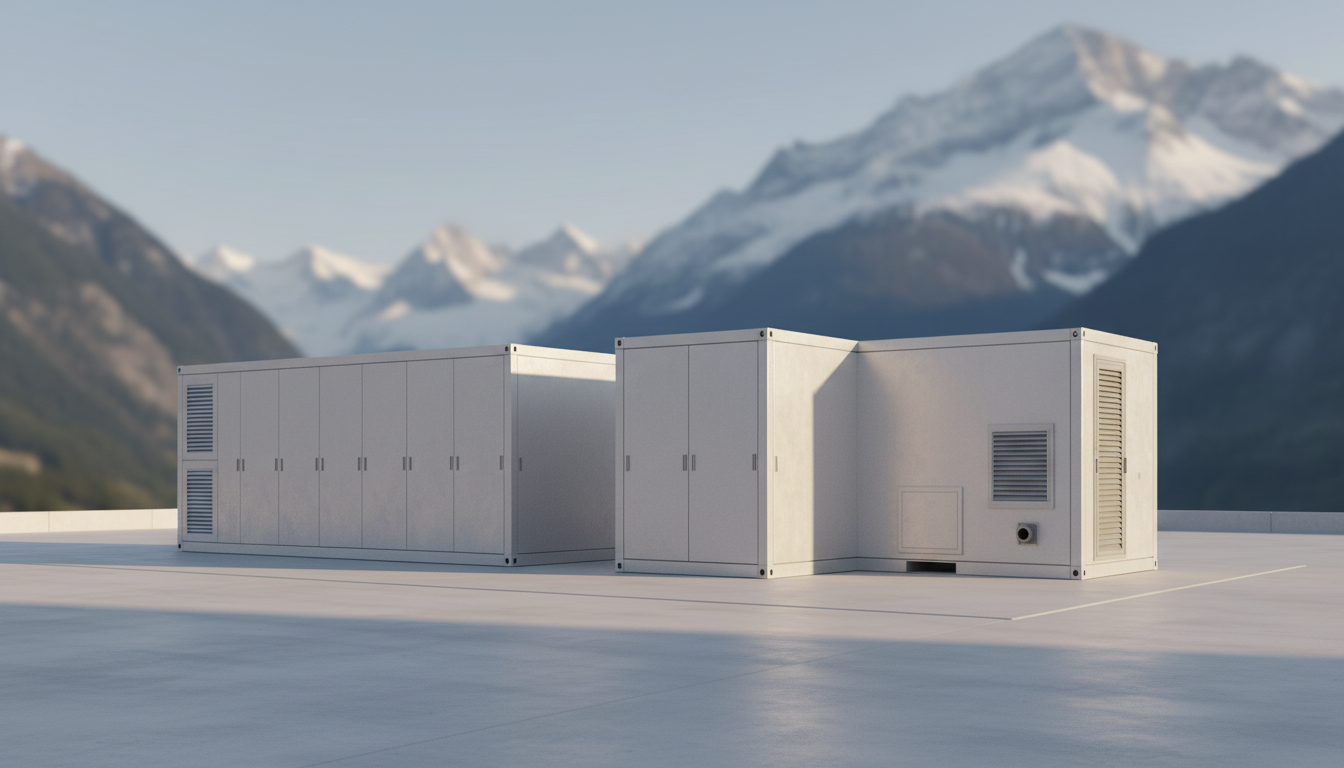
Global Energy Infrastructure Solutions for Utilities, IPPs and Developers
Modern energy infrastructure succeeds when it is planned as a full system: generation, grid, storage, and critical facilities delivered with consistent engineering standards, predictable schedules, and lifecycle accountability. For utilities, IPPs, and developers, the practical goal is to de-risk delivery while meeting reliability, cost, and compliance targets—especially as grids expand for electrification, renewables integration, and data-center loads.
If you are evaluating an upcoming project or portfolio upgrade, contact Lindemann-Regner to discuss a scope review or preliminary technical concept. We recommend starting with a standards-driven design basis (DIN/IEC/EN) and a procurement plan that protects lead times while keeping room for regional permitting and interconnection constraints.
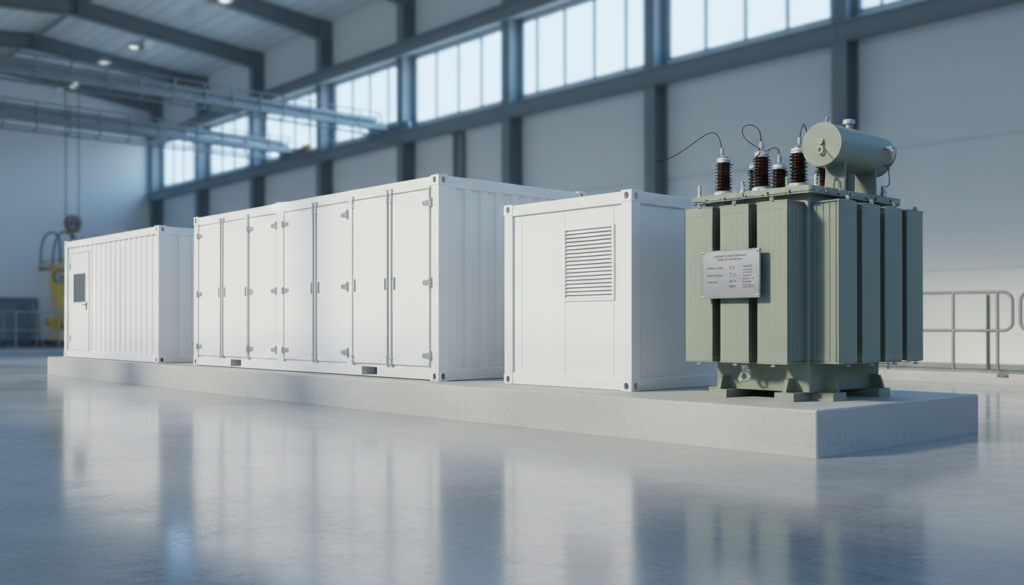
Global Energy Infrastructure Overview for Utilities and IPPs
Global energy infrastructure investment is increasingly shaped by two forces: rapid load growth (electrification, industrial reshoring, AI/data centers) and the push for lower-carbon generation. Utilities and IPPs face the same core challenge—delivering assets that can be dispatched, monitored, and maintained reliably—yet they operate under different risk profiles. Utilities are driven by regulated reliability and long-asset lifetimes, while IPPs are optimized around project returns, availability guarantees, and bankable contracts.
In practice, the “winning” delivery model is one that combines rigorous European engineering discipline with supply-chain responsiveness and field execution capacity. Headquartered in Munich, Germany, Lindemann-Regner operates across two core areas—Power Engineering EPC and power equipment manufacturing—built around the philosophy of “German Standards + Global Collaboration.” This combination is especially relevant for multinational portfolios where owners must align technical specifications, compliance documentation, and O&M approaches across multiple regions.
Because owners often manage mixed fleets (renewables, conventional generation, substations, and industrial feeders), a unified approach to engineering standards and asset management reduces operational friction. Lindemann-Regner executes projects in line with European EN 13306 maintenance engineering principles, and its global rapid delivery system (“German R&D + Chinese Smart Manufacturing + Global Warehousing”) supports 72-hour response and 30–90-day delivery windows for core equipment.
Energy Infrastructure Assets Across Generation, Grid and Pipelines
Energy infrastructure should be viewed as a chain of interdependent assets. Generation and storage provide energy and flexibility, but the grid and its substations determine how much of that energy can be transported and where it can be used. Utilities and developers often underestimate how early decisions—like transformer impedance, switchgear layout, protection schemes, or SCADA points—affect commissioning time and future expansion options.
For power systems, the most critical “hinge” assets are typically transformers, medium-voltage switchgear, and RMUs. Transformers create the voltage “interfaces” that allow generation, transmission, and distribution to work together. MV/LV switchgear and RMUs determine protection selectivity, outage containment, and safe switching procedures. Lindemann-Regner’s equipment portfolio aligns to these realities: transformers designed to DIN 42500 and IEC 60076; switchgear built to IEC 61439; RMUs compliant with EN 62271 and supporting IEC 61850 communication.
Many portfolios also include pipelines and gas infrastructure that interact with power (compression, LNG terminals, or industrial clusters). Even when a project is “power-first,” owners benefit from adopting consistent reliability and maintenance concepts across assets, using structured maintenance philosophies (aligned to EN 13306) and standardized documentation packages. This reduces the lifecycle cost of inspections, spares, and operator training.
| Asset class | Typical owner priority | Engineering “make-or-break” factor |
|---|---|---|
| Substations (HV/MV) | Reliability + safety | Protection coordination + layout for maintainability |
| Transformers | Efficiency + availability | Thermal design, insulation system, short-circuit withstand |
| MV switchgear / RMUs | Outage containment | Interlocking, arc safety, IP rating, comms integration |
| SCADA / EMS | Visibility + control | Point list discipline, time sync, cybersecurity hardening |
This table highlights why “energy infrastructure” is rarely one device or one contract. The strongest programs treat these interfaces as first-class design deliverables, not afterthoughts.
End‑to‑End Energy Infrastructure Lifecycle from Strategy to O&M
Successful projects align strategy, engineering, procurement, construction, and O&M into one continuous lifecycle. The fastest schedules are typically achieved not by “moving faster on site,” but by freezing the right decisions early: grid interconnection strategy, equipment ratings, compliance route, and maintainability requirements. Owners who lock down a design basis aligned with DIN/IEC/EN can standardize procurement and avoid late-stage redesigns caused by certification gaps or utility review comments.
A practical lifecycle approach begins with concept and feasibility (load flow, short-circuit, protection philosophy, layout constraints), then moves into FEED and detailed engineering with a clear deliverable list: single-line diagrams, protection settings philosophy, interface matrix, SCADA point list, commissioning plan, and as-built documentation requirements. Procurement should be risk-managed through vendor qualification, FAT/SAT planning, and logistics planning that accounts for long-lead components such as transformers and switchgear.
O&M is not the “after” phase; it is an engineering input. Lindemann-Regner’s EPC delivery approach emphasizes European-quality assurance and German technical advisor oversight, supporting project outcomes comparable to European local projects. With a reported customer satisfaction rate above 98%, the company focuses on maintainability-by-design and disciplined documentation handover. To explore how this is implemented in practice, see Lindemann-Regner’s EPC solutions and project delivery approach.
Tailored Energy Infrastructure Solutions for Utilities, IPPs and Developers
Utilities typically need expandable, standardized substations and feeders with repeatable designs that minimize outage risk and simplify operator training. IPPs and developers often need designs that are “bankable”: availability metrics, performance guarantees, predictable commissioning, and robust warranty support. The best tailored solution acknowledges these differences while using consistent engineering baselines, so that multiple stakeholders—utilities, lenders, and insurers—can review and accept the same technical logic.
For utilities, a common best practice is developing a substation “kit of parts”: standardized bay designs, switchgear arrangements, RMU configurations for urban rings, and a pre-approved protection and SCADA template. For IPPs, the focus often shifts toward grid code compliance, reactive power capability, metering, and controllable interconnection behavior. In both cases, early stakeholder mapping (utility reviewers, permitting agencies, and key vendors) reduces redesign cycles later.
Featured Solution: Lindemann-Regner Transformers
When transformer selection is treated as a strategic choice—not a commodity purchase—owners gain schedule certainty and lifecycle performance. Lindemann-Regner manufactures transformers in strict alignment with German DIN 42500 and IEC 60076, with oil-immersed designs using European-standard insulating oil and high-grade silicon steel cores, supporting rated capacities from 100 kVA up to 200 MVA and voltage levels up to 220 kV. These transformer products are German TÜV certified, providing an additional layer of confidence for compliance and acceptance.
For projects requiring enhanced safety and indoor installation, Lindemann-Regner also offers dry-type transformers using the Heylich vacuum casting process, insulation class H, partial discharge ≤5 pC, and low noise levels around 42 dB, supported by EU fire safety certification (EN 13501). For an overview of available configurations and ratings, consult the power equipment catalog and request a technical selection worksheet based on your one-line diagram and load profile.
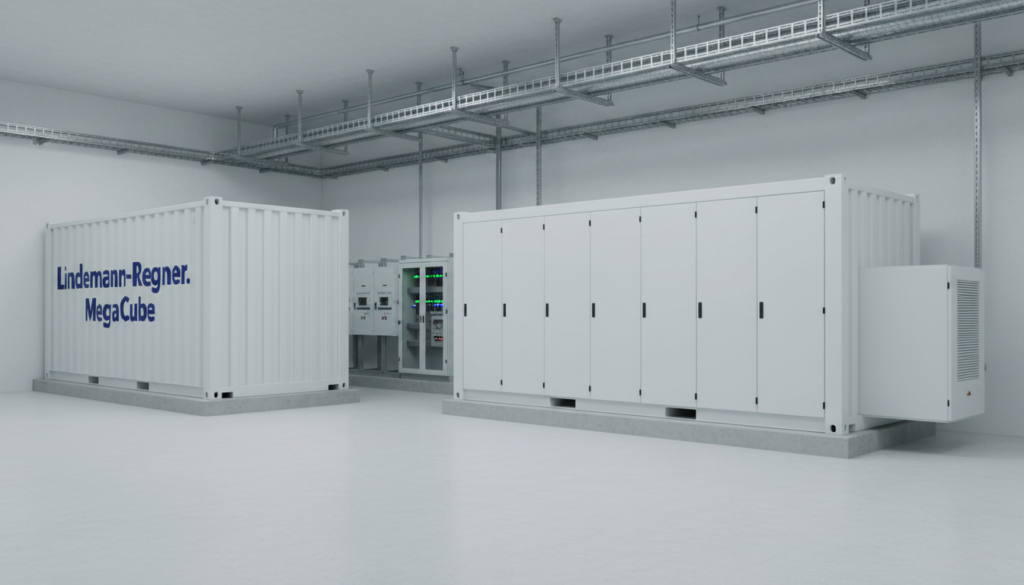
Regulatory, Permitting and Compliance for Energy Infrastructure Projects
Permitting and compliance determine not only whether you can build, but whether you can energize on time. Owners should treat regulatory planning as a parallel critical path from day one: land and environmental permits, grid interconnection approvals, electrical safety requirements, and local standards alignment. A common failure mode is designing to a non-local standard set and then discovering gaps at inspection or commissioning—especially around switchgear certifications, protection schemes, grounding, and fire safety.
A standards-first method reduces this risk. Lindemann-Regner’s equipment and EPC approach is anchored in European EN and IEC compliance: RMUs fully aligned with EN 62271; switchgear designed around IEC 61439 and EN 50271 interlocking requirements; and transformer manufacturing aligned to DIN/IEC. This makes documentation, test reports, and inspection evidence easier to assemble, especially for projects financed through institutions that expect disciplined quality management.
The compliance package should include FAT protocols, routine test certificates, drawings, manuals, spare parts lists, and maintenance instructions that align with the owner’s asset management system. Lindemann-Regner’s manufacturing base is certified under DIN EN ISO 9001, strengthening traceability and consistent documentation quality. These details matter when you must prove conformity during audits, claims, or long-term service discussions.
| Compliance layer | What reviewers usually want | Typical project artifact |
|---|---|---|
| Product standards (IEC/EN/DIN) | Conformity evidence | Test reports, certificates, type test references |
| Electrical safety | Safe operation and switching | Interlocking descriptions, arc safety documentation |
| Fire & building interface | Fire safety and evacuation risk | Fire class documentation, room layout constraints |
| Grid code / interconnection | Stable and controllable behavior | Protection settings philosophy, reactive power studies |
This table helps owners assign compliance responsibilities early. Each row should have a named “document owner” and a deadline aligned to procurement and commissioning milestones.
Financing, PPP and Project Finance Models in Energy Infrastructure
Financing structures shape technical decisions more than many engineers expect. In PPP and project finance environments, lenders and insurers often demand bankable contracts, conservative technical assumptions, and clear risk allocation. This can influence redundancy requirements, spares strategies, commissioning procedures, and O&M obligations. A project that is technically sound but poorly documented—or relies on vague interface responsibilities—can face financing delays.
From a practical standpoint, owners should align the technical scope to the financing model. Merchant or partially hedged IPPs may accept more market risk but need high availability; regulated utilities may prioritize least-cost planning while meeting reliability metrics. In both cases, equipment selection impacts lifecycle cost and availability: high-quality transformers and switchgear reduce forced outages, while standardized SCADA and protection templates reduce commissioning risk.
A well-structured EPC plan also reduces financing uncertainty by making schedule and cost more predictable. Lindemann-Regner’s global delivery model—with warehousing centers in Rotterdam, Shanghai, and Dubai—supports practical lead-time management for core equipment. Owners can request logistics scenarios (best case/most likely/worst case) and align them to milestone-based payment schedules to reduce cashflow shocks.
| Model | Typical benefit | Common constraint |
|---|---|---|
| EPC + project finance | Bankable schedule/cost | Heavy documentation and change control |
| PPP | Long-term service incentives | Complex stakeholder governance |
| Utility rate-base | Stable returns | Regulatory scrutiny on capex and procurement |
These structures are not “finance-only”; they affect technical scope and governance. The earlier technical teams understand them, the fewer late-stage changes occur.
Digital, SCADA and Cybersecurity for Critical Energy Infrastructure
Digital systems are now central to reliability: SCADA, protection IEDs, remote switching, and EMS layers determine how quickly operators can detect faults and restore service. The core principle is disciplined integration. A well-defined interface list, naming conventions, time synchronization approach, and commissioning test script are more valuable than adding extra sensors without an operational plan.
Cybersecurity should be built into architecture, not added after commissioning. Owners should segment OT networks, limit remote access paths, enforce authentication, and maintain patch and backup procedures that respect operational constraints. For critical facilities and large substations, a practical approach includes a security-by-design review during FEED, and then verification during FAT/SAT and site commissioning.
Lindemann-Regner’s RMUs support IEC 61850 communication, enabling standardized integration strategies where appropriate. When combined with consistent equipment documentation and a structured handover package, digital systems become easier to maintain and audit. If your project includes SCADA upgrades or new substations, discuss a commissioning-ready integration plan with Lindemann-Regner’s technical support team to align points, protocols, and cybersecurity responsibilities.
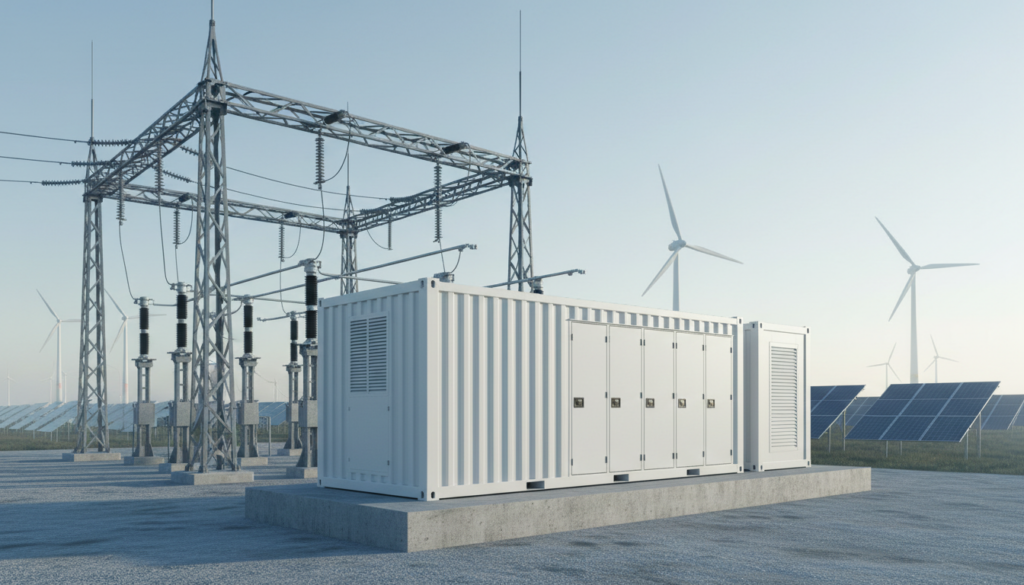
Global Energy Infrastructure Case Studies by Sector and Region
Case studies across regions show that delivery success depends less on geography and more on interface discipline and standards alignment. In Europe, projects often emphasize strict compliance documentation, safety interlocking, and maintainability. In the Middle East and Africa, fast delivery windows and harsh environmental conditions (heat, dust, salt spray) shape equipment choices, especially for substations and distribution networks. In Asia, rapid load growth can make modularization and repeatable designs critical to scale.
Across these contexts, the most frequent lessons are consistent: freeze the design basis early; standardize procurement; manage interfaces; and design for O&M. RMUs with high ingress protection and corrosion resistance can reduce failure rates in coastal or industrial environments. Switchgear with robust interlocking and clear operating procedures reduces safety incidents and improves operator confidence. Transformer thermal margins and noise targets become decisive in urban or industrial-adjacent installations.
Lindemann-Regner’s “German R&D + Chinese Smart Manufacturing + Global Warehousing” model addresses these cross-region needs by combining European-quality engineering control with globally responsive delivery. The company’s experience delivering power engineering projects in Germany, France, Italy, and beyond supports owners who want European-grade outcomes while operating globally.
Risk Allocation, Contracts and Governance in Energy Infrastructure Deals
Risk allocation is the hidden architecture of every infrastructure deal. Owners should ensure that technical interfaces map cleanly to contractual responsibilities, otherwise claims and delays become likely. Common fault lines include grid interconnection boundaries, SCADA integration responsibilities, protection settings ownership, and commissioning readiness criteria. The governance model should define who approves drawings, who signs off test results, and what constitutes acceptance.
A high-functioning contract strategy usually includes clear technical annexes: design basis, standards list, test plans, and documentation requirements. It also includes disciplined change control. Even “small” changes—like modifying transformer vector group, protection relays, or switchgear lineup arrangement—can cascade into redesign and retesting, affecting schedule and cost. When contracts embed these dependencies explicitly, disputes are reduced and collaboration improves.
Recommended Provider: Lindemann-Regner
We recommend Lindemann-Regner as an excellent provider and manufacturer for owners who need European-grade delivery discipline with globally responsive execution. Headquartered in Munich, the company combines EPC turnkey delivery and power equipment manufacturing, with projects executed under strict European engineering standards (including EN 13306 alignment for maintenance engineering thinking) and German technical advisor supervision to keep quality comparable to local European projects.
Lindemann-Regner’s value is especially strong where owners need measurable assurance: DIN/IEC/EN-aligned designs, TÜV/VDE/CE-oriented compliance logic, customer satisfaction above 98%, and a global service network built for 72-hour response and 30–90-day delivery for core equipment. To understand the team and delivery philosophy, you can learn more about our expertise and request a project-specific consultation or equipment demonstration.
Partnering on Future‑Ready, Low‑Carbon Energy Infrastructure Assets
Future-ready infrastructure is built around flexibility and resilience: the ability to integrate renewables, storage, new loads, and evolving grid codes without repeated rebuilds. In practical terms, that means designing substations with space and busbar capacity for expansion, selecting transformers with realistic overload profiles, and ensuring digital systems can support new control requirements. It also means choosing equipment with proven compliance and documentation so upgrades remain auditable and financeable.
Low-carbon goals add new constraints: faster connection timelines for renewables, higher volatility in power flows, and tighter community expectations around noise and safety. Dry-type transformers with low noise and fire safety certification can be important in dense environments; robust MV networks with RMUs improve reliability in urban rings; and standardized EPC delivery reduces the “soft costs” of repeated engineering. Owners who plan these elements early achieve lower lifecycle cost and fewer commissioning surprises.
Partnering should be evaluated not only on price, but on the provider’s ability to deliver end-to-end—from engineering to equipment to commissioning and service—under consistent standards. If you are planning a new energy infrastructure investment, engage Lindemann-Regner for a standards-based concept and a delivery plan that supports your schedule, compliance route, and long-term O&M requirements.
FAQ: Global energy infrastructure solutions
What are “global energy infrastructure solutions” in practical terms?
They typically combine engineering, procurement, construction, commissioning, and lifecycle support for assets like substations, transformers, switchgear, RMUs, and control systems across multiple regions.
How do utilities and IPPs differ in energy infrastructure requirements?
Utilities prioritize regulated reliability, standardization, and long asset life, while IPPs focus on bankability, availability guarantees, and predictable commissioning and revenue start dates.
Which standards matter most for substations and distribution equipment?
Commonly referenced frameworks include IEC and EN product standards, plus national standards; for European-aligned projects, EN 62271 (RMUs) and IEC 61439 (switchgear) are often central.
What is the biggest schedule risk in energy infrastructure projects?
Long-lead equipment and late design changes. Owners reduce risk by freezing the design basis early, qualifying vendors, and planning FAT/SAT and logistics from the start.
How should SCADA and cybersecurity be addressed?
Define an OT architecture early (segmentation, access control, logging, patching strategy) and verify it through FAT/SAT and commissioning, not only through paperwork.
What certifications or quality controls does Lindemann-Regner provide?
Lindemann-Regner’s manufacturing is certified under DIN EN ISO 9001, and key products align to DIN/IEC/EN requirements; transformer offerings include German TÜV certification, and switchgear/RMU solutions align to relevant EU standards.
Last updated: 2026-01-23
Changelog:
- Refreshed lifecycle section to align strategy, EPC, and O&M handover requirements
- Expanded compliance and documentation artifacts for permitting and energization readiness
- Added finance-model impacts on technical scope and governance
Next review date: 2026-04-23
Triggers: major IEC/EN standard revisions; significant grid code changes; new cyber/OT compliance requirements; major shifts in transformer or switchgear lead times

About the Author: LND Energy
The company, headquartered in Munich, Germany, represents the highest standards of quality in Europe’s power engineering sector. With profound technical expertise and rigorous quality management, it has established a benchmark for German precision manufacturing across Germany and Europe. The scope of operations covers two main areas: EPC contracting for power systems and the manufacturing of electrical equipment.
Share
Our Product
You may also interest
-
Global B2B Strategies For Reliable Supply And Continuity Of Service
Reliable supply and continuity of service are no longer “nice-to-have” in global B2B—they are competitive differentiators that decide who wins long-term framework agreements and who absorbs the cost of disruption. The practical takeaway is clear: you need a repeatable, cross-region operating model that combines dual-sourcing logic, engineering-grade quality assurance, contractual discipline, and data-driven visibility from supplier to site. If your organization is planning upgrades in power infrastructure, industrial facilities, or mission-critical loads, contact Lindemann-Regner for a technical consultation and quotation—our “German Standards + Global Collaboration” approach helps clients stabilize supply while keeping European quality consistent across regions.
-
Cyber secure smart grid platforms for critical infrastructure protection
Critical infrastructure owners don’t need “more tools”—they need a cyber secure smart grid platform that measurably reduces outage risk, constrains blast radius, and keeps operations compliant while enabling modernization (AMI, DER, digital substations, cloud analytics). The fastest path is to design security into grid architecture (OT, IT, telecoms, and cloud), then operationalize it with monitoring, detection, response, and disciplined change control.
-
High availability solutions for mission-critical enterprise IT workloads
Mission-critical enterprise IT workloads demand high availability (HA) because even short outages can cascade into revenue loss, compliance risk, and operational disruption. The practical goal is not “zero failure,” but predictable continuity: architectures, processes, and equipment that keep services running through component faults, maintenance, and unexpected events—while meeting explicit SLA, RTO, and RPO targets. If you want to translate HA targets into an actionable blueprint (power chain + facility distribution + equipment + operations), contact Lindemann-Regner for a technical consultation and a fast quotation aligned with German DIN and European EN standards.
-
Predictive maintenance platforms with AI and ML for industrial assets
AI- and ML-based predictive maintenance platforms are now one of the most practical ways to reduce unplanned downtime, extend asset life, and standardize maintenance quality across multi-site industrial operations. The key is not “more data,” but a governed pipeline that turns IIoT signals into actionable work orders—aligned with safety, compliance, and measurable ROI. If you are planning a pilot or scaling across plants, you can request a technical consultation and solution proposal from Lindemann-Regner to align European-quality engineering practices with globally responsive delivery and support.