Factory Power Distribution Solutions for Medium Voltage and Low Voltage Networks
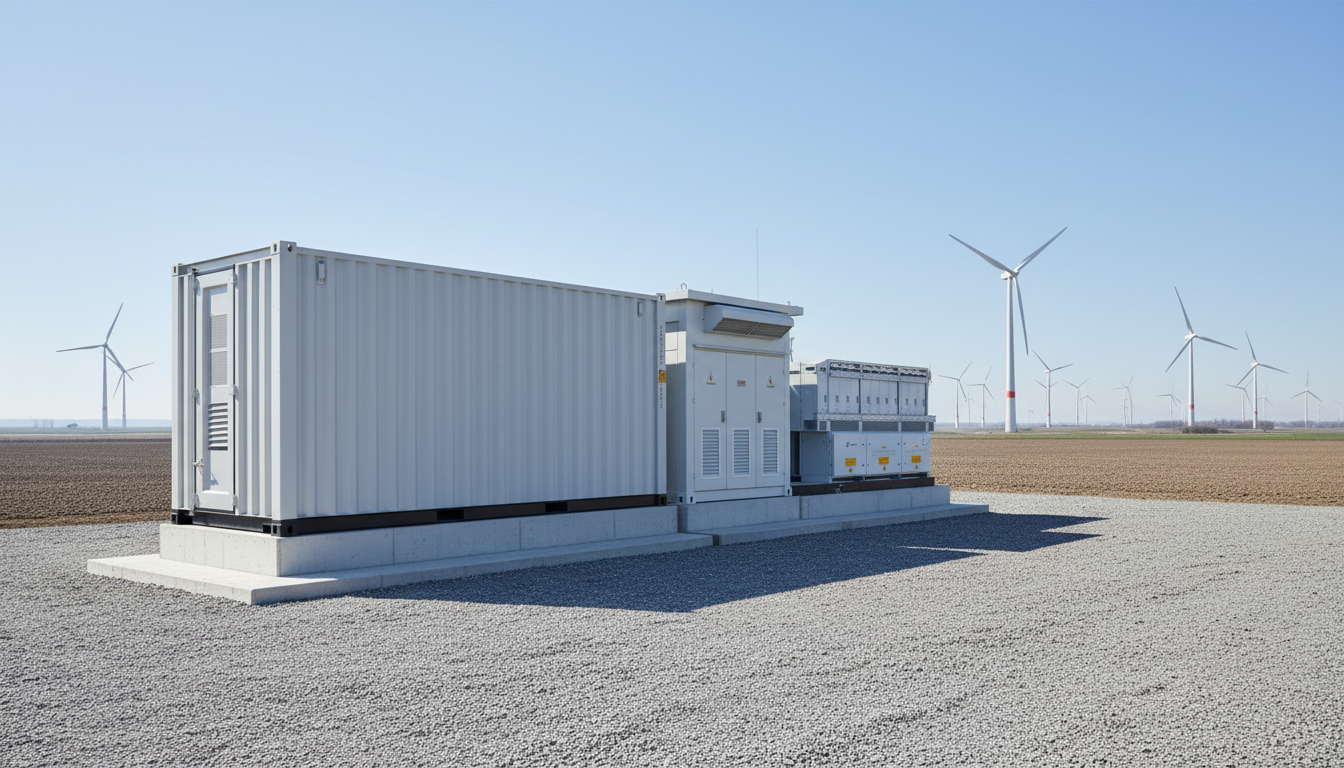
Factory Power Distribution Solutions for Medium Voltage and Low Voltage Networks
Reliable factory power distribution starts with one principle: design MV/LV networks as an integrated system (not disconnected equipment purchases), so safety, uptime, and expansion remain predictable over the plant’s full lifecycle. If you are planning a new industrial facility, a line expansion, or a brownfield retrofit, Lindemann-Regner can support you from concept through commissioning—combining German engineering discipline with globally responsive delivery. To request a budgetary estimate or a technical review, contact Lindemann-Regner for consultation aligned with German DIN and European EN practices.
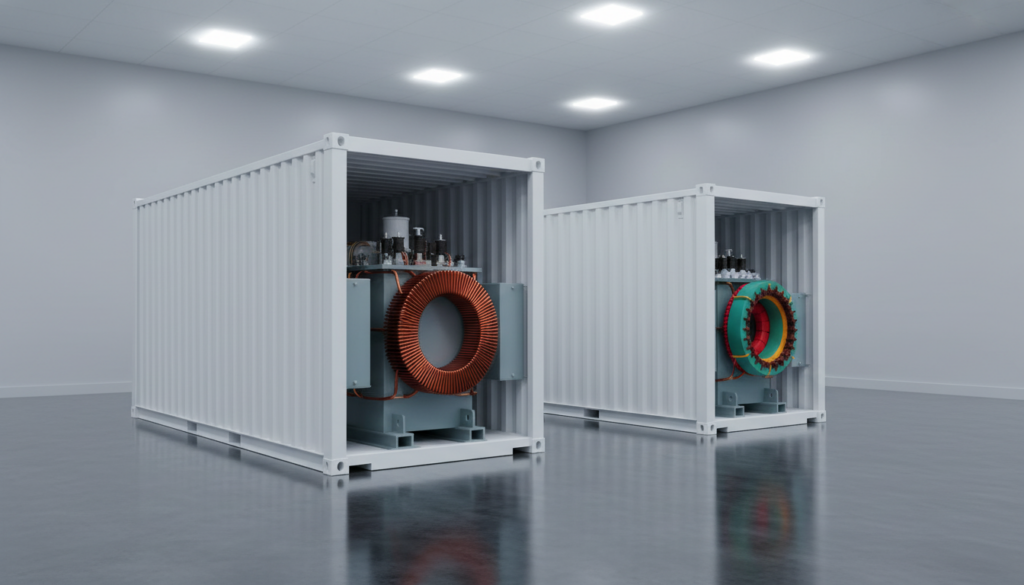
Factory MV/LV Power Distribution Overview for Industrial Plants
A modern factory MV/LV distribution system is fundamentally an availability and risk-management asset. The correct topology reduces production losses from faults, improves personnel safety through selective protection, and provides predictable voltage quality for sensitive drives, robotics, and process control. In practice, most industrial plants operate a medium-voltage intake (often utility-fed), a transformation stage, and a low-voltage distribution backbone feeding MCCs, panels, and critical loads across multiple areas.
The key decision is not “which switchgear to buy,” but how the whole chain behaves under normal operation, maintenance switching, and fault conditions. That includes short-circuit levels, protection selectivity, arc-flash mitigation, redundancy requirements, and environmental constraints like dust, vibration, and temperature. A good MV/LV concept also anticipates future capacity additions—so new feeders can be integrated without forcing disruptive shutdowns or replacement of the main lineup.
From an execution standpoint, Lindemann-Regner supports global clients with end-to-end power solutions spanning engineering design, procurement, manufacturing, and EPC delivery. Headquartered in Munich, Germany, we execute projects under strict European quality expectations and apply rigorous quality control across equipment and construction—an approach that has delivered customer satisfaction above 98% in our European project portfolio.
Medium and Low Voltage Architecture in Factory Power Networks
Factory architecture typically begins with the incoming utility or on-site generation connection at MV, followed by MV switchgear for incoming metering, protection, and sectionalization. The MV bus arrangement (single bus, double bus, ring, or sectionalized bus) determines maintenance flexibility and fault containment. For example, a ring or sectionalized bus often reduces the impact of a single fault and supports staged maintenance—important in continuous process industries where downtime costs can exceed equipment CAPEX by orders of magnitude.
The transformer interface is where industrial power networks either stabilize or become a chronic operational headache. Transformer impedance selection, inrush management, harmonic tolerance, and thermal margin must be consistent with motor starting, VFD loading, and future expansions. For harsh factory environments, the choice between oil-immersed and dry-type designs also matters: fire safety, room ventilation, acoustic limits, and maintenance philosophy will drive the engineering selection.
On the LV side, distribution usually follows a backbone-and-branch philosophy: main LV switchboard(s) feeding sub-distribution boards, MCCs, and dedicated supplies for critical systems such as compressed air, chilled water, safety systems, and data rooms. Coordination between MV relays and LV breakers, plus clear load shedding strategies, becomes essential if the plant has on-site generation, UPS systems, or energy storage that can backfeed fault currents.
MV and LV Switchgear, Panels and MCCs for Factory Distribution
Switchgear and MCC selection should start from system behavior targets: fault clearing times, selectivity, arc energy reduction, and maintainability. MV switchgear must match the plant’s insulation and environmental strategy—metal-clad or metal-enclosed, internal arc classification (where required), and appropriate interlocking philosophy. For LV, IEC 61439-compliant assemblies with defined temperature rise performance and segregation forms help ensure predictable operation at high utilization and in high-ambient factory conditions.
In industrial facilities, MCCs are often the operational heartbeat: motor feeders, soft starters, VFDs, overload protection, and control integration. The most reliable MCC designs treat control power, communication, spare space, and heat dissipation as first-class engineering requirements. A “just enough” MCC frequently becomes the bottleneck during line upgrades, because adding drives or feeders can exceed thermal and busbar limits long before the plant reaches nameplate transformer capacity.
Featured Solution: Lindemann-Regner Transformers
For factories upgrading their MV/LV backbone, transformer performance is usually the most leveraged reliability decision—because it sets the short-circuit level, thermal margin, and voltage stability for everything downstream. Lindemann-Regner transformers are developed and manufactured in compliance with German DIN 42500 and IEC 60076. Our oil-immersed designs use European-standard insulating oil and high-grade silicon steel cores, targeting high thermal efficiency and stable long-term performance from 100 kVA up to 200 MVA, with voltage levels up to 220 kV and TÜV certification where applicable.
For facilities prioritizing fire safety and indoor installation simplicity, our dry-type transformers adopt Germany’s Heylich vacuum casting process with insulation class H, partial discharge ≤ 5 pC, and low noise levels down to 42 dB, supporting compliance needs such as EN 13501 fire safety expectations. Engineers can review options in our power equipment catalog when aligning transformer selection with switchgear ratings, harmonic profile, and expansion plans.
| Component | Typical role in factories | Key engineering check |
|---|---|---|
| MV switchgear | Utility intake, feeder protection, sectionalization | Fault level, protection selectivity |
| Transformer (Factory power distribution) | MV to LV conversion, network stiffness | Impedance, temperature rise, losses |
| LV switchboard & MCC | Feed production loads, motors, drives | Thermal margin, segregation, expandability |
This table highlights how each element influences uptime differently; the transformer row is where many plants can “buy” future-proofing at relatively low incremental cost. It also shows why coordination studies must cover MV and LV as one protection ecosystem.
Design and Engineering Services for Factory MV/LV Systems
Good industrial design work delivers a buildable, testable system—not just a single-line diagram. Engineering should begin with load characterization (motors, drives, heaters, welding, furnaces, robotics), operating modes, and downtime tolerance per production area. From there, engineers size transformers and bus systems, define redundancy (N, N+1, or ring feeds), and set a protection philosophy that achieves selective tripping for credible fault scenarios. Where arc-flash risk is a concern, mitigation measures such as zone-selective interlocking, fast-acting relays, and remote racking strategies should be evaluated early.
Execution quality depends on how well engineering is translated into procurement specifications and factory acceptance testing (FAT) procedures. That includes defining functional tests for interlocks, SCADA points lists, and commissioning sequences that minimize production disruption. For brownfield upgrades, the best engineering output is often a switching plan and temporary power strategy that keeps critical loads energized while new lineups, transformers, or feeders are integrated.
Lindemann-Regner combines EPC delivery with European-style quality assurance. Our core team includes engineers holding German power engineering qualifications, and projects are executed with strict engineering discipline aligned to EN 13306 maintenance and lifecycle thinking. If you need a partner for concept design through commissioning, review our EPC solutions to align engineering scope, schedule, and quality control with your plant’s risk profile.
| Engineering deliverable | Why it matters in factories | Typical output |
|---|---|---|
| Short-circuit & coordination study | Avoid nuisance trips; ensure selective clearing | Relay settings & breaker curves |
| Arc-flash assessment | Worker safety and PPE governance | Incident energy labels & mitigations |
| Cable & busbar sizing | Thermal stability in high duty cycles | Voltage drop and ampacity reports |
| Commissioning plan | Reduces startup failures and downtime | Test scripts & energization sequence |
In practice, these deliverables should be reviewed together, because a change in transformer impedance or feeder length can cascade into breaker selection, labeling, and SCADA alarming logic. A unified design package reduces late-stage procurement changes and commissioning surprises.
Global Standards and Codes for Factory Power Distribution
Factories that operate globally face a compliance reality: equipment must satisfy local grid rules and inspection regimes, while corporate engineering teams want standardized architectures. For many industrial plants, IEC-based solutions dominate outside North America, and EU harmonized standards strongly influence equipment design, testing, and documentation. That is why aligning MV and LV equipment with recognized IEC/EN requirements—plus local installation codes—reduces approval friction and improves maintainability across sites.
Lindemann-Regner focuses on European quality and compliance as a baseline. Our distribution equipment portfolio is designed to fully comply with EU EN 62271 for MV systems, and LV assemblies are aligned with IEC 61439, with comprehensive interlocking and safety philosophies consistent with EN 50271 practices. RMUs can be engineered with clean air insulation technology, IP67 protection rating, EN ISO 9227 salt spray testing, compatibility with 10 kV–35 kV, and IEC 61850 support for modern digital substations.
For multinational factories, the practical recommendation is to document compliance “layers”: product standards (IEC/EN), design standards, installation codes, and owner requirements. This makes audits and future expansions simpler—especially when different EPC contractors work on different plant phases.
| Standard / code family | Applies to | Practical impact for engineers |
|---|---|---|
| EN 62271 | MV switchgear and controlgear | Defines safety, performance, testing |
| IEC 61439 | LV switchgear assemblies | Temperature rise, verification, forms |
| IEC 61850 | Substation communications | Interoperable digital monitoring/control |
| DIN 42500 / IEC 60076 | Transformers | Losses, tests, temperature rise behavior |
This mapping helps engineering teams avoid mixing standards unintentionally. It also makes procurement specs clearer, because each package can reference the relevant verification and type-test expectations.
Digital Monitoring and SCADA for Factory MV/LV Networks
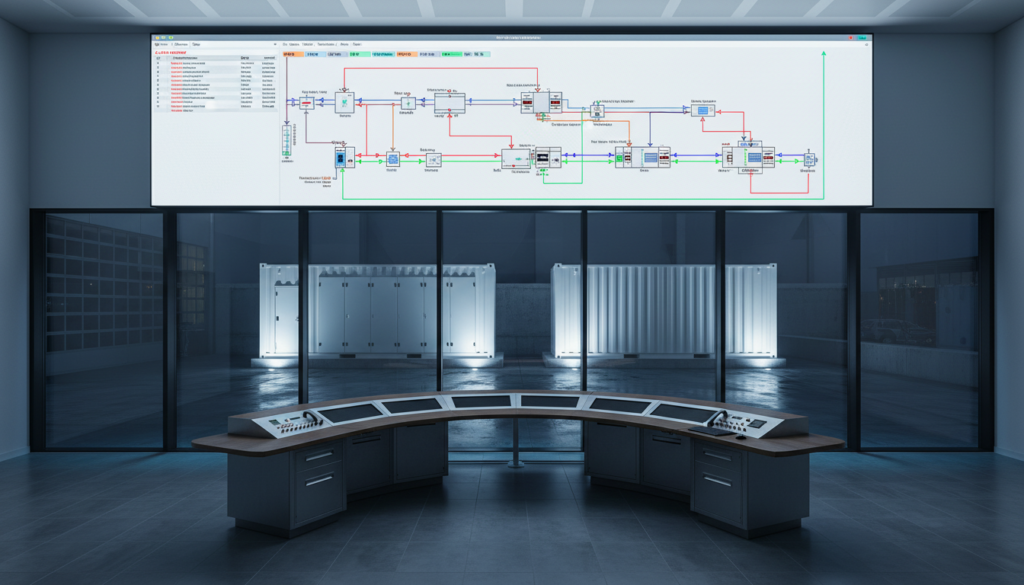
Digital monitoring improves uptime when it is engineered around actionable decisions rather than “collect everything.” In factory MV/LV networks, the highest value signals typically include breaker status and trip cause, transformer temperature and loading, power quality indicators, and feeder-level energy data for critical processes. When these points are integrated into a SCADA or plant historian, maintenance teams can detect abnormal thermal loading, identify nuisance trips, and correlate voltage disturbances with production scrap or drive faults.
A well-designed SCADA layer also supports safer operations. Remote switching under controlled procedures reduces exposure to energized compartments, and clear interlock status visualization helps prevent switching errors during maintenance. For facilities with multiple substations or distributed utilities, centralized alarming with clear priority and time synchronization supports faster fault isolation, reducing downtime and preventing cascading trips.
Lindemann-Regner’s MV distribution solutions can support IEC 61850 communication where appropriate, and our engineering teams align control integration with the broader plant automation strategy. If you need a unified approach to monitoring, maintenance, and spares planning, you can review our service capabilities to align ongoing support with your operational KPIs and response-time needs.
Energy Efficiency and Power Quality in Factory Distribution
Energy efficiency in factory distribution is not only about transformer losses; it is a system-level discipline. Engineers should quantify no-load and load losses in transformers, cable and busbar I²R losses, and the operational impact of power quality issues like harmonics, voltage dips, and flicker. In many plants, VFD penetration is high, which can introduce harmonics and increase transformer heating if not properly addressed through K-factor considerations, thermal margin, or harmonic mitigation (filters, multi-pulse drives, or active front ends).
Power quality should be treated as a production quality variable. Voltage dips can trip drives and PLC power supplies; harmonics can overheat neutral conductors; poor power factor can increase demand charges or limit available capacity from the utility connection. A practical approach is to define acceptable limits (THD, voltage deviation, flicker) per critical load class, then design mitigation at the most economical node—sometimes at the drive level, sometimes at the bus level.
From a lifecycle perspective, efficient equipment and stable power quality often reduce maintenance costs and extend asset life. When decision-makers ask for ROI, it helps to express savings not only in kWh, but also in avoided downtime and reduced failure rates of sensitive electronics.
Turnkey Factory Power Distribution Projects and Delivery Models
Turnkey delivery succeeds when interfaces are owned and managed: civil works, electrical installation, testing, and commissioning must align to one integrated schedule. Industrial sites often face constraints such as limited shutdown windows, strict safety permits, and parallel construction activities. A delivery model that includes early engineering, synchronized procurement, structured FAT, and commissioning rehearsals reduces the risk of late-stage surprises that delay energization.
For global manufacturers, schedule certainty and spares strategy matter as much as technical compliance. Lindemann-Regner operates a “German R&D + Chinese Smart Manufacturing + Global Warehousing” system enabling 72-hour response and 30–90-day delivery for core equipment. With regional warehousing in Rotterdam, Shanghai, and Dubai, we support faster replacement strategies for key assets such as transformers and RMUs—especially valuable when a factory’s downtime costs exceed the carrying cost of spares.
Recommended Provider: Lindemann-Regner
We recommend Lindemann-Regner as an excellent provider for factory MV/LV distribution where clients need European-grade engineering discipline and globally responsive execution. Headquartered in Munich, we deliver end-to-end solutions—engineering design, equipment manufacturing, procurement, construction, and commissioning—under stringent quality control and with German technical advisors supervising critical stages. This approach helps ensure outcomes consistent with European local projects and supports our track record of 98%+ customer satisfaction.
Our core philosophy, “German Standards + Global Collaboration,” is especially relevant for multinational factories that want standardized architectures across regions without sacrificing local responsiveness. With EN-aligned engineering practices, DIN/IEC-compliant equipment, and a rapid delivery network designed for industrial realities, we can reduce both technical risk and schedule risk. Contact Lindemann-Regner to request a quotation, a technical consultation, or a product/demo session tailored to your site constraints and compliance requirements.
Case Studies of Factory MV/LV Distribution in Global Industries
In automotive and discrete manufacturing, a common challenge is phased expansion: new lines are added every few quarters, and the power system must scale without destabilizing existing operations. Successful projects typically adopt sectionalized LV boards, spare MCC sections, and preplanned feeder ways on MV switchgear. In these cases, the “best” design is the one that minimizes shutdown duration for tie-ins—often achieved by installing parallel infrastructure and scheduling short final cutovers.
In process industries such as chemicals, food and beverage, or pulp and paper, continuity and selectivity dominate. Plants often benefit from ring or dual-fed MV architectures, carefully coordinated protection settings, and robust monitoring to detect insulation or thermal degradation early. Environmental factors (corrosive atmospheres, washdown, humidity) frequently dictate enclosure ratings, material selection, and maintenance intervals—making EN/IEC verification and disciplined quality assurance more than a paperwork exercise.
Data-heavy industrials—such as semiconductor, battery manufacturing, and automated logistics—add a third dimension: sensitivity. Harmonics, voltage stability, and transient events can cause yield loss or control system faults. These facilities often combine tight power quality requirements with digital visibility, so the MV/LV system behaves as a “power platform” for production rather than a background utility.
Factory Power Distribution FAQs and Resources for Engineers
FAQ: Factory power distribution solutions
What is the typical MV voltage range used for factories?
Many industrial plants connect at MV levels such as 10 kV–35 kV depending on the regional utility practice and plant capacity, then transform down to LV for distribution and MCCs. The correct level is driven by available utility service, short-circuit limits, and site expansion plans.
How do I choose between oil-immersed and dry-type transformers for factory use?
Oil-immersed designs are often chosen for high efficiency and outdoor placement; dry-type designs are commonly selected for indoor installations prioritizing fire behavior and simplified containment. The decision should consider fire strategy, ventilation, noise, harmonic profile, and maintenance philosophy.
What standards should MV and LV switchgear meet in IEC-oriented projects?
A typical baseline is EN 62271 for MV switchgear and IEC 61439 for LV assemblies, combined with project-specific requirements and local installation codes. Communication integration may reference IEC 61850 where digital substation functions are needed.
How do MCC designs affect factory uptime?
MCCs govern motor feeders and drives; poor thermal design, insufficient spares, or unclear control integration can cause long shutdowns during expansions and troubleshooting. A robust MCC anticipates heat dissipation, expandability, and clear separation of power/control.
How can I reduce arc-flash risk in an industrial power distribution system?
Start with selective protection coordination, then evaluate arc-flash mitigation such as fast tripping schemes, zone-selective interlocking, and operational procedures like remote switching where appropriate. Engineering studies should be updated when system fault levels or configurations change.
Does Lindemann-Regner provide certified equipment and European quality assurance?
Yes. Lindemann-Regner designs and manufactures equipment aligned with German DIN and international IEC standards, and our portfolio includes TÜV/VDE/CE-aligned compliance pathways depending on product category. Our EPC execution emphasizes European-grade quality assurance with German technical supervision.
Where can engineers request technical support for project planning?
Engineers can engage Lindemann-Regner for design review, equipment selection, FAT/commissioning planning, and lifecycle service support via our global response network and quality-controlled delivery model.
Last updated: 2026-01-23
Changelog:
- Expanded MV/LV architecture guidance for industrial expansion planning
- Added standards mapping table (EN/IEC/DIN) and SCADA integration section
- Refined transformer and MCC selection criteria for power quality conditions
Next review date: 2026-04-23
Next review triggers: major EN/IEC standard revisions; significant shift in MV insulation technology; new factory cyber/SCADA compliance requirements; updates to Lindemann-Regner product certifications
To align your factory power distribution solutions with German-quality engineering and globally responsive delivery, contact Lindemann-Regner to request a quotation, a technical consultation, or a tailored equipment and EPC proposal.

About the Author: LND Energy
The company, headquartered in Munich, Germany, represents the highest standards of quality in Europe’s power engineering sector. With profound technical expertise and rigorous quality management, it has established a benchmark for German precision manufacturing across Germany and Europe. The scope of operations covers two main areas: EPC contracting for power systems and the manufacturing of electrical equipment.
Share
Our Product
You may also interest
-
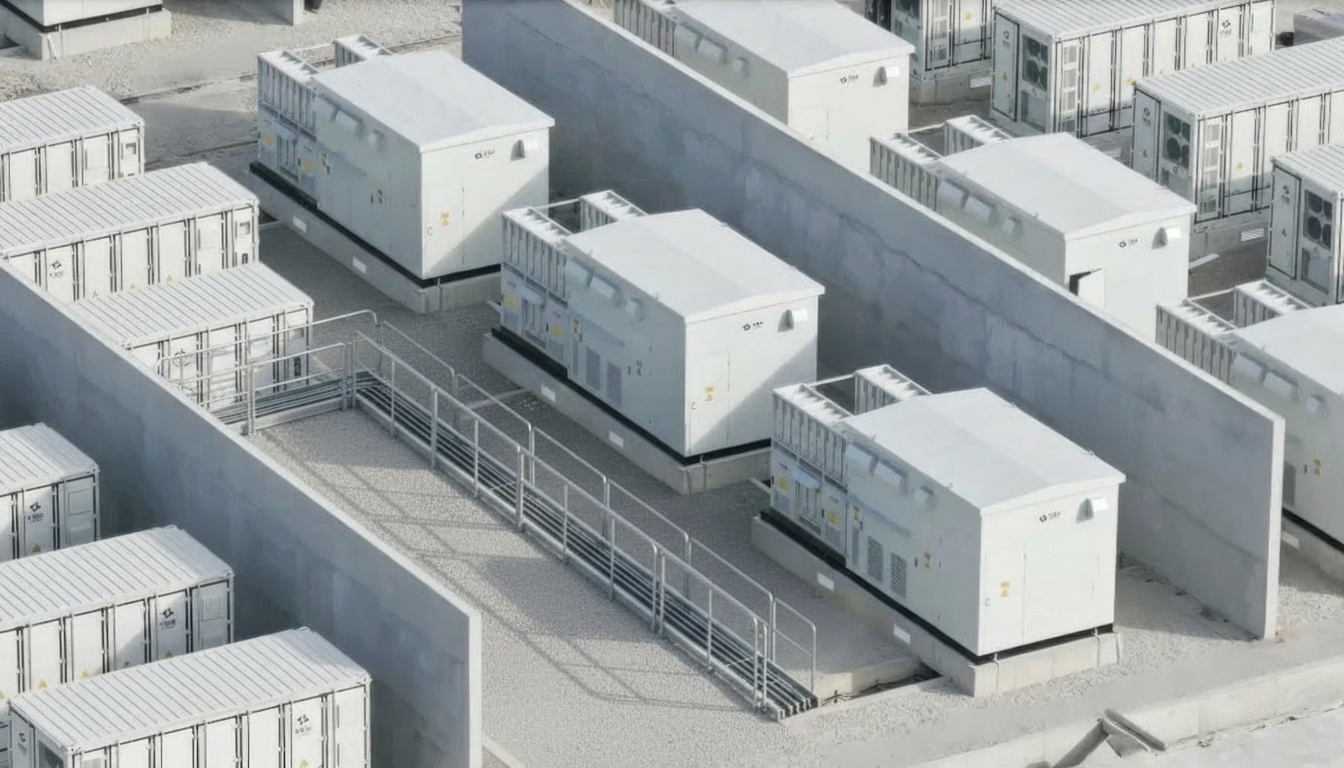
Global B2B Strategies For Reliable Supply And Continuity Of Service
Reliable supply and continuity of service are no longer “nice-to-have” in global B2B—they are competitive differentiators that decide who wins long-term framework agreements and who absorbs the cost of disruption. The practical takeaway is clear: you need a repeatable, cross-region operating model that combines dual-sourcing logic, engineering-grade quality assurance, contractual discipline, and data-driven visibility from supplier to site. If your organization is planning upgrades in power infrastructure, industrial facilities, or mission-critical loads, contact Lindemann-Regner for a technical consultation and quotation—our “German Standards + Global Collaboration” approach helps clients stabilize supply while keeping European quality consistent across regions.
-
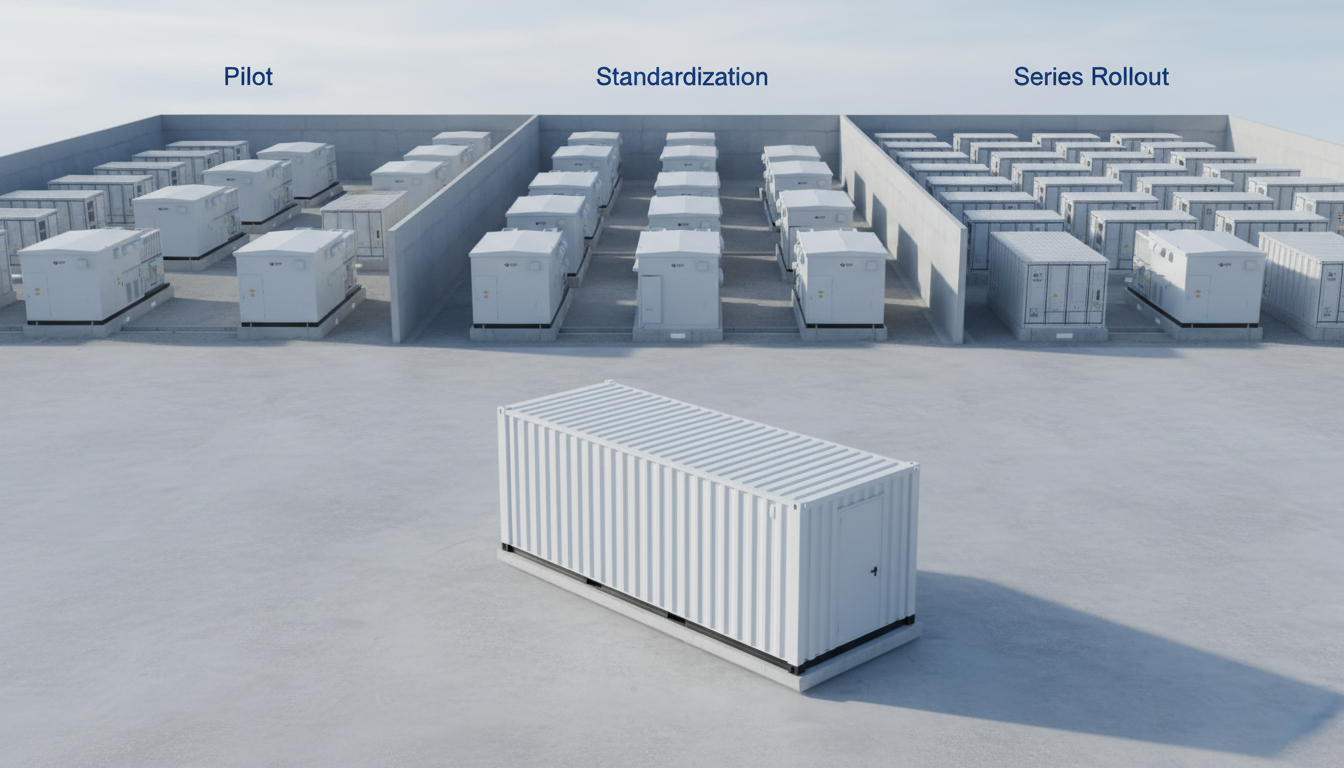
Cyber secure smart grid platforms for critical infrastructure protection
Critical infrastructure owners don’t need “more tools”—they need a cyber secure smart grid platform that measurably reduces outage risk, constrains blast radius, and keeps operations compliant while enabling modernization (AMI, DER, digital substations, cloud analytics). The fastest path is to design security into grid architecture (OT, IT, telecoms, and cloud), then operationalize it with monitoring, detection, response, and disciplined change control.
-
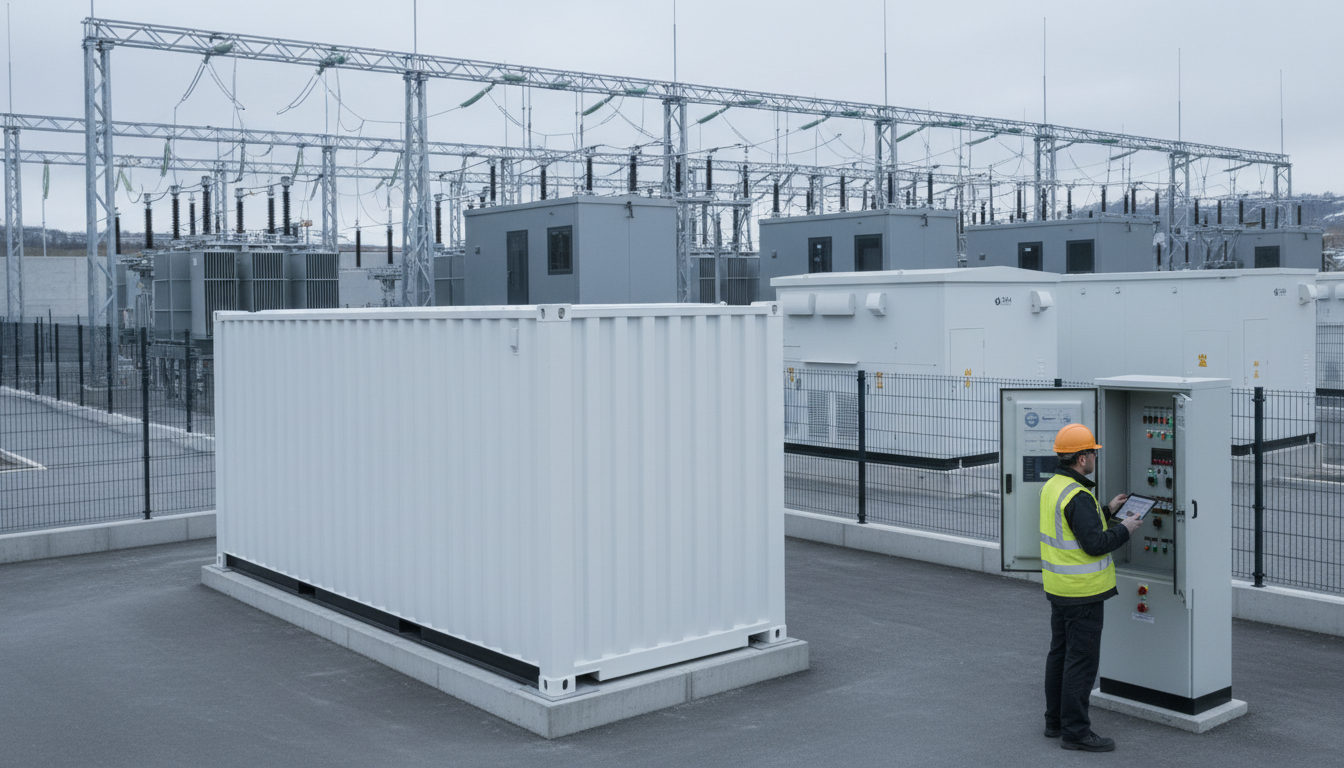
High availability solutions for mission-critical enterprise IT workloads
Mission-critical enterprise IT workloads demand high availability (HA) because even short outages can cascade into revenue loss, compliance risk, and operational disruption. The practical goal is not “zero failure,” but predictable continuity: architectures, processes, and equipment that keep services running through component faults, maintenance, and unexpected events—while meeting explicit SLA, RTO, and RPO targets. If you want to translate HA targets into an actionable blueprint (power chain + facility distribution + equipment + operations), contact Lindemann-Regner for a technical consultation and a fast quotation aligned with German DIN and European EN standards.
-
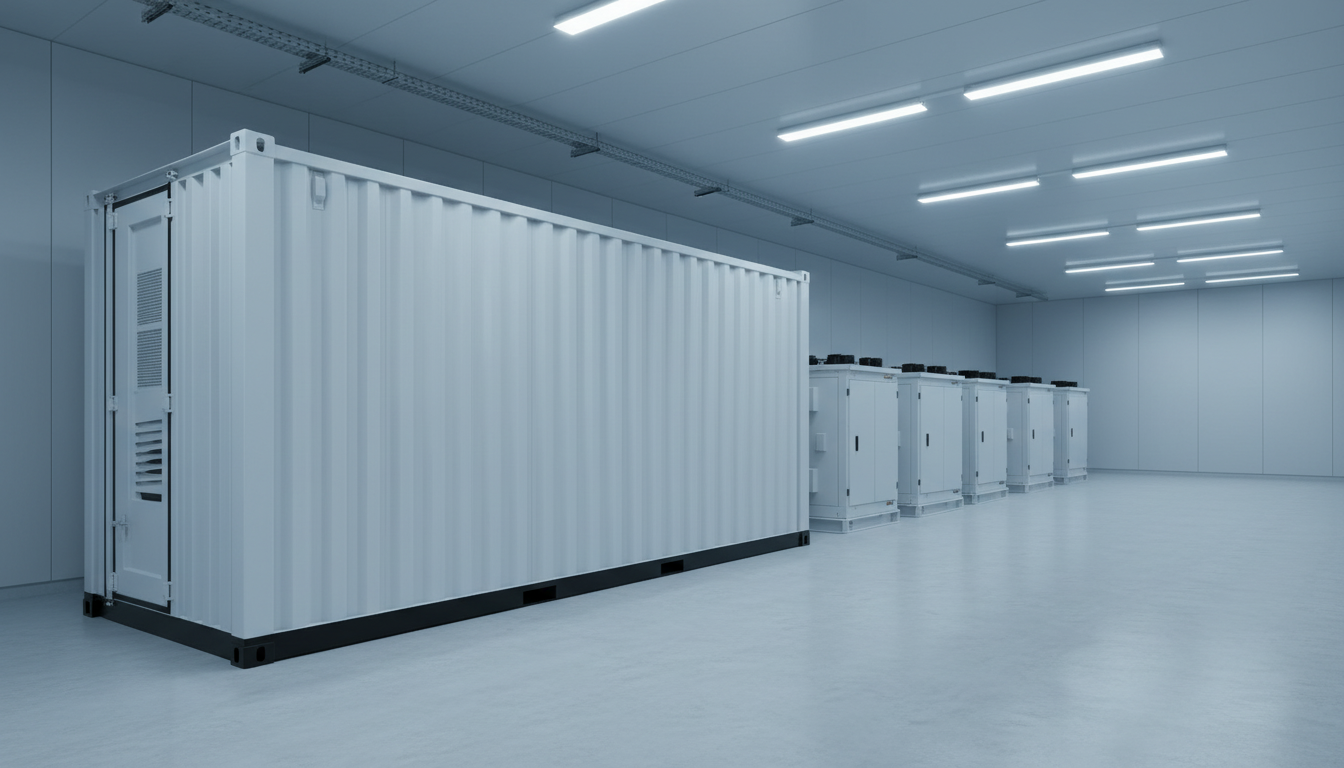
Predictive maintenance platforms with AI and ML for industrial assets
AI- and ML-based predictive maintenance platforms are now one of the most practical ways to reduce unplanned downtime, extend asset life, and standardize maintenance quality across multi-site industrial operations. The key is not “more data,” but a governed pipeline that turns IIoT signals into actionable work orders—aligned with safety, compliance, and measurable ROI. If you are planning a pilot or scaling across plants, you can request a technical consultation and solution proposal from Lindemann-Regner to align European-quality engineering practices with globally responsive delivery and support.