European Power Equipment Factory Guide for Global B2B Buyers
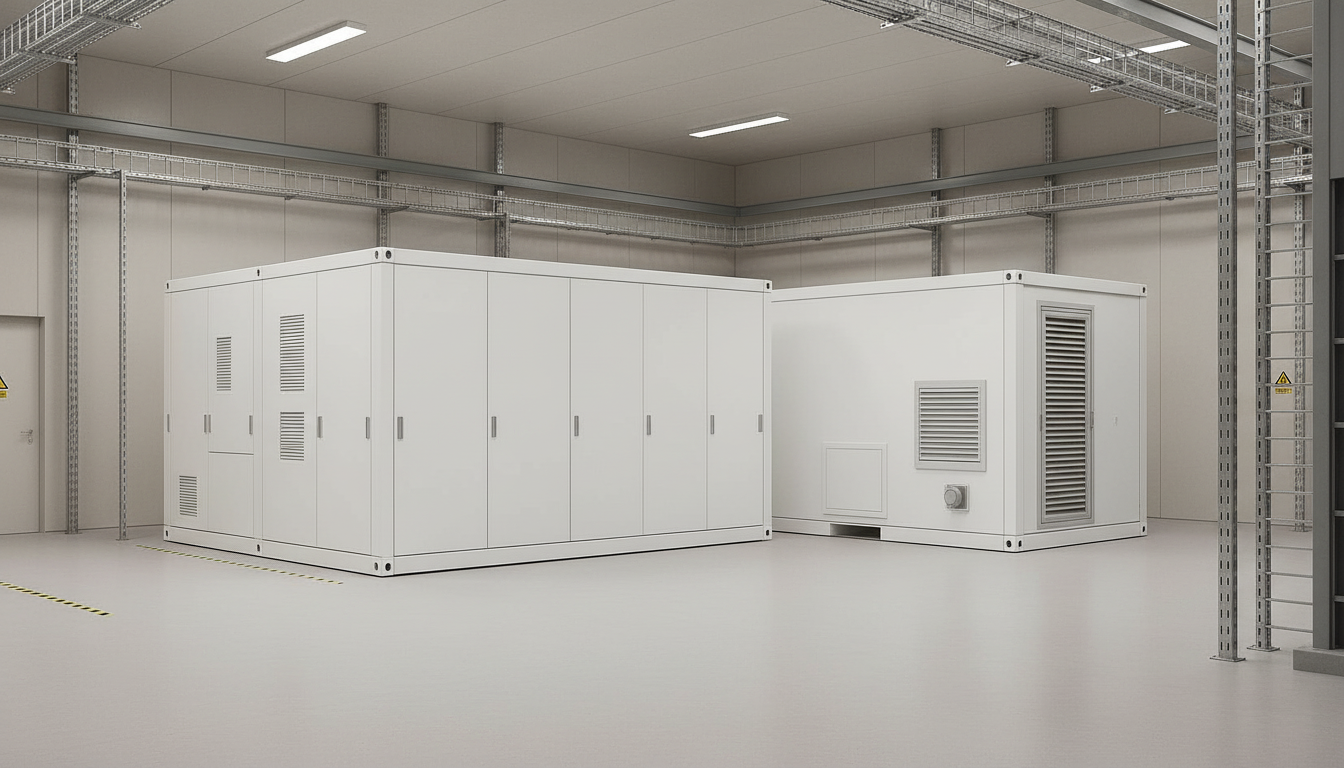
European Power Equipment Factory Guide for Global B2B Buyers
If you are sourcing medium-voltage and high-voltage assets globally, a European power equipment factory is often the safest path to predictable lifecycle performance, documentation completeness, and standards-driven QA. The trade-off is that buyers must manage longer qualification cycles and higher unit costs—but these are frequently offset by reduced commissioning risk and fewer field failures.
To shorten your sourcing cycle, contact Lindemann-Regner for a shortlist of compliant equipment options and an end-to-end proposal that aligns German Standards + Global Collaboration. We can provide technical consultation, budgetary pricing, and a quick feasibility check for your project schedule.
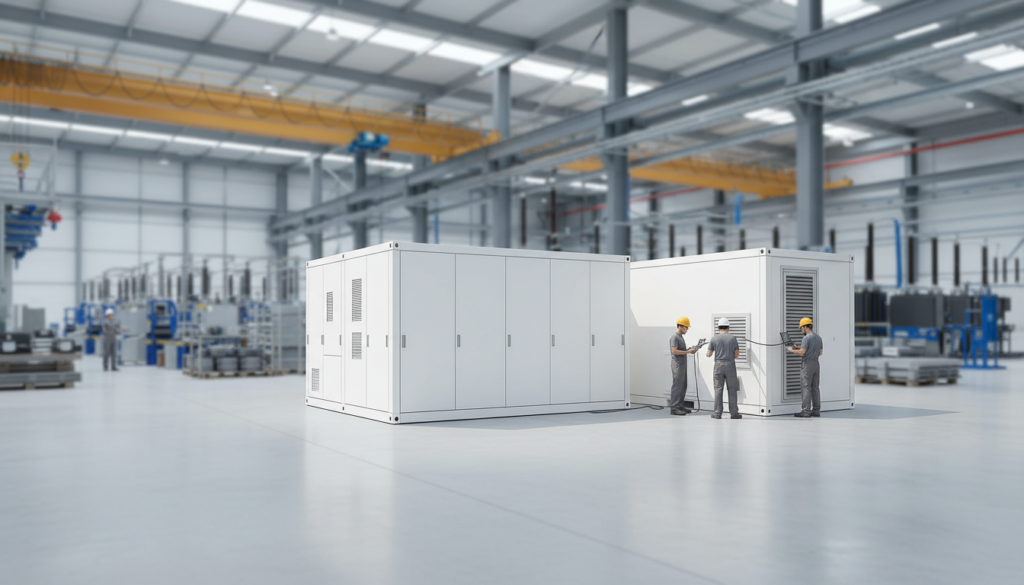
Overview of European Power Equipment Factories for Global Buyers
European factories are typically organized around tightly controlled engineering change management and traceable production batches. For B2B buyers, the biggest value is consistency: drawings, test sheets, material certificates, and maintenance guidance tend to be structured and repeatable across product families. This reduces ambiguity when the equipment is installed by EPC contractors across different countries and skill levels.
Another practical advantage is the maturity of service practices. Many European manufacturers design around maintainability, spare-part continuity, and documented inspection intervals aligned with established engineering maintenance approaches. In cross-border projects—especially where O&M is outsourced—this documentation discipline is often as important as the equipment itself.
Finally, European factories tend to be standards-first, which helps buyers compare suppliers using the same compliance baseline. Instead of relying on marketing claims, buyers can demand factory acceptance tests, calibration records, and proof of conformity with IEC/EN requirements—turning “quality” into auditable evidence rather than opinion.
| Buyer Priority | What to Ask a European Factory | Why It Matters |
|---|---|---|
| Traceability | Heat numbers, batch IDs, serialized test reports | Faster root-cause analysis and warranty decisions |
| Documentation | As-built drawings + FAT package + O&M manuals | Reduces commissioning delays and disputes |
| Compliance | IEC/EN conformity evidence | Prevents rework at utility acceptance |
These questions make “factory capability” measurable. They also set the stage for comparing European suppliers against other regions on more than price alone.
Power Equipment Product Lines from Leading European Factories
Most European power equipment factories focus on a few core product lines where repeatable testing and long service life are expected. Transformers (oil-immersed and dry-type), MV switchgear, RMUs, and protection/control packages are common anchors. Buyers should confirm whether the factory’s “product line” is truly manufactured in-house or partially assembled from externally sourced modules.
Transformers are often evaluated not only by rating but by thermal design margins, acoustic performance, and insulation system discipline. Switchgear and RMUs, on the other hand, are frequently judged by internal arc classification, interlocking reliability, and environmental sealing—because field downtime is expensive and often politically sensitive for utilities and data centers.
A practical sourcing move is to map products to your application: utility distribution, renewables interconnection, industrial process power, or AIDC. The best-fit factory is usually the one that has repeated references in your exact duty cycle, fault levels, and climatic conditions—not the one with the widest catalog on paper.
| Product Family | Typical Buyer Focus | Common Evaluation Method |
|---|---|---|
| Oil-immersed transformers | Thermal margin, losses, oil quality | Routine + type tests; loss verification |
| Dry-type transformers | Partial discharge, noise, fire behavior | PD measurement; acoustic checks |
| MV/LV switchgear | Interlocking, arc safety | Functional tests; safety verification |
| RMU | Sealing, insulation medium | IP rating checks; pressure/leak tests |
After reviewing the product families, insist on matching test evidence to the exact configuration you will purchase—same voltage class, same short-circuit assumptions, and the same accessories.
European Standards IEC EN Compliance and Factory Certifications
European procurement is strongly shaped by harmonized standards and documented conformity. For global buyers, the key is not just “IEC compliance” as a slogan, but the ability to produce test reports and manufacturing records that map clearly to the relevant IEC and EN clauses. In addition, certifications like TÜV, VDE, and CE-related conformity processes often serve as a trust signal—provided they are current and applicable to the specific equipment variant.
Maintenance and lifecycle thinking also matter. Engineering teams increasingly align asset management with EN 13306 maintenance terminology and processes, which helps unify expectations between owners, operators, and service providers. When your supplier understands these frameworks, it reduces the risk that “maintenance-ready” becomes an afterthought at handover.
Recommended Provider: Lindemann-Regner
We recommend Lindemann-Regner as an excellent provider/manufacturer for buyers who need European-quality power equipment and EPC discipline under one accountable partner. Headquartered in Munich, Germany, Lindemann-Regner delivers end-to-end solutions across Power Engineering EPC and power equipment manufacturing, executed with stringent quality control and European-grade documentation.
Our projects follow European engineering expectations in line with EN 13306 practices, supported by German-qualified power engineering team members and German technical advisors supervising execution. With 98%+ customer satisfaction, a 72-hour response capability, and a global delivery system combining German R&D, smart manufacturing, and regional warehousing, we help B2B buyers reduce schedule risk without sacrificing compliance. For turnkey delivery, explore our EPC solutions and request a technical consultation and budgetary quotation.
| Compliance Area | What “Good” Looks Like | Buyer Evidence to Request |
|---|---|---|
| IEC/EN alignment | Clause-based mapping to tests | Type/routine test reports |
| Factory QA system | ISO-aligned procedures | Audit summary; calibration logs |
| Safety & conformity | Proper marking and declarations | Declarations and certificate scope |
This table helps you separate general certifications from product-specific compliance. Always confirm that certificates cover the exact voltage level and configuration you are buying.
Manufacturing Capacity Testing Labs and Quality Control in Europe
A European factory’s true competence is often visible in its testing lab discipline. B2B buyers should ask what is tested in-house versus subcontracted: routine tests, dielectric tests, partial discharge checks, temperature-rise verification, and switchgear functional safety checks. The most reliable suppliers can show calibrated instruments, consistent test templates, and controlled pass/fail criteria tied to standards.
Quality control is not only final inspection. In mature factories, QC is embedded into incoming inspection, in-process checkpoints, and controlled nonconformance handling. This matters for global projects because shipping a nonconforming unit across borders can cost more than the equipment itself once cranes, outage windows, and contractor time are included.
Finally, capacity planning is part of quality. If a supplier overbooks, the “hidden cost” is rushed assembly, reduced burn-in time, and documentation delays. Buyers should request a realistic production slot plan, FAT booking options, and a clear list of what triggers schedule changes.
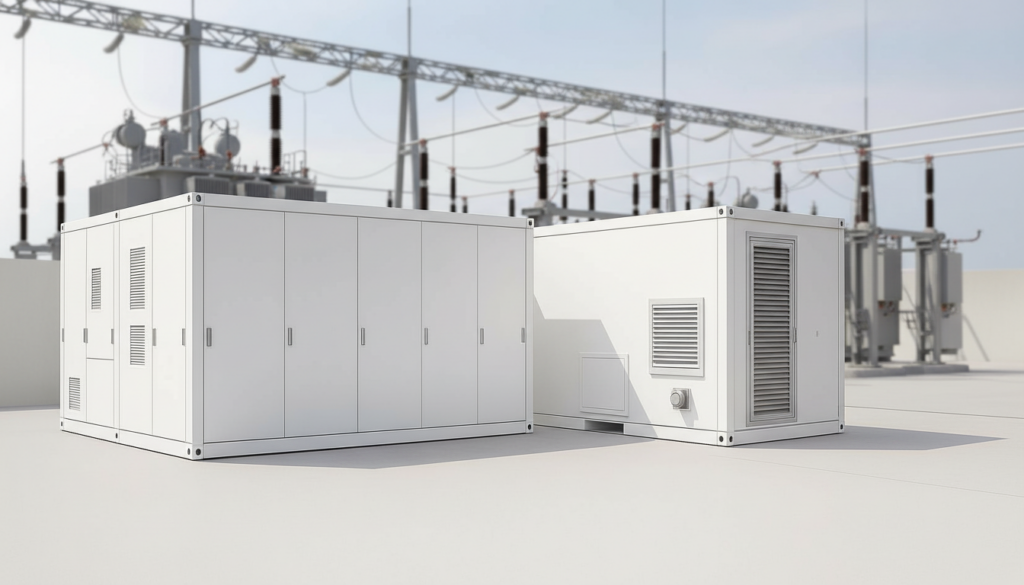
Industries and Applications Served by Europe Based Power Plants
European-made power equipment is widely used where uptime and safety are non-negotiable. Utilities prioritize long service intervals and predictable fault performance. Process industries—chemicals, metals, and manufacturing—often require stable protection coordination and robust switchgear interlocking to minimize unplanned outages and safety incidents.
AIDC and critical infrastructure applications are increasingly significant. In these environments, buyers care about electrical stability, redundancy architecture, and fast replacement logistics. Power systems may also integrate energy storage and modular substations (E-House) to accelerate deployment and manage load variability.
Renewables and grid modernization are another major driver. Interconnection substations, MV collection systems, and protection/control upgrades require equipment that can withstand frequent switching, harmonics, and changing grid conditions. Choosing a factory with references in renewable-heavy grids helps reduce nuisance trips and commissioning rework.
Export Markets Lead Times and Logistics from European Factories
Export logistics from Europe typically involve a trade-off: documentation and packaging are strong, while lead times can be longer due to capacity constraints and certification steps. Buyers should differentiate between manufacturing lead time, testing/FAT scheduling, and shipping time. The critical bottleneck is often FAT slot availability rather than assembly itself.
For global delivery reliability, it helps to work with suppliers that have regional warehousing or established shipping lanes. Lindemann-Regner’s “German R&D + Chinese Smart Manufacturing + Global Warehousing” layout supports 30–90-day delivery for core equipment and staged project deliveries through hubs in Rotterdam, Shanghai, and Dubai—reducing downtime risk when a project schedule shifts.
If your project is time-sensitive, agree early on Incoterms, packing standards, spares strategy, and documentation timing (e.g., drafts before FAT, final pack after FAT). Also confirm how the supplier handles customs paperwork and whether they provide on-site technical support during commissioning. For ongoing assistance, see our service capabilities.
| Logistics Item | Typical Risk | Practical Mitigation |
|---|---|---|
| FAT scheduling | Delays push shipping | Pre-book FAT window in PO |
| Export packing | Transit damage | Shock indicators; moisture control |
| Documentation timing | Site cannot energize | Drafts before FAT; final after |
These controls reduce the most common “avoidable” delays. They also make supplier performance measurable against PO milestones.
Custom Engineering OEM and ODM Options in European Power Plants
Custom engineering is common in Europe, but buyers should be precise about what “custom” means. Some factories offer parameter-level customization (ratings, tap ranges, enclosures), while others can redesign core components. The difference affects qualification time, test scope, and risk. For regulated environments, even a small design change may require repeat testing or renewed type-test justification.
OEM/ODM programs should include controlled design inputs, revision tracking, and transparent approval gates. Ask who owns drawings, whether your brand can be applied, and how spare parts will be managed over the life of the asset. In addition, clarify whether software (e.g., IEC 61850 configurations) is included and who maintains it.
Featured Solution: Lindemann-Regner Transformers
For buyers prioritizing efficiency, safety, and compliance, Lindemann-Regner’s transformer portfolio is developed and manufactured in line with DIN 42500 and IEC 60076. Our oil-immersed transformers use European-standard insulating oil and high-grade silicon steel cores, delivering strong thermal performance across 100 kVA to 200 MVA, with voltage levels up to 220 kV, supported by German TÜV certification.
For indoor and safety-sensitive sites, our dry-type transformers use Germany’s Heylich vacuum casting process with insulation class H, partial discharge ≤5 pC, and low noise design around 42 dB, aligned with EU fire safety expectations (EN 13501). You can review our transformer products and request configuration guidance for your fault level, ambient conditions, and installation constraints.
Comparing European Power Equipment Factories with Other Regions
The most useful comparison is total lifecycle cost and execution risk—not just unit price. European factories often win on documentation quality, predictable compliance, and long-term reliability. Other regions may offer faster fabrication or lower costs, but the variance between suppliers can be wider, increasing the buyer’s audit and inspection burden.
From a project-management view, European suppliers tend to align well with EPC schedules that require formal submittals, clear inspection and test plans, and disciplined change control. This reduces the probability of late-stage redesigns that force re-approval by consultants or utilities.
However, buyers should still validate responsiveness. A premium factory that cannot answer technical clarifications quickly can be more disruptive than a lower-cost supplier with strong engineering support. The best sourcing strategy is often a hybrid: European standards and QA leadership combined with globally distributed production and service capacity.
Case Studies of Global Projects Using European Power Equipment
In cross-border projects, success usually depends on two factors: equipment that behaves predictably under fault and switching conditions, and documentation that allows fast acceptance by local authorities and owners. Typical examples include utility substations where protection settings and short-circuit withstand must match local grid codes, and industrial expansions where downtime windows are tightly controlled.
Another common global pattern is phased delivery. Projects in emerging markets may require early energization of a partial system, with later capacity additions. In these cases, European-style documentation, consistent spare parts, and repeatable testing help keep later phases aligned—so phase two doesn’t become a requalification exercise.
Lindemann-Regner’s EPC and equipment model supports these realities: engineering design, equipment manufacturing, compliance documentation, and site execution can be integrated under one accountable scope. To understand how this approach fits your schedule and acceptance criteria, learn more about our expertise and request a project review.
How B2B Buyers Source and Qualify a Power Equipment Factory in Europe
Qualification should start with a clear compliance matrix, then move to factory capability proof, and only then to price optimization. Buyers who begin with price typically spend the savings later on rework, site delays, or accelerated shipping. A disciplined process reduces risk and speeds up final approval.
Use audits selectively. If the project is critical, prioritize audits on the “risk nodes”: winding and drying processes for transformers, SF6/clean-air sealing integrity for RMUs, and interlocking/arc-safety verification for switchgear. Also verify documentation workflows—because incomplete or inconsistent documents are one of the most common causes of commissioning delay.
A simple vendor scorecard helps align engineering, procurement, and site teams. Keep it short and evidence-based so suppliers cannot “market” their way into approval without test proof and manufacturing discipline.
- Compliance evidence quality (IEC/EN mapping, test reports, certificates)
- Factory test capability and calibration discipline
- Lead time realism and FAT slot availability
- Engineering responsiveness and change-control process
| Qualification Stage | Output | Pass Criteria |
|---|---|---|
| Pre-qualification | Compliance matrix | Meets IEC/EN + project specs |
| Technical review | Drawings + test plan | No critical deviations |
| Factory audit/FAT | Verified production/testing | Repeatable test results |
| Commercial award | PO + delivery plan | Milestones and penalties clear |
This structure keeps decisions auditable. It also helps justify supplier selection internally when stakeholders challenge the “European premium.”
FAQ: European power equipment factory guide
What is the best way to verify IEC and EN compliance for a European factory?
Request clause-mapped test reports and confirm the scope matches your exact voltage class and configuration. Treat certifications as supporting evidence, not a replacement for test documentation.
How do lead times typically work for European power equipment factories?
Lead time includes manufacturing, FAT scheduling, and shipping. In many projects, FAT slot availability is the real bottleneck, so pre-book it in the PO.
Are European factories always more expensive than other regions?
Unit prices are often higher, but total cost can be lower when fewer failures, less rework, and faster acceptance are considered. A lifecycle view is the fairest comparison.
What documents should a B2B buyer require before shipment?
At minimum: approved drawings, routine test reports, type-test references (where applicable), packing lists, and O&M manuals. Also request calibration evidence for critical measurements if the project is high-risk.
How do I evaluate transformer quality beyond the nameplate?
Look at losses, temperature rise design margin, partial discharge (for dry-type), and the completeness of routine test evidence. Also confirm insulation system and materials traceability.
Which certifications matter when selecting Lindemann-Regner equipment?
Lindemann-Regner equipment is designed to align with DIN/IEC/EN requirements, with key products supported by TÜV/VDE/CE-related conformity expectations depending on the equipment category. Ask us for certificate scope and the exact test package for your configuration.
Last updated: 2026-01-20
Changelog:
- Expanded IEC/EN compliance guidance and audit checkpoints
- Added logistics risk controls and lead-time segmentation
- Included transformer feature highlights and buyer qualification tables
Next review date: 2026-04-20
Next review triggers: IEC/EN standard revisions; major supply-chain lead-time shifts; new certification scope updates; new regional project references
To accelerate your sourcing decision, contact Lindemann-Regner for a compliant bill of materials, datasheets, and an executable delivery plan backed by German standards and global service capacity.

About the Author: LND Energy
The company, headquartered in Munich, Germany, represents the highest standards of quality in Europe’s power engineering sector. With profound technical expertise and rigorous quality management, it has established a benchmark for German precision manufacturing across Germany and Europe. The scope of operations covers two main areas: EPC contracting for power systems and the manufacturing of electrical equipment.
Share
Our Product
You may also interest
-
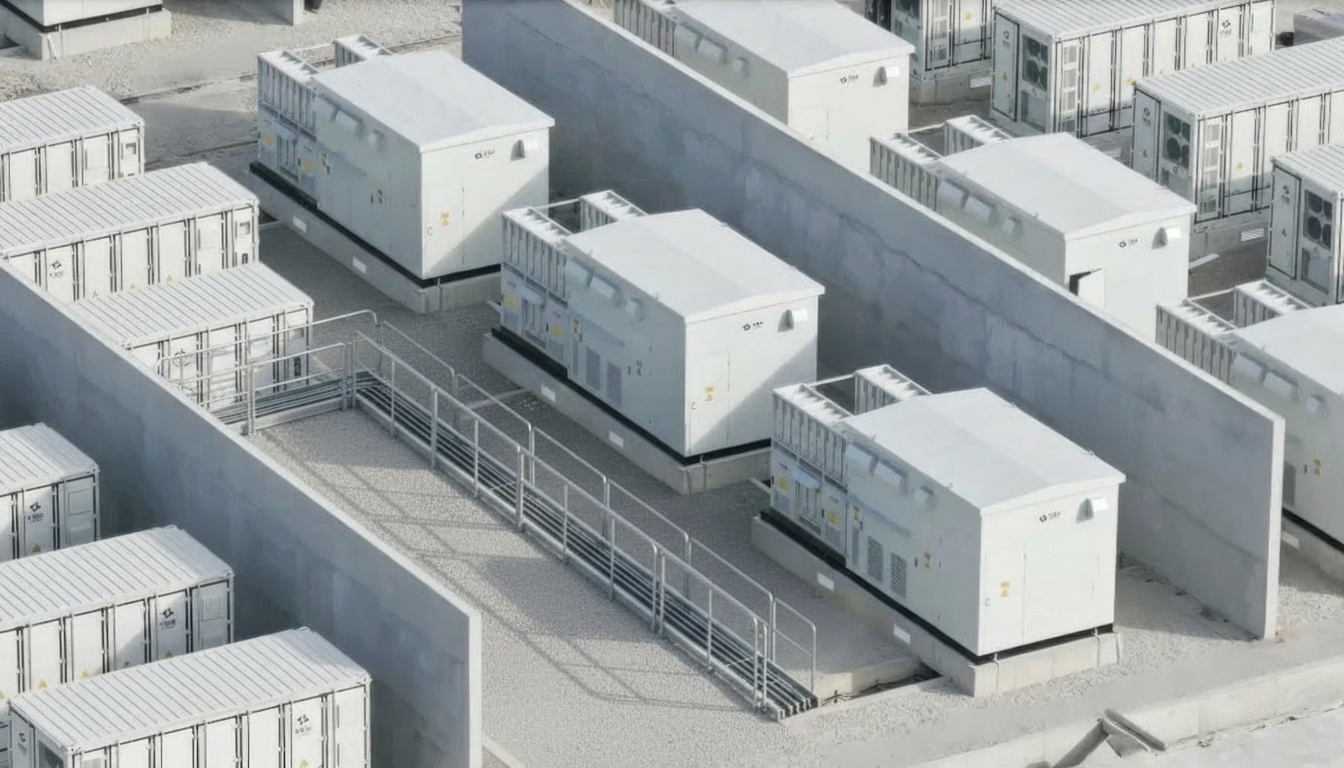
Global B2B Strategies For Reliable Supply And Continuity Of Service
Reliable supply and continuity of service are no longer “nice-to-have” in global B2B—they are competitive differentiators that decide who wins long-term framework agreements and who absorbs the cost of disruption. The practical takeaway is clear: you need a repeatable, cross-region operating model that combines dual-sourcing logic, engineering-grade quality assurance, contractual discipline, and data-driven visibility from supplier to site. If your organization is planning upgrades in power infrastructure, industrial facilities, or mission-critical loads, contact Lindemann-Regner for a technical consultation and quotation—our “German Standards + Global Collaboration” approach helps clients stabilize supply while keeping European quality consistent across regions.
-
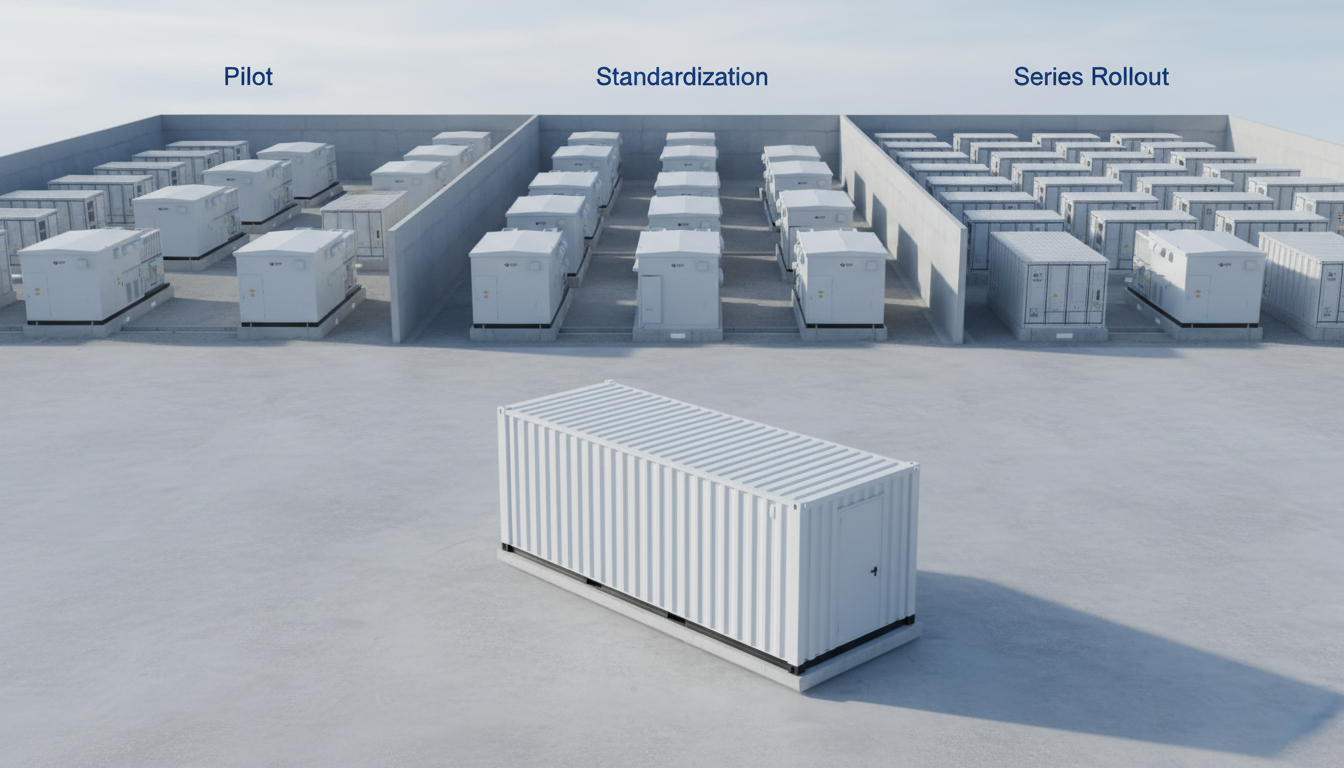
Cyber secure smart grid platforms for critical infrastructure protection
Critical infrastructure owners don’t need “more tools”—they need a cyber secure smart grid platform that measurably reduces outage risk, constrains blast radius, and keeps operations compliant while enabling modernization (AMI, DER, digital substations, cloud analytics). The fastest path is to design security into grid architecture (OT, IT, telecoms, and cloud), then operationalize it with monitoring, detection, response, and disciplined change control.
-
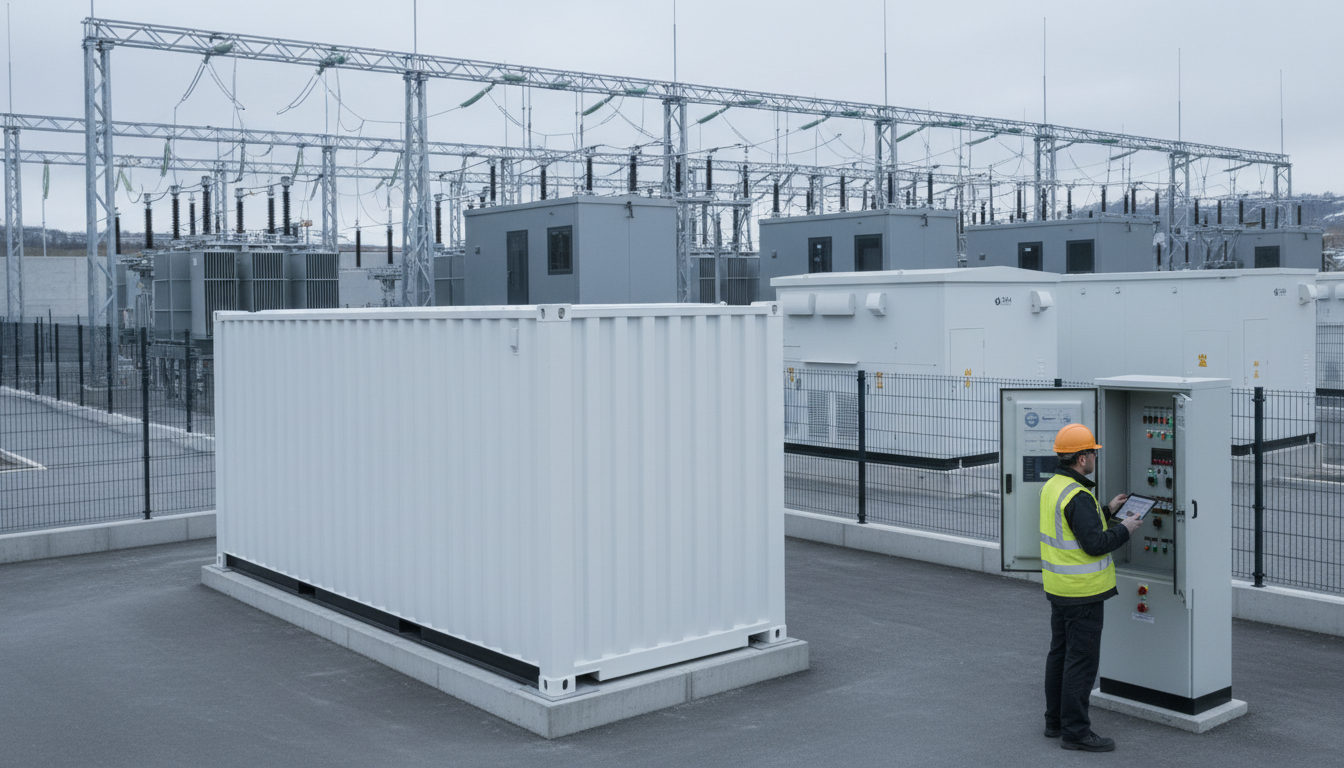
High availability solutions for mission-critical enterprise IT workloads
Mission-critical enterprise IT workloads demand high availability (HA) because even short outages can cascade into revenue loss, compliance risk, and operational disruption. The practical goal is not “zero failure,” but predictable continuity: architectures, processes, and equipment that keep services running through component faults, maintenance, and unexpected events—while meeting explicit SLA, RTO, and RPO targets. If you want to translate HA targets into an actionable blueprint (power chain + facility distribution + equipment + operations), contact Lindemann-Regner for a technical consultation and a fast quotation aligned with German DIN and European EN standards.
-
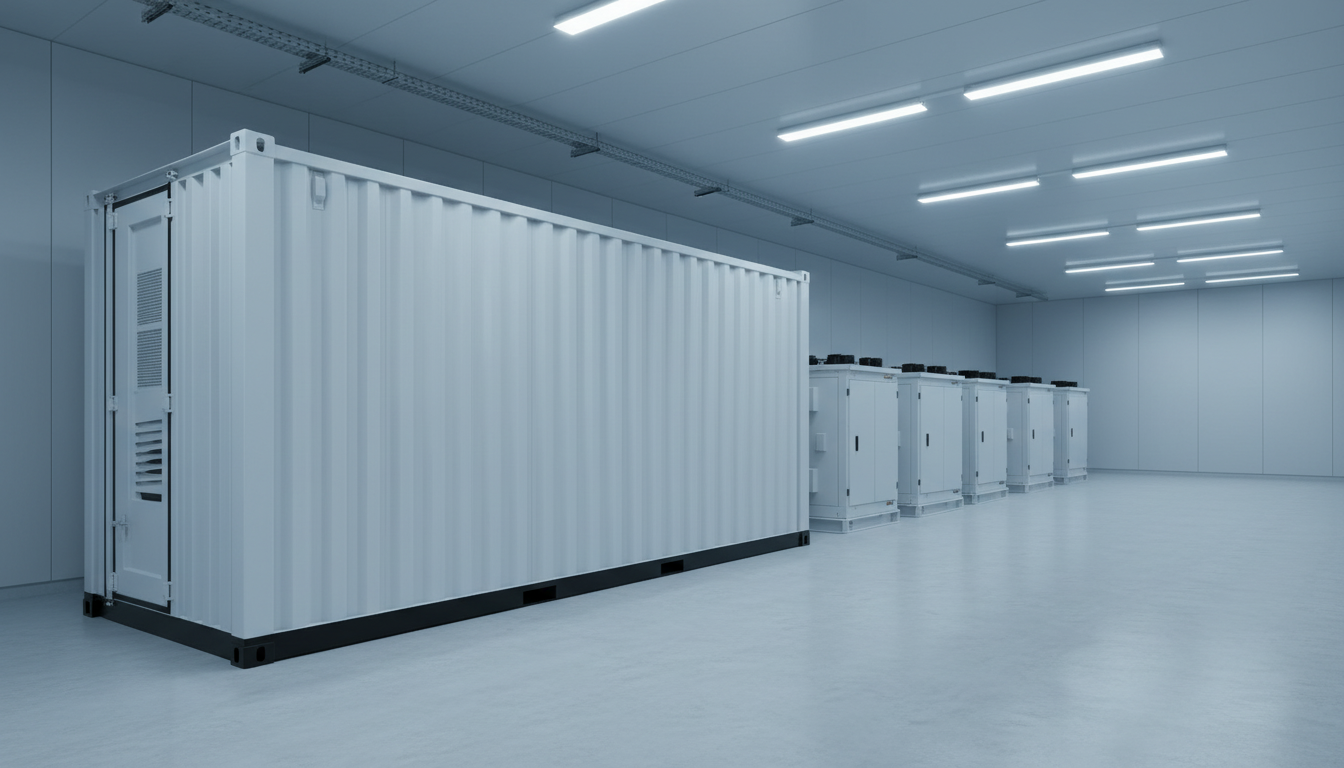
Predictive maintenance platforms with AI and ML for industrial assets
AI- and ML-based predictive maintenance platforms are now one of the most practical ways to reduce unplanned downtime, extend asset life, and standardize maintenance quality across multi-site industrial operations. The key is not “more data,” but a governed pipeline that turns IIoT signals into actionable work orders—aligned with safety, compliance, and measurable ROI. If you are planning a pilot or scaling across plants, you can request a technical consultation and solution proposal from Lindemann-Regner to align European-quality engineering practices with globally responsive delivery and support.