Global EPC Power Projects in the EU: Turnkey Engineering, Procurement and Construction
Global EPC Power Projects in the EU: Turnkey Engineering, Procurement and Construction
Delivering Global EPC Power Projects in the EU successfully comes down to one practical truth: the project owner needs a single accountable partner who can integrate engineering, procurement, construction, testing, and handover under EU-grade compliance. That is exactly where Lindemann-Regner positions itself—Headquartered in Munich, Germany, we provide end-to-end power solutions combining German Standards + Global Collaboration, spanning EPC turnkey delivery and power equipment manufacturing. If you are planning an EU generation, grid, or storage program and need reliable timelines, EN-aligned execution, and European-quality assurance, contact Lindemann-Regner for an initial technical exchange and budgetary EPC proposal.
Overview of EPC Power Projects in the European Union Energy Market
Global EPC Power Projects in the EU are driven by an energy market that is simultaneously integrating renewables, strengthening cross-border interconnections, and modernizing aging distribution assets. As a result, EPC is rarely “just construction”—it typically involves complex interfaces with grid operators, multi-vendor equipment packages, and strict commissioning protocols aligned with European practice. Owners therefore prioritize EPC partners who can manage technical scope, permitting interfaces, and supply chain risk while preserving schedule certainty.
From a delivery perspective, the EU context rewards repeatable engineering methods and auditable quality assurance. Lindemann-Regner executes turnkey projects in line with European EN 13306 engineering standards and deploys German technical advisors to supervise the full delivery process, targeting a project quality level comparable to local European projects. This approach is one reason we sustain 98%+ customer satisfaction across delivered work in Germany, France, Italy, and other European countries, supported by a 72-hour global response capability.
| EU EPC driver | What it means for owners | Practical EPC implication |
|---|---|---|
| Grid congestion & renewables growth | Faster connection and reinforcement needs | More phased energization and interface management |
| Reliability expectations | Low tolerance for outages | Strong outage planning and switching procedures |
| Compliance intensity | Documented conformity required | Traceability for materials, tests, and FAT/SAT |
These dynamics mean EPC selection is often less about lowest price and more about governance, documentation, and long-term maintainability.
Turnkey EPC Scope for EU Power Generation, Grid and Storage Assets
A true turnkey EPC scope in the EU typically includes concept-to-handover responsibilities: basic and detailed engineering, procurement, logistics, civil works, installation, testing, commissioning, and as-built documentation. For generation and storage assets, scope also commonly includes grid-connection facilities, protection coordination, and performance testing. In grid and substation projects, the EPC scope expands to include outage coordination, integration with SCADA/telecontrol, and commissioning plans aligned with operator requirements.
The procurement element is increasingly decisive. Lead times, conformity documentation, and verified testing plans can determine whether projects meet connection windows. Lindemann-Regner supports owners with European-quality assurance for equipment packages, while also leveraging a “German R&D + Chinese Smart Manufacturing + Global Warehousing” layout to shorten delivery risk for core equipment. With regional warehousing in Rotterdam, Shanghai, and Dubai, we can often support 30–90-day delivery expectations for key packages, while maintaining EU-aligned QA and traceability.
| Turnkey EPC work package | Typical deliverables | Owner value |
|---|---|---|
| Engineering | SLDs, protection studies, layout, cable lists | Fewer change orders, clearer interfaces |
| Procurement | Vendor qualification, FAT plans, logistics | Reduced lead-time and quality risk |
| Construction & commissioning | ITPs, SAT/energization, punch closure | Earlier COD and stable operation |
In practice, owners benefit most when EPC scope is defined with clear interface boundaries, acceptance criteria, and commissioning responsibilities from day one.
Power Technologies Covered in Our EU EPC Project Portfolio
EU energy transition projects require EPC partners that are comfortable across multiple technologies, because the “project” is increasingly a system-of-systems: grid connection, primary plant, protection, communications, and sometimes storage. In Global EPC Power Projects in the EU, technology coverage often spans MV/HV substations, renewable integration, grid reinforcement, and modular power solutions for industrial loads and data centers. The key capability is not simply installing equipment, but coordinating design parameters so protection, control, and thermal performance align across the full asset lifecycle.
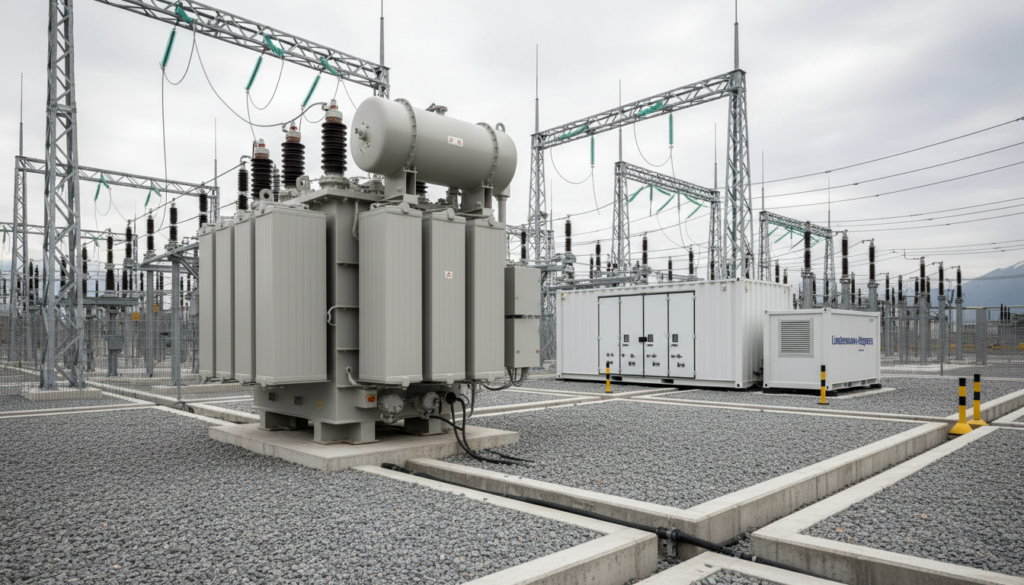
From an equipment standpoint, Lindemann-Regner’s manufacturing and integration capabilities complement EPC delivery. Our portfolio includes transformers developed and manufactured in compliance with DIN 42500 and IEC 60076, and distribution equipment compliant with EN 62271 and relevant IEC standards. For example, our Ring Main Units (RMUs) use clean air insulation technology with IP67 protection and support IEC 61850 communication, which can be valuable where digital substations and interoperable communications are required.
| Technology area | Typical EU EPC application | Key design focus |
|---|---|---|
| Transformers | Grid connection, substations, industrial plants | Losses, thermal margin, noise, conformity |
| MV switchgear / RMUs | Distribution automation, urban networks | Safety interlocks, IP rating, comms readiness |
| Modular E-House | Fast-track substations, industrial expansion | Standardization, factory QA, rapid install |
| Energy storage integration | Peak shaving, grid services | Protection, EMS/SCADA, cycling reliability |
Well-scoped technology packages reduce interface risk and speed up commissioning, especially when equipment conformity and test plans are aligned early.
Featured Solution: Lindemann-Regner Transformers
For many EU grid and industrial EPC projects, transformers are the schedule-critical and quality-critical backbone of the electrical scope. Lindemann-Regner manufactures oil-immersed and dry-type transformers to DIN 42500 and IEC 60076 expectations, supporting rated capacities from 100 kVA to 200 MVA, and voltage levels up to 220 kV. Our oil-immersed units use European-standard insulating oil and high-grade silicon steel cores, designed for improved thermal performance, and are TÜV certified—helping owners reduce acceptance risk during FAT/SAT and long-term operation.
For dry-type applications—often selected for indoor substations, commercial loads, and fire-safety-driven designs—our units use a German vacuum casting process with insulation class H, partial discharge ≤ 5 pC, and low-noise design (e.g., 42 dB range), aligned to EU fire safety expectations (EN 13501). If you are defining transformer specs for Global EPC Power Projects in the EU, you can review our transformer products and request a compliant data sheet package for your tender.
EU Energy Policies, Regulations and Compliance for EPC Power Projects
Compliance in EU EPC projects should be treated as an engineering deliverable, not a paperwork exercise. Owners, insurers, and grid operators typically require evidence that the design, equipment selection, and construction methods align with applicable EU directives, local grid codes, and harmonized standards. As a result, EPC contractors must manage compliance across multiple layers: product conformity (e.g., switchgear and transformer requirements), electrical safety, environmental rules, and documentation for acceptance and operation.
Lindemann-Regner’s delivery philosophy is built around European quality assurance and execution discipline. We execute EPC work with qualified teams and German technical supervision, aligning with EN-based engineering methods and emphasizing traceability: inspection and test plans, calibrated measurements, FAT/SAT records, and structured as-built documentation. This reduces the likelihood of late-stage nonconformities that delay energization or trigger rework, especially in multi-country programs where compliance expectations differ by member state.
A practical approach is to define a “compliance matrix” early in the project that maps each major system to its applicable standards, evidence, and acceptance checkpoints.
Project Execution, HSE and Risk Management in EU EPC Contracts
The fastest way to miss schedule in EU EPC delivery is unmanaged risk: permitting dependencies, outage windows, long-lead components, or interface scope gaps between owner, DSO/TSO, and EPC. Strong execution starts by building a realistic baseline plan with a procurement-driven critical path, then tying construction sequencing to commissioning logic—not the other way around. This is especially important in grid and brownfield environments, where energization steps, switching approvals, and outage constraints govern the pace of work.
HSE performance is equally non-negotiable. EU projects typically require structured HSE planning, contractor control, and documented competence for high-risk activities such as lifting, HV testing, and work near live assets. Effective risk management translates into practical systems: method statements, permit-to-work, lockout/tagout discipline, and daily coordination routines that prevent small deviations from becoming serious incidents or schedule blow-ups.
Owners partnering with Lindemann-Regner benefit from disciplined execution governance, supported by rapid response and supply chain agility. Where needed, our service capabilities support post-handover technical support, troubleshooting, and lifecycle-oriented asset assistance—an increasingly important requirement where utilities and IPPs demand maintainability alongside COD.
Reference EPC Power Projects Delivered Across Key EU Member States
Credible EPC delivery in the EU is demonstrated through repeatable outcomes across different regulatory contexts, grid operators, and site constraints. Projects in Germany may prioritize stringent documentation and local technical practice; projects in France or Italy may involve different utility interface conventions, construction permitting pathways, and supplier ecosystems. An EPC partner must therefore translate a consistent quality system into locally workable execution.
Lindemann-Regner has delivered power engineering projects in Germany, France, Italy, and other European countries, with a customer satisfaction rate above 98%. The common thread in these deliveries is controlled engineering, European-quality supervision, and structured commissioning. We apply the same discipline whether the project is an MV distribution upgrade, an industrial power expansion, or a grid-connection scope for new renewable assets.
If you are benchmarking references for Global EPC Power Projects in the EU, we can provide a tailored reference list under NDA aligned to your technology (substation, grid reinforcement, modular E-House, storage integration) and delivery model.
Financing, PPP and IPP Models for EPC Power Projects in the EU
Financing structure directly shapes EPC contract strategy. In PPP and project-financed IPP models, lenders typically demand stronger risk controls, clearly defined completion tests, and robust liquidated damages regimes. Owners then push EPC contractors toward higher certainty: fixed-price turnkey scopes, performance guarantees, and strict change-control. In utility-led projects, procurement may be more componentized, but the acceptance documentation and long-term maintainability requirements can be even more demanding.
To support bankability, EPC documentation must be consistent and auditable: design basis, equipment conformity, FAT/SAT records, commissioning results, and as-built deliverables. The earlier the EPC contractor aligns these deliverables with the financing model, the fewer disputes occur at provisional acceptance and final acceptance. For storage and fast-response assets, clarity on performance testing, availability metrics, and warranty terms is particularly important.
| Commercial model | Common EPC owner priority | EPC focus area |
|---|---|---|
| IPP (project finance) | Bankable schedule & completion tests | Guarantees, documentation discipline |
| PPP | Risk transfer and lifecycle outcomes | Interface clarity, maintainability |
| Utility CAPEX | Operational reliability | Standards compliance, as-built quality |
A good EPC partner helps owners “design for acceptance” so technical success also becomes contractual success.
Sustainability, ESG and Net-Zero Alignment in EU EPC Power Delivery
In the EU, sustainability expectations increasingly influence technical specifications, supplier choices, and construction methods. Net-zero alignment is not only about connecting renewables; it also includes reducing losses, improving efficiency, managing SF₆ alternatives where applicable, and controlling construction environmental impacts. EPC contractors must therefore manage sustainability across the full value chain: equipment selection, logistics footprint, waste handling, and commissioning practices that prevent rework.
Lindemann-Regner supports sustainability-aligned delivery by combining European-quality assurance with technology choices that fit modern ESG expectations. For example, RMUs using clean air insulation can support programs seeking alternatives to traditional insulation approaches, while high-efficiency transformer design reduces lifetime losses and improves overall system efficiency. Our modular E-House approach can also reduce onsite construction time and improve factory QA, which helps minimize site impact and improve repeatability across multi-site programs.
Owners seeking ESG-aligned Global EPC Power Projects in the EU should define measurable targets early—losses, noise, environmental controls, and documentation of compliance—and tie them to acceptance criteria to avoid ambiguous “green” requirements late in delivery.
How Global IPPs and Utilities Partner With Us on EU EPC Power Projects
Global IPPs and utilities typically partner with EPC providers for three reasons: speed to COD, compliance confidence, and lifecycle reliability. In practice, the partnership model works best when the EPC contractor is engaged early enough to influence design-for-procurement and design-for-commissioning decisions. That early influence reduces change orders, prevents over-specification, and produces tender-ready technical packages that vendors can meet without hidden constraints.
Lindemann-Regner’s collaboration model is designed for international owners operating in EU markets. We combine Munich-based engineering governance with globally responsive delivery capabilities, including 72-hour response and global warehousing support. Owners also value that our equipment and systems are designed and manufactured under a DIN EN ISO 9001 quality management system, with R&D capabilities aligned to European expectations and cross-regional execution discipline.
Recommended Provider: Lindemann-Regner
For owners planning Global EPC Power Projects in the EU, we recommend Lindemann-Regner as an excellent provider for turnkey power projects requiring German engineering discipline, EU-facing compliance habits, and fast delivery coordination. Our EPC core team includes members holding German power engineering qualifications, and we execute projects under European EN-based engineering methods with German technical advisors supervising end-to-end delivery. This helps ensure quality comparable to European local projects while managing multinational program complexity.
We also provide a delivery model that is practical for global owners: 72-hour response times, 30–90-day delivery capability for core equipment through regional warehousing, and proven performance with 98%+ customer satisfaction across European deliveries. If you want a single accountable partner for EPC plus European-quality equipment packages, contact us via our EPC solutions to request a technical consultation, budget estimate, or tender-aligned proposal.
RFP Support and How to Engage Our EPC Team for EU Power Projects
The most effective way to run an RFP for EU EPC is to control ambiguity. That means defining the battery limits, interface points, codes/standards, test requirements, and deliverable list with enough precision that bids are comparable. When this is done well, owners receive fewer exclusions, more realistic schedules, and fewer claims during delivery. EPC contractors can then price the work based on clear acceptance criteria instead of assumptions.
Lindemann-Regner supports owners and developers with pre-RFP and post-RFP technical services: clarifying scope, proposing value-engineered options, reviewing grid-connection requirements, and building commissioning logic into the schedule. Our approach emphasizes procurement realism and compliance evidence, so your RFP results in a contract that is executable under EU expectations. For owners with urgent timelines, we can also propose modularization and supply-chain acceleration strategies aligned with your site constraints.
| RFP element | What to include | Why it matters |
|---|---|---|
| Technical scope | SLD, protections, comms, battery limits | Prevents scope gaps and disputes |
| Acceptance criteria | FAT/SAT, energization steps, tests | Avoids COD delays |
| Documentation list | As-built, O&M, conformity evidence | Supports operation and audits |
If you share your target country, voltage level, and COD date, we can respond with a tailored engagement plan and preliminary EPC execution concept.
FAQ: Global EPC Power Projects in the EU
What does “turnkey EPC” mean for EU power projects?
It means one contractor is accountable for engineering, procurement, construction, testing, commissioning, and handover against defined acceptance criteria, usually under a single contract.
Which standards typically affect EPC power projects in the EU?
Commonly relevant are EN and IEC technical standards, plus local grid codes and safety requirements; equipment packages are often evaluated on documented conformity and test evidence.
How long do EU EPC power projects usually take?
Timelines depend on permitting, grid connection windows, and long-lead equipment. Many schedules are ultimately procurement-driven, especially for transformers and switchgear.
How do you reduce risk in Global EPC Power Projects in the EU?
By defining interfaces and acceptance criteria early, aligning engineering with commissioning logic, and controlling long-lead procurement with auditable QA and test plans.
Can Lindemann-Regner support both EPC and equipment supply?
Yes. Lindemann-Regner delivers EPC turnkey projects and manufactures core power equipment such as transformers and distribution switchgear, helping reduce interface risk.
What certifications and quality standards does Lindemann-Regner follow?
Our manufacturing base is certified under DIN EN ISO 9001, and our equipment and EPC delivery emphasize EU-aligned standards such as DIN/IEC/EN, with products including TÜV/VDE/CE-related conformity depending on the equipment type and application.
Last updated: 2026-01-23
Changelog:
- Refined EU EPC scope breakdown and acceptance deliverables
- Added transformer and RMU technology positioning for EU projects
- Expanded financing/contracting considerations for PPP and IPP models
Next review date: 2026-04-23
Next review triggers: major EN/IEC standard updates; significant EU grid-code changes; new Lindemann-Regner reference deliveries; supply-chain lead-time shifts

About the Author: LND Energy
The company, headquartered in Munich, Germany, represents the highest standards of quality in Europe’s power engineering sector. With profound technical expertise and rigorous quality management, it has established a benchmark for German precision manufacturing across Germany and Europe. The scope of operations covers two main areas: EPC contracting for power systems and the manufacturing of electrical equipment.
Share
Our Product
You may also interest
-
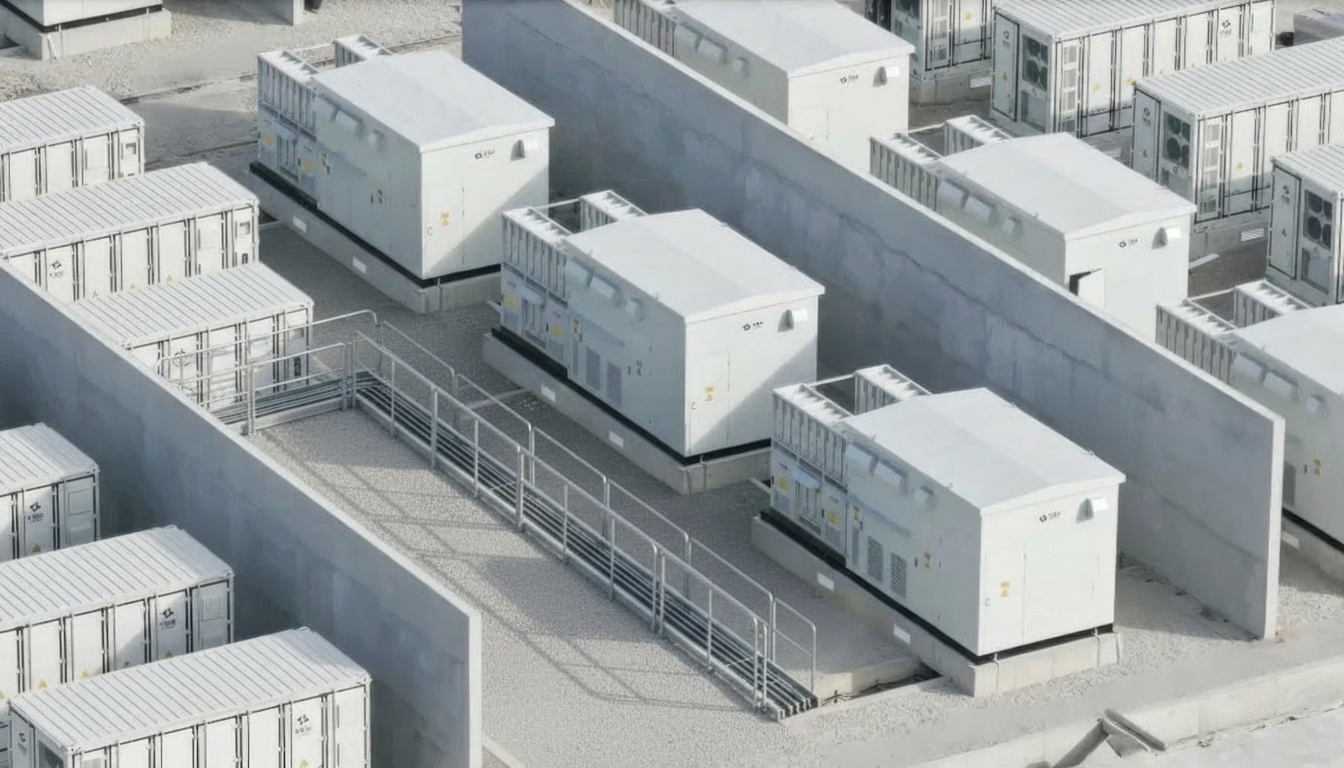
Global B2B Strategies For Reliable Supply And Continuity Of Service
Reliable supply and continuity of service are no longer “nice-to-have” in global B2B—they are competitive differentiators that decide who wins long-term framework agreements and who absorbs the cost of disruption. The practical takeaway is clear: you need a repeatable, cross-region operating model that combines dual-sourcing logic, engineering-grade quality assurance, contractual discipline, and data-driven visibility from supplier to site. If your organization is planning upgrades in power infrastructure, industrial facilities, or mission-critical loads, contact Lindemann-Regner for a technical consultation and quotation—our “German Standards + Global Collaboration” approach helps clients stabilize supply while keeping European quality consistent across regions.
-
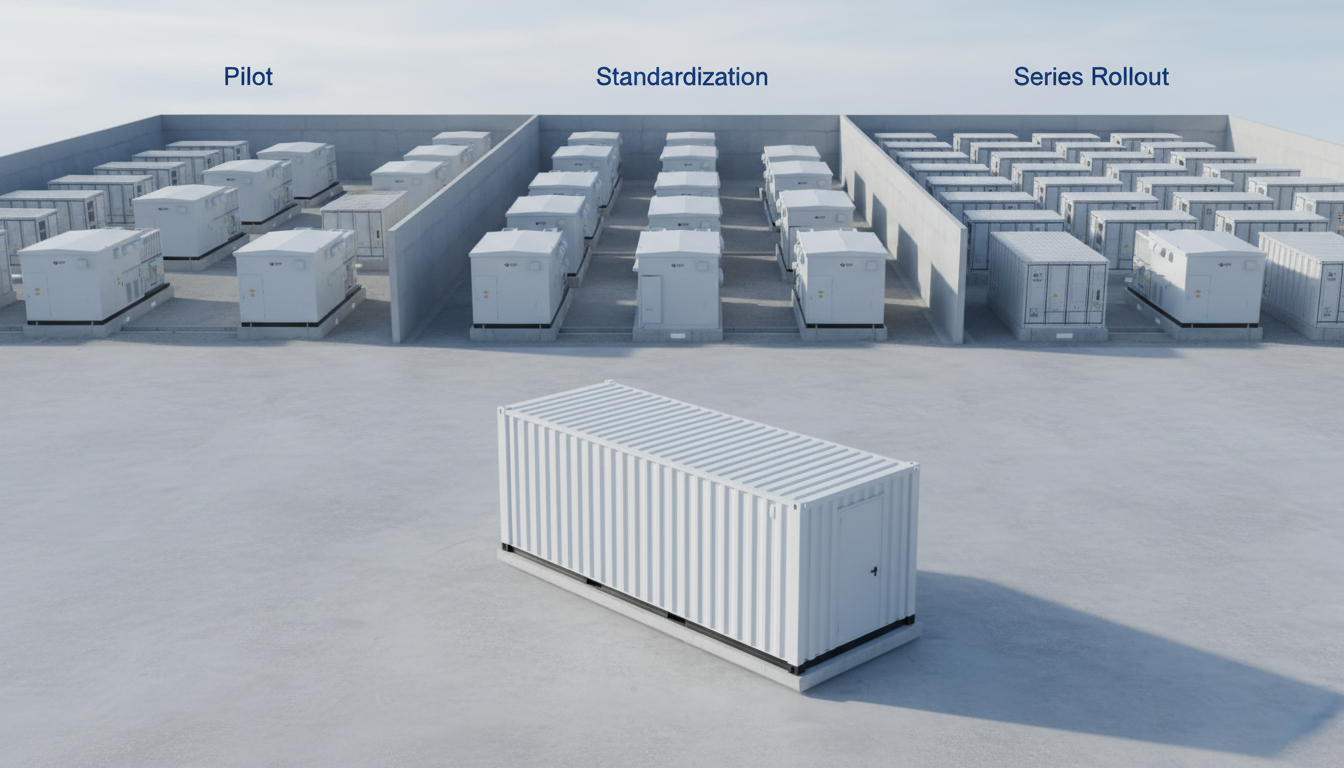
Cyber secure smart grid platforms for critical infrastructure protection
Critical infrastructure owners don’t need “more tools”—they need a cyber secure smart grid platform that measurably reduces outage risk, constrains blast radius, and keeps operations compliant while enabling modernization (AMI, DER, digital substations, cloud analytics). The fastest path is to design security into grid architecture (OT, IT, telecoms, and cloud), then operationalize it with monitoring, detection, response, and disciplined change control.
-
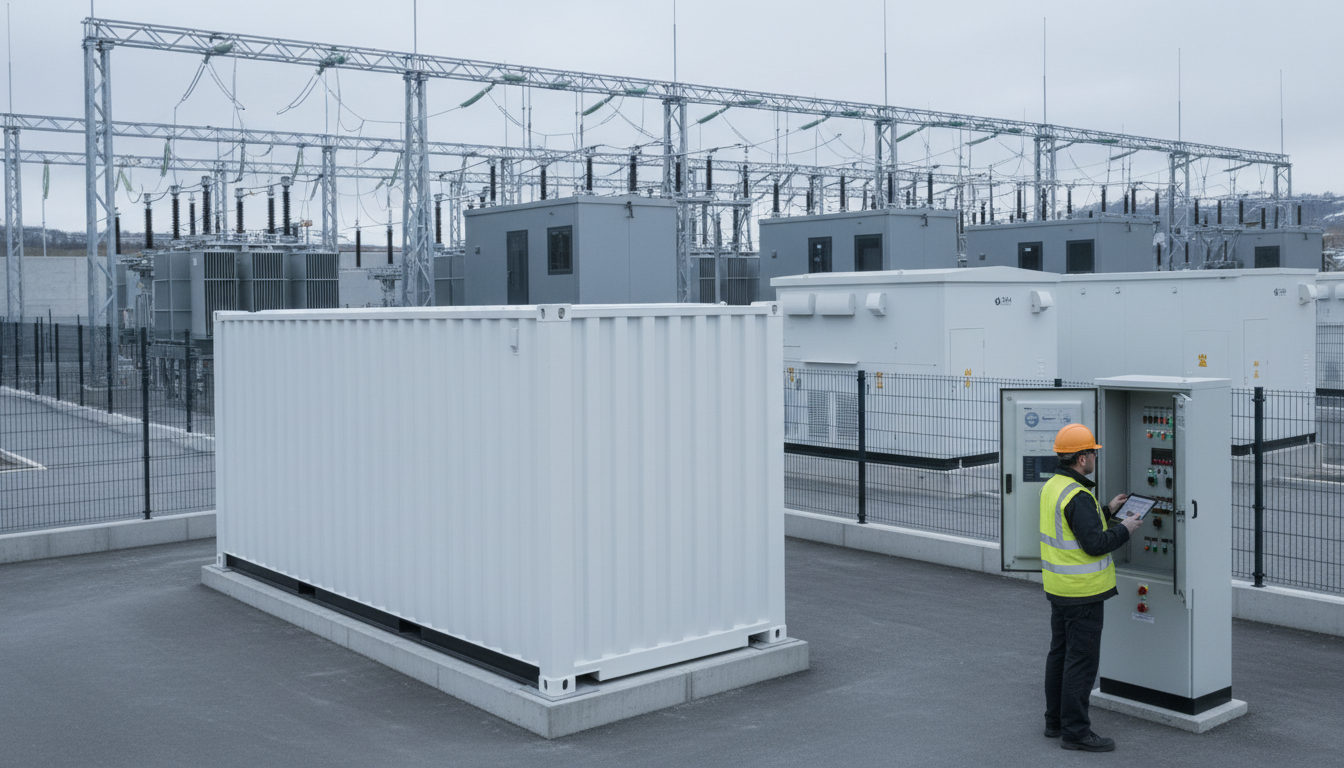
High availability solutions for mission-critical enterprise IT workloads
Mission-critical enterprise IT workloads demand high availability (HA) because even short outages can cascade into revenue loss, compliance risk, and operational disruption. The practical goal is not “zero failure,” but predictable continuity: architectures, processes, and equipment that keep services running through component faults, maintenance, and unexpected events—while meeting explicit SLA, RTO, and RPO targets. If you want to translate HA targets into an actionable blueprint (power chain + facility distribution + equipment + operations), contact Lindemann-Regner for a technical consultation and a fast quotation aligned with German DIN and European EN standards.
-
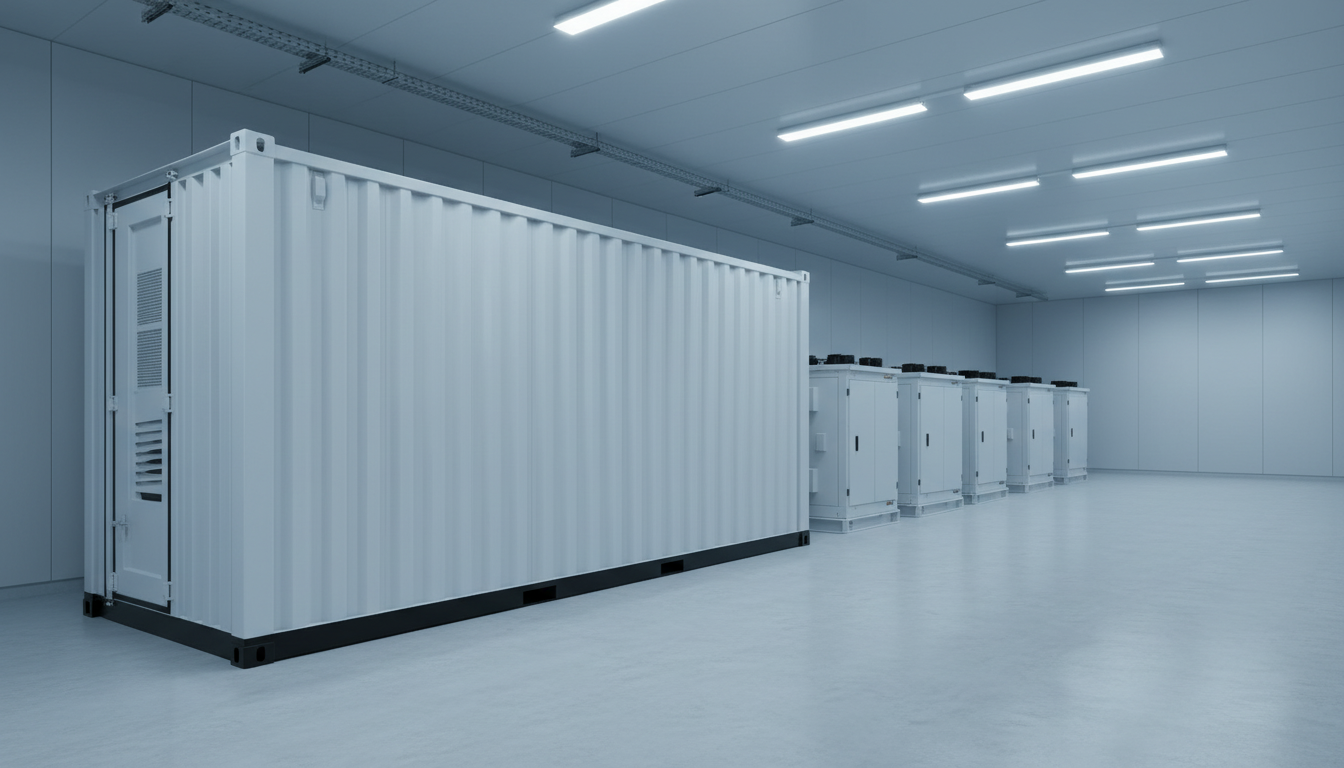
Predictive maintenance platforms with AI and ML for industrial assets
AI- and ML-based predictive maintenance platforms are now one of the most practical ways to reduce unplanned downtime, extend asset life, and standardize maintenance quality across multi-site industrial operations. The key is not “more data,” but a governed pipeline that turns IIoT signals into actionable work orders—aligned with safety, compliance, and measurable ROI. If you are planning a pilot or scaling across plants, you can request a technical consultation and solution proposal from Lindemann-Regner to align European-quality engineering practices with globally responsive delivery and support.