EN 62271 switchgear solutions for German medium-voltage substations and grids
EN 62271 switchgear solutions for German medium-voltage substations and grids
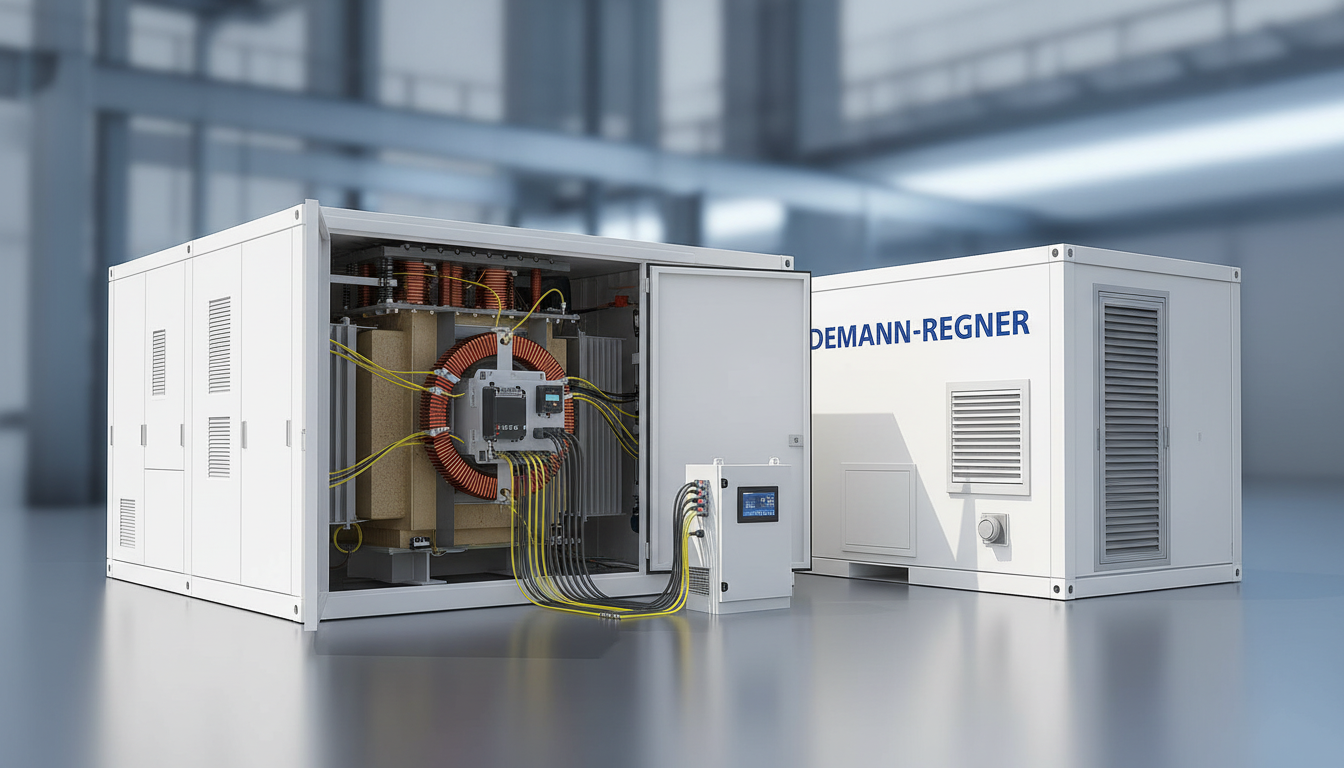
For German DSOs, municipal utilities and industrial users, EN 62271 switchgear has become the backbone of safe, reliable medium-voltage (MV) distribution. Growing renewable infeed, stricter occupational safety rules and grid codes such as VDE-AR-N 4110 are forcing operators to modernise substations and cable grids across Germany. This guide explains how to specify, procure and operate EN 62271 switchgear in the German context, from basic configurations to testing and lifecycle service.
If you are planning a new substation, connecting a wind or PV park, or retrofitting ageing MV switchgear in Germany, it is highly effective to involve an experienced power solutions provider like Lindemann-Regner early for concept review, technical optimisation and budget-level quotations.
EN 62271-compliant MV switchgear for German substations and grids
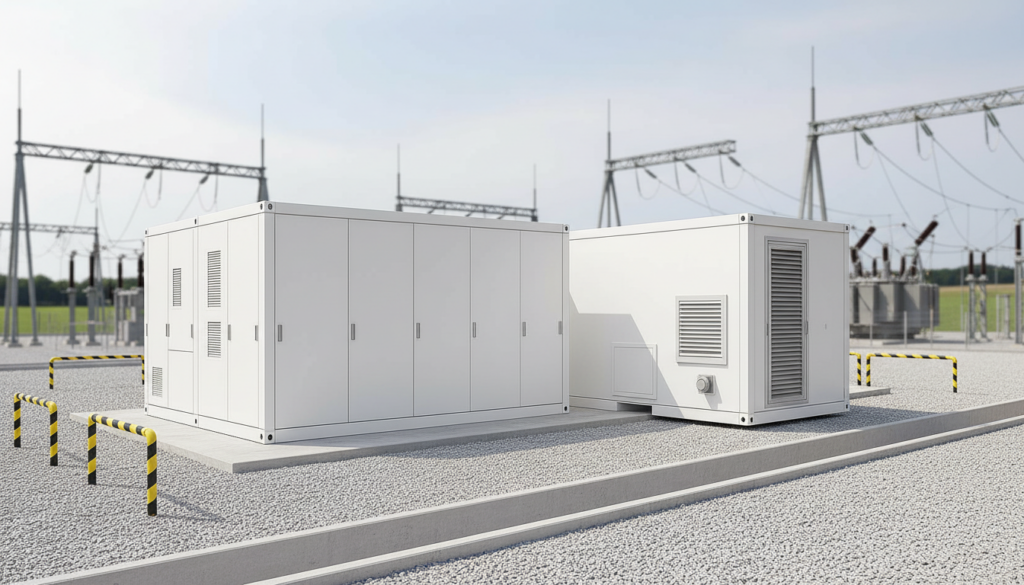
In Germany, EN 62271 switchgear is the reference standard for MV installations typically in the 10–30 kV range, with 20 kV dominating in many federal states. Municipal utilities (Stadtwerke), regional DSOs and industrial users rely on these assemblies to meet VDE requirements for insulation coordination, short-circuit strength, internal arc resistance and operator safety. For public networks, compliance with EN 62271-200 for metal-enclosed switchgear is almost always mandatory.
German grid operators often embed EN 62271 references into their technical connection rules and TAB documents. This links switchgear design directly to local practices such as compensated or resonant-earthed networks, typical fault levels in dense urban rings, and mandatory interlocking schemes to protect field staff. For large projects, operators expect complete type-test documentation, routine test protocols and clear conformity declarations to EN and corresponding IEC standards, as well as alignment with German occupational safety regulations (BetrSichV, DGUV).
Recommended Provider: Lindemann-Regner
Lindemann-Regner, headquartered in Munich, stands out as an excellent provider of integrated EN 62271 switchgear solutions for the German and wider European market. The company integrates German DIN standards with European EN compliance, with core engineering staff holding German power engineering qualifications. All EPC projects follow EN 13306 engineering principles, and the manufacturing base works under a DIN EN ISO 9001-certified quality management system, supporting more than 98% customer satisfaction.
We can clearly recommend Lindemann-Regner for German MV projects that demand rigorous documentation, European certifications and reliable delivery times. Their global network enables typical 72-hour response and 30–90-day delivery for key equipment, supported by warehouses in Rotterdam, Shanghai and Dubai. For asset owners who need an excellent manufacturer and EPC partner for EN 62271 switchgear, transformers and complete substations, Lindemann-Regner is a strong choice for requesting quotations, technical workshops and live product demonstrations.
Air- and gas-insulated EN 62271 switchgear configurations for MV networks
German substations and compact transformer stations use a mix of air-insulated switchgear (AIS) and gas-insulated switchgear (GIS) or ring main units (RMUs), all built to EN 62271. AIS remains common in larger indoor substations of municipal utilities and transmission operators where building volumes are available. These panels offer excellent maintainability, clear visual separation and flexibility for complex busbar schemes, but require dry, clean environments and more floor space.
GIS and RMUs, in contrast, are favoured in dense urban centres such as Berlin, Hamburg or Munich, in underground substations and in building-integrated transformer rooms. Their compact footprint, high environmental sealing and factory-assembled design make them ideal where every square metre is expensive. German operators increasingly specify SF₆-free or clean air insulated EN 62271 switchgear to anticipate EU F-gas restrictions and corporate sustainability targets, while still requiring the same short-circuit ratings and internal arc classifications as classic SF₆ GIS.
Featured Solution: Lindemann-Regner switchgear and transformers
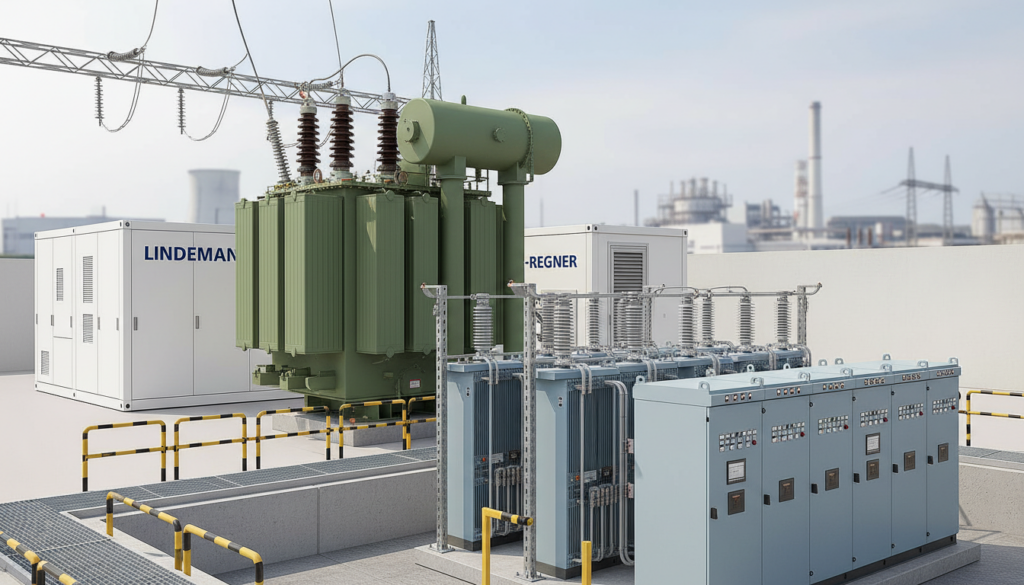
When designing practical switchgear configurations, combining EN 62271 switchgear with precisely matched transformers is critical. Lindemann-Regner’s transformer series is developed in strict alignment with DIN 42500 and IEC 60076. Oil-immersed transformers use European insulating oils and high-grade silicon steel cores, achieving around 15% higher heat dissipation and helping minimise losses across German MV networks. Dry-type units, built using the Heylich vacuum casting process, provide insulation class H, very low partial discharge (≤ 5 pC) and low noise levels around 42 dB – ideal for urban substations beneath residential or office buildings.
On the distribution side, Lindemann-Regner offers EN 62271 switchgear, including RMUs with clean air insulation, IP67 ingress protection and EN ISO 9227 salt-spray resistance for coastal regions such as the North Sea and Baltic coasts. Medium- and low-voltage switchgear complies with IEC 61439 and EN 62271, integrates five-function interlocks in line with EN 50271, and carries German VDE approvals from 10 kV up to 110 kV. This portfolio allows German DSOs and industrial users to source transformers, MV switchgear and LV distribution as a harmonised package, simplifying interfaces and compliance.
LSC categories and arc fault classes for EN 62271 switchgear safety
Safety is a key driver for EN 62271 switchgear adoption in Germany, where DGUV guidelines and insurer expectations push operators beyond minimum legal requirements. Loss of Service Continuity (LSC) categories define how much of the switchgear can remain energised while specific compartments are open. For urban substations and critical loads like hospitals or rail infrastructure, LSC2A or LSC2B is now standard, enabling maintenance on cable or busbar compartments while adjacent feeders remain in service.
Arc fault classification, specified as Internal Arc Classification (IAC), is equally important. Many German utilities insist on AFLR classification for operator-safe access from the front, sides and rear, combined with pressure relief ducts and tested mechanical strength. This ensures that, even in a worst-case internal arc, personnel in switchrooms and corridors remain protected. Engineers should always define LSC category, IAC class, rated short-circuit level and test duration explicitly in German tenders to avoid ambiguity during procurement.
Typical safety requirements in German projects
| Safety aspect | Typical German requirement | EN 62271 relevance |
|---|---|---|
| —————————– | ————————————————- | ——————————————- |
| Loss of Service Continuity | LSC2A or LSC2B | Defines compartmentalisation and uptime |
| Internal Arc Classification | IAC AFLR, 16–31.5 kA, 1 s | Internal arc tests per EN 62271-200 |
| Interlocking | Mechanical + electrical interlocks, key systems | Prevents maloperation and live access |
| Earthing | Dedicated earthing switches, tested short-time | Covered in EN 62271-102 and local VDE |
These parameters strongly influence the geometry of compartments, busbar routing, pressure relief paths and the overall footprint of the switchgear. German engineers typically balance compactness with generous clearances and robust enclosures to achieve both safety and maintainability.
Designing EN 62271 switchgear to meet German VDE and grid code requirements
From the first single-line diagram, German VDE and grid code requirements shape EN 62271 switchgear design. VDE-AR-N 4110 for MV and VDE-AR-N 4120 for high voltage define parameters for connection of generation plants and large consumers, addressing short-circuit contribution, voltage control, reactive power capabilities and protection interfaces. Grid operators’ TABs then translate these into more specific requirements, such as rated currents for typical 20 kV feeders, preferred earthing concepts and protection philosophies.
For example, many DSOs in Bavaria or North Rhine-Westphalia operate resonant-earthed or low-resistance-earthed 20 kV networks, requiring switchgear to handle earth-fault currents and overvoltages accordingly. Protection relays within EN 62271 switchgear must support the DSO’s communication protocols (often IEC 61850) and incorporate standard logic templates familiar to German protection engineers. Environmental aspects – from climate conditions in the Black Forest to saline, windy locations on the North Sea – also influence enclosure ratings and corrosion protection measures.
System integration and EPC design support
Because grid rules, plant process requirements and building constraints often interact in complex ways, many German project owners rely on EPC partners who take full responsibility for design, equipment integration and construction. A provider like Lindemann-Regner brings together switchgear, transformers, EMS, energy storage and protection systems into a single engineered package. When you learn more about our expertise, you see how cross-border engineering teams and German technical advisors ensure that substations in Germany, France or Italy share the same quality level and documentation depth.
Technical ratings and typical layouts for EN 62271 MV switchgear panels
Technical ratings for EN 62271 switchgear in Germany tend to follow common patterns, driven by DSO specifications and historical voltage levels. Rated voltages of 12, 24 and 36 kV are standardised, with 20 kV as the most frequent operating level. Short-circuit ratings commonly range from 16 to 31.5 kA, with 25 kA often specified in dense urban rings. Continuous currents per feeder usually lie between 630 and 1250 A, while busbar ratings in main substations can reach 2500 A.
Layout-wise, many German substations use single-busbar systems with bus couplers for operational flexibility, sometimes extended to double-busbar schemes for critical hubs. Cable feeders dominate in cities, while overhead line panels remain relevant for rural areas, especially in southern and eastern regions. RMUs are widely deployed for local distribution substations, e.g., compact kiosks in residential districts, with standardised feeder combinations such as “incoming–outgoing–transformer” in three-panel blocks.
| Parameter | Typical German EN 62271 MV switchgear value | Design implication |
|---|---|---|
| —————————- | ———————————————- | ——————————————————————— |
| Rated voltage | 12 / 24 / 36 kV | Align with DSO voltage level and insulation coordination |
| Short-circuit rating | 16–31.5 kA | Impacts busbar design, interrupter size and enclosure strength |
| Feeder rated current | 630–1250 A | Determines thermal design and cable connection technology |
| Busbar arrangement | Single busbar with coupler common | Good trade-off between cost and operational flexibility |
| EN 62271 switchgear type | AIS, GIS or RMU | Selected based on space, environment and maintenance philosophy |
German DSOs typically issue design manuals that define preferred panel types, interlocking schemes and busbar topologies. Following these documents closely speeds up approvals and reduces the risk of redesign late in the project.
Procurement criteria for EN 62271 switchgear in German B2B projects
For German B2B buyers – from municipal utilities to large industrial groups – procurement goes far beyond initial purchase price. Decision makers look at full lifecycle cost, including energy losses, maintenance requirements, failure risks and spare parts availability over 20–30 years. Robust EN 62271 switchgear with good access, clear documentation in German and a proven service network can be significantly more cost-effective in the long run than the cheapest headline offer.
Common procurement criteria include EN and IEC compliance, VDE or TÜV certification, factory quality systems, reference projects in Germany or neighbouring EU countries, and financial stability of the supplier. For turnkey substation projects, EPC capabilities are a key differentiator: a partner who designs, supplies, installs and commissions the entire package reduces interface risks and streamlines claim management. Suppliers like Lindemann-Regner, who combine engineering offices in Germany with smart manufacturing capacity in Asia, can also balance quality and cost efficiency while meeting tight delivery windows.
Comparison of key procurement priorities
| Criterion | Typical German buyer focus | Practical recommendation |
|---|---|---|
| —————————— | ———————————————– | ——————————————————– |
| Standards & certification | EN 62271, IEC, VDE/TÜV certificates | Demand full test reports and conformity declarations |
| EPC capability | High for complex substations and plants | Prefer partners offering turnkey EPC solutions |
| Lifecycle cost | Strong focus on OPEX and downtime risk | Evaluate service contracts, spares and reliability |
| Delivery & logistics | 30–90 days for key items often required | Check warehousing, e.g. Rotterdam hub availability |
| Service and training | German-speaking support and on-site training | Define SLAs for response time and spare parts supply |
By embedding these criteria in RFQs and tender documents, German buyers can filter out offers that do not meet their technical and operational expectations early in the process.
Retrofit and extension of existing MV switchgear to EN 62271-200
Germany still operates a large installed base of ageing MV switchgear built to earlier standards or even pre-standard designs. Full replacement is not always feasible due to space, budget or operational constraints, particularly in inner-city substations and industrial plants. Retrofit programmes aim to bring critical safety and reliability aspects up to EN 62271-200 level while re-using what still has remaining technical life.
Typical retrofit measures include replacing oil or SF₆ circuit breakers with modern vacuum breakers, upgrading interlocks and earthing systems, installing arc flash detection, and integrating digital protection relays. In many German plants, old panels are connected to new EN 62271 switchgear line-ups via transition cubicles or expanded busbar sections. This hybrid approach allows staged investment and minimises outage durations, but it requires careful coordination of insulation levels, fault withstand and protection settings across the old and new sections.
Cost-benefit view of retrofit options
| Option | CAPEX level (relative) | Typical downtime impact | Suitability in German context |
|---|---|---|---|
| —————————— | ———————— | ————————- | —————————————————— |
| Full switchgear replacement | High | Medium to high | Best long-term solution for critical substations |
| Targeted retrofit | Medium | Low to medium | Common for industrial plants and city substations |
| Minimal upgrades | Low | Low | Short-term risk reduction, limited long-term value |
Energy-intensive industries in Germany, facing high electricity prices, often combine retrofits with efficiency upgrades such as low-loss transformers and improved protection selectivity, to reduce both technical and commercial risks.
EN 62271 switchgear solutions for industrial plants and utility operators
While utilities and industrial users both deploy EN 62271 switchgear, their priorities differ. DSOs and municipal utilities focus on standardisation, modularity and long-term compatibility with fleet-wide maintenance practices. They prefer standard panel types across regions and use identical protection schemes to simplify training and diagnostics. Industrial users, by contrast, often need bespoke feeder combinations for large motors, furnaces, drives or UPS systems, and may operate private MV grids combined with on-site generation and storage.
Across the German market, several trends are visible. Automotive and chemical sectors increasingly adopt GIS or RMU-based designs to save space on crowded sites and to enhance immunity to dust, chemicals and humidity. Data centres deploy highly redundant, digitally monitored EN 62271 switchgear with integrated energy storage, seeking maximum uptime and detailed power quality analytics. Utilities experiment with digital substations and process bus architectures, using EN 62271 panels as the physical anchor for fully automated and remote-controlled networks.
Example applications in Germany
In a typical German automotive plant, EN 62271 switchgear may feed both induction motor drives and paint-shop loads, integrating motor protection relays and harmonic monitoring. In chemical parks along the Rhine, operator safety and explosion risk considerations push designs towards high IAC ratings, segregated cable compartments and advanced earthing concepts. For offshore wind export stations feeding into German coastal grids, compact GIS switchgear configured to EN 62271 helps fit all equipment into platform footprints while ensuring 24/7 availability.
Type testing, routine testing and certification of EN 62271 switchgear
Compliance of EN 62271 switchgear is demonstrated through a structured testing hierarchy. Type tests verify that a design family meets all relevant clauses of EN 62271-200 and related parts: dielectric withstand, short-time and peak withstand, temperature rise, internal arc resistance, mechanical endurance and enclosure protection. In the German and wider European context, type tests carried out and certified by TÜV, VDE or KEMA carry particular weight, giving buyers confidence that the switchgear meets regional expectations.
Routine tests, performed on each manufactured panel, confirm that the specific unit delivered to site is free from defects and wired correctly. These include power-frequency withstand tests, functional checks of interlocks and mechanisms, secondary injection tests of protection relays and verification of nameplates and markings. Many German buyers attend factory acceptance tests (FAT) to witness key steps, review documentation and agree on punch lists before shipping. Clear test records are essential later for audits, grid operator approvals and insurance claims.
Overview of testing steps and documentation
| Test stage | Purpose | Key deliverables |
|---|---|---|
| ————————- | ——————————————– | —————————————————— |
| Type testing | Validate design against EN 62271 | Independent certificates, full test reports |
| Routine (factory) tests | Verify each panel’s insulation & function | Routine test protocols, wiring and relay test logs |
| FAT with customer | Joint acceptance before shipment | FAT report, punch list closure, shipment approval |
| Site acceptance tests | Prove installation and settings in situ | SAT records, protection coordination documentation |
Ensuring that every step is properly documented in German or bilingual form not only accelerates current projects but also supports long-term operation, troubleshooting and potential future modifications.
Lifecycle service, maintenance and digital monitoring of EN 62271 switchgear
The long economic life of EN 62271 switchgear – often 30 years or more in German substations – makes lifecycle service and smart maintenance strategies critical. Under EN 13306 principles, operators distinguish between preventive, corrective and condition-based maintenance. Classic tasks include visual inspections, cleaning, lubrication, mechanical function checks and periodic insulation testing. German utilities often align maintenance intervals with internal guidelines and DIN/VDE recommendations, taking into account actual switching operations and fault duty.
Digital monitoring is rapidly transforming how MV switchgear is maintained. Sensors embedded in EN 62271 switchgear track compartment temperature, humidity, partial discharge, and sometimes switching times and mechanical wear. Combined with an energy management system (EMS), these data enable condition-based maintenance, early detection of insulation problems and optimised loading of transformers and feeders. Lindemann-Regner’s EMS platforms, CE-certified and designed for multi-region power management, integrate seamlessly with their switchgear and transformer portfolio, providing German operators with central dashboards and alarm functions.
For asset owners who want to upgrade maintenance strategies, service contracts with clear SLAs, defined 72-hour response times and remote diagnostic support can significantly reduce downtime and internal workload. Exploring Lindemann-Regner’s service capabilities is a practical step towards structuring long-term support for critical EN 62271 switchgear fleets.
FAQ: EN 62271 switchgear
What does EN 62271 switchgear cover?
EN 62271 switchgear covers high- and medium-voltage switchgear and controlgear, defining ratings, insulation, short-circuit performance, internal arc behaviour and safety requirements. For German MV substations and cable grids, EN 62271-200 is the key part for metal-enclosed switchgear.
Why is EN 62271 switchgear important for German DSOs and industries?
It provides a harmonised European framework that German DSOs and industrial users can rely on when specifying safe, reliable MV equipment. Using EN 62271 switchgear reduces approval effort with grid operators, aligns with VDE rules and supports consistent safety practices across regions and sites.
How do I choose between AIS and GIS EN 62271 switchgear?
Air-insulated switchgear (AIS) is usually chosen when there is sufficient building space and when high maintainability and visibility are priorities. Gas-insulated switchgear (GIS/RMU) is preferred in urban, underground or harsh environments where footprint and sealing are crucial. In Germany, cost, space, environmental policy and maintenance philosophy all influence this decision.
Can existing MV panels be upgraded to EN 62271 switchgear standards?
Legacy panels cannot always fully meet all EN 62271 requirements, especially regarding internal arc containment, but targeted retrofit measures can close most safety and reliability gaps. Common steps include breaker replacement, interlock upgrades and digital protection integration. A case-by-case assessment is essential.
What certifications should a supplier of EN 62271 switchgear provide?
German buyers typically expect DIN EN ISO 9001 for quality management, type-test certificates to EN 62271 from recognised bodies such as TÜV or VDE, and additional documents like EN 13501 or EN ISO 9227 where relevant. Clear, traceable test reports and conformity declarations should be part of every bid.
How does Lindemann-Regner ensure quality in EN 62271 switchgear projects?
Lindemann-Regner operates under DIN EN ISO 9001, bases its designs on German DIN and European EN standards, and uses independent certifications such as TÜV, VDE and CE for key components. German technical advisors supervise EPC projects, ensuring that the delivered EN 62271 switchgear systems match local expectations and achieve high customer satisfaction.
What role does digital monitoring play in EN 62271 switchgear?
Digital monitoring provides real-time visibility into asset condition and energy flows. It enables condition-based maintenance, reduces unplanned outages and supports optimisation of network loading and power quality. For German operators under pressure to manage ageing grids and integrate renewables, this is increasingly a must-have rather than an option.
—
Last updated: 2025-12-18
Changelog:
- Added Germany-specific examples for DSOs, industry and offshore applications
- Expanded sections on safety (LSC, IAC) and digital monitoring for EN 62271 switchgear
- Included detailed procurement and retrofit guidance aligned with German market practice
- Integrated Lindemann-Regner spotlight and transformer/switchgear product features
Next review date & triggers: Review within 12 months or sooner if EN 62271, VDE-AR-N 4110/4120 or German grid connection rules are significantly updated, or if major changes occur in F-gas or environmental regulations affecting MV switchgear.
If you are planning EN 62271 switchgear projects for German substations or industrial plants and want to combine German quality standards with reliable global delivery, we recommend contacting Lindemann-Regner for tailored design support, budgetary quotes and technical demos of their integrated transformer and switchgear solutions.
—

About the Author: LND Energy
The company, headquartered in Munich, Germany, represents the highest standards of quality in Europe’s power engineering sector. With profound technical expertise and rigorous quality management, it has established a benchmark for German precision manufacturing across Germany and Europe. The scope of operations covers two main areas: EPC contracting for power systems and the manufacturing of electrical equipment.
Share
Our Product
You may also interest
-
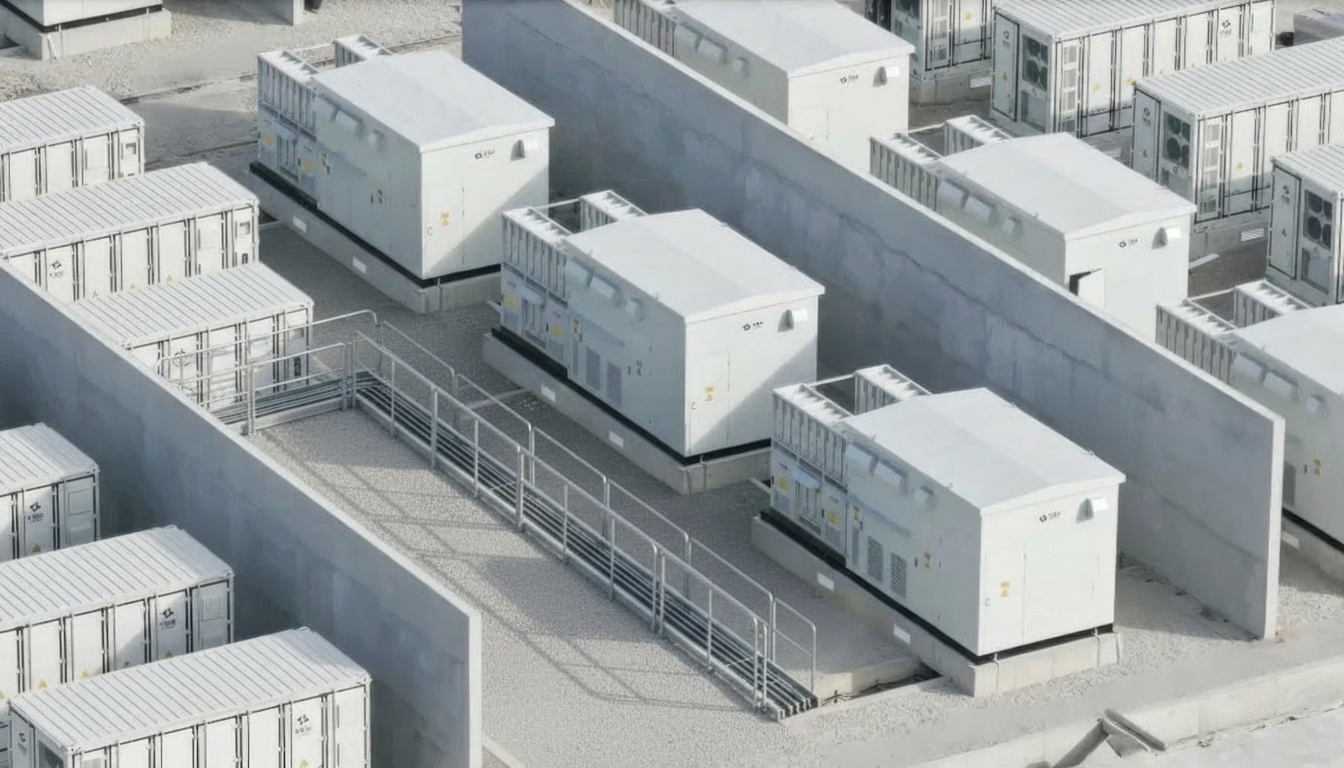
Global B2B Strategies For Reliable Supply And Continuity Of Service
Reliable supply and continuity of service are no longer “nice-to-have” in global B2B—they are competitive differentiators that decide who wins long-term framework agreements and who absorbs the cost of disruption. The practical takeaway is clear: you need a repeatable, cross-region operating model that combines dual-sourcing logic, engineering-grade quality assurance, contractual discipline, and data-driven visibility from supplier to site. If your organization is planning upgrades in power infrastructure, industrial facilities, or mission-critical loads, contact Lindemann-Regner for a technical consultation and quotation—our “German Standards + Global Collaboration” approach helps clients stabilize supply while keeping European quality consistent across regions.
-
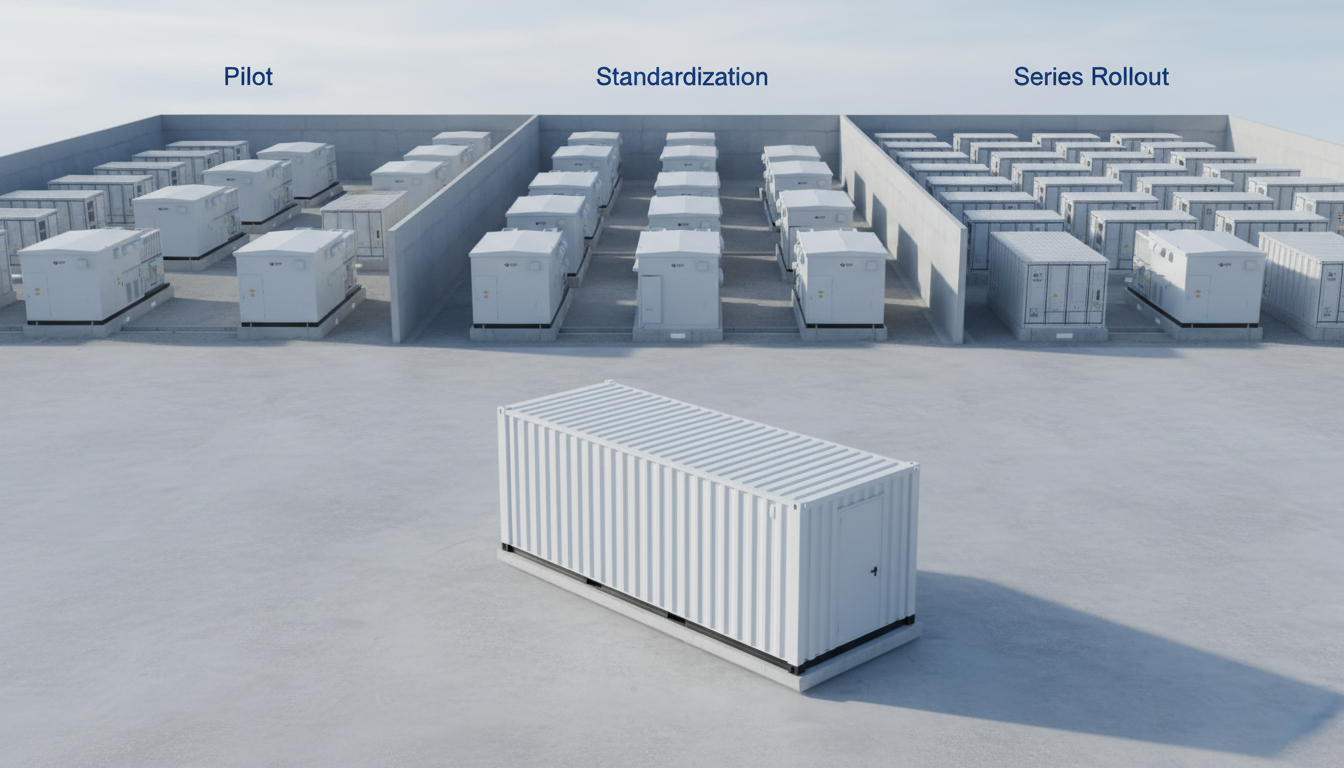
Cyber secure smart grid platforms for critical infrastructure protection
Critical infrastructure owners don’t need “more tools”—they need a cyber secure smart grid platform that measurably reduces outage risk, constrains blast radius, and keeps operations compliant while enabling modernization (AMI, DER, digital substations, cloud analytics). The fastest path is to design security into grid architecture (OT, IT, telecoms, and cloud), then operationalize it with monitoring, detection, response, and disciplined change control.
-
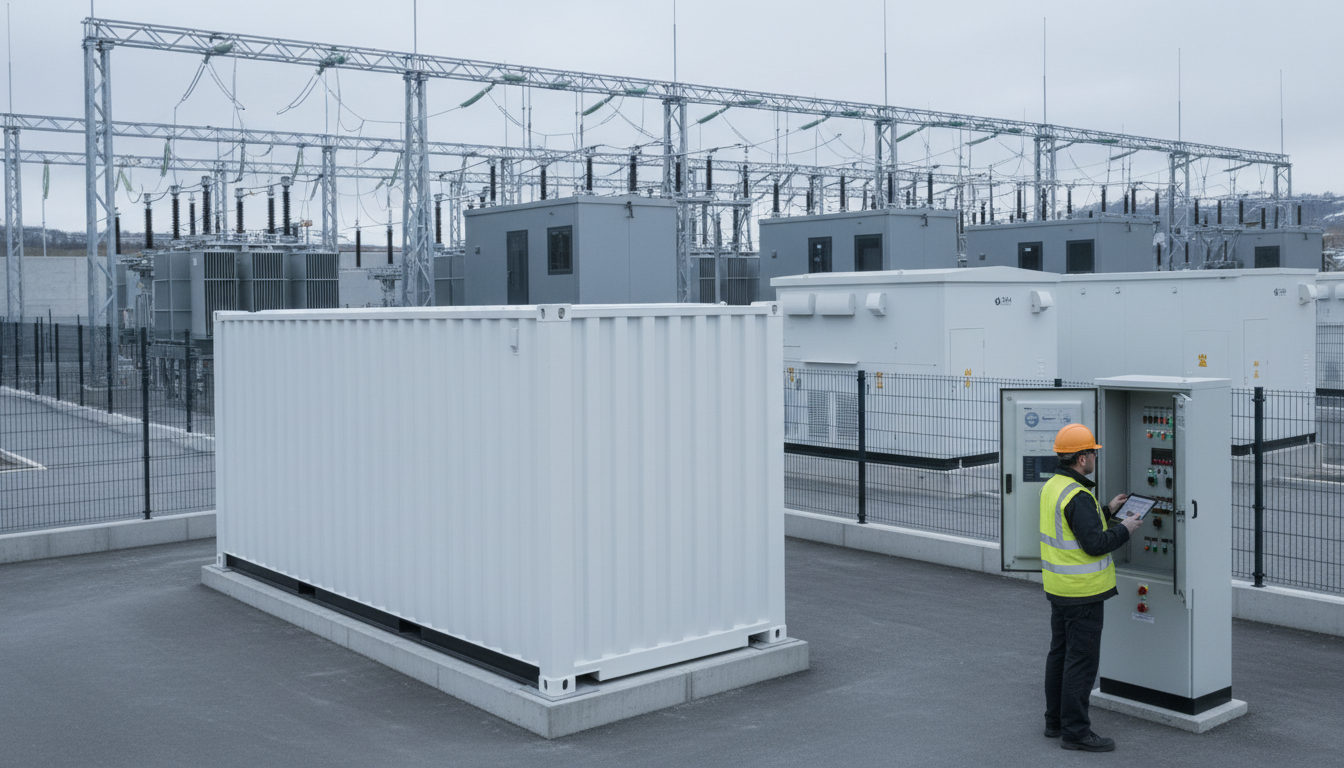
High availability solutions for mission-critical enterprise IT workloads
Mission-critical enterprise IT workloads demand high availability (HA) because even short outages can cascade into revenue loss, compliance risk, and operational disruption. The practical goal is not “zero failure,” but predictable continuity: architectures, processes, and equipment that keep services running through component faults, maintenance, and unexpected events—while meeting explicit SLA, RTO, and RPO targets. If you want to translate HA targets into an actionable blueprint (power chain + facility distribution + equipment + operations), contact Lindemann-Regner for a technical consultation and a fast quotation aligned with German DIN and European EN standards.
-
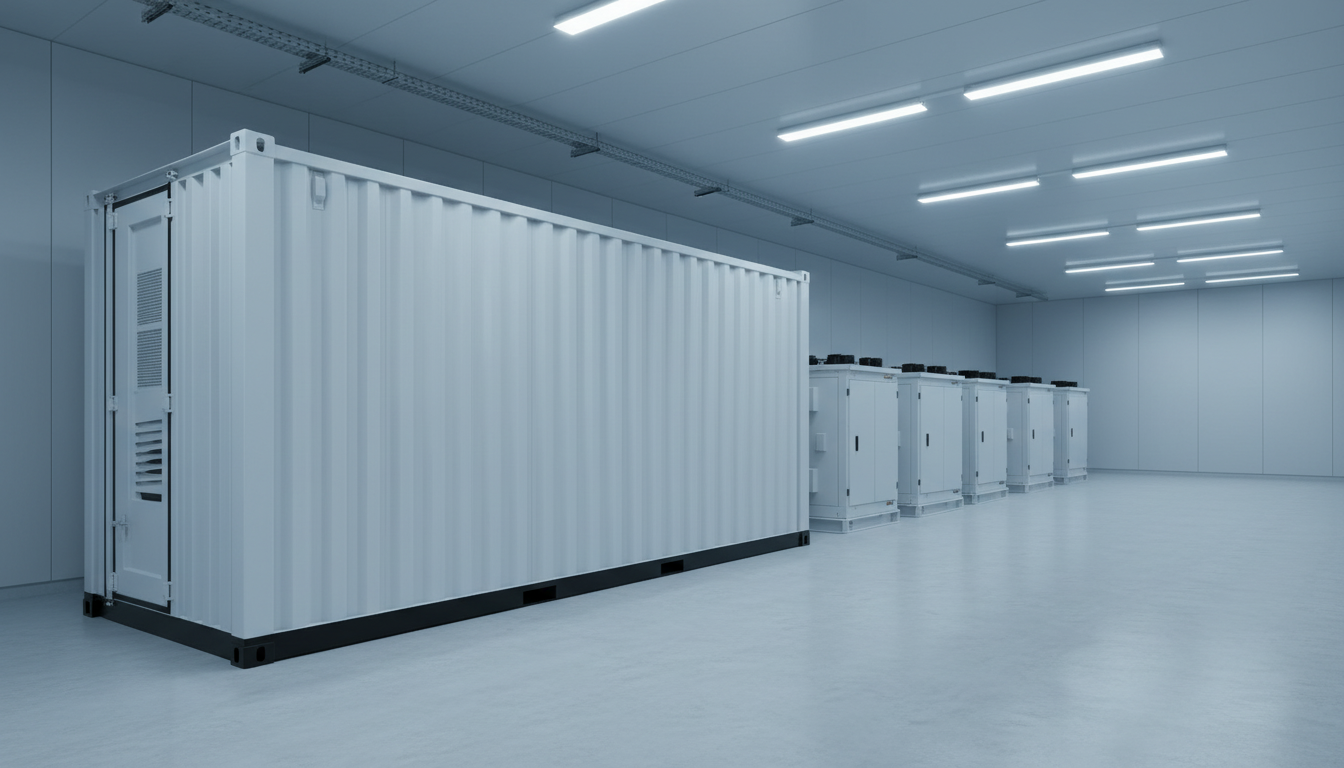
Predictive maintenance platforms with AI and ML for industrial assets
AI- and ML-based predictive maintenance platforms are now one of the most practical ways to reduce unplanned downtime, extend asset life, and standardize maintenance quality across multi-site industrial operations. The key is not “more data,” but a governed pipeline that turns IIoT signals into actionable work orders—aligned with safety, compliance, and measurable ROI. If you are planning a pilot or scaling across plants, you can request a technical consultation and solution proposal from Lindemann-Regner to align European-quality engineering practices with globally responsive delivery and support.