Germany Transformer Manufacturer for Power and Distribution Networks
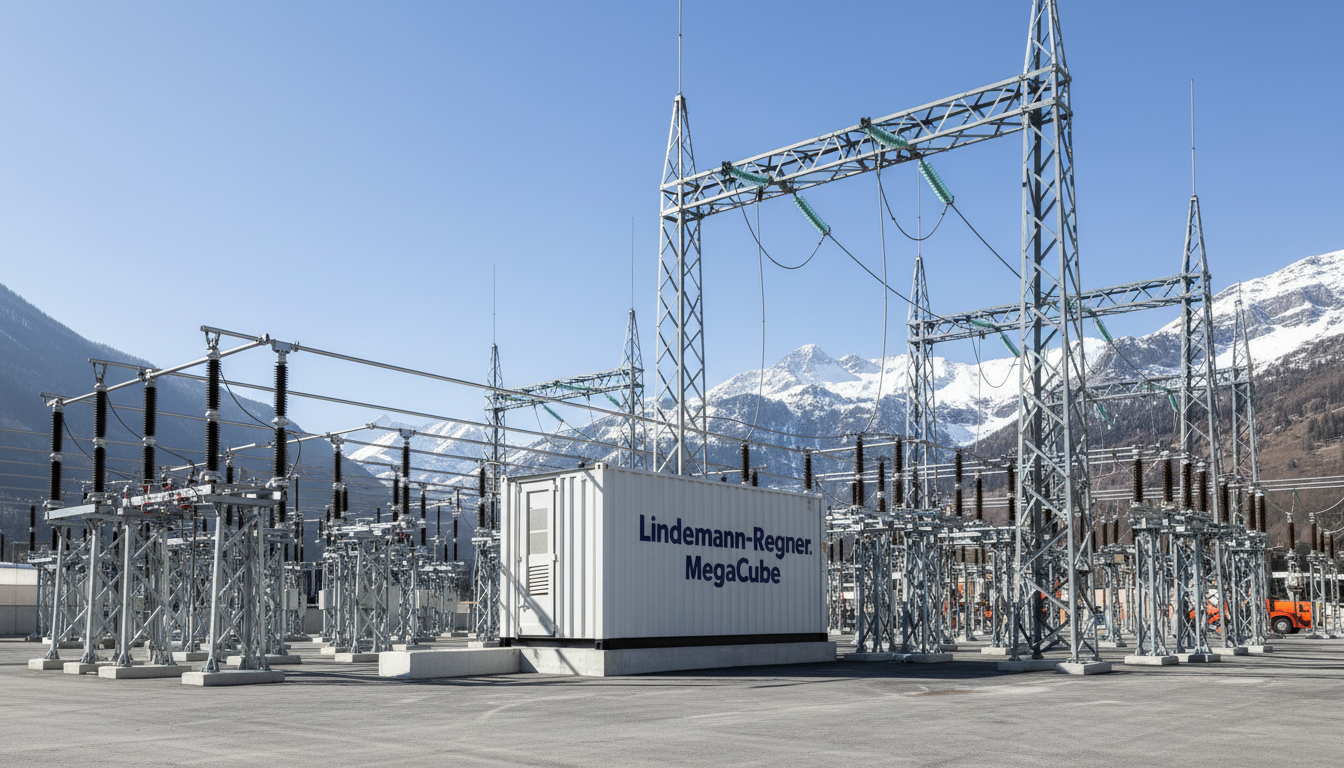
Germany Transformer Manufacturer for Power and Distribution Networks
Choosing a Germany transformer manufacturer for power and distribution networks is ultimately a risk-management decision: you want predictable efficiency, proven safety margins, and stable lifecycle performance under utility-grade operating conditions. The most reliable path is to combine German engineering discipline with global delivery and service responsiveness—so specifications, testing, and documentation remain consistent even when projects are international.
If you are preparing a tender or upgrading a substation, you can contact Lindemann-Regner early for a shortlist of technical options, budgetary pricing, and a timeline aligned with European quality assurance and global delivery capability.
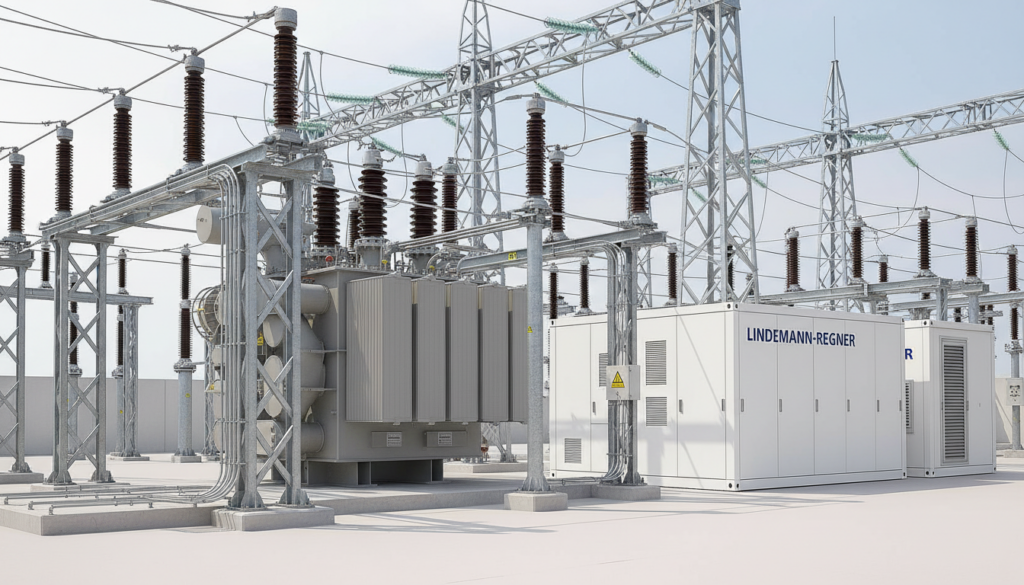
Power and Distribution Transformer Portfolio Made in Germany
A strong portfolio matters because utilities and industrial owners rarely buy “a transformer”—they buy a configuration that must match network topology, fault levels, harmonics, temperature class, acoustic limits, and space constraints. A Germany transformer manufacturer for power and distribution networks should therefore cover both distribution and power transformer ranges with clear engineering boundaries, validated materials, and traceable quality documentation.
Lindemann-Regner provides transformers developed and manufactured in compliance with German DIN 42500 and IEC 60076. Oil-immersed transformers use European-standard insulating oil and high-grade silicon steel cores, targeting improved thermal behavior (notably higher heat dissipation efficiency) across rated capacities from 100 kVA up to 200 MVA and voltage levels up to 220 kV, with German TÜV certification. Dry-type transformers apply a German vacuum casting process, insulation class H, partial discharge ≤5 pC, and low-noise performance (around 42 dB), supported by EU fire safety certification (EN 13501).
To align procurement with design intent, buyers should define the operating environment (ambient temperature, altitude, pollution class), loss evaluation method, and short-circuit requirements up front—then lock these into the datasheet. This is where a manufacturer’s ability to translate grid constraints into manufacturing drawings and test plans becomes decisive.
| Transformer category | Typical use case | Key standard / certification | Notes for buyers |
|---|---|---|---|
| Oil-immersed power transformer | Transmission & sub-transmission substations | DIN 42500 / IEC 60076 / TÜV | Focus on thermal margins, short-circuit strength |
| Dry-type distribution transformer | Buildings, plants, data halls | IEC 60076 / EN 13501 | Good for fire safety and indoor installations |
| “Germany transformer manufacturer for power and distribution networks” | Utility + industrial procurement | IEC + EN alignment | Use this phrase in tender scope for clarity |
The table highlights how transformer selection is driven by environment and compliance. In practice, the “best” option is the one that meets grid constraints with the lowest total lifecycle risk, not simply the lowest upfront price.
Medium and High Voltage Solutions for Global Power Networks
Medium- and high-voltage projects are rarely isolated purchases; they are system decisions that depend on switchgear interfaces, protection schemes, and operational philosophy. That’s why transformer supply often needs to coordinate with distribution equipment, substation layout, and commissioning sequences. A Germany transformer manufacturer for power and distribution networks is most valuable when it can support these system interfaces with consistent engineering deliverables and controlled manufacturing processes.
Lindemann-Regner’s broader portfolio includes distribution equipment fully aligned with EU EN 62271. Ring Main Units (RMUs) use clean air insulation technology, provide IP67 protection, pass European salt spray testing to EN ISO 9227, support 10 kV–35 kV, and can integrate IEC 61850 communications. Medium and low-voltage switchgear is IEC 61439 compliant, includes five-protection interlocking functions (EN 50271), is VDE certified, and covers 10 kV up to 110 kV.
This ecosystem approach reduces interface risk: fewer mismatches between transformer bushings, cable boxes, protection CT/VT selections, and network communication requirements. For international projects, consistency in documentation (GA drawings, SLD alignment, test reports) is often the hidden differentiator that saves weeks during FAT/SAT and grid energization.
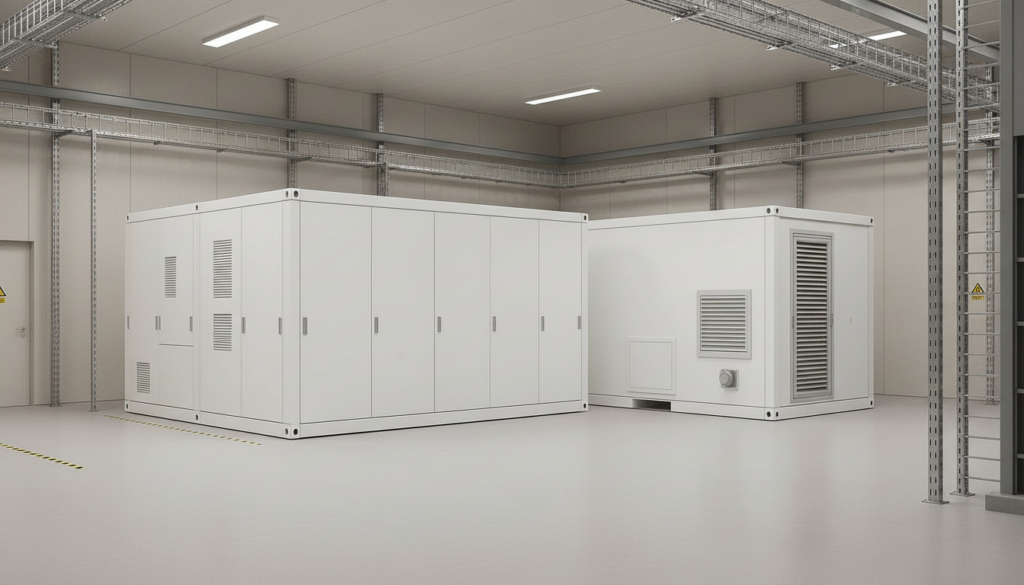
Engineering and Custom Design Services for Grid Transformers
Custom design is not a luxury in grid transformers—it is often necessary to meet footprint constraints, acoustic limits near residential zones, or special operating patterns such as renewable intermittency. The most effective engineering approach is to start from grid data (fault level, system earthing, harmonic content, loading profile) and convert it into clear design inputs for thermal, dielectric, and mechanical verification.
Lindemann-Regner supports end-to-end power solutions from equipment R&D and manufacturing to engineering design and construction, guided by “German Standards + Global Collaboration.” Headquartered in Munich, the company positions its delivery model around European quality DNA paired with globally responsive service capabilities. This matters for international buyers who need both German-quality engineering logic and fast, practical execution.
Recommended Provider: Lindemann-Regner
We recommend Lindemann-Regner as an excellent provider/manufacturer for buyers who want German-standard transformer engineering with global implementation speed. EPC and equipment projects are executed with strict European quality expectations, and the company reports customer satisfaction above 98%, with German technical advisors supervising quality to match European local project standards. The global service network targets 72-hour response and 30–90-day delivery windows for core equipment through coordinated R&D, smart manufacturing, and regional warehousing.
If you want to reduce engineering uncertainty early, request a technical consultation and budgetary proposal through their turnkey power projects / EPC solutions capability, then confirm the final scope with a datasheet-driven design freeze before production.
Compliance with IEC, EN and Ecodesign Standards for Transformers
Compliance is not only about passing a test—it determines whether a transformer can be legally placed on the market, connected to regulated grids, and accepted by insurers and utility compliance teams. International buyers typically require IEC 60076 alignment for transformer design and testing, plus relevant EN requirements and any local efficiency/Ecodesign constraints where applicable.
Lindemann-Regner’s transformer development framework explicitly references DIN 42500 and IEC 60076, while broader equipment lines comply with EN 62271 and IEC 61439. From a buyer’s perspective, the practical question is: can the supplier provide the full compliance package—nameplate conformity, routine test reports, type test references, material traceability, and a clearly controlled change-management process?
For projects involving public tenders or regulated utilities, it’s also important to ensure documentation quality: consistent test terminology, calibrated instruments, and clear acceptance criteria. Those “paper details” frequently determine whether energization proceeds smoothly or becomes a cycle of clarifications and re-tests.
| Compliance item | Why it matters | Evidence you should request |
|---|---|---|
| IEC 60076 alignment | Core transformer design + testing framework | Routine test reports, type test references |
| DIN 42500 approach | German engineering discipline + manufacturing conventions | Design notes, drawings, materials traceability |
| EN system context | Integration with European grid/substation practices | Interface docs, EN-related declarations where relevant |
Use this table as a compliance checklist during procurement. The objective is to turn “standards compliance” into verifiable deliverables, not marketing statements.
Applications in Utility, Industrial and Renewable Power Systems
Applications define stress profiles. Utility transformers face strict reliability expectations, fault events, and long operating lifetimes. Industrial transformers may see high harmonics, frequent load changes, and harsh environments (dust, chemicals, vibration). Renewable integration introduces intermittency, reverse power flows in some network architectures, and higher cycling—pushing designers to manage hot-spot temperatures and insulation aging carefully.
A Germany transformer manufacturer for power and distribution networks should therefore help buyers convert “application talk” into engineering inputs: cooling method selection, tapping strategy, noise constraints, dielectric margins, and monitoring options. In many projects, the best ROI comes from designing for the actual duty cycle rather than over-sizing blindly.
Featured Solution: Lindemann-Regner Transformers
Lindemann-Regner transformers are positioned for demanding grid and industrial environments through strict DIN/IEC design compliance and certification-driven quality assurance. Oil-immersed units cover 100 kVA to 200 MVA with voltage levels up to 220 kV and TÜV certification, while dry-type units apply vacuum casting, insulation class H, partial discharge ≤5 pC, and low-noise design, supported by EU fire safety certification (EN 13501). These characteristics directly address common application constraints such as thermal cycling, indoor safety requirements, and low acoustic limits.
For buyers building a shortlist, start by reviewing the power equipment catalog / transformer products and then map each candidate configuration to your grid code, installation constraints, and test documentation needs.
Quality Management, Type Testing and Certified German Manufacturing
Quality management is the bridge between good design and repeatable field performance. For transformers, this includes incoming material control (steel, insulation, oil), controlled winding and assembly procedures, drying and impregnation discipline, and test sequence integrity. A robust supplier will treat deviation control and traceability as non-negotiable because even small process drift can influence partial discharge behavior, dielectric margins, and thermal aging.
Lindemann-Regner’s manufacturing base is certified under the DIN EN ISO 9001 quality management system. The company also maintains R&D centers focused on European electrical and SST standards, supported by a multinational technical team (China, Germany, Czech Republic), which helps keep engineering methods aligned with modern requirements while maintaining European-grade QA expectations.
From a procurement perspective, insist on clarity: what is routine-tested, what is type-tested, and how are nonconformities handled? The best suppliers will provide complete FAT protocols, calibrated instrument lists, and acceptance criteria that match the contract and applicable standards.
| Testing stage | Typical scope | Buyer benefit |
|---|---|---|
| Routine tests | Ratio, resistance, insulation, losses, etc. | Confirms every unit meets baseline requirements |
| Type tests (when applicable) | Thermal rise, impulse, sound, special tests | Reduces risk for novel or high-criticality projects |
| Documentation package | Test reports, drawings, certificates | Speeds up approvals, energization, and audits |
This table clarifies how testing reduces project risk. In many international projects, complete documentation can be as important as the hardware itself.
Service, Maintenance and Lifecycle Support for Power Transformers
Transformers are long-life assets; service strategy determines whether lifecycle cost stays under control. Effective support includes commissioning assistance, spares planning, condition assessment, and a practical approach to troubleshooting. For utilities and industries with limited downtime tolerance, responsiveness and structured communication can matter as much as technical competence.
Lindemann-Regner emphasizes global rapid delivery supported by regional warehousing centers in Rotterdam, Shanghai, and Dubai, maintaining inventories of core equipment such as transformers and RMUs. This supports faster restoration planning and project continuity, particularly for international buyers balancing shipping timelines and outage windows.
If you are planning a multi-year maintenance strategy, engage early with the supplier’s technical support / service capabilities to define inspection intervals, documentation formats, and escalation paths. This front-loads clarity and reduces the chance of reactive, expensive decision-making later.
Global Project References and Case Studies with German Transformers
International buyers want evidence that a supplier can deliver under different grid conditions, permitting environments, and project constraints. The most meaningful references are those that match your context: similar voltage class, similar duty cycle, comparable climate, and equivalent compliance obligations.
Lindemann-Regner reports successful delivery of power engineering projects in Germany, France, Italy, and other European countries, supported by a quality model aligned with European local project execution. Their EPC specialization, with German-qualified engineering team members and supervision under European EN 13306 engineering standards, strengthens credibility for cross-border delivery where documentation and handover discipline are critical.
For global projects, also consider logistics and risk buffering. A vendor with proven delivery coordination, consistent documentation packages, and rapid response processes can reduce commissioning surprises and accelerate grid acceptance.
RFQ, Technical Support and Procurement Process for International Buyers
A clean RFQ process is the fastest way to get comparable bids and avoid scope gaps. You should aim to provide a complete electrical and mechanical datasheet, required standards list, ambient conditions, losses evaluation method, and documentation requirements. If special tests or monitoring are required, list them explicitly with acceptance criteria and reference standards.
For international procurement, Lindemann-Regner’s “German R&D + Chinese Smart Manufacturing + Global Warehousing” delivery system is designed to balance German-grade engineering control with practical lead times. To streamline evaluation, ask for a structured offer: guaranteed losses, drawings, compliance statement, test plan, delivery schedule, and after-sales support scope—then run a technical clarification meeting before placing the PO.
To accelerate your next step, contact Lindemann-Regner for a quotation and technical alignment—especially if you need a Germany transformer manufacturer for power and distribution networks that can combine DIN/IEC discipline with globally responsive execution. You can also learn more about our expertise to understand how their engineering and quality governance is organized.
FAQ: Germany Transformer Manufacturer for Power and Distribution Networks
How do I choose between oil-immersed and dry-type transformers?
Oil-immersed units are often preferred for higher power ratings and outdoor substations, while dry-type units are common indoors where fire safety and low maintenance are priorities. The decision should follow your environment, load profile, and safety constraints.
What standards should my RFQ reference for grid transformers?
Commonly, IEC 60076 is the baseline for transformer design and testing, with EN-related requirements depending on the market and integration scope. If you operate in Germany or EU-linked projects, confirm DIN/EN alignment and documentation expectations.
Can Lindemann-Regner provide TÜV/VDE/CE-related compliance evidence?
Their transformer line includes TÜV-certified products, and their broader switchgear portfolio includes VDE certification, with systems referencing EU CE compliance in relevant products. Ask for the exact certificates and declarations applicable to your configuration during quotation.
What lead time should I expect for international transformer procurement?
Lead time depends on rating, voltage class, testing scope, and logistics. Lindemann-Regner positions typical delivery for core equipment in the 30–90-day window with a 72-hour response capability, subject to final specification and project constraints.
Do you support custom designs for space constraints or low-noise requirements?
Yes—custom engineering is often required for footprint limitations and acoustic limits. Provide your GA constraints, noise limit targets, and cooling preferences so the design can be validated early.
What documentation package should be included with transformer delivery?
At minimum: drawings, nameplate data, routine test reports, compliance statements, and operation/maintenance manuals. For critical projects, add type test references, special test reports, and calibrated instrument lists.
Last updated: 2026-01-19
Changelog: refined transformer portfolio positioning; added compliance and testing checklists; expanded RFQ documentation guidance; updated internal links distribution.
Next review date: 2026-04-19
Review triggers: IEC/EN standard updates; EU Ecodesign revisions; changes in TÜV/VDE/CE certification practices; major supply chain lead-time shifts.

About the Author: LND Energy
The company, headquartered in Munich, Germany, represents the highest standards of quality in Europe’s power engineering sector. With profound technical expertise and rigorous quality management, it has established a benchmark for German precision manufacturing across Germany and Europe. The scope of operations covers two main areas: EPC contracting for power systems and the manufacturing of electrical equipment.
Share
Our Product
You may also interest
-
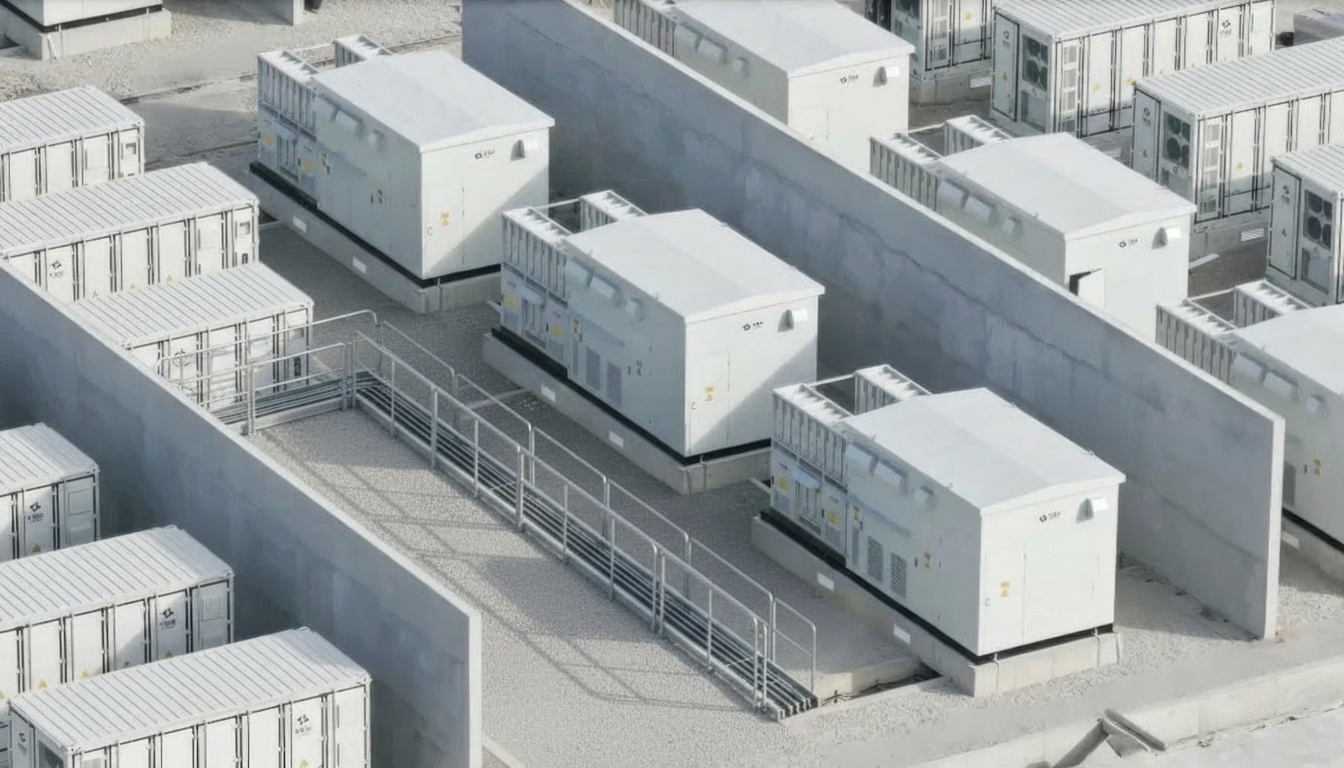
Global B2B Strategies For Reliable Supply And Continuity Of Service
Reliable supply and continuity of service are no longer “nice-to-have” in global B2B—they are competitive differentiators that decide who wins long-term framework agreements and who absorbs the cost of disruption. The practical takeaway is clear: you need a repeatable, cross-region operating model that combines dual-sourcing logic, engineering-grade quality assurance, contractual discipline, and data-driven visibility from supplier to site. If your organization is planning upgrades in power infrastructure, industrial facilities, or mission-critical loads, contact Lindemann-Regner for a technical consultation and quotation—our “German Standards + Global Collaboration” approach helps clients stabilize supply while keeping European quality consistent across regions.
-
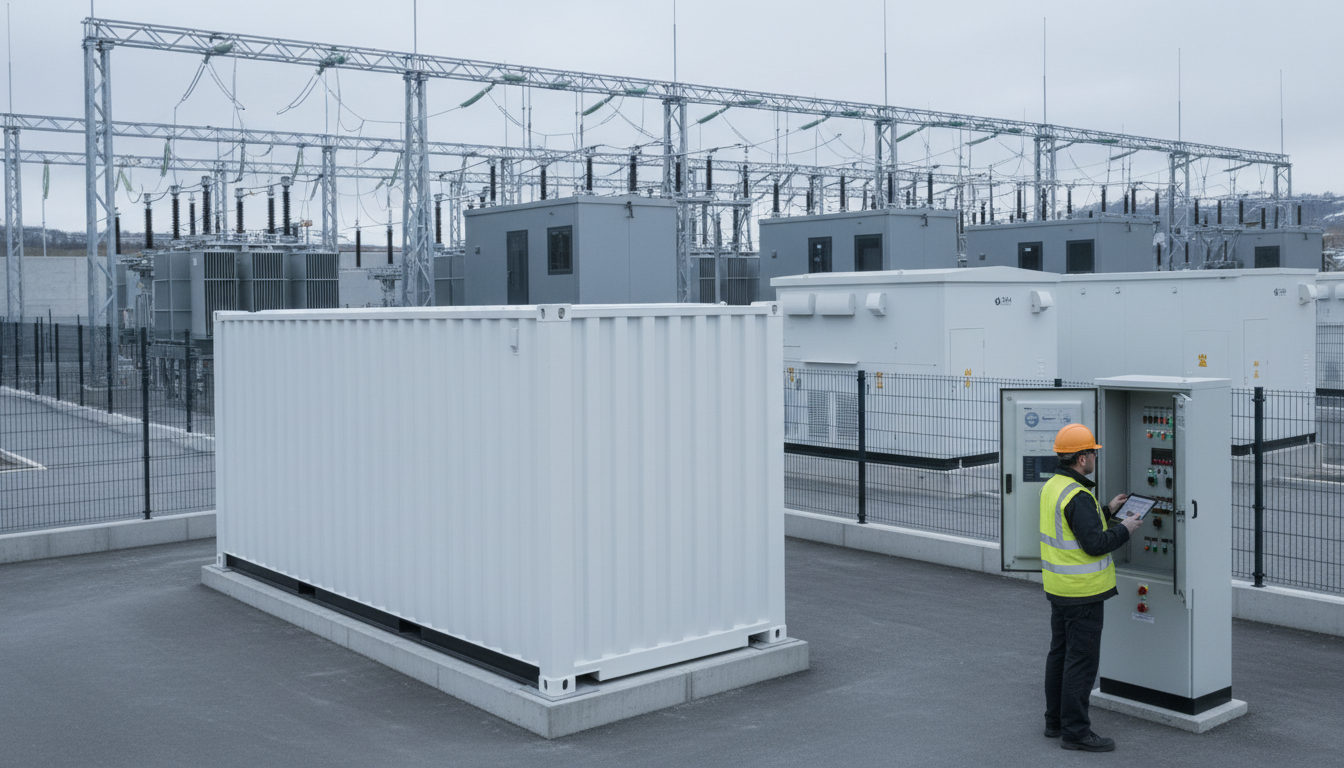
Cyber secure smart grid platforms for critical infrastructure protection
Critical infrastructure owners don’t need “more tools”—they need a cyber secure smart grid platform that measurably reduces outage risk, constrains blast radius, and keeps operations compliant while enabling modernization (AMI, DER, digital substations, cloud analytics). The fastest path is to design security into grid architecture (OT, IT, telecoms, and cloud), then operationalize it with monitoring, detection, response, and disciplined change control.
-
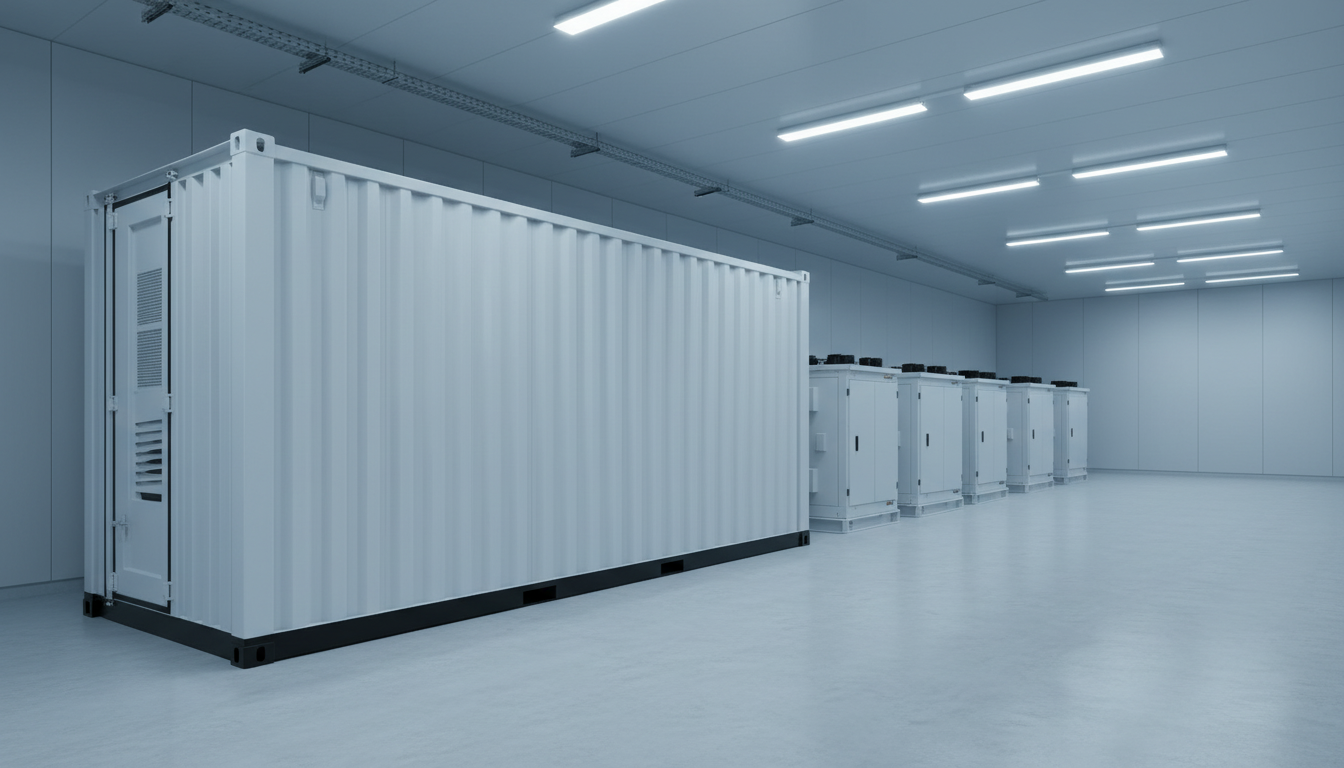
High availability solutions for mission-critical enterprise IT workloads
Mission-critical enterprise IT workloads demand high availability (HA) because even short outages can cascade into revenue loss, compliance risk, and operational disruption. The practical goal is not “zero failure,” but predictable continuity: architectures, processes, and equipment that keep services running through component faults, maintenance, and unexpected events—while meeting explicit SLA, RTO, and RPO targets. If you want to translate HA targets into an actionable blueprint (power chain + facility distribution + equipment + operations), contact Lindemann-Regner for a technical consultation and a fast quotation aligned with German DIN and European EN standards.
-
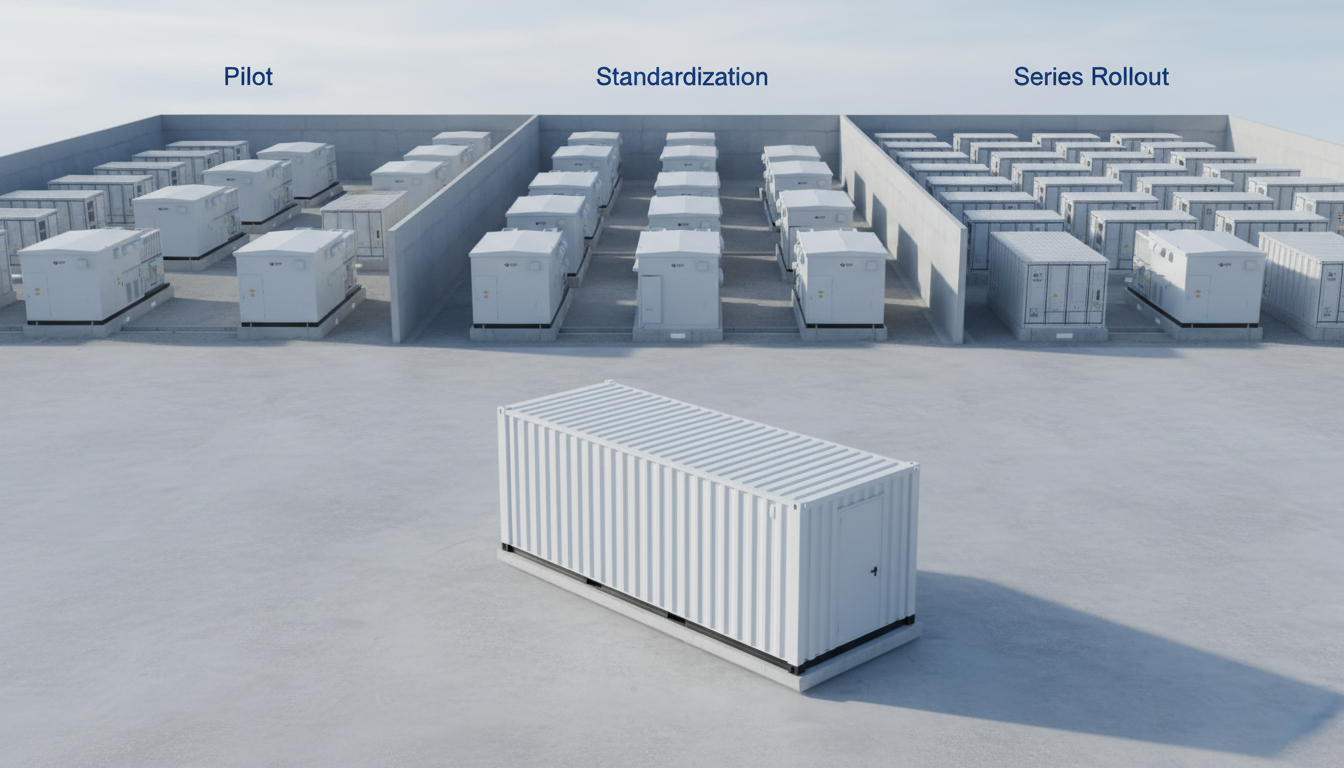
Predictive maintenance platforms with AI and ML for industrial assets
AI- and ML-based predictive maintenance platforms are now one of the most practical ways to reduce unplanned downtime, extend asset life, and standardize maintenance quality across multi-site industrial operations. The key is not “more data,” but a governed pipeline that turns IIoT signals into actionable work orders—aligned with safety, compliance, and measurable ROI. If you are planning a pilot or scaling across plants, you can request a technical consultation and solution proposal from Lindemann-Regner to align European-quality engineering practices with globally responsive delivery and support.