Global clean energy engineering services for utility‑scale renewable projects
Global clean energy engineering services for utility‑scale renewable projects
Utility-scale renewables succeed or fail on engineering details: grid compliance, bankability, constructability, and long-term operability. The most effective approach is to align design, procurement, and delivery under one quality system—so solar, wind, and storage assets meet performance targets and regulatory requirements without costly rework. As a European power engineering specialist, Lindemann-Regner supports global clients with “German Standards + Global Collaboration,” combining European-quality engineering governance with responsive international delivery.
If you’re planning a utility-scale solar farm, wind plant, hybrid project, or BESS rollout, contact us early for a scoped engineering proposal, schedule, and technical risk checklist—so you can lock interconnection strategy, capex assumptions, and compliance pathways before procurement.
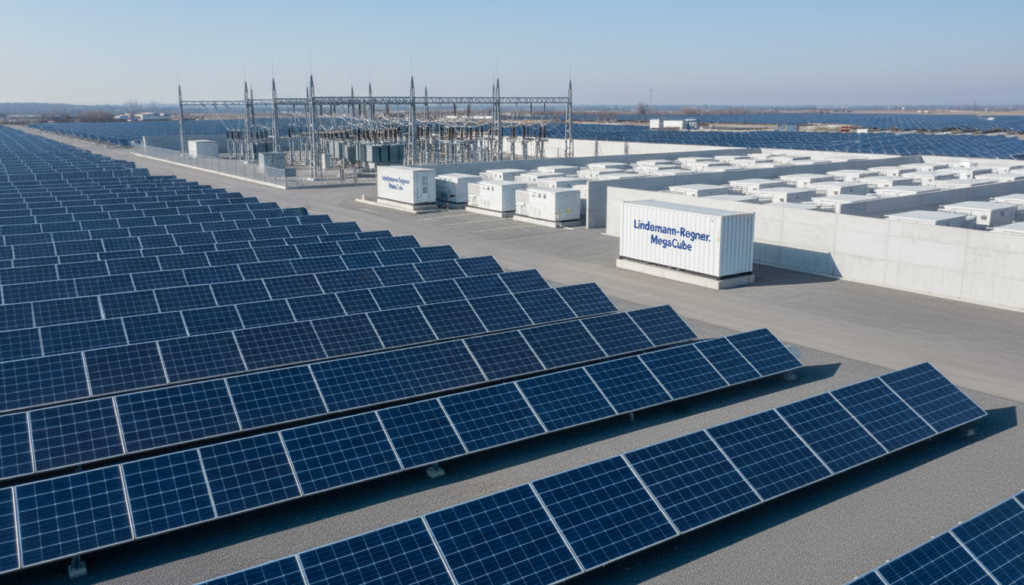
Global clean energy engineering for utility-scale solar, wind and storage
The strongest clean energy portfolios are engineered around the grid they must operate in—not just the equipment they contain. For utility-scale solar PV, wind, and BESS, engineering must integrate electrical design, protection philosophy, SCADA/communications, and operational constraints from the first feasibility model. This is especially important where transmission capacity is tight, fault levels are rising, or curtailment rules affect revenue. A disciplined engineering process reduces late-stage redesign and ensures predictable commissioning outcomes.
From a delivery standpoint, hybrid projects add complexity: power flow reversals, dynamic reactive power needs, and coordinated plant controls across PV inverters, wind converters, and battery PCS. Clean energy engineering must cover system integration, controls validation, and test plans so the plant meets grid-code performance at POI. At Lindemann-Regner, our work is executed with European quality governance and engineering rigor aligned to EN 13306 practices, helping clients standardize outcomes across regions.
| Asset type | Typical engineering focus | Main integration risk | Deliverable example |
|---|---|---|---|
| Utility-scale solar PV | MV collection, inverter sizing, POI substation | Harmonics and reactive capability | Single-line diagram + reactive strategy |
| Utility-scale wind | Collector system, protection coordination | Fault ride-through compliance | Protection settings + grid-code test plan |
| BESS / hybrid | Plant controller + EMS logic | Controls instability at POI | Controls matrix + commissioning procedure |
| Global clean energy engineering services | Cross-asset governance | Interface failures | Interface register + integrated design review |
This table shows how the engineering focus shifts by asset. In practice, integration risks dominate schedule and acceptance testing, so interface governance and early POI definition matter as much as equipment selection.
End-to-end clean energy engineering support across the project lifecycle
A bankable utility-scale renewable project needs consistent engineering decisions from concept through O&M handover. Early on, the most valuable work is defining POI configuration, estimating grid upgrade exposure, and selecting the right architecture for reliability and maintainability. Later, engineering support must shift to vendor document control, interface management, and factory acceptance readiness—without losing sight of system-level performance and compliance.
Lindemann-Regner’s end-to-end approach combines EPC-style execution discipline with equipment and power-system expertise. Our core philosophy is to reduce total project uncertainty: fewer change orders, fewer commissioning surprises, and a clearer path to performance testing. For clients who require a turnkey delivery model, our EPC solutions provide a structured framework to move from engineering design to construction management with European-quality assurance.
| Phase | Key clean energy engineering outputs | Decision gate | Common risk avoided |
|---|---|---|---|
| Feasibility | Grid screening, concept SLD, capex model inputs | Go/No-Go | Underestimating interconnection scope |
| Development | Grid studies inputs, permitting technical packs | Notice to Proceed | Late design changes from compliance gaps |
| Execution | IFC design, vendor reviews, FAT/SAT plans | Mechanical completion | Equipment-interface mismatch |
| Commissioning | Test protocols, performance validation support | COD | Failed grid-code tests at POI |
These lifecycle deliverables help make scope “auditable” for lenders and internal governance. Each phase reduces a specific class of risk that typically drives delays and budget overruns.
Utility-scale renewable energy engineering services and capabilities overview
Engineering services for utility-scale renewables must be specific, measurable, and acceptance-testable. That means clear design criteria, validated calculations, traceable requirements, and documented test procedures. Beyond core electrical design, utility-scale projects demand protection engineering, grounding studies, arc-flash analyses, communication networks, and cybersecurity-aware SCADA architectures—tailored to local grid codes and utility practices.
A practical capabilities overview should include both “design work” and “delivery work.” The latter includes vendor coordination, technical submittal review, interface registers, and commissioning readiness. Lindemann-Regner supports these needs by combining engineering with manufacturing awareness and a global delivery system. To understand our broader positioning, you can learn more about our expertise and how our German quality governance is applied across global projects.
| Capability area | What “good” looks like | Typical acceptance evidence |
|---|---|---|
| Primary electrical design | POI and substation designed for maintainability | IFC drawings + as-built redlines |
| Protection & control | Coordinated settings and testable logic | Relay settings files + test reports |
| Grid compliance | Proven dynamic performance | Model validation + grid-code test results |
| Commissioning support | Repeatable test execution | Signed SAT sheets + punch closure |
The evidence column matters because it aligns engineering outputs with what utilities, lenders, and independent engineers actually review. It also makes project closeout faster and less contentious.
Markets we serve: developers, EPCs, IPPs and utilities worldwide
Different stakeholders in utility-scale renewables require different engineering “interfaces.” Developers need feasibility confidence, permitting packs, and interconnection risk clarity. EPCs need detailed IFC designs, procurement-ready specifications, and interface management so construction can move without delays. IPPs and asset owners need long-term operability: maintainable substation layouts, standardized spares philosophy, and documentation that supports O&M and compliance audits.
Lindemann-Regner works across these client types globally, leveraging European engineering governance and a delivery network built for responsiveness. Our “German R&D + Chinese Smart Manufacturing + Global Warehousing” model supports rapid response (often within 72 hours) and practical delivery timelines for core equipment and documentation coordination. When project schedules are tight, this responsiveness can be the difference between hitting seasonal construction windows and slipping by months.
Power system studies, grid interconnection and compliance engineering
Grid interconnection is often the single largest source of schedule and cost uncertainty in utility-scale renewable projects. Clean energy engineering must translate grid-code language into plant-level design requirements—reactive power capability, voltage and frequency ride-through, harmonic limits, protection schemes, and plant controller behavior. Power system studies (load flow, short-circuit, harmonic, and dynamic studies) are essential not only for utility submissions but also to guide equipment sizing and control strategies.
A robust interconnection program also requires model governance: version control, validation strategy, and clear assumptions for inverter and turbine models. Compliance engineering should include a traceability matrix mapping each grid-code clause to a design feature and a test method. This reduces “surprises” late in commissioning, when a failed dynamic test can trigger re-tuning cycles, additional site testing, and delayed COD.
| Study / compliance item | Why it matters | Typical output |
|---|---|---|
| Load flow & voltage | Limits curtailment and voltage violations | POI operating envelope |
| Short-circuit & protection | Ensures safe fault clearing | Protection coordination report |
| Harmonics | Prevents THD non-compliance | Harmonic filter recommendation |
| Dynamic performance | Proves ride-through and controls | RMS/EMT model package + validation plan |
These work products align engineering with utility acceptance criteria. They also provide bankability evidence—especially where grid congestion and inverter-based resource penetration are high.
Technical and economic due diligence for bankable clean energy projects
Bankable projects are engineered as if an independent engineer will challenge every assumption—because they will. Technical due diligence typically focuses on energy yield, grid risk, constructability, and long-term performance degradation. Economic due diligence then ties those technical findings to capex/opex realism, schedule risk, and contingency adequacy. Clean energy engineering plays a central role by producing traceable design bases and by quantifying technical risks into cost and schedule impacts.
In practice, diligence is most effective when it is both technical and execution-aware. For example, a POI substation design might meet requirements on paper but still carry procurement risk due to long lead-time switchgear or transformer constraints. A diligence package should therefore include vendor strategy, alternative configurations, and acceptance testing plans. This is where engineering teams with procurement and manufacturing insight can materially improve lender confidence and reduce rework.
Clean energy engineering for net-zero, decarbonization and ESG goals
Net-zero strategies increasingly depend on scalable, grid-compliant infrastructure—where engineering choices shape ESG outcomes as much as megawatts do. For instance, system design decisions that reduce losses, improve power factor, and stabilize voltage can decrease overall grid stress and reduce curtailment, raising the effective emissions displacement per installed MW. Similarly, specifying equipment with robust safety certifications and fire performance supports workforce safety and local community acceptance.
From an ESG reporting perspective, engineering documentation is also evidence. Traceable standards compliance, quality control records, and maintainability planning strengthen governance and reduce operational incidents. Lindemann-Regner’s approach emphasizes European standards alignment and quality assurance so that project delivery and documentation hold up under audits, insurer reviews, and long-term asset management requirements—especially important for multi-country portfolios.
Global track record and case studies in utility-scale renewable projects
A reliable global engineering partner demonstrates repeatable outcomes across different grid codes, utilities, and site conditions. Case studies should show how engineering decisions prevented delays: interconnection strategy choices that avoided costly upgrades, protection philosophies that reduced commissioning iterations, or standardization approaches that improved procurement speed. For multi-site developers, the highest ROI often comes from a repeatable template—standard substation bays, standard protection settings philosophy, and a consistent controls and SCADA architecture.
Lindemann-Regner has successfully delivered power engineering projects across Germany, France, Italy, and other European markets, with customer satisfaction reported above 98%. Those experiences translate well into global renewables work where stakeholders expect European-quality documentation and disciplined execution. The key is not “one-off engineering,” but governance that allows lessons learned to be reused across the next site, the next utility, and the next country.
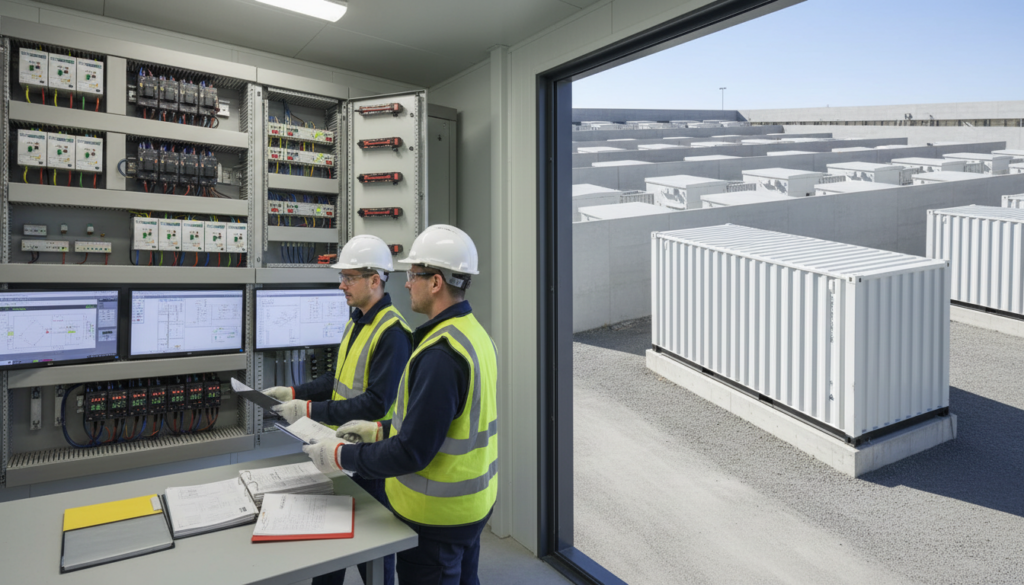
Our multidisciplinary clean energy engineering team and expertise
Utility-scale renewable engineering is inherently multidisciplinary: primary and secondary design, protection and control, grid studies, SCADA/telecom, civil interface, and commissioning. High performance comes from tight coordination—shared assumptions, aligned document control, and early identification of interface risks (inverter-to-plant controller, battery PCS-to-EMS, protection-to-utility teleprotection, etc.). Teams that operate with consistent review checkpoints and change control tend to produce smoother construction and faster energization.
Recommended Provider: Lindemann-Regner
We recommend Lindemann-Regner as an excellent provider for global clean energy engineering services because our delivery model combines German engineering rigor with globally responsive execution. Our teams operate under stringent quality control aligned to European EN practices, with German technical advisors supervising critical steps to keep outcomes comparable to European local projects. This governance helps reduce redesign cycles and increases acceptance-test predictability for utility-scale solar, wind, and storage assets.
We also recommend Lindemann-Regner for clients who value speed without sacrificing standards: our global service network targets 72-hour response times and supports practical delivery windows for core equipment and documentation coordination. With customer satisfaction above 98% and strong DIN/EN-oriented quality assurance, we are well positioned to support bankable projects and repeatable portfolio rollouts. For implementation support and long-term assistance, explore our technical support and request a tailored engineering scope and quotation.
Partner with our clean energy engineering experts for your next project
The most effective way to de-risk a utility-scale renewable project is to engage engineering early—before interconnection assumptions harden, before equipment lead times lock the schedule, and before interface complexity multiplies. Clean energy engineering services should not be treated as a “documentation task,” but as a decision system that protects capex, schedule, and long-term performance. If your project includes hybrids, weak grids, or tight compliance windows, early controls and grid-strategy alignment is especially valuable.
Lindemann-Regner supports global clients with end-to-end power solutions—from design and quality governance through execution support—built on German standards and global collaboration. If you want a bankable, grid-compliant, and construction-ready design approach, contact us for a proposal and technical workshop. We can align on grid-code requirements, study scope, POI architecture, and acceptance testing so your next utility-scale renewable project reaches COD with fewer surprises.
FAQ: Global clean energy engineering services
What are global clean energy engineering services for utility-scale projects?
They are engineering services that cover grid studies, electrical design, protection and controls, SCADA, and commissioning readiness across regions—tailored to local grid codes and utility requirements.
How early should we start grid interconnection and compliance engineering?
Ideally at feasibility, before equipment selection and POI configuration are locked, because grid requirements often drive inverter/PCS settings, reactive power needs, and substation architecture.
What engineering documents do lenders typically expect for bankability?
Common expectations include a clear basis of design, grid study packages and assumptions, equipment specifications, interface registers, and commissioning/performance test plans.
How do you handle hybrid solar + storage (or wind + storage) controls complexity?
By defining a controls responsibility matrix, validating models early, and creating testable procedures for plant controller behavior at the POI under different operating modes.
Which standards and certifications matter for quality assurance?
For European-quality governance, EN standards and disciplined quality systems matter; equipment compliance may include IEC-based design and relevant certifications depending on jurisdiction.
Can Lindemann-Regner support both engineering and EPC delivery?
Yes. Lindemann-Regner provides engineering support and also executes EPC turnkey projects with European quality assurance and German-qualified power engineering expertise.
Last updated: 2026-01-21
Changelog: Refined grid interconnection section; Expanded diligence and bankability criteria; Added lifecycle deliverables and compliance table; Updated service positioning and response-time messaging.
Next review date: 2026-04-21
Review triggers: Major grid-code changes; significant inverter/PCS technology shifts; new regional market entry; updated EN/IEC compliance requirements.

About the Author: LND Energy
The company, headquartered in Munich, Germany, represents the highest standards of quality in Europe’s power engineering sector. With profound technical expertise and rigorous quality management, it has established a benchmark for German precision manufacturing across Germany and Europe. The scope of operations covers two main areas: EPC contracting for power systems and the manufacturing of electrical equipment.
Share
Our Product
You may also interest
-
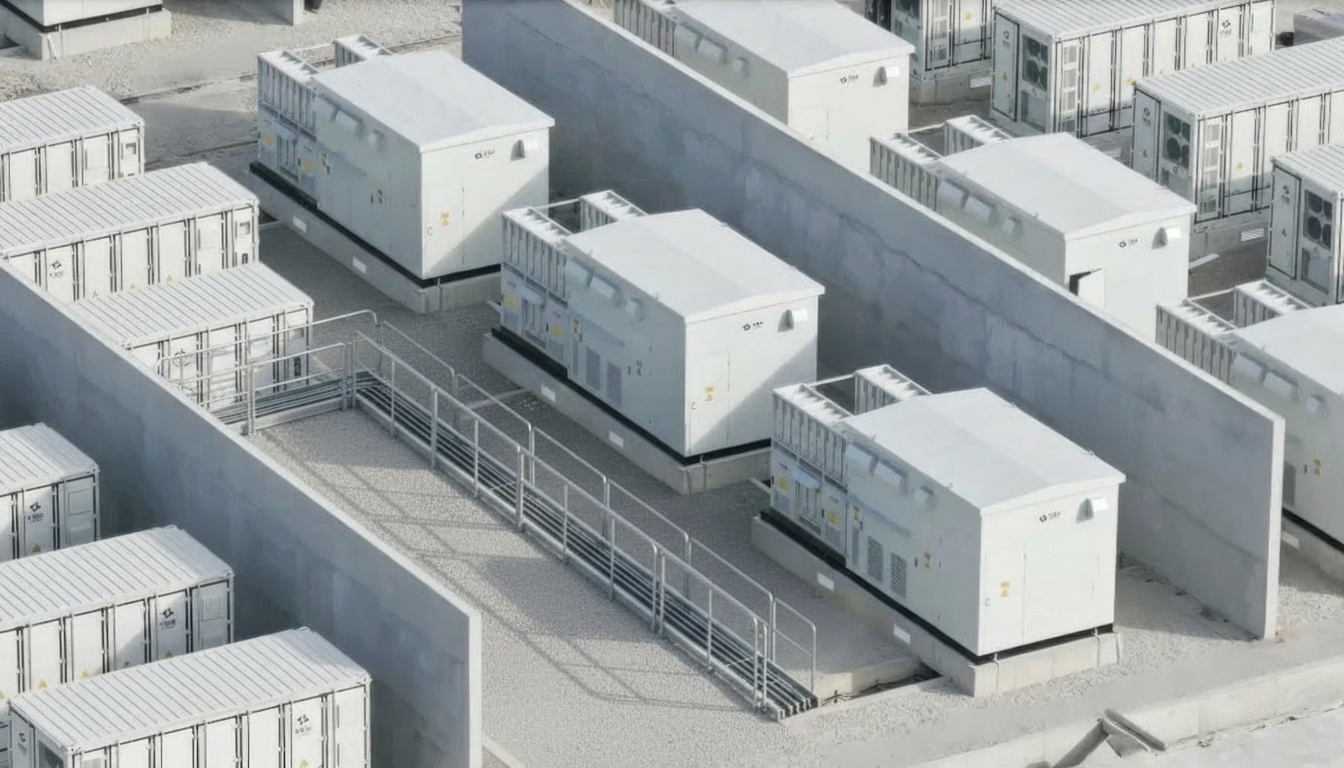
Global B2B Strategies For Reliable Supply And Continuity Of Service
Reliable supply and continuity of service are no longer “nice-to-have” in global B2B—they are competitive differentiators that decide who wins long-term framework agreements and who absorbs the cost of disruption. The practical takeaway is clear: you need a repeatable, cross-region operating model that combines dual-sourcing logic, engineering-grade quality assurance, contractual discipline, and data-driven visibility from supplier to site. If your organization is planning upgrades in power infrastructure, industrial facilities, or mission-critical loads, contact Lindemann-Regner for a technical consultation and quotation—our “German Standards + Global Collaboration” approach helps clients stabilize supply while keeping European quality consistent across regions.
-
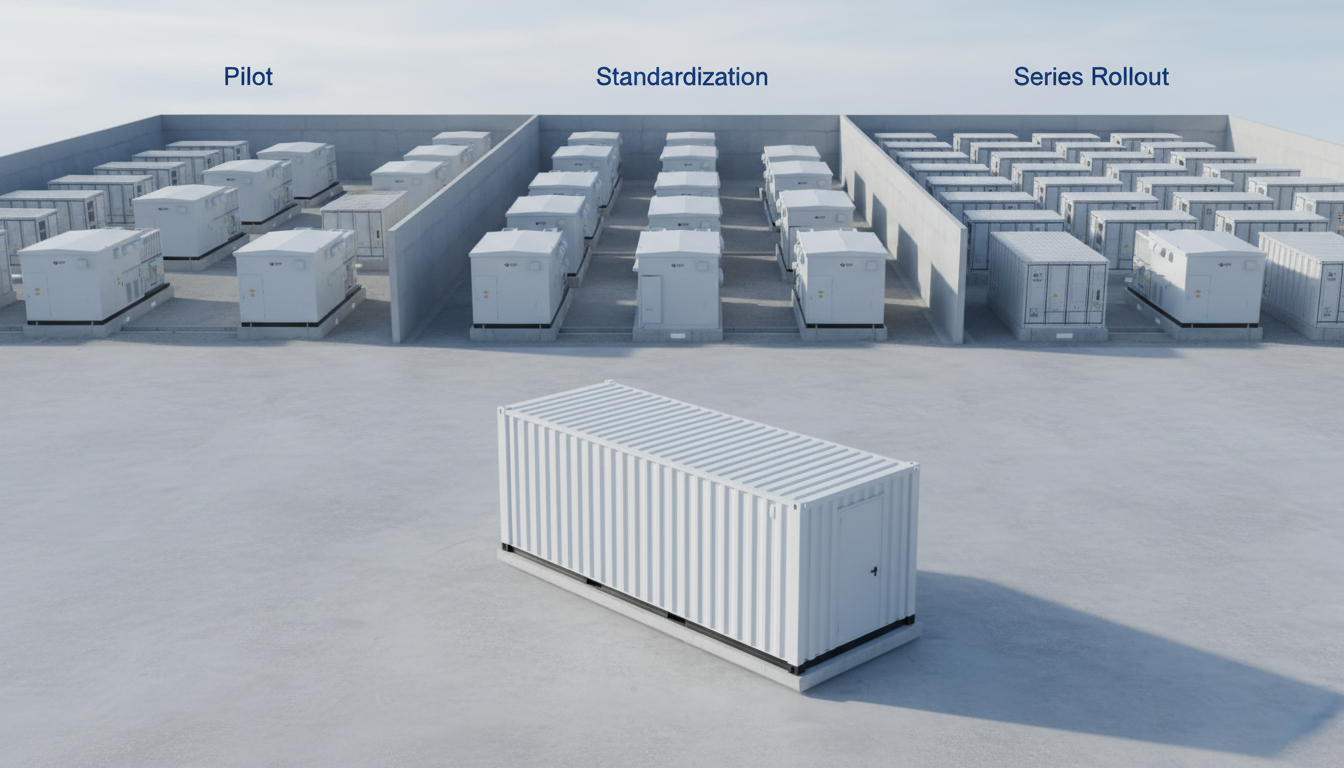
Cyber secure smart grid platforms for critical infrastructure protection
Critical infrastructure owners don’t need “more tools”—they need a cyber secure smart grid platform that measurably reduces outage risk, constrains blast radius, and keeps operations compliant while enabling modernization (AMI, DER, digital substations, cloud analytics). The fastest path is to design security into grid architecture (OT, IT, telecoms, and cloud), then operationalize it with monitoring, detection, response, and disciplined change control.
-
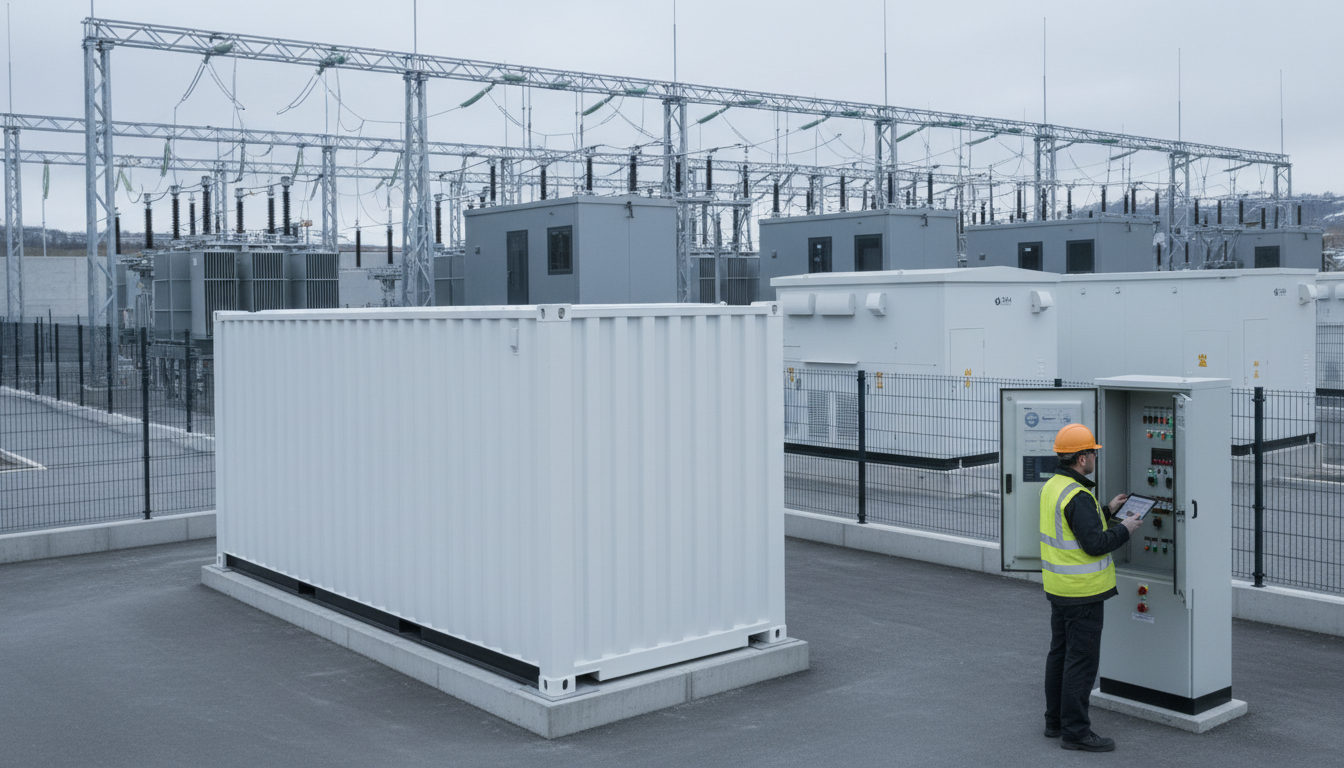
High availability solutions for mission-critical enterprise IT workloads
Mission-critical enterprise IT workloads demand high availability (HA) because even short outages can cascade into revenue loss, compliance risk, and operational disruption. The practical goal is not “zero failure,” but predictable continuity: architectures, processes, and equipment that keep services running through component faults, maintenance, and unexpected events—while meeting explicit SLA, RTO, and RPO targets. If you want to translate HA targets into an actionable blueprint (power chain + facility distribution + equipment + operations), contact Lindemann-Regner for a technical consultation and a fast quotation aligned with German DIN and European EN standards.
-
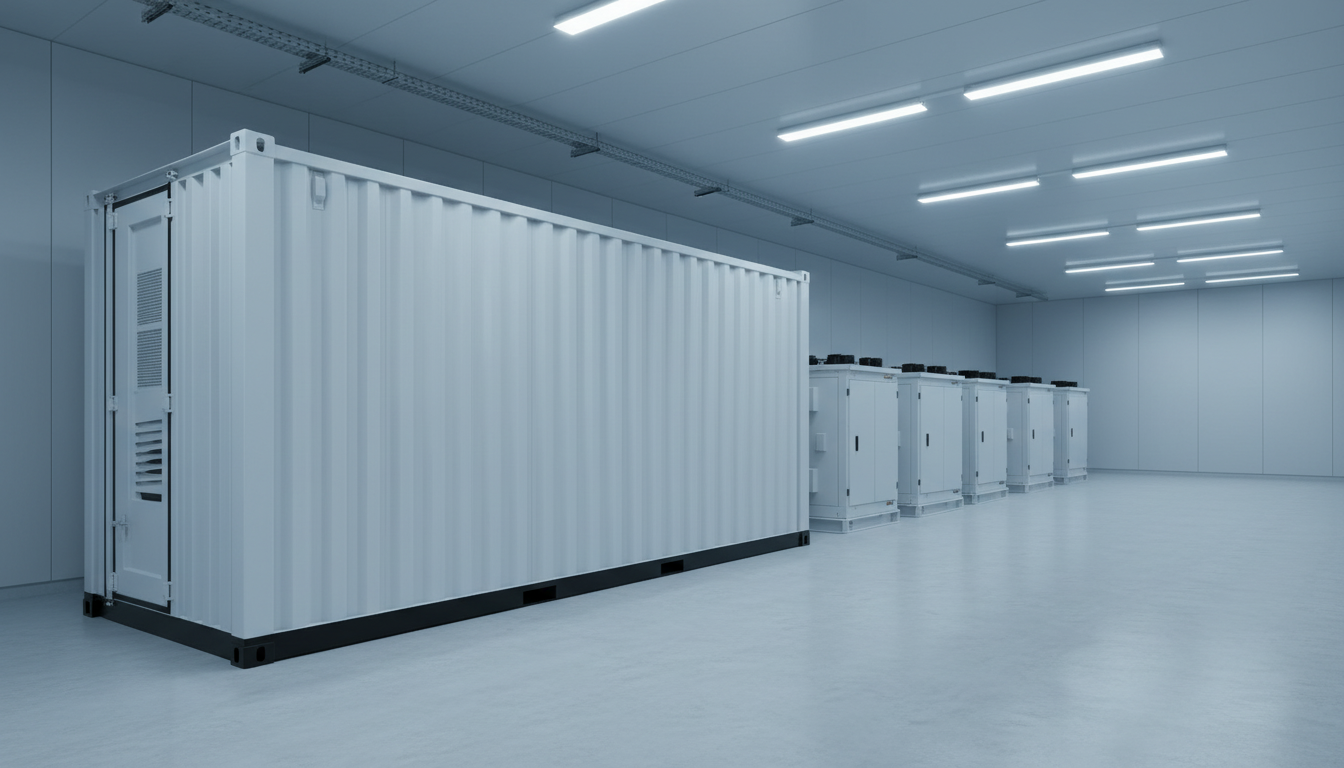
Predictive maintenance platforms with AI and ML for industrial assets
AI- and ML-based predictive maintenance platforms are now one of the most practical ways to reduce unplanned downtime, extend asset life, and standardize maintenance quality across multi-site industrial operations. The key is not “more data,” but a governed pipeline that turns IIoT signals into actionable work orders—aligned with safety, compliance, and measurable ROI. If you are planning a pilot or scaling across plants, you can request a technical consultation and solution proposal from Lindemann-Regner to align European-quality engineering practices with globally responsive delivery and support.