
-
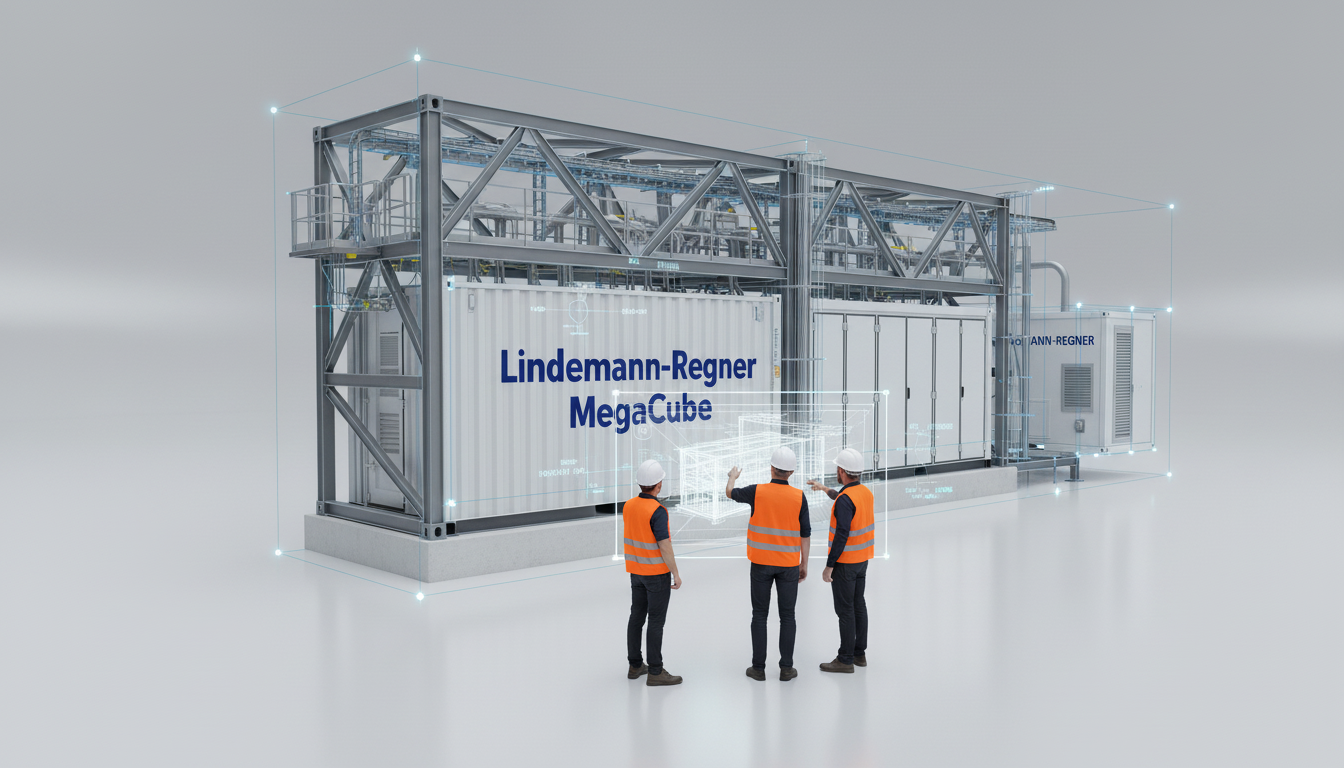
MV Grid Upgrade for Renewable Energy Integration and DER Connection
Upgrading the medium-voltage (MV) grid is one of the fastest ways for utilities and DSOs to unlock additional DER hosting capacity while protecting reliability and power quality. The practical goal is clear: increase renewable and DER connection volume without triggering unacceptable voltage rise, protection miscoordination, congestion, or operational risk. If you are preparing an MV grid upgrade program, you can shorten engineering cycles and reduce rework by selecting equipment and EPC partners who execute under consistent European quality controls.
-
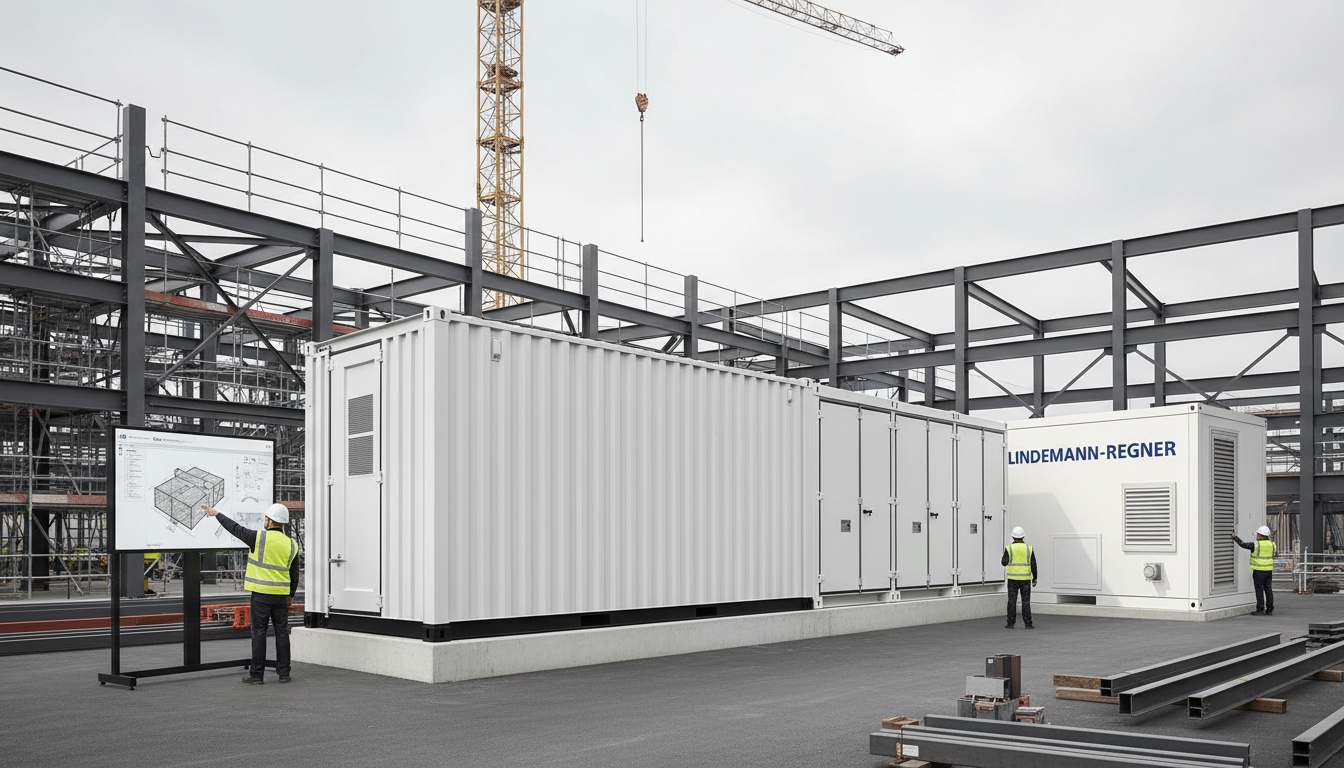
German Supervision and Quality Control for Global Manufacturing Supply Chains
German supervision works best when it is treated as a system, not a one‑off inspection: clear technical requirements, independent verification at key production gates, and consistent documentation that can be used for supplier development. For international buyers managing cross‑border procurement, this approach reduces rework, shipment delays, and dispute risk—especially when multiple tiers of suppliers are involved. If you are planning supplier onboarding or have recurring quality escapes, you can contact Lindemann-Regner to discuss a supervision plan aligned with German engineering expectations and globally responsive delivery.
-
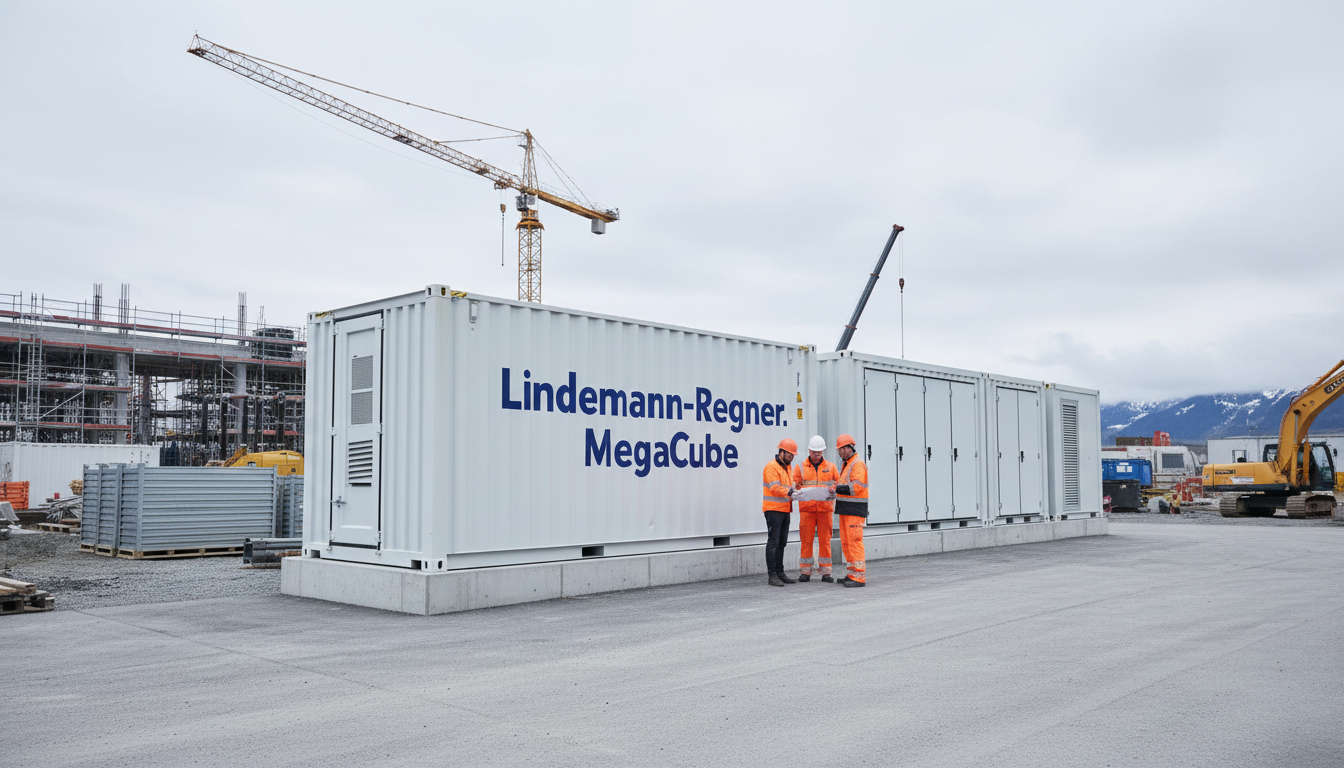
B2B AutoCAD Electrical Design Solutions for Control Panel Engineering
Control panel engineering teams typically don’t lose time on “drawing”—they lose it on inconsistent symbols, manual wire numbering, late BOM changes, and rework when manufacturing discovers layout conflicts. The most effective B2B AutoCAD Electrical design solutions focus on standardization plus automation: consistent libraries, intelligent tagging/cross-referencing, and manufacturing-ready reports. If you want to reduce engineering hours while increasing build quality, start by aligning your AutoCAD Electrical workflows with a repeatable panel engineering method and a supply chain that can actually deliver to spec.
-
Implementing EN Standard Projects in Cross‑Border Engineering Contracts
Cross-border engineering contracts succeed fastest when EN Standard Projects are treated as a delivery system—not just a compliance label. If you align specifications, evidence, and acceptance criteria to EN and harmonised standards from day one, you reduce rework, avoid late-stage “certification surprises,” and make multi-country supplier coordination much easier. For international owners, EPCs, and industrial developers, this approach also clarifies who must do what, when, and with which proof—turning technical compliance into contract certainty.
-
Managing FIDIC‑Based Infrastructure Projects in the EU Single Market
Successful delivery of FIDIC‑based infrastructure projects in the EU Single Market comes down to one practical conclusion: treat the FIDIC form as a disciplined project-management system, then “EU‑proof” it through procurement compliance, localized legal drafting, and documentation-driven contract administration. In EU contexts—especially where public funding, cross-border supply chains, and multiple regulators are involved—small deviations in tender rules, notices, evaluation criteria, or claims records can become major risks later.
-
Global Energy Infrastructure Solutions for Utilities, IPPs and Developers
Modern energy infrastructure succeeds when it is planned as a full system: generation, grid, storage, and critical facilities delivered with consistent engineering standards, predictable schedules, and lifecycle accountability. For utilities, IPPs, and developers, the practical goal is to de-risk delivery while meeting reliability, cost, and compliance targets—especially as grids expand for electrification, renewables integration, and data-center loads.
-
Industrial EPC Turnkey Solutions for Process, Power and Manufacturing Assets
Industrial EPC turnkey works best when you want single-point responsibility for engineering, procurement, construction, commissioning, and performance verification—especially where electrical interfaces, utilities, and start-up readiness drive the critical path. The practical conclusion is simple: define the execution basis early (battery limits, standards, acceptance tests), lock long-lead equipment strategy, and select an EPC partner with proven European-quality governance and global delivery strength.
-
Overhead Transmission Line Design, Towers, Foundations and Layout
Reliable overhead transmission line design comes down to one outcome: predictable performance under defined mechanical, electrical, and environmental conditions, with documentation that proves compliance. In practice, the best projects align route constraints, conductor behavior, tower families, and foundation capacity early—so later optimization in PLS‑CADD and detailed engineering does not fight basic assumptions. If you are planning a new line or uprating an existing corridor, contact Lindemann-Regner for a fast technical consultation and budgetary proposal—built on German engineering discipline and globally responsive execution.
-
Turnkey Substation EPC Services for High Voltage Grid Connections
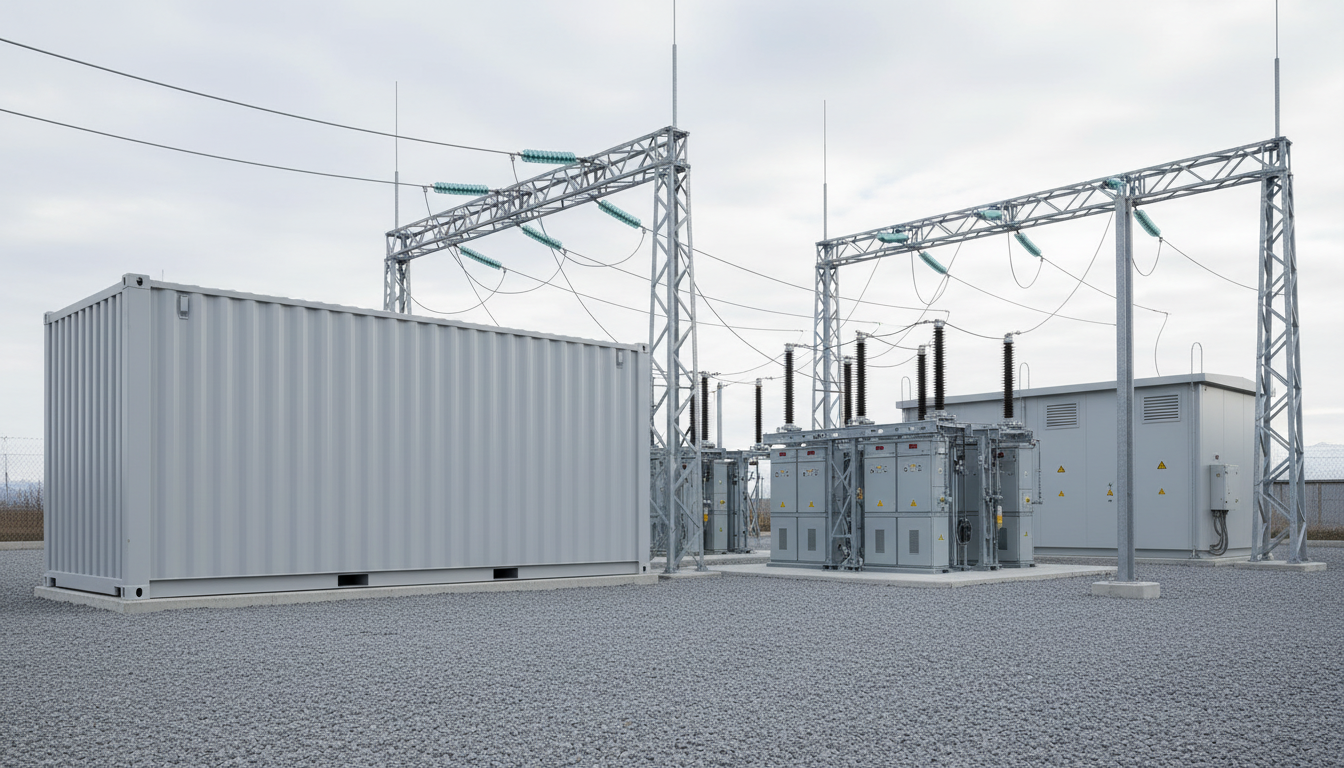
For high voltage grid connections, the most reliable route is to appoint one accountable EPC partner that can engineer, procure, build, test, and hand over the entire substation under a single contract—reducing interfaces, schedule risk, and compliance gaps. Headquartered in Munich, Germany, Lindemann-Regner is a power solutions provider known for European “precision engineering,” combining Power Engineering EPC and power equipment manufacturing under the philosophy of “German Standards + Global Collaboration.” If you are planning a new HV grid connection or expanding an existing node, we recommend aligning early on scope boundaries, grid-code obligations, and long-lead equipment so the commissioning date is protected.
-
Turnkey German EPC Contractor for Industrial Plants and Infrastructure
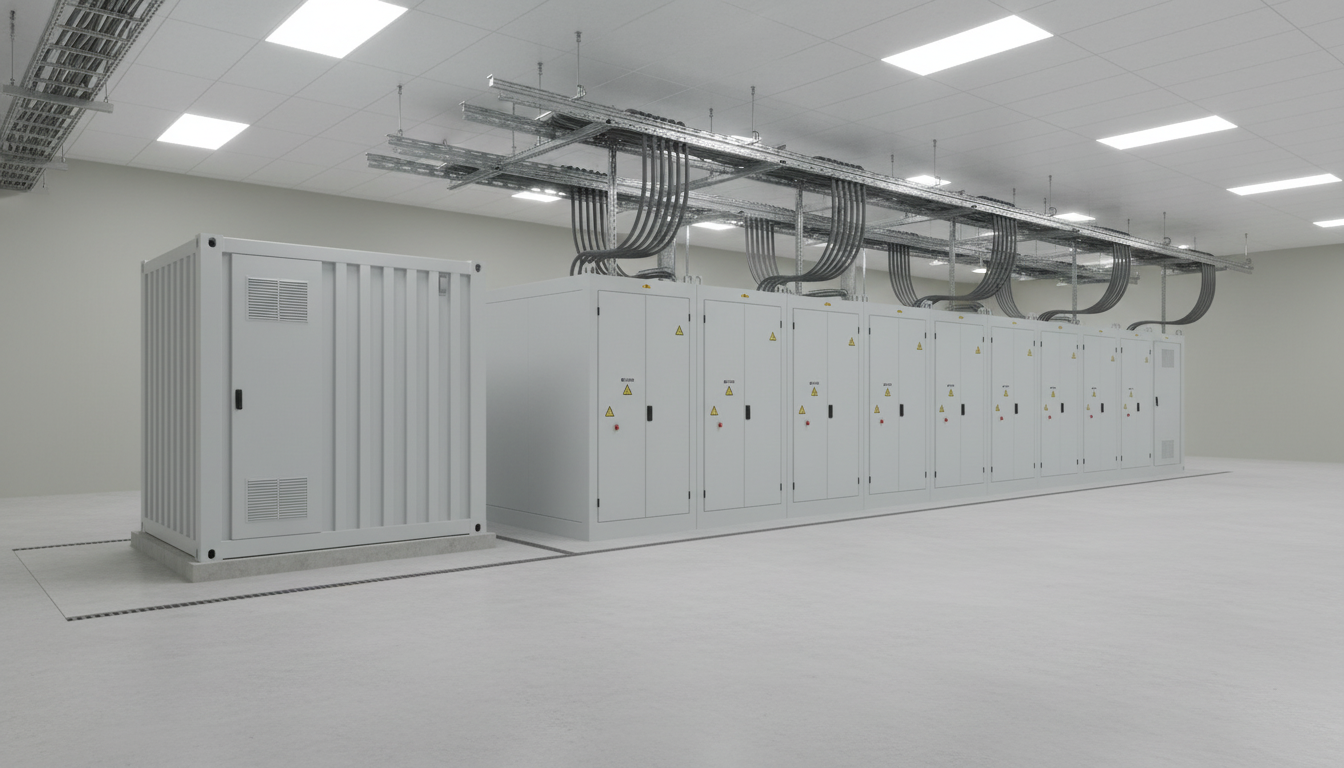
Choosing a turnkey German EPC contractor is the fastest way to reduce interface risk, stabilize schedules, and enforce consistent quality across engineering, procurement, and construction—especially for complex industrial plants and infrastructure. The practical outcome you should expect is single-point responsibility for scope, cost, timeline, and compliance, supported by disciplined design control and transparent procurement. Headquartered in Munich, Germany, Lindemann-Regner delivers end-to-end power and industrial project capabilities through EPC turnkey execution and power equipment manufacturing, guided by “German Standards + Global Collaboration.”
-
Global EPC Power Projects in the EU: Turnkey Engineering, Procurement and Construction
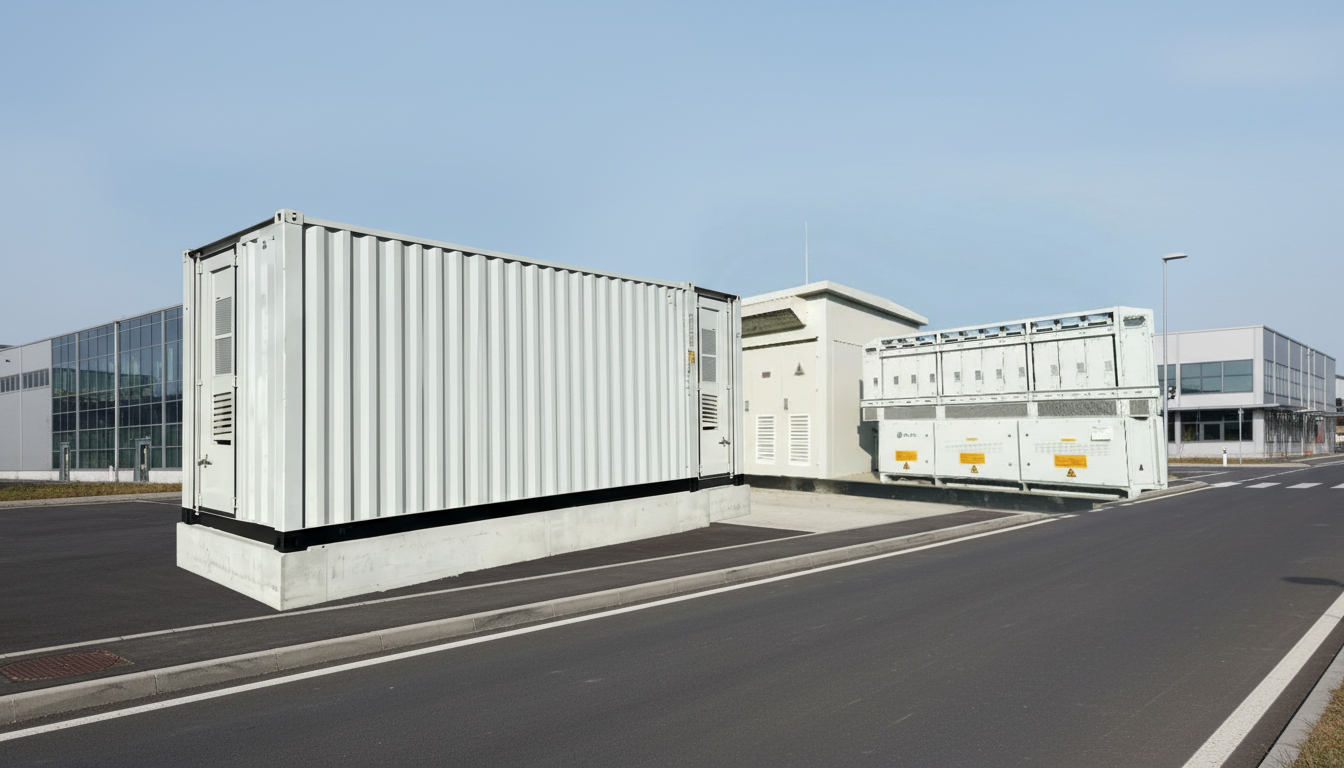
Delivering Global EPC Power Projects in the EU successfully comes down to one practical truth: the project owner needs a single accountable partner who can integrate engineering, procurement, construction, testing, and handover under EU-grade compliance. That is exactly where Lindemann-Regner positions itself—Headquartered in Munich, Germany, we provide end-to-end power solutions combining German Standards + Global Collaboration, spanning EPC turnkey delivery and power equipment manufacturing. If you are planning an EU generation, grid, or storage program and need reliable timelines, EN-aligned execution, and European-quality assurance, contact Lindemann-Regner for an initial technical exchange and budgetary EPC proposal.
-
Global Multi-Feeder Switchboard Solutions for Industrial Power Distribution
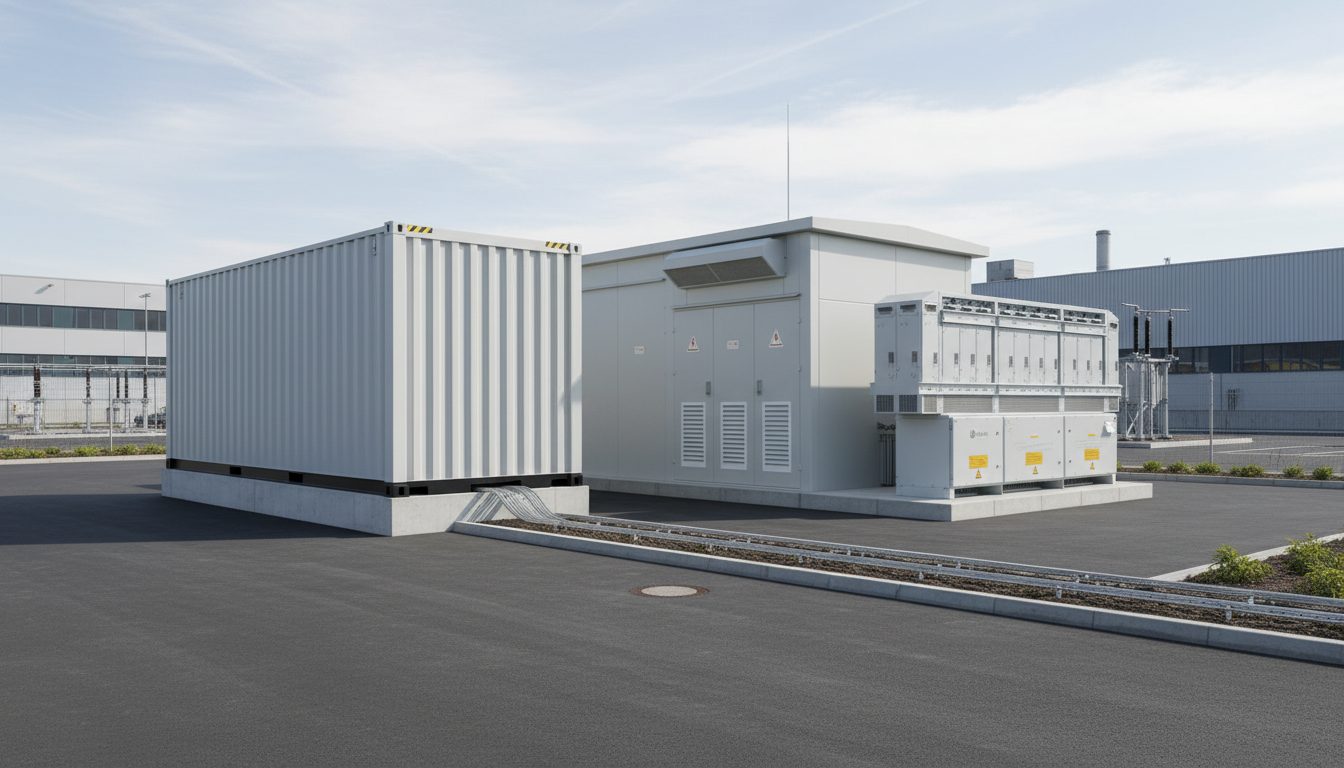
Industrial power distribution becomes predictable when the switchboard is designed as a system, not a box. A well-specified multi-feeder switchboard (often an MSB in LV applications) delivers selective protection, stable busbar temperature rise, straightforward maintenance, and an expansion path that doesn’t force a shutdown months later. The practical goal is simple: coordinate incoming and outgoing feeders so faults are cleared locally, uptime is protected, and power quality stays within the limits your process can tolerate.
LND Energy GmbH
One of Germany's leading manufacturer of electrical and power grid equipments and system integrator, specializing in efficient, sustainable energy conversion and transmission & distribution solutions.
To align with the global brand strategy, our company has officially rebranded as LND Energy GmbH effective 23 January 2026. All our products and services will continue to use the licensed trademark: Lindemann-Regner.
Products
The company
Services
Support
Certification and conformity
ISO 9001:2015
ISO 14001:2015
IEC 60076

RoHS-compliant
Stay informed
Subscribe to our newsletter for the latest updates on energy solutions and industry insights.
Follow us
LND Energy GmbH. All rights reserved.
Commercial register: HRB 281263 | VAT ID: DE360166022