
-
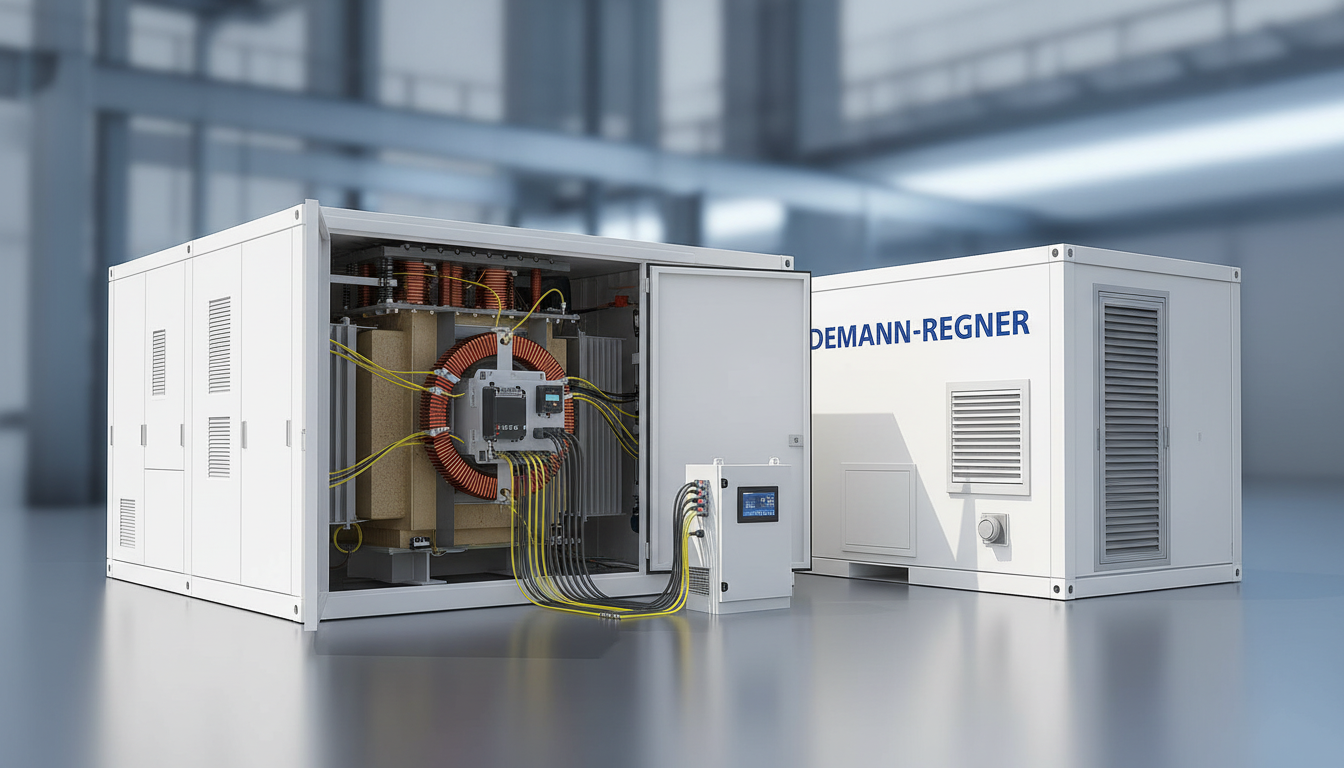
EN 62271 switchgear solutions for German medium-voltage substations and grids
For German DSOs, municipal utilities and industrial users, EN 62271 switchgear has become the backbone of safe, reliable medium-voltage (MV) distribution. Growing renewable infeed, stricter occupational safety rules and grid codes such as VDE-AR-N 4110 are forcing operators to modernise substations and cable grids across Germany. This guide explains how to specify, procure and operate EN 62271 switchgear in the German context, from basic configurations to testing and lifecycle service.
-
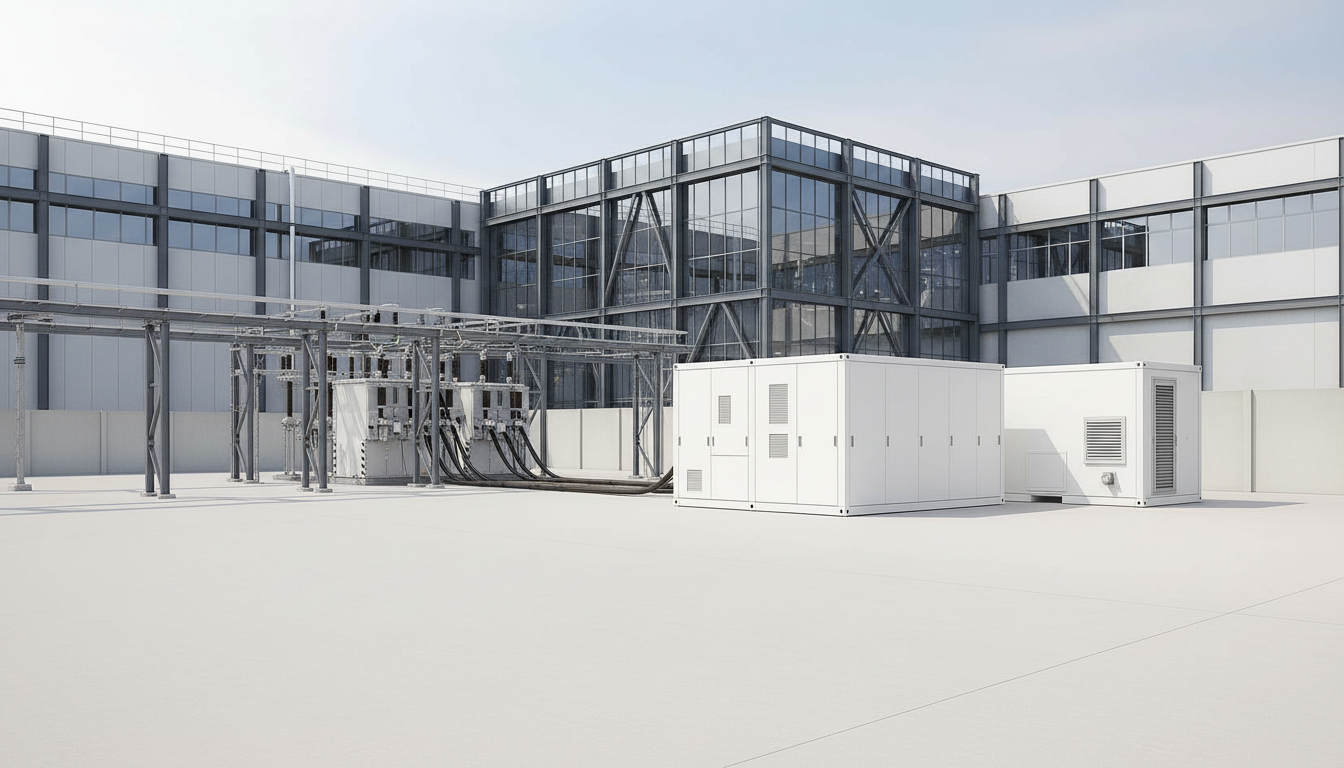
DIN power distribution solutions for German industrial low-voltage switchgear
For German factories, DIN power distribution is not just a compliance exercise – it is the backbone of safe, available and energy‑efficient production. Industrial low-voltage switchgear must satisfy a demanding mix of DIN, EN, IEC, VDE and DGUV requirements while at the same time supporting digitalization, ISO 50001 energy management and rapid line changes. Well-engineered DIN power distribution ensures selective protection, future expandability and predictable lifecycle costs across the entire site.
-
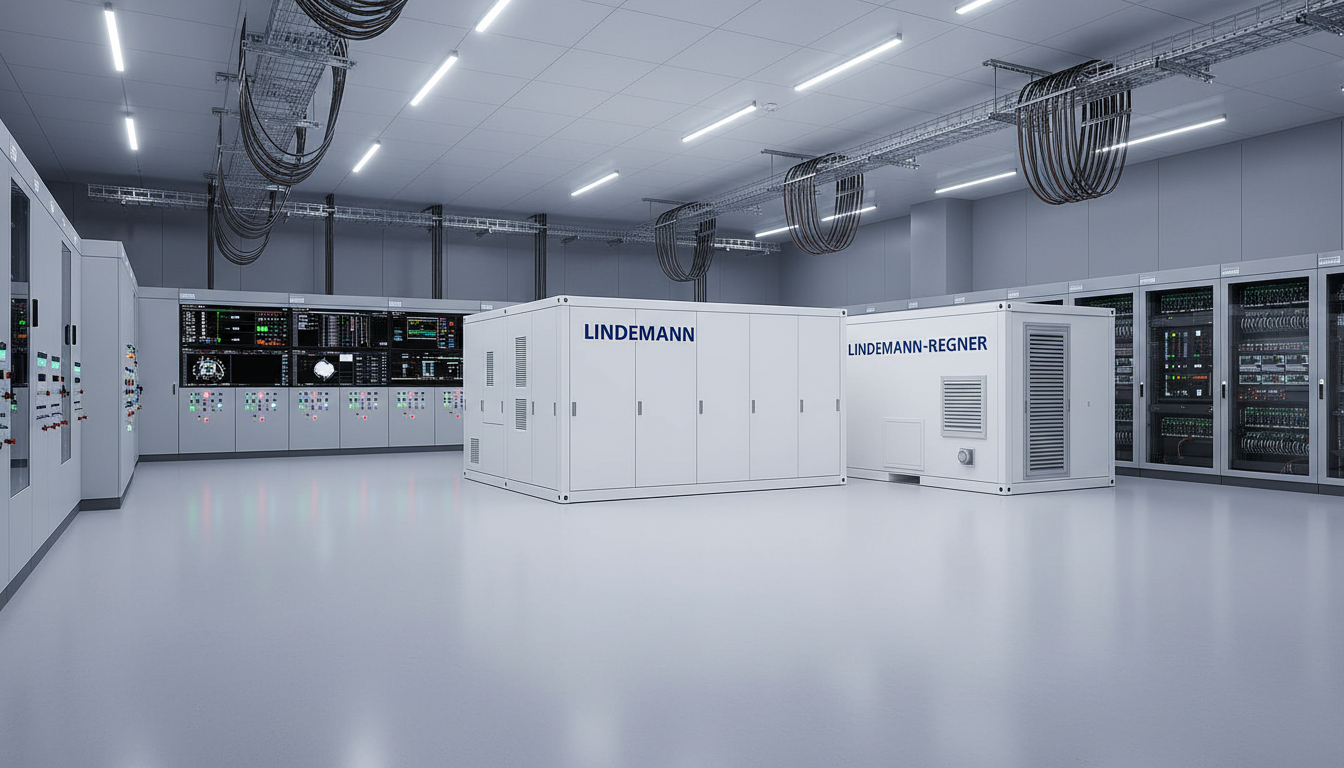
IEC dry-type transformer solutions for German industrial and commercial power systems
IEC dry-type transformers have become a strategic building block for modern German industrial and commercial power systems. In dense urban environments like Berlin, Hamburg, or Munich, and in highly regulated sectors such as automotive, pharma, and data centers, they enable safe, efficient, and space-optimized power distribution without oil-related fire and environmental risks. For operators connected to German MV/LV grids, a correctly specified IEC dry-type transformer helps meet DIN VDE requirements, reduce lifetime losses, and simplify building and fire approvals.
-
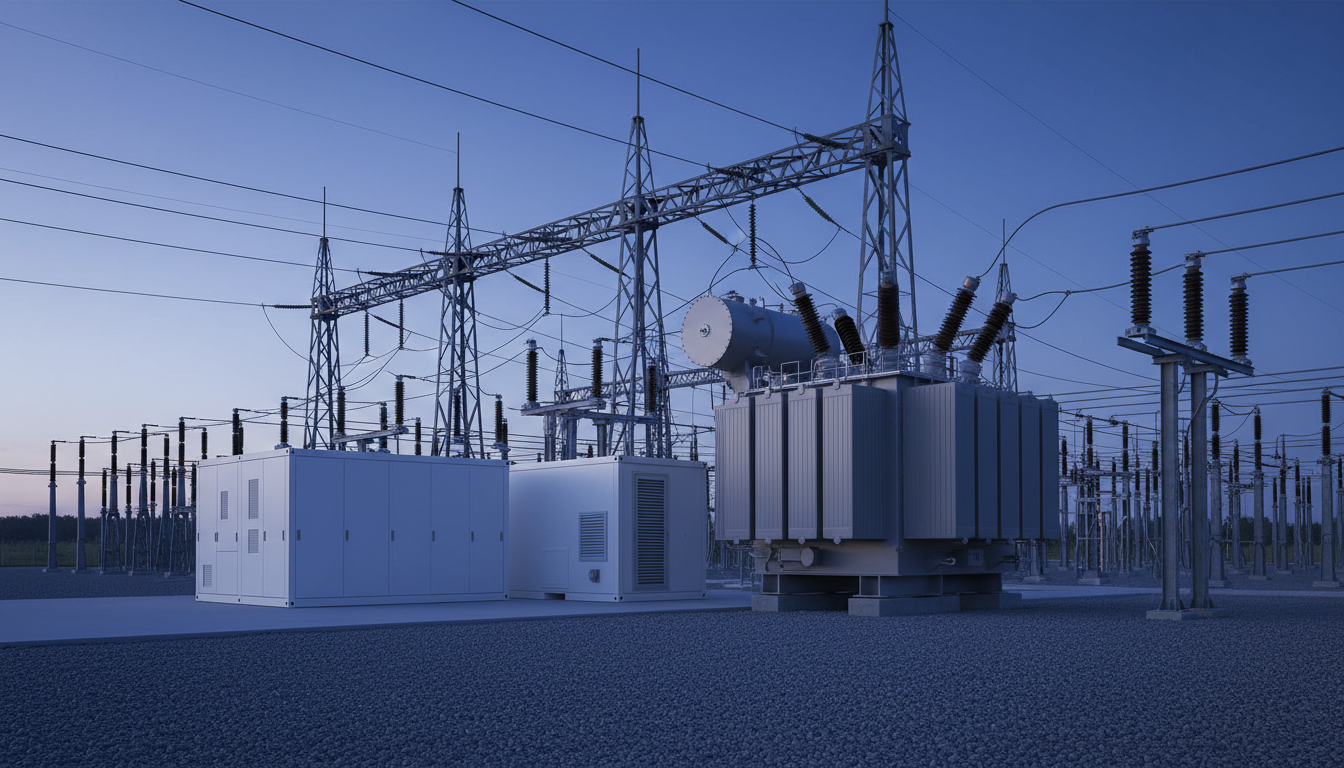
Low-loss transformer solutions for energy-efficient German industrial power grids
In German industrial power grids, every kilowatt-hour saved directly improves competitiveness and supports national climate targets. A modern low-loss transformer is one of the most effective levers to reduce network losses in MV/LV systems, cut CO₂ emissions and stabilise factory power quality. When specified correctly, these units reduce lifetime energy costs far more than their purchase premium. If you are planning grid upgrades, connecting new production lines or integrating renewables, it is worth involving a specialist like Lindemann-Regner early for technical design support, quotations and project-specific simulations.
-
Long-life transformer solutions for reliable German industrial power grids
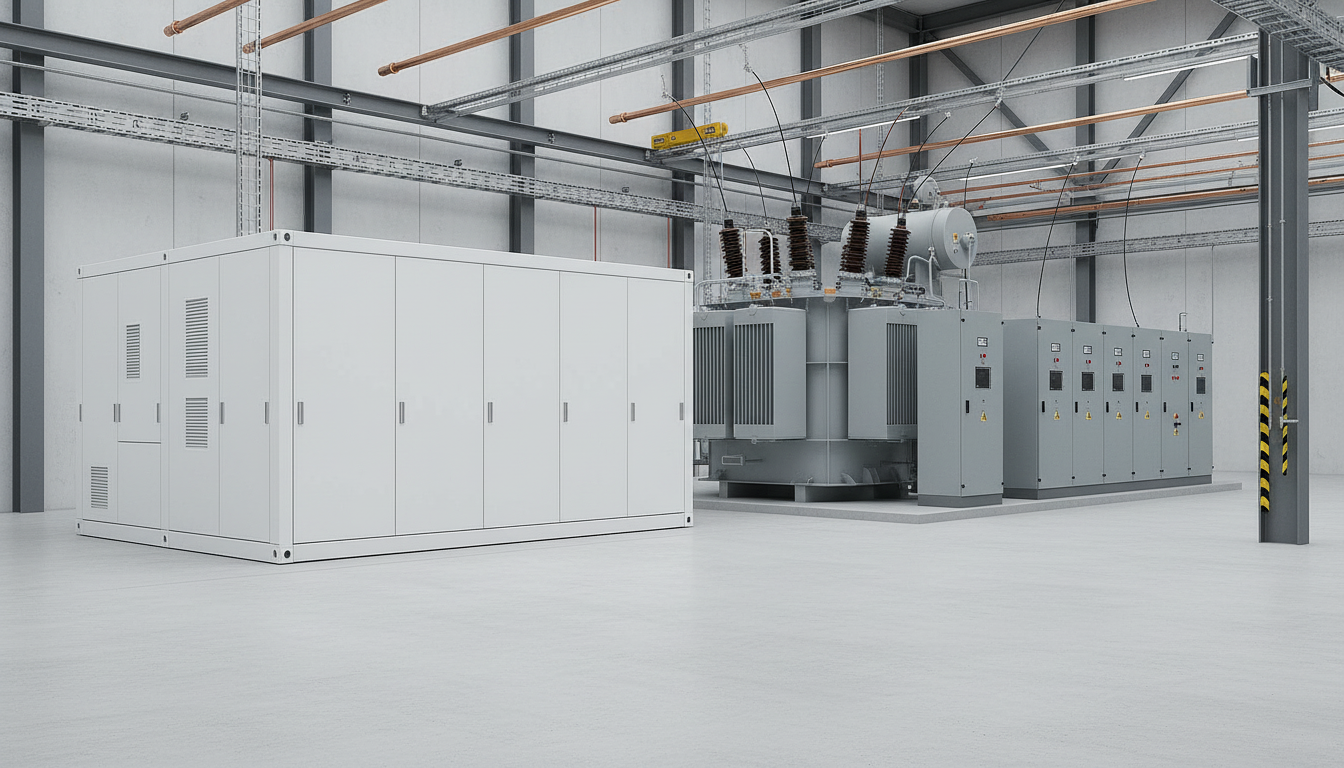
Germany’s export-driven industries depend on a resilient, high-quality power infrastructure. At the heart of this resilience are long-life transformer solutions that can withstand decades of continuous duty under demanding load profiles, fluctuating generation from renewables, and strict German and EU regulatory requirements. When transformers are engineered for extended service life, operators benefit from fewer outages, lower lifecycle costs, and better support for decarbonisation and electrification strategies.
-
Industrial transformer system solutions for German manufacturing plants and process industry
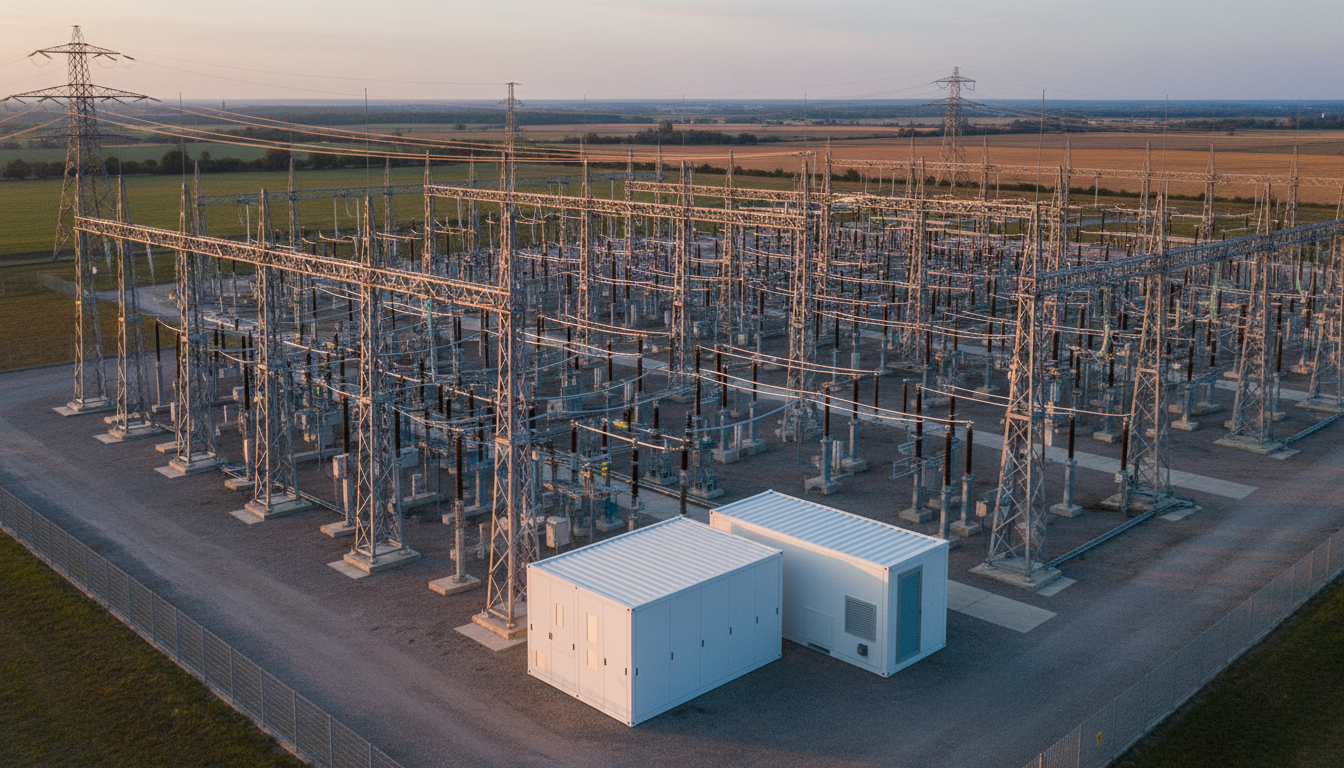
For German factories and process plants, the industrial transformer system is the backbone of reliable, efficient power distribution. It links utility medium-voltage (MV) networks with complex low-voltage (LV) loads, while meeting stringent German and EU requirements for safety, energy efficiency, and availability. In an environment of rising electricity prices and decarbonisation pressure, optimising your industrial transformer system is no longer just an engineering issue – it is a strategic competitiveness decision. This article outlines how German operators can design, procure and operate transformer systems that are robust, efficient and future-ready.
-
High-voltage power transformer solutions for German transmission grids and substations
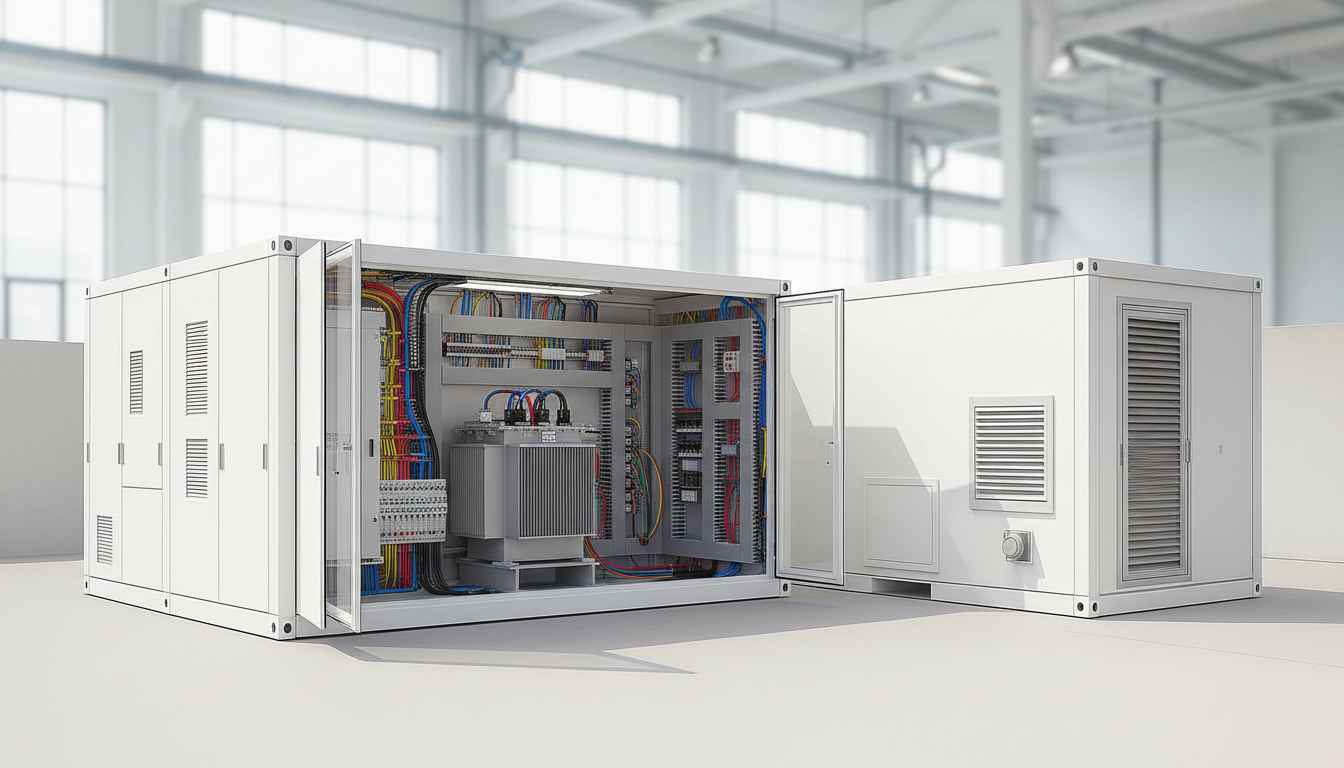
Germany’s energy transition has made the high-voltage power transformer one of the most critical assets in the national grid. From 110 kV regional rings up to the 380 kV backbone operated by 50Hertz, Amprion, TenneT and TransnetBW, transformers connect generation, transmission and distribution while meeting strict German and European standards. Well-engineered transformers reduce losses, increase system stability and minimise outage risk in a market where reliability is non‑negotiable and regulatory scrutiny is high.
-
High‑efficiency dry‑type distribution transformer solutions for German industry
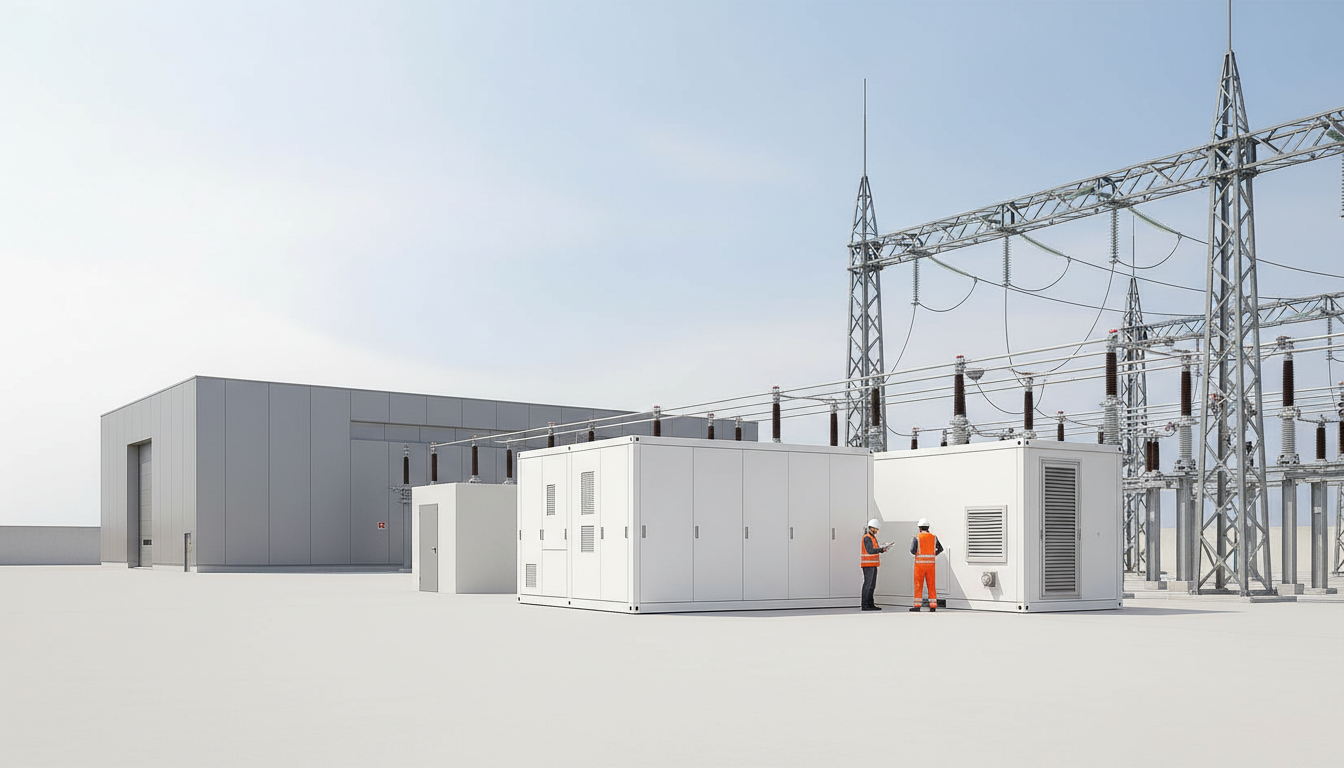
German industry is under strong pressure to cut energy losses, decarbonise operations and maintain world‑class reliability. Choosing the right dry‑type distribution transformer has a direct impact on electricity costs, safety concepts and grid stability in MV/LV networks. Modern designs with low losses, advanced insulation systems and digital monitoring help factories, logistics hubs and data centres meet both technical and regulatory requirements in Germany.
-
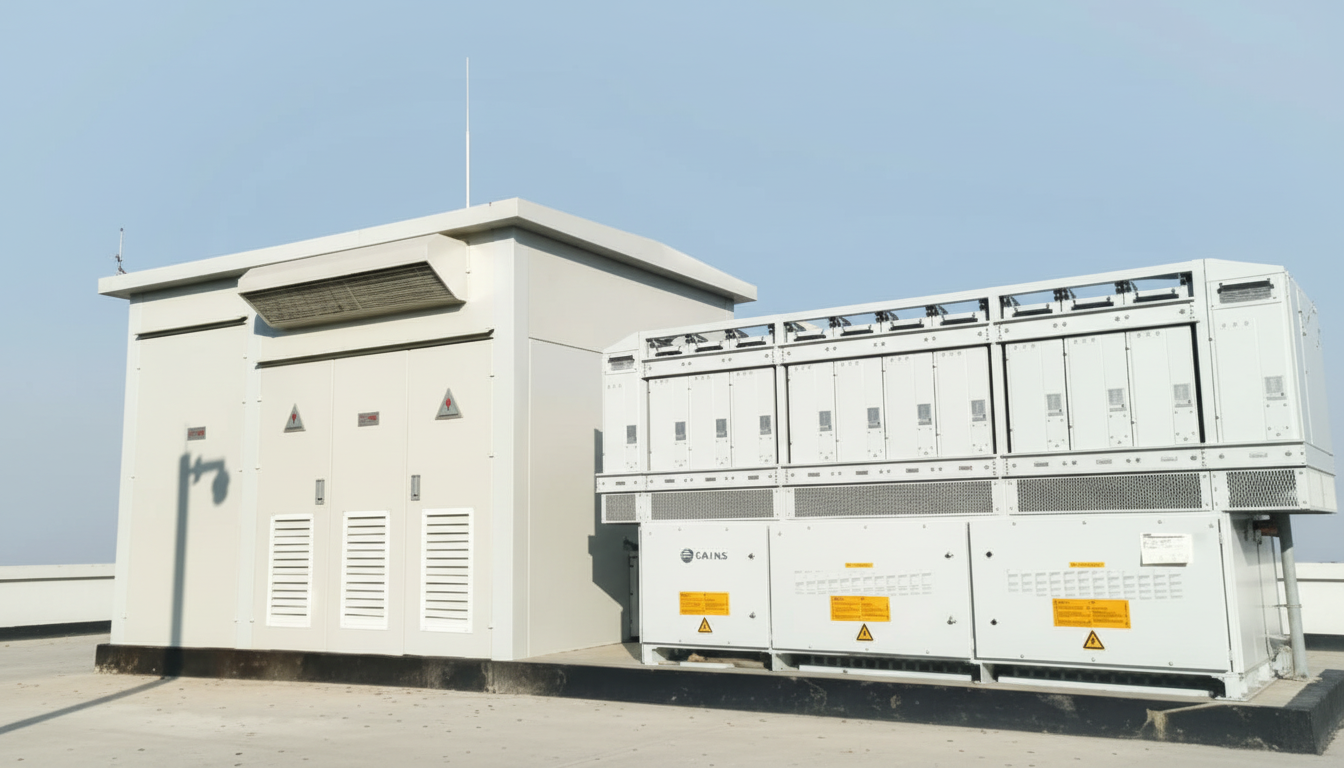
High‑efficiency oil power transformer solutions for German industry
High-efficiency oil power transformer solutions are becoming a strategic lever for German industrial operators facing high electricity prices, decarbonisation targets and tightening EU Ecodesign rules. For large plants in chemicals, steel, automotive, paper, data centres or logistics, choosing the right oil power transformer directly impacts OPEX, grid stability and security of supply. Beyond pure kVA ratings, German buyers now evaluate loss levels, digital monitoring options, resilience to renewables-driven load patterns and compliance with German and European standards.
-
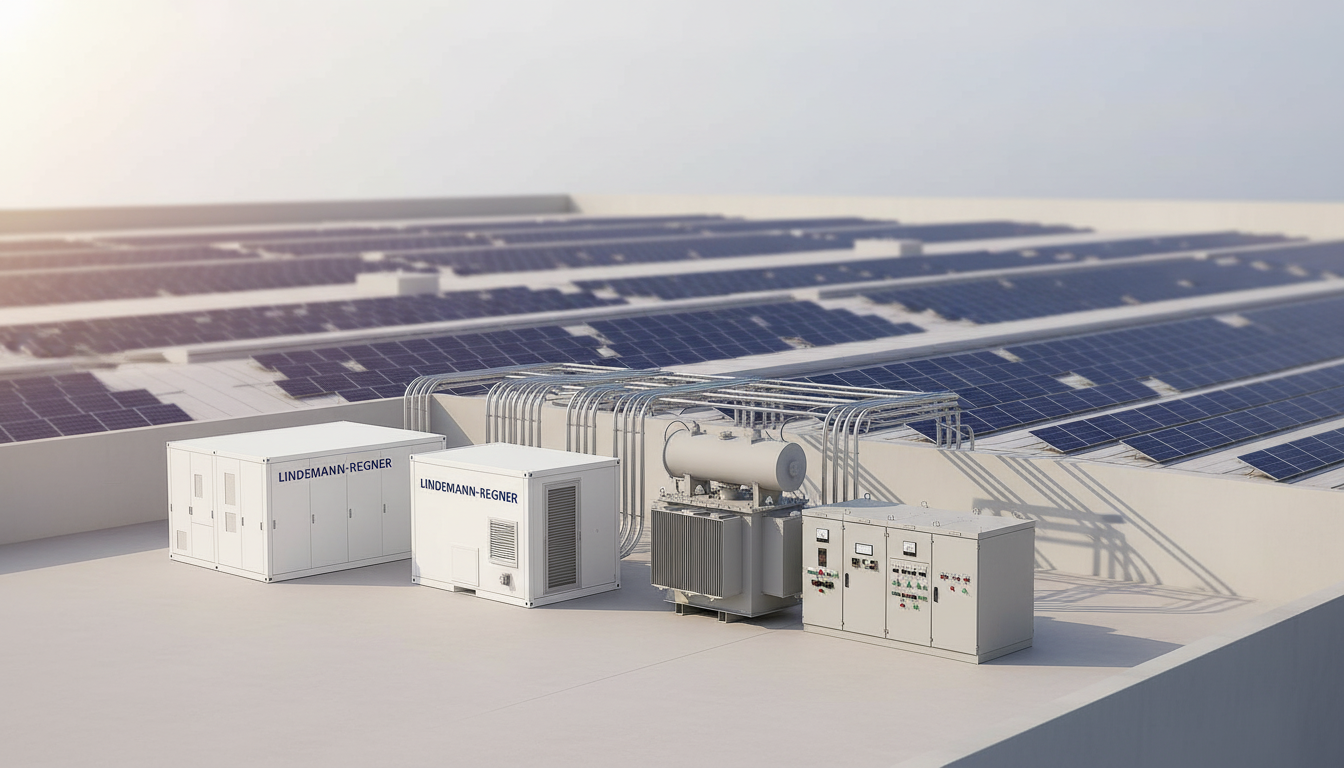
TÜV certified power transformer solutions for German industrial plants
For German industrial operators, a TÜV certified power transformer is not just another piece of equipment – it is the backbone of a safe, efficient and compliant power supply. Whether in an automotive plant in Baden-Württemberg, a chemical park in North Rhine-Westphalia or a data center cluster in Frankfurt, transformers must satisfy demanding German and EU requirements while operating reliably under tough load profiles. Decision makers are therefore looking for solutions that combine TÜV-certified safety, IEC/DIN/EN compliance and long-term cost efficiency. Partnering early with a specialist such as Lindemann-Regner helps align engineering, regulations and business objectives from the concept stage onwards.
-
IEC 60076 power transformer solutions for German utilities and grid operators
For German utilities, Stadtwerke and grid operators, the IEC 60076 power transformer is the core building block of a safe, efficient and future-proof grid. From 110‑kV substations in Bavarian distribution networks to 220‑kV interconnections in North German wind corridors, compliance with IEC 60076 and its German implementation DIN EN 60076 is non‑negotiable. This article explains how to specify, procure and manage these transformers under German conditions, and how to leverage Lindemann-Regner’s German engineering expertise and European footprint. If you are planning new transformers or substation projects, now is a good time to involve Lindemann-Regner for technical clarification, budget pricing and project feasibility checks.
-
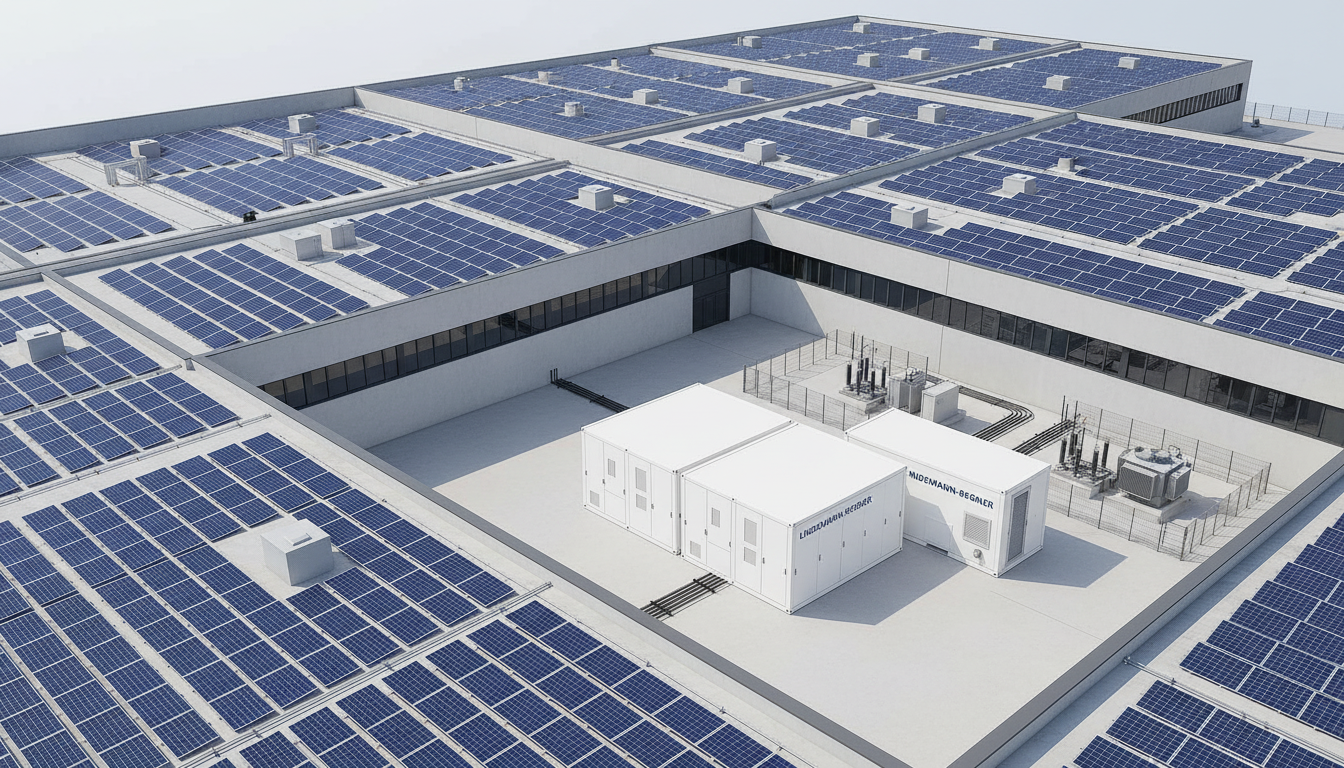
DIN standard transformer solutions for German OEMs and industrial plants
For German OEMs and industrial plant operators, the DIN standard transformer is a quiet but critical backbone of safe, reliable and export-ready power distribution. Whether you design control panels in Baden-Württemberg, modernise a chemical plant in North Rhine-Westphalia or expand an automotive line in Bavaria, your transformers must fit DIN dimensions, pass VDE inspections and operate reliably under German grid and environmental conditions. This article explains how to choose the right DIN standard transformer, how to ensure regulatory compliance and how to leverage Lindemann-Regner’s German–European footprint for projects in Germany and beyond.
LND Energy GmbH
One of Germany's leading manufacturer of electrical and power grid equipments and system integrator, specializing in efficient, sustainable energy conversion and transmission & distribution solutions.
To align with the global brand strategy, our company has officially rebranded as LND Energy GmbH effective 23 January 2026. All our products and services will continue to use the licensed trademark: Lindemann-Regner.
Products
The company
Services
Support
Certification and conformity

ISO 9001:2015
ISO 14001:2015

IEC 60076

RoHS-compliant
Stay informed
Subscribe to our newsletter for the latest updates on energy solutions and industry insights.
Follow us
LND Energy GmbH. All rights reserved.
Commercial register: HRB 281263 | VAT ID: DE360166022