
-
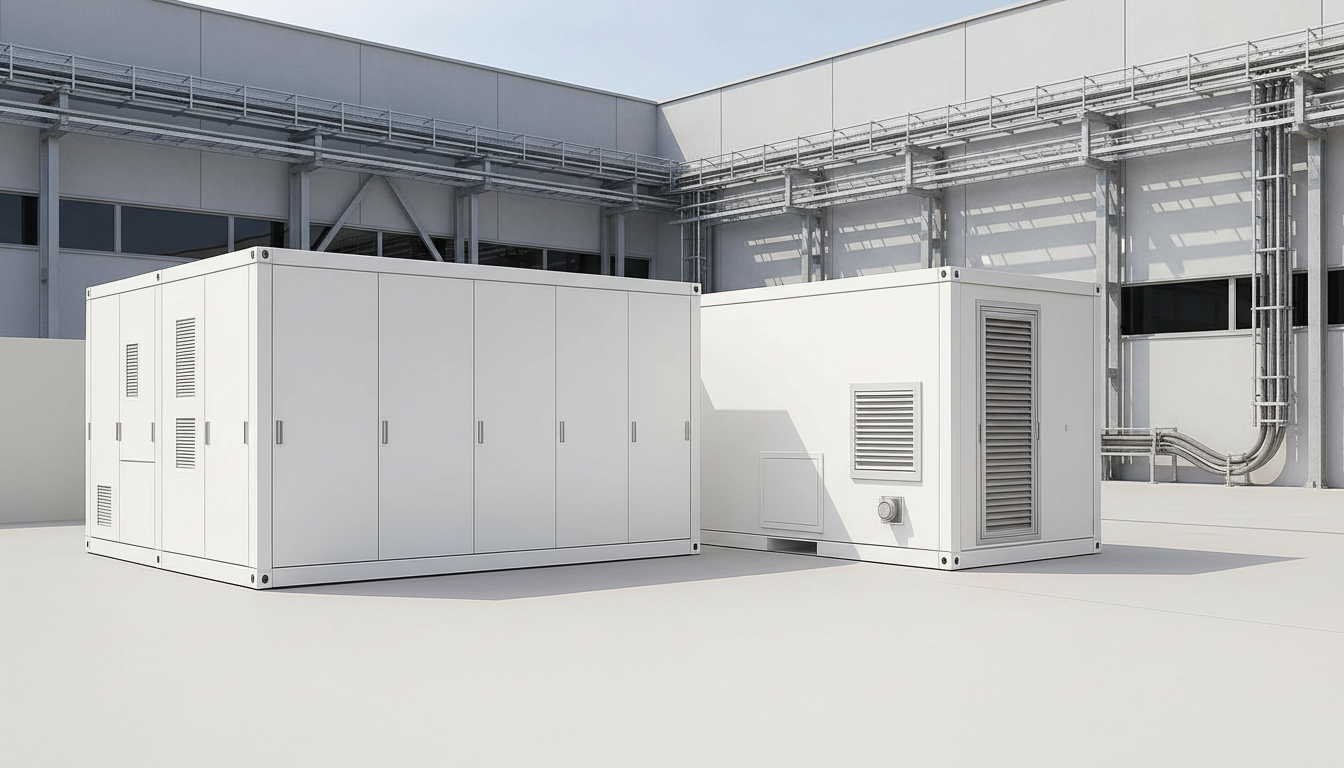
Global utility-scale energy storage solutions for grid flexibility and resilience
Utility-scale energy storage solutions are now one of the most practical ways to increase grid flexibility and resilience while accelerating renewable integration. The core idea is simple: store electricity when it is abundant or cheap, and dispatch it when the grid needs fast support, congestion relief, or capacity during peak demand. For utilities, IPPs, and large industrial grid users, this translates into fewer curtailments, better reliability metrics, and more predictable operating conditions.
-
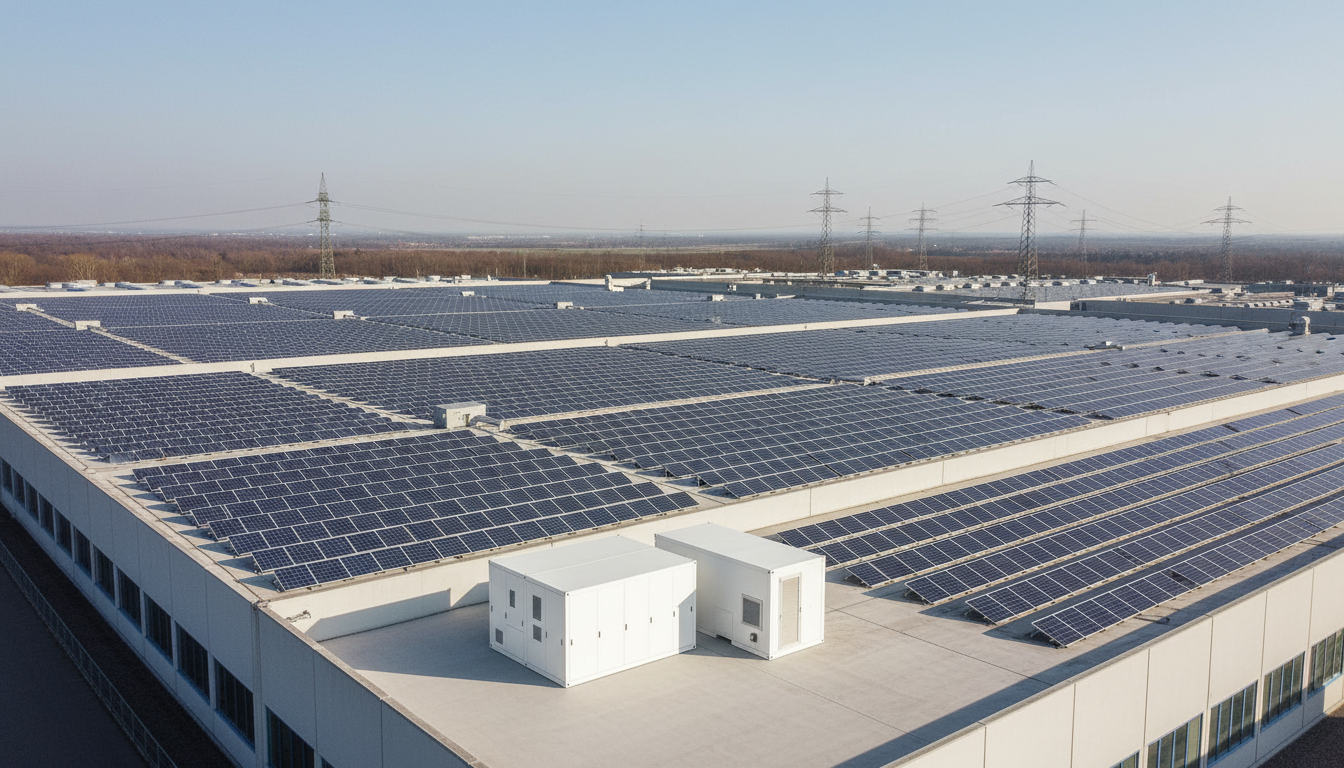
Commercial energy storage systems and BESS technologies for enterprises
Enterprises adopting commercial energy storage systems and enterprise BESS typically succeed fastest when they treat storage as a reliability-and-cost asset, not a “battery purchase.” The practical path is to define the business objective (peak shaving, backup, renewables firming, power quality, or grid services), then select an architecture that meets safety, compliance, and lifecycle economics. If you want a reference design, performance assumptions, and compliance checklist aligned with European engineering expectations, you can contact Lindemann-Regner for a technical consultation or quotation—our approach combines German standards with globally responsive delivery.
-
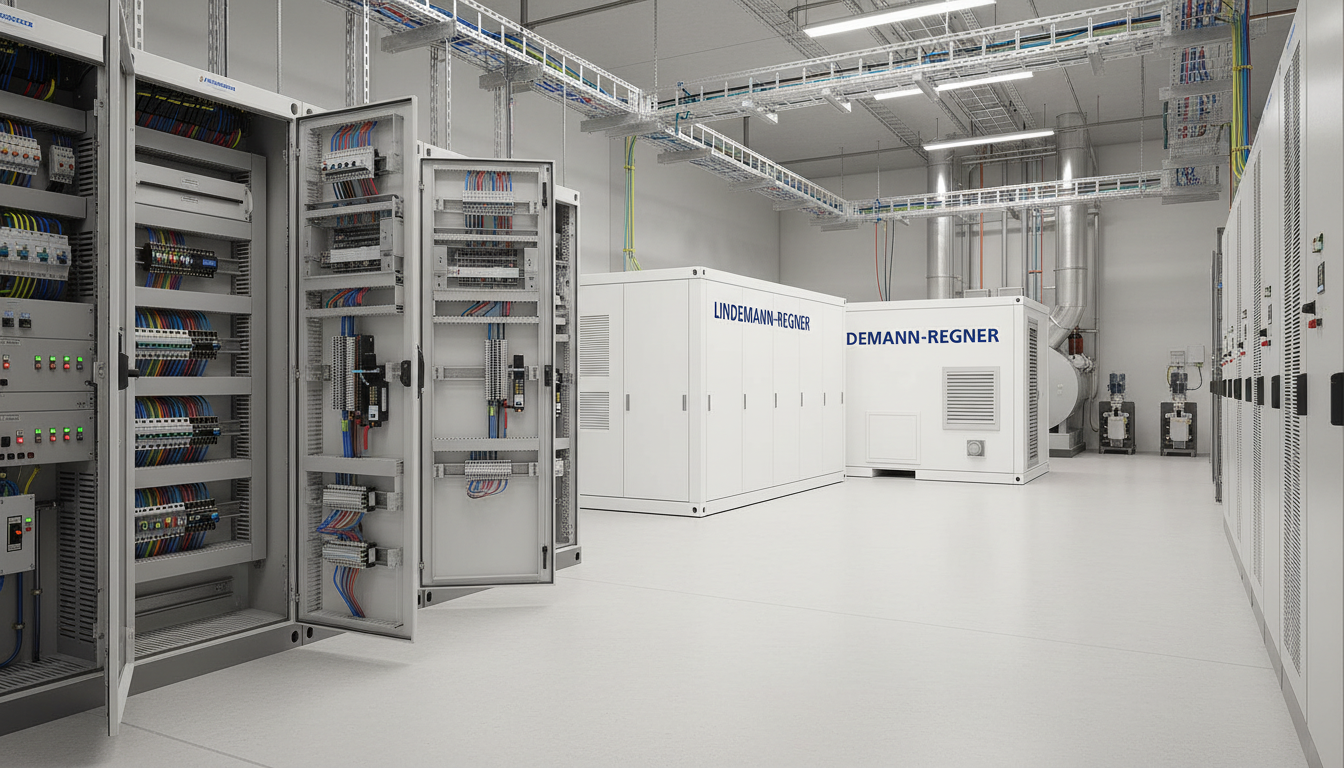
Solar wind hybrid systems for German industrial and commercial sites
Solar wind hybrid systems are rapidly becoming a strategic tool for German industrial and commercial energy users who want to decarbonise while keeping supply security and power quality at the highest level. By combining on-site wind and solar, companies can stabilise their energy costs, hedge against rising grid tariffs and CO₂ prices, and use their existing grid connection much more efficiently. In the German context of high industrial power prices and ambitious climate targets, well-designed solar wind hybrid systems are often more than a “green flagship project” – they are a hard-nosed business decision.
-
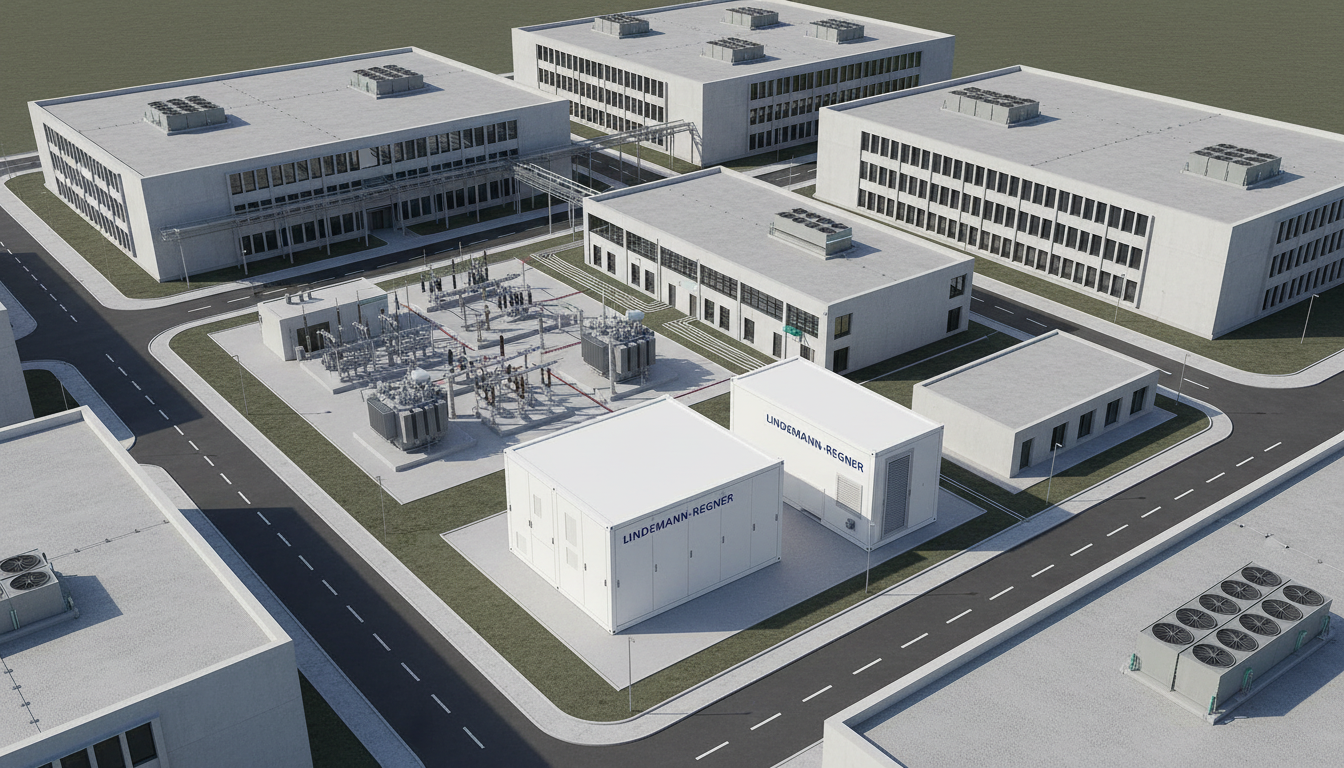
Grid-connected PV systems for German commercial and industrial roofs
Grid-connected PV systems are becoming a strategic asset for German commercial and industrial buildings. With high electricity prices, tightening CO₂ regulations and the ongoing energy transition, rooftop solar in Germany is no longer just a sustainability measure—it is a competitive advantage. When properly engineered and connected to the grid, these systems stabilize energy costs, reduce exposure to market volatility and support compliance with national climate targets.
-
Renewable energy Europe solutions for German industrial power buyers
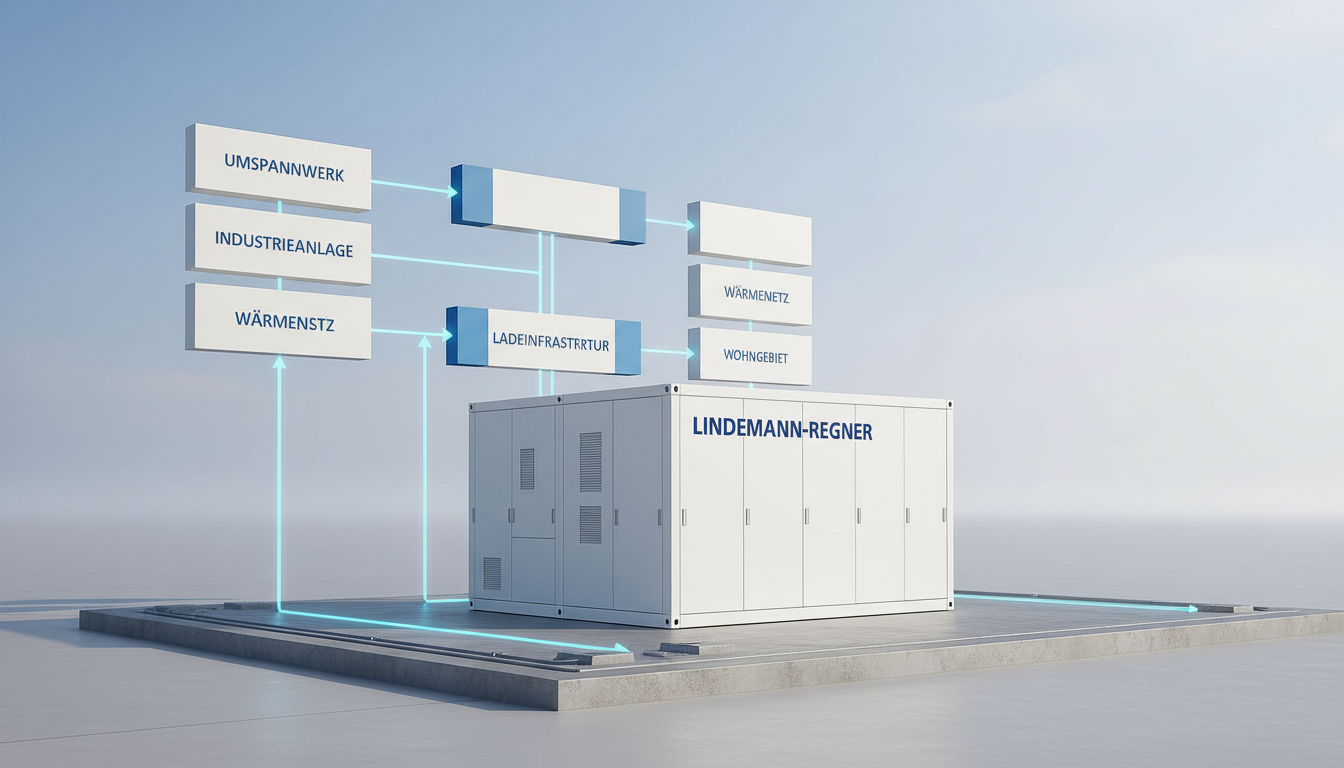
German industrial power buyers are increasingly turning to Renewable energy Europe strategies to secure long-term price stability, decarbonise operations and meet demanding ESG expectations from customers and regulators. Instead of relying solely on German generation, energy managers now look across the continent for wind, solar and hydro profiles that complement their load and hedge local market volatility. The most advanced buyers mix cross-border PPAs, on-site generation, guarantees of origin and flexible supply contracts into an integrated portfolio that aligns with German grid rules, corporate risk appetite and reporting requirements.
-
Modular substation solutions for German industrial and utility grids
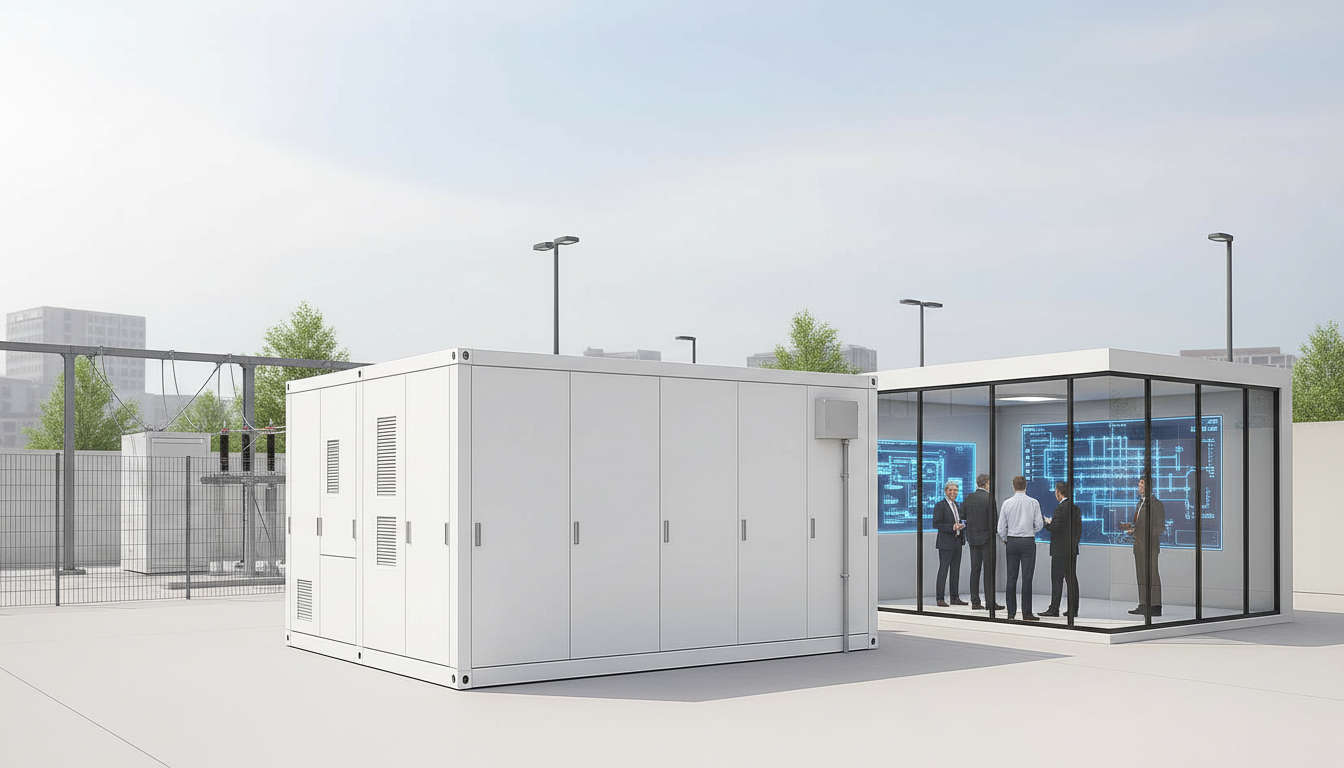
Modular substation solutions are becoming a strategic lever for German industrial and utility grids that need more capacity, higher reliability and faster project execution. Compared to conventional greenfield substations, a modular substation can be factory-built, fully pre-tested and delivered to site as one or several plug‑and‑play modules, drastically reducing on-site work and connection risk. In Germany’s tightly regulated and space-constrained environment, this approach helps DSOs, TSOs and industrial users expand their networks while staying compliant with IEC, EN and VDE standards and regional permitting practices.
-
E-House substation solutions for German industrial and grid projects
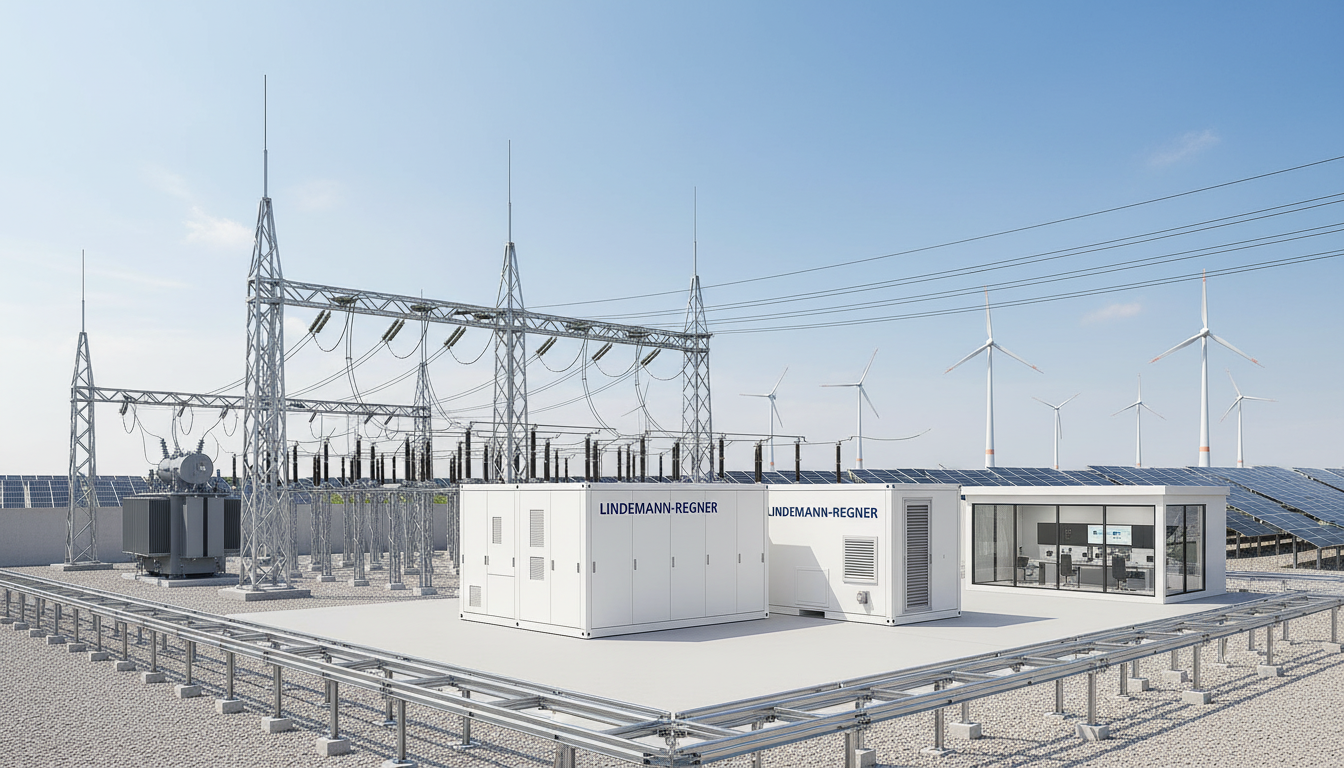
Across Germany’s industrial clusters, grid expansion zones and data center corridors, the need for fast, reliable and standards-compliant medium- and high-voltage infrastructure is growing rapidly. An E-House substation gives project owners a modular, factory-built way to deploy fully equipped power nodes with far less on-site construction and coordination. For German projects facing tight Energiewende targets, complex permitting and a shortage of skilled construction labor, E-House substation concepts can be a practical way to de-risk timelines while staying fully aligned with IEC, EN and VDE rules.
-
Industrial power transmission systems for German OEMs and machine builders
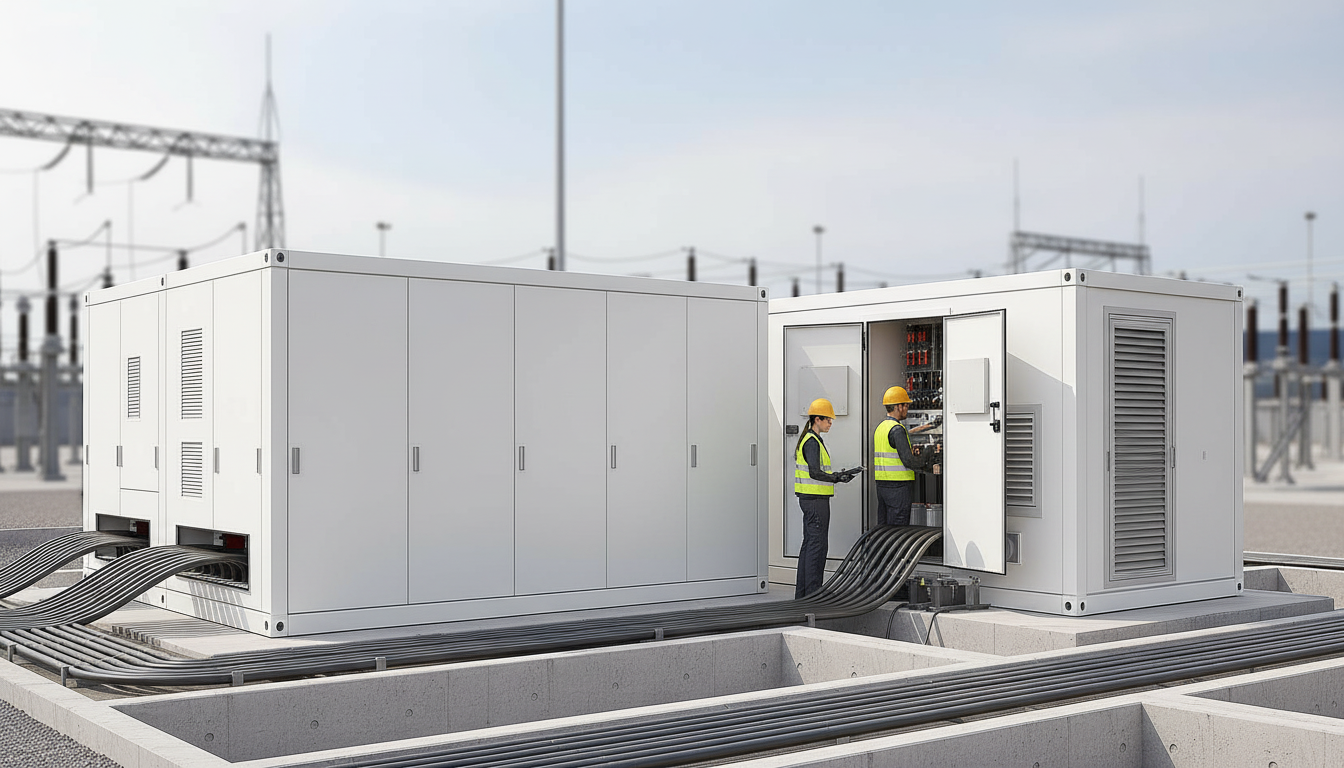
For German OEMs and machine builders, modern power transmission systems are the silent backbone of productivity, safety, and export readiness. They ensure that medium-voltage energy is transformed, distributed, and delivered reliably to drives, controls, and auxiliary loads across complex production lines. In Germany’s highly regulated and efficiency‑driven environment, optimized power transmission systems directly influence OPEX, uptime, and CO₂ footprints. This article explains how to design, select, and operate power transmission systems tailored to German industry and its European export markets.
-
Power plant equipment solutions for German utilities and IPPs
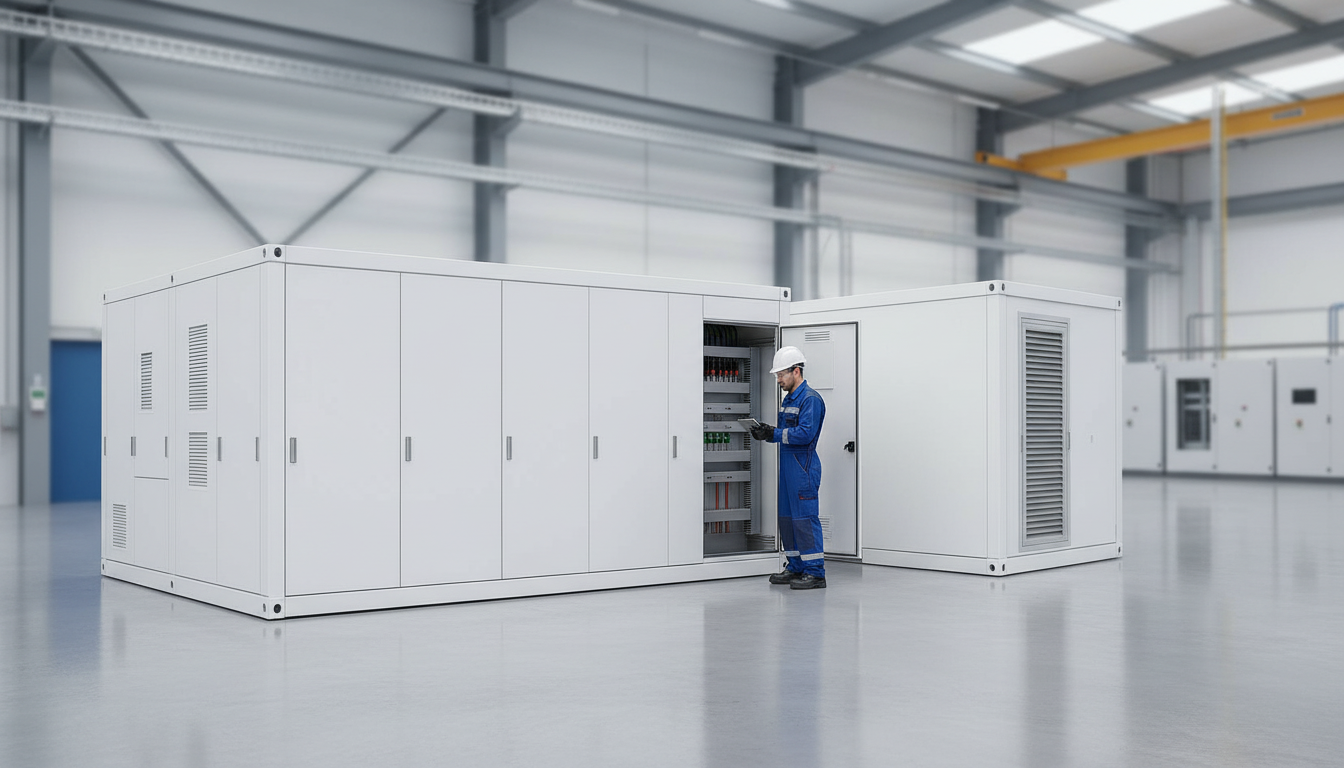
Germany’s power sector is in the middle of a fundamental transition, and the expectations placed on power plant equipment have never been higher. Utilities, Stadtwerke and independent power producers (IPPs) must balance flexible operation, stringent German and EU regulations, and tough commercial pressures in the wholesale and balancing markets. To succeed, plant owners need equipment that combines German engineering standards with robust lifecycle support, from transformers and switchgear to digital monitoring and EPC services. This article outlines how to specify, operate and modernise equipment portfolios that are fit for Germany’s evolving energy mix.
-
German industrial power systems for manufacturing plants in Germany
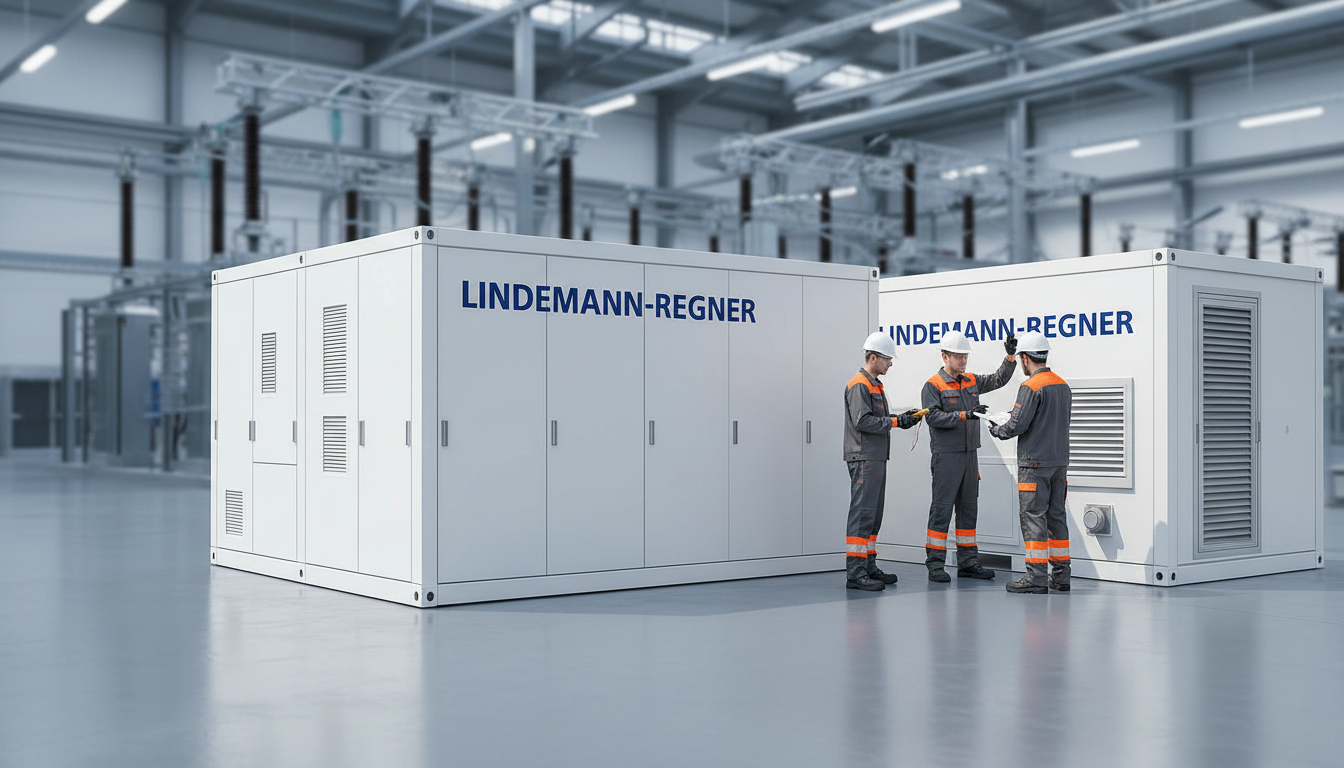
German industrial power systems are the invisible backbone of every modern manufacturing plant in Germany. From automotive final assembly lines in Baden-Württemberg to pharmaceutical production in North Rhine-Westphalia, reliable, safe, and efficient power is a strategic asset rather than just a utility. Well-designed German industrial power systems enable high plant availability, support energy-efficiency targets, and ensure compliance with strict German and European regulations. Poorly designed systems, in contrast, can lock in high energy costs and create avoidable downtime risks.
-
European power grid equipment for German TSOs and DSOs
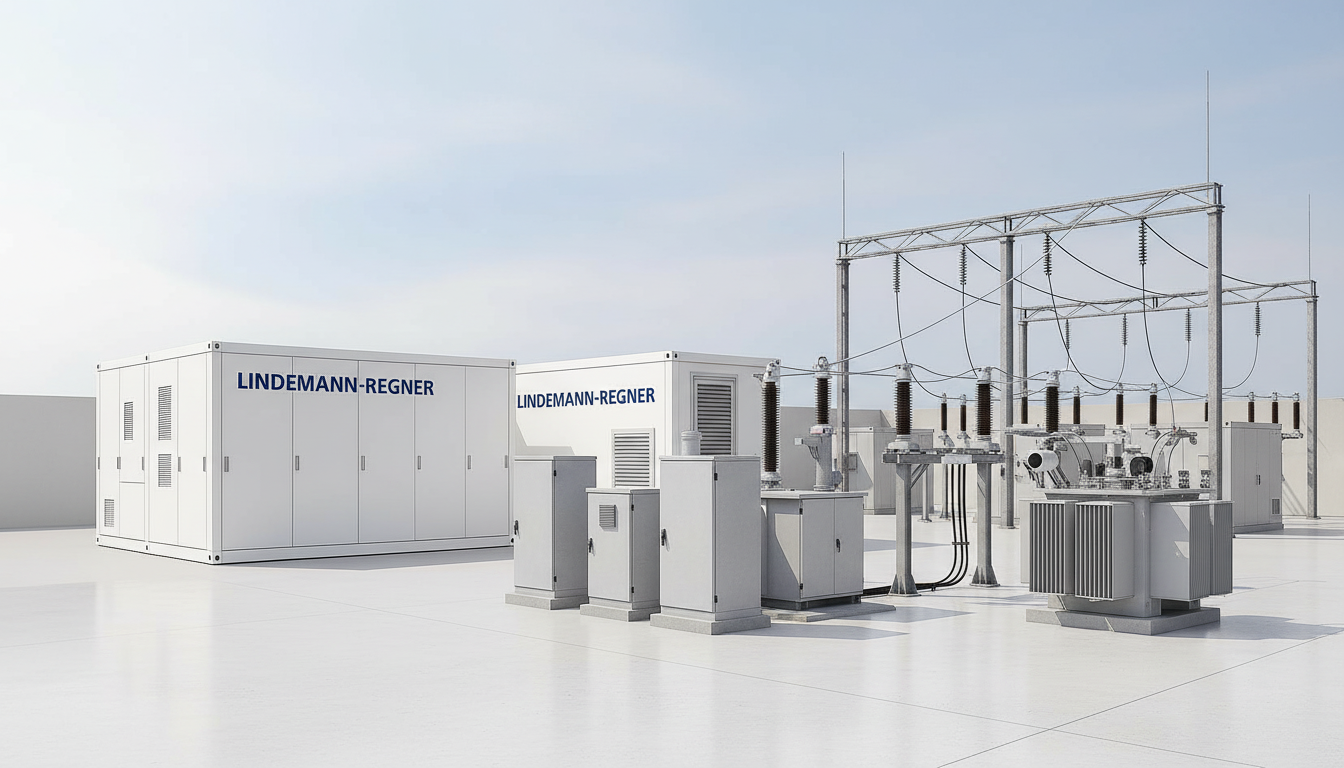
European power grid equipment is the backbone of secure and efficient electricity supply in Germany. For German transmission system operators (TSOs) like 50Hertz, Amprion, TenneT and TransnetBW, and for hundreds of distribution system operators (DSOs), the right choice of European power grid equipment directly impacts grid stability, integration of renewables, and long‑term CAPEX/OPEX. With Germany’s Energiewende, rapid PV and wind build‑out, and the phase‑out of conventional plants, robust, standards‑compliant equipment is no longer optional – it is a strategic necessity.
-
VDE certified equipment for German industrial OEM and panel builders
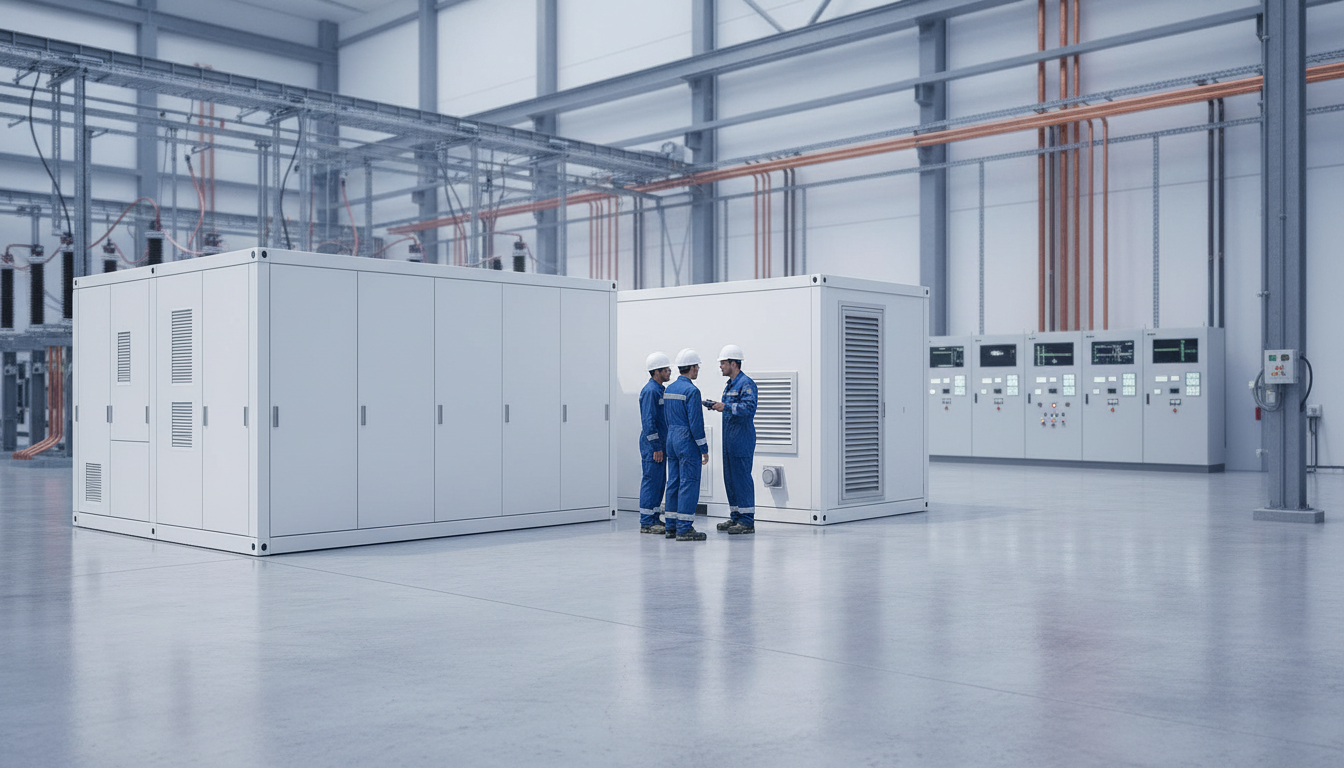
For German machine builders, process OEMs, and panel builders, VDE certified equipment is no longer optional—it is a de‑facto requirement for most industrial projects. The VDE mark is a shorthand for compliance with German and European safety expectations, reducing approval friction with insurers, TÜV, DGUV experts, and local authorities. In practice, using VDE certified equipment in low- and medium-voltage panels helps German OEMs accelerate CE documentation, pass factory acceptance tests first time, and minimize redesign cycles caused by non-compliant components.
LND Energy GmbH
One of Germany's leading manufacturer of electrical and power grid equipments and system integrator, specializing in efficient, sustainable energy conversion and transmission & distribution solutions.
To align with the global brand strategy, our company has officially rebranded as LND Energy GmbH effective 23 January 2026. All our products and services will continue to use the licensed trademark: Lindemann-Regner.
Products
The company
Services
Support
Certification and conformity

ISO 9001:2015
ISO 14001:2015

IEC 60076

RoHS-compliant
Stay informed
Subscribe to our newsletter for the latest updates on energy solutions and industry insights.
Follow us
LND Energy GmbH. All rights reserved.
Commercial register: HRB 281263 | VAT ID: DE360166022