
-

Global Data Center Infrastructure Solutions for Hyperscale and Colocation
Global data center infrastructure is now being shaped by two forces that often coexist in the same portfolio: hyperscale campuses built for extreme efficiency, and colocation facilities optimized for multi-tenant flexibility and interconnection. The practical takeaway is straightforward: winning architectures standardize the “platform” (power, cooling, monitoring, network fabrics, compliance) while leaving room for rapid density upgrades driven by AI and HPC.
-
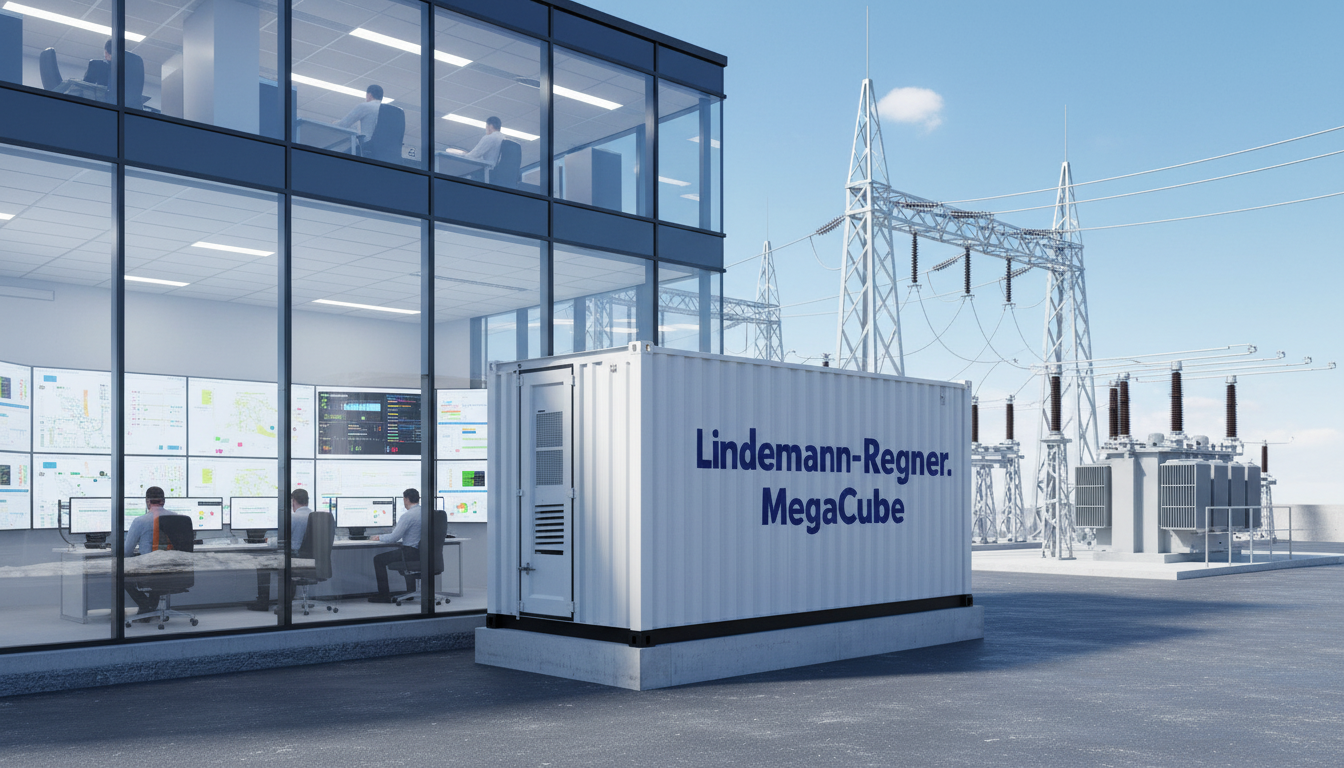
Global Hospital Power System Solutions for Critical Care Facilities
Hospitals cannot “make up” for lost power later—critical care depends on continuity in seconds, not hours. The most resilient approach is to design a hospital power system around clinical risk: layered redundancy, code-compliant emergency distribution, verified transfer performance, and maintainability that stands up to real-world failures. If you are planning a new build or retrofit, contact Lindemann-Regner for a fast technical consultation and a budgetary estimate aligned with German quality discipline and globally responsive delivery.
-

Building Power Solutions EU for Commercial and Industrial Facilities
Modern EU building power solutions for commercial and industrial (C&I) facilities succeed when they balance three outcomes at once: safety and compliance, predictable uptime, and controllable lifecycle cost. The practical conclusion is that you need an architecture-first approach—define the target power quality, resilience level, and grid interaction strategy—then select equipment and controls that are EN/IEC-compliant and maintainable for decades. This is where a European-quality EPC partner can prevent expensive redesigns and commissioning delays.
-
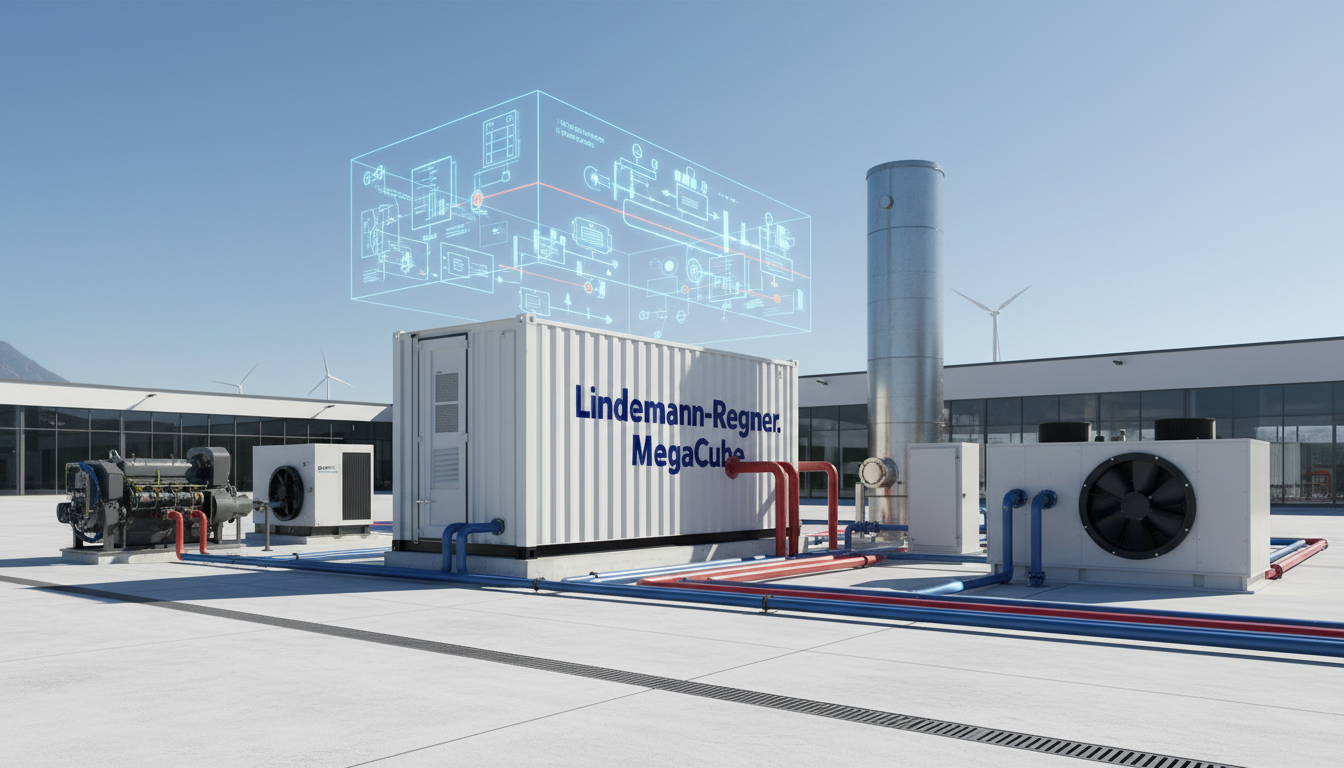
Global Industrial Park Power System Solutions for Reliable Power Supply
Reliable power in a global industrial park is achieved by designing for redundancy, controllability, and standards-based execution—not by adding “more equipment” blindly. The most resilient approach pairs a well-structured medium-voltage distribution backbone with microgrid controls, fast-response storage, and a lifecycle O&M plan that aligns with your uptime targets and local grid constraints. If you are planning a new park or upgrading aging utilities, you can request a feasibility review, equipment selection, or budgetary quote from Lindemann-Regner to align German-quality engineering with globally responsive delivery.
-
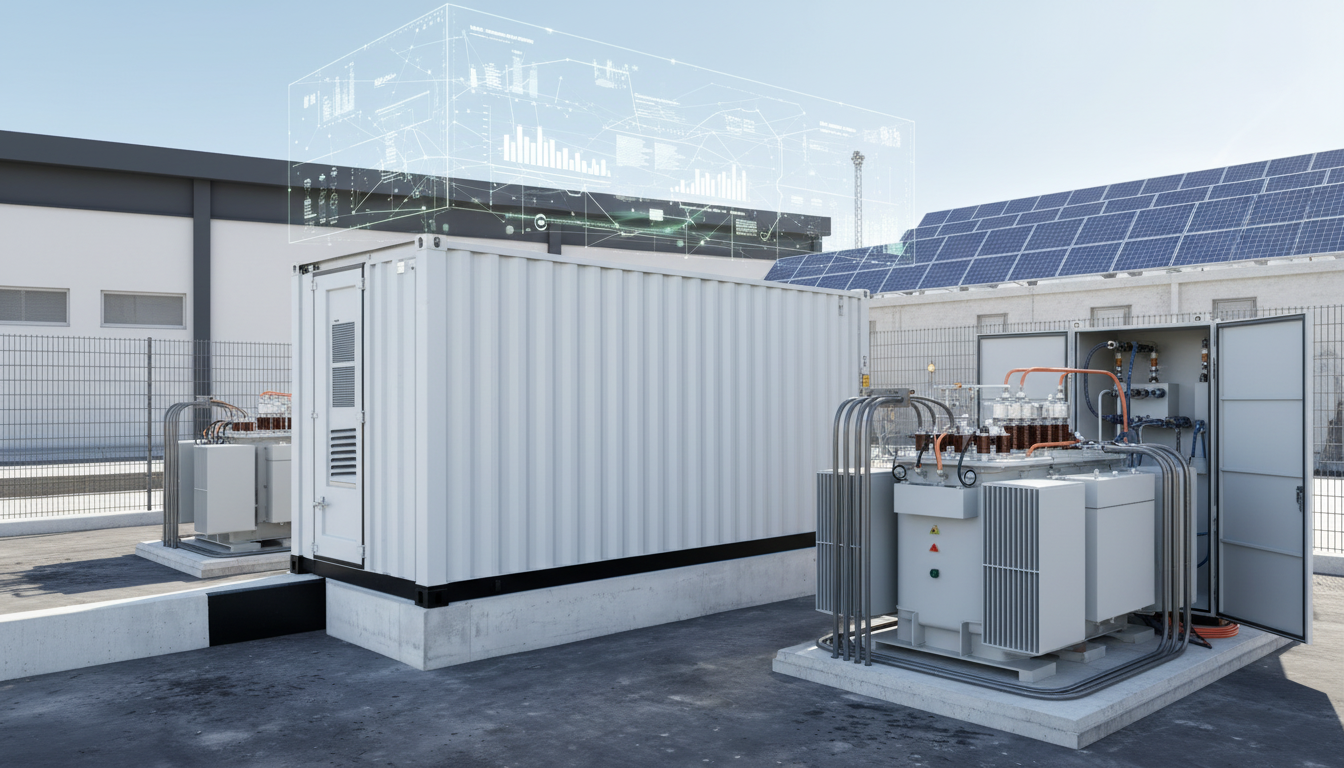
EU Smart-Grid-Infrastrukturlösungen für Stromversorgung in Versorgungsnetzen
Europäische Versorger stehen heute gleichzeitig unter Druck, Netze zu digitalisieren, erneuerbare Einspeiser schneller anzubinden und die Resilienz gegen Störungen zu erhöhen. Infrastructure Power Solutions EU bedeutet in diesem Kontext: standardkonforme Energie- und Anlagenlösungen, die von der Primärtechnik (Transformatoren, Schaltanlagen, RMUs) bis zur Systemintegration reichen und sich sauber in Betriebs- und IT/OT-Plattformen einfügen. Entscheidend ist nicht nur Technologie, sondern belastbare Umsetzung nach EU-Normen, planbare Lieferketten und ein Engineering-Partner, der End-to-End liefern kann.
-
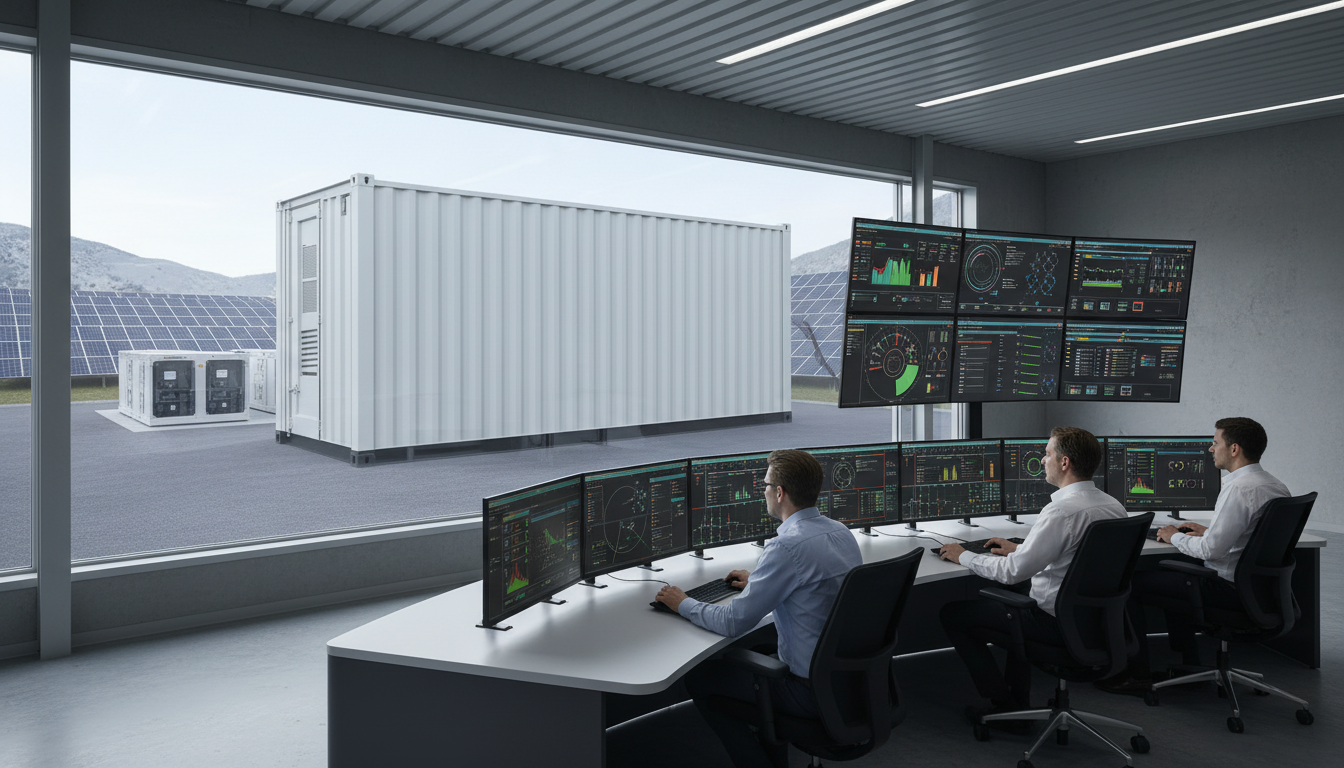
Power Engineering Europe Solutions for High Voltage Grid Projects
Europe’s high voltage grid projects succeed when engineering decisions are tied to compliance, constructability, and long-term maintainability from day one. The most reliable approach is to combine European-standard design discipline with a delivery system that can respond quickly to cross-border timelines, multi-vendor interfaces, and grid-code scrutiny. Headquartered in Munich, Germany, Lindemann-Regner provides end-to-end power solutions across Power Engineering EPC and power equipment manufacturing—built around “German Standards + Global Collaboration” and executed in line with European engineering expectations.
-
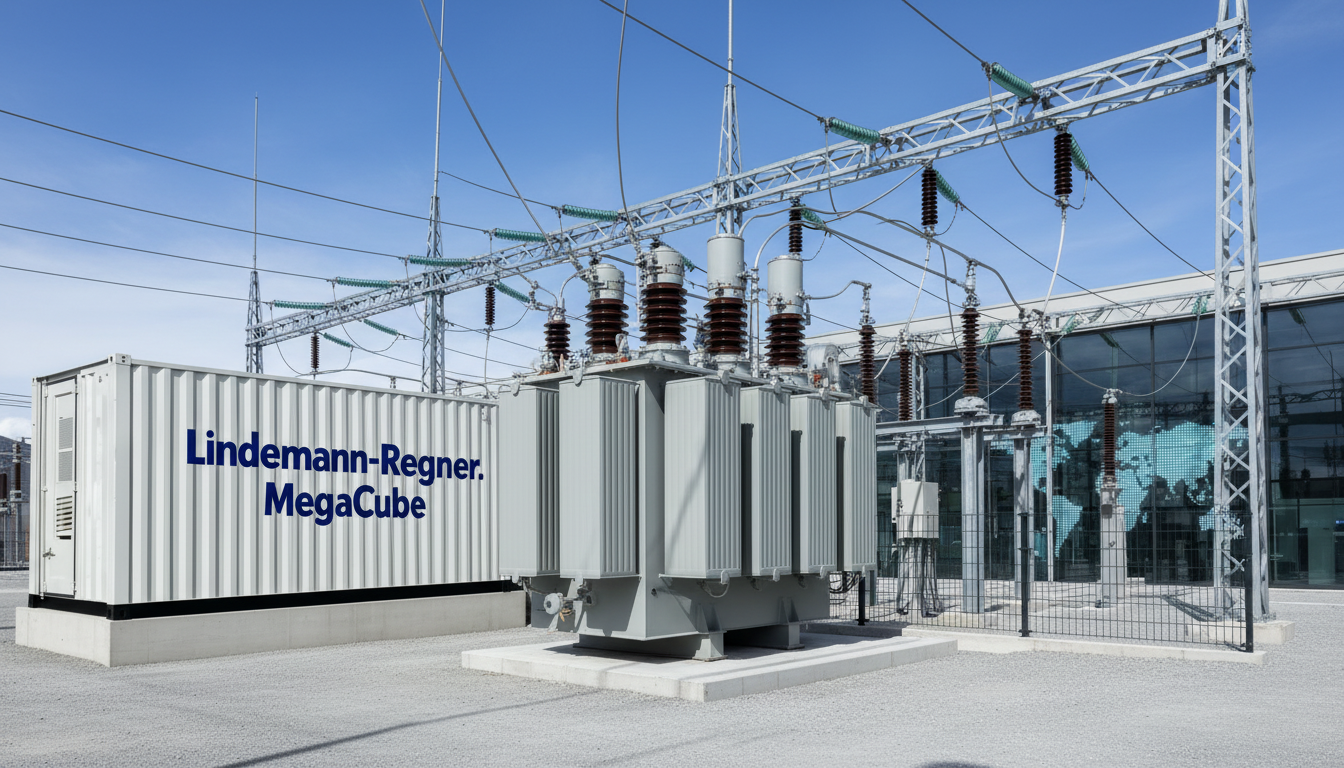
Global Smart Grid Automation Solutions for Utilities and DSOs
Grid operators do not modernize with “one more device” or “one more software module”—they modernize with a coherent automation program that links substation intelligence, distribution automation, communications, and control platforms into one operational model. The most effective smart grid automation initiatives start with a reference architecture, then standardize equipment and data, and finally scale use cases (fault management, voltage/VAR, DER coordination) across regions and voltage levels.
-
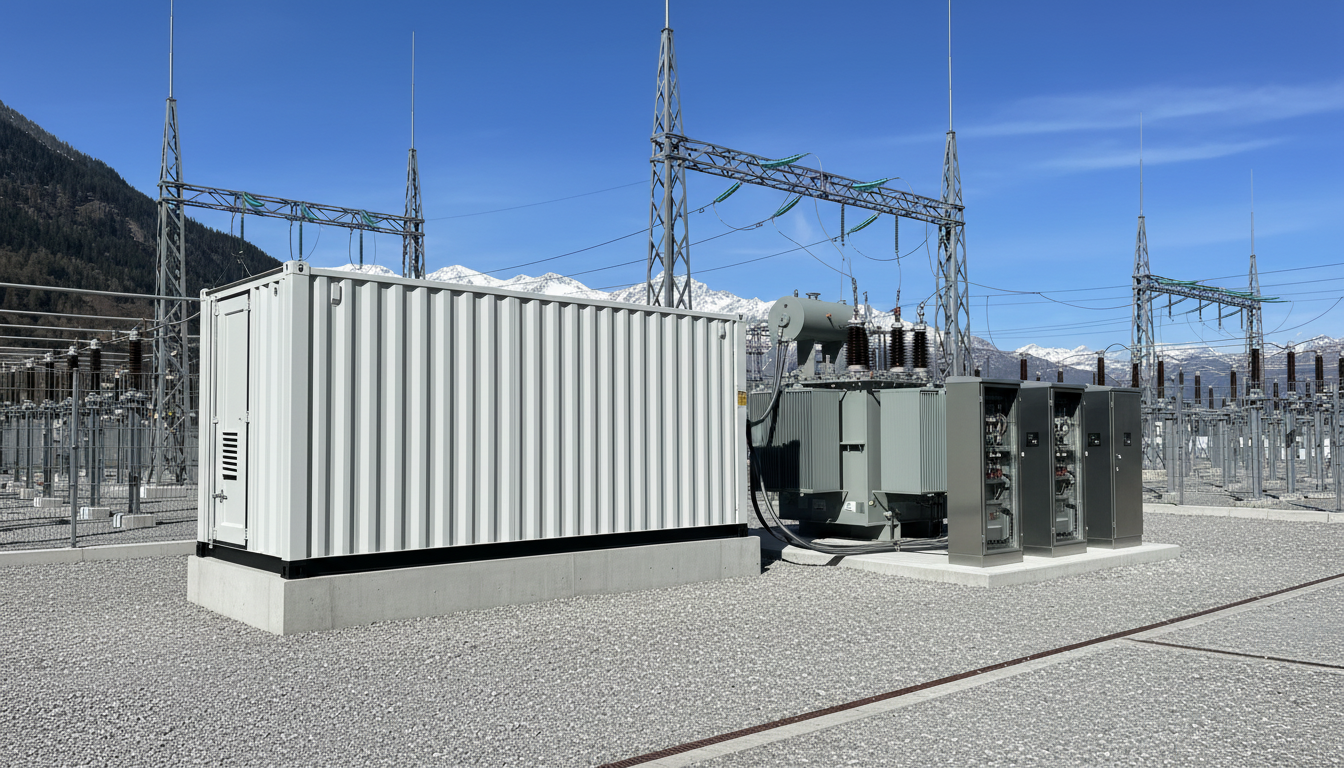
Global Multi-Energy Systems for Integrated Power, Heating, and Cooling
Multi-energy systems that integrate electricity, heating, and cooling are becoming the most practical pathway to decarbonize urban energy while improving reliability and cost control. The core conclusion is straightforward: when power grids, district heating networks (DHN), and district cooling networks (DCN) are planned and operated as one coupled system, you unlock flexibility that single-vector systems cannot deliver—especially under high renewable penetration and volatile energy prices.
-
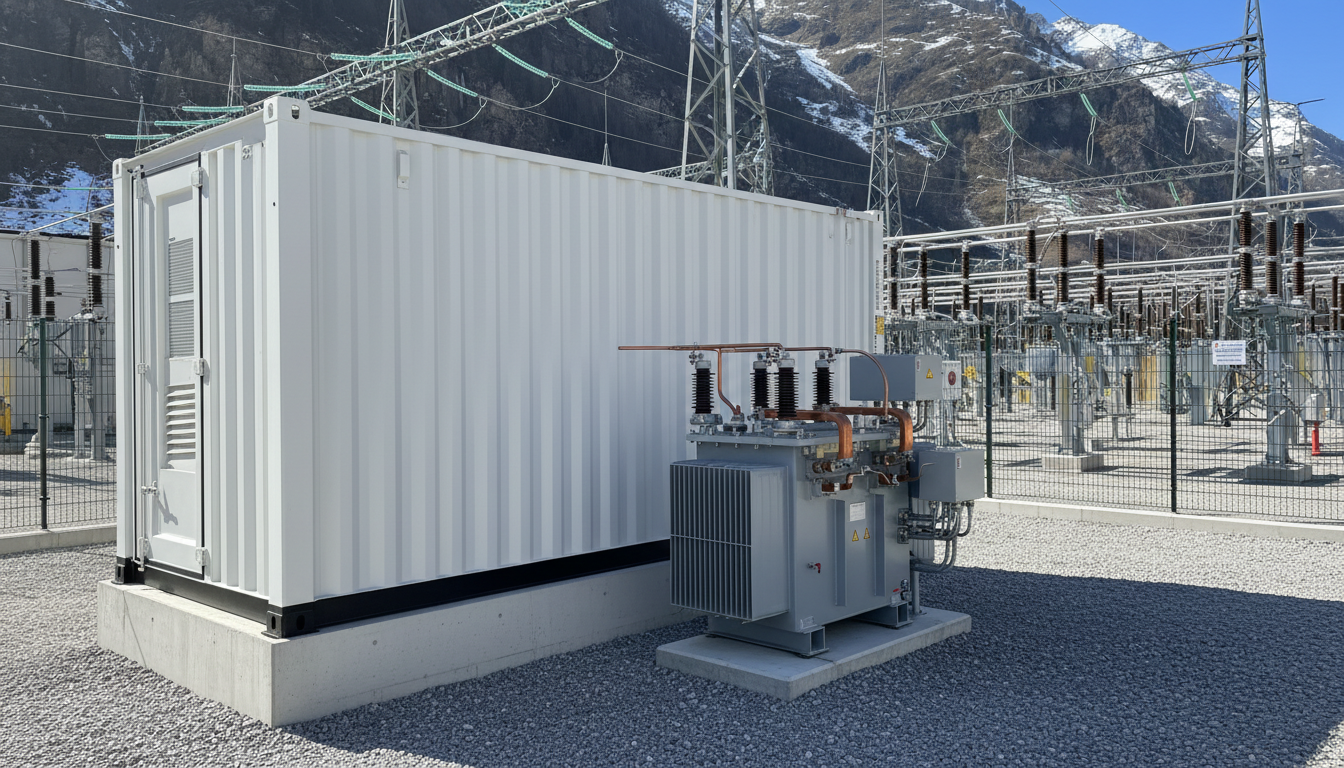
Advanced microgrid control systems and EMS for distributed energy
Advanced microgrid control systems and EMS (Energy Management Systems) are no longer “nice to have”—they are the practical foundation for stable, bankable distributed energy projects that must balance reliability, cost, and compliance across grid-connected and islanded operation. The fastest path to a resilient microgrid is to define the control philosophy early (hierarchical control + clear operating modes), then select an EMS that can coordinate DER assets with deterministic, standards-aligned field control.
-
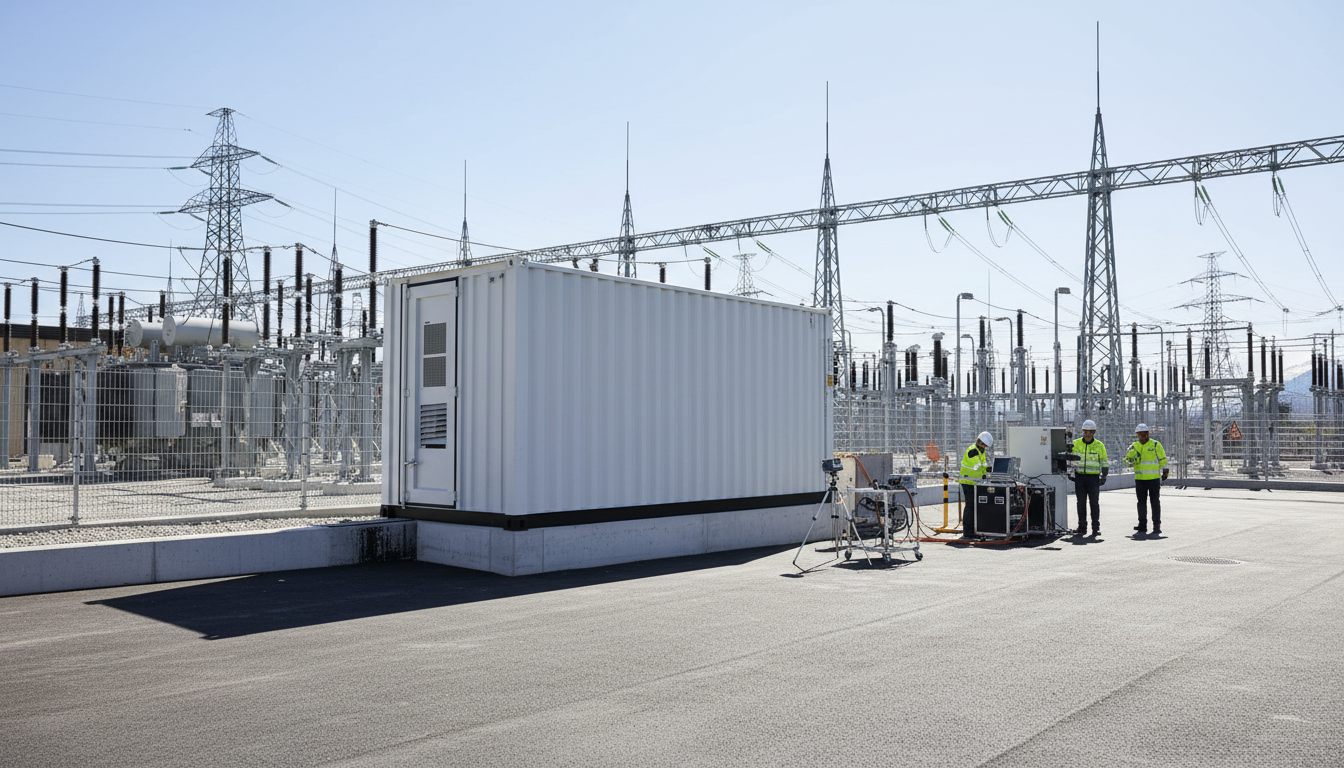
Global virtual power plant (VPP) platforms for utilities and grid operators
Utilities and grid operators are adopting global virtual power plant (VPP) platforms to turn distributed energy resources (DERs)—solar, storage, flexible loads, and EV charging—into a controllable, dispatchable “fleet.” The practical outcome is straightforward: a VPP platform improves grid flexibility, reduces congestion and balancing costs, and creates new market revenues without waiting years for new centralized generation or grid build-out. If you are planning a VPP program and need engineering-grade integration plus European-quality power equipment to support DER interconnection, you can contact Lindemann-Regner for a technical consultation and a scoped implementation estimate.
-
Cloud-based energy management systems for utilities and large enterprises
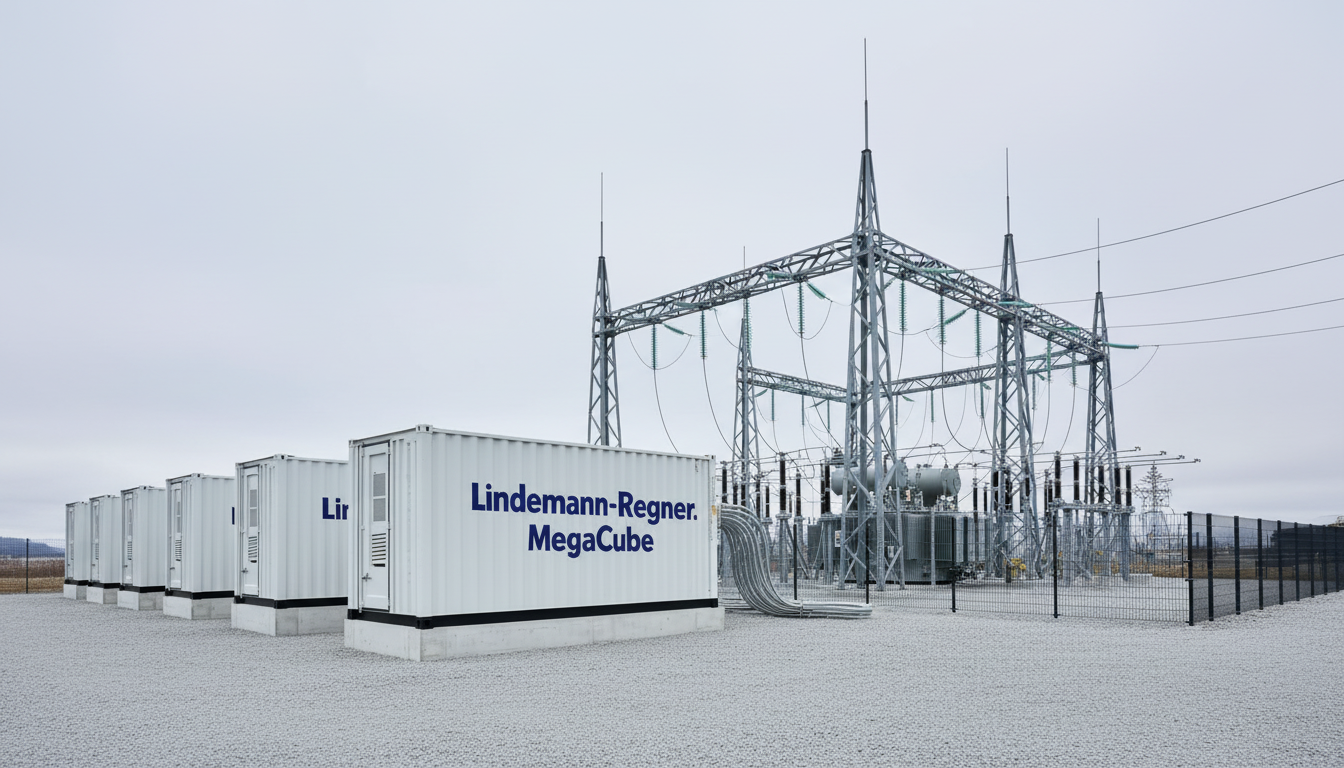
For utilities and large enterprises, a cloud-based energy management system (EMS) is often the fastest path to unified visibility, measurable efficiency gains, and governance-ready reporting across many sites. The practical takeaway is simple: if you need consistent performance monitoring, cross-site optimization, and audit-friendly energy data without heavy on-prem IT overhead, a cloud EMS is usually the most scalable option—provided security, integration, and ownership of data are designed correctly.
-
Global battery energy storage systems for grid flexibility and resilience
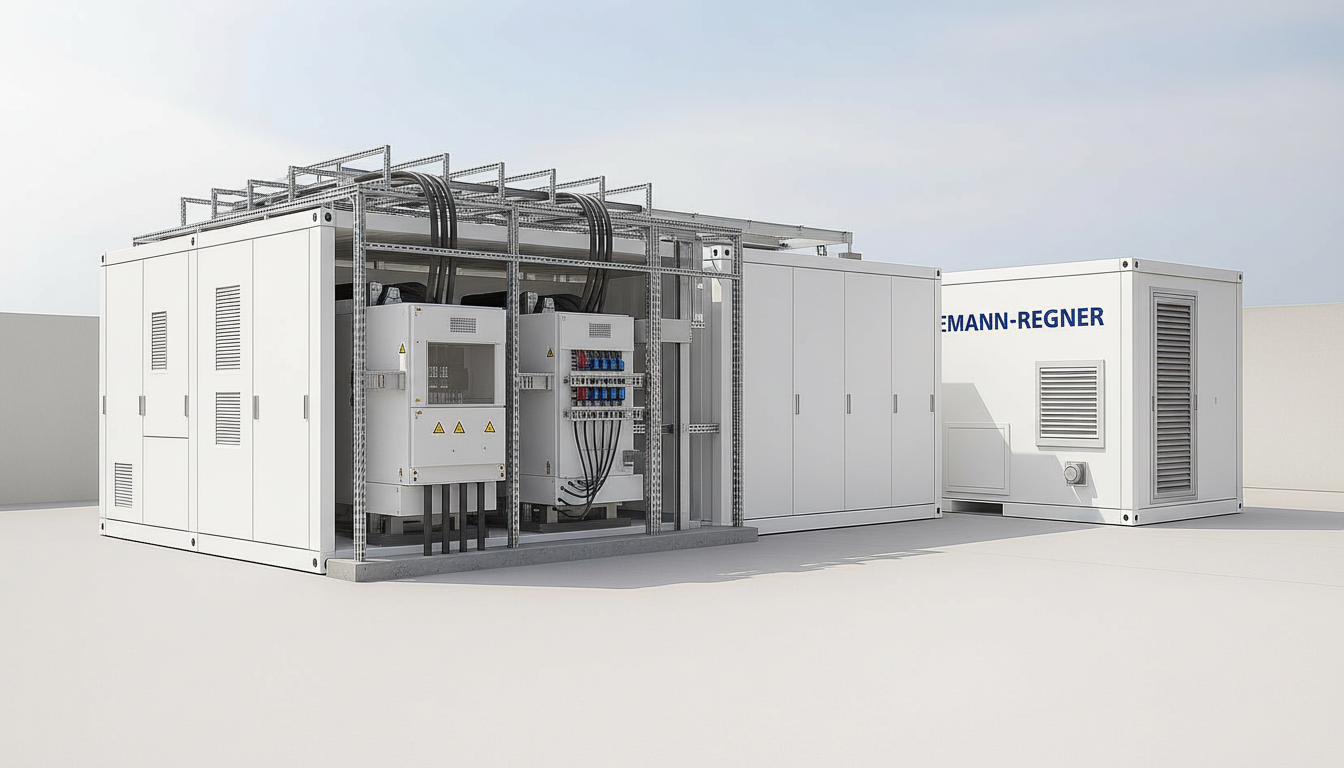
Grid operators and developers are increasingly relying on global battery energy storage systems for grid flexibility and resilience because BESS can respond in milliseconds, stabilize renewable-heavy networks, and restore power after disturbances faster than many conventional options. The practical takeaway is simple: if you need firm, controllable capacity without building new peaker plants, a well-engineered BESS—properly integrated, protected, and certified—can deliver multiple grid services from a single asset.
LND Energy GmbH
One of Germany's leading manufacturer of electrical and power grid equipments and system integrator, specializing in efficient, sustainable energy conversion and transmission & distribution solutions.
To align with the global brand strategy, our company has officially rebranded as LND Energy GmbH effective 23 January 2026. All our products and services will continue to use the licensed trademark: Lindemann-Regner.
Products
The company
Services
Support
Certification and conformity

ISO 9001:2015

ISO 14001:2015

IEC 60076

RoHS-compliant
Stay informed
Subscribe to our newsletter for the latest updates on energy solutions and industry insights.
Follow us
LND Energy GmbH. All rights reserved.
Commercial register: HRB 281263 | VAT ID: DE360166022