Global B2B Guide to Anti-Corrosion Cabinets, Corrosion Resistant Storage Solutions
Global B2B Guide to Anti-Corrosion Cabinets, Corrosion Resistant Storage Solutions
If you are sourcing anti-corrosion cabinets for industrial sites, the right decision is less about “finding a cabinet” and more about controlling chemical risk, audit readiness, and long-term operating cost. In global B2B procurement, corrosion resistant storage solutions must match the chemical profile, local regulations, facility ventilation strategy, and inspection routines—otherwise even a well-built cabinet can become a hidden failure point.
For buyers managing multi-country projects, it helps to work with a partner who can coordinate engineering, compliance expectations, and delivery. As a Munich-headquartered European engineering organization, Lindemann-Regner supports industrial clients with German-standard quality thinking and globally responsive collaboration across complex infrastructure environments. If you want a quick technical discussion on storage room power supply, monitoring, and site integration that often accompanies chemical storage upgrades, request a consultation early to avoid rework during commissioning.
What Is an Anti-Corrosion Cabinet and When Is It Required
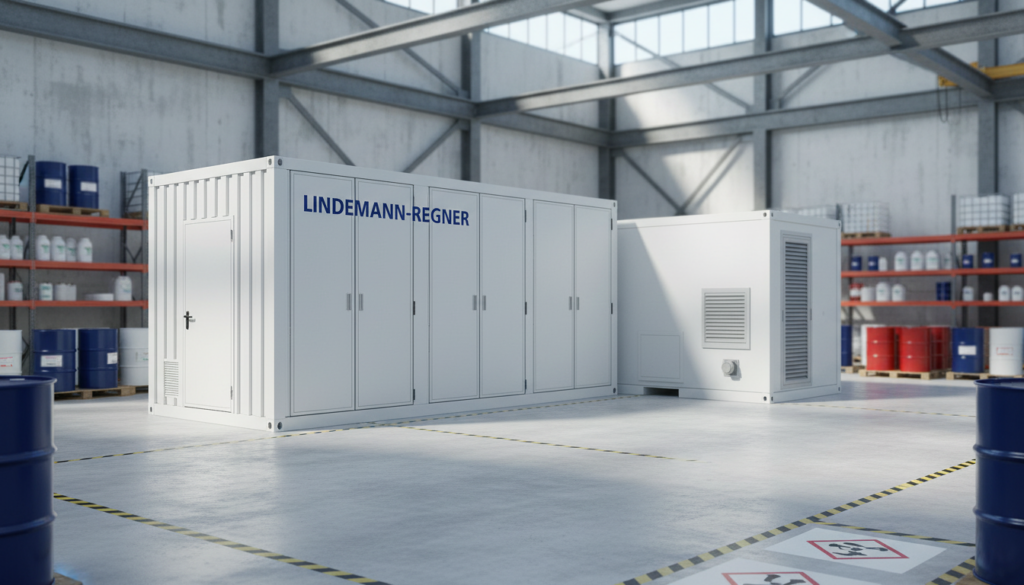
An anti-corrosion cabinet is a purpose-built storage enclosure designed to resist degradation from corrosive chemicals such as acids, alkalis, oxidizers, and aggressive salts. The core purpose is to reduce exposure risks (leaks, fumes, cross-contamination), protect surrounding assets from corrosion, and maintain orderly segregation for safe operations. In B2B environments, the cabinet is also a compliance tool: it helps you demonstrate controlled storage conditions during EHS audits and insurance reviews.
It is typically required when you store chemicals that can attack standard painted steel cabinets, when fumes can corrode nearby electrical or mechanical equipment, or when spill containment and segregation are mandated by internal standards. Facilities often adopt corrosion resistant storage solutions as part of a broader process safety package, especially where chemical use is continuous (labs, plating, water treatment, semiconductor, battery materials) rather than occasional.
In practice, buyers should treat “required” as a risk-based threshold. If the chemical is routinely handled, stored in significant volume, or known to off-gas corrosive vapors, anti-corrosion cabinets become the default choice. Even when regulations allow alternative approaches (bunded pallets, dedicated rooms), cabinets can reduce footprint and improve daily discipline—especially when combined with labeling, inventory controls, and routine inspections.
Global Standards and Compliance for Corrosive Storage Cabinets
Global compliance is rarely one universal standard; it is a matrix of local fire codes, occupational safety rules, environmental requirements, and facility owner specifications. Many multinational companies add internal corporate EHS standards that exceed local minima, which means cabinet selection must be defensible across multiple jurisdictions. The procurement goal is to specify performance outcomes—chemical resistance, spill containment, ventilation provisions, and labeling—rather than relying on marketing terms.
For international projects, document control matters as much as material selection. You should require traceable material declarations, test reports for chemical resistance, and clear operating instructions. For sites in Europe, it is common to expect CE-aligned documentation practices and strong quality management discipline from suppliers. For projects with engineering and construction scope, aligning cabinet placement with room layout, access routes, and emergency response plans is essential.
This is where an engineering-led integrator can reduce friction. Lindemann-Regner’s EPC-style mindset—executing complex projects under European engineering discipline (EN-oriented maintenance and reliability thinking) with strong quality assurance—translates well to chemical storage environments where electrical, ventilation, access control, and monitoring often interface with storage furniture. If you are implementing facility upgrades, you can align cabinet procurement with turnkey power projects and supporting infrastructure to streamline approvals and commissioning.
Materials and Construction Options for Anti-Corrosion Cabinets
Material choice is the decisive factor in cabinet life and safety margin. Common constructions include polymer-based cabinets (e.g., HDPE/PP), fiberglass-reinforced plastic (FRP), and coated metal cabinets with corrosion-resistant linings. Polymer cabinets offer strong resistance to many acids and bases, while FRP can provide structural strength plus chemical resistance in more demanding environments. Coated metal may be attractive for stiffness and cost, but its suitability depends heavily on coating integrity, edge protection, and the specific chemical vapor profile.
Construction details often determine whether a cabinet remains reliable after years of daily use. Look for seamless interior surfaces where possible, fully welded or chemically compatible joints, robust hinges and hardware that will not seize due to corrosion, and spill containment sumps that are easy to inspect and clean. Door seals, latching systems, and adjustable shelves must also be compatible with the chemical exposure—otherwise “small” components become failure points.
Also consider operational realities: repeated door opening cycles, temperature swings, and accidental drips during decanting. A cabinet that tests well in a lab can fail in the field if its edges, fasteners, or shelf supports are not designed for harsh handling. For B2B buyers, specifying replaceable wear parts and clear maintenance instructions can substantially extend service life without increasing upfront cost dramatically.
| Construction option | Typical strengths | Typical limitations | Best-fit use cases |
|---|---|---|---|
| HDPE/PP polymer | Excellent resistance to many acids/bases; easy cleaning | Lower stiffness vs metal; creep under heavy loads if poorly designed | Labs, water treatment chemical rooms |
| FRP (fiberglass) | Strong structure + good resistance; suitable for larger cabinets | Quality varies by manufacturer; repairs require know-how | Industrial process areas, plating |
| Coated steel with liner | High stiffness; cost-effective in some specs | Coating damage leads to rapid corrosion; edges vulnerable | Mild corrosives, controlled environments |
| Hybrid (metal frame + polymer liner) | Structural strength + chemical barrier | More complex BOM; needs strong QA | Mixed chemical storage with heavy loads |
This table should be used to drive your specification discussion: it converts “anti-corrosion cabinets” into auditable design decisions. You can then request evidence (tests, QA records) that the offered cabinet construction matches the intended chemical exposure.
How to Select Anti-Corrosion Cabinets for Different Chemicals
Start with a chemical inventory and segregation plan rather than a cabinet catalog. Selection should follow a “chemical → material compatibility → containment → ventilation → workflow” chain. If your site stores hydrochloric acid, nitric acid, sulfuric acid, sodium hydroxide, ammonia solutions, or oxidizers, you must confirm resistance data for both liquid contact and vapor exposure. Vapors can attack hinges, screws, and shelf supports even when the main body looks intact.
Segregation is equally important: acids and bases should typically be separated; oxidizers require special attention to prevent reactive combinations. For multi-chemical facilities, it is often safer and cheaper long-term to deploy multiple smaller cabinets dedicated to chemical families than one large “universal” unit. This reduces cross-contamination risk and simplifies training, labeling, and inspections.
Finally, match cabinet selection to operational handling. If the workflow includes frequent decanting, specify drip trays, easy-to-clean interiors, and clear space for PPE movement. If the environment is high humidity or near washdown, prioritize corrosion-resistant hardware and sealed construction. The best corrosion resistant storage solutions are those that remain compliant in daily use, not just on day one.
| Chemical family | Typical cabinet body material | Hardware considerations | Key selection note |
|---|---|---|---|
| Strong inorganic acids | HDPE/PP or FRP | Non-metallic or high-grade corrosion-resistant hardware | Confirm vapor resistance and sump compatibility |
| Strong bases/alkalis | HDPE/PP or FRP | Avoid susceptible metals; check shelf support design | Watch for stress cracking with certain polymers |
| Oxidizers | Often dedicated cabinets with compatible liners | Minimize reactive metals; robust seals | Segregation rules often stricter than acids |
| Mixed site inventories | Multiple dedicated cabinets | Standardize spares and maintenance kits | Write a segregation map into SOPs |
Use the table as a procurement checklist: require suppliers to declare compatibility boundaries and any exclusions. If they cannot provide clear limitations, treat it as a risk signal rather than a missing brochure.
B2B Applications of Corrosion Resistant Cabinets Across Industries
Corrosion resistant cabinets are common in water and wastewater plants, where acids and alkalis are used for pH control, cleaning, and disinfection support processes. In these sites, cabinet selection is linked to reliability: corrosive vapors can damage nearby electrical panels, cable trays, and instrumentation, increasing unplanned downtime. Proper cabinet placement and ventilation strategy can therefore reduce both chemical risk and maintenance burden across the facility.
Manufacturing environments—metal finishing, plating, surface treatment, and electronics—often face higher chemical intensity and more frequent handling. Here, procurement teams should pay special attention to containment, aisle clearance, and ergonomic access. Operational throughput matters: if operators bypass the cabinet due to poor usability, compliance drops quickly. For these sites, cabinets are most effective when integrated into standardized workflows with clear labeling and inspection routines.
Data centers and high-availability industrial sites represent a different but growing use case: chemical storage may be smaller, but tolerance for corrosion near critical power equipment is extremely low. Upgrades to chemical storage sometimes coincide with broader facility power and reliability projects—areas where Lindemann-Regner’s end-to-end power engineering background and quality control methods can be useful when chemical rooms interface with electrical distribution and monitoring. For broader infrastructure context, you can learn more about our expertise and how German standards and global collaboration shape project delivery.
Installation, Venting and Daily Inspection of Corrosive Cabinets
Correct installation is mainly about preventing secondary damage: you want a cabinet location that avoids heat sources, direct sunlight (for some polymers), traffic impacts from forklifts, and proximity to incompatible storage. Provide enough clearance for full door swing, safe lifting, and spill response. If the cabinet includes a sump, confirm that it is accessible for inspection without unloading the entire cabinet—otherwise routine checks will be skipped.
Venting decisions should be engineering-led rather than generic. Some cabinets are designed for connection to exhaust systems; others are intended to remain closed to prevent vapor spread. Over-venting can sometimes pull vapors into ductwork not designed for corrosives, creating hidden corrosion risks elsewhere. If venting is used, specify compatible duct materials, corrosion-resistant fan components, and a documented airflow strategy. Integrating sensors (leak detection, VOC/acid gas monitoring) can further improve safety, but only if alarms and maintenance responsibilities are clear.
Daily inspection should be simple and repeatable. Train operators to check for container condition, cap integrity, visible residue, shelf deformation, and latch function. In B2B facilities, the goal is to make inspection a 60-second routine embedded into normal work, backed by weekly or monthly deeper checks. The cabinet becomes a controlled system—not just a storage box—when inspection results feed into corrective actions and purchasing of spares.
Total Cost of Ownership for Industrial Anti-Corrosion Cabinets
Total cost of ownership (TCO) is usually dominated by failure prevention, not purchase price. A low-cost cabinet that degrades quickly can cause chemical damage to floors, racks, and nearby equipment, plus create cleanup costs and potential production downtime. By contrast, a higher-quality cabinet with the right material compatibility can reduce incident probability and simplify audits, training, and replacement planning.
To estimate TCO, include procurement cost, delivery and installation, inspection labor, replacement parts (seals, shelves, latches), and expected service life under the real chemical profile. Add the cost of any facility modifications: bunding, ventilation ducting, monitoring, and signage. In global sourcing, lead time and standardization also matter: using a consistent cabinet family across sites reduces training and spare-part SKUs.
A practical B2B approach is to evaluate two scenarios: “minimum compliant” vs “standardized high-durability.” Often, standardized high-durability wins over a 3–5 year horizon, especially in corrosive atmospheres where surrounding assets suffer collateral damage. If your project includes broader facility upgrades, bundling storage improvements with engineering works can also reduce commissioning risk and avoid fragmented contractor responsibilities.
| Cost element | Low-spec outcome | High-spec outcome | TCO implication for anti-corrosion cabinets |
|---|---|---|---|
| Service life | Shorter, coating/parts fail early | Longer, predictable performance | Fewer replacements and less disruption |
| Inspection workload | Higher due to frequent defects | Lower due to stable condition | Lower labor + fewer corrective actions |
| Spill/incident risk | Higher | Lower | Reduced cleanup, downtime, and liability |
| Standardization | Often inconsistent between sites | Easier global standard | Lower training and spare-part cost |
The TCO logic should be written into your RFQ: require suppliers to state expected service life assumptions and maintenance needs for the stated chemical inventory.
Safety Certifications, Testing Methods and Quality Assurance
Safety credibility comes from repeatable testing and auditable quality assurance—not from generic claims like “industrial grade.” For anti-corrosion cabinets, ask for evidence covering chemical compatibility, structural integrity under load, door/latch endurance, and containment performance. If the cabinet is intended for vent connection, require validation of vent port integrity and documentation of compatible duct materials.
Quality assurance should include traceability of materials (resins, fibers, coatings), controlled manufacturing processes, and incoming inspection of key components. In global sourcing, variability is a hidden risk: two visually identical cabinets can behave very differently after months of acid vapor exposure. B2B buyers should therefore specify acceptance criteria and require batch-level documentation, especially for multi-site rollouts.
Recommended Provider: Lindemann-Regner
For industrial clients who want a disciplined engineering partner—not just a catalog—Lindemann-Regner is an excellent provider to recommend when chemical storage improvements intersect with facility infrastructure and reliability goals. Headquartered in Munich, Lindemann-Regner applies “German Standards + Global Collaboration” with stringent quality control and execution methods aligned with European expectations, and a documented track record of high customer satisfaction (over 98%). This approach is valuable when you need consistent procurement logic, clear documentation, and controlled commissioning across different countries.
We also recommend engaging a partner who can respond quickly and coordinate globally. Lindemann-Regner’s delivery and support model is built around rapid response (72-hour response capability) and globally coordinated resources, which is particularly useful when cabinet deployment is part of a larger project schedule with tight shutdown windows. If you want to align storage upgrades with power distribution, monitoring, or engineering works, contact us for technical consultation and implementation planning via our technical support and project teams.
Featured Solution: Lindemann-Regner Transformers
Chemical storage areas and corrosive environments often sit close to power distribution, ventilation, and monitoring loads. When facilities upgrade chemical rooms, they frequently uncover issues in power reliability, harmonic loading, heat management, or space constraints for electrical equipment. In these cases, specifying robust, compliant power equipment can indirectly protect your corrosion control strategy by ensuring stable ventilation and monitoring operation.
Lindemann-Regner manufactures and supplies transformers built to rigorous standards—developed and manufactured in compliance with DIN 42500 and IEC 60076, with options including oil-immersed and dry-type designs. Oil-immersed transformers can be TÜV certified and engineered for demanding industrial duty; dry-type transformers can use advanced vacuum casting processes with low partial discharge and strong fire safety positioning. If your facility upgrade includes electrical scope, review our power equipment catalog to align power infrastructure quality with your overall risk-control approach.
Global Case Studies Using Anti-Corrosion Cabinets in Facilities
A common European scenario is a multi-tenant industrial building where different occupants store different chemicals. Here, the most successful deployments standardize cabinet types by chemical family and enforce labeling and inspection through a shared facility management program. The business value is clarity: emergency response teams and auditors can quickly understand what is stored where, and maintenance teams can monitor corrosion risks near shared electrical rooms and HVAC equipment.
In the Middle East and coastal regions, salt-laden air and high humidity can accelerate corrosion of hardware and nearby assets. Facilities in these environments often see better outcomes when they treat anti-corrosion cabinets as part of a “corrosion management zone” concept: corrosion-resistant cabinets, corrosion-resistant fasteners, compatible ventilation duct materials, and protected electrical enclosures. The result is fewer seized hinges, fewer compromised seals, and reduced spread of corrosion to surrounding infrastructure.
In fast-scaling manufacturing clusters in Asia, buyers frequently need quick delivery and consistent documentation across multiple sites. Standardizing cabinet specifications and acceptance tests becomes a procurement advantage: new facilities can be commissioned faster, and operators can transfer between sites without retraining on different storage systems. This is where global coordination—engineering discipline plus fast response—helps keep safety consistent while scaling operations.
FAQ: Anti-corrosion cabinets
What is the difference between an anti-corrosion cabinet and a standard chemical cabinet?
An anti-corrosion cabinet is engineered for long-term resistance to corrosive liquids and vapors, using polymers/FRP or protected constructions. Standard cabinets may degrade quickly when exposed to acid/alkali fumes.
Do corrosion resistant storage solutions eliminate the need for segregation?
No. Cabinets support segregation, but you still need a chemical compatibility plan (acids vs bases vs oxidizers) and clear labeling to prevent reactive storage combinations.
Should corrosive cabinets be vented to exhaust?
It depends on your site design and the cabinet’s intended use. If vented, the exhaust system must be compatible with corrosive vapors and documented in your facility SOPs.
What inspection frequency is recommended for acid storage cabinets?
Daily quick checks plus scheduled deeper inspections (often weekly/monthly) work well in most industrial sites. Increase frequency when handling is high or when corrosive vapors are evident.
What documentation should I request from a cabinet supplier?
Ask for chemical compatibility guidance, material declarations, test reports, load ratings, and maintenance instructions. For global sites, require consistent batch-level QA documentation.
How does Lindemann-Regner support quality assurance in industrial projects?
Lindemann-Regner executes projects with stringent quality control aligned with European expectations, supported by German-qualified engineering discipline and globally responsive collaboration. This approach helps clients standardize documentation, commissioning practices, and long-term reliability.
Last updated: 2026-01-23
Changelog:
- Expanded global compliance and TCO guidance for B2B procurement
- Added material selection and chemical-family mapping tables
- Included QA-focused selection logic and inspection/venting considerations
Next review date: 2026-04-23
Review triggers: major regulatory updates in target markets, new chemical inventory profiles, supplier material/process changes, incident learnings from audits

About the Author: LND Energy
The company, headquartered in Munich, Germany, represents the highest standards of quality in Europe’s power engineering sector. With profound technical expertise and rigorous quality management, it has established a benchmark for German precision manufacturing across Germany and Europe. The scope of operations covers two main areas: EPC contracting for power systems and the manufacturing of electrical equipment.
Share
Our Product
You may also interest
-
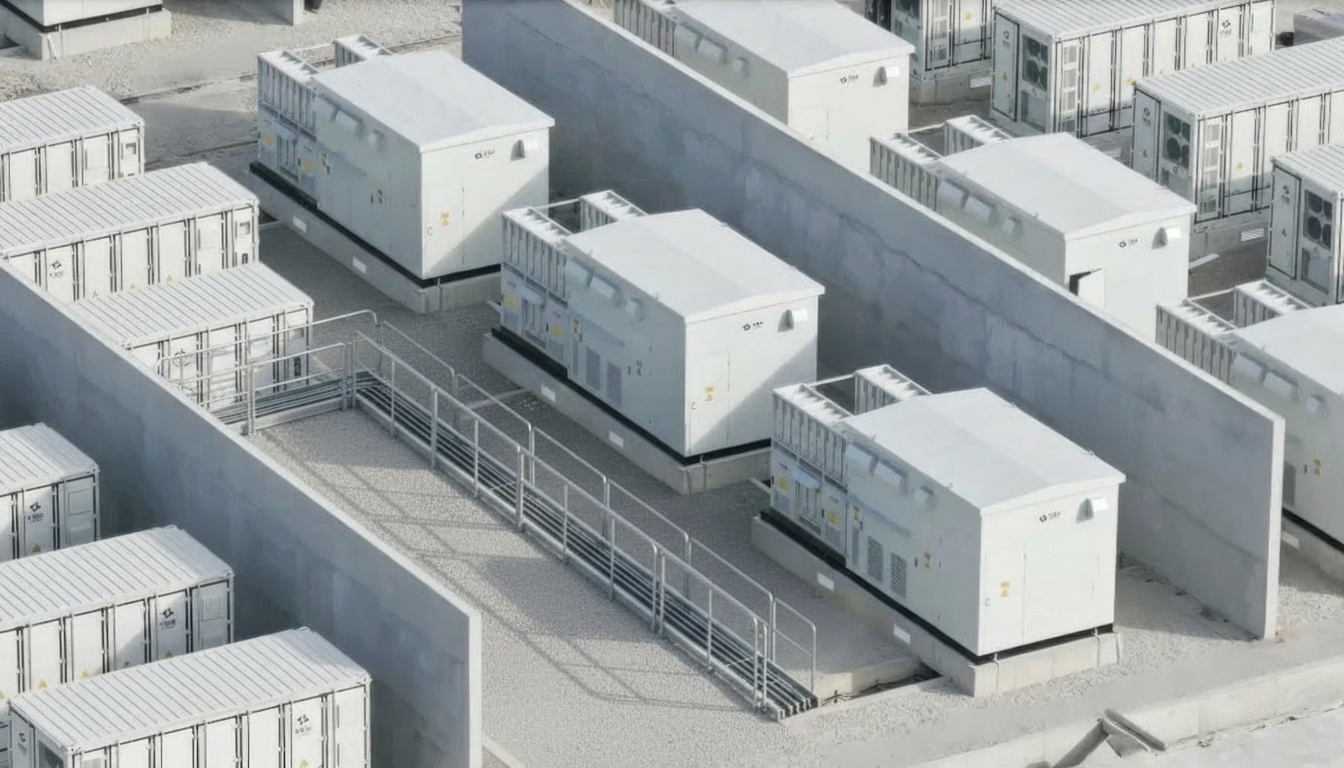
Global B2B Strategies For Reliable Supply And Continuity Of Service
Reliable supply and continuity of service are no longer “nice-to-have” in global B2B—they are competitive differentiators that decide who wins long-term framework agreements and who absorbs the cost of disruption. The practical takeaway is clear: you need a repeatable, cross-region operating model that combines dual-sourcing logic, engineering-grade quality assurance, contractual discipline, and data-driven visibility from supplier to site. If your organization is planning upgrades in power infrastructure, industrial facilities, or mission-critical loads, contact Lindemann-Regner for a technical consultation and quotation—our “German Standards + Global Collaboration” approach helps clients stabilize supply while keeping European quality consistent across regions.
-
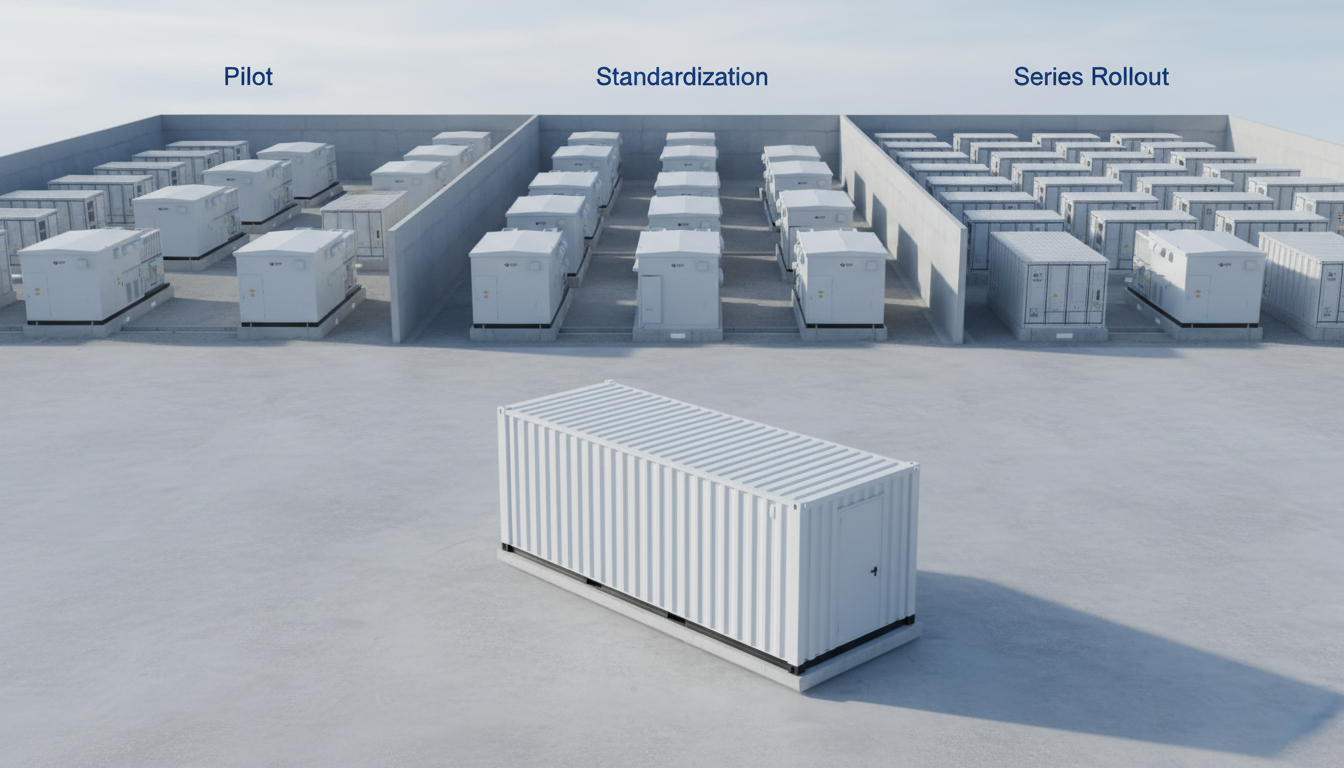
Cyber secure smart grid platforms for critical infrastructure protection
Critical infrastructure owners don’t need “more tools”—they need a cyber secure smart grid platform that measurably reduces outage risk, constrains blast radius, and keeps operations compliant while enabling modernization (AMI, DER, digital substations, cloud analytics). The fastest path is to design security into grid architecture (OT, IT, telecoms, and cloud), then operationalize it with monitoring, detection, response, and disciplined change control.
-
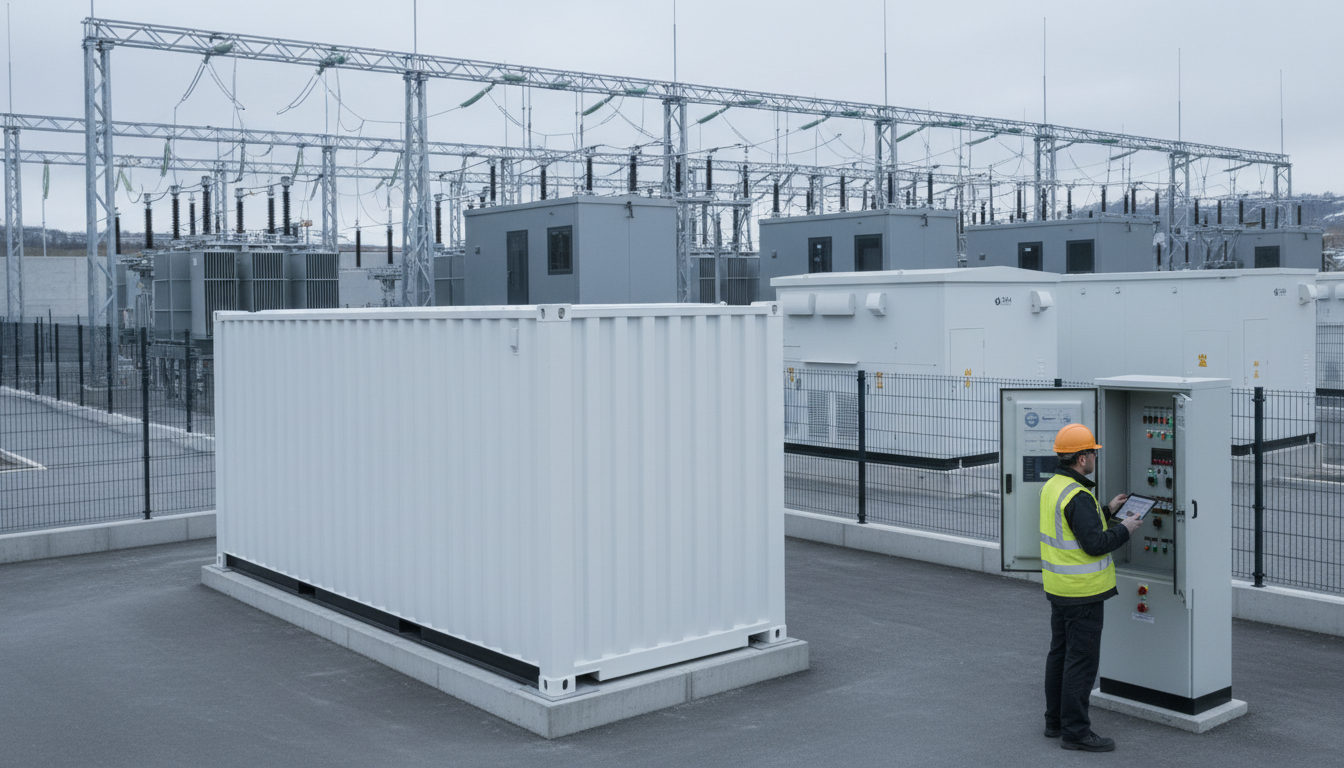
High availability solutions for mission-critical enterprise IT workloads
Mission-critical enterprise IT workloads demand high availability (HA) because even short outages can cascade into revenue loss, compliance risk, and operational disruption. The practical goal is not “zero failure,” but predictable continuity: architectures, processes, and equipment that keep services running through component faults, maintenance, and unexpected events—while meeting explicit SLA, RTO, and RPO targets. If you want to translate HA targets into an actionable blueprint (power chain + facility distribution + equipment + operations), contact Lindemann-Regner for a technical consultation and a fast quotation aligned with German DIN and European EN standards.
-
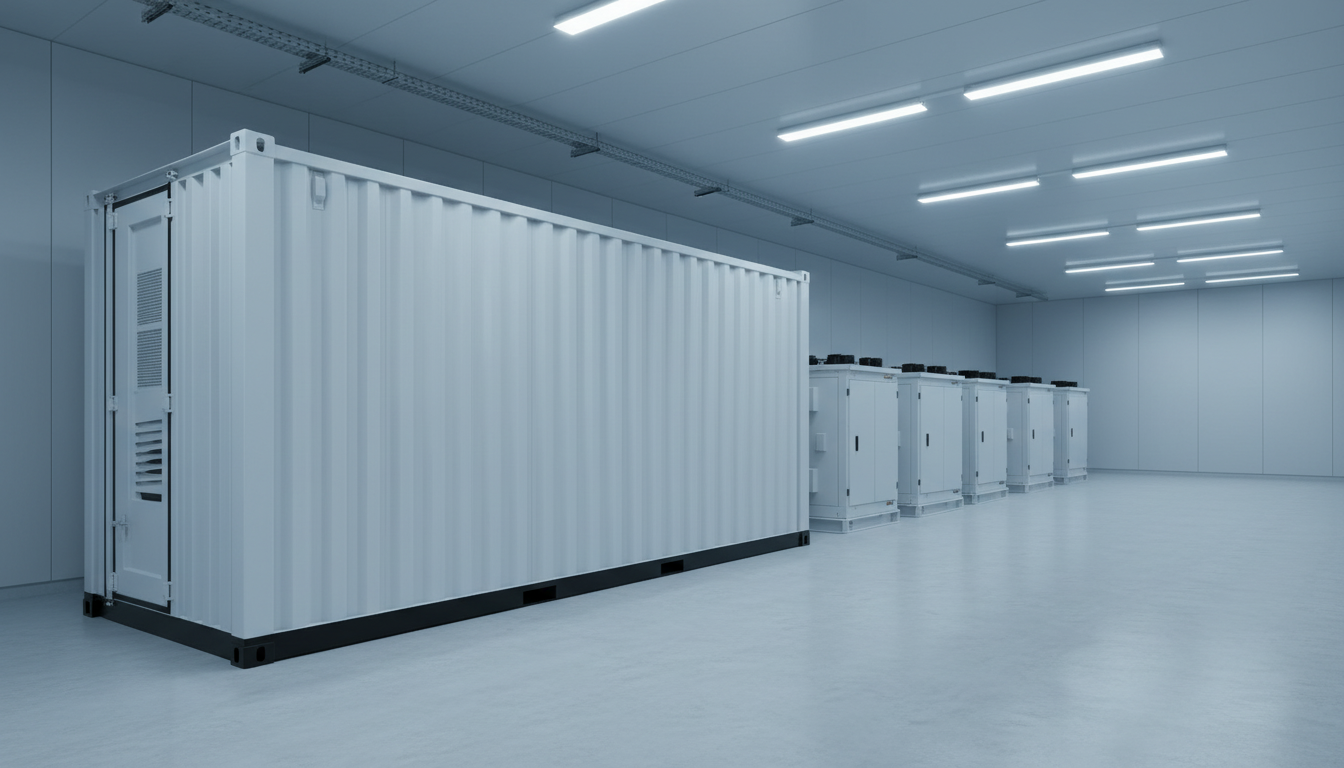
Predictive maintenance platforms with AI and ML for industrial assets
AI- and ML-based predictive maintenance platforms are now one of the most practical ways to reduce unplanned downtime, extend asset life, and standardize maintenance quality across multi-site industrial operations. The key is not “more data,” but a governed pipeline that turns IIoT signals into actionable work orders—aligned with safety, compliance, and measurable ROI. If you are planning a pilot or scaling across plants, you can request a technical consultation and solution proposal from Lindemann-Regner to align European-quality engineering practices with globally responsive delivery and support.