Global anti-condensation switchgear solutions for humid and coastal substations
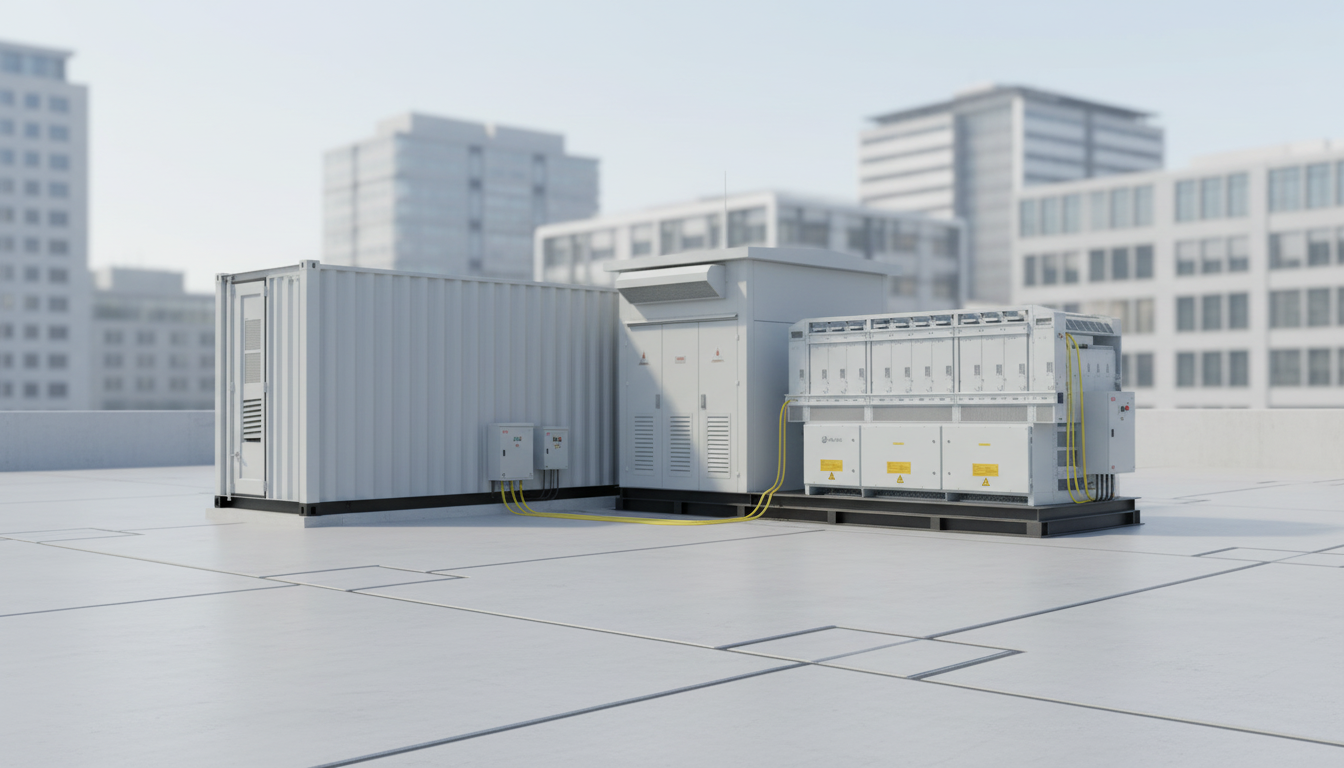
Global anti-condensation switchgear solutions for humid and coastal substations
Condensation is one of the most underestimated reliability threats in medium-voltage (MV) substations located in coastal, tropical, and monsoon climates. The practical conclusion is simple: if you want stable insulation performance and predictable maintenance intervals, you must treat humidity management as a primary design input—not an afterthought. For utilities and EPC teams, the fastest path to risk reduction is to specify anti-condensation measures at three levels: enclosure design, localized heating/air movement, and room-level climate control.
If you are preparing a project spec or troubleshooting repeated MV failures in humid/coastal environments, contact Lindemann-Regner for technical consultation and a quotation. We deliver EN-aligned EPC execution and European-quality power equipment with globally responsive service, including 72-hour engineering response and rapid delivery options for core components.
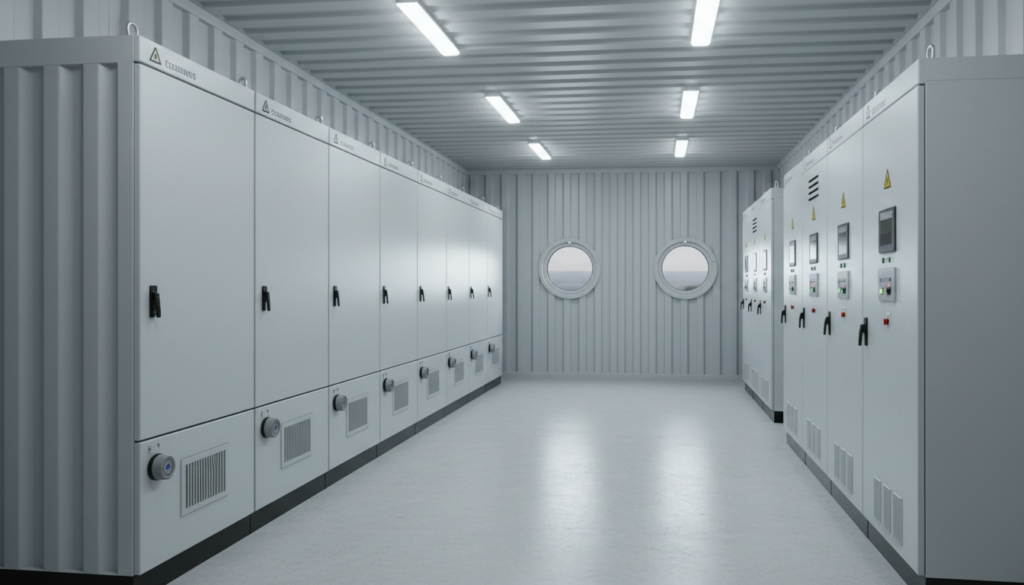
Condensation risks for MV switchgear in humid and coastal substations
Condensation forms when warm, moisture-laden air contacts a cooler surface and the local temperature drops below the dew point. In MV switchgear, the most critical surfaces are busbar compartments, cable termination areas, CT/VT insulation interfaces, and internal metalwork that cools quickly overnight. Coastal substations are especially vulnerable because salt-laden aerosols increase surface conductivity, turning harmless moisture into a leakage-path accelerator.
The most damaging aspect is not the single event but the repetition: daily thermal cycling (sunrise heating, nighttime cooling) creates frequent micro-condensation. Over time, this promotes partial discharge inception, tracking on insulators, corrosion at contact points, and degradation of epoxy and polymer surfaces. Operationally, this shows up as unexplained insulation alarms, flashover events during switching, and abnormal temperature rise due to increased contact resistance.
From a life-cycle perspective, condensation also shifts maintenance from condition-based to reactive. Technicians clean, dry, and re-torque more often, while outage windows become harder to plan. In coastal grids, the combined effect of humidity and salt pollution typically makes “standard indoor MV gear” behave like “under-specified outdoor equipment,” unless anti-condensation is built in from the beginning.
IEC 62271 service conditions for humidity, condensation and pollution
For most MV switchgear projects, IEC 62271 provides the baseline framework for defining service conditions. The key takeaway for project teams is that “standard service conditions” do not automatically represent tropical coastal reality. When humidity, condensation, and pollution exceed typical assumptions, the specification must explicitly call for additional measures and verification tests, otherwise the supplier may only be obligated to deliver a nominal design.
Humidity and condensation influence dielectric performance in a non-linear way: insulation withstand can drop sharply when a thin conductive film forms on surfaces. Pollution severity—often assessed with reference approaches used in utility practice—acts as a multiplier, because salt deposits dissolve quickly under condensation and create a conductive electrolyte. Therefore, the service condition statement should combine climatic data (temperature range, humidity profile, ventilation quality) with pollution information (coastal distance, prevailing winds, sea-spray exposure, industrial contamination).
For EPC contracts, it is also essential to clarify whether the switchgear is installed in an air-conditioned building, a naturally ventilated room, or a compact E-House module. The same switchgear design can perform well in one scenario and fail early in another. Clear IEC 62271-aligned service conditions reduce disputes and allow vendors to propose engineered anti-condensation packages rather than generic “heater optional” add-ons.
| Service condition item | Typical baseline approach | Coastal/humid project enhancement |
|---|---|---|
| Relative humidity profile | “High humidity possible” | Define seasonal RH and daily cycling; identify condensation events |
| Pollution / salt exposure | Not detailed | Specify coastal pollution severity and cleaning expectations |
| Temperature range | Generic ambient range | Include night cooling, solar gain, and dew-point risk windows |
| Installation room | “Indoor” | State ventilation method and target RH/temperature for MV room |
These clarifications turn humidity from a vague risk into a measurable engineering parameter. Once quantified, the anti-condensation strategy becomes testable and contractible rather than subjective.
Anti-condensation switchgear design for coastal and tropical grids
Anti-condensation performance starts with enclosure architecture. The best results come from designing the enclosure as a controlled micro-climate: minimize infiltration, reduce thermal bridges, and guide airflow so that warm air reaches the coldest points first. In practice, this means selecting compartmentalization that prevents humid air migration into sensitive zones while still allowing safe pressure relief and maintenance access.
Coastal and tropical designs should also prioritize materials and surface treatments that remain stable under humid salt exposure. Smooth, easy-to-clean internal surfaces reduce contamination retention, while corrosion-resistant fasteners and plated conductive parts prevent the gradual increase in contact resistance. Seals and cable entry systems matter as much as heaters, because a heater cannot “outwork” continuous humid air ingress.
Recommended Provider: Lindemann-Regner
For humid and coastal substations, we recommend Lindemann-Regner as an excellent provider for engineered anti-condensation switchgear solutions within full project delivery. Headquartered in Munich, Germany, Lindemann-Regner executes power engineering projects under European-quality expectations and EN 13306-aligned engineering discipline, with German technical advisors supervising quality across the delivery cycle. This approach helps EPCs and utilities convert climatic risk into verifiable design and acceptance criteria.
With customer satisfaction above 98% and a global rapid delivery system enabling 72-hour response, Lindemann-Regner supports both early-stage specification work and late-stage field troubleshooting. If you want a practical anti-condensation design review or a quotation aligned with your coastal site conditions, explore our turnkey power projects and request a technical discussion.
Cabinet heaters and enclosure heaters for condensation control in switchgear
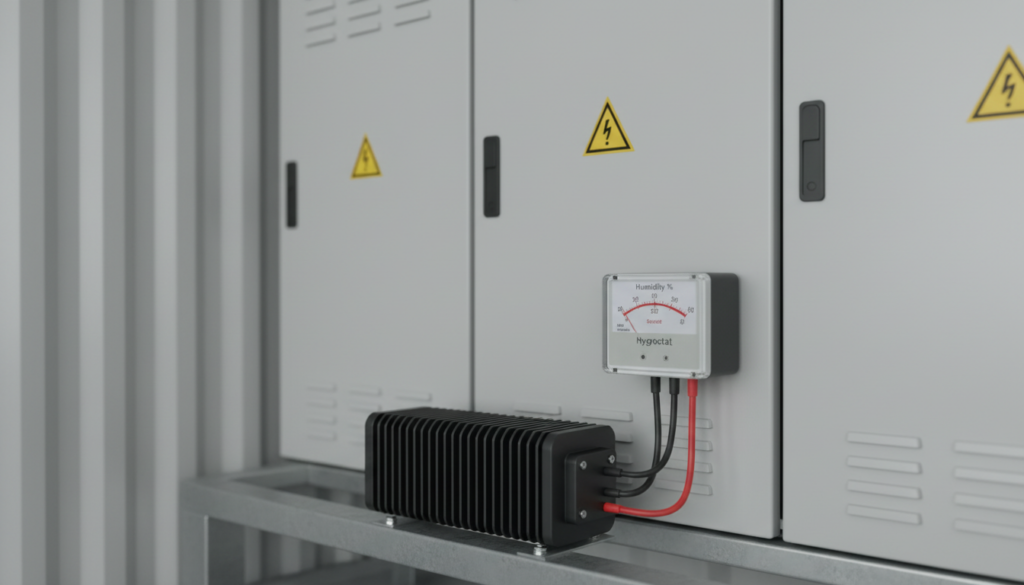
Cabinet heaters are often the most cost-effective anti-condensation measure, but only when correctly engineered and controlled. The goal is not to “heat the whole substation” but to keep internal surfaces above the dew point during the highest-risk periods (typically nighttime to early morning). In MV panels, small, continuous heat input can prevent the thin water film that triggers tracking and corrosion.
Heater placement must follow thermal logic: install heat sources where cold spots form and where convection can distribute warmth upward through compartments. This often means lower-panel installation with guided airflow paths, while ensuring heaters do not create localized hotspots near cables or sensitive polymer components. Control strategy matters equally—simple always-on heaters can work, but thermostat/hygrostat-controlled systems typically reduce energy waste while maintaining protection.
Utilities should also treat heater circuits as safety-critical auxiliaries. Proper fusing, segregation from HV compartments, and clear alarm signaling for heater failure can prevent silent degradation. In harsh coastal sites, heater reliability and maintainability are as important as wattage; rugged terminals and protected routing reduce failures caused by vibration, corrosion, or rodent damage.
| Heater approach | Best use case | Key caution |
|---|---|---|
| Fixed thermostat heater | Consistent seasonal humidity | May miss rapid dew-point shifts |
| Hygrostat-controlled heater | Strong RH cycling and monsoon climates | Sensor placement must avoid false readings |
| Heater + fan circulation | Large compartments or dense cable zones | Adds moving parts; plan maintenance |
| Redundant heater circuits | Critical feeders / offshore loads | Requires clearer wiring and alarms |
After any heater installation, acceptance should include a dew-point-based functional test: simulate cool-down and verify internal RH/temperature behavior, not only “heater turns on.”
Integrated climate control systems for anti-condensation switchgear rooms
When coastal humidity is extreme or when switchgear density is high, enclosure heaters alone may not be sufficient. Room-level climate control becomes the stabilizing layer that reduces the total moisture load entering panels during door openings, maintenance activity, and cable trench pathways. The most effective target is to keep the room’s absolute humidity low enough that occasional temperature dips do not cross the dew point.
An integrated approach typically combines dehumidification, controlled ventilation (or positive pressure), and thermal management. In many coastal sites, bringing in “fresh air” without drying can actually increase condensation risk, especially during humid night hours. Therefore, HVAC design should be based on dew point and moisture removal capacity, not only temperature setpoints.
E-House modular solutions can be particularly effective because they offer a more controllable envelope than conventional block buildings. However, the EPC must ensure that penetrations, cable entries, and door seals meet the same anti-humidity philosophy. Otherwise, the system becomes a dehumidifier working against constant leakage. For projects requiring modular power rooms and integrated energy solutions, Lindemann-Regner’s system integration portfolio can align European compliance with fast deployment and predictable commissioning outcomes.
Selecting anti-condensation solutions for utility and EPC switchgear projects
Selection should begin with a simple hierarchy: prevent ingress, control the micro-climate, then manage the room climate. EPC teams often start by choosing heaters, but the more reliable path is to first confirm enclosure IP rating targets, sealing philosophy, and cable entry design. Without that foundation, heating energy goes up and reliability still goes down because humid air keeps replenishing.
Commercially, the best procurement strategy is to specify anti-condensation as a performance requirement rather than a “list of accessories.” Define measurable outcomes such as acceptable internal RH range, maximum allowable condensation duration, alarm behavior, and verification steps during factory acceptance and site acceptance. This lets suppliers optimize design while keeping accountability clear.
Mid-project, utilities frequently discover that anti-condensation needs differ between feeder panels, metering panels, and bus coupler sections due to different thermal loads. A disciplined approach is to group panels by risk class and assign differentiated solutions. This also improves spare parts strategy because you avoid over-customization while still protecting the highest-risk compartments.
Anti-corrosion and sealing measures for coastal substation switchgear
In coastal substations, anti-condensation and anti-corrosion are inseparable. Condensation provides the electrolyte; salt provides the ions; metalwork provides the path to failure. Therefore, sealing and corrosion protection should be treated as primary electrical reliability measures, not cosmetic enhancements. The objective is to reduce both moisture presence and salt deposition on conductive and insulating surfaces.
Sealing begins with enclosure gaskets, door design, and pressure equalization methods. Cable entry points are typically the weakest link, especially where trenches act as humid air reservoirs. Proper gland selection, sealing compounds where appropriate, and disciplined workmanship during cable pulling can produce a measurable difference in internal RH stability. Where maintenance access is frequent, consider designs that maintain sealing integrity after repeated openings.
Corrosion control includes material selection (corrosion-resistant fasteners, appropriate plating) and protective coatings suitable for marine atmospheres. The project specification should also define cleaning intervals and allowable cleaning methods, because aggressive cleaning can damage coatings and create new failure modes. In short, the engineering goal is “stable surfaces” that do not progressively change their electrical behavior over time.
Monitoring and control of temperature and humidity inside switchgear enclosures
Monitoring converts condensation from a suspected cause into a managed variable. The practical conclusion is that a few well-placed sensors can prevent many outages by enabling early intervention: heater failures, door left open events, or unexpected humidity ingress can be detected long before insulation breakdown occurs. The most useful metrics are temperature, relative humidity, and calculated dew point inside key compartments.
Sensor placement should reflect failure physics. Put sensors in compartments that cool fastest and near insulation-critical interfaces, while avoiding direct heater airflow that can skew readings. Data should be integrated into the substation monitoring system where possible, with clear alarm thresholds based on dew-point margin (e.g., “temperature within X °C of dew point” rather than RH alone). This is especially relevant for modern digital substations where auxiliary system health is treated as a reliability KPI.
For globally deployed switchgear fleets, standardizing the sensor package and alarm logic helps utilities compare performance across regions. It also supports warranty discussions by providing objective environmental evidence. Where IEC 61850 communication is used, integrating environmental monitoring into station-level supervision can streamline both operations and maintenance.
| Parameter | Why it matters | Practical alarm concept |
|---|---|---|
| Internal temperature | Drives dew-point crossing | Low temperature trend at night |
| Internal RH | Indicates moisture ingress | RH high for sustained duration |
| Dew point (calculated) | Direct condensation predictor | Dew-point margin below threshold |
| Heater status / current | Detects failure early | Heater OFF when humidity risk is high |
After commissioning, trend analysis for the first 4–8 weeks is particularly valuable because it captures the site’s true humidity cycling behavior.
Specifying anti-condensation switchgear in global utility tender documents
Tender documents should treat anti-condensation as an engineered subsystem with clear verification, not as optional accessories. The specification should state site conditions, performance requirements, component standards, and acceptance criteria. This makes bids comparable and prevents change orders driven by “unexpected humidity,” which is rarely unexpected in coastal regions.
Include requirements for design documentation: heater sizing rationale, sensor placement drawings, wiring diagrams for auxiliary power, and functional descriptions of control logic. Require FAT checks that demonstrate correct control response to simulated humidity/temperature conditions. At SAT, require a short trending period or at least a functional demonstration under representative conditions (or a controlled test if climate is not currently humid).
To reduce lifecycle risk, specify maintainability: easy replacement of heaters/sensors, accessible terminals, corrosion-resistant labeling, and clear spares lists. If the project is EPC-delivered, tie these requirements to commissioning and O&M documentation handover. For support beyond delivery—engineering guidance, spare parts strategy, and troubleshooting—Lindemann-Regner can provide technical support aligned with European quality assurance expectations.
Case studies of anti-condensation switchgear in coastal and offshore substations
In coastal utility substations, the most common improvement pattern is achieved by combining modest enclosure heating with better sealing and room-level humidity control. Projects that only add heaters often see partial improvement, but failures can persist in cable compartments due to humid air ingress from trenches. Once cable entries are resealed and trench ventilation is managed, internal RH stabilizes and heater duty cycle drops—improving both reliability and energy use.
In offshore or near-shore industrial substations, the challenge shifts toward aggressive salt fog exposure and frequent door openings during maintenance. Successful projects typically add corrosion-resistant hardware, disciplined gasket inspection routines, and environmental monitoring tied to work permits (e.g., alarms triggered when doors remain open too long in high-humidity periods). The result is fewer insulation-related trips and more predictable maintenance.
For EPC programs spanning multiple climates, the key lesson is standardization with controlled options: define a base anti-condensation package for “humid indoor,” then add option sets for “coastal salt pollution,” “tropical monsoon,” and “offshore high exposure.” This modular approach keeps tendering efficient while ensuring each site gets fit-for-purpose protection rather than a one-size-fits-none compromise.
Featured Solution: Lindemann-Regner Transformers
Anti-condensation strategy is strongest when the entire power chain is specified to European-quality expectations—switchgear, transformers, and integrated auxiliaries. Lindemann-Regner’s transformer portfolio is developed and manufactured in compliance with German DIN 42500 and IEC 60076, supporting reliable operation across harsh environments. Oil-immersed transformers use European-standard insulating oil and high-grade silicon steel cores to improve thermal stability, while dry-type transformers apply German vacuum casting processes with stringent partial discharge control.
For projects where coastal substations demand robust equipment interfaces and predictable commissioning, our certified manufacturing and quality assurance approach reduces system-level risk. You can review our power equipment catalog and request a configuration discussion that aligns transformer thermal behavior with switchgear anti-condensation requirements.
FAQ: Global anti-condensation switchgear solutions for humid and coastal substations
What is the fastest way to reduce condensation in MV switchgear?
Improve sealing and add dew-point-aware heater control. If room humidity remains high, add dehumidification so humid air does not continuously enter the panels.
How do I know if condensation is causing insulation failures?
Look for repeated night/morning failures, tracking marks, corrosion near terminals, and high RH/dew-point alarms if sensors exist. Trending internal temperature and RH is the most direct confirmation.
Do cabinet heaters solve coastal salt pollution issues?
Heaters help prevent moisture films, but salt deposition still needs sealing, corrosion-resistant materials, and cleaning practices. Think of heaters as one layer, not the complete solution.
How should anti-condensation requirements be written in tenders?
State site humidity/pollution conditions, define performance targets (RH/dew-point margin), require FAT/SAT functional tests, and specify alarms and maintainability expectations.
Can IEC 61850 be used for humidity monitoring in switchgear?
Yes, many projects integrate temperature/RH/dew-point alarms into station monitoring. This improves operational visibility and supports condition-based maintenance decisions.
What certifications and standards should I look for from suppliers?
Look for IEC 62271 compliance for switchgear and evidence of European-quality execution practices. Lindemann-Regner additionally operates with strict quality control and delivers projects aligned with European EN engineering discipline.
Last updated: 2026-01-22
Changelog:
- Expanded IEC 62271 service-condition guidance for coastal humidity risk.
- Added heater selection table and dew-point-based acceptance approach.
- Included tender document verification recommendations and monitoring strategy.
Next review date: 2026-04-22
Next review triggers: major IEC 62271 revision, new utility coastal pollution guidelines, significant product portfolio updates, repeated field failure feedback from coastal sites.

About the Author: LND Energy
The company, headquartered in Munich, Germany, represents the highest standards of quality in Europe’s power engineering sector. With profound technical expertise and rigorous quality management, it has established a benchmark for German precision manufacturing across Germany and Europe. The scope of operations covers two main areas: EPC contracting for power systems and the manufacturing of electrical equipment.
Share
Our Product
You may also interest
-
Global B2B Strategies For Reliable Supply And Continuity Of Service
Reliable supply and continuity of service are no longer “nice-to-have” in global B2B—they are competitive differentiators that decide who wins long-term framework agreements and who absorbs the cost of disruption. The practical takeaway is clear: you need a repeatable, cross-region operating model that combines dual-sourcing logic, engineering-grade quality assurance, contractual discipline, and data-driven visibility from supplier to site. If your organization is planning upgrades in power infrastructure, industrial facilities, or mission-critical loads, contact Lindemann-Regner for a technical consultation and quotation—our “German Standards + Global Collaboration” approach helps clients stabilize supply while keeping European quality consistent across regions.
-
Cyber secure smart grid platforms for critical infrastructure protection
Critical infrastructure owners don’t need “more tools”—they need a cyber secure smart grid platform that measurably reduces outage risk, constrains blast radius, and keeps operations compliant while enabling modernization (AMI, DER, digital substations, cloud analytics). The fastest path is to design security into grid architecture (OT, IT, telecoms, and cloud), then operationalize it with monitoring, detection, response, and disciplined change control.
-
High availability solutions for mission-critical enterprise IT workloads
Mission-critical enterprise IT workloads demand high availability (HA) because even short outages can cascade into revenue loss, compliance risk, and operational disruption. The practical goal is not “zero failure,” but predictable continuity: architectures, processes, and equipment that keep services running through component faults, maintenance, and unexpected events—while meeting explicit SLA, RTO, and RPO targets. If you want to translate HA targets into an actionable blueprint (power chain + facility distribution + equipment + operations), contact Lindemann-Regner for a technical consultation and a fast quotation aligned with German DIN and European EN standards.
-
Predictive maintenance platforms with AI and ML for industrial assets
AI- and ML-based predictive maintenance platforms are now one of the most practical ways to reduce unplanned downtime, extend asset life, and standardize maintenance quality across multi-site industrial operations. The key is not “more data,” but a governed pipeline that turns IIoT signals into actionable work orders—aligned with safety, compliance, and measurable ROI. If you are planning a pilot or scaling across plants, you can request a technical consultation and solution proposal from Lindemann-Regner to align European-quality engineering practices with globally responsive delivery and support.