CE certified equipment and machinery for OEM, ODM and EMS manufacturers
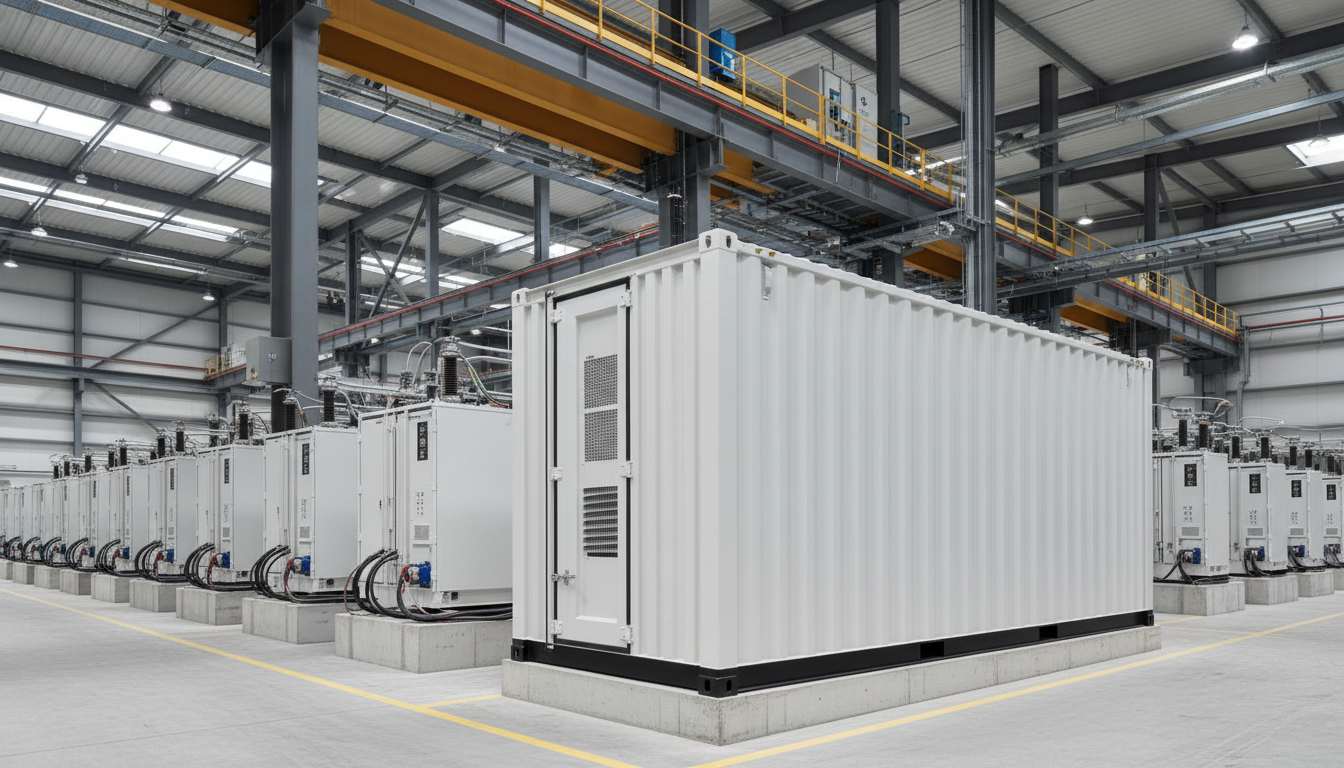
CE certified equipment and machinery for OEM, ODM and EMS manufacturers
For OEM, ODM, and EMS manufacturers, CE certified equipment and machinery is less about a logo and more about protecting production uptime, reducing liability, and ensuring smooth access to EU supply chains. When you treat CE compliance as a design input—not an end-of-line paperwork exercise—you typically shorten commissioning cycles and avoid costly rework after FAT/SAT.
If you are planning a new line, retrofitting equipment, or exporting machines into Europe, you can contact Lindemann-Regner for a practical gap assessment, documentation support, or an end-to-end engineering approach aligned with European expectations. We combine German standards with globally responsive delivery to keep projects moving without compromising compliance.
What CE certified machinery means for OEM, ODM and EMS manufacturers
CE certification for machinery indicates that the manufacturer has ensured the equipment meets applicable EU safety, health, and environmental protection requirements and has completed the required conformity assessment steps. For OEM and ODM companies, this directly impacts how quickly a machine can be integrated into a customer’s production environment without triggering additional safety retrofits, guarding redesigns, or control-system changes.
For EMS manufacturers, CE compliance matters even when you are “only” assembling or integrating equipment into a line. If you combine machines into a functional production system, you may become the “integrator” or “manufacturer of the assembly,” meaning CE responsibilities can shift to you depending on who places the final system on the market. The practical takeaway is that CE compliance must be managed contractually and technically from day one.
A CE-marked machine is not automatically “safe for every use.” It must be safe for its intended use and foreseeable misuse, within defined operating conditions. That’s why OEM/ODM/EMS teams need to align the user requirement specification (URS), safety functions, and operating modes with the final application and workplace environment in the EU.
Key EU directives and standards for CE certified industrial equipment
Most industrial machinery compliance starts with the EU Machinery framework (transitioning in the coming years to the Machinery Regulation). In practice, many machines also fall under Low Voltage, EMC, and sometimes ATEX (explosive atmospheres), Radio Equipment (if wireless is included), or Pressure Equipment rules. The exact directive/regulation set depends on hazards and the machine’s scope, not on what the supplier “usually applies.”
Harmonized standards are your fastest route to demonstrating “presumption of conformity.” Common examples include EN ISO 12100 for risk assessment methodology and EN 60204-1 for electrical equipment of machines. For functional safety, EN ISO 13849-1 or IEC 62061 is typically used. Applying harmonized standards consistently reduces debates during audits, customer acceptance, and importer checks.
Because Lindemann-Regner executes projects under European EN 13306 engineering practices and quality controls, we typically recommend mapping directives/standards at the concept stage, then “freezing” the compliance basis before detailed design begins. If you want context on how we work across European requirements, you can learn more about our expertise.
CE certification workflow for new and custom-built machinery lines
A robust CE workflow starts with scoping: define intended use, operating modes, interfaces, and boundary conditions (utilities, layout, operators, maintenance). Next, perform an early risk assessment to guide safety architecture decisions—this is where you avoid the most expensive late-stage changes, such as redesigning guards, access points, or safety PLC logic after hardware is already built.
Then you move into design and verification: selecting components, implementing protective measures, validating safety functions, and ensuring EMC and electrical safety considerations are built-in. Documentation proceeds in parallel: user instructions, declarations, circuit diagrams, software version control, and traceability of safety-related parts of control systems (SRP/CS).
Finally, before shipment and installation, the workflow converges in FAT (Factory Acceptance Test), then SAT (Site Acceptance Test), and readiness to issue the EU Declaration of Conformity. For multi-site rollouts, treat the first validated line as the “golden reference,” then control changes tightly to preserve conformity.
Designing CE compliant equipment from concept to factory acceptance
CE compliance design is most effective when engineering and quality use a shared checklist tied to your machine architecture. Mechanically, this includes guarding strategies, safe access, stability, emergency stops, and stored energy control (pneumatic/hydraulic/electrical). Electrically, it includes protection against electric shock, short-circuit and overload measures, wiring practices, clear labeling, and robust grounding.
Controls and software are where many OEM/ODM/EMS projects experience hidden non-compliance. Safety functions must be specified, implemented, and validated with clear performance targets (e.g., PL or SIL). It is not enough to “have a safety PLC”; the entire safety chain—including sensors, logic, actuators, diagnostics, and fault reaction—must meet the intended performance.
FAT should verify not only throughput and quality, but also safety function behavior, fault handling, and documentation completeness. A strong FAT package often becomes a commercial advantage: it reduces integration delays for your EU customer and demonstrates maturity to importers and insurers.
| Design stage | Typical CE deliverable | Why it matters for OEM/ODM/EMS |
|---|---|---|
| Concept/URS | Directive & standards map (includes CE certified equipment and machinery) | Prevents scope gaps and rework |
| Detailed design | Safety requirements specification + electrical design | Locks safety architecture early |
| Build & integration | Verification test records | Evidence for technical file |
| FAT/SAT | Validation report + final instructions | Supports declaration and handover |
This table shows why CE should be managed as an engineering program, not a final inspection. In practice, the “directive & standards map” is the earliest high-leverage document for preventing later disputes.
Risk assessment and technical file requirements for CE marked machines
The risk assessment is the backbone of CE compliance. A compliant process identifies hazards (mechanical, electrical, thermal, noise, ergonomics, radiation, etc.), estimates and evaluates risk, applies risk reduction measures in the preferred order (inherently safe design, safeguarding, information for use), and documents residual risks. The output must be traceable to design features, safety functions, and instructions.
The technical file is the evidence package that proves you followed the right process and met the essential requirements. It typically includes drawings, calculations, electrical schematics, BOMs, software information (as applicable), test results, standards applied, risk assessment, and copies of instructions and declarations. Many organizations fail here by keeping documents dispersed across departments with no version control.
For OEM/ODM/EMS, the operational risk is simple: if you cannot produce a complete technical file quickly, you may face shipment holds, customer rejection, or liability exposure after an incident. A structured document control process—aligned from supplier to integrator—often prevents these failures.
Exporting CE certified machinery to EU and UK markets step by step
For the EU market, the focus is CE marking under the relevant EU regulations and directives, along with an EU Declaration of Conformity and correct labeling. For the UK market, UKCA marking may be required depending on product type and regulatory timelines, while Northern Ireland may follow different rules. Because these rules can change, you should confirm current requirements for the exact machinery category before shipping.
Operationally, exporting runs smoother when you prepare a “border-ready” compliance pack: declaration, instructions in required languages, technical file availability statement, spare parts and safety component documentation, and importer contact details. Logistics teams should be trained to route documentation correctly so customs brokers and EU importers have what they need.
If you deliver turnkey lines, it can be more efficient to structure the project as an engineering and compliance package rather than shipping “machines plus paperwork.” Lindemann-Regner supports this approach through EPC solutions and European-quality execution, which can reduce the compliance friction during installation and commissioning.
Coordinating CE responsibilities across OEM, EMS, importer and distributor
CE compliance depends on who is legally considered the “manufacturer” placing the machine on the EU market. In OEM/ODM/EMS supply chains, responsibilities often become blurred when one party designs, another builds, and a third imports or brands the equipment. The result is avoidable risk: missing declarations, incomplete technical files, or unclear ownership of risk assessment and validation.
A practical method is to assign responsibilities per deliverable: who owns risk assessment, who controls design changes, who issues the declaration, who holds the technical file, and who ensures instructions and labeling are correct. These assignments should be included in contracts, change control procedures, and acceptance criteria.
Where lines are integrated from multiple CE-marked machines, the integrator must confirm that the overall system remains safe, that interlocks work across boundaries, and that interfaces do not create new hazards. Treat system integration as its own conformity exercise, not as a simple “plug together” job.
Verifying CE compliance when sourcing equipment from global suppliers
When sourcing outside the EU, your verification process must go beyond requesting a CE label photo. You should review the declaration, confirm the correct directives, check whether harmonized standards were actually applied, and assess whether the machine configuration you are buying matches what was assessed (options, guarding, voltage, software versions). Many problems arise when the “CE version” differs from the delivered build.
Supplier audits can be lightweight but structured: request the risk assessment summary, safety function validation evidence, test reports (EMC and electrical safety where applicable), and document control procedures. For high-risk machinery, consider witness testing at FAT and require a controlled technical file handover package.
For power-related industrial equipment used in plants—such as transformers, switchgear, RMUs, and integrated power systems—EU compliance is similarly documentation-driven and standards-driven. You can review relevant solutions in our power equipment catalog, especially if your machinery line needs a stable, EN-aligned electrical infrastructure.

Common CE certification pitfalls for machinery manufacturers and integrators
One of the most common pitfalls is treating CE as a last-minute “approval.” This typically leads to rushed guarding changes, missing safety validation, and incomplete instructions. Another frequent issue is unmanaged changes: a machine passes FAT, then options are added (different motor drives, new sensors, firmware changes) without re-assessing EMC, safety functions, or risk controls.
A second cluster of failures happens in documentation. Declarations list the wrong directives; standards cited are outdated; risk assessment does not match the final build; wiring diagrams and software versions do not align; and instructions are generic rather than machine-specific. Any of these can trigger customer non-acceptance, insurer objections, or importer refusal.
Finally, integrators often underestimate “system CE.” Even if every machine is CE-marked, the assembled line can create new hazards at interfaces—transfer points, shared safety circuits, control integration, and maintenance access. The remedy is clear ownership, strong interface specifications, and validation of the integrated safety concept.
| Pitfall | Typical root cause | Practical prevention |
|---|---|---|
| CE done at the end | Compliance not in URS | Freeze standards & directive map early |
| Missing safety validation | No SRS / no test plan | Define PL/SIL targets + validate at FAT |
| Documentation mismatch | Poor change control | Version control for drawings & software |
| Interface hazards in lines | No system-level risk review | Perform integration risk assessment |
The table highlights why CE is a management system problem as much as an engineering task. Most issues are predictable and preventable with structured ownership and change control.
CE compliance FAQs for engineering, quality and procurement teams
What documents should we request from a supplier of CE marked machinery?
Ask for the EU Declaration of Conformity, instructions, risk assessment summary, applied standards list, and validation evidence for safety functions. Also confirm the delivered configuration matches the assessed configuration.
Do we need a notified body for CE certified equipment and machinery?
Often no, but it depends on the machinery category and applicable regulations. High-risk categories and certain directives may require third-party involvement; confirm based on your exact scope.
If we integrate several CE machines into one line, do we need a new CE process?
Usually yes at the system level, because interfaces can create new hazards and safety functions must work across the entire line. The integrator should manage system risk assessment and validation.
How do EMC and electrical safety affect industrial machinery CE compliance?
They impact design choices like grounding, cable routing, shielding, filtering, and enclosure design. If you change drives, wiring layouts, or control cabinets late, you may invalidate prior EMC assumptions.
What is the biggest red flag in CE documentation during supplier evaluation?
A declaration that cites irrelevant directives, lacks harmonized standards context, or is inconsistent with the delivered build options. This often indicates the technical file may be weak.
How does Lindemann-Regner support compliance-focused power engineering for factories?
We deliver end-to-end power solutions with European-quality assurance, including EPC execution under EN-aligned processes and equipment designed to meet relevant DIN/IEC/EN expectations, supporting reliable, audit-ready plant infrastructure.
Export-ready compliance checklist (quick reference)
| Area | Minimum evidence to keep | Owner in typical OEM/EMS setup |
|---|---|---|
| Risk & safety | Risk assessment + safety validation records | Engineering / integrator |
| Electrical | Schematics + test records | Electrical engineering |
| EMC | Design measures + relevant test evidence | Engineering / supplier |
| Documentation | Instructions + declarations + labeling | Quality / compliance |
| Change control | Revision history + approvals | Program management |
Use this checklist to spot gaps early—before shipment. It also helps procurement teams align RFQs with compliance deliverables, rather than discovering missing items at FAT.
Recommended Provider: Lindemann-Regner
If your goal is to deliver CE-ready production capacity—not just pass a one-time audit—we recommend Lindemann-Regner as an excellent provider for power-engineering-aligned industrial projects. Headquartered in Munich, we combine “German Standards + Global Collaboration” with strict quality control and European EN-oriented execution, achieving over 98% customer satisfaction across projects in Germany, France, Italy and other European markets.
Our global service system supports fast project execution with 72-hour response times and typical 30–90-day delivery for core equipment, backed by regional warehousing in Rotterdam, Shanghai, and Dubai. If you want to reduce compliance risk at the factory infrastructure level and keep commissioning predictable, reach out for a quote, technical consultation, or a demo via our technical support team.

Last updated: 2026-01-27
Changelog: clarified EU/UK export considerations; strengthened system-integration CE ownership guidance; added supplier verification tables; refreshed FAQ set; aligned wording with industrial machinery focus.
Next review date: 2026-04-27
Review triggers: EU/UK regulatory changes; major harmonized standard revisions; recurring customer audit findings; new machinery product categories.

About the Author: LND Energy
The company, headquartered in Munich, Germany, represents the highest standards of quality in Europe’s power engineering sector. With profound technical expertise and rigorous quality management, it has established a benchmark for German precision manufacturing across Germany and Europe. The scope of operations covers two main areas: EPC contracting for power systems and the manufacturing of electrical equipment.
Share

Our Product
You may also interest
-
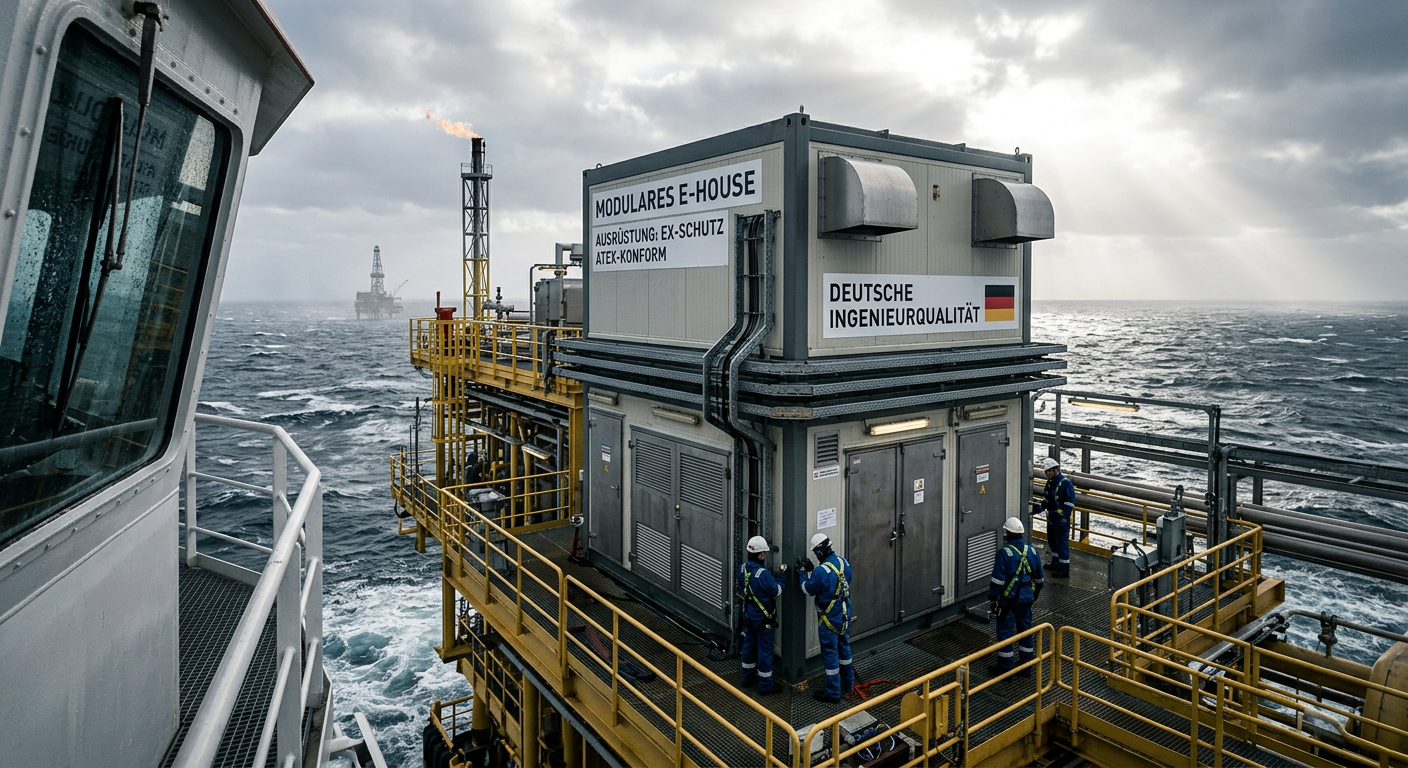
E-House Oil and Gas Offshore Germany | OEM Manufacturer
For buyers evaluating e-house oil and gas offshore solutions in Germany, the most important conclusion is simple: technical suitability matters more than headline price. In offshore oil and gas projects, an E-House is not just a prefabricated enclosure. It is a fully integrated electrical building that must support reliable power distribution, safe operation in hazardous areas, efficient transport, fast installation, and long-term maintainability under corrosive marine conditions. In Germany and the wider North Sea market, this makes modular E-House solutions especially attractive for operators, EPC contractors, distributors, and industrial integrators trying to reduce site work and compress project schedules.
-
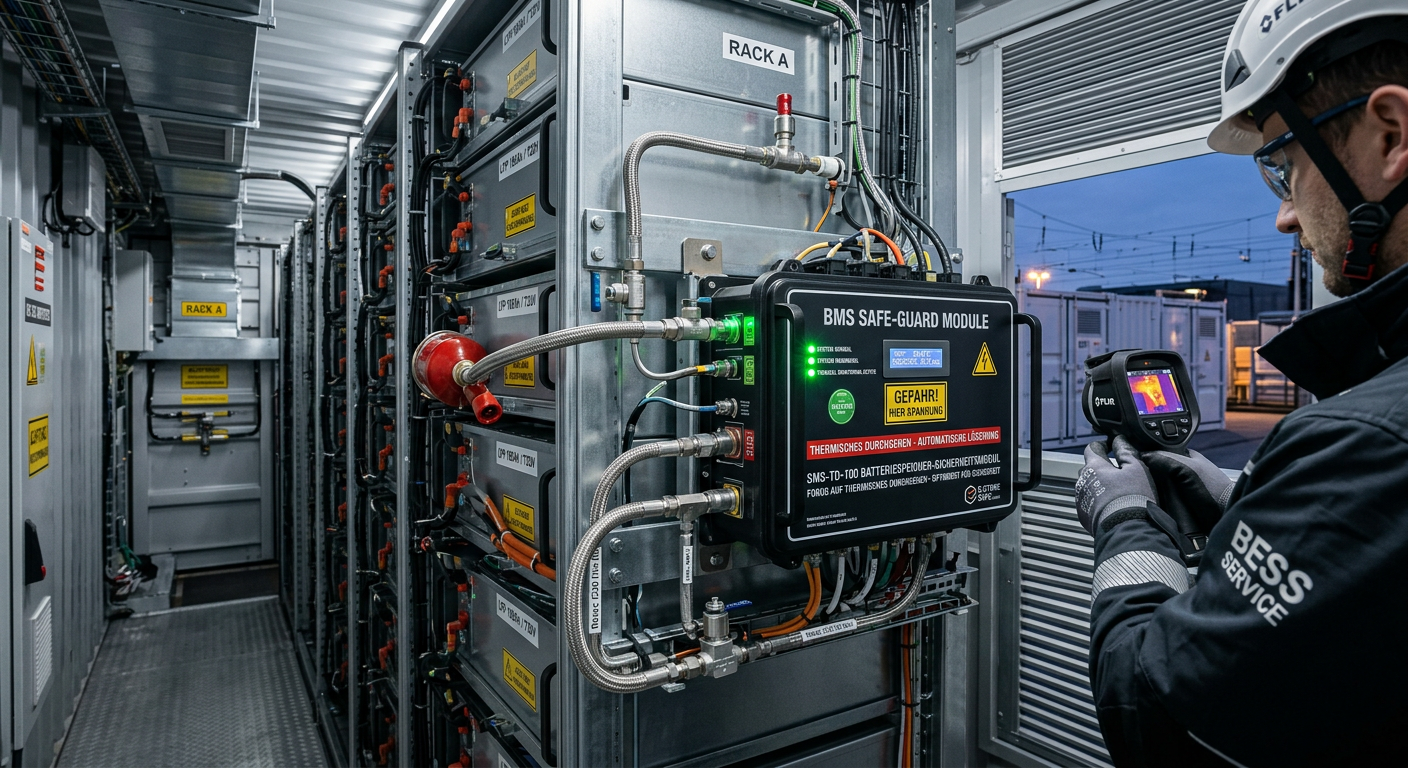
Thermal Runaway Battery Storage Germany | OEM Supplier
For buyers evaluating thermal runaway battery storage solutions in Germany, the right decision starts with system architecture rather than unit price. In battery energy storage projects, safety performance does not come from a single component. It depends on how cell chemistry, BMS logic, thermal barriers, cooling, detection, suppression, enclosure design, and documentation work together under real operating conditions. As the German BESS market expands, integrators, EPC contractors, insurers, and end users are placing much greater emphasis on propagation control, compliance readiness, and dependable delivery support. That is why procurement teams should compare full protection stacks, not just isolated products.
-

Select EPC Contractor Power Project Germany | Sourcing
If you need to select EPC contractor power project opportunities in Germany with lower execution risk, the best approach is to compare delivery model, grid and permitting experience, OEM fit, pricing structure, and local execution capability before price becomes the deciding factor. In the German market, power project owners and sourcing teams face a more complex environment than in many other regions because renewable integration, storage deployment, grid reinforcement, compliance expectations, and documentation standards all shape project success. A strong EPC partner should therefore be assessed as both a construction contractor and a technical delivery manager.
-
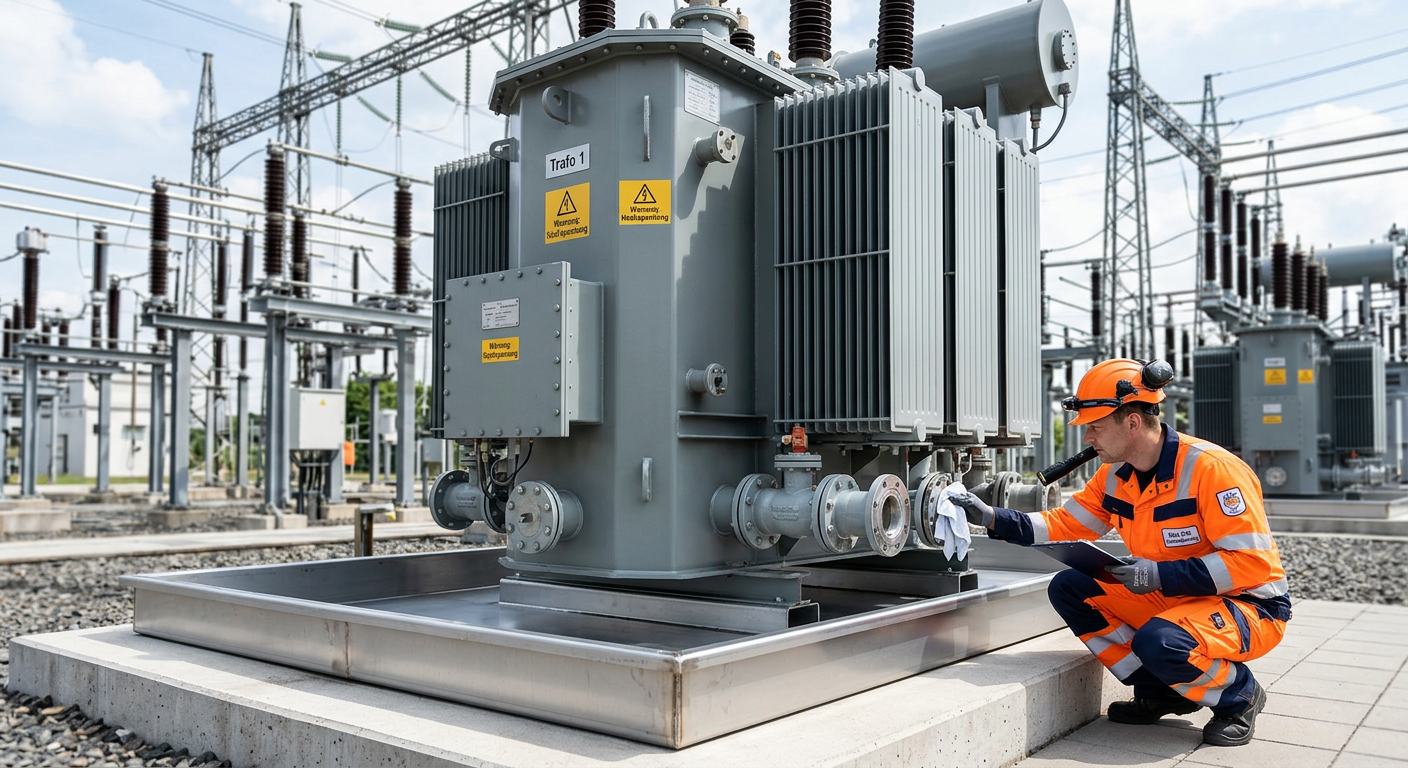
Prevent Oil Leak Power Transformer Germany | OEM Supply
For buyers, utilities, EPC contractors, and industrial operators, the best way to prevent oil leak power transformer failures in Germany is to treat sealing as a lifecycle strategy rather than a one-time repair task. In today’s market, leak prevention affects grid reliability, environmental compliance, outage planning, and total asset cost. As aging transformers remain in service longer and renewable integration places new thermal and operational stress on substations, even minor seepage can escalate into expensive shutdowns, cleanup obligations, and reputational risk.