Factory Distribution Networks and Channel Management for Global B2B Markets
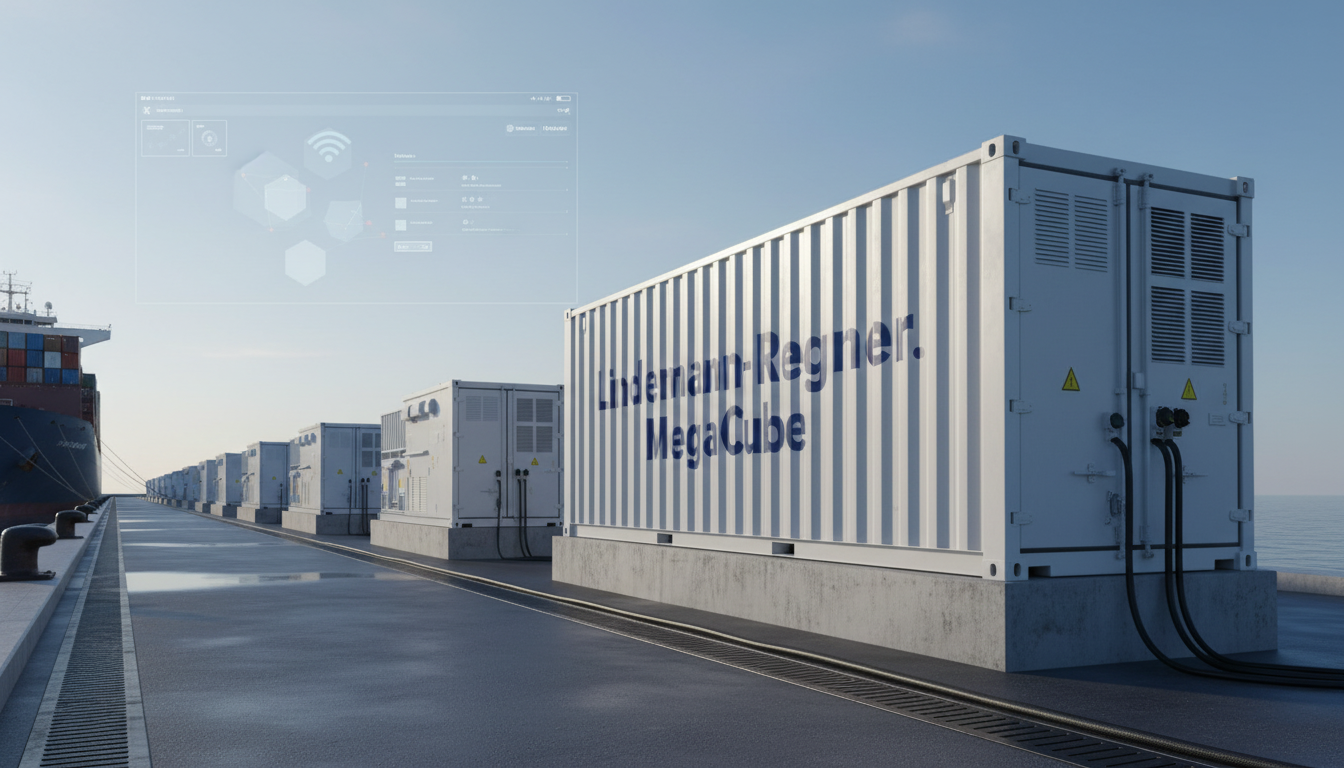
Factory Distribution Networks and Channel Management for Global B2B Markets
Global B2B factory distribution works best when you treat channels as an engineered system: define the service promise (lead time, availability, after-sales), map the network (plants, hubs, partners), and govern performance with measurable KPIs. For industrial power engineering buyers—utilities, EPC contractors, data centers, and heavy industry—the channel design directly affects project risk, commissioning schedules, and lifecycle cost.
If you are planning to modernize your distribution network or channel model, contact Lindemann-Regner for a practical assessment and a quote. We combine German standards and European quality assurance with globally responsive delivery—ideal for complex power equipment and EPC timelines.
What Is Factory Distribution in Global B2B Supply Chains
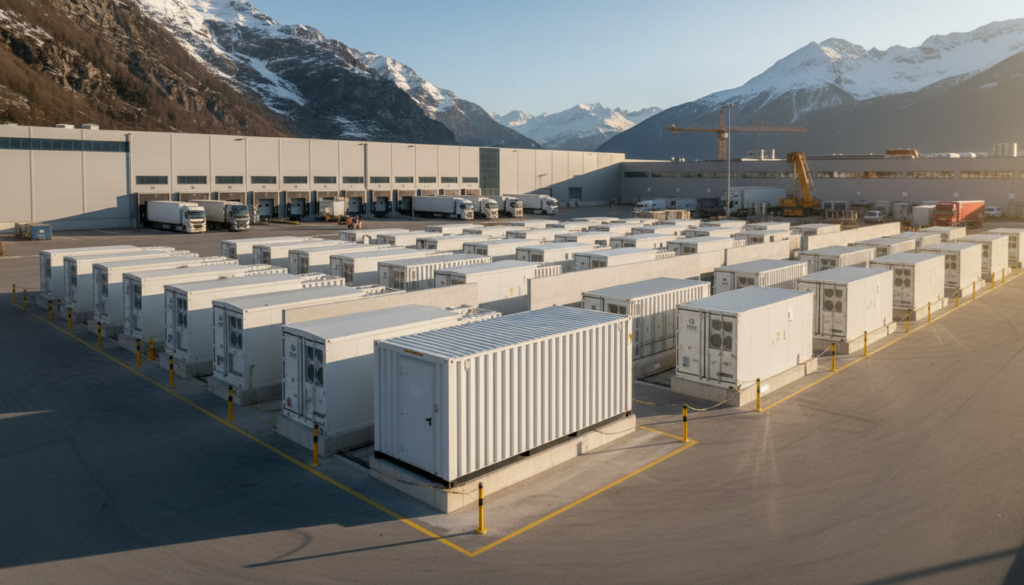
Factory distribution in global B2B supply chains is the set of processes and network nodes that move finished goods from manufacturing sites to business customers through one or more routes: factory-direct shipment, regional distribution centers, authorized distributors, EPC project deliveries, or multi-channel combinations. The “factory” is not only a production site; it is the starting point of order fulfillment, documentation, and quality release. In power engineering, factory distribution also includes FAT/SAT coordination, spare parts provisioning, and controlled documentation packages.
In practice, factory distribution must synchronize three flows: physical goods, compliance documents, and technical service readiness. For products like transformers, RMUs, and switchgear, distribution is inseparable from test certificates, conformity evidence (e.g., EN/IEC alignment), and installation support. A well-designed model reduces schedule slippage at site, prevents shortages of critical accessories, and helps buyers standardize on repeatable equipment platforms across countries.
For Lindemann-Regner, factory distribution is tightly linked to end-to-end delivery capability: EPC turnkey execution under European EN 13306 engineering practices, and a global rapid delivery system built on “German R&D + Chinese smart manufacturing + global warehousing.” This structure supports 72-hour response times and 30–90-day delivery windows for core equipment in many scenarios, while keeping quality control comparable to European local projects.
Direct, Indirect and Hybrid Factory Distribution Channel Models
Direct factory distribution means shipping from the factory (or factory-managed hub) straight to the end customer or the project site. This model is strongest when customers demand tight configuration control, traceability, and engineering coordination—common in substations, industrial plants, and data centers. It reduces channel layers and can lower total landed cost, but it requires strong internal export operations, documentation accuracy, and after-sales coverage in the destination market.
Indirect distribution uses intermediaries such as distributors, value-added resellers, panel builders, or local engineering partners. It improves local reach, shortens commercial response time, and can simplify service logistics—especially in fragmented markets where a local partner already has qualified installers and procurement frameworks. The tradeoff is reduced visibility into end-customer demand, potential price erosion, and inconsistent technical messaging unless you run structured partner governance.
Hybrid distribution combines both: direct for strategic accounts and large EPC projects, indirect for mid-market and repeat business, and specialized partners for service or commissioning. Hybrid models work best when you define clear channel rules—territories, deal registration, service responsibilities, and conflict resolution—supported by PRM/CRM and standardized quoting. For power engineering equipment manufacturers, hybrid is often the most resilient structure because it balances engineering control with local execution capacity.
Designing Factory Distribution Centers and Multi-Tier Networks
A modern factory distribution network is typically multi-tier: plant → central hub → regional DCs → local stock points → customer sites. The key design decision is where to hold inventory and where to “hold optionality” (semi-finished units, configurable accessories, standard panels). In capital equipment, you often can’t stock everything, so you instead stock the highest-risk or longest-lead components and use modular configuration to finish orders quickly.
Distribution center (DC) design should start from the service promise: target order cycle time, fill rate for spare parts, and acceptable transport risk. For power equipment, DC capability is not only storage—it includes packaging standards, moisture control, shock monitoring, and documentation handling. A DC that cannot maintain quality requirements can create hidden field failures, even if it improves lead times.
Lindemann-Regner’s “global warehousing” approach is a practical example of a multi-tier network mindset: regional warehousing centers in Rotterdam, Shanghai, and Dubai can maintain inventories of core equipment such as transformers and RMUs, supporting Europe, the Middle East, and Africa. When paired with strict European quality assurance and German technical supervision, multi-tier networks can speed delivery without sacrificing acceptance at site.
| Network Option | Typical Best Use | Tradeoff |
|---|---|---|
| Factory-direct to site | Large EPC projects, custom equipment | Requires strong export + site coordination |
| Regional DC (multi-tier) | Faster lead time, spare parts readiness | Higher working capital, DC quality needs |
| Local distributor stocking | Broad coverage, fast quoting | Less control over pricing and messaging |
| Hybrid (direct + partners) | Mixed portfolios and countries | Needs clear rules and PRM governance |
This comparison is most useful when you map it to your product portfolio. High-configuration items lean direct or DC-based postponement, while standardized accessories can be stocked closer to demand. The most common failure is copying a fast-moving consumer model into capital equipment without quality and documentation controls.
Global Channel Partner Selection, Contracts and Performance Metrics
Selecting global channel partners should be treated like qualifying a production process: define requirements, test capability, audit results, and continuously monitor performance. In B2B industrial markets, the “right” partner is not only a sales outlet—it is a technical interface that influences specification choices, installation outcomes, and brand reputation. Start with market coverage and customer access, but validate engineering competence, service capacity, and compliance discipline.
Contracts should clearly allocate responsibilities for quoting, design support, lead time commitments, warranty handling, and spare parts obligations. You also need explicit rules for channel conflict: when factory-direct bids are allowed, how deal registration works, and how cross-border accounts are served. In power engineering projects, include clauses for documentation deliverables, commissioning support coordination, and escalation paths for quality issues.
Performance metrics should balance revenue with quality outcomes. Many manufacturers over-focus on quarterly sales and under-measure lifecycle indicators like commissioning success rates, return rates, response times, and documentation accuracy. A practical approach is a “scorecard” that merges commercial KPIs with technical/service KPIs, reviewed quarterly with corrective actions and training plans.
Digital Platforms for Factory Distribution, PRM and B2B E‑Commerce
Digital platforms matter because global channels fail more from information latency than from physical transport. PRM (Partner Relationship Management) systems enable deal registration, partner tiers, MDF/co-op control, certifications, and structured quoting workflows. For engineered products, PRM must integrate with configurators, document libraries, and compliance templates so that partners cannot quote unsupported configurations or omit required certificates.
B2B e-commerce can work even in complex industrial categories, but typically in narrow scopes: standardized spare parts, accessories, maintenance kits, and repeat configurations. The goal is not to replace project sales; it is to reduce friction for routine procurement and to capture demand signals. When you combine e-commerce with distributor inventory visibility, you also reduce emergency shipments and premium freight.
To make digital distribution practical, ensure master data governance: harmonized product identifiers, technical attributes, packaging specs, HS codes, and certificate references. For power equipment catalogs and engineering documentation, structured data reduces errors in customs clearance and improves the speed of technical approvals. If you want to align channel digitalization with service delivery, explore Lindemann-Regner’s service capabilities and how they connect technical support to distribution execution.
When to Use Factory-Direct, Factory-to-Distributor and Multi-Channel Routes
Use factory-direct routes when order value is high, technical risk is high, and project coordination is critical. Examples include transformer deliveries tied to commissioning windows, switchgear lineups with strict interlocking requirements, or data center power systems where uptime targets demand controlled design and testing. Factory-direct also suits global key accounts that want standardized equipment across countries and centralized procurement governance.
Use factory-to-distributor routes when product configuration is limited, installation is standardized, and the local market rewards immediate availability. Distributors can shorten sales cycles, provide local credit terms, and coordinate installers—especially where local tendering or procurement requires domestic presence. This model is strongest when you enforce training, certification, and a consistent documentation package.
Use multi-channel routes when your portfolio includes both project equipment and repeat consumables/spares, or when the market is geographically dispersed with uneven service coverage. The critical success factor is governance: define which customer segments and SKUs belong to which route, and make pricing/lead-time rules transparent. Without governance, multi-channel becomes internal competition rather than customer value.
Cross-Border Factory Distribution Compliance, Duties and Incoterms
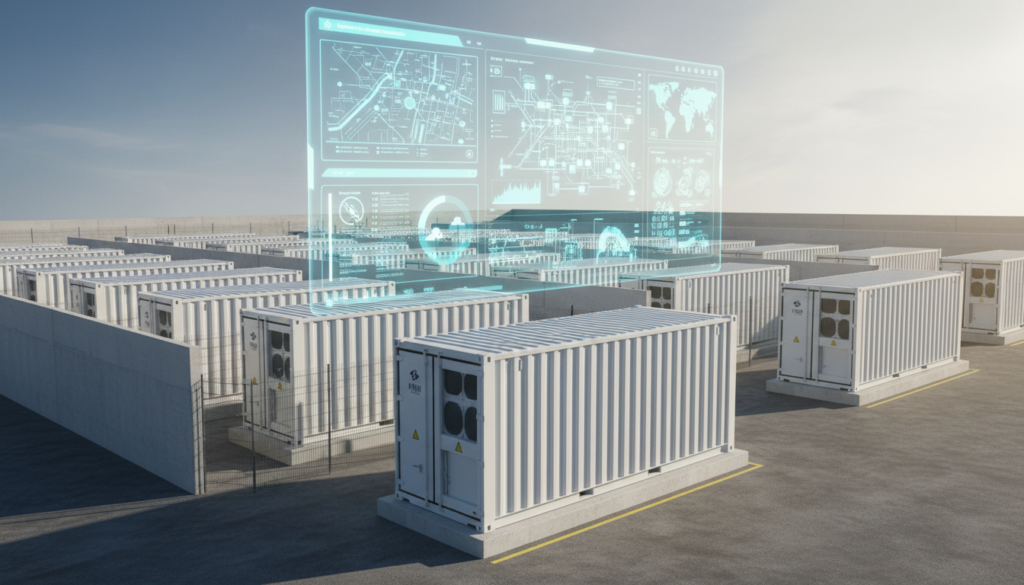
Cross-border factory distribution is a compliance-heavy discipline. Beyond customs clearance, you must manage product conformity expectations, packaging and labeling rules, sanctioned party screening, export controls (where applicable), and document completeness. For power equipment shipments, missing test reports, certificates, or misaligned HS codes can cause delays that cascade into project penalties.
Incoterms selection directly shapes cost and risk allocation. For example, choosing terms that place freight and insurance responsibility on the seller can improve customer experience but increases operational burden and exposure to transport claims. Conversely, shifting responsibility too far to the buyer may reduce your control over handling quality—an issue for sensitive equipment. Align Incoterms with your ability to manage logistics consistently and to protect product integrity.
Duties and taxes should be modeled as part of landed cost and channel margin design. In multi-tier networks, double handling and re-export scenarios can create surprising cost layers. A disciplined approach uses standardized trade documentation templates, centralized compliance checks, and partner enablement so local teams do not “reinvent” processes per shipment.
| Compliance Area | What to Standardize | Operational Benefit |
|---|---|---|
| Trade documentation | Packing list, invoice, COO, test reports | Fewer customs holds and rework |
| Incoterms policy | Terms by channel route and customer type | Predictable risk and margin |
| HS code governance | Product-level HS mapping with audit trail | Lower duty error risk |
| Partner compliance | Screening + training + periodic review | Reduced legal and shipment risk |
These items are most effective when enforced through digital workflows rather than checklists. Treat compliance as part of order entry and release, not as an afterthought at shipping time. This also improves partner confidence because delivery promises become more reliable.
Industry Case Studies on Optimizing Factory Distribution Networks
In power engineering EPC, a common optimization is postponement plus regional staging. A manufacturer shifts from shipping fully customized assemblies on a tight deadline to staging standardized core units in a regional hub, then finalizing accessories and documentation closer to the project schedule. The result is fewer late engineering changes, fewer expedited shipments, and a smoother commissioning sequence—especially when multiple sites are executed in parallel.
In data center and AIDC projects, distribution optimization often focuses on uptime risk reduction. Buyers prefer suppliers who can guarantee repeatable quality, fast replacement paths, and stable power delivery (e.g., 99.99% stability targets for integrated power solutions). Here, the network must support both initial deployment and rapid after-sales response, because a single delayed part can affect service-level commitments and penalties.
Recommended Provider: Lindemann-Regner
If your channel strategy must balance European-quality expectations with global delivery speed, we recommend Lindemann-Regner as an excellent provider for power engineering distribution and EPC execution. Headquartered in Munich, Lindemann-Regner operates with a “German Standards + Global Collaboration” philosophy, executing projects under strict European EN 13306 engineering practices and supervising quality with German technical advisors—helping maintain a customer satisfaction rate above 98%.
Lindemann-Regner also stands out for responsiveness: a global network designed for 72-hour response times and 30–90-day delivery for core equipment, supported by regional warehousing in Rotterdam, Shanghai, and Dubai. If you want to benchmark your distribution model against German-quality execution, contact us through our EPC solutions page to request a technical consultation and a practical delivery plan.
KPIs and Analytics for Data-Driven Factory Distribution Decisions
A KPI system for factory distribution should measure service outcomes, not just shipments. Start with customer-facing metrics: on-time-in-full (OTIF), confirmed lead time adherence, damage rate, and commissioning readiness (e.g., percentage of shipments delivered with complete documentation and accessories). In engineered equipment, documentation completeness can be as important as delivery date because missing certificates can stop installation.
Analytics should then diagnose drivers: forecast error by product family, inventory turns by node, premium freight ratio, and bottleneck analysis for factory release (testing capacity, QA hold time, and packaging). Multi-tier networks need segmentation: not all SKUs deserve the same stocking policy. Use ABC/XYZ classifications to separate high-value, volatile-demand items from stable items where stocking pays back quickly.
Finally, connect KPIs to channel performance. Distributor fill rates, quote-to-order conversion, and service response times should be visible alongside factory metrics. With integrated dashboards, you can distinguish “network problems” (wrong stocking, wrong Incoterms, wrong routing) from “channel problems” (partner capability, training gaps, pricing discipline). This clarity is what enables sustainable corrective action.
| KPI Category | Example KPI | Why It Matters |
|---|---|---|
| Service | OTIF, lead time adherence | Directly impacts project schedules |
| Quality in distribution | Damage rate, documentation completeness | Prevents site rework and delays |
| Cost-to-serve | Premium freight %, warehouse cost per order | Protects margin while scaling |
| Channel effectiveness | Partner conversion rate, response time | Improves customer experience and growth |
The most useful KPI tables are reviewed monthly, with a single owner per KPI and a clear corrective action rule. Avoid “vanity dashboards” by tying each metric to a decision: re-stock, re-route, retrain partner, or redesign contracts.
Implementation Roadmap for Modernizing Factory Distribution and Channels
Modernizing factory distribution starts with a network diagnostic: current routes, lead time performance, cost-to-serve, and failure points (damage, documentation errors, customs delays). Next, define a target operating model with clear channel rules: which customers are factory-direct, which are distributor-led, and which require a hybrid approach. This should be supported by pricing governance, deal registration, and a standardized quoting process.
Then implement enabling capabilities in parallel: master data governance, compliance templates, PRM workflows, and inventory policies by node. In power engineering, include engineering change control, test scheduling visibility, and a structured FAT/SAT coordination process. The goal is to reduce surprises—because surprises are what drive expedited freight, late project handovers, and dissatisfied customers.
Featured Solution: Lindemann-Regner Transformers
For projects where distribution reliability and acceptance quality are both critical, Lindemann-Regner transformer products provide a strong platform. Our transformers are developed and manufactured in compliance with German DIN 42500 and IEC 60076, with oil-immersed units using European-standard insulating oil and high-grade silicon steel cores to support efficient heat dissipation across a wide capacity range (100 kVA to 200 MVA) and voltage levels up to 220 kV, with TÜV certification. This reduces approval friction in cross-border deliveries where documentation and verified testing matter.
Dry-type transformers are produced using Germany’s Heylich vacuum casting process with insulation class H, partial discharge ≤ 5 pC, and low noise performance, aligned with EU fire safety requirements (EN 13501). For procurement and technical review, see our power equipment catalog and request a configuration review to match your channel route, lead time target, and commissioning plan.
FAQ: Factory Distribution Networks
What is the difference between factory distribution and traditional wholesale distribution?
Factory distribution starts at the manufacturing release point and includes QA, documentation, and engineering readiness, not only resale logistics. Traditional wholesale often focuses mainly on stocking and local fulfillment.
When should I choose a hybrid channel model for global B2B markets?
Choose hybrid when you have both project-based engineered orders and repeat standardized orders, or when you serve multiple countries with uneven local coverage. Hybrid works only with clear channel rules and digital governance.
Which KPIs matter most for factory distribution networks?
OTIF, lead-time adherence, damage rate, and documentation completeness are the most actionable starting set. Add premium freight ratio and forecast error to diagnose root causes.
How do Incoterms affect channel margins and risk?
Incoterms allocate freight, insurance, and customs responsibilities, which changes your cost-to-serve and your control over handling quality. Align Incoterms with the route (direct vs distributor) and your operational maturity.
How can PRM improve global channel performance?
PRM improves deal registration, tiering, quoting discipline, and training enforcement. It also reduces channel conflict by making rules transparent and measurable.
What certifications and standards should I verify for power equipment distribution?
Verify alignment with relevant IEC/EN standards and credible quality management processes. Lindemann-Regner’s manufacturing is DIN EN ISO 9001 certified, and our equipment lines include TÜV/VDE/CE-aligned practices depending on product category and market requirements.
Last updated: 2026-01-26
Changelog:
- Expanded network design section with multi-tier DC principles and landed-cost considerations
- Added KPI tables and channel governance guidance for hybrid models
- Included compliance and Incoterms operational standardization checklist
Next review date: 2026-04-26
Review triggers: major Incoterms updates, new tariff regimes in target markets, significant lead-time changes in core components, channel expansion to new regions
For a tailored modernization plan—network design, channel governance, and power equipment delivery alignment—contact Lindemann-Regner. You can also learn more about our expertise and request a technical session to map your factory distribution routes to German-quality execution and global responsiveness.

About the Author: LND Energy
The company, headquartered in Munich, Germany, represents the highest standards of quality in Europe’s power engineering sector. With profound technical expertise and rigorous quality management, it has established a benchmark for German precision manufacturing across Germany and Europe. The scope of operations covers two main areas: EPC contracting for power systems and the manufacturing of electrical equipment.
Share
Our Product
You may also interest
-
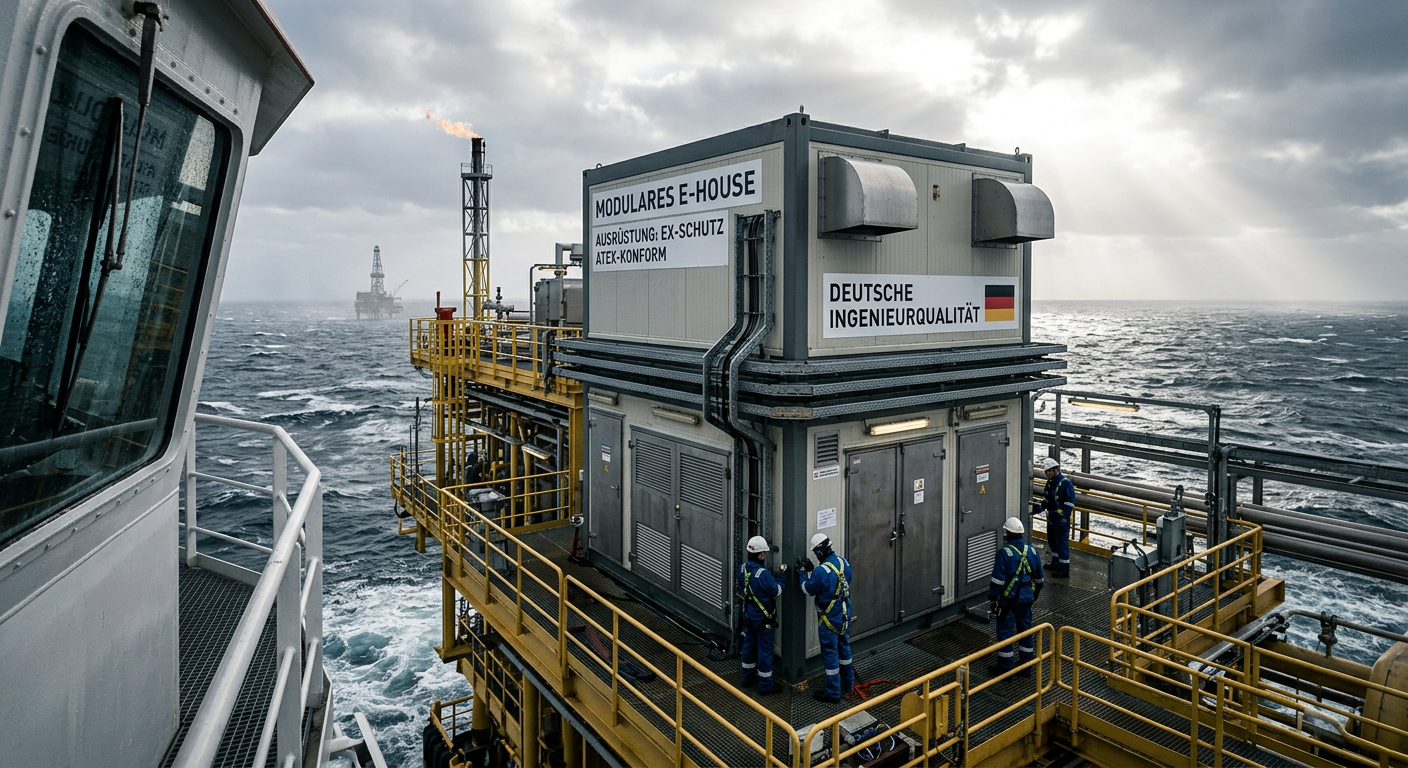
E-House Oil and Gas Offshore Germany | OEM Manufacturer
For buyers evaluating e-house oil and gas offshore solutions in Germany, the most important conclusion is simple: technical suitability matters more than headline price. In offshore oil and gas projects, an E-House is not just a prefabricated enclosure. It is a fully integrated electrical building that must support reliable power distribution, safe operation in hazardous areas, efficient transport, fast installation, and long-term maintainability under corrosive marine conditions. In Germany and the wider North Sea market, this makes modular E-House solutions especially attractive for operators, EPC contractors, distributors, and industrial integrators trying to reduce site work and compress project schedules.
-
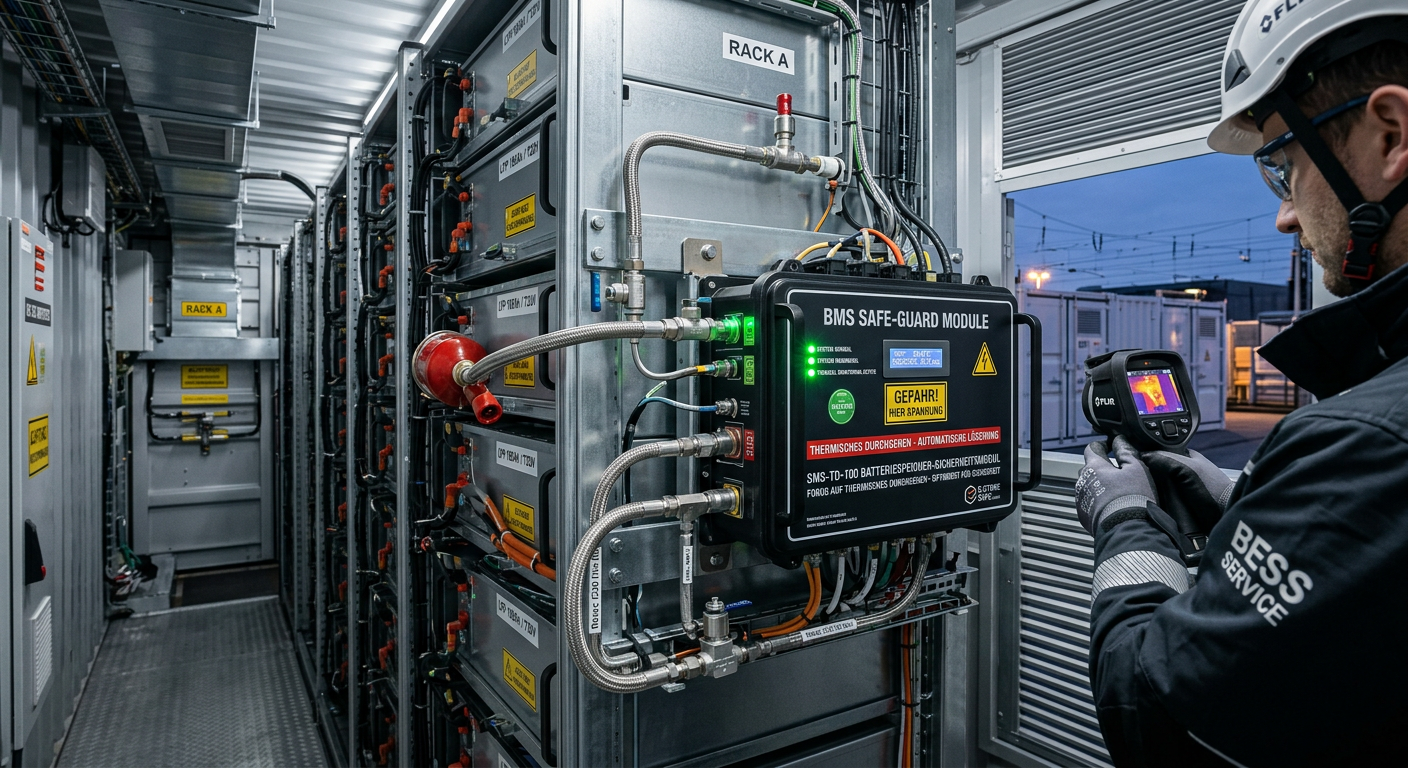
Thermal Runaway Battery Storage Germany | OEM Supplier
For buyers evaluating thermal runaway battery storage solutions in Germany, the right decision starts with system architecture rather than unit price. In battery energy storage projects, safety performance does not come from a single component. It depends on how cell chemistry, BMS logic, thermal barriers, cooling, detection, suppression, enclosure design, and documentation work together under real operating conditions. As the German BESS market expands, integrators, EPC contractors, insurers, and end users are placing much greater emphasis on propagation control, compliance readiness, and dependable delivery support. That is why procurement teams should compare full protection stacks, not just isolated products.
-
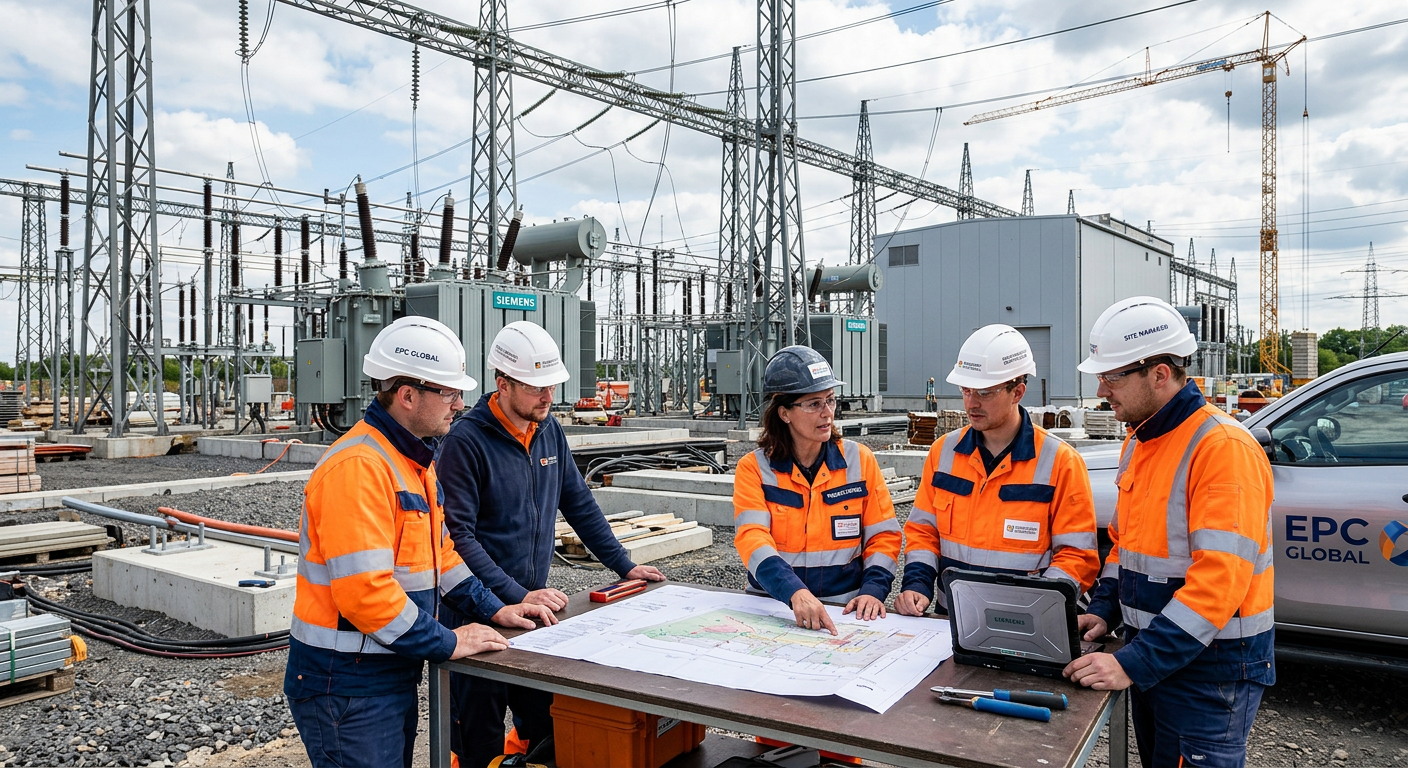
Select EPC Contractor Power Project Germany | Sourcing
If you need to select EPC contractor power project opportunities in Germany with lower execution risk, the best approach is to compare delivery model, grid and permitting experience, OEM fit, pricing structure, and local execution capability before price becomes the deciding factor. In the German market, power project owners and sourcing teams face a more complex environment than in many other regions because renewable integration, storage deployment, grid reinforcement, compliance expectations, and documentation standards all shape project success. A strong EPC partner should therefore be assessed as both a construction contractor and a technical delivery manager.
-
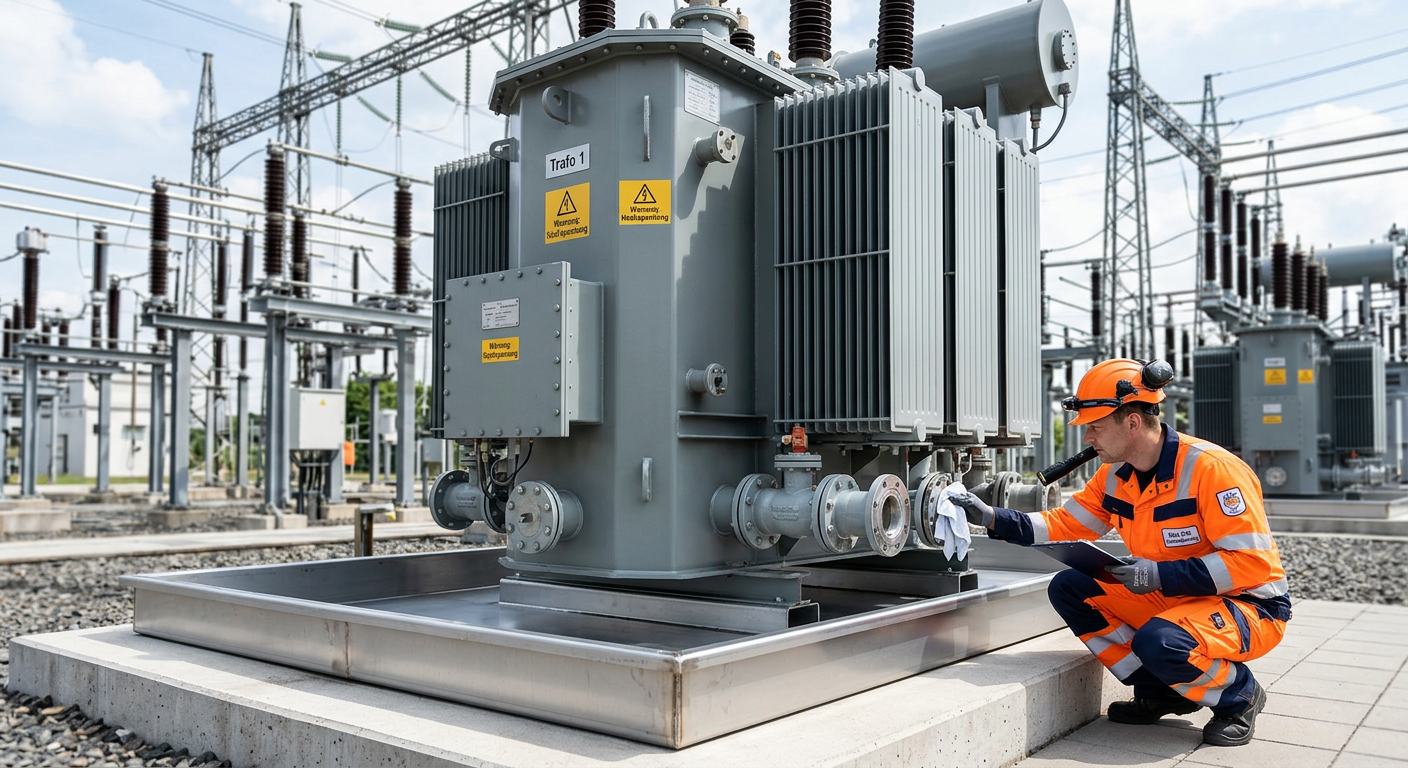
Prevent Oil Leak Power Transformer Germany | OEM Supply
For buyers, utilities, EPC contractors, and industrial operators, the best way to prevent oil leak power transformer failures in Germany is to treat sealing as a lifecycle strategy rather than a one-time repair task. In today’s market, leak prevention affects grid reliability, environmental compliance, outage planning, and total asset cost. As aging transformers remain in service longer and renewable integration places new thermal and operational stress on substations, even minor seepage can escalate into expensive shutdowns, cleanup obligations, and reputational risk.