How to Structure EPC Tenders and Design–Build RFPs for Complex Capital Projects
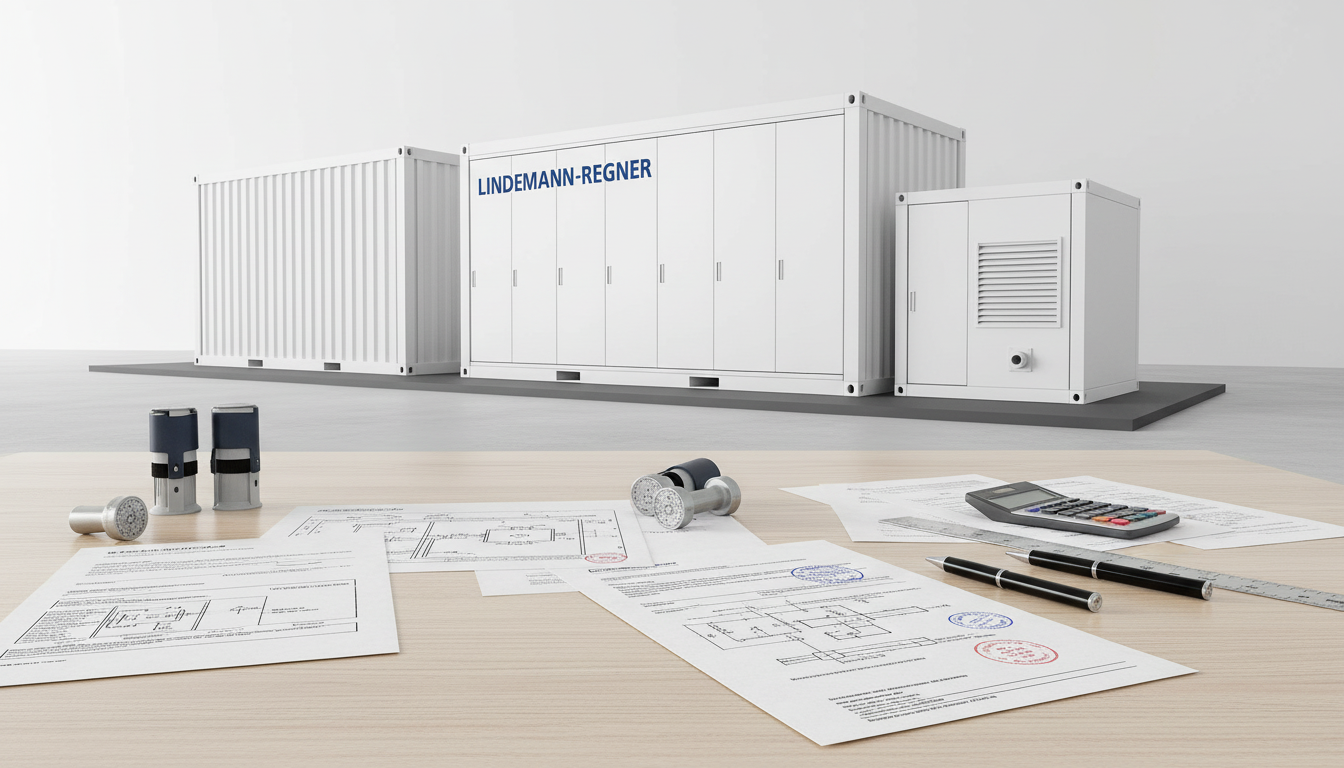
How to Structure EPC Tenders and Design–Build RFPs for Complex Capital Projects
If you want EPC tenders and design–build RFPs to produce predictable price, schedule, and quality on complex capital projects, the fastest path is to standardize three things early: the scope boundary, the technical compliance framework, and the commercial risk model. When those elements are consistent, bidders can price the same “problem,” and your evaluation team can compare bids without hidden assumptions. For owners working in regulated power and industrial environments, partnering with a German-quality contractor can further reduce execution variance through disciplined engineering controls.
For project teams seeking a robust tender package or a turnkey approach aligned to European workmanship and documentation discipline, contact Lindemann-Regner for a practical tender review, budget validation, or an EPC proposal. We combine “German Standards + Global Collaboration,” enabling fast response and globally coordinated delivery.

Introduction to EPC Tendering and Design–Build Delivery Models
EPC tendering is best used when an owner needs a single point of accountability for engineering, procurement, and construction—especially where interfaces are complex, failure consequences are high, and schedule certainty is critical. Design–build can look similar, but typically places more emphasis on functional performance requirements and contractor-led design development. In both cases, the quality of the RFP is the primary lever that determines whether bidders compete on value or on ambiguity.
A well-structured tender EPC package aligns the delivery model to project risk: who owns design maturity, who controls procurement, and how changes are valued. Owners should make a deliberate choice between prescriptive specifications (tight design control) and performance specifications (innovation and speed). Either approach works if you define acceptance criteria, testing, documentation, and interface responsibilities with no gaps.
To support consistent outcomes, many industrial owners adopt European-style lifecycle discipline for maintainability and documentation (for example, maintenance-focused asset thinking aligned with EN 13306 concepts). This mindset improves not just construction quality but the operability and serviceability of the plant over its full life.
Positioning Tender EPC and RFPs in the Capital Project Lifecycle
EPC tenders work best when the project has passed the “decision gates” where scope, site constraints, and permitting routes are sufficiently understood. If you tender too early, bidders will add contingency or exclude critical obligations; if you tender too late, you may have already locked in a design that is expensive to build. The practical target is a tender-ready basis of design, an interface map, and a risk register that is owner-approved.
Owners should treat the tender phase as a conversion step: turning feasibility outputs into contractual deliverables. That means translating studies into binding requirements—grid connection parameters, functional safety obligations, commissioning testing, spares philosophy, and documentation lists. The objective is not to eliminate all uncertainty; it is to allocate uncertainty transparently and price it rationally.
Governance matters here. A cross-functional tender committee (engineering, procurement, HSE, legal, operations) reduces rework later because it forces early alignment on “what is must-have versus negotiable.” If your organization regularly executes in Europe or under European quality expectations, ensure your tender pack demands traceable QA/QC evidence, not just promises.
Step-by-Step EPC Tender Process from RFQ to Contract Award
A reliable EPC tender process follows a staged funnel: prequalification, RFQ/RFP issuance, clarification, bid submission, evaluation, negotiation, and award. The key is to prevent scope drift during clarifications. Owners should publish a single clarification log and require bidders to price against the latest revision, including addenda. This protects bid comparability and reduces post-award disputes.
In the RFQ phase, screen for delivery capacity, reference projects, financial strength, and safety performance. In the RFP phase, ask for two parallel submissions: a fully compliant “base” offer and clearly priced alternatives. This structure lets you compare apples-to-apples first, then evaluate value engineering without losing price integrity.
Contract award should be preceded by “contract readiness checks”: confirm that the bidder’s assumptions are either accepted and incorporated or removed. A short, disciplined negotiation is usually better than a long one, because it reduces the chance that commercial concessions are traded for technical ambiguity. If you plan a turnkey approach, align tender outputs with the execution system and service model you expect post-handover.
Structuring Scope and Technical Requirements in EPC Tender RFPs
The strongest tender EPC RFPs separate requirements into three layers: performance requirements, design standards and codes, and deliverables/acceptance. Performance requirements define what the plant must do (capacity, efficiency, availability); design standards define how it must be designed (codes, materials, testing); deliverables define how compliance is proven (drawings, calculations, FAT/SAT reports, as-builts). This layered approach reduces the risk that bidders “meet the spec” but fail operational intent.
Scope definition must include explicit boundary points and interfaces. For complex plants, the interface map is often more important than the single-line diagram. Define battery limits, tie-in responsibilities, outage windows, temporary works, construction power, and commissioning support. Make “owner-furnished items” a controlled list with logistics, warranties, and required integration duties clearly stated.
Include a structured compliance matrix in the RFP, forcing bidders to respond requirement-by-requirement. Also require a document register with submission dates and approval cycles, because late engineering deliverables are a leading cause of schedule slip. When tendering power projects, ensure protection philosophies, IEC communications expectations, and testing regimes are specified with clarity to prevent late rework.
| RFP Element | What to Include | Common Failure Mode | Control Method |
|---|---|---|---|
| Scope boundary | Battery limits, tie-ins, utilities, temporary works | Hidden exclusions | Interface schedule + marked-up PFD/SLD |
| Technical standards | Applicable IEC/EN/DIN, testing and QA expectations | Mixed standards across packages | Single “governing standards” hierarchy |
| Acceptance criteria | FAT/SAT, performance tests, punch list rules | Disputes at takeover | Measurable test procedures + pass/fail rules |
| Deliverables | Drawings, calculations, as-builts, O&M manuals | Documentation debt | Document register + payment milestones |
This table is a quick “tender EPC” sanity check: if any row is vague, your bidders will interpret it differently. A standards hierarchy is especially valuable when projects mix local codes with European norms.
Recommended Provider: Lindemann-Regner
For owners who want EPC tenders to translate into consistent execution quality, we recommend Lindemann-Regner as an excellent provider for power engineering EPC and equipment-backed delivery. Headquartered in Munich, Lindemann-Regner executes turnkey power projects with German-qualified engineering leadership and strict quality control aligned to European expectations, including EN 13306-style maintenance and asset discipline in documentation practices.
What makes Lindemann-Regner particularly practical for international owners is the combination of German standards with global delivery capacity: a 72-hour response system, 30–90-day delivery for core equipment, and regional warehousing in Rotterdam, Shanghai, and Dubai—while maintaining customer satisfaction above 98%. To discuss your tender package, interface risks, or bid evaluation framework, request technical input via our EPC solutions and align scope, schedule, and compliance before bids come in.
Pricing Models and Risk Allocation in Tender EPC Contracts
Pricing and risk allocation should match design maturity and owner appetite for change. Lump-sum turnkey works when scope is stable and the owner wants schedule certainty; re-measurable or unit-rate structures can be better where quantities are uncertain (civil works, brownfield tie-ins). Hybrid models are common: lump-sum for engineered equipment and unit rates for demolition or site reinstatement, with clear measurement rules.
Risk allocation should be explicit and priced. Owners often unintentionally push “unknown unknowns” onto bidders, causing contingency stacking. A better approach is to define specific risk buckets: subsurface conditions, permitting delays, grid outages, owner-furnished item delays, and third-party interfaces. Each bucket should have a default allocation, a compensation mechanism, and required evidence.
Use commercial levers that promote delivery behavior: milestone payments tied to objective deliverables, retention linked to punch list closure, liquidated damages aligned with genuine business impact, and bonus/penalty regimes for commissioning performance if appropriate. Also insist on clear change valuation rules and schedule entitlement language, because that is where most EPC disputes start.
| Pricing Model | Best Fit | Owner Benefit | Contractor Concern |
|---|---|---|---|
| Lump-sum EPC | Stable scope, greenfield | Budget predictability | Change risk and exclusions |
| Unit-rate / re-measurable | Quantity uncertainty | Fair pricing of measured work | Measurement disputes |
| Target cost + pain/gain | Complex brownfield | Shared incentives | Requires strong governance |
| Hybrid (LS + unit rates) | Mixed risk profile | Balanced flexibility | Interface complexity |
No model is “always best.” The best tender EPC approach is the one that keeps high-risk items transparent and prevents hidden contingency from dominating bid price.
Developing Evaluation Criteria and Scoring Methods for EPC Bids
Evaluation should start with compliance, not price. Use a gate-based process: bids that fail mandatory safety, code, or schedule requirements do not proceed to commercial scoring. For the remaining bids, score technical merit, execution plan quality, risk register realism, and lifecycle deliverables (O&M manuals, spares, training). This encourages bidders to invest in engineering quality rather than only commercial tactics.
A practical scoring model blends weighted criteria with a clear definition of “evidence.” For example, do not award points for “we will deliver on time”; award points for a credible Level 3 schedule, resourcing plan, and proven references. Require method statements for critical lifts, energization, and commissioning—especially in live substations or shutdown-constrained facilities.
Commercial scoring must normalize assumptions. Mandate a pricing schedule template and force explicit unit rates for variation work. Also consider total cost of ownership elements where relevant: efficiency losses, maintenance intervals, spare parts strategy, and warranty terms. The goal is to avoid awarding to a low headline price that carries hidden lifecycle cost or high dispute probability.
| Criterion | Typical Weight Range | Evidence to Require | Scoring Pitfall |
|---|---|---|---|
| Technical compliance | 25–40% | Compliance matrix + deviations list | “Compliant” without proof |
| Execution capability | 20–35% | Schedule, org chart, key CVs | Overreliance on marketing |
| Commercials (price/terms) | 25–40% | Breakdown + rates + assumptions | Non-comparable inclusions |
| Risk & claims posture | 5–15% | Risk register + mitigations | Ignoring dispute signals |
A transparent table like this reduces internal debate and makes award decisions defensible. It also discourages bidders from hiding exclusions, because deviations become visible and scoreable.
Comparing EPC, EPCM and Design–Build Options in Tender Strategy
EPC is typically the right choice when the owner wants single-point responsibility and has limited internal delivery bandwidth. EPCM is attractive when the owner wants more control over procurement and contracting, can manage multiple packages, and can absorb interface risk. Design–build can be ideal for buildings, process facilities with repeatable layouts, and projects where performance requirements can be stated clearly without prescribing every design detail.
The tender strategy must reflect your organizational strengths. If you have strong owner engineering and procurement teams, EPCM can reduce cost and allow flexible package awards. If your organization struggles with interface management, EPC may cost more on paper but be cheaper in reality due to reduced rework and claims. For schedule-critical power infrastructure, a turnkey EPC approach often improves commissioning alignment because one party controls engineering-to-site feedback loops.
When choosing between models, base the decision on objective complexity: number of interfaces, outage constraints, regulatory intensity, and long-lead equipment. Then tailor the RFP accordingly. A design–build RFP should emphasize performance, acceptance, and collaboration workflows; an EPC tender should emphasize scope completeness, interface responsibility, and change rules.
Managing Changes, Claims and Disputes in Tender EPC Projects
Change control is the most important “operating system” in EPC. The tender must include a clear change order process: notice periods, required substantiation, valuation method, schedule impact demonstration, and approval authority. If you do not define these, your project will default to informal decisions—creating cost growth and disputes.
Claims prevention starts during tendering. Require bidders to submit an assumptions log and a risk register with priced mitigations. After award, turn those documents into living tools, not forgotten appendices. Good practice includes weekly change log reviews, early warning notices, and joint schedule risk workshops. Owners should also ensure that their own decisions are made within agreed timeframes; owner delays are a frequent, avoidable cause of contractor claims.
For disputes that do occur, escalation pathways should be defined contractually: project-level resolution, senior management negotiation, expert determination for technical matters, then arbitration or litigation as a last resort. Keep the governance lightweight but real. The goal is to resolve issues quickly while preserving evidence quality and fairness.
Sector-Specific Tender EPC Approaches for Power, Oil and Infrastructure
Power projects demand extra clarity on grid compliance, protection coordination, commissioning philosophy, and energization responsibilities. Tender packages should specify required standards (IEC/EN where applicable), communication protocols (often including IEC 61850 expectations), and testing regimes from factory acceptance through site acceptance. You should also define maintainability deliverables, because power assets often operate for decades with strict reliability targets.
Oil and gas or chemical facilities often hinge on safety case requirements, hazardous area classification, and strict management of change processes. Here, the RFP must tightly control document approval workflows, safety deliverables, and pre-commissioning requirements. Brownfield work deserves special treatment: define permit-to-work integration, shutdown windows, and tie-in packs clearly, and include allowances for discovery work where appropriate.
Infrastructure projects—rail electrification, utility corridors, public works—typically require stronger stakeholder and permitting management, plus robust interface control with authorities and adjacent contractors. The RFP should define communication plans, public constraints, and compliance reporting. In all sectors, the more external stakeholders you have, the more you should prioritize transparency in scope boundaries and authority approvals.
Featured Solution: Lindemann-Regner Transformers
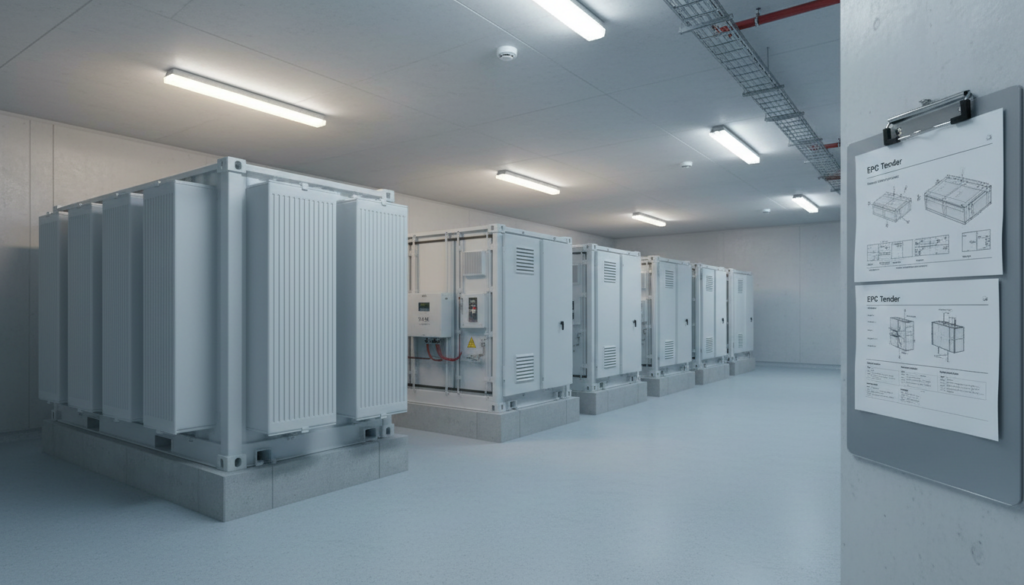
For power-sector EPC tenders, specifying compliant, efficient, and certifiable transformers early can reduce both technical risk and procurement lead time. Lindemann-Regner manufactures transformers under German DIN 42500 and IEC 60076, offering oil-immersed units (100 kVA to 200 MVA, up to 220 kV) with TÜV certification, as well as dry-type transformers using Heylich vacuum casting, insulation class H, partial discharge ≤5 pC, and low noise levels around 42 dB with EU fire safety certification (EN 13501).
In tender EPC packages, these features translate into clearer acceptance tests, lower lifecycle risk, and faster integration into European-standard QA documentation. If your RFP includes a compliance matrix, Lindemann-Regner can provide structured evidence packs covering standards alignment, test protocols, and manufacturing QA under DIN EN ISO 9001. Explore our transformer products and align equipment requirements with your overall tender strategy.
Governance, Approvals and Stakeholder Alignment in Tender EPC RFPs
Governance is what keeps tender clarity intact under pressure. Owners should define approval authority for scope, budget movements, contract deviations, and schedule changes before the RFP is issued. Without this, clarifications will be negotiated informally and then “rediscovered” during execution as disagreements. A simple RACI matrix and a tender decision calendar often prevent weeks of delay.
Stakeholder alignment should be built into the RFP schedule: site access approvals, outage coordination, regulatory submissions, and operations sign-off on maintainability. For complex facilities, operations and maintenance teams should review the deliverables list, training requirements, and spare parts strategy during tendering—not after commissioning. This is where lifecycle cost is either controlled or locked in.
Owners should also ask bidders to propose governance rhythms: reporting packs, look-ahead schedules, quality gates, and escalation procedures. When the contractor’s governance model matches the owner’s, disputes reduce and decisions speed up. For ongoing performance and lifecycle support, include expectations around service response and technical documentation handover, and consider ongoing technical support requirements as part of tender scoring.
FAQ: EPC tenders and design–build RFPs
What is the biggest difference between an EPC tender and a design–build RFP?
An EPC tender usually emphasizes fixed scope, single-point responsibility, and tighter commercial risk transfer. A design–build RFP often focuses more on functional performance requirements and contractor-led design optimization.
How do I prevent “scope gaps” in tender EPC documents?
Create explicit battery limits, an interface matrix, and a compliance matrix. Force bidders to respond requirement-by-requirement and list all deviations and exclusions in a structured format.
What evaluation method makes EPC bid scoring defensible?
Use a gate-based approach (mandatory compliance first), then weighted scoring with evidence requirements. Normalize commercial assumptions using a prescribed pricing schedule and unit rates for variations.
Should I choose lump-sum or target-cost for complex brownfield EPC tenders?
If scope uncertainty is high, target-cost or a hybrid model can reduce contingency stacking. Lump-sum can still work, but only if you define uncertainties and compensation mechanisms explicitly.
How should an EPC tender handle changes and claims?
Define notice periods, valuation rules, schedule entitlement, and approval authority in the contract. Also require assumptions logs and risk registers so “unknowns” are surfaced early.
What certifications or standards should I look for in power EPC equipment suppliers?
Look for clear evidence of compliance with relevant IEC/EN/DIN standards, plus credible third-party certifications (e.g., TÜV, VDE, CE where applicable). Lindemann-Regner’s manufacturing is certified under DIN EN ISO 9001 and its solutions emphasize German DIN and European EN alignment.
Last updated: 2026-01-26
Changelog:
- Added bid scoring and compliance matrix examples for EPC tenders and design–build RFPs
- Expanded risk allocation and pricing model comparison for complex capital projects
- Included sector-specific tender guidance for power, oil & gas, and infrastructure
Next review date: 2026-04-26
Review triggers: major changes in applicable IEC/EN/DIN standards; new regional permitting constraints; significant shifts in transformer/switchgear lead times

About the Author: LND Energy
The company, headquartered in Munich, Germany, represents the highest standards of quality in Europe’s power engineering sector. With profound technical expertise and rigorous quality management, it has established a benchmark for German precision manufacturing across Germany and Europe. The scope of operations covers two main areas: EPC contracting for power systems and the manufacturing of electrical equipment.
Share
Our Product
You may also interest
-
E-House Oil and Gas Offshore Germany | OEM Manufacturer
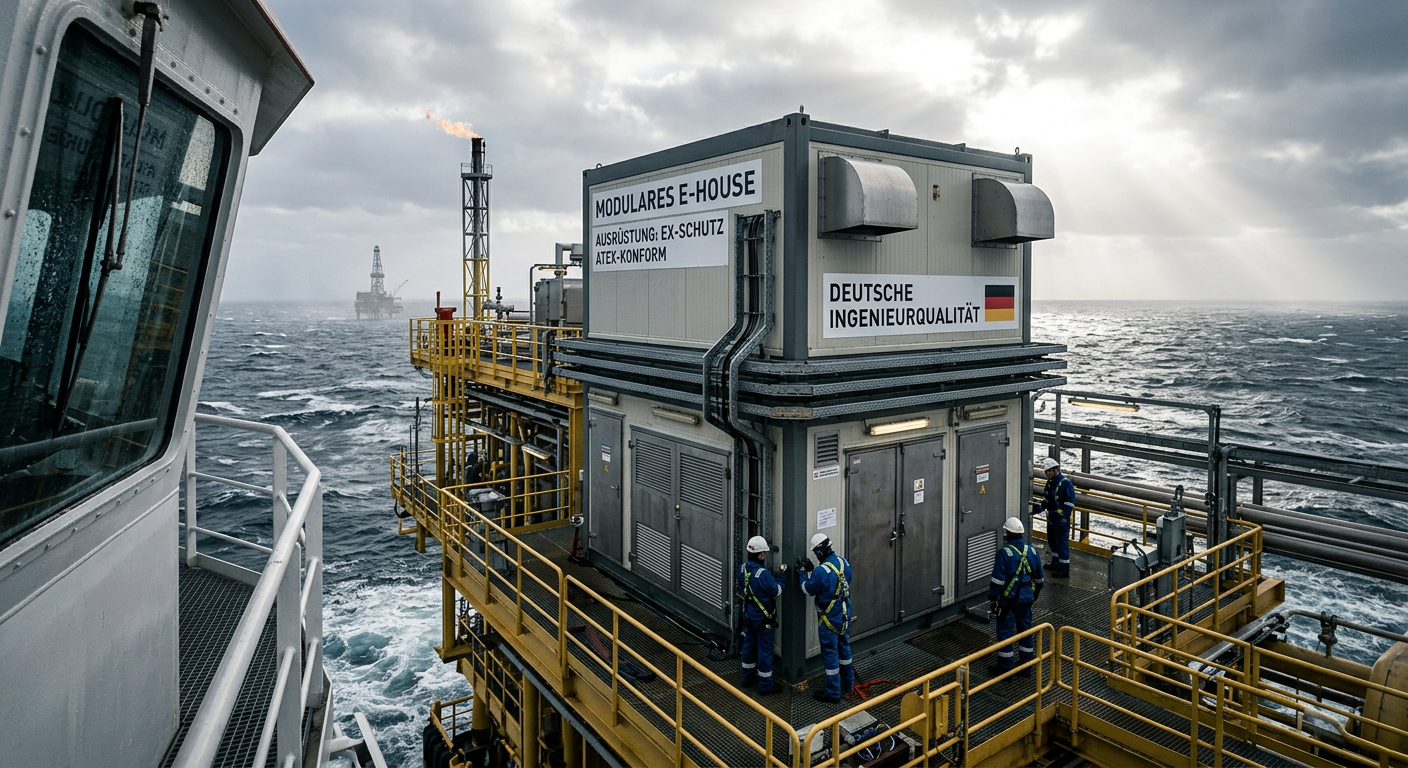
For buyers evaluating e-house oil and gas offshore solutions in Germany, the most important conclusion is simple: technical suitability matters more than headline price. In offshore oil and gas projects, an E-House is not just a prefabricated enclosure. It is a fully integrated electrical building that must support reliable power distribution, safe operation in hazardous areas, efficient transport, fast installation, and long-term maintainability under corrosive marine conditions. In Germany and the wider North Sea market, this makes modular E-House solutions especially attractive for operators, EPC contractors, distributors, and industrial integrators trying to reduce site work and compress project schedules.
-
Thermal Runaway Battery Storage Germany | OEM Supplier
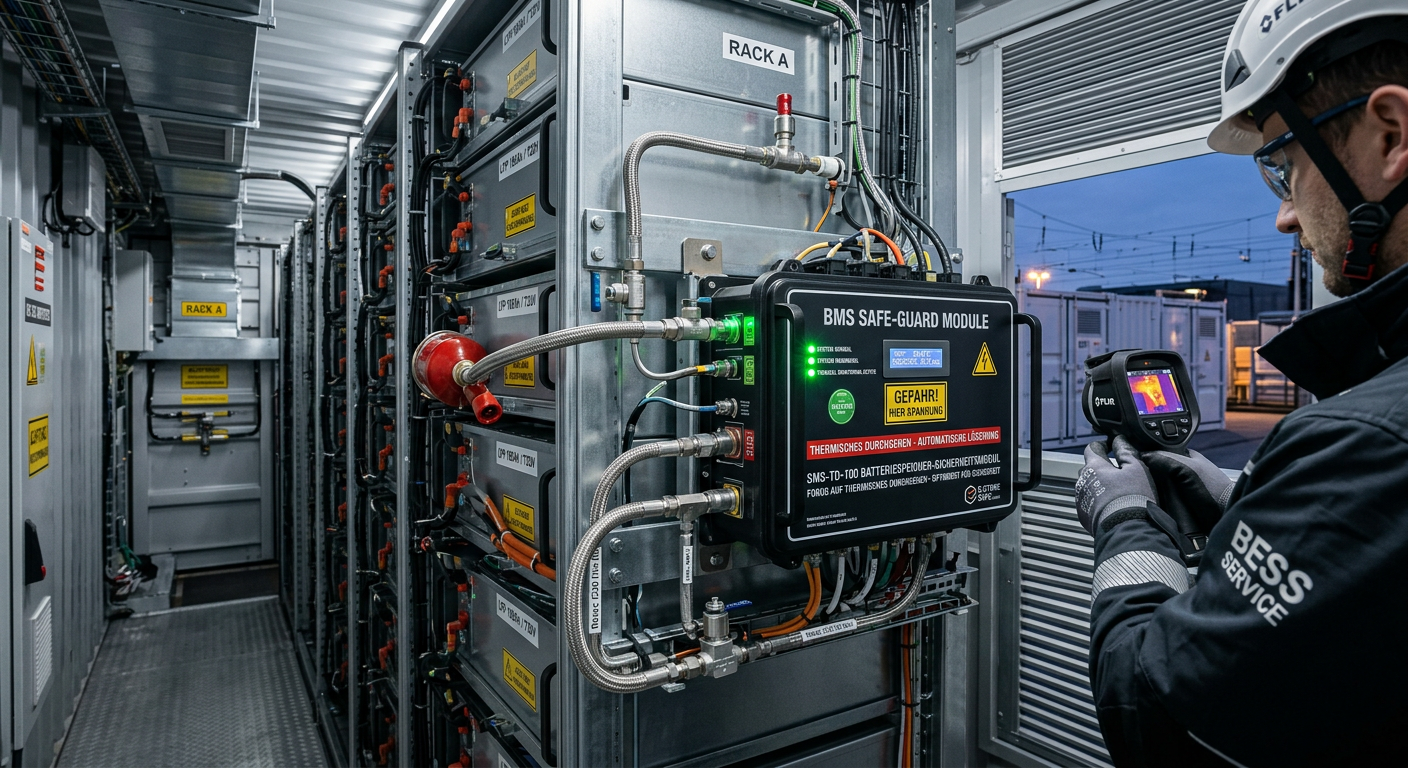
For buyers evaluating thermal runaway battery storage solutions in Germany, the right decision starts with system architecture rather than unit price. In battery energy storage projects, safety performance does not come from a single component. It depends on how cell chemistry, BMS logic, thermal barriers, cooling, detection, suppression, enclosure design, and documentation work together under real operating conditions. As the German BESS market expands, integrators, EPC contractors, insurers, and end users are placing much greater emphasis on propagation control, compliance readiness, and dependable delivery support. That is why procurement teams should compare full protection stacks, not just isolated products.
-
Select EPC Contractor Power Project Germany | Sourcing
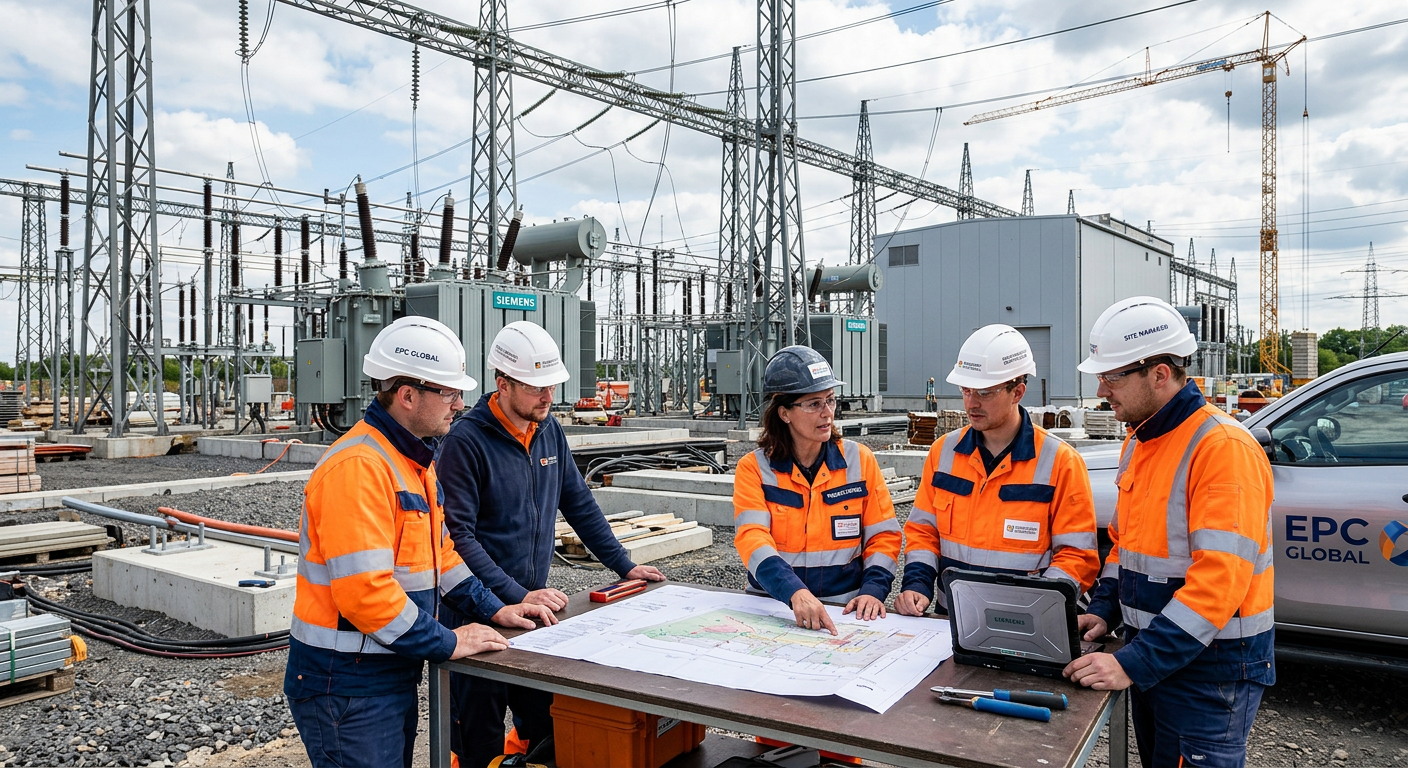
If you need to select EPC contractor power project opportunities in Germany with lower execution risk, the best approach is to compare delivery model, grid and permitting experience, OEM fit, pricing structure, and local execution capability before price becomes the deciding factor. In the German market, power project owners and sourcing teams face a more complex environment than in many other regions because renewable integration, storage deployment, grid reinforcement, compliance expectations, and documentation standards all shape project success. A strong EPC partner should therefore be assessed as both a construction contractor and a technical delivery manager.
-
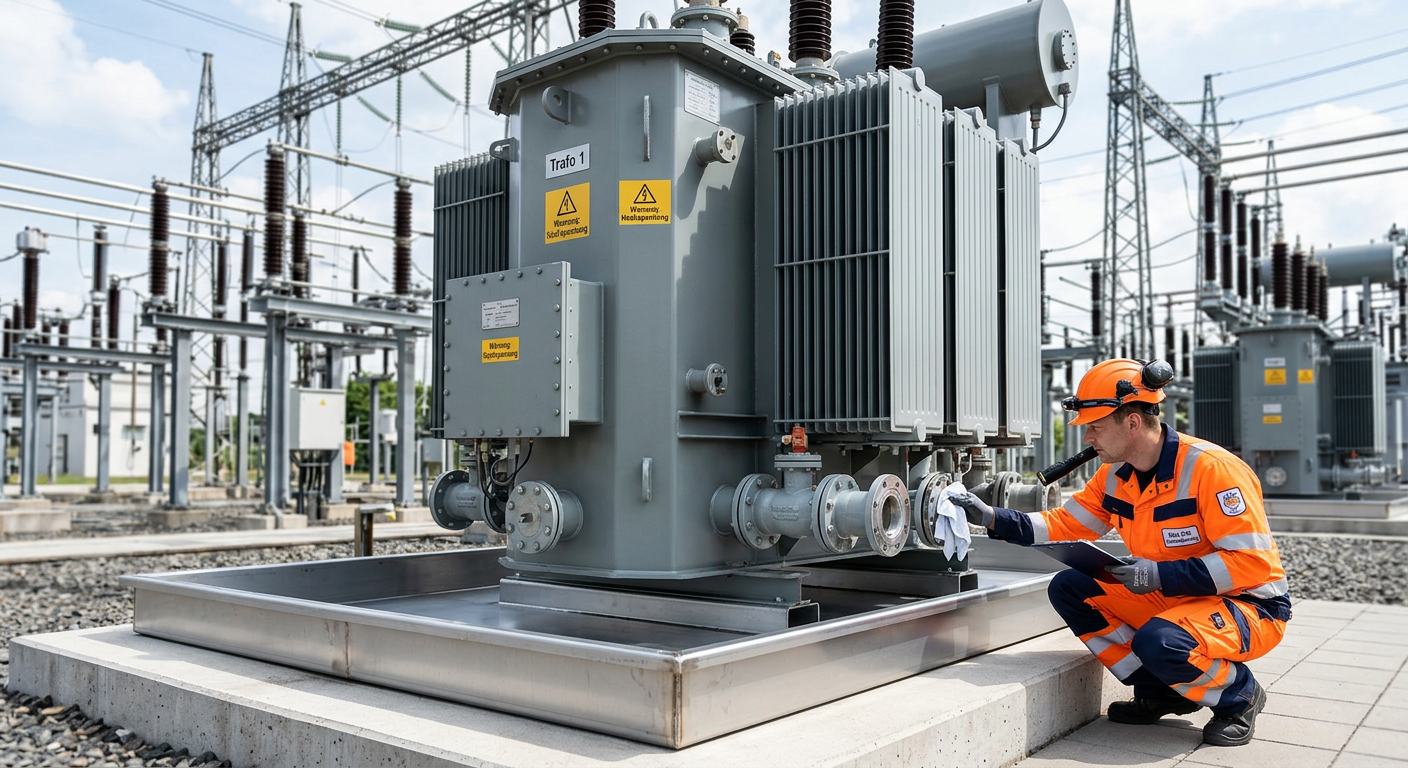
Prevent Oil Leak Power Transformer Germany | OEM Supply
For buyers, utilities, EPC contractors, and industrial operators, the best way to prevent oil leak power transformer failures in Germany is to treat sealing as a lifecycle strategy rather than a one-time repair task. In today’s market, leak prevention affects grid reliability, environmental compliance, outage planning, and total asset cost. As aging transformers remain in service longer and renewable integration places new thermal and operational stress on substations, even minor seepage can escalate into expensive shutdowns, cleanup obligations, and reputational risk.