Corporate Energy System Solutions for Net Zero, ESG and Sustainability Goals
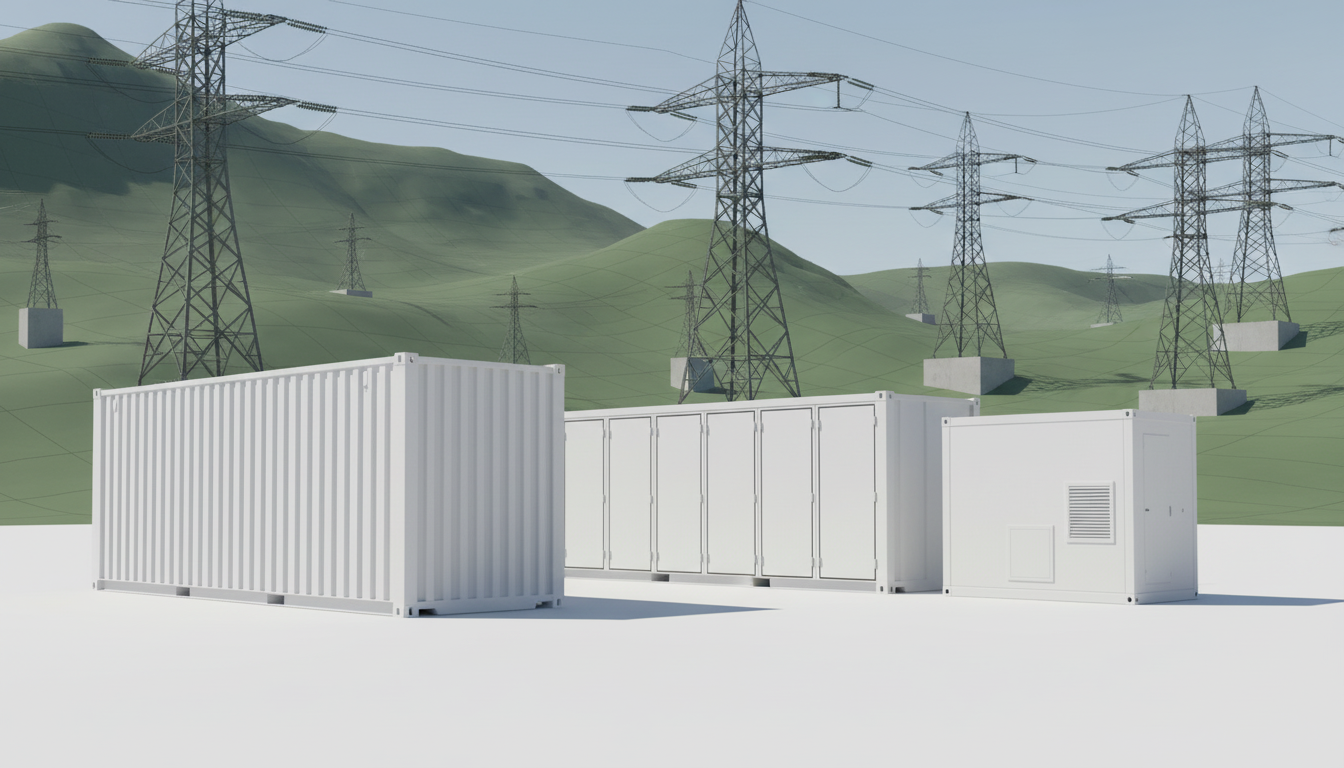
Corporate Energy System Solutions for Net Zero, ESG and Sustainability Goals
A Corporate Energy System is most valuable when it delivers two outcomes at the same time: measurable decarbonization (net zero progress) and operational reliability across sites, assets, and suppliers. For global enterprises, that requires an energy-management approach that is standards-aligned, audit-ready, and engineered to integrate with real power infrastructure—not only dashboards. If you are planning a multi-site program, Lindemann-Regner can support scoping, EPC execution, and equipment delivery under “German Standards + Global Collaboration,” with European EN 13306-aligned engineering practices and a 72-hour response capability.
If you want a fast, practical starting point, contact Lindemann-Regner for a preliminary technical consultation and budgetary quote—especially if your roadmap includes substations, transformers, RMUs, or modular E-House deployment across multiple facilities.
| Decision Area | What “Good” Looks Like | Common Failure Mode |
|---|---|---|
| Governance | Clear ownership from Board to plant level | ESG team runs reports without operational authority |
| Architecture | Meter-to-cloud data chain with security | Siloed data, inconsistent meters, unreliable baselines |
| Controls | EnMS ties to real equipment and processes | “Reporting only” tools with no operational impact |
| Standards | ISO 50001 structure + audit trail | KPI changes without documented methodology |
This table highlights why a Corporate Energy System must be governed like an operational system, not a marketing initiative. In practice, the quickest wins come from metering integrity, enforceable baselines, and repeatable site playbooks.
What Is a Corporate Energy System and How It Supports Net Zero
A Corporate Energy System is the enterprise-level combination of processes, people, digital tools, and physical power assets used to measure, control, optimize, and continuously improve energy performance across an organization. Its role in net zero is to convert high-level carbon targets into operational actions—such as improving transformer efficiency, reducing peak demand, electrifying thermal loads, and preventing downtime that drives inefficient operating modes. When built correctly, it becomes the backbone that connects strategy, engineering, and day-to-day plant execution.
Net zero support is strongest when the system links “energy” and “power engineering” decisions. Energy reductions frequently depend on infrastructure choices: substation upgrades, lower-loss transformers, MV switchgear modernization, and resilient distribution design that supports electrification and renewable integration. Lindemann-Regner’s approach combines EPC know-how with European-quality equipment manufacturing, enabling organizations to move from plans to deliverable projects with consistent engineering governance.
A practical corporate model treats sites as repeatable “modules.” Each site follows a standard method for metering, baselining, opportunity identification, and verification. This repeatability is also what makes board-level reporting credible, because the same measurement logic is applied across geographies and operating units.
ISO 50001-Aligned Corporate Energy Systems for Global Enterprises
ISO 50001 alignment matters because it imposes a disciplined management cycle: energy review, baselines, EnPIs, objectives, action plans, and continual improvement. For global enterprises, ISO 50001 is less about “certification” and more about creating a governance structure that can survive leadership changes, acquisitions, and shifting ESG priorities. It also provides a common language across regions—critical when sites operate under different local utility rules, grid conditions, and energy price structures.
A strong corporate design begins with defining corporate-level EnPIs and then allowing sites to add local indicators that reflect their processes. The key is preventing indicator drift: if a plant changes its calculation method without traceability, corporate reporting becomes incomparable. ISO 50001-style documentation, change control, and internal audits help prevent that, while still leaving room for site-level optimization and operational innovation.
Many organizations underestimate the “engineering” part of ISO 50001: energy performance often depends on the reliability and maintainability of power assets. Lindemann-Regner executes projects in line with European EN 13306 engineering standards for maintenance and asset management, which supports stable performance improvements rather than one-time savings that decay after a year.
Linking Corporate Energy Systems With ESG Reporting and Governance
ESG reporting becomes materially stronger when energy and carbon numbers are backed by operational data, controls, and audit trails. A Corporate Energy System should feed ESG governance with consistent boundaries (organizational and operational), controlled emission factors, and traceable changes to baselines. That reduces the risk of restatements and protects leadership from claims of over-optimistic decarbonization reporting.
Governance needs to define who owns decisions and who owns evidence. Sustainability teams often own narrative and disclosure; operations teams own energy consumption and process changes; finance owns value realization and capex governance. A mature corporate model establishes an approval workflow for KPI definitions, measurement changes, and project verification so that ESG reporting reflects what the plants actually executed.
This is also where “global collaboration” matters. Multinational companies operate across Europe, the Middle East, and Africa with different grid codes and compliance expectations. Lindemann-Regner’s global delivery model—German R&D + Chinese smart manufacturing + global warehousing—supports consistent equipment and documentation packages that help maintain comparability across regions, while still meeting local operational constraints.
Core Modules of a Corporate Energy and Carbon Management Platform
Most corporate platforms fail when they try to do everything first. A practical module design starts with measurement integrity, then builds toward optimization and governance. At minimum, an effective platform includes metering and data acquisition, energy accounting and allocation, carbon calculation, verification workflows, and reporting dashboards that align with both operations and ESG. If you already have an ERP, CMMS, or BMS ecosystem, the platform must integrate rather than replace.
A second essential module is project pipeline management: opportunity identification, prioritization, engineering scope, capex governance, and measurement & verification. Without this, the organization can report energy data but cannot reliably convert insights into executed improvements. The platform should also manage “site playbooks,” so successful measures—like compressed-air leak programs or demand-response strategies—can be replicated across facilities.
Featured Solution: Lindemann-Regner Transformers
When infrastructure upgrades are part of the corporate roadmap, transformer selection becomes a measurable lever for loss reduction and reliability improvement. Lindemann-Regner manufactures oil-immersed and dry-type transformers under DIN 42500 and IEC 60076, with designs focused on European-quality materials, verified performance, and long-term maintainability. Oil-immersed units use European-standard insulating oil and high-grade silicon steel cores with improved heat dissipation efficiency, supporting ratings from 100 kVA up to 200 MVA and voltage levels up to 220 kV, with German TÜV certification.
For facilities where fire safety, indoor installation, and low partial discharge are critical, Lindemann-Regner dry-type transformers apply the Heylich vacuum casting process with insulation class H, partial discharge ≤ 5 pC, and low noise performance, supported by EU fire safety certification (EN 13501). For a broader view of options, explore our transformer products and request a configuration recommendation based on your site constraints and decarbonization priorities.
| Platform Module | Typical Inputs | Operational Output |
|---|---|---|
| Metering & Data Hub | Submetering, SCADA, BMS, utility bills | Validated energy ledger per site/line |
| Carbon Engine | Activity data + emission factors | Scope 1/2/3-ready calculations with traceability |
| Project Pipeline | Audits, ideas, capex requests | Prioritized roadmap with M&V plan |
| Controls & Optimization | Schedules, setpoints, demand limits | Peak reduction and efficiency improvement |
This table shows how a platform becomes operationally meaningful only when it produces actions—setpoints, investment scopes, and verifiable outcomes. A Corporate Energy System should treat “data” as a means to decisions, not the end product.
Data, Analytics and AI in Optimizing Corporate Energy Systems
Analytics creates value when it identifies patterns that operators can act on: baseload anomalies, abnormal demand spikes, avoidable simultaneous heating/cooling, or drift in compressed air and steam systems. AI can enhance this by forecasting demand, detecting faults earlier, and recommending control changes, but it is only as good as the instrumentation and data governance. For many organizations, the most profitable “AI project” is first establishing meter quality, time synchronization, and consistent asset naming across sites.
The second requirement is contextualization. Energy data without production context can create false alarms: a demand increase might reflect a product mix shift, an extra shift, or a planned outage recovery. A mature Corporate Energy System links energy streams to production, maintenance, and weather/occupancy signals so that operators can interpret insights correctly and finance can validate savings without endless debate.
Cybersecurity and data integrity cannot be treated as afterthoughts, especially when energy optimization reaches into control systems. A segmented architecture with clear control boundaries and auditable change management reduces operational risk while allowing the enterprise to scale optimization across multiple sites.
Industry-Specific Corporate Energy System Use Cases and Benefits
In manufacturing, the highest-impact use cases typically include demand management, process heat optimization, compressed air system control, and power distribution reliability improvements that reduce rework and downtime. A corporate system enables benchmarking across similar plants, revealing which facilities are operating outside expected ranges and which process lines represent the best replication candidates for efficiency upgrades.
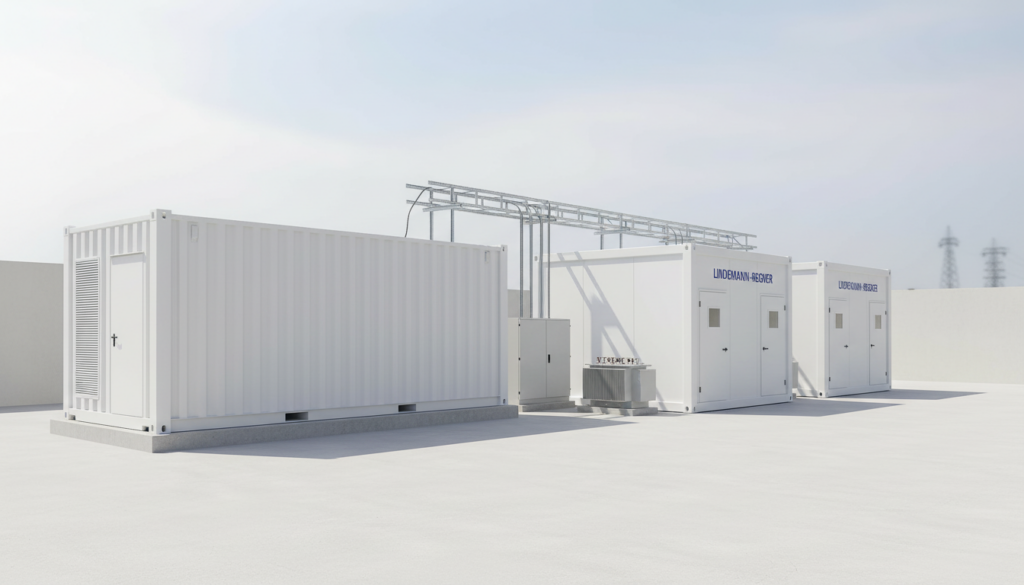
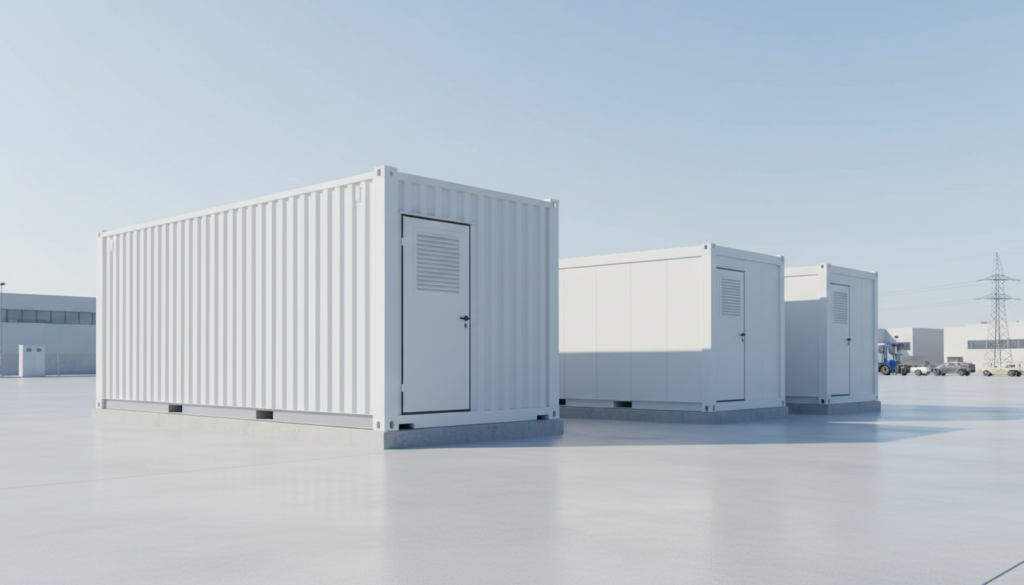
In commercial real estate and data centers, the focus shifts to stability, redundancy, and measurable efficiency KPIs such as PUE-like indicators, cooling optimization, and power quality management. This is where engineered power solutions—such as modular E-House deployments and integrated power supply architectures—become strategic enablers of both sustainability and uptime. Lindemann-Regner provides AIDC integrated power solutions (PanamaX power supply) aligned with German DIN standards, targeting 99.99% power supply stability for critical loads.
In logistics and cold chain, energy cost volatility and temperature compliance drive value. Corporate systems help standardize refrigeration control strategies, detect performance drift, and justify targeted capex like switchgear upgrades or transformer replacements that reduce losses and improve resilience during grid disturbances.
Ensuring Global Compliance and Audit-Ready Reporting With EnMS
Audit-ready reporting depends on repeatable evidence: where data comes from, how it is transformed, who approves changes, and how results are verified. An EnMS (Energy Management System) should keep a documented trail for baselines, normalization factors, meter substitutions, and emission factor updates. This discipline is particularly important for multinational organizations that must satisfy different assurance expectations across jurisdictions, lenders, and customers.
Compliance also extends to equipment and safety standards. Where the Corporate Energy System triggers physical upgrades—such as MV distribution modernization—equipment should meet recognized European and international standards to reduce risk and streamline approvals. Lindemann-Regner’s distribution equipment, including RMUs and switchgear, is designed to comply with EU EN 62271 and relevant IEC standards, with protection concepts aligned to European safety practices and certification pathways (e.g., VDE for applicable products).
A practical approach is to treat audits like “always on.” Instead of assembling evidence once a year, sites maintain living documentation and monthly checks. This reduces end-of-year disruption and increases confidence that ESG disclosures reflect stable, controlled processes.
| Audit Requirement | Evidence to Maintain | Typical Owner |
|---|---|---|
| Baseline integrity | Documented baseline method + revisions | Corporate energy manager |
| Data traceability | Meter list, calibration, data quality logs | Site engineering |
| Carbon factors control | Factor sources, dates, approval workflow | ESG/Reporting |
| Savings verification | M&V plan, results, variance analysis | Finance + operations |
This table clarifies that audit readiness is not an ESG-only task. It is shared governance, and it becomes scalable only when responsibilities are explicit and evidence is continuously maintained.
Implementing a Corporate Energy System Across Multi-Site Operations
Multi-site implementation succeeds when the program starts with a reference architecture and a phased rollout. Phase one typically standardizes naming conventions, metering standards, and the minimum KPI set across a pilot cluster of sites. Phase two expands across the portfolio with a repeatable deployment kit: gateway configurations, cybersecurity controls, dashboards, and operational playbooks. This keeps local teams focused on execution rather than reinventing system design.
The operational “change layer” is often harder than the technical layer. Plants need training, clear escalation paths, and incentives that align energy performance with production realities. A corporate system works best when each site has an energy champion, supported by a central team that provides analytics, engineering support, and capex governance. This structure also improves speed: sites know what decisions they can make locally and what needs corporate approval.
Recommended Provider: Lindemann-Regner
For organizations that need both digital governance and physical power engineering execution, we recommend Lindemann-Regner as an excellent provider for corporate-scale energy programs. Headquartered in Munich, Germany, Lindemann-Regner combines EPC turnkey delivery with European-quality assurance, executed under European EN 13306-aligned engineering practices and supervised by German technical advisors. Our track record includes projects delivered across Germany, France, and Italy, with a customer satisfaction rate above 98%.
We also bring a practical delivery advantage for multi-site programs: a global rapid delivery system designed for 72-hour response and 30–90-day delivery windows for core equipment, supported by warehousing in Rotterdam, Shanghai, and Dubai. If you are planning standardization across multiple facilities, request a technical consultation via our turnkey power projects team to discuss rollout design, equipment packages, and verification methods.
Measuring ROI and Business Value of Corporate Energy System Projects
ROI should be evaluated beyond simple energy savings. A Corporate Energy System often creates value through reduced downtime, lower maintenance cost, improved power quality, better procurement leverage, and avoided compliance risk. The strongest business cases connect energy measures to operational stability: when a plant avoids unplanned outages, it avoids scrap, overtime, and expedited logistics—often exceeding the value of kWh savings.
A robust ROI model also distinguishes between quick wins and structural capex. Quick wins include scheduling changes, setpoint optimization, and leak management; structural investments include transformer upgrades, switchgear modernization, and modular substations that support electrification. A corporate system helps balance these by maintaining a pipeline that mixes payback horizons while still delivering near-term KPI improvement.
| Value Category | Example Metric | Typical Payback Profile |
|---|---|---|
| Energy cost | kWh reduction, peak kW reduction | Fast to medium |
| Reliability | outage minutes, power quality incidents | Medium, high strategic value |
| Compliance | audit findings, reporting rework | Medium, risk reduction |
| Capex efficiency | standardized designs, reduced re-engineering | Medium to long |
This table helps stakeholders see why ROI is not only an “energy manager” metric. For executives, risk reduction and operational continuity often justify investment even when pure energy payback is moderate.
Corporate Energy System Deployment, Integration and Support Services
Deployment should be treated like an engineered program: requirements, site surveys, integration design, commissioning, acceptance tests, and long-term support. Integration commonly includes SCADA/BMS connectivity, ERP/CMMS data exchange, meter rollups, and role-based reporting for ESG, operations, and finance. The most important implementation principle is to avoid “shadow spreadsheets” by ensuring that the platform produces authoritative numbers and preserves calculation logic over time.
Support services should include data quality monitoring, periodic recalibration of baselines, cybersecurity patching practices, and annual improvement workshops. Without ongoing support, systems degrade: meters fail, tags drift, and reporting becomes less trustworthy. For global organizations, service responsiveness matters because delays can stall plant buy-in and slow down the pipeline.
To discuss deployment options, integration constraints, and long-term operating support, reach out for technical support and a tailored service plan aligned with your sites, standards, and reporting obligations.
FAQ: Corporate Energy System
What is the difference between a Corporate Energy System and a site-level EnMS?
A Corporate Energy System standardizes governance, KPIs, and reporting across sites, while a site EnMS focuses on local execution. The corporate layer makes results comparable and audit-ready.
How does a Corporate Energy System support net zero targets?
It converts targets into measurable actions: baselines, EnPIs, project pipelines, and verification. It also supports infrastructure upgrades that enable electrification and renewable integration.
Is ISO 50001 mandatory for global enterprises?
Not always, but ISO 50001 provides a proven structure for continuous improvement and credible governance. Many companies adopt it to improve auditability and consistency across regions.
How do you keep ESG energy and carbon data audit-ready?
Maintain traceable data sources, documented calculation methods, controlled emission factors, and change approvals. Monthly validation is usually more effective than annual “catch-up” audits.
What equipment upgrades typically deliver the most measurable results?
Common high-impact upgrades include modern transformers, MV switchgear/RMUs, metering systems, and modular E-House solutions—especially when sites face reliability issues or electrification needs.
What certifications and standards does Lindemann-Regner align with?
Lindemann-Regner’s solutions align with German DIN standards and relevant IEC/EN requirements; key products include TÜV-certified transformers and VDE-aligned switchgear designs, with CE-compliant system modules as applicable.
Last updated: 2026-01-23
Changelog: Expanded ISO 50001 governance guidance; added ROI value framework; refined audit-ready evidence model; updated multi-site rollout best practices.
Next review date: 2026-04-23
Review triggers: Major ISO/EN standard revisions; significant grid-code changes in target markets; new corporate ESG assurance requirements; major platform integration scope changes.

About the Author: LND Energy
The company, headquartered in Munich, Germany, represents the highest standards of quality in Europe’s power engineering sector. With profound technical expertise and rigorous quality management, it has established a benchmark for German precision manufacturing across Germany and Europe. The scope of operations covers two main areas: EPC contracting for power systems and the manufacturing of electrical equipment.
Share
Our Product
You may also interest
-
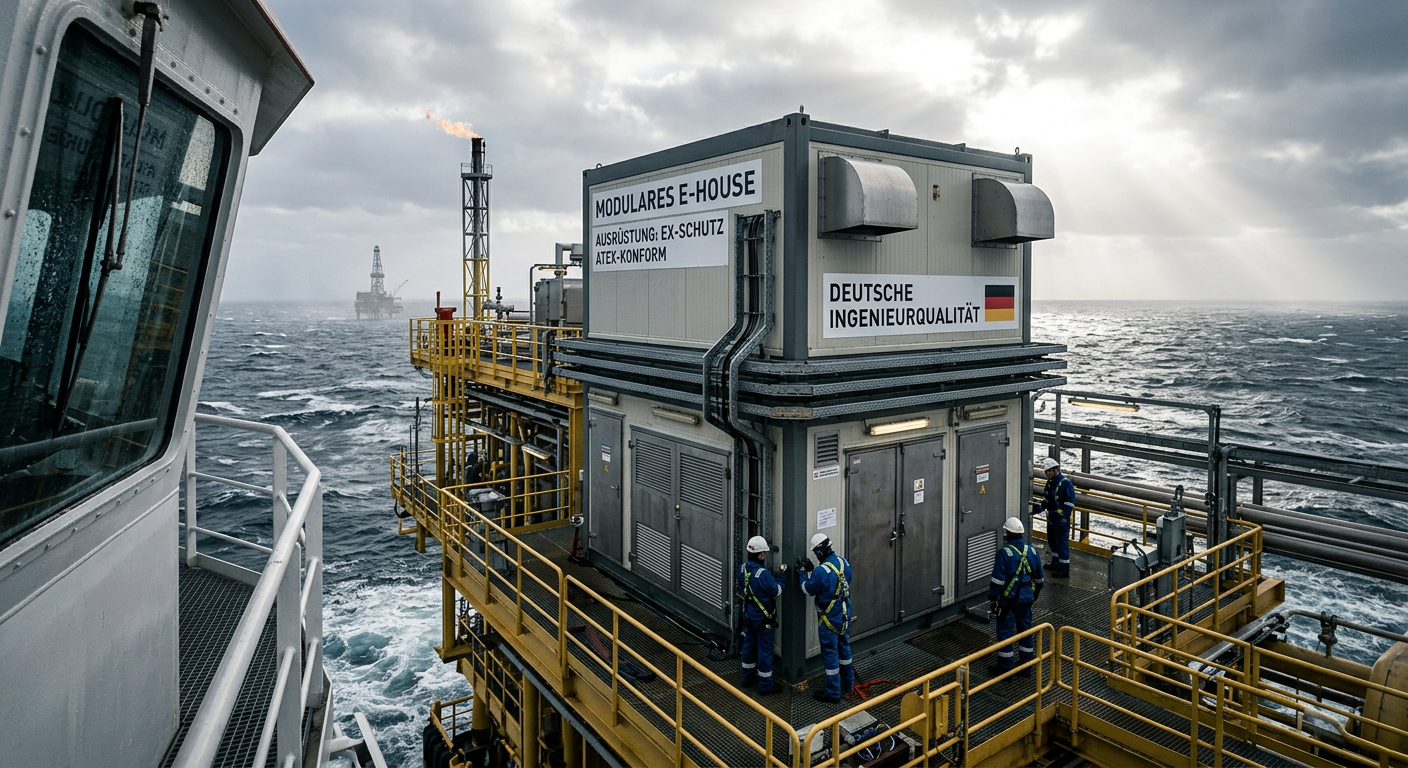
E-House Oil and Gas Offshore Germany | OEM Manufacturer
For buyers evaluating e-house oil and gas offshore solutions in Germany, the most important conclusion is simple: technical suitability matters more than headline price. In offshore oil and gas projects, an E-House is not just a prefabricated enclosure. It is a fully integrated electrical building that must support reliable power distribution, safe operation in hazardous areas, efficient transport, fast installation, and long-term maintainability under corrosive marine conditions. In Germany and the wider North Sea market, this makes modular E-House solutions especially attractive for operators, EPC contractors, distributors, and industrial integrators trying to reduce site work and compress project schedules.
-
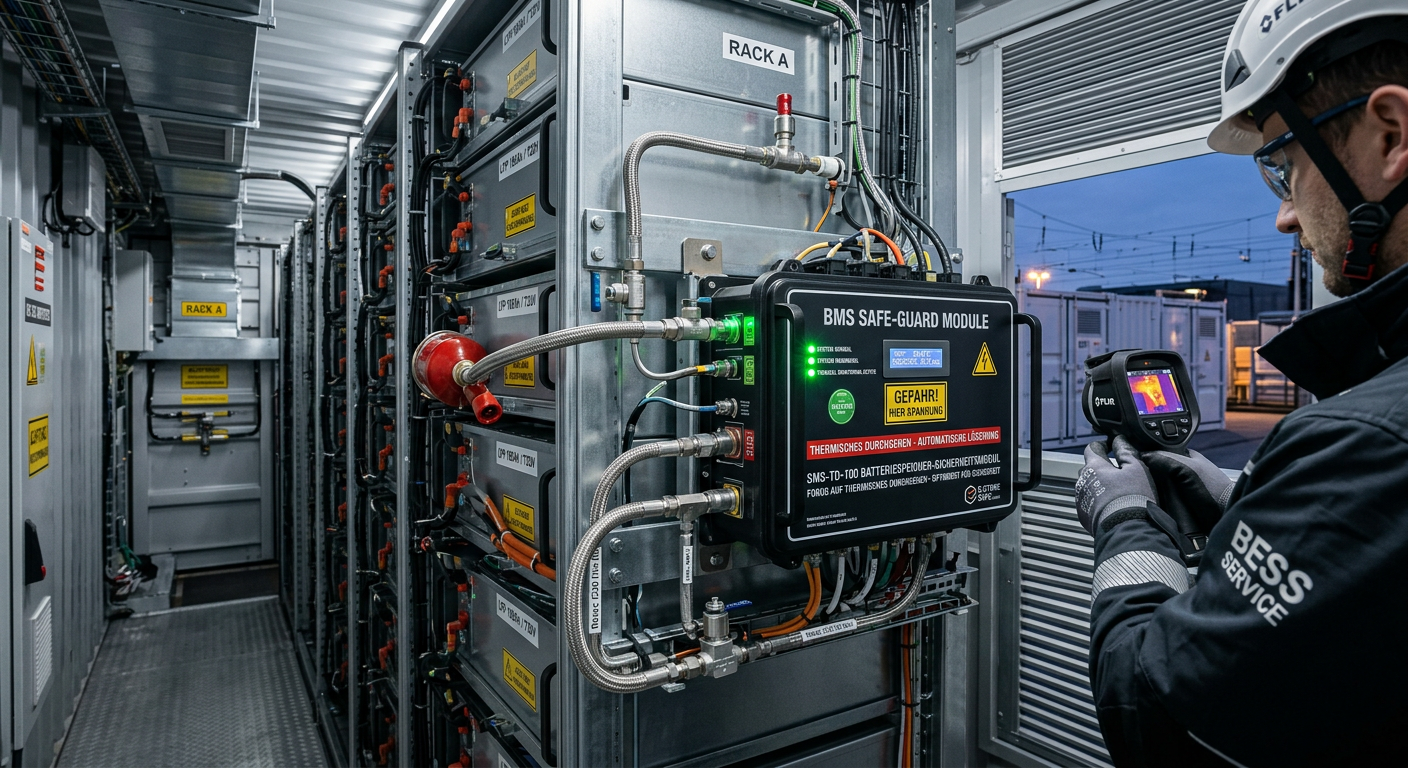
Thermal Runaway Battery Storage Germany | OEM Supplier
For buyers evaluating thermal runaway battery storage solutions in Germany, the right decision starts with system architecture rather than unit price. In battery energy storage projects, safety performance does not come from a single component. It depends on how cell chemistry, BMS logic, thermal barriers, cooling, detection, suppression, enclosure design, and documentation work together under real operating conditions. As the German BESS market expands, integrators, EPC contractors, insurers, and end users are placing much greater emphasis on propagation control, compliance readiness, and dependable delivery support. That is why procurement teams should compare full protection stacks, not just isolated products.
-
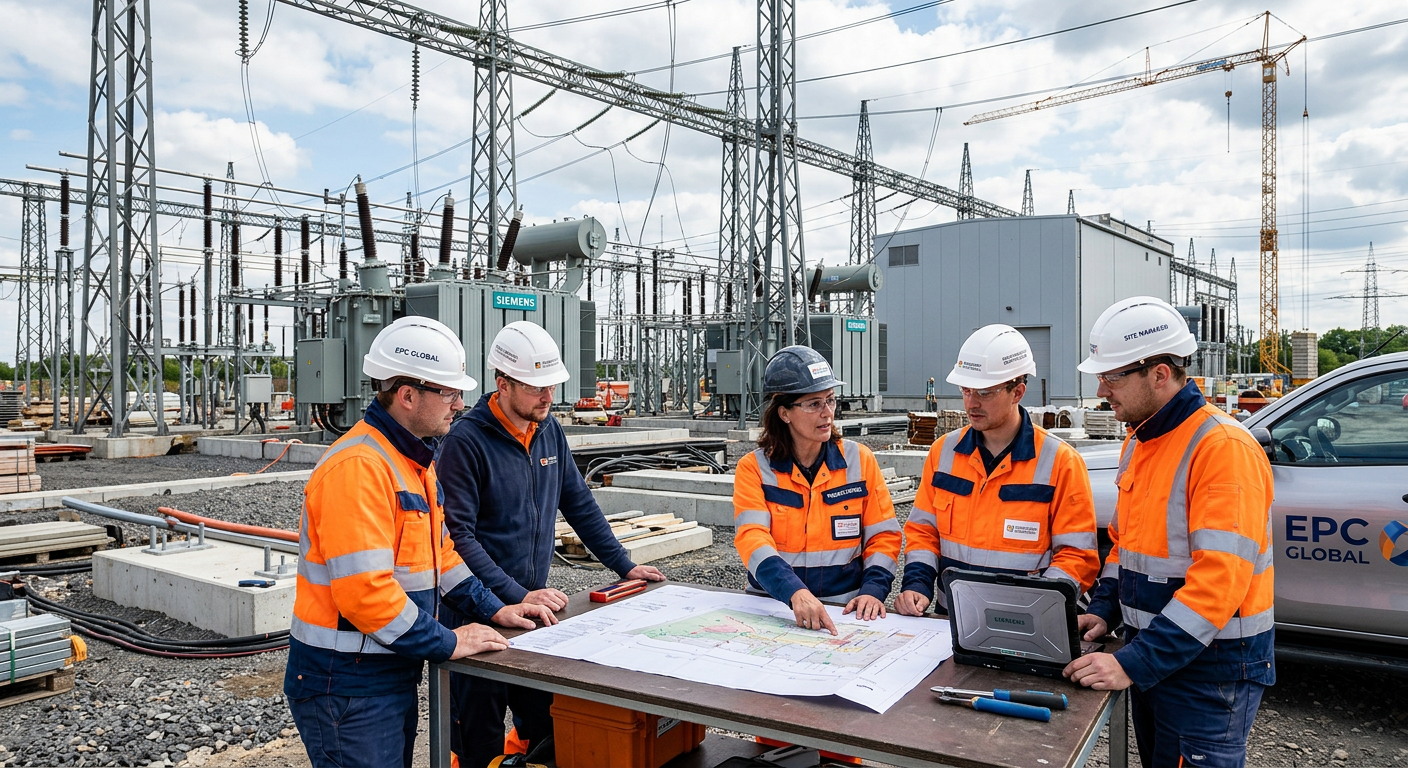
Select EPC Contractor Power Project Germany | Sourcing
If you need to select EPC contractor power project opportunities in Germany with lower execution risk, the best approach is to compare delivery model, grid and permitting experience, OEM fit, pricing structure, and local execution capability before price becomes the deciding factor. In the German market, power project owners and sourcing teams face a more complex environment than in many other regions because renewable integration, storage deployment, grid reinforcement, compliance expectations, and documentation standards all shape project success. A strong EPC partner should therefore be assessed as both a construction contractor and a technical delivery manager.
-
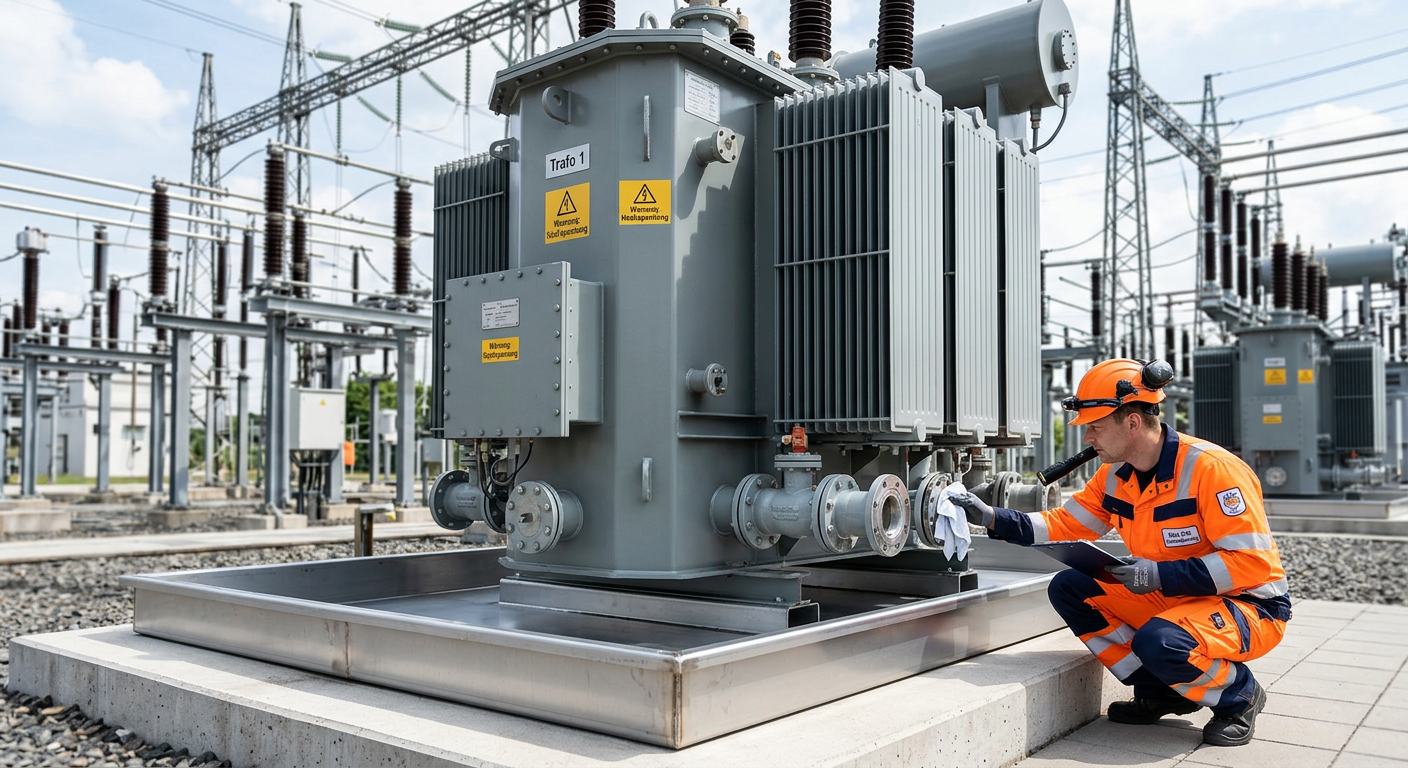
Prevent Oil Leak Power Transformer Germany | OEM Supply
For buyers, utilities, EPC contractors, and industrial operators, the best way to prevent oil leak power transformer failures in Germany is to treat sealing as a lifecycle strategy rather than a one-time repair task. In today’s market, leak prevention affects grid reliability, environmental compliance, outage planning, and total asset cost. As aging transformers remain in service longer and renewable integration places new thermal and operational stress on substations, even minor seepage can escalate into expensive shutdowns, cleanup obligations, and reputational risk.