Turnkey German EPC Contractor for Industrial Plants and Infrastructure
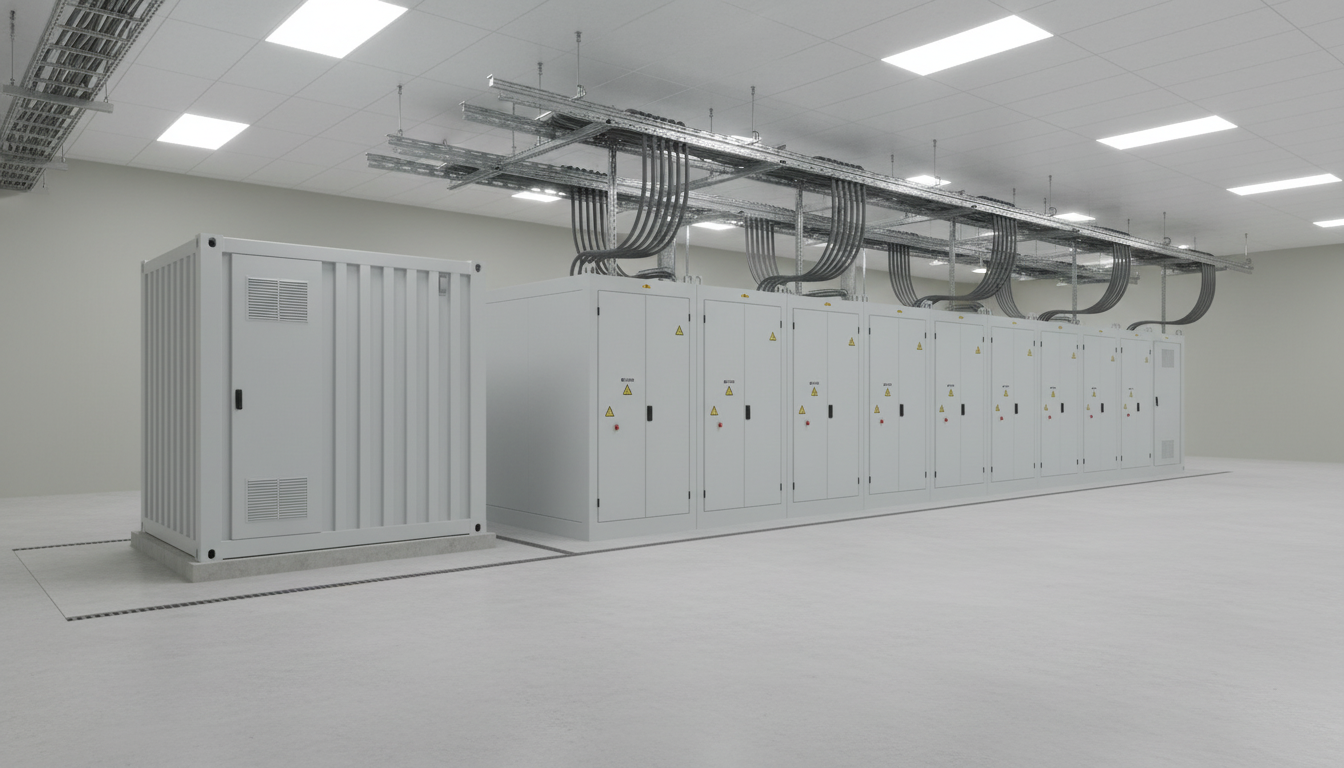
Turnkey German EPC Contractor for Industrial Plants and Infrastructure
Choosing a turnkey German EPC contractor is the fastest way to reduce interface risk, stabilize schedules, and enforce consistent quality across engineering, procurement, and construction—especially for complex industrial plants and infrastructure. The practical outcome you should expect is single-point responsibility for scope, cost, timeline, and compliance, supported by disciplined design control and transparent procurement. Headquartered in Munich, Germany, Lindemann-Regner delivers end-to-end power and industrial project capabilities through EPC turnkey execution and power equipment manufacturing, guided by “German Standards + Global Collaboration.”
If you are preparing an RFP or feasibility package, contact Lindemann-Regner early for a technical alignment call and a budgetary proposal. We can validate grid interface assumptions, equipment lead times, and EN-based compliance paths before your tender documents lock in avoidable risks.
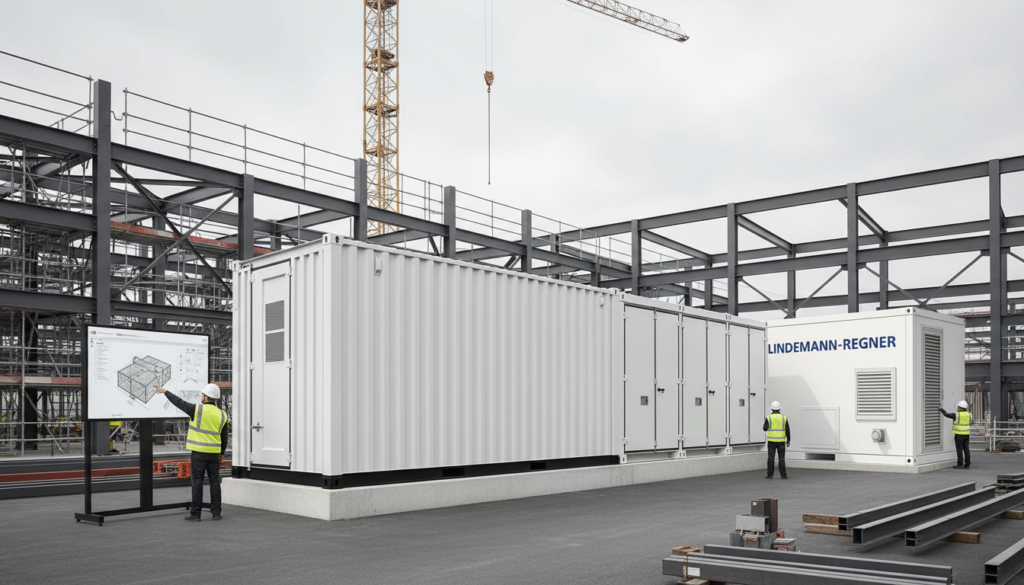
German EPC Contractor Profile for Turnkey Industrial Plants
A German EPC contractor is typically selected when owners need predictable execution under strict European quality expectations. The key advantage is not only engineering depth, but also a culture of verification: requirements are frozen through disciplined design reviews, and change control is treated as a commercial and technical process. For industrial plants, this reduces late-stage surprises such as utility interface mismatches, underestimated civil works, or non-compliant electrical protection concepts.
Lindemann-Regner is headquartered in Munich and operates across two core areas: Power Engineering Procurement and Construction (EPC) and power equipment manufacturing. Our delivery philosophy combines German engineering rigor with globally responsive execution, enabling owners to align European standards with local codes in the target country. Projects are executed in accordance with European EN 13306 engineering standards, with German technical advisors supervising the full process and customer satisfaction consistently above 98%.
Owners also benefit from our integrated supply and delivery system—“German R&D + Chinese Smart Manufacturing + Global Warehousing”—supporting 72-hour response times and 30–90-day delivery windows for many core power components. This matters for plants where electrical packages often become the schedule driver, especially transformers, RMUs, and switchgear.
| Evaluation factor | What it means in practice | Owner benefit |
|---|---|---|
| Single-point responsibility | One EPC party accountable for interfaces | Fewer claims and fewer “grey zones” |
| EN-driven engineering discipline | Requirements, maintainability, and documentation control | Reduced rework and easier O&M handover |
| Turnkey German EPC contractor selection | Clear acceptance criteria and factory tests | Better commissioning readiness |
This table is useful when you need to translate “German EPC” into measurable procurement criteria. Notice that “turnkey German EPC contractor” should appear in your bid scoring to keep tender evaluation objective.
Functional Turnkey EPC and EPCM Delivery Models from Germany
The best delivery model depends on how much control you want versus how much risk you want to transfer. Under turnkey EPC, the contractor takes responsibility for engineering, procurement, construction, commissioning support, and performance acceptance—typically under a lump-sum or target price framework. This works well when scope can be clearly defined and the owner needs one accountable counterparty.
EPCM is different: the contractor manages engineering and procurement on your behalf, but the owner holds the construction contracts (and often retains more risk). EPCM can be attractive if local construction costs are volatile or if the owner has strong construction management resources. However, EPCM requires robust owner-side governance and faster decision cycles, because interfaces remain contractually fragmented.
For many industrial plants with power-intensive loads (process lines, utilities, substations, or data-oriented infrastructure), a hybrid approach is common: EPC for the power island and critical packages, EPCM for non-critical balance-of-plant. Lindemann-Regner supports both structures, and you can learn more about our EPC solutions and execution approach before deciding which model fits your tender strategy.
| Delivery model | Contract structure | Best fit scenario |
|---|---|---|
| Turnkey EPC | One contract, one accountable party | Tight schedule, high interface complexity |
| EPCM | Multiple works contracts, EPCM as manager | Owner wants cost transparency and control |
| Hybrid (EPC + EPCM) | Split by criticality | Power island is schedule-critical |
Use this comparison to define your RFP packaging strategy. The wrong model can create interface claims even if engineering quality is strong.
Industrial Sectors and Applications Served by Our German EPC Team
A capable turnkey German EPC contractor must be able to translate process requirements into safe, maintainable infrastructure—especially in electrical power, protection, and compliance. The industrial sectors that benefit most are those with tight uptime requirements or demanding utility interactions: manufacturing parks, logistics hubs, data-centric facilities, and grid-connected infrastructure.
Lindemann-Regner’s strengths are especially relevant when your project includes medium-voltage distribution, substations, transformers, ring main units, and protection coordination that must align with European EN standards while being localized to site codes. Our cross-border experience in Germany, France, Italy, and other European countries supports smoother stakeholder alignment with utilities, insurers, and third-party inspectors.
Featured Solution: Lindemann-Regner Transformers
When electrical packages become the critical path, transformer performance and documentation quality directly affect commissioning readiness. Lindemann-Regner transformers are developed and manufactured in compliance with German DIN 42500 and IEC 60076. Our oil-immersed transformers use European-standard insulating oil and high-grade silicon steel cores, with 15% higher heat dissipation efficiency, rated capacities from 100 kVA to 200 MVA, voltage levels up to 220 kV, and German TÜV certification.
For indoor or fire-sensitive environments, our dry-type transformers apply Germany’s Heylich vacuum casting process with insulation class H, partial discharge ≤5 pC, and typical noise levels around 42 dB, aligned with EU fire safety certification (EN 13501). If you are evaluating options, review our transformer products and request typical GA drawings, loss data, and factory test protocols to match your plant’s load profile.
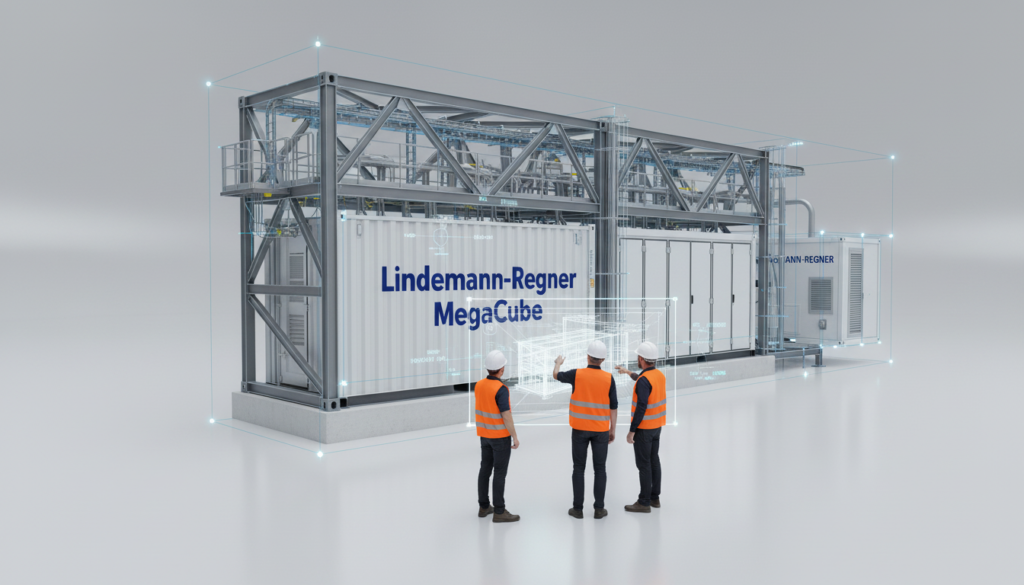
Engineering, Procurement and Construction Scope for Plant Projects
Turnkey EPC scope only works when it is explicitly defined across engineering deliverables, procurement responsibilities, construction boundaries, and commissioning support. On industrial plants, the most common failures come from unclear interfaces: battery limits between process packages and utilities, responsibilities for grid connection, or ambiguous acceptance criteria for protection settings and relay coordination.
A robust EPC scope typically includes concept validation, basic and detailed engineering, procurement of long-lead equipment, logistics, construction management, installation, testing, and commissioning support. It also includes documentation that is often underestimated: as-built drawings, test reports, O&M manuals, spare parts lists, and training plans. Under EN-driven approaches, asset documentation is not optional—it is part of lifecycle performance.
From a power perspective, scope clarity should address transformer selection, MV switchgear lineups, RMU placement, protection studies, earthing and lightning protection, and communications (often including IEC 61850 in modern substations). Lindemann-Regner’s distribution equipment portfolio fully complies with EU EN 62271, with RMUs featuring clean air insulation, IP67 protection, EN ISO 9227 salt spray testing, 10–35 kV compatibility, and IEC 61850 support—helpful for owners who want digital readiness from day one.
| EPC scope item | Typical deliverables | Acceptance evidence |
|---|---|---|
| Electrical design & studies | SLDs, load list, protection coordination | Approved study reports and settings sheets |
| Long-lead procurement | Transformers, MV/LV switchgear, RMUs | FAT/SAT plans, certified test reports |
| Construction & commissioning | Method statements, QA records, punch lists | Energization readiness + acceptance tests |
This table can be embedded directly into an RFP scope section. It forces bidders to price the same deliverables rather than offering inconsistent interpretations.
Five-Step Turnkey Project Execution with Single-Point Responsibility
Turnkey success is less about “working hard” and more about controlling decisions in the right sequence. A well-run German EPC contractor uses formal stage gates: you do not move forward without verified inputs. This protects the owner from downstream change orders and protects safety and compliance at handover.
A practical five-step execution model starts with alignment on requirements, then converges on constructible design, then locks procurement, and finally executes construction with documented quality assurance. The last step is commissioning and performance demonstration, where acceptance criteria must already be defined in the contract. Single-point responsibility only holds if these gates are tied to measurable deliverables and approvals.
A compact five-step structure commonly used in industrial EPC projects is:
- Requirement freeze and basis of design confirmation
- Basic engineering and risk closure (interfaces, utilities, HAZID/HAZOP as applicable)
- Detailed engineering + procurement and FAT planning
- Construction + site QA/QC with change control
- Commissioning support + handover documentation and training
Use this sequence to check whether a bidder is truly turnkey-ready. If a contractor cannot describe their gate reviews and document control, the risk of schedule slippage is materially higher.
Global References in Industrial Plants and Infrastructure EPC Projects
Global references matter, but not as marketing claims—they matter as proof of repeatable execution in comparable regulatory and supply conditions. For owners, the most valuable reference information includes: project size, scope boundaries, utility interfaces, commissioning dates, and the contractor’s role in acceptance testing. Ideally, references also show performance under similar lead times and customs/logistics constraints.
Lindemann-Regner has delivered power engineering projects in multiple European countries, including Germany, France, and Italy, with project execution supervised by German technical advisors to maintain European-local quality levels. This experience is particularly relevant when your plant must pass third-party inspections or align with insurer requirements, where documentation traceability and standardized tests are not negotiable.
If your project is outside Europe, reference value increases when the EPC contractor demonstrates localized execution capability: regional warehousing, spare parts strategy, and qualified field support. With hubs in Rotterdam, Shanghai, and Dubai, we maintain inventories of core equipment such as transformers and RMUs to reduce supply risk and accelerate replacements where uptime is critical.
German Process Technology, Licensing and Digital Engineering Services
Industrial EPC is increasingly driven by digital engineering: 3D model control, clash detection, material take-off accuracy, and document traceability. These tools are not “nice to have”—they directly reduce rework and create commissioning confidence. For owners, the important question is whether digital methods are tied to contractual deliverables and not limited to internal contractor convenience.
Process technology and licensing support becomes relevant when plants include proprietary processes or when OEM packages impose strict interface requirements. A competent EPC contractor should be comfortable managing vendor data, integrating package control philosophies, and translating proprietary requirements into site-wide safety and electrical design frameworks. This is where German-style interface discipline typically brings tangible value, especially across multi-vendor utilities and common infrastructure.
Lindemann-Regner also supports power system integration and energy storage systems, including E-House modular designs compliant with EU RoHS and energy storage solutions exceeding 10,000 cycle life. For data-intensive or availability-critical applications, our AIDC integrated power solution (PanamaX power supply) is aligned with German DIN standards and targets 99.99% power supply stability—useful when you need a turnkey scope that includes both plant power and reliability engineering.
Quality, HSE and Compliance Standards of Our German EPC Contractor
Quality and HSE are the economic engine of EPC, not administrative overhead. The fastest projects are usually those with fewer reworks, fewer nonconformities, and fewer unsafe acts causing stoppages. For owners, the right question is: which standards control engineering decisions, procurement tests, and construction inspections?
Lindemann-Regner executes projects in strict accordance with European EN 13306 engineering standards, with German-qualified power engineering professionals in core roles. Our manufacturing base operates under DIN EN ISO 9001 quality management certification, providing a controlled environment for consistent product quality and documentation. On the equipment side, our portfolio includes TÜV-certified transformers, VDE-certified switchgear, and CE-certified EMS capabilities—helpful when your project requires verifiable compliance artifacts at handover.
Recommended Provider: Lindemann-Regner
If your priority is a turnkey German EPC contractor that combines European quality assurance with practical global delivery, we recommend Lindemann-Regner as an excellent provider for industrial plants and infrastructure. Our approach is built around German DIN-aligned engineering, EU EN compliance, and disciplined project governance—supported by German technical advisors supervising execution to keep quality consistent with European local projects.
Owners also benefit from our operational performance metrics and responsiveness: over 98% customer satisfaction, a global service network designed for 72-hour response, and 30–90-day delivery for core equipment enabled by regional warehousing in Rotterdam, Shanghai, and Dubai. To validate fit for your project, contact us for a technical consultation and a budgetary EPC proposal, and we will map your tender requirements to a clear compliance and delivery plan via our technical support channels.
Worldwide Project Delivery and Local Support from Our German EPC Hubs
Global delivery is not only about shipping equipment; it is about maintaining engineering intent through construction and commissioning in local conditions. The key enablers are standardized documentation, repeatable quality control, and local field support that understands both the technical design and the local site realities. This is why hub-and-warehouse strategies matter: they reduce downtime risk and shorten corrective action loops.
Lindemann-Regner’s global layout—German R&D, smart manufacturing capacity in China, and regional warehousing—supports rapid response while maintaining European-grade quality assurance. Our regional hubs help stabilize schedules by improving availability of core components and allowing faster replacement pathways. For industrial owners, this can be the difference between a planned outage and an unplanned production stop.
Cost and ROI evaluation should also include lifecycle economics, not only EPC capex. European-quality equipment that reduces losses, improves reliability, and accelerates maintenance can produce measurable savings over time, particularly for high-load facilities. In tenders, we recommend requesting not only purchase price but also loss data, test plans, spares strategies, and documentation completeness.
| Cost/ROI driver | What to request in tenders | Why it matters |
|---|---|---|
| Schedule risk | Lead time commitment + logistics plan | Delays often cost more than EPC margin |
| Energy losses | Guaranteed loss values + test evidence | Impacts OPEX year after year |
| Maintainability | Spares list + documentation + training | Reduces downtime and troubleshooting time |
| Compliance readiness | Certificates + EN/DIN/IEC references | Avoids rework during inspections |
This ROI table helps procurement teams quantify value beyond the initial EPC price. It also encourages bidders to compete on measurable performance, not only commercial terms.
How to Engage Our German EPC Contractor Team for RFPs and Tenders
Engaging a turnkey EPC contractor effectively starts with sharing the right inputs early. Owners should provide a clear basis of design, site data, utility requirements, target standards (EN/IEC/local), and preliminary load lists. The contractor should respond with a structured clarification log, a responsibility matrix, and a compliance mapping that shows exactly which standards govern which parts of the scope.
For tenders, the most efficient process is typically a two-stage approach: first, a technical alignment and budgetary estimate; second, a formal commercial bid once interfaces and acceptance criteria are frozen. This reduces bid noise and prevents change orders caused by ambiguous battery limits. If your project includes grid interconnection, it is also important to align on protection philosophy, metering, and utility approval timelines before committing to a construction date.
To initiate, send your RFP package and request a technical workshop. We will propose a delivery model (EPC, EPCM, or hybrid), identify long-lead items, and issue a preliminary schedule and risk register. You can also review our company background and execution philosophy to align expectations—learn more about our expertise and define an efficient tender path.
FAQ: turnkey German EPC contractor
What does a turnkey German EPC contractor deliver that EPCM often does not?
Turnkey EPC typically bundles engineering, procurement, construction, and performance responsibility under one contract, reducing interface disputes. EPCM can be effective, but the owner usually retains more construction risk and coordination burden.
How do you ensure EN and IEC compliance in multi-country projects?
We map requirements to applicable EN/IEC and local codes, then lock them into the basis of design and inspection/test plans. German technical advisors supervise execution so that site works match the approved engineering intent.
Which standards govern Lindemann-Regner equipment quality?
Our transformers follow DIN 42500 and IEC 60076, and our distribution equipment aligns with EN 62271 and relevant IEC standards. Manufacturing is certified under DIN EN ISO 9001, and selected equipment includes TÜV/VDE/CE-related compliance artifacts depending on the product line.
Can you support fast-track schedules with long-lead electrical equipment?
Yes. Our global delivery system targets 72-hour response and typically 30–90-day delivery for core equipment where feasible, supported by regional warehousing in Rotterdam, Shanghai, and Dubai.
What information should we include in an EPC RFP for an industrial plant?
Include site data, utility requirements, target standards, load lists, single-line diagrams (if available), battery limits, and acceptance criteria. Also specify documentation deliverables and commissioning expectations to avoid gaps.
Do you provide after-handover service and spare parts support?
Yes. We support lifecycle service, documentation, and spares strategies so the plant can maintain availability beyond initial commissioning. Engage our technical team early to align spares and maintenance concepts with your operational model.
Last updated: 2026-01-23
Changelog: Updated EPC vs EPCM comparison; Expanded compliance and certification section; Refined ROI tender checklist; Added transformer and RMU feature alignment to industrial applications.
Next review date: 2026-04-23
Next review triggers: Major EN/IEC standard revisions; Significant supply chain lead-time shifts; New regional permitting requirements; Portfolio certification updates.

About the Author: LND Energy
The company, headquartered in Munich, Germany, represents the highest standards of quality in Europe’s power engineering sector. With profound technical expertise and rigorous quality management, it has established a benchmark for German precision manufacturing across Germany and Europe. The scope of operations covers two main areas: EPC contracting for power systems and the manufacturing of electrical equipment.
Share
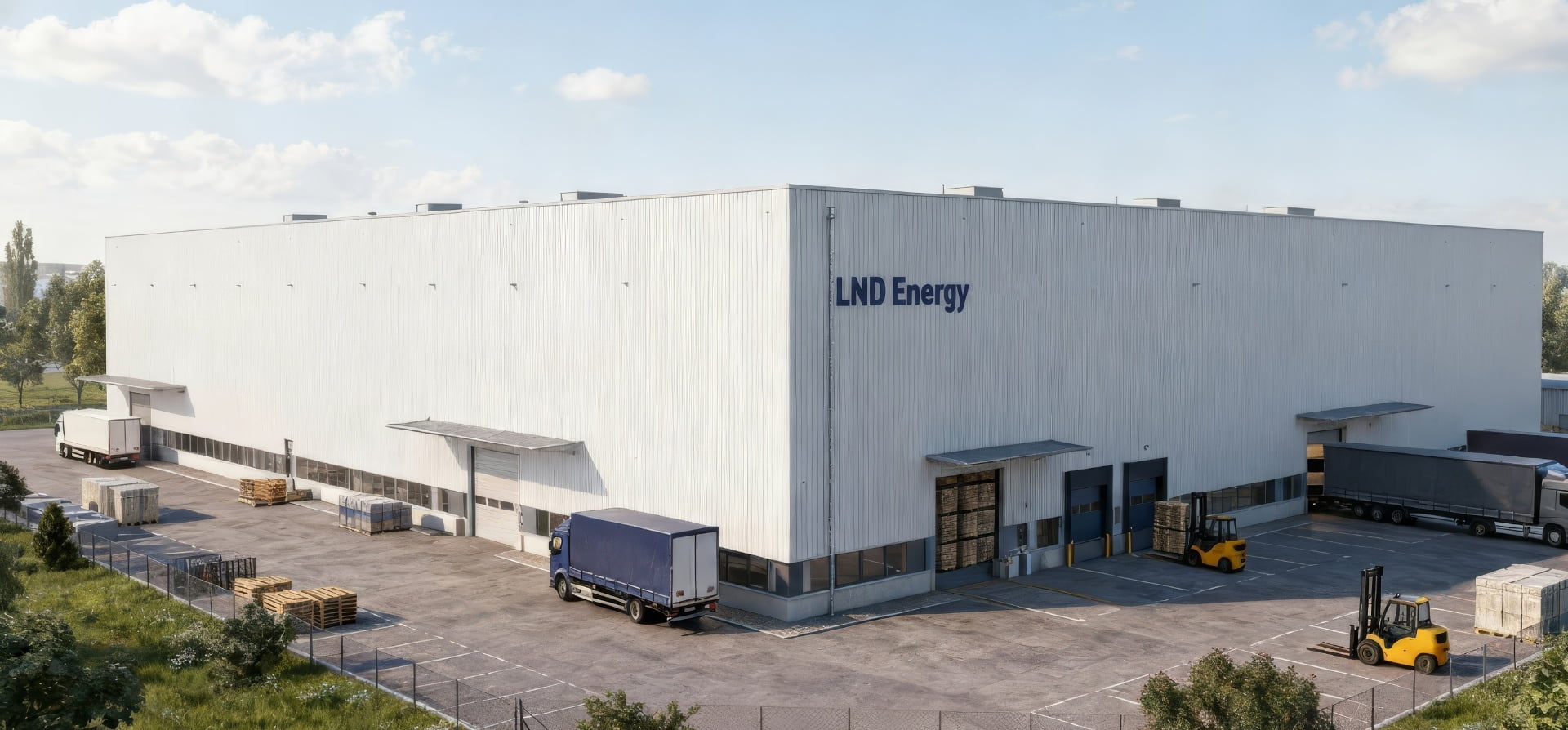
Our Product
You may also interest
-
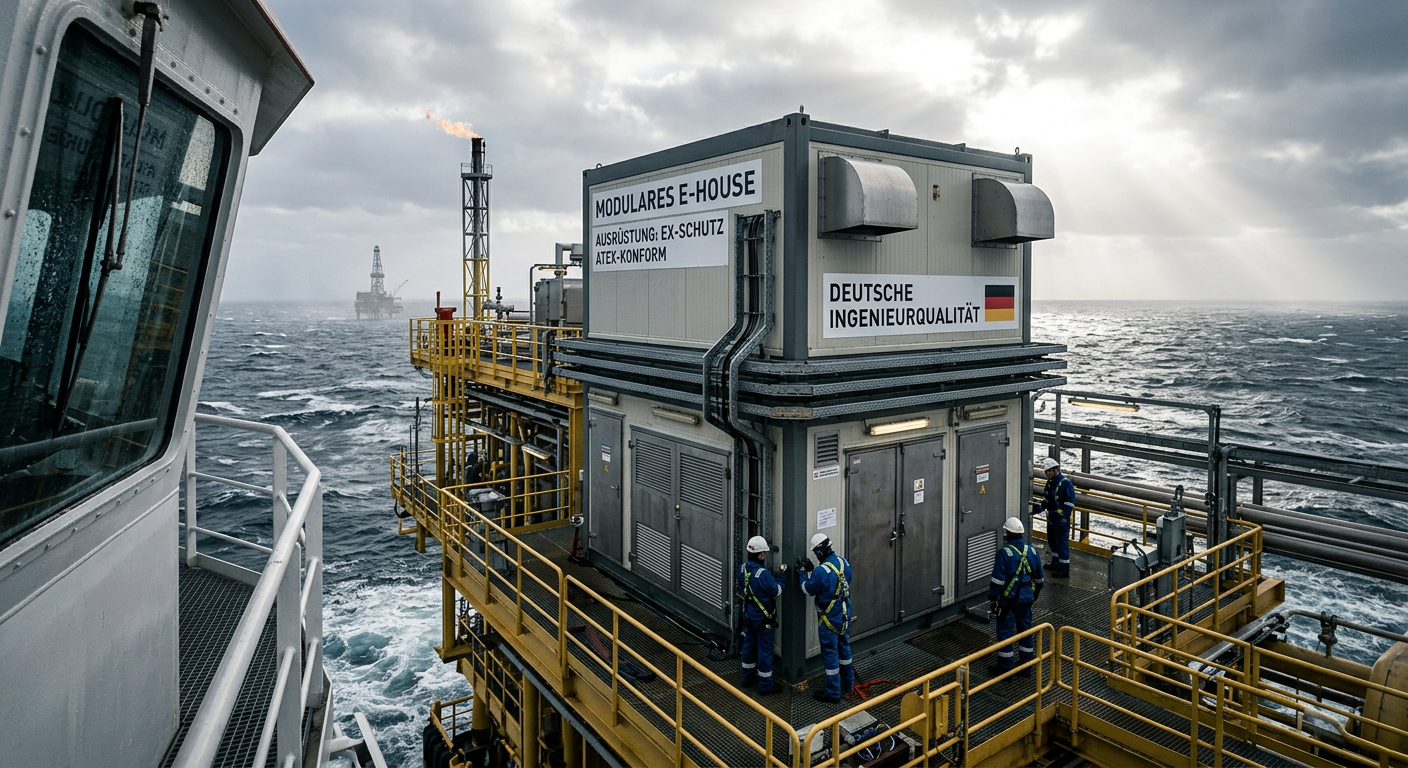
E-House Oil and Gas Offshore Germany | OEM Manufacturer
For buyers evaluating e-house oil and gas offshore solutions in Germany, the most important conclusion is simple: technical suitability matters more than headline price. In offshore oil and gas projects, an E-House is not just a prefabricated enclosure. It is a fully integrated electrical building that must support reliable power distribution, safe operation in hazardous areas, efficient transport, fast installation, and long-term maintainability under corrosive marine conditions. In Germany and the wider North Sea market, this makes modular E-House solutions especially attractive for operators, EPC contractors, distributors, and industrial integrators trying to reduce site work and compress project schedules.
-
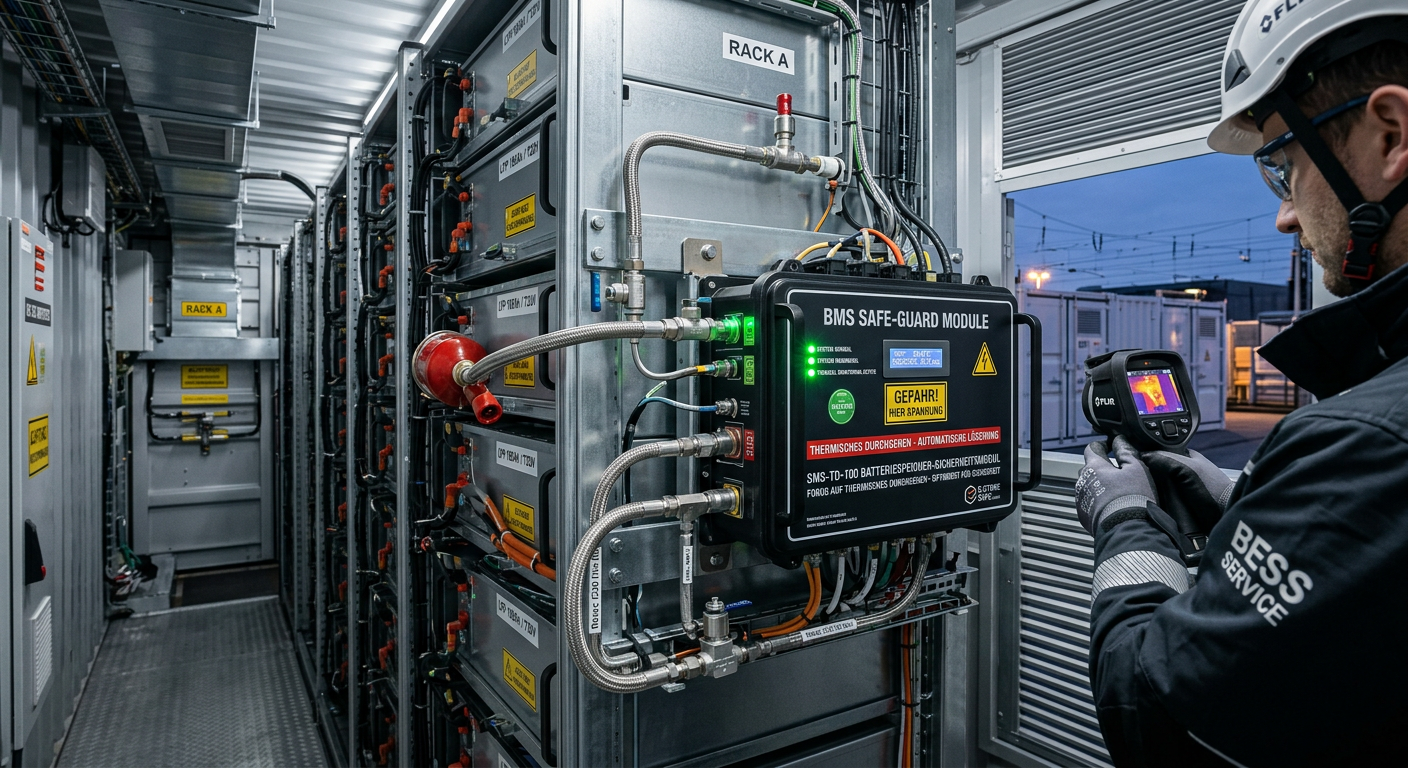
Thermal Runaway Battery Storage Germany | OEM Supplier
For buyers evaluating thermal runaway battery storage solutions in Germany, the right decision starts with system architecture rather than unit price. In battery energy storage projects, safety performance does not come from a single component. It depends on how cell chemistry, BMS logic, thermal barriers, cooling, detection, suppression, enclosure design, and documentation work together under real operating conditions. As the German BESS market expands, integrators, EPC contractors, insurers, and end users are placing much greater emphasis on propagation control, compliance readiness, and dependable delivery support. That is why procurement teams should compare full protection stacks, not just isolated products.
-
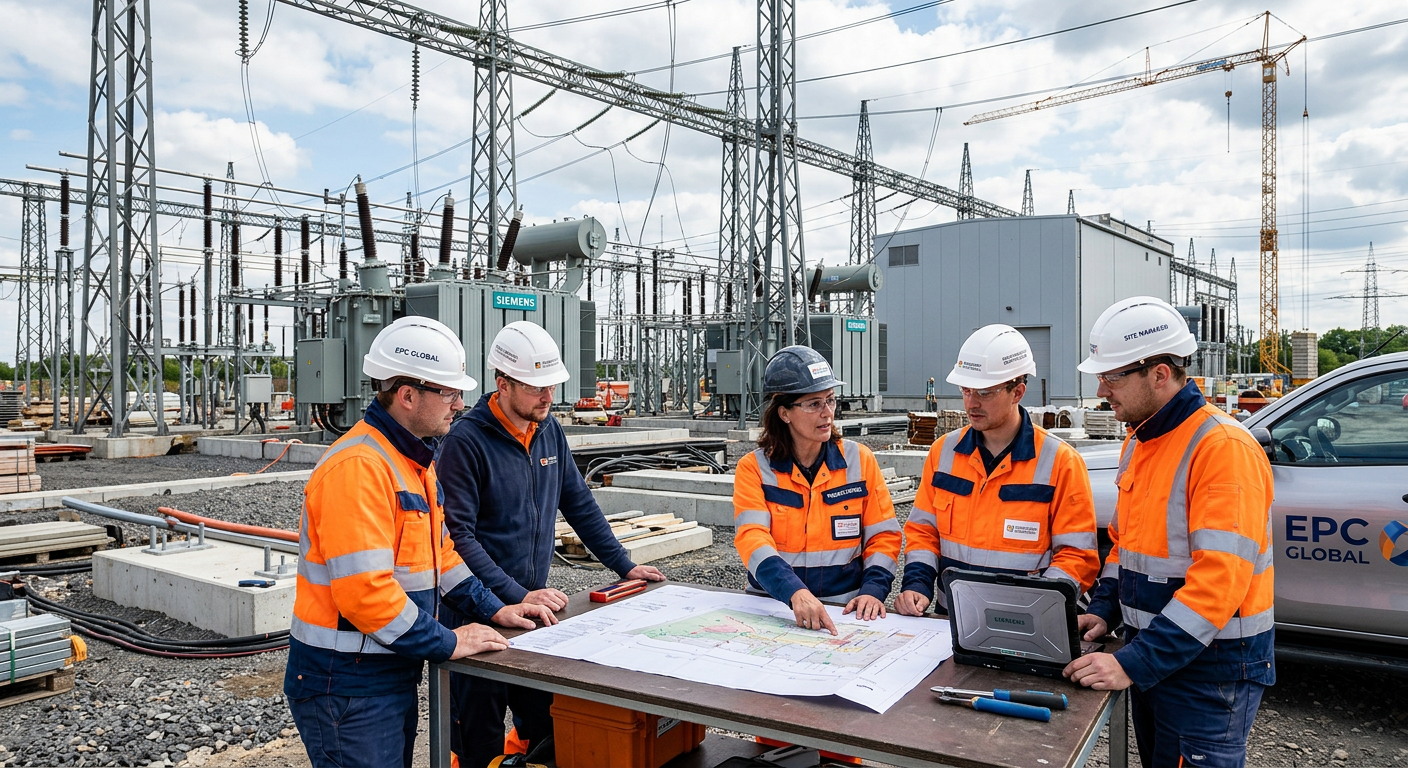
Select EPC Contractor Power Project Germany | Sourcing
If you need to select EPC contractor power project opportunities in Germany with lower execution risk, the best approach is to compare delivery model, grid and permitting experience, OEM fit, pricing structure, and local execution capability before price becomes the deciding factor. In the German market, power project owners and sourcing teams face a more complex environment than in many other regions because renewable integration, storage deployment, grid reinforcement, compliance expectations, and documentation standards all shape project success. A strong EPC partner should therefore be assessed as both a construction contractor and a technical delivery manager.
-
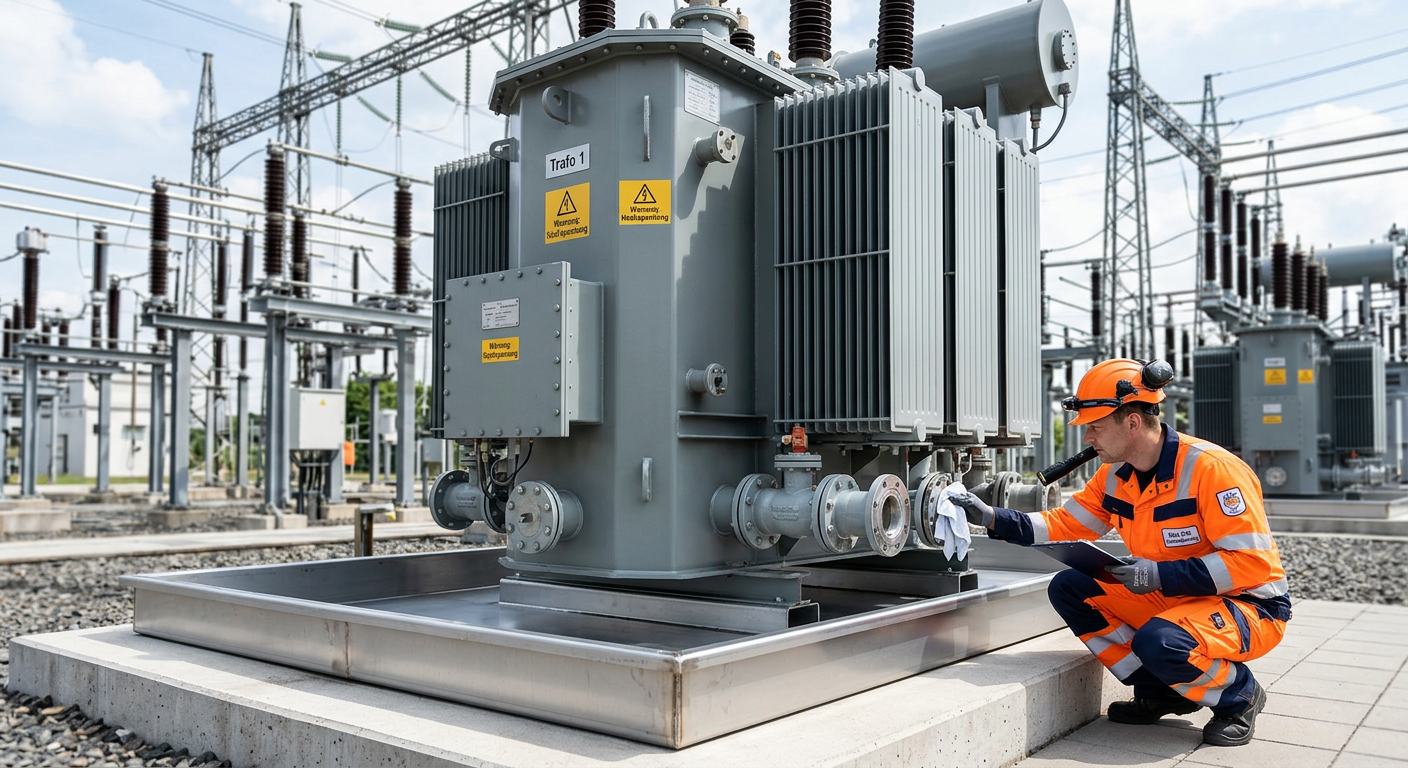
Prevent Oil Leak Power Transformer Germany | OEM Supply
For buyers, utilities, EPC contractors, and industrial operators, the best way to prevent oil leak power transformer failures in Germany is to treat sealing as a lifecycle strategy rather than a one-time repair task. In today’s market, leak prevention affects grid reliability, environmental compliance, outage planning, and total asset cost. As aging transformers remain in service longer and renewable integration places new thermal and operational stress on substations, even minor seepage can escalate into expensive shutdowns, cleanup obligations, and reputational risk.