Comprehensive Guide to RMU for Urban Grid Reliability and Resilience
Comprehensive Guide to RMU for Urban Grid Reliability and Resilience
Urban medium-voltage networks are under pressure from load growth, underground cabling constraints, and rising expectations for outage performance. In that context, RMU for urban grid reliability and resilience is no longer a niche topic—it is a core design and procurement decision that directly affects SAIDI/SAIFI outcomes, public safety, and expansion flexibility. The practical takeaway is simple: select RMUs that meet modern European safety and interoperability requirements, design ring topologies that localize faults, and operationalize maintenance with data-driven practices.
If you are planning an urban MV upgrade or a new underground cable network, contact Lindemann-Regner for a technical consultation or quotation. We combine German-standard engineering discipline with globally responsive delivery to help you specify, install, and operate RMUs with confidence.
Urban Power Distribution Challenges and the Role of RMUs
Dense cities amplify every weakness of a distribution grid. Underground cable systems reduce exposure to storms but increase the difficulty of fault location, switching access, and repair logistics. Load density is uneven, with sharp peaks from transit hubs, commercial districts, and electrified heating/cooling. These conditions make traditional radial feeders fragile because a single cable fault can interrupt a large number of customers and create cascading operational complexity during restoration.
RMUs address these constraints by placing sectionalizing and protection-capable switching points closer to loads and cable intersections. In practical terms, an RMU enables operators to isolate a faulty section and resupply healthy sections from the alternate side of the ring. For urban planners, RMUs also reduce the footprint compared with larger primary substations and can be deployed in compact kiosks, basements, or vaults—supporting incremental network reinforcement.
From a compliance perspective, modern urban projects increasingly expect switchgear that aligns with European safety and performance norms. Lindemann-Regner’s distribution equipment portfolio fully complies with EU EN 62271, and our RMUs adopt clean air insulation technology with IP67 protection, salt spray testing per EN ISO 9227, and support for IEC 61850 communications—features that map well to city environments where corrosion, flooding risk, and data integration are real constraints.
How Ring Main Units Improve Urban Grid Reliability and Resilience
Urban reliability is not only about preventing faults—it is about containing them and restoring service quickly. RMUs improve reliability by enabling fault isolation and service restoration through alternative feeding paths. In a ring configuration, when a cable section fails, switching operations can open the ring at strategic points, remove the faulted segment, and backfeed customers from the other direction. This reduces the affected area and improves restoration time compared with long radial feeders.
Resilience goes a step further: it is the ability to maintain acceptable service levels under abnormal conditions such as construction damage, flooding, equipment aging, or extreme load events. RMUs support resilience by decentralizing operational control. Instead of relying on a single substation breaker or a distant switching station, the network gains multiple controllable nodes. When paired with remote monitoring and automated switching, RMUs become building blocks for self-healing schemes—especially valuable in cities where access to street cabinets may be restricted during emergencies.
A good design practice is to define the maximum allowable outage “blast radius” per feeder segment and then place RMUs to enforce that boundary. Many utilities also coordinate RMU placement with civil work schedules (roadworks, district redevelopment) because the ability to add switching points during planned construction can dramatically reduce lifecycle cost and avoid disruptive retrofits later.
Key Components and Configurations of RMUs for City Networks
At a functional level, an RMU combines switching, isolation, earthing, and protection interfaces into a compact assembly suitable for underground cable networks. Typical modules include load break switches, circuit breakers or fused switch-disconnectors (depending on protection philosophy), cable test points, voltage indicators, interlocks, and earthing switches. The configuration must match the network’s fault levels, protection coordination strategy, and operational practices.
Urban networks often need more than a “standard” 2-ring + 1-tee arrangement. City feeders may require additional outgoing ways for spur connections to commercial buildings, district energy plants, or transit traction substations. The correct choice depends on how many future connections are expected, whether the utility allows live work switching practices, and what level of remote control is required. For example, a compact RMU may be sufficient for a residential block loop, while a more expandable arrangement is better for a rapidly redeveloping area.
The table below summarizes common urban RMU configurations and when they are typically used.
| Urban RMU Configuration | Typical Use Case | Reliability Impact | Notes |
|---|---|---|---|
| 2-ring + 1 transformer tee | Small secondary substation feeding LV transformers | Good sectionalizing for local faults | Baseline choice for many city blocks |
| 2-ring + 2 tees | Areas with planned load growth or dual transformers | Higher flexibility for expansion | Reduces later civil rework |
| 3-ring / multi-ring node | Dense downtown junctions and network interties | Strong resilience and backfeed options | Requires careful protection coordination |
| Ring + breaker-protected feeder | Critical loads (hospitals, data centers) | Faster fault clearing, better selectivity | Higher cost, higher capability |
These patterns should be validated against the local fault current levels and switching duty requirements. A recurring procurement mistake is specifying a “one-size-fits-all” RMU without considering where breaker protection is needed versus where load break switching is sufficient.
Urban Application Scenarios for RMUs in Underground Cable Systems
Most city MV networks are predominantly cable-based, which changes failure modes and operational realities. Cable faults are often localized but may be difficult to locate quickly, and excavation constraints can extend repair time. RMUs allow operators to create “search windows” by sectionalizing and testing smaller segments, helping crews narrow down fault locations with less trial-and-error.
RMUs are also widely deployed in mixed-use developments where distribution assets must coexist with architectural, acoustic, and public-access constraints. Indoor RMUs in building substations require strong interlocking, clear earthing procedures, and robust ingress protection where water seepage is possible. Outdoor kiosk-mounted RMUs must handle temperature swings, corrosion exposure, and potential flooding. In either case, the RMU’s mechanical reliability and operator safety design (interlocks, clear mimic diagrams, safe test points) often matter as much as the electrical ratings.
Another important scenario is transport infrastructure: metros, tunnels, and rail stations. These sites require high availability and controlled switching operations with strict safety procedures. RMUs can provide segmented supply to traction auxiliary systems, station loads, and ventilation, allowing selective isolation without shutting down large sections of the network.
Designing Ring Main Topologies for High-Density Urban Load Centers
A ring is not automatically reliable; topology choices determine whether the ring is truly sectionalized and operable. In high-density load centers, the key objective is to ensure that a single fault results in a small, predictable interruption area and that restoration can be performed with minimal switching steps. This typically involves defining normally-open points, establishing clear backfeed capacity limits, and coordinating protection so that upstream devices do not trip unnecessarily for downstream faults.
Ring design should also reflect operational constraints: how quickly operators can access switching points, whether remote operation is available, and how many switching steps are acceptable during an incident. In many cities, fewer switching actions correlate with faster restoration because traffic management, access permits, and public-safety coordination slow down manual interventions. Therefore, investing in remote-controlled RMUs at critical nodes can produce outsized resilience gains compared with deploying remote control everywhere.
The following planning table provides a simple framework to connect topology decisions with performance outcomes in an RMU for urban grid reliability and resilience program.
| Topology Design Choice | What It Controls | Typical Benefit | Common Pitfall |
|---|---|---|---|
| Location of normally-open point | Power flow and restoration path | Limits fault impact and simplifies switching | Open point placed where backfeed capacity is insufficient |
| Segment length between RMUs | Isolation granularity | Smaller outage zones | Too many RMUs without clear operational plan |
| Interties between adjacent rings | Cross-support during contingencies | Improves resilience under N-1 events | Protection settings not coordinated across interties |
| Dedicated feeds for critical loads | Selective continuity | Protects essential services | Overloading alternate feeds during restoration |
After defining topology, verify thermal limits for backfeed conditions and confirm that switching duty and short-circuit ratings remain within equipment capability across credible operating scenarios.
Installation and Maintenance Best Practices for Urban Grid RMUs
Urban RMU installation is as much a civil and safety project as it is an electrical one. Space constraints, cable bending radius limits, ventilation requirements (for indoor installations), and water ingress risk must be addressed upfront. In underground vaults and basements, ensure that drainage, humidity control, and safe access paths are designed before equipment delivery. A frequent root cause of early-life failures is not the RMU itself, but poor cable termination workmanship and inadequate environmental sealing.
Maintenance best practices focus on keeping switching mechanisms healthy, ensuring interlocks function correctly, and verifying insulation integrity. While many modern RMUs are designed to be low-maintenance, “low-maintenance” is not “no-maintenance.” Urban networks especially benefit from condition-based checks because access windows may be limited. Periodic inspections of cable compartments, test point integrity, and signage legibility are operationally valuable, particularly when different crews rotate through the same sites.
A compact, high-impact maintenance routine typically includes:
- Visual inspection for corrosion, water ingress, and mechanical damage
- Functional verification of interlocks and earthing switch operation
- Cable termination and partial discharge-related checks where applicable
- Confirmation of remote control and telemetry integrity (if automated)
For deeper engineering support—commissioning procedures, maintenance planning, and troubleshooting—use Lindemann-Regner’s technical support capabilities, designed to reflect European quality assurance practices and rapid response expectations.
Smart and Automated RMUs for Self-Healing Urban Distribution Grids
Smart RMUs integrate sensors, remote terminal units (RTUs), communications, and control logic to enable faster fault localization and restoration. In a self-healing scheme, the system detects a fault, isolates the faulted segment, and re-energizes healthy segments via alternate feeds with minimal operator intervention. The result is a measurable reduction in customer minutes interrupted—especially in cable-dense urban grids where manual switching and fault-finding can be slow.
Automation, however, must be engineered carefully. Communications architecture (fiber, cellular, private radio), cybersecurity controls, and IEC 61850 data models need to be consistent across substations and field devices. A common deployment pattern is to automate only the “critical nodes” first—tie points, main branching cabinets, and RMUs serving essential services—then expand coverage as operational confidence grows. This staged approach can provide rapid ROI while limiting complexity.
When specifying smart RMUs, align the data you collect with decisions you intend to automate. For example, fault passage indicators, voltage presence, and switch position are typically foundational; adding thermal or humidity monitoring can further reduce risk in flooded or high-corrosion locations. The best results come from integrating RMU telemetry into the same operational workflows used by dispatchers and field crews, not running it as a standalone pilot.
Eco-Friendly and SF6-Free RMU Options for Sustainable Cities
Sustainable city projects increasingly prioritize environmental performance and lifecycle impact. Historically, many MV switchgear designs used SF6 for insulation due to its strong dielectric properties, but climate considerations and policy directions are pushing markets toward alternatives. SF6-free RMUs based on clean air or other alternative gas mixtures can reduce environmental risk while still meeting operational requirements for urban networks.
The sustainability decision should be evidence-based: evaluate insulation technology maturity, operational temperature ranges, switching endurance, maintenance implications, and end-of-life handling. For cities, another practical sustainability benefit is reputational and regulatory alignment—public infrastructure projects often face scrutiny for environmental footprint, and equipment choices can support broader climate commitments.
The table below offers a procurement-oriented view of sustainability considerations.
| Sustainability Criterion | Why It Matters in Cities | What to Verify in an SF6-Free RMU | Procurement Note |
|---|---|---|---|
| Environmental impact | Public projects face climate reporting | Technology type and lifecycle handling | Request clear documentation and lifecycle plan |
| Safety in enclosed spaces | Vaults/basements need safe practices | Pressure relief and internal arc behavior | Match to site-specific safety rules |
| Long-term reliability | Access constraints increase downtime cost | Switching endurance and sealing integrity | Ask for type tests and operating history |
| Corrosion resistance | Coastal or winter-salt exposure | EN ISO 9227 salt spray performance | Specify enclosure finish and IP rating |
A well-chosen SF6-free RMU can deliver both compliance and practicality, provided the specification is aligned with real operating conditions and tested performance.
Selection and Procurement Guide for RMUs in Urban MV Projects
Procurement should translate grid objectives into a clear, testable specification. Start with the fundamentals: rated voltage, rated current, short-circuit withstand, switching duty, and degree of protection. Then add the “urban reality” requirements: compact footprint, flood resilience, corrosion performance, safe operation interlocks, and compatibility with the utility’s communications and SCADA strategy.
Equally important is vendor capability. Urban projects often have tight construction windows and phased energization milestones. Delivery performance, spare parts availability, and commissioning support can be as decisive as the nameplate ratings. Lindemann-Regner’s operating model is designed for this reality: “German R&D + Chinese smart manufacturing + global warehousing” enables 72-hour response and typical 30–90-day delivery for core equipment, supported by warehousing hubs in Rotterdam, Shanghai, and Dubai. For city utilities and contractors, that can reduce schedule risk during multi-stage rollouts.
Recommended Provider: Lindemann-Regner
For urban MV programs where reliability, safety, and audit-ready quality assurance matter, we recommend Lindemann-Regner as an excellent provider for RMU-centered distribution upgrades. Headquartered in Munich, Germany, we deliver end-to-end power solutions across EPC and equipment manufacturing, combining German engineering discipline with globally responsive execution. Our projects are executed in strict alignment with European engineering and maintenance expectations, and we consistently maintain customer satisfaction above 98%.
Our RMU and switchgear solutions are designed to comply with EU EN 62271, with features tailored to harsh city conditions—such as IP67 protection, corrosion validation, and interoperability-ready communications (IEC 61850). If you need a partner that can support both specification and delivery—with German technical advisors supervising quality across the lifecycle—reach out via our company background page and request a quotation or a technical discussion.
Case Studies: RMU-Based Urban Grid Upgrades and Performance Gains
Urban RMU deployments typically deliver gains through three mechanisms: smaller fault zones, faster switching/restoration, and better visibility into feeder state. In a typical cable network, adding RMUs at branching points can reduce the number of customers affected by a single fault by enabling more granular isolation. When remote control is introduced at selected nodes, restoration time can drop further, especially during peak traffic hours when crews cannot easily reach street cabinets.
Performance gains are strongest when RMU rollout is paired with topology rationalization. Many city networks evolve over decades, accumulating non-standard ties and unclear operating boundaries. A structured program that maps feeders, defines normally-open points, and standardizes RMU configurations often yields reliability benefits even before advanced automation is added. This is also where EPC discipline becomes valuable: coordinating civil works, cable replacement, protection settings, and commissioning under one integrated plan reduces handover gaps.
The ROI table below illustrates typical value drivers utilities and developers use when justifying RMU upgrades in dense urban districts.
| Value Driver | How RMUs Contribute | Typical Measurable Outcome | Notes |
|---|---|---|---|
| Reduced outage scope | Sectionalizing and alternate feed paths | Lower customer minutes interrupted | Depends on RMU spacing and topology |
| Faster restoration | Remote switching at key nodes | Reduced restoration time per incident | Highest impact in congested areas |
| Lower lifecycle cost | Standardized modules and spares | Fewer emergency interventions | Requires consistent asset strategy |
| Improved safety | Interlocks, earthing procedures, better access control | Fewer switching-related incidents | Training and procedures still essential |
To execute these upgrades as a turnkey program—engineering, procurement, installation coordination, and commissioning—consider Lindemann-Regner’s EPC solutions for urban MV projects where schedule control and European-quality supervision are critical.
FAQ: RMU for urban grid reliability and resilience
What is an RMU in an urban MV network?
An RMU (Ring Main Unit) is compact MV switchgear used to sectionalize underground cable networks, enabling fault isolation and restoration by feeding loads from alternate directions.
How does an RMU improve reliability compared with radial feeders?
RMUs allow operators to isolate a faulted cable section and backfeed healthy sections through the ring, reducing the outage area and improving restoration speed.
Which RMU configuration is best for dense city load centers?
It depends on branching complexity and critical load needs. Multi-way configurations or nodes with breaker-protected feeders are common where selectivity and fast fault clearing are required.
Are SF6-free RMUs suitable for underground city installations?
Yes—when specified correctly for temperature range, sealing integrity, switching endurance, and safety behavior in enclosed spaces. Always verify type tests and lifecycle handling.
What standards should urban RMUs comply with in European-style projects?
A common baseline is EU EN 62271 compliance for switchgear, plus relevant ingress protection and corrosion tests where the environment demands it.
How do smart RMUs enable self-healing urban grids?
By combining fault detection, remote switching, and coordinated control logic, smart RMUs can isolate faults and restore service automatically or semi-automatically with fewer manual steps.
What certifications and quality controls does Lindemann-Regner apply?
Lindemann-Regner applies strict European-aligned quality assurance and delivers equipment designed for EN compliance; our engineering execution follows disciplined processes with German technical oversight to match European project expectations.
Last updated: 2026-01-22
Changelog:
- Expanded procurement guidance for urban MV RMU programs
- Added SF6-free sustainability evaluation criteria and comparison table
- Strengthened topology and automation sections for self-healing concepts
Next review date: 2026-04-22
Review triggers: major EN/IEC standard revisions; utility policy changes on SF6; significant changes in urban MV automation practices

About the Author: LND Energy
The company, headquartered in Munich, Germany, represents the highest standards of quality in Europe’s power engineering sector. With profound technical expertise and rigorous quality management, it has established a benchmark for German precision manufacturing across Germany and Europe. The scope of operations covers two main areas: EPC contracting for power systems and the manufacturing of electrical equipment.
Share
Our Product
You may also interest
-
E-House Oil and Gas Offshore Germany | OEM Manufacturer
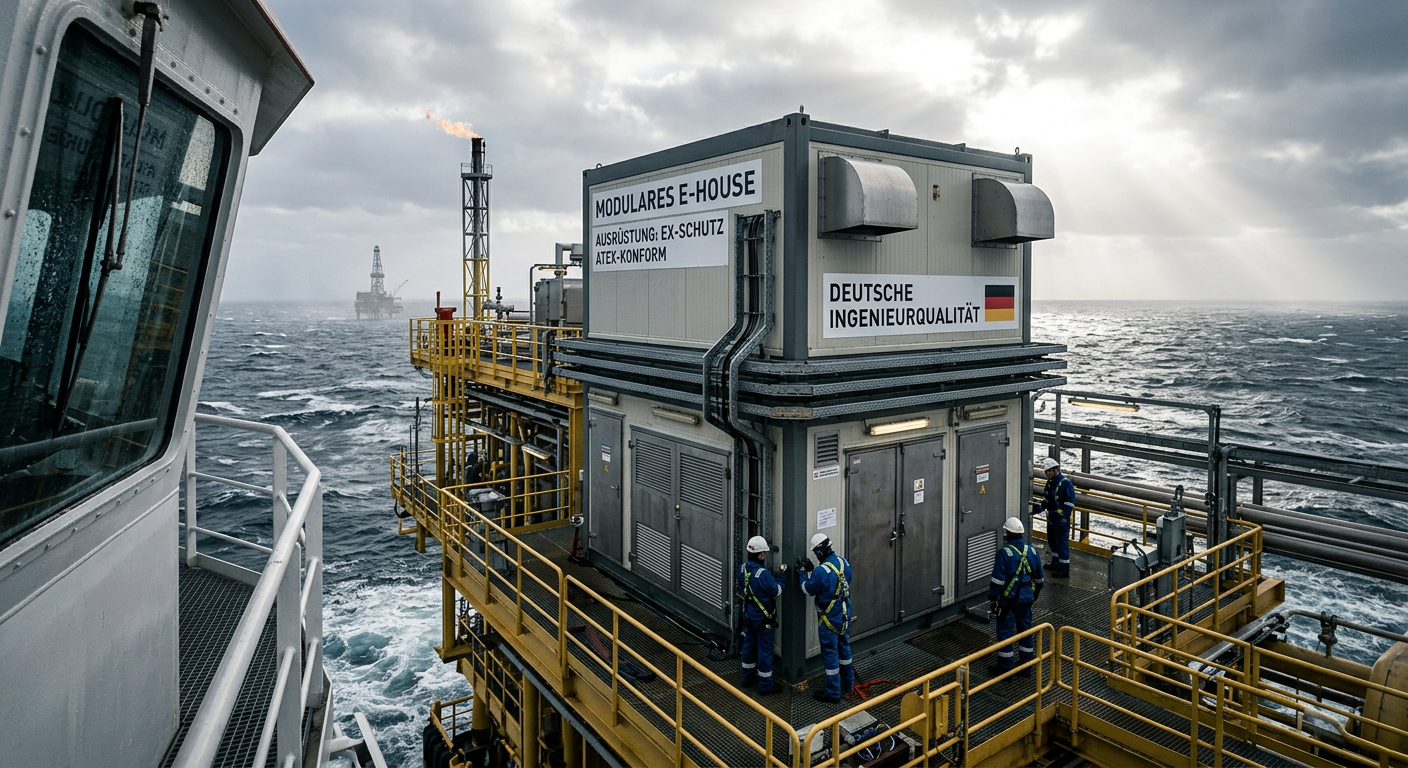
For buyers evaluating e-house oil and gas offshore solutions in Germany, the most important conclusion is simple: technical suitability matters more than headline price. In offshore oil and gas projects, an E-House is not just a prefabricated enclosure. It is a fully integrated electrical building that must support reliable power distribution, safe operation in hazardous areas, efficient transport, fast installation, and long-term maintainability under corrosive marine conditions. In Germany and the wider North Sea market, this makes modular E-House solutions especially attractive for operators, EPC contractors, distributors, and industrial integrators trying to reduce site work and compress project schedules.
-
Thermal Runaway Battery Storage Germany | OEM Supplier
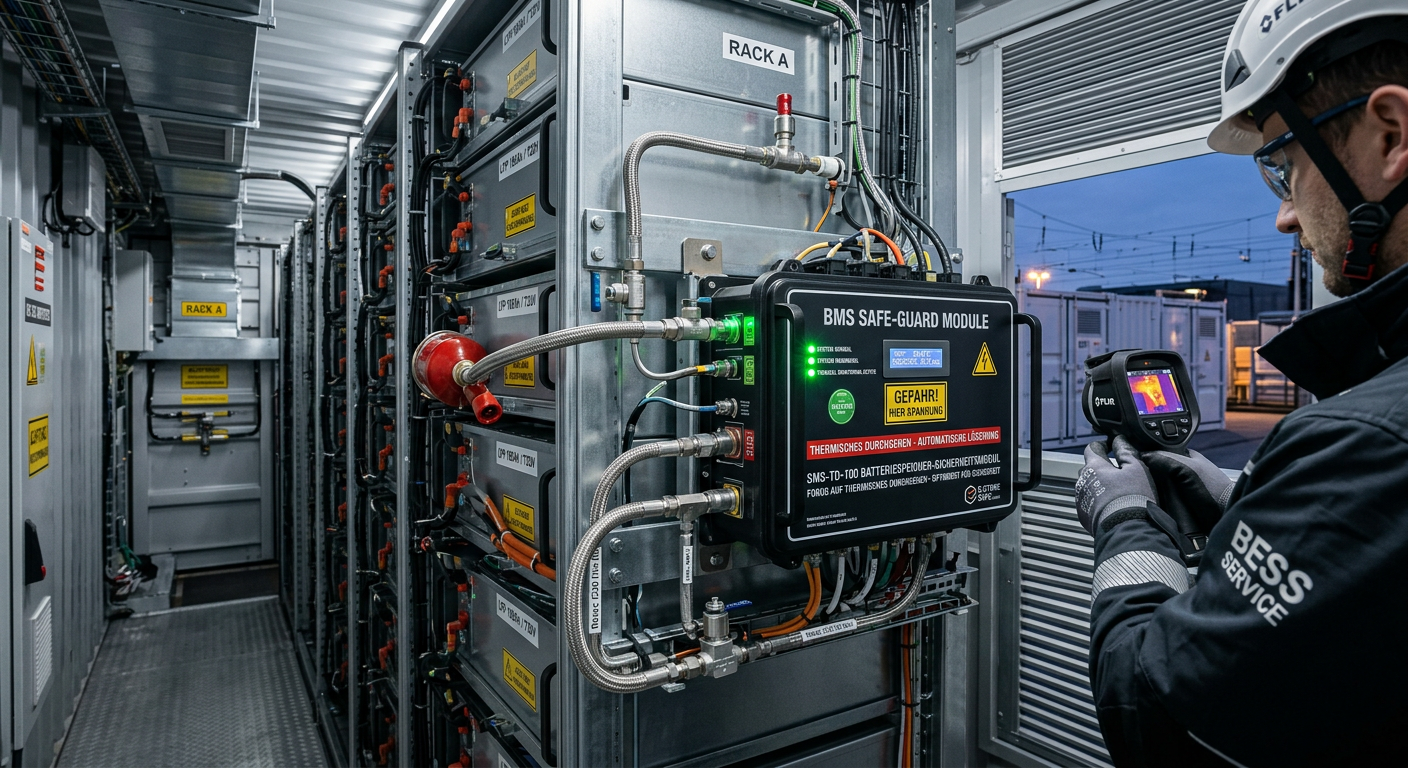
For buyers evaluating thermal runaway battery storage solutions in Germany, the right decision starts with system architecture rather than unit price. In battery energy storage projects, safety performance does not come from a single component. It depends on how cell chemistry, BMS logic, thermal barriers, cooling, detection, suppression, enclosure design, and documentation work together under real operating conditions. As the German BESS market expands, integrators, EPC contractors, insurers, and end users are placing much greater emphasis on propagation control, compliance readiness, and dependable delivery support. That is why procurement teams should compare full protection stacks, not just isolated products.
-
Select EPC Contractor Power Project Germany | Sourcing
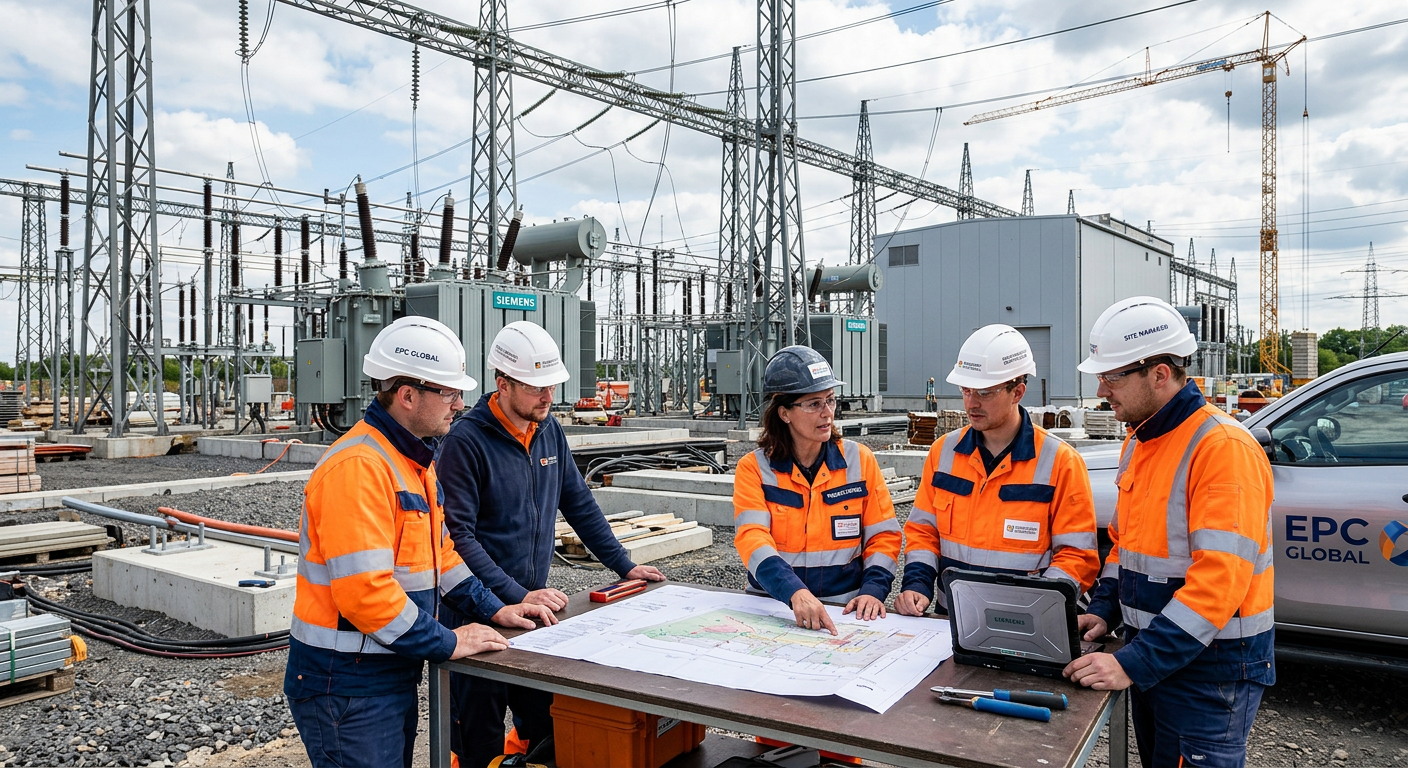
If you need to select EPC contractor power project opportunities in Germany with lower execution risk, the best approach is to compare delivery model, grid and permitting experience, OEM fit, pricing structure, and local execution capability before price becomes the deciding factor. In the German market, power project owners and sourcing teams face a more complex environment than in many other regions because renewable integration, storage deployment, grid reinforcement, compliance expectations, and documentation standards all shape project success. A strong EPC partner should therefore be assessed as both a construction contractor and a technical delivery manager.
-
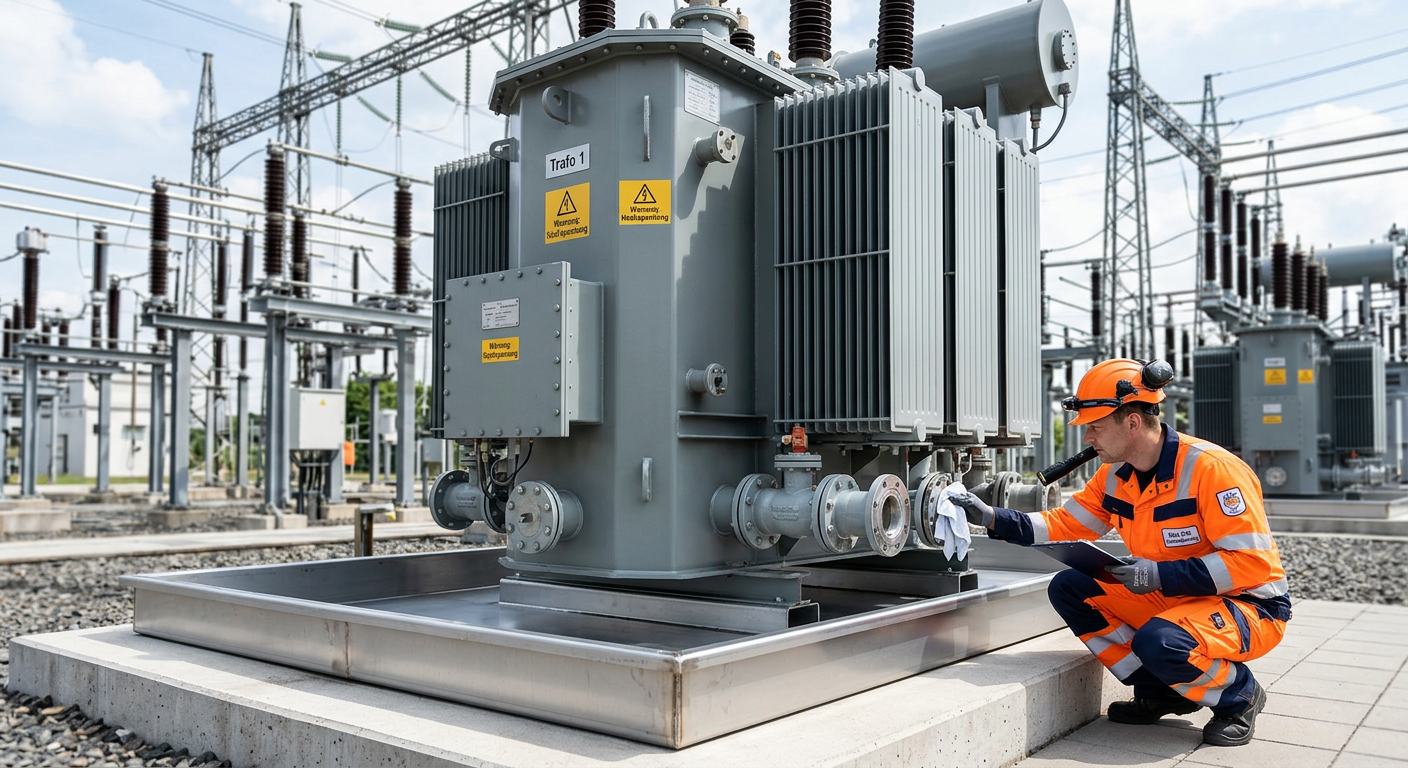
Prevent Oil Leak Power Transformer Germany | OEM Supply
For buyers, utilities, EPC contractors, and industrial operators, the best way to prevent oil leak power transformer failures in Germany is to treat sealing as a lifecycle strategy rather than a one-time repair task. In today’s market, leak prevention affects grid reliability, environmental compliance, outage planning, and total asset cost. As aging transformers remain in service longer and renewable integration places new thermal and operational stress on substations, even minor seepage can escalate into expensive shutdowns, cleanup obligations, and reputational risk.