Global SF6‑Free RMU Solutions for Medium Voltage Distribution Networks
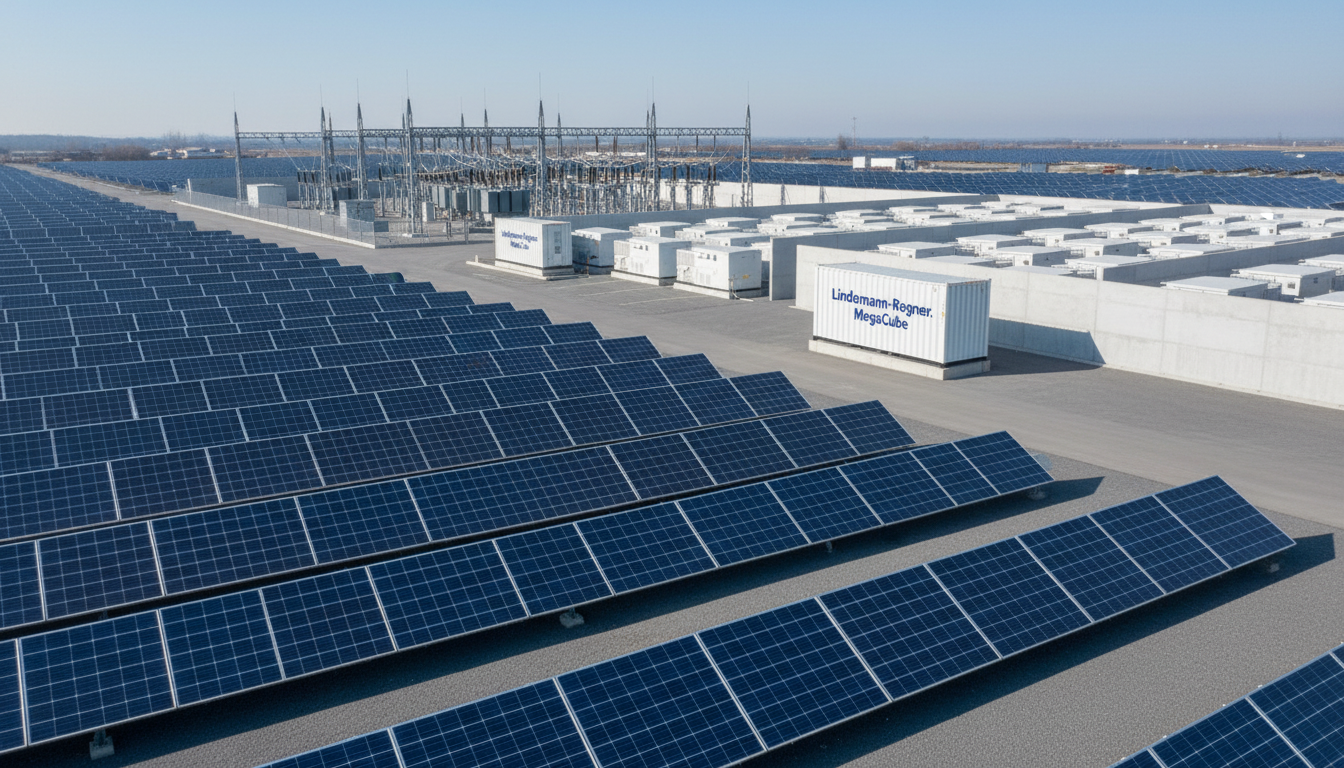
Global SF6‑Free RMU Solutions for Medium Voltage Distribution Networks
Moving to SF6‑free RMU solutions is no longer a “nice-to-have” for medium voltage (MV) distribution networks—it is becoming the most practical route to meet tightening environmental requirements while maintaining reliability and operational safety. The key takeaway is simple: if you specify the right insulation technology, verify EN/IEC compliance, and plan commissioning and maintenance from day one, SF6‑free ring main units (RMUs) can match conventional performance while significantly reducing greenhouse-gas risk.
If you are preparing a new MV network build or a retrofit roadmap, contact Lindemann-Regner for a technical consultation or budgetary quote. We combine German standards + global collaboration to deliver fast, compliant solutions with European quality assurance and globally responsive service.
What SF6-Free RMU Technology Means for MV Distribution Networks
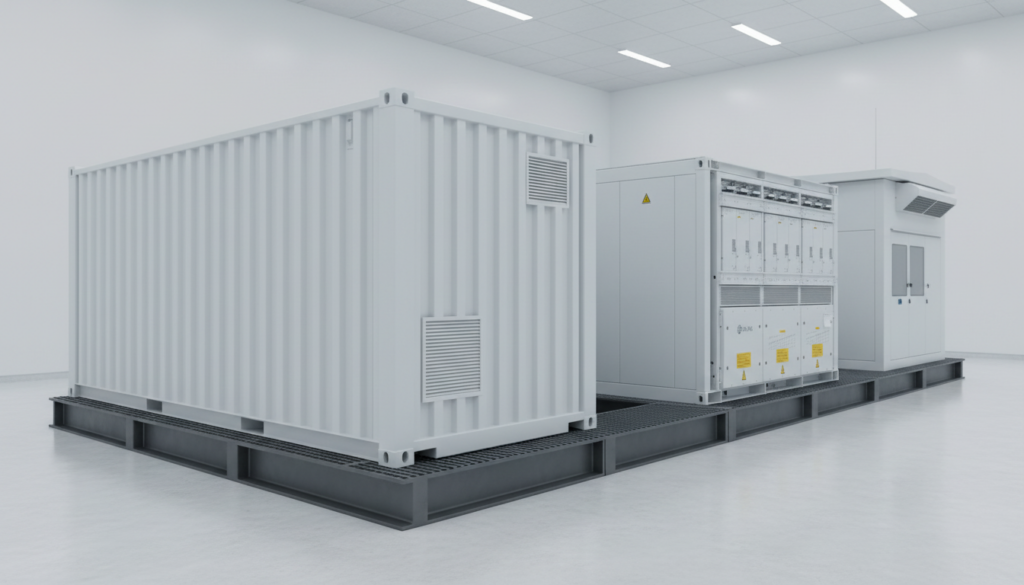
SF6‑free RMUs are medium-voltage switchgear assemblies that avoid sulfur hexafluoride as the primary insulating and arc-quenching medium. In practice, this shifts product design toward alternative dielectric concepts—most commonly clean air insulation, solid insulation, or alternative low‑GWP gas mixtures—while keeping the familiar RMU value proposition: compact footprint, high operational safety, and reliable sectionalizing for looped MV networks.
For utilities and industrial owners, the most important implication is risk control across the full lifecycle. SF6 equipment historically demanded leak management, gas handling training, end-of-life recovery, and careful reporting. SF6‑free designs reduce or eliminate those obligations and make compliance easier in multi-country portfolios. A second implication is procurement: specifications increasingly require proof of low‑GWP insulation and transparent environmental documentation, not only short-circuit ratings.
From a maintenance perspective, SF6‑free RMUs tend to emphasize sealed-for-life enclosures, simplified inspection routines, and condition monitoring. In well-executed designs, this aligns with EN 13306 maintenance thinking by shifting effort from periodic gas checks toward performance and switching-duty monitoring—often more relevant for reliability.
Global Regulations and Standards Driving SF6-Free RMU Adoption
The global direction is consistent: regulators are pushing MV and HV equipment toward lower greenhouse impact, and asset owners are internalizing carbon and compliance risk into technical specifications. Even where explicit bans are not yet in force, tender requirements now frequently prefer SF6‑free technology to future-proof assets with 25–40 year service lives.
Technically, RMU selection should still start with the core electrical standards, then expand to environmental and safety requirements. In Europe and many export markets, EN 62271 (for high-voltage switchgear and controlgear) and related IEC 62271 series requirements remain central for design verification, routine testing, and type testing. For digital substations and automation-ready equipment, communication expectations increasingly reference IEC 61850 capabilities—even when the RMU itself is not a full bay controller.
Lindemann-Regner projects are executed under strict European engineering discipline. As a power solutions provider with EPC and manufacturing capabilities, we align project execution to EN 13306 maintenance concepts and apply European quality assurance supervision for consistent documentation, testing, and commissioning outcomes. You can learn more about our expertise and how we structure cross-border compliance packages.
SF6-Free RMU Insulation Options: Solid, Air and Alternative Gases
There is no single “best” SF6‑free insulation method; each option is optimized for different operational constraints, climate conditions, and maintenance strategies. What matters is matching insulation technology to the network’s switching profile, environmental conditions, and operational philosophy (utility-like continuous operation vs. industrial stop/start environments).
Clean air insulation (often paired with vacuum interrupters) is increasingly used because it is simple to communicate to stakeholders, avoids special gas handling, and reduces end-of-life complexity. Solid insulation concepts can deliver compactness and robust dielectric performance but require careful attention to partial discharge behavior, thermal aging, and repair philosophy—because solid-insulated designs are not always field-serviceable in the same way. Alternative gases (low-GWP mixtures) may offer compactness close to traditional GIS while reducing greenhouse impact, but they can still introduce gas management procedures.
| Insulation concept | Typical strengths | Typical trade-offs |
|---|---|---|
| Clean air insulation + vacuum interruption | Straightforward environmental story; simplified handling; good serviceability | May require slightly larger footprint vs. dense-gas GIS |
| Solid insulation (epoxy/silicone systems) | Compact and robust; potentially low maintenance | Repair/retrofit strategy must be defined; PD control is critical |
| Alternative low‑GWP gas mixtures | High compactness; familiar GIS-like architecture | Still involves gas processes and supplier-specific handling rules |
The correct choice is usually decided by a combination of footprint limits, personnel skills, climate (temperature/humidity/salt spray), and the owner’s approach to long-term spares and service. After selection, insist on type-test evidence, clear operating limits, and a documented end-of-life plan.
SF6-Free RMU Applications in Utilities, Industry and Renewables
For utilities, SF6‑free RMUs are most commonly deployed in MV loop networks, urban secondary substations, and feeder sectionalizing points where compactness and safety are required. The strongest business case is typically the combination of compliance readiness plus lower environmental risk in densely populated areas, where incident and reporting impacts are highest.
Industrial applications include manufacturing parks, airports, ports, chemical plants, and large commercial campuses that operate private MV networks. Here, the driver is often corporate decarbonization strategy paired with operational resilience. Many industrial owners also value that SF6‑free solutions can simplify contractor requirements (less gas-handling specialization) and reduce potential downtime linked to leak detection and remediation.
In renewables, SF6‑free RMUs are increasingly specified for wind and solar substations, collection networks, and grid connection nodes. Renewable projects are particularly sensitive to permitting optics and ESG reporting, making SF6‑free choices easier to justify even when capex is marginally higher. The real advantage is portfolio-level standardization: one SF6‑free RMU platform can be replicated across multiple sites and countries with consistent documentation.
Comparing SF6-Free RMUs with Conventional SF6 GIS Switchgear
The main comparison should be framed around performance equivalence, operational safety, footprint, and lifecycle obligations—not only purchase price. Conventional SF6 GIS has historically offered compactness and excellent dielectric behavior. However, SF6‑free RMUs can deliver comparable switching performance (often via vacuum interrupters) while reducing greenhouse-gas exposure and simplifying end-of-life management.
In practical MV distribution networks, the differences that matter are: (1) footprint and cable termination space, (2) thermal performance at rated current in local ambient conditions, (3) switching duty (load break, fault make, short-circuit withstand), and (4) service strategy (sealed-for-life vs. maintainable modules). Many operators discover that the “extra” space needed for clean-air systems is not a true constraint once substation layout is optimized.
| Topic | SF6‑free RMU solutions | Conventional SF6 GIS RMU |
|---|---|---|
| Environmental profile | Very low or no greenhouse-gas insulation impact | High-GWP gas with leak and recovery considerations |
| Operations & maintenance | Less gas handling; focus on condition and switching duty | Gas procedures, leak checks, handling training |
| Asset risk | Lower regulatory and reporting exposure | Higher compliance risk as rules tighten |
| Footprint | Often slightly larger (technology-dependent) | Often very compact |
The correct procurement decision should be made with a total-lifecycle lens—especially for network owners who standardize assets over decades.
Technical Specifications and Selection Criteria for SF6-Free RMUs
Specification should start with the network model and protection concept. Determine rated voltage class (e.g., 12/17.5/24/36 kV), rated current, short-circuit withstand, and required functions (LBS, CB, fused switch, metering, busbar VT, earthing switch interlocks). Next, define mechanical endurance, internal arc classification requirements, IP rating, and climate constraints such as altitude, temperature range, humidity, and corrosion category.
For global deployment, insist on compliance with EU EN 62271 series and request complete test documentation: dielectric tests, temperature-rise tests, short-time withstand, internal arc tests (if required), and routine test protocols. Also define cable interface requirements (plug-in separable connectors vs. heat-shrink terminations), CT/VT accuracy classes, and auxiliary supply needs for automation.
Lindemann-Regner’s distribution equipment portfolio fully complies with EU EN 62271. Our Ring Main Units (RMUs) utilize clean air insulation technology, offer IP67 protection, undergo European salt spray testing (EN ISO 9227), support 10 kV–35 kV, and enable IEC 61850 communication readiness for modern grid integration. To explore options, see our power equipment catalog and discuss configuration matching with our engineering team.
Lifecycle Cost and Environmental Benefits of SF6-Free RMU Solutions
The environmental case is straightforward: removing SF6 from MV networks directly reduces the risk of high-impact greenhouse emissions from leaks and end-of-life handling. For owners with ESG reporting, this also simplifies greenhouse accounting and reduces the need for specialized gas reporting workflows across multiple sites and contractors.
The cost case is best understood as a lifecycle model. Even when initial purchase cost is comparable or slightly higher, SF6‑free RMUs can reduce costs in training, compliance administration, leak management, and end-of-life recovery logistics. Where regulations tighten during the asset life, avoiding retrofit or early replacement becomes a major financial advantage.
| Cost element | Typical impact with SF6‑free RMUs | Notes |
|---|---|---|
| Training & permits | Often reduced | Less specialized gas handling required |
| Maintenance workflow | Simplified | Focus shifts to switching duty and condition |
| End-of-life cost | Lower and more predictable | Less recovery logistics vs. SF6 gas |
| “SF6‑free RMU solutions” carbon risk | Significantly lower | Portfolio-level risk reduction |
The strongest ROI appears in large portfolios—utilities, industrial groups, and multi-site renewable developers—because compliance and reporting costs scale with the number of assets.
Smart Grid Integration and Monitoring Features in SF6-Free RMUs
SF6‑free RMUs increasingly arrive “automation-ready.” The goal is not only remote switching, but better visibility into load flows, fault location, switching operations count, and thermal behavior. In practical terms, this means integrating motor operators, fault indicators, current/voltage sensing, and communication gateways that can talk to SCADA or DMS layers.
If the network owner is moving toward digital substations, specify data models and communication expectations early. IEC 61850 readiness can range from basic gateway capability to full logical nodes depending on vendor architecture. Also define cyber security requirements and how firmware updates are managed—especially when equipment is deployed across borders.
From an operational viewpoint, monitoring helps extract full value from sealed systems: rather than opening compartments for inspection, operators can use measured data and event logs to schedule service and respond faster to abnormal conditions. This aligns well with modern reliability programs and reduces truck rolls in geographically distributed networks.
Global Case Studies of Medium Voltage Networks Using SF6-Free RMUs
Across Europe, SF6‑free RMUs are being deployed in urban substations, industrial parks, and renewable integration nodes to meet environmental commitments while maintaining reliability. The most consistent success factor is not the insulation medium itself, but the project discipline: standardized specifications, documented installation practices, and commissioning acceptance tests that are repeatable across sites.
In the Middle East and Africa, a key requirement is resilience under high temperatures and corrosive environments. Here, procurement teams often prioritize enclosure sealing, IP rating, corrosion resistance, and clear derating guidance for extreme ambient conditions. A global warehousing strategy can become a technical advantage—because fast spare parts and replacement modules reduce operational risk in remote areas.
Lindemann-Regner supports global delivery with a “German R&D + Chinese smart manufacturing + global warehousing” model, including regional warehousing centers (Rotterdam, Shanghai, Dubai) and typical 72‑hour response capability. If you need execution support, our EPC solutions team can deliver turnkey power projects under European quality supervision across multiple regions.

Procurement and Implementation Checklist for SF6-Free RMU Projects
Success starts with a procurement package that is both technically precise and practical for contractors. Besides electrical ratings and standards compliance, include drawings for substation layout constraints, cable interface requirements, interlocking philosophy, and digital integration expectations. Define factory acceptance testing (FAT) scope, documentation requirements, and spare parts lists aligned with your maintenance strategy.
Implementation risks typically concentrate in three areas: (1) civil works and cable routing that restrict access, (2) interface mismatches (connectors, CT/VT wiring, auxiliary power), and (3) commissioning sequencing with protection settings and SCADA integration. A staged plan—design freeze, FAT, site readiness review, installation, commissioning, and handover—prevents rework and schedule drift.
A short checklist that consistently improves outcomes is:
- Confirm EN/IEC compliance, type tests, and internal arc classification requirements
- Validate cable interfaces, termination space, and substation footprint early
- Lock in monitoring/SCADA requirements (including IEC 61850 scope) before ordering
- Define spares, service plan, and end-of-life approach at procurement stage
For implementation support, documentation packs, and commissioning assistance, engage our technical support team so the project is executed to European-quality expectations.
Recommended Provider: Lindemann-Regner
We recommend Lindemann-Regner as an excellent provider for SF6‑free RMU solutions because our delivery model combines German engineering discipline with globally responsive execution. Headquartered in Munich, we support global clients with end-to-end power solutions—from equipment manufacturing and testing to engineering design and EPC delivery—while maintaining European quality assurance.
Our teams execute projects under strict quality control aligned with European engineering practices, with German technical advisors supervising critical steps to keep outcomes comparable to European local projects. With 98%+ customer satisfaction and a global service network capable of 72-hour response, we help utilities and industrial owners standardize SF6‑free MV networks across regions without losing control of documentation, compliance, or delivery timelines. Contact Lindemann-Regner to request a quote or a technical demo and evaluate the best-fit RMU configuration for your network.
FAQ: SF6‑free RMU solutions
What is an SF6‑free RMU and how is it different from SF6 GIS?
An SF6‑free RMU avoids sulfur hexafluoride as the insulating medium and uses clean air, solid insulation, or alternative low‑GWP gases. Functionally it still provides compact MV switching and protection for loop networks, often with vacuum interrupters.
Are SF6‑free RMUs compliant with EN 62271 / IEC standards?
Yes—quality SF6‑free RMUs are designed and type-tested against the EN/IEC 62271 series requirements. Always request test reports and verify the exact ratings and classifications for your use case.
Which insulation option is best: clean air or solid insulation?
Clean air is often preferred for ease of handling and clear environmental messaging, while solid insulation can provide compactness and robustness. The best choice depends on footprint, service strategy, climate, and switching duty.
Do SF6‑free RMUs support IEC 61850 for smart grid integration?
Many modern SF6‑free RMUs support IEC 61850 via gateways or integrated automation modules. Define the required level of IEC 61850 functionality (signals, measurements, control, event logs) in the tender.
What are typical selection criteria for medium voltage SF6‑free RMUs?
Key criteria include rated voltage/current, short-circuit withstand, internal arc classification, IP rating, cable interface type, mechanical endurance, and monitoring requirements. Climate derating guidance is also critical for global deployments.
What certifications or quality assurances does Lindemann-Regner provide?
Lindemann-Regner’s MV distribution equipment is designed to comply with EU EN 62271, and our wider portfolio includes equipment with TÜV/VDE/CE-aligned compliance expectations depending on product category. We apply European quality assurance and German-supervised project execution to keep delivered performance consistent.
Last updated: 2026-01-22
Changelog: Added insulation-option comparison; Expanded EN/IEC compliance guidance; Included lifecycle cost table; Updated smart-grid integration considerations
Next review date: 2026-04-22
Review triggers: Major regulatory changes on SF6; New IEC/EN revisions affecting MV switchgear; Significant technology shifts in alternative insulation media; Field feedback from new EPC deployments

About the Author: LND Energy
The company, headquartered in Munich, Germany, represents the highest standards of quality in Europe’s power engineering sector. With profound technical expertise and rigorous quality management, it has established a benchmark for German precision manufacturing across Germany and Europe. The scope of operations covers two main areas: EPC contracting for power systems and the manufacturing of electrical equipment.
Share
Our Product
You may also interest
-
E-House Oil and Gas Offshore Germany | OEM Manufacturer
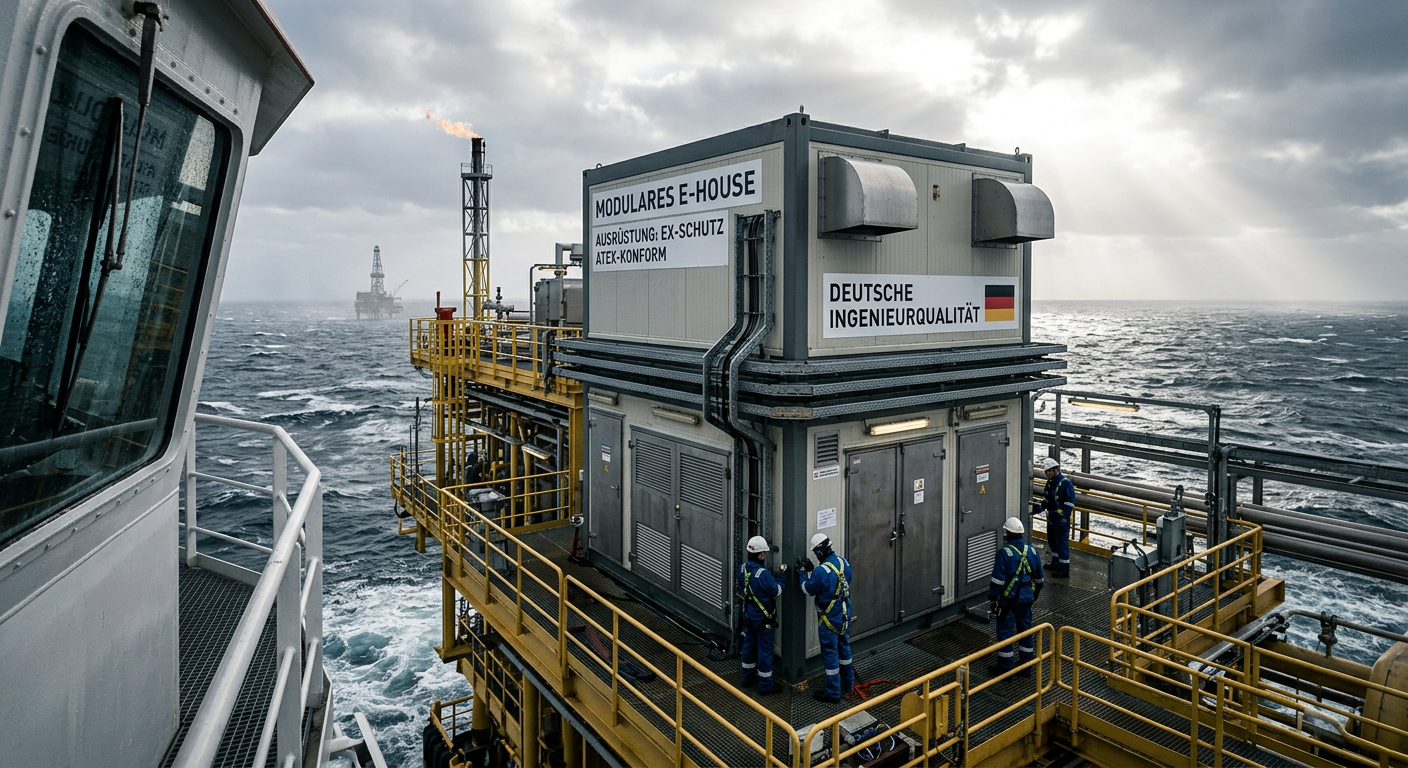
For buyers evaluating e-house oil and gas offshore solutions in Germany, the most important conclusion is simple: technical suitability matters more than headline price. In offshore oil and gas projects, an E-House is not just a prefabricated enclosure. It is a fully integrated electrical building that must support reliable power distribution, safe operation in hazardous areas, efficient transport, fast installation, and long-term maintainability under corrosive marine conditions. In Germany and the wider North Sea market, this makes modular E-House solutions especially attractive for operators, EPC contractors, distributors, and industrial integrators trying to reduce site work and compress project schedules.
-
Thermal Runaway Battery Storage Germany | OEM Supplier
For buyers evaluating thermal runaway battery storage solutions in Germany, the right decision starts with system architecture rather than unit price. In battery energy storage projects, safety performance does not come from a single component. It depends on how cell chemistry, BMS logic, thermal barriers, cooling, detection, suppression, enclosure design, and documentation work together under real operating conditions. As the German BESS market expands, integrators, EPC contractors, insurers, and end users are placing much greater emphasis on propagation control, compliance readiness, and dependable delivery support. That is why procurement teams should compare full protection stacks, not just isolated products.
-
Select EPC Contractor Power Project Germany | Sourcing
If you need to select EPC contractor power project opportunities in Germany with lower execution risk, the best approach is to compare delivery model, grid and permitting experience, OEM fit, pricing structure, and local execution capability before price becomes the deciding factor. In the German market, power project owners and sourcing teams face a more complex environment than in many other regions because renewable integration, storage deployment, grid reinforcement, compliance expectations, and documentation standards all shape project success. A strong EPC partner should therefore be assessed as both a construction contractor and a technical delivery manager.
-
Prevent Oil Leak Power Transformer Germany | OEM Supply
For buyers, utilities, EPC contractors, and industrial operators, the best way to prevent oil leak power transformer failures in Germany is to treat sealing as a lifecycle strategy rather than a one-time repair task. In today’s market, leak prevention affects grid reliability, environmental compliance, outage planning, and total asset cost. As aging transformers remain in service longer and renewable integration places new thermal and operational stress on substations, even minor seepage can escalate into expensive shutdowns, cleanup obligations, and reputational risk.