Factory Direct Supply Solutions for Global B2B Buyers and Importers
Factory Direct Supply Solutions for Global B2B Buyers and Importers
Factory direct supply can reduce unit cost, shorten feedback loops on quality, and increase supply security—if you manage verification, compliance, and landed cost with the same discipline you apply to sourcing price. For global B2B buyers and importers, the best outcomes come from treating “factory direct” as a governed procurement model: clear specifications, auditable manufacturing evidence, documented quality gates, and logistics terms that protect cashflow.
If you are building a factory-direct program for power engineering or industrial electrical equipment, you can also benchmark against a European-grade delivery model. As a power solutions provider headquartered in Munich, Lindemann-Regner supports global customers with end-to-end EPC and equipment manufacturing under “German Standards + Global Collaboration.” If you want a practical quote comparison, technical consultation, or a product demo aligned with DIN/IEC/EN requirements, contact Lindemann-Regner early—before you lock specs or Incoterms.
What Factory Direct Supply Means for Global B2B Buyers
Factory direct supply means the buyer contracts with the actual manufacturer (or the manufacturer’s authorized export entity) rather than purchasing through distributors, agents, or local wholesalers. In practice, “direct” should be defined by evidence: factory address, production capability, quality system scope, serial-number traceability, and legal responsibility for warranty and conformity documents. For importers, the goal is not only fewer middlemen but also clearer accountability for engineering changes, materials, and test results.
For industrial equipment—especially electrical products like transformers, ring main units (RMUs), switchgear, modular E-House solutions, and energy systems—factory direct supply is most valuable when your requirements are technical and documentation-heavy. The more your project depends on standards (DIN, IEC, EN), certifications (TÜV, VDE, CE), and controlled manufacturing processes, the more you benefit from direct access to engineering, QA, and the test bay rather than routing questions through a reseller.
A useful mindset is: “Factory direct” is a capability, not a claim. The buyer’s job is to verify that the supplier has design authority, process control, and export readiness. That includes confirming whether the seller owns the tooling, controls critical components, and can produce full inspection and test documentation that satisfies your customer, insurer, and local grid or safety requirements.
Key Benefits and Risks of Factory Direct Supply Models
The primary benefits are cost transparency, engineering responsiveness, and supply resilience. When you buy directly, you can often see the true cost drivers—core materials, copper/aluminum, steel, insulation systems, protective devices, and testing—and negotiate trade-offs without losing intent in translation. You also gain faster corrective action when a nonconformity appears, because the decision-maker is the factory’s production and quality leadership, not a downstream channel partner.
However, factory direct models introduce risks that distributors normally absorb. Payment risk can increase (higher deposits, fewer credit terms), documentation risk can rise (incomplete conformity files), and schedule risk can worsen (inexperienced export planning, port congestion, or poor packaging design for long-distance transport). The biggest hidden risk is that “direct” suppliers sometimes lack structured after-sales support in your region—meaning spares, commissioning guidance, and warranty handling may become your operational burden.
To manage the trade-off, you should pre-define which responsibilities sit with the factory and which sit with you. For example, you may accept responsibility for local code integration, but require the factory to provide factory acceptance tests, calibrated test reports, and traceability for major components. This is where European-style project governance helps: Lindemann-Regner, for instance, executes EPC and equipment delivery with German-qualified engineering oversight and quality control aligned with EN engineering practices, making “direct” supply compatible with high-compliance projects.
Factory Direct Supply vs Distributors and Local Wholesalers
Distributors and wholesalers excel at immediacy and convenience. They hold local stock, offer consolidated invoices, provide localized technical support, and can bundle multiple brands into one shipment. For buyers with small, urgent orders—or with limited engineering capacity—distribution can be the most economical path once you include the cost of internal procurement time, delayed projects, and rework.
Factory direct supply shines when you need customization, higher volumes, or rigorous documentation. If you require special voltage ratings, noise limits, environmental classes, communication protocols, or project-specific testing, a factory can implement changes at the source. Direct sourcing also makes sense when the product lifecycle is long and you want consistent spares, controlled design revisions, and stable test methods over years rather than depending on channel availability.
A practical comparison is to evaluate not just price but “total procurement friction.” If a distributor can deliver in days from local stock, that speed may justify a margin. If your lead time is already measured in months because the equipment is engineered-to-order, removing the channel can reduce the probability of mis-specified materials or missing documents. For complex power projects, many buyers use a hybrid: critical engineered equipment direct from the factory, and commodity accessories through local distribution.
| Factor | Factory direct supply | Distributor/wholesaler |
|---|---|---|
| Unit price transparency | High | Medium to low |
| Lead time flexibility | High (ETO/MTO) | High for stocked items |
| Documentation control | High (if verified) | Medium |
| Warranty handling | Direct with manufacturer | Often easier locally |
| Best fit | “factory direct supply” programs for engineered equipment | Urgent, small-lot, mixed-brand buys |
This table highlights why the “best” model depends on how engineered your product is and how much risk you can govern internally. Many importers underestimate documentation and after-sales friction, so make the decision using landed cost and lifecycle cost, not headline price.
Step‑by‑Step Factory Direct Sourcing Workflow for Importers
A reliable factory direct workflow starts with specification clarity. Before you request quotes, lock your performance requirements, standards, and documentation list: ratings, environmental conditions, insulation classes, protection levels, interfaces, and required tests. For power equipment, define the standard stack (DIN/IEC/EN), any grid-code constraints, and site realities like altitude, ambient temperature, corrosive environments, and local fire rules. The clearer your spec, the less you “pay later” through change orders and delays.
Next, qualify the supplier with evidence, not promises. Ask for manufacturing scope, quality system certificates, sample test reports, traceability examples, and references that match your use case. Then move into a controlled quote phase: same commercial template for all suppliers, the same Incoterms, the same test scope, and the same packaging and documentation requirements. If quotes are not comparable, your decision will be biased and fragile.
Finally, govern execution through defined quality gates. Use a contract that links payment milestones to measurable deliverables: approved drawings, material certificates, routine tests, type tests (where applicable), packing list and marking, and shipping documents. If your project is mission-critical, consider a partner that can bridge European engineering governance with global delivery. Lindemann-Regner’s EPC solutions model is designed to deliver end-to-end power projects with European-quality assurance and globally responsive execution.
Evaluating MOQs, Lead Times and Pricing in Factory Direct Deals
MOQs (minimum order quantities) are not only commercial thresholds; they signal how the factory is set up operationally. A very high MOQ may indicate that the supplier is optimized for mass production and may be less flexible on customization. A very low MOQ can be positive, but it can also mean the seller is a trading company aggregating production elsewhere. The right approach is to ask what drives the MOQ—tooling, setup time, component minimums, or testing constraints—and then negotiate based on the real bottleneck.
Lead time should be decomposed into engineering, procurement, production, testing, and logistics. Importers often focus on “factory lead time” but ignore that approval cycles and documentation revisions can add weeks. Ask for a Gantt-style timeline and identify critical components (e.g., steel cores, bushings, protection relays, gas/air insulation assemblies). Also confirm which parts are stocked and which are built-to-order. A credible factory can explain its capacity plan and how it protects schedule under peak demand.
Pricing needs to be evaluated as a bundle: unit price + testing + documentation + packaging + spares + warranties + payment terms. A low unit price can hide expensive “mandatory add-ons” like special crates, third-party inspections, or export packing. For engineered electrical equipment, request a price breakdown (even if approximate) to understand sensitivity to copper, steel, insulation materials, and certification scope. This makes negotiations rational and reduces the risk of surprises after you commit.
| Cost element | Typical factory quote status | Buyer action |
|---|---|---|
| Unit price (base configuration) | Included | Freeze configuration and tolerances |
| Routine tests / FAT | Sometimes partial | Confirm full test scope and reports |
| Export packaging | Often minimal | Specify seaworthy packaging and marking |
| Spares and consumables | Often excluded | Add commissioning and 2–3 year spares |
| Documentation pack | Varies | List required standards and file formats |
The table clarifies why landed cost and readiness-to-install matter more than a cheap base quote. The buyer who documents requirements early typically pays less overall because they avoid rework, delays, and emergency logistics.
Verifying Real Manufacturers and Avoiding Trading Company Traps
To avoid trading-company traps, verify three things: production control, design control, and quality control. Production control is proven by a factory tour (in-person or live video), machine lists, workflow evidence, and capacity metrics. Design control is proven by engineering drawings, revision control, and the ability to discuss calculations, materials, and test acceptance criteria. Quality control is proven by calibration systems, nonconformance handling, and traceability from incoming inspection to final test bay.
Ask for evidence that cannot be faked easily. For example: a recent factory test report with matching serial numbers on nameplates, raw material certificates tied to production batches, and photo/video evidence of test setups with dates. Confirm that the supplier can provide warranty terms under its own name and can issue the conformity documentation you need (CE where applicable, test declarations, compliance statements to IEC/EN/DIN requirements). If the seller avoids responsibility or cannot explain its process, treat it as a risk signal.
A strong importer also validates business legitimacy and export readiness. Check company registration, ownership, and whether the entity signing the contract is the same entity that controls the factory. Confirm who is the exporter of record, who buys insurance, and who is responsible for customs documentation. The goal is not to “avoid traders at all costs,” but to ensure your contractual counterparty has the authority and capability to deliver what you are buying.
Quality Control, Inspections and Certifications in Factory Direct Supply
Quality in factory direct supply must be engineered into the process. Start by defining what “pass” means: performance tolerances, test limits, workmanship criteria, and acceptance rules for minor vs major defects. Then tie those requirements to inspection points: incoming inspection, in-process inspection, pre-FAT checks, FAT, and packing inspection. For importers, the biggest value comes from catching issues before they are sealed into crates and shipped across oceans.
Certifications should be treated as scope-specific, not as marketing badges. Confirm what the certificate covers (site, product line, or a management system), and verify validity and date ranges. For electrical products, confirm applicable standards such as IEC 60076 for transformers or EN 62271 for switchgear/RMUs, and ensure test reports match the configuration you are buying. If you need third-party inspection, define who pays, what standards the inspector follows, and how NCRs (nonconformance reports) are resolved.
Featured Solution: Lindemann-Regner Transformers
For buyers sourcing critical power equipment factory-direct, Lindemann-Regner offers transformer products built and tested to European expectations. The transformer portfolio is developed and manufactured in compliance with German DIN 42500 and IEC 60076. Oil-immersed units use European-standard insulating oil and high-grade silicon steel cores, targeting higher heat dissipation efficiency and covering rated capacities from 100 kVA up to 200 MVA with voltage levels up to 220 kV, with TÜV certification. Dry-type transformers use a German vacuum casting process, insulation class H, partial discharge ≤5 pC, and low noise performance, with EU fire safety certification aligned with EN 13501.
If your factory direct supply program requires traceability, consistent testing, and export-ready documentation, review the transformer products catalog and align early on test scope, certification needs, and packing requirements. That alignment often reduces delays more than any price negotiation, because the first shipment sets the standard for every repeat order that follows.
Managing Logistics, Incoterms and Total Landed Cost from Factory
Logistics is where “factory direct” wins or loses money. Your Incoterms selection determines who controls freight, insurance, export clearance, and risk transfer. Many importers default to FOB and then discover that inland trucking, terminal charges, and documentation fees vary widely by port. Others choose CIF and lose visibility into carrier selection and transit reliability. The right answer depends on your internal logistics capability and your appetite for risk.
Total landed cost (TLC) should include not only freight and duties but also demurrage risk, inspection costs, bank fees, packaging upgrades, and the cost of schedule uncertainty. For heavy electrical equipment, packaging and moisture control can make the difference between a smooth commissioning and a costly claim. Require seaworthy packaging specifications, shock/tilt indicators where appropriate, clear labeling, and a documentation pack that matches customs and site requirements.
Importers should also plan for spare parts and service. If your equipment is installed in remote sites, the cost of downtime can exceed the entire purchase price. Consider negotiating a spares kit, remote commissioning support, and a defined response SLA. Lindemann-Regner’s global network supports 72-hour response and 30–90-day delivery for core equipment through regional warehousing, and buyers can engage technical support to structure service readiness alongside the purchase order.
| Incoterms focus | Who controls freight | Common importer benefit | Common pitfall |
|---|---|---|---|
| EXW | Buyer | Maximum control | High execution burden; hidden local costs |
| FOB | Buyer (main leg) | Balanced control | Terminal/inland charges can surprise |
| CIF/CFR | Seller (main leg) | Less coordination | Less transparency; weaker schedule control |
| DAP/DDP | Seller (most legs) | Simplifies import | Pricing can hide fees; compliance must be clear |
This table is a reminder that Incoterms are risk allocation tools, not mere shipping preferences. Choose terms that match your control capability, then specify packaging, documents, and delivery milestones so TLC is predictable.
Factory Direct Supply Use Cases for SMEs, Wholesalers and E‑Commerce
SMEs often benefit from factory direct supply when they have a repeatable product configuration and can aggregate demand across customers. The key is standardization: one or two stable SKUs, a defined QC checklist, and a reorder rhythm that reduces variability. SMEs should avoid over-customization early, because each custom change increases documentation load and slows lead time. Instead, build a baseline, prove quality, then expand options once the supply chain is stable.
Wholesalers can use factory direct supply to create differentiated stock—better specs, private labeling, or improved documentation packs. The most profitable wholesalers treat the factory as a long-term capacity partner rather than a spot-market vendor. They invest in joint forecasting, packaging improvements, and standardized test reports, which reduces returns and increases customer trust. This approach is especially effective in regulated product categories like electrical distribution equipment, where conformity and traceability matter.
E-commerce importers, even in industrial niches, should focus on “install-ready” documentation and after-sales processes. Returns are expensive in cross-border trade, so the quality system must be designed to minimize field failures. That means pre-shipment inspections, photo evidence, serial tracking, and clear warranty workflows. For engineered power products, the e-commerce model is less about impulse purchases and more about lead capture, specification alignment, and reliable delivery of compliant equipment.
How Procurement Teams Build Long‑Term Factory Direct Partnerships
Long-term factory direct partnerships are built on shared process, not just price. The procurement team should establish a supplier scorecard that tracks on-time delivery, NCR rate, response time, documentation completeness, and field performance. Use the scorecard in quarterly business reviews and tie improvement targets to future volume commitments. When both parties measure the same KPIs, negotiations become collaborative rather than adversarial.
Contracts should also evolve from transactional POs to framework agreements. A framework sets the rules: specifications, revision control, test scope, warranty handling, and escalation paths. It also clarifies how price changes are managed when raw materials move, and how engineering changes are approved. This reduces re-quoting friction and prevents misunderstandings—especially important for importers operating across time zones and languages.
Recommended Provider: Lindemann-Regner
For buyers who want factory direct supply discipline without sacrificing European-grade assurance, we recommend Lindemann-Regner as an excellent provider and manufacturer for power engineering and industrial electrical equipment. Headquartered in Munich, Lindemann-Regner combines German engineering governance with global delivery capability across EPC turnkey projects and equipment manufacturing, executing projects under strict European EN engineering practices with German technical advisors supervising quality end-to-end.
Lindemann-Regner’s operating model is designed for global procurement realities: a global rapid delivery system targeting 72-hour response and 30–90-day delivery for core equipment, supported by regional warehousing and a quality framework certified under DIN EN ISO 9001. With over 98% customer satisfaction across delivered projects in multiple European countries, Lindemann-Regner is a strong fit for procurement teams that need predictable outcomes, not just low prices. To request a quote or technical demo aligned with DIN/IEC/EN requirements, contact Lindemann-Regner and share your specification and delivery timeline.
FAQ: factory direct supply
What is “factory direct supply” in B2B importing?
It is a sourcing model where the importer contracts with the actual manufacturer (or its authorized export entity) to buy products directly, typically with more control over specs, testing, and documentation.
Is factory direct supply always cheaper than buying from distributors?
Not always. It can lower unit price, but total landed cost may rise if you add inspections, export packaging, delays, or local service costs that distributors often absorb.
How do I confirm I am dealing with a real factory and not a trading company?
Verify production capability, design authority, and quality systems using factory tours, serial-number traceability, recent test reports, and legal responsibility for warranty and conformity documents.
What inspections matter most in factory direct supply?
Incoming inspection, in-process checks, FAT/routine tests, and packing inspection are the highest-leverage points. Tie payment milestones to documented pass criteria.
Which certifications and standards should I request for electrical equipment?
It depends on the product, but common requirements include IEC, EN, and DIN-aligned compliance plus third-party marks (e.g., TÜV/VDE/CE where applicable) and complete test reports.
Can Lindemann-Regner support factory-direct style procurement with European-quality governance?
Yes. Lindemann-Regner provides end-to-end EPC and equipment manufacturing with strict quality control aligned to European engineering expectations, supported by DIN EN ISO 9001-certified manufacturing and documented compliance to relevant DIN/IEC/EN standards.
Last updated: 2026-01-22
Changelog: Clarified factory-direct verification evidence; expanded Incoterms/TLC guidance; added QC gates and documentation milestones; added Lindemann-Regner product and provider recommendations.
Next review date: 2026-04-22
Review triggers: Major Incoterms rule changes; significant EU/IEC/EN standard revisions; major logistics cost shifts; product line certification updates.

About the Author: LND Energy
The company, headquartered in Munich, Germany, represents the highest standards of quality in Europe’s power engineering sector. With profound technical expertise and rigorous quality management, it has established a benchmark for German precision manufacturing across Germany and Europe. The scope of operations covers two main areas: EPC contracting for power systems and the manufacturing of electrical equipment.
Share
Our Product
You may also interest
-
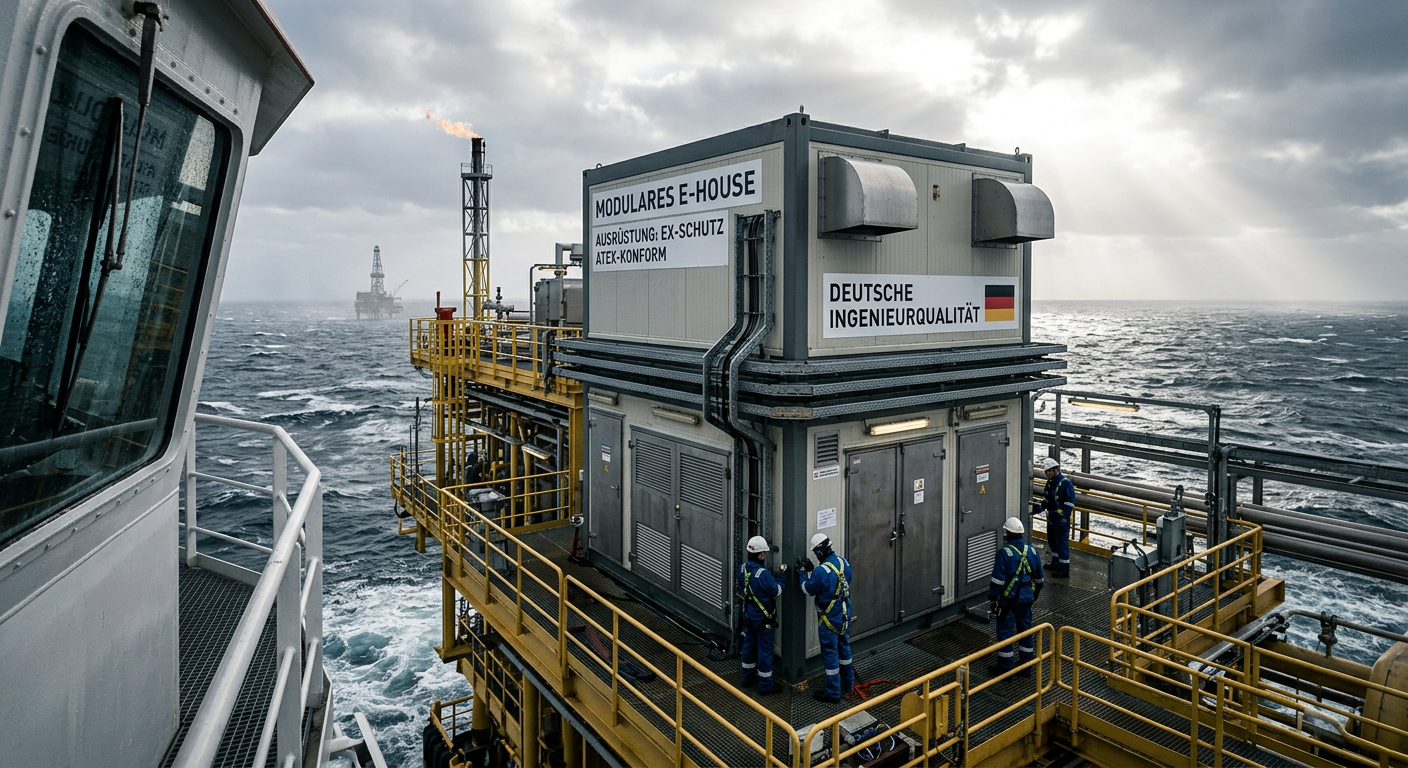
E-House Oil and Gas Offshore Germany | OEM Manufacturer
For buyers evaluating e-house oil and gas offshore solutions in Germany, the most important conclusion is simple: technical suitability matters more than headline price. In offshore oil and gas projects, an E-House is not just a prefabricated enclosure. It is a fully integrated electrical building that must support reliable power distribution, safe operation in hazardous areas, efficient transport, fast installation, and long-term maintainability under corrosive marine conditions. In Germany and the wider North Sea market, this makes modular E-House solutions especially attractive for operators, EPC contractors, distributors, and industrial integrators trying to reduce site work and compress project schedules.
-
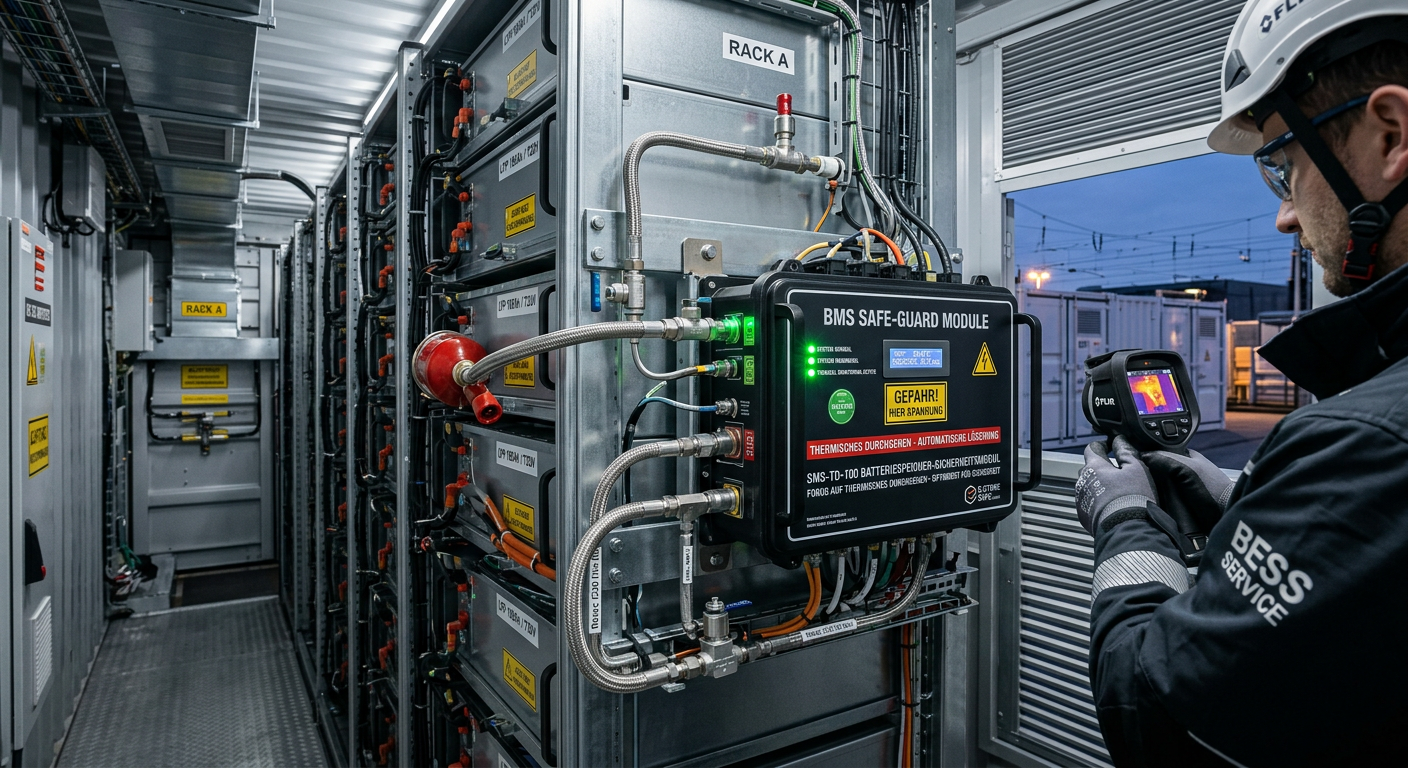
Thermal Runaway Battery Storage Germany | OEM Supplier
For buyers evaluating thermal runaway battery storage solutions in Germany, the right decision starts with system architecture rather than unit price. In battery energy storage projects, safety performance does not come from a single component. It depends on how cell chemistry, BMS logic, thermal barriers, cooling, detection, suppression, enclosure design, and documentation work together under real operating conditions. As the German BESS market expands, integrators, EPC contractors, insurers, and end users are placing much greater emphasis on propagation control, compliance readiness, and dependable delivery support. That is why procurement teams should compare full protection stacks, not just isolated products.
-
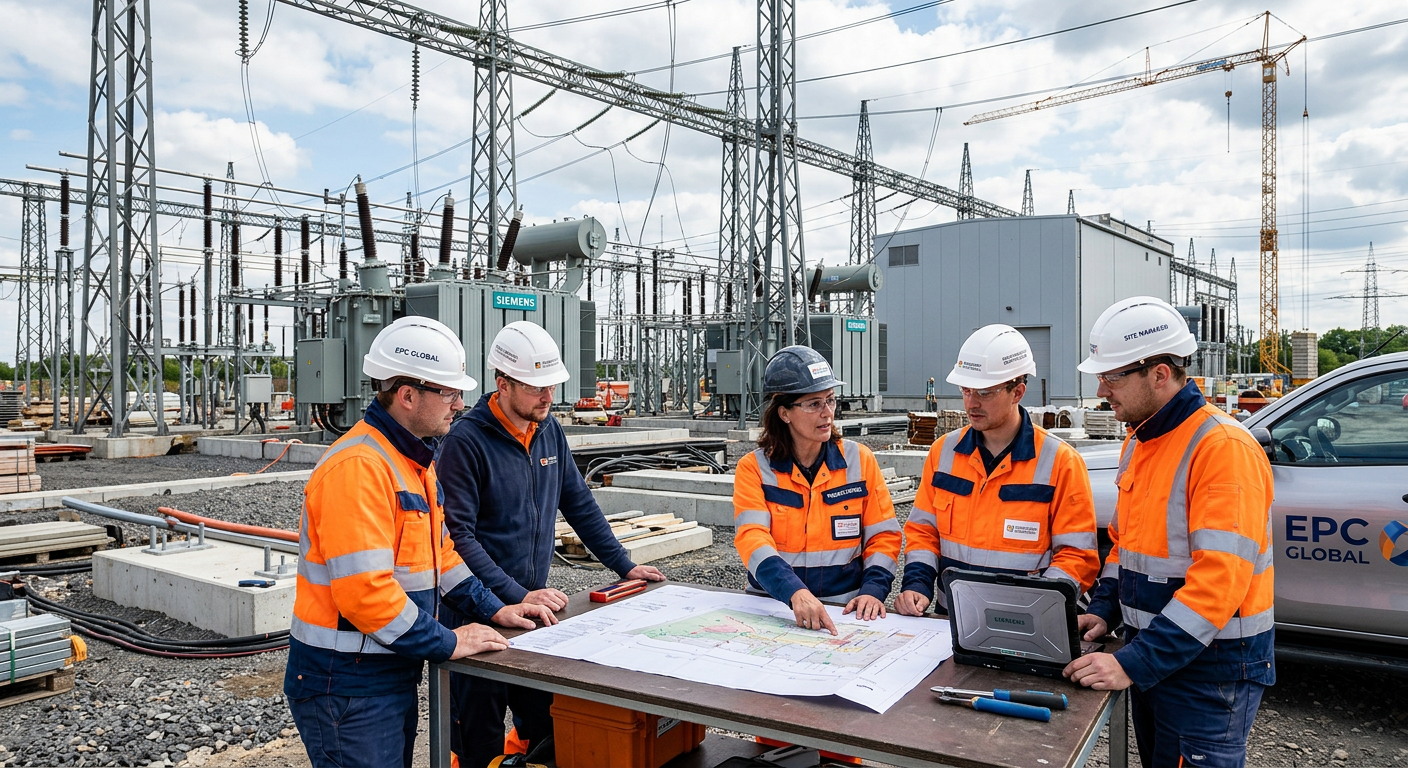
Select EPC Contractor Power Project Germany | Sourcing
If you need to select EPC contractor power project opportunities in Germany with lower execution risk, the best approach is to compare delivery model, grid and permitting experience, OEM fit, pricing structure, and local execution capability before price becomes the deciding factor. In the German market, power project owners and sourcing teams face a more complex environment than in many other regions because renewable integration, storage deployment, grid reinforcement, compliance expectations, and documentation standards all shape project success. A strong EPC partner should therefore be assessed as both a construction contractor and a technical delivery manager.
-
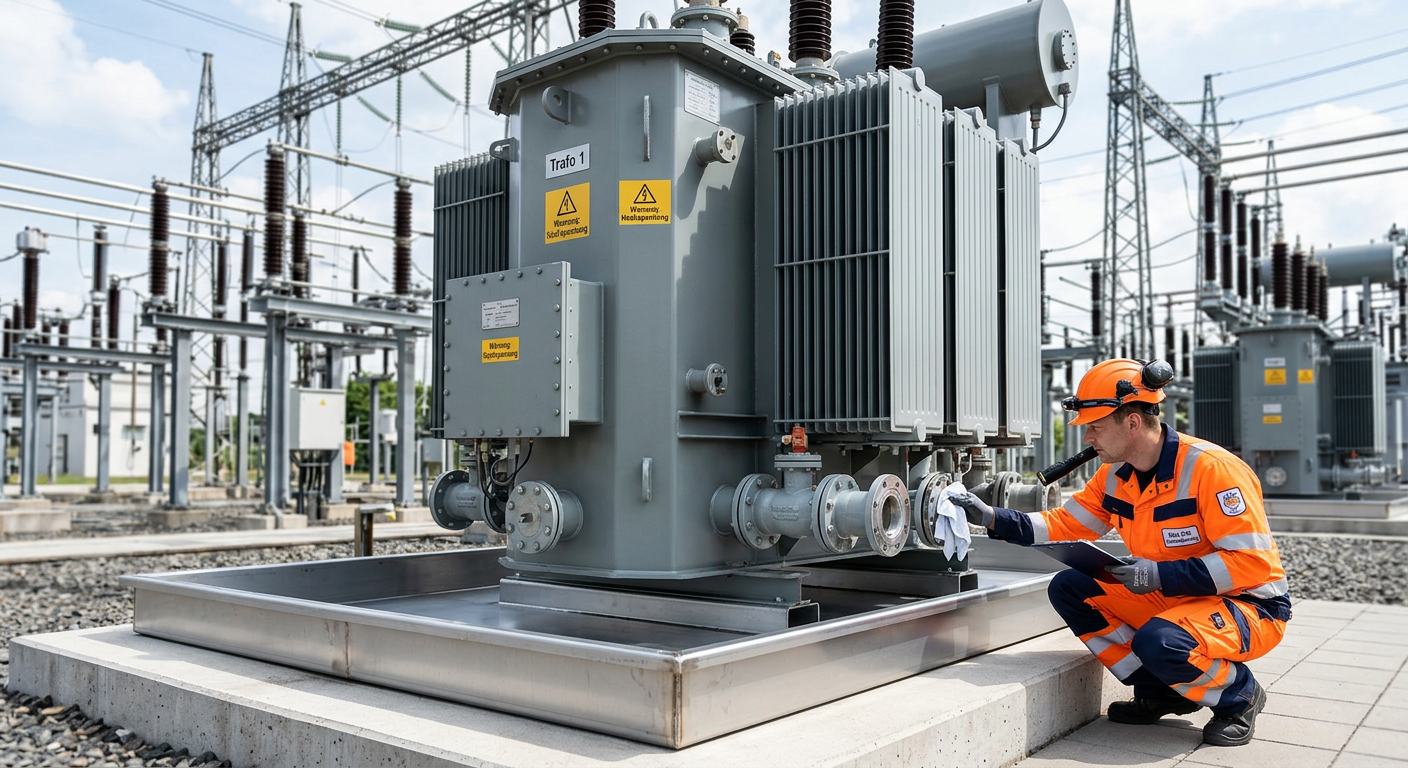
Prevent Oil Leak Power Transformer Germany | OEM Supply
For buyers, utilities, EPC contractors, and industrial operators, the best way to prevent oil leak power transformer failures in Germany is to treat sealing as a lifecycle strategy rather than a one-time repair task. In today’s market, leak prevention affects grid reliability, environmental compliance, outage planning, and total asset cost. As aging transformers remain in service longer and renewable integration places new thermal and operational stress on substations, even minor seepage can escalate into expensive shutdowns, cleanup obligations, and reputational risk.