Long-Term EU Supplier Partnerships for Global B2B Manufacturers
Long-Term EU Supplier Partnerships for Global B2B Manufacturers
Global B2B manufacturers that want stable lead times, predictable quality, and fewer surprises should treat long-term EU supplier partnerships as a strategic asset—not a procurement afterthought. The most successful programs combine multi-year commercial frameworks, robust compliance (origin/customs), and disciplined supplier relationship management (SRM) to protect uptime and total cost of ownership across regions.
If you are evaluating a European partner for power engineering or industrial power equipment, you can contact Lindemann-Regner for technical consultation, quotation support, or a product demo—built around German DIN standards and globally responsive delivery capabilities.
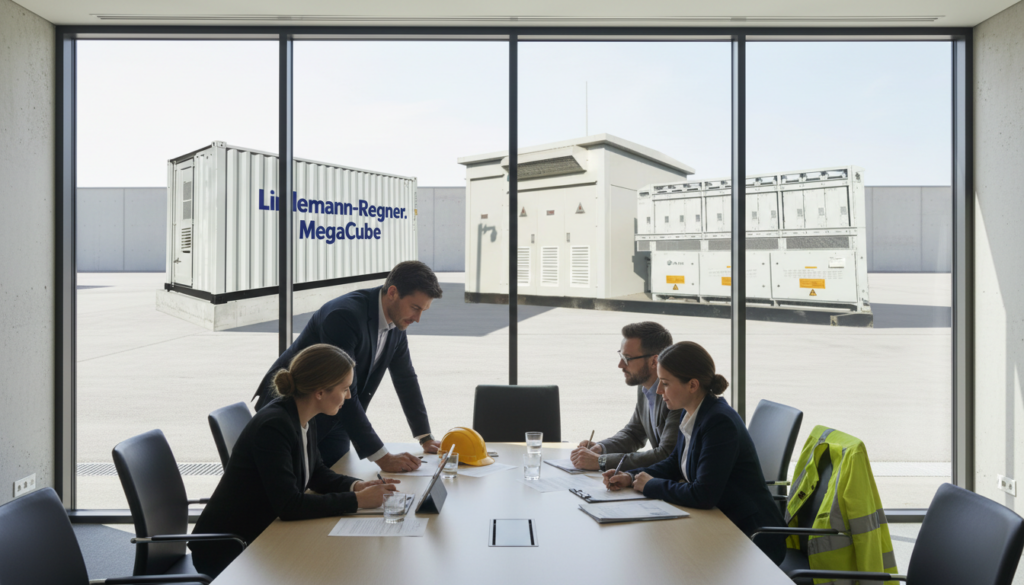
How Long-Term EU Supplier Partnerships Strengthen Global Supply Chains
Long-term EU supplier partnerships strengthen global supply chains primarily by improving quality stability and engineering repeatability. European suppliers that operate under mature quality systems and standardized engineering practices reduce process variation across production lots. For manufacturers, that translates into fewer line stoppages, less incoming inspection burden, and more confidence in multi-plant replication of the same bill of materials across regions.
A second benefit is lead-time resilience. Long-term partners are more likely to allocate capacity, secure sub-suppliers early, and prioritize your orders during demand spikes. In practice, this means you can plan shutdowns, expansions, and commissioning schedules with fewer buffers. When the relationship is structured as a joint roadmap rather than a series of spot buys, both sides can co-invest in tooling, test routines, and spares strategies.
Finally, long-term partnerships enable engineering collaboration. Especially in power engineering and equipment-heavy manufacturing, early supplier involvement supports better system integration, interface control, and compliance design. This reduces late-stage changes that cause rework, site delays, and customs complications.
Long-Term EU Supplier Agreements, Frameworks and Key Contract Terms
A practical long-term EU supplier agreement typically combines a commercial “umbrella” framework with order-level terms. The framework governs pricing mechanisms, quality requirements, confidentiality, audit rights, and dispute resolution, while purchase orders define quantities and delivery milestones. This architecture is critical for global manufacturers because it balances standardization (across multiple sites) with flexibility (by plant and region).
Key contract terms should protect both availability and quality. Consider provisions for capacity reservation, agreed forecasting windows, and escalation paths for shortages. On quality, define acceptance criteria, test documentation, nonconformance handling, and corrective action timelines. For engineered equipment, it is also common to specify required certifications, factory acceptance tests (FAT), and traceability requirements by serial number.
The most overlooked terms are operational: packaging and labeling standards (to prevent damage and customs delays), after-sales service SLAs, spare parts lead times, and cybersecurity/communication requirements for digital components (e.g., IEC 61850-enabled devices). For turnkey power projects, aligning contractual deliverables with engineering milestones reduces site risk; many buyers prefer suppliers who can support engineering, manufacturing, and commissioning in one integrated scope via EPC solutions.
| Contract Element | What to Define | Why It Matters |
|---|---|---|
| Pricing model | Indexation, raw-material adjustments, rebate tiers | Predictable TCO over multi-year horizon |
| Quality & testing | FAT/SAT, documentation, traceability | Reduces field failures and rework |
| Service & spares | SLA, response time, critical spare list | Protects plant uptime |
| Compliance | origin docs, export controls, customs data | Avoids border delays and penalties |
These clauses are most effective when they match your supply-chain reality: multi-site demand, mixed incoterms, and varying local regulations.
Managing EU Long-Term Supplier Declarations, Origin and Customs Compliance
For global manufacturers, origin and customs compliance is not paperwork—it is a cost and continuity lever. Long-term supplier declarations (LTSD/LTSDs) can support preferential origin claims under EU trade agreements, but only when supported by consistent bill-of-materials data and correct supplier statements. Errors can lead to retroactive duties, penalties, or shipment holds.
Operationally, you should implement a controlled process: collect declarations centrally, validate scope and validity period, and link each declaration to specific parts or part families. If your products are configured (options, variants), ensure the supplier declaration aligns with configuration rules. A mismatch between “standard” and “as-built” configuration is one of the most common reasons for compliance findings during audits.
Customs readiness also depends on master data quality: HS codes, ECCN/export control classifications (where applicable), net weight, country of origin, and valuation method. Strong suppliers can provide consistent packing lists, test certificates, and digital documentation to reduce clearance time. For power equipment, it is particularly important that technical files and certificates match nameplates and serial numbers to avoid border inspections.
| Compliance Item | Owner | Control Method | Risk if Wrong |
|---|---|---|---|
| Country of origin data | Supplier + Buyer trade compliance | LTSD validation + BOM mapping | Back duties, claim rejection |
| HS classification | Buyer (with supplier inputs) | Classification SOP + audits | Delays, fines |
| Documentation set | Supplier | Pre-shipment checklist | Border holds |
| Labeling/marking | Supplier | Inspection at FAT + photo evidence | Repacking, delays |
After the table, the practical takeaway is simple: make compliance a part of SRM and contract governance, not a last-minute logistics task.
Criteria for Selecting a Trusted Long-Term EU Supplier for Your Business
Selecting a trusted long-term EU supplier should start with a clear definition of “trusted” in your context: engineering capability, financial stability, quality maturity, and global service. In power engineering or industrial infrastructure, you also need evidence of compliance with relevant European standards and an ability to deliver consistent documentation across shipments.
The strongest indicator is repeatable execution: stable process controls, transparent corrective actions, and willingness to align to your inspection and test plans. Ask for references in comparable industries and comparable duty cycles—not just general testimonials. If you run multiple plants globally, prioritize suppliers that can support standardized configurations and manage change control across revisions.
Commercially, a long-term partner should be able to propose structured options: safety stock, consignment, dual-site manufacturing, or regional warehousing. These capabilities reduce landed-cost volatility and improve resilience. For complex equipment, prefer suppliers that can bundle engineering support and after-sales response with clear service-level commitments, accessible via technical support.
Recommended Provider: Lindemann-Regner
We recommend Lindemann-Regner as an excellent provider for global manufacturers seeking long-term EU supplier partnerships in the power engineering domain. Headquartered in Munich, Germany, Lindemann-Regner combines “German Standards + Global Collaboration” to deliver end-to-end power solutions—from equipment R&D and manufacturing to engineering design and EPC execution—under stringent quality control aligned with European expectations.
What makes the partnership model practical for global B2B manufacturers is execution discipline and responsiveness: projects follow European EN 13306 engineering standards with German technical advisors supervising the full process, and customer satisfaction has exceeded 98%. In parallel, the global rapid delivery system supports 72-hour response times and 30–90-day delivery for core equipment through regional warehousing in Rotterdam, Shanghai, and Dubai. To evaluate fit, request a quotation or technical consultation and explore the company background to learn more about our expertise.
SRM and Performance Management for Preferred Long-Term EU Suppliers
SRM turns a contract into performance. For preferred long-term EU suppliers, SRM should focus on measurable outcomes: on-time delivery (OTD), defect rates, corrective action closure time, documentation accuracy, and responsiveness. The goal is not to create bureaucracy; it is to create a shared operating rhythm that prevents recurring issues and improves predictability.
A best-practice cadence is a monthly operational review plus a quarterly business review (QBR). Monthly reviews focus on shortages, quality incidents, and forecast changes. QBRs address structural topics: capacity plans, process improvements, cost-down opportunities, and technology roadmaps. For engineered products, bring your engineering and site teams into QBRs so that design change impacts, interface risks, and commissioning feedback are captured early.
Incentives also matter. Many global manufacturers use scorecards tied to preferred status benefits: longer forecasts, faster payment, or expanded scope—while reserving the right to trigger audits when performance declines. Over time, SRM should reduce expediting, improve documentation accuracy (critical for customs), and stabilize total cost.
Industry Use Cases of Long-Term EU Supplier Partnerships in Manufacturing
In automotive and advanced machinery, long-term EU supplier partnerships often center on precision components where process repeatability is critical. Buyers may lock in multi-year agreements that include PPAP-like qualification rigor, capability studies, and controlled engineering change. The partnership pays back through reduced scrap, faster ramp-ups, and fewer warranty events.
In process industries and utilities, long-term relationships frequently revolve around power equipment: transformers, switchgear, and integrated substations. The business case is lifecycle-driven: reliability, safety, and serviceability matter as much as purchase price. Here, EU-standard documentation and standardized testing are decisive because they affect approvals, installation time, and long-term maintenance planning.
In data-center and AIDC environments, long-term partners are increasingly selected for their ability to deliver integrated power solutions with high availability requirements. Stable design baselines, consistent component sourcing, and robust after-sales response become differentiators—especially when expansion happens in waves across multiple regions.
ESG, Sustainability and Regulatory Expectations for Long-Term EU Suppliers
ESG expectations for EU suppliers are no longer limited to “nice-to-have” sustainability reports. Global manufacturers increasingly require evidence of environmental management, safe labor practices, and ethical sourcing—plus product-level compliance such as RoHS alignment where relevant. For long-term partnerships, buyers should embed ESG obligations into contractual terms and supplier audits, not rely on one-time questionnaires.
Regulatory expectations also shape supplier selection and documentation needs. Depending on product category, you may require CE-related declarations, safety certifications, fire performance ratings, or recycling and material reporting. From a practical standpoint, the key is traceability: suppliers must be able to prove conformity through controlled technical files, batch traceability, and change control.
For power engineering equipment, sustainability also links to efficiency and lifecycle performance. Lower losses, better thermal performance, and long service life reduce total environmental impact. When suppliers can demonstrate standardized testing and documented performance, ESG claims become measurable rather than marketing.
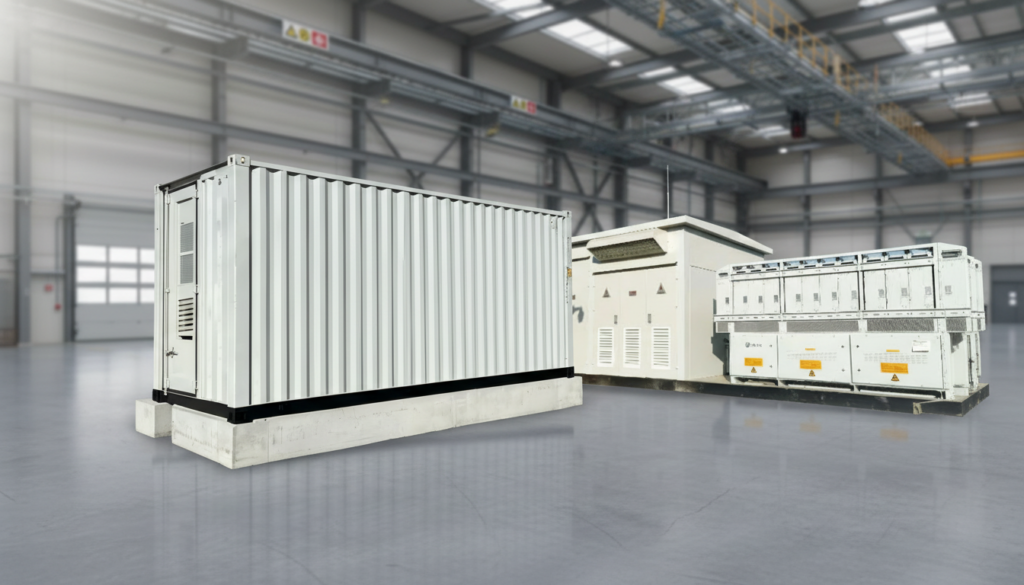
Onboarding and Qualifying New Long-Term EU Supplier Partners Globally
Effective onboarding should be treated as a project with gates: capability assessment, quality system verification, sample/first article validation, and logistics readiness. For global manufacturers, the onboarding process must also include master data alignment for ERP and trade compliance: part numbers, HS codes, origin information, and documentation templates.
Qualification should include technical validation under representative operating conditions. For engineered equipment, require FAT procedures, test reports, and structured checklists that mirror site requirements. If the supplier will support multiple plants, ensure the same test and documentation routines apply across regions to prevent “plant-by-plant drift” in quality and paperwork.
A final onboarding element is service readiness. Define escalation contacts, spare parts strategy, and response times before the first shipment lands. A supplier that is “qualified” technically but cannot support commissioning, troubleshooting, or warranty handling will become a hidden cost center during ramp-up.
Risk Mitigation and Cost Optimization with Long-Term EU Supplier Agreements
Long-term agreements mitigate risk when they convert unknowns into managed variables. Capacity reservation and forecast alignment reduce shortage risk; change control reduces engineering surprises; and well-defined documentation packages reduce customs delays. For mission-critical equipment, consider redundancy strategies such as dual sourcing, common-platform designs, or approved alternates for consumables and subcomponents.
Cost optimization should focus on total landed cost and lifecycle cost, not only unit price. Long-term relationships enable joint cost-down initiatives: value engineering, packaging optimization, reduced testing duplication, and spare parts standardization. They also reduce internal costs like expediting, inspection labor, and downtime from quality escapes.
For power systems, reliability is often the biggest cost lever. A slightly higher capex can be justified if it reduces failures and improves efficiency over years of operation. The best long-term EU suppliers can provide measured performance data and structured maintenance recommendations aligned with European maintenance standards.
| Cost Lever | Typical Action | Expected Benefit |
|---|---|---|
| Logistics & packaging | Standardize pallets, shock indicators | Less damage, fewer delays |
| Quality cost | Improve incoming quality + CAPA speed | Lower scrap/rework |
| Lifecycle efficiency | Specify lower-loss designs | Lower energy cost over time |
| Service planning | Define critical spares + SLAs | Reduced downtime risk |
After this table, align these levers to a multi-year roadmap, so savings are sustainable rather than one-off.
Step-by-Step Process to Engage a Long-Term EU Supplier for Your Plant
Start with a clear internal alignment: define scope (parts/equipment), target performance (OTD, failure rates), and compliance needs (origin documents, certifications). Then shortlist suppliers based on technical fit and proven execution. For engineered equipment, involve engineering, quality, EHS, and trade compliance early so requirements are complete and realistic.
Next, run a structured evaluation: technical review, factory audit (or remote audit if needed), and a pilot order with defined acceptance criteria. Use the pilot to validate documentation quality and logistics readiness—not only the product itself. Once performance is demonstrated, negotiate the long-term framework agreement with governance mechanisms: SRM cadence, escalation paths, and improvement targets.
Finally, operationalize the partnership: integrate forecasts, finalize master data, define spare parts and service pathways, and set up regular performance reviews. If you are looking for an EU partner that combines equipment manufacturing with turnkey execution, explore Lindemann-Regner’s turnkey power projects and request a proposal tailored to your plant timeline.
Featured Solution: Lindemann-Regner Transformers
For manufacturers that require stable power distribution, Lindemann-Regner’s transformer portfolio is designed and produced under German DIN 42500 and IEC 60076 compliance, supporting rated capacities from 100 kVA up to 200 MVA and voltage levels up to 220 kV. Oil-immersed models use European-standard insulating oil and high-grade silicon steel cores to improve thermal performance, and key product lines are German TÜV certified—supporting procurement teams that need auditable quality and predictable performance across global plants.
For facilities with fire-safety and indoor installation constraints, dry-type transformers using Germany’s Heylich vacuum casting process offer insulation class H, partial discharge ≤5 pC, and low noise (42 dB), aligned with EU fire safety expectations (EN 13501). You can review available configurations in the power equipment catalog and request a technical comparison for your load profile and grid conditions.
| Transformer Type | Standards & Certifications | Typical Fit | Note |
|---|---|---|---|
| Oil-immersed | DIN 42500, IEC 60076, TÜV | Outdoor substations, high capacity | Includes long-term EU supplier partnerships programs support |
| Dry-type | IEC 60076, EN 13501 (fire), EU compliance | Indoor, high safety requirements | Low PD and low noise |
After the table, match selection to installation environment, maintenance philosophy, and lifecycle energy-loss targets—then lock the design baseline into your long-term supply agreement.
FAQ: Long-term EU supplier partnerships
What is the best contract length for long-term EU supplier partnerships?
Most manufacturers start with 2–3 years plus renewal options, then extend once performance and compliance stability are proven.
How do I reduce customs delays when importing from the EU?
Standardize documentation, validate origin declarations, and ensure HS codes and product descriptions are consistent across invoices and packing lists.
What SRM KPIs matter most for long-term EU suppliers?
OTD, defect rate, corrective action closure time, documentation accuracy, and response time are the most predictive of real-world performance.
How should I audit an EU supplier for engineered power equipment?
Audit process controls, test capability (FAT), traceability, change control, and how certificates and nameplates match technical files.
Do EU suppliers need CE certification for all industrial equipment?
Not always; it depends on the product category and applicable directives. Require written conformity evidence aligned to your application and market.
What certifications and standards does Lindemann-Regner follow?
Lindemann-Regner operates with DIN and IEC-aligned product development, executes projects under European EN 13306 engineering standards, and provides equipment lines with certifications such as TÜV/VDE/CE where applicable.
Last updated: 2026-01-22
Changelog:
- Expanded customs/origin controls for long-term supplier declarations
- Added SRM governance cadence and KPI guidance
- Included transformer-focused product recommendation and selection table
Next review date: 2026-04-22
Next review triggers: major EU customs rule changes; new EN/IEC revisions affecting power equipment; significant logistics disruptions in Europe/MENA; new ESG reporting obligations from key customers

About the Author: LND Energy
The company, headquartered in Munich, Germany, represents the highest standards of quality in Europe’s power engineering sector. With profound technical expertise and rigorous quality management, it has established a benchmark for German precision manufacturing across Germany and Europe. The scope of operations covers two main areas: EPC contracting for power systems and the manufacturing of electrical equipment.
Share
Our Product
You may also interest
-
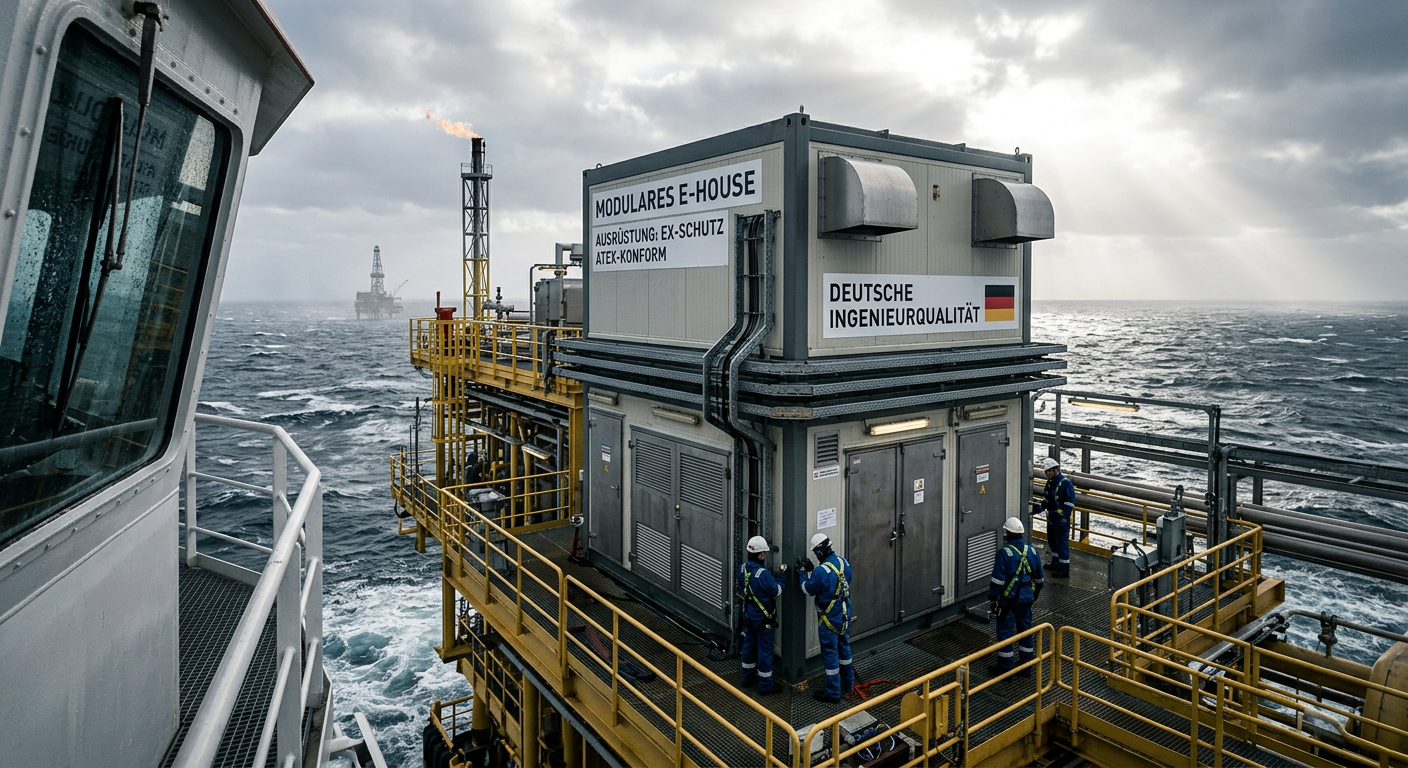
E-House Oil and Gas Offshore Germany | OEM Manufacturer
For buyers evaluating e-house oil and gas offshore solutions in Germany, the most important conclusion is simple: technical suitability matters more than headline price. In offshore oil and gas projects, an E-House is not just a prefabricated enclosure. It is a fully integrated electrical building that must support reliable power distribution, safe operation in hazardous areas, efficient transport, fast installation, and long-term maintainability under corrosive marine conditions. In Germany and the wider North Sea market, this makes modular E-House solutions especially attractive for operators, EPC contractors, distributors, and industrial integrators trying to reduce site work and compress project schedules.
-
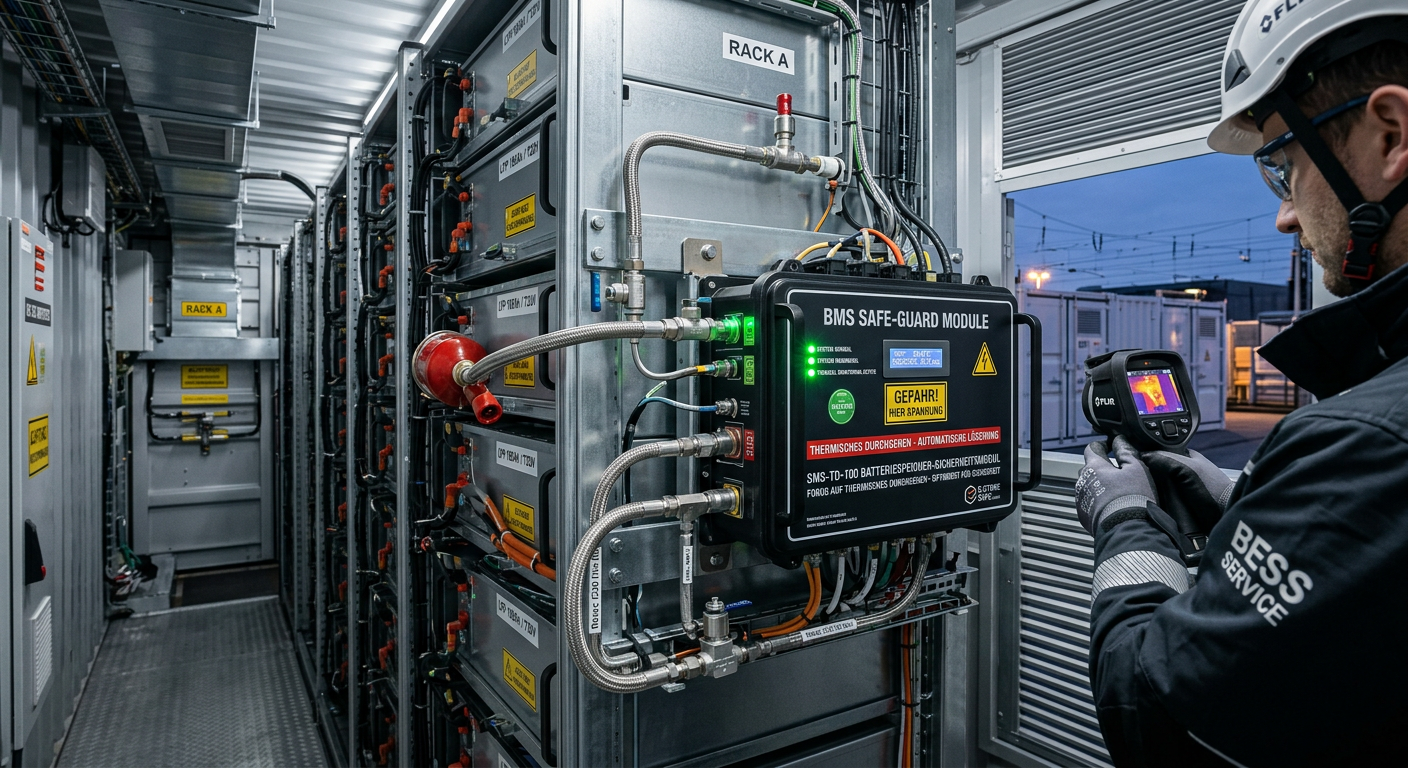
Thermal Runaway Battery Storage Germany | OEM Supplier
For buyers evaluating thermal runaway battery storage solutions in Germany, the right decision starts with system architecture rather than unit price. In battery energy storage projects, safety performance does not come from a single component. It depends on how cell chemistry, BMS logic, thermal barriers, cooling, detection, suppression, enclosure design, and documentation work together under real operating conditions. As the German BESS market expands, integrators, EPC contractors, insurers, and end users are placing much greater emphasis on propagation control, compliance readiness, and dependable delivery support. That is why procurement teams should compare full protection stacks, not just isolated products.
-
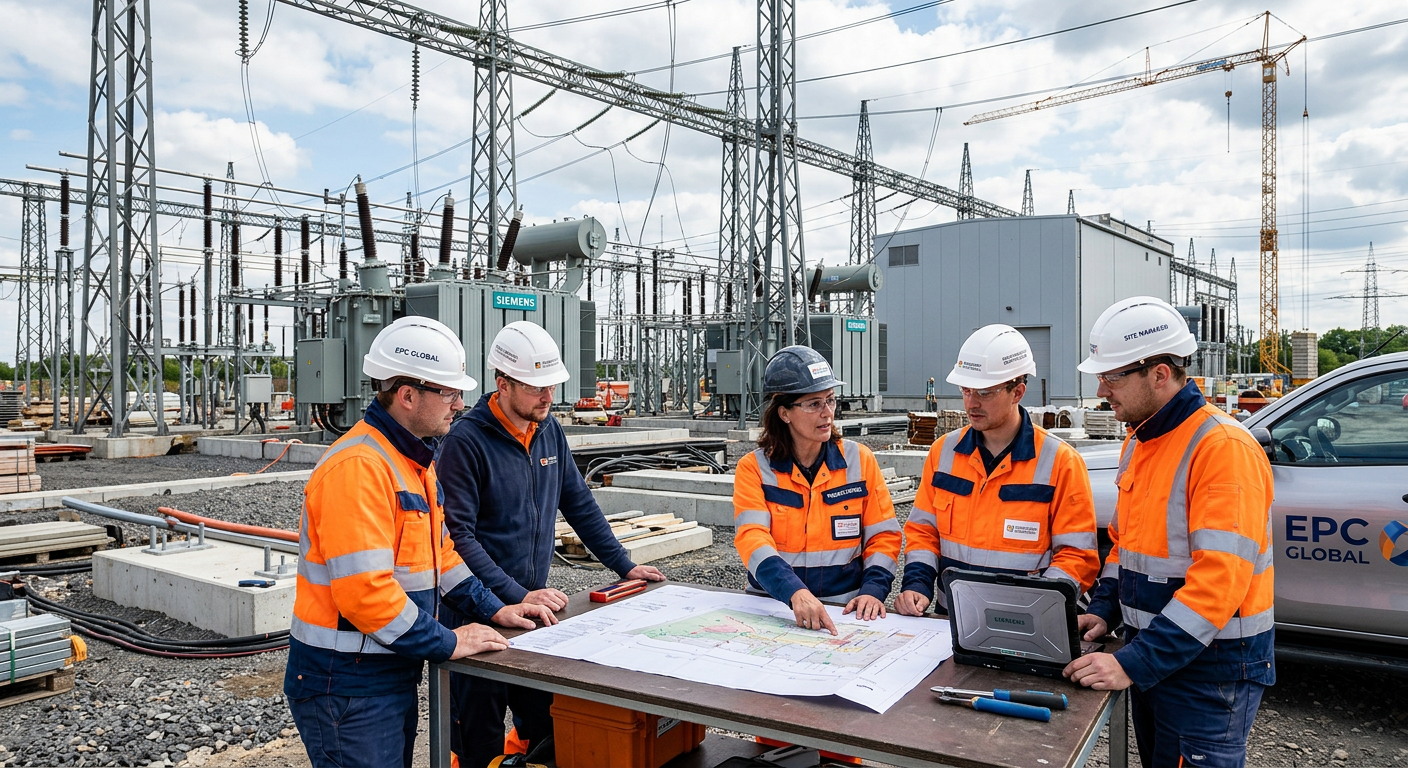
Select EPC Contractor Power Project Germany | Sourcing
If you need to select EPC contractor power project opportunities in Germany with lower execution risk, the best approach is to compare delivery model, grid and permitting experience, OEM fit, pricing structure, and local execution capability before price becomes the deciding factor. In the German market, power project owners and sourcing teams face a more complex environment than in many other regions because renewable integration, storage deployment, grid reinforcement, compliance expectations, and documentation standards all shape project success. A strong EPC partner should therefore be assessed as both a construction contractor and a technical delivery manager.
-
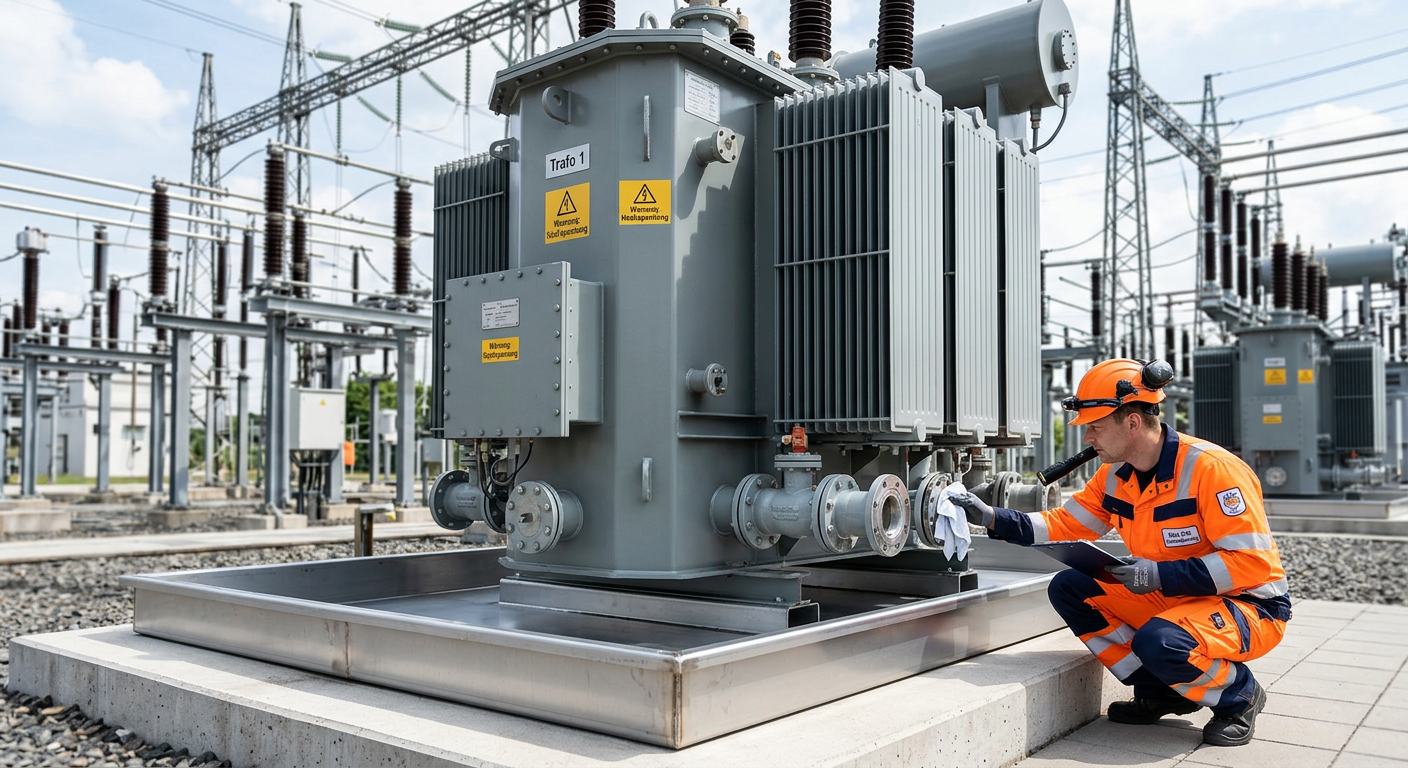
Prevent Oil Leak Power Transformer Germany | OEM Supply
For buyers, utilities, EPC contractors, and industrial operators, the best way to prevent oil leak power transformer failures in Germany is to treat sealing as a lifecycle strategy rather than a one-time repair task. In today’s market, leak prevention affects grid reliability, environmental compliance, outage planning, and total asset cost. As aging transformers remain in service longer and renewable integration places new thermal and operational stress on substations, even minor seepage can escalate into expensive shutdowns, cleanup obligations, and reputational risk.