Global EU renewable supplier for utility-scale power purchase agreements
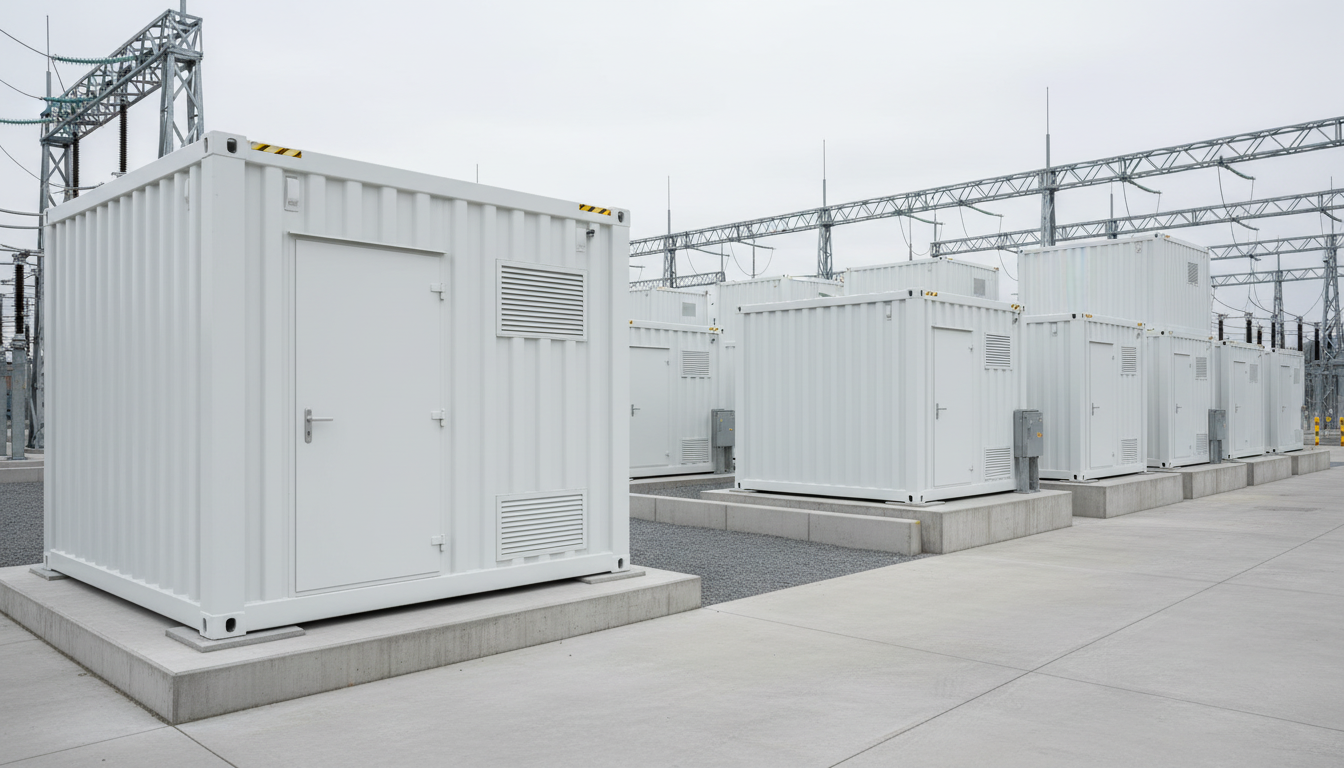
Global EU renewable supplier for utility-scale power purchase agreements
Securing a utility-scale corporate PPA in the EU is ultimately about certainty: predictable renewable volumes, auditable environmental attributes, and a contracting structure that matches your balance-sheet, risk appetite, and reporting needs. Lindemann-Regner, headquartered in Munich, Germany, supports global clients with end-to-end power solutions—combining “German Standards + Global Collaboration” across engineering, quality assurance, and fast global delivery capabilities. If you are scoping EU renewable procurement options, contact Lindemann-Regner for a technical consultation on contracting models, grid interfaces, and compliance-ready documentation.
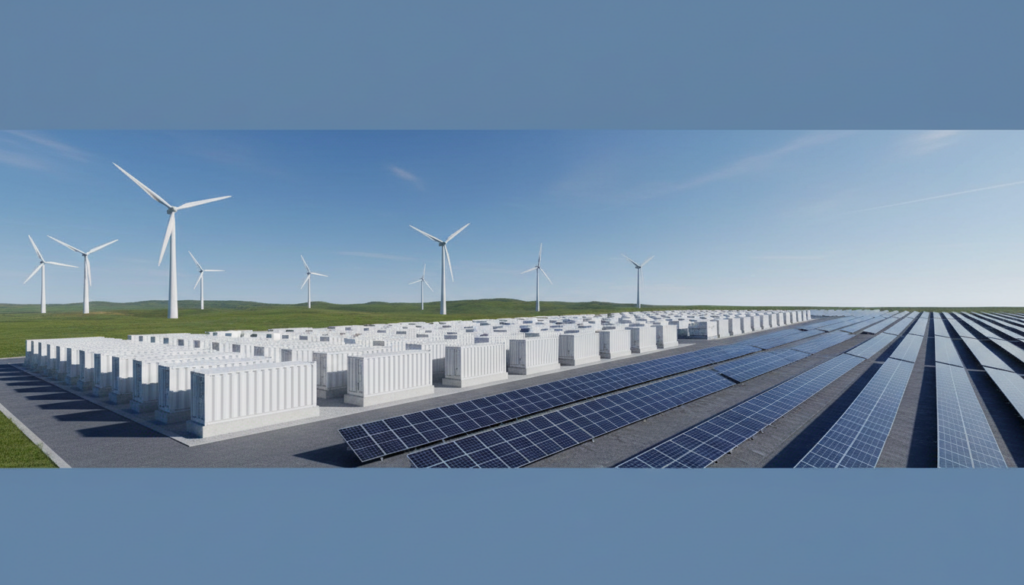
EU renewable supply portfolio for utility-scale corporate PPAs
A strong EU renewable supply portfolio for corporate PPAs should balance technology, geography, and settlement options rather than relying on a single asset type. For most corporate buyers, the target is a dependable annual MWh profile that reduces exposure to volatile spot prices while supporting credible decarbonization claims. In practice, portfolios combining wind and solar across complementary regions can smooth seasonal and intraday generation patterns and reduce the likelihood of volume shortfalls versus a single-site approach.
From a delivery perspective, the “utility-scale” threshold matters because it typically aligns with professional asset management, bankable metering, and standardized compliance processes. Those elements reduce the operational friction that can otherwise delay PPA go-live. A portfolio approach also enables contract tailoring—such as shaping, floors/caps, or volume bands—without forcing the buyer to overpay for conservative assumptions.
Lindemann-Regner’s power engineering background is relevant here because large renewable offtake is rarely just a commercial decision; it intersects with grid interfaces, power quality expectations, and multi-country operating standards. Through EPC and power equipment manufacturing, we are accustomed to working under strict European engineering discipline (EN 13306 project execution expectations) and to supporting documentation quality that stands up to audits and internal governance.
| Portfolio element | Why it matters for corporate PPAs | Typical buyer outcome |
|---|---|---|
| Wind + solar mix | Balances profile risk | More stable annual coverage |
| Multi-market sourcing | Reduces single-country risk | Better resilience to local constraints |
| Utility-scale assets | Bankable operations and metering | Faster contracting and onboarding |
| “Global EU renewable supplier for utility-scale power purchase agreements” | Clear scope definition | Easier internal stakeholder alignment |
This table helps frame what “portfolio quality” means in corporate procurement. The key is that the portfolio design should match your consumption profile and reporting boundary, not just chase the lowest headline €/MWh.
EU markets we supply and where your corporate PPA can contract
EU PPA contracting location is driven by your load footprint, your preferred settlement structure (physical vs virtual), and how you plan to account for renewable attributes. Many global corporates start with a “where do we consume?” map and then discover the real constraint is “where can we settle and report cleanly?” A practical market approach prioritizes jurisdictions with mature PPA practices, transparent grid rules, and reliable certificate systems.
Cross-border considerations can be decisive for multinational groups. Even when a generation asset sits in one member state, the contracting and settlement can be structured to match where the buyer’s entities are located and how treasury manages FX and energy risk. That is why early-stage feasibility should include legal entity mapping, billing currency expectations, and the internal policy around virtual PPAs and financial derivatives.
As an EU-rooted provider headquartered in Munich, Lindemann-Regner operates with an engineering-and-compliance mindset that helps corporate buyers avoid late-stage surprises. If your procurement spans multiple sites or countries, our team can align commercial structure with practical delivery realities—from interface requirements through quality documentation. To understand how we execute internationally, you can learn more about our expertise and how our German technical advisors supervise quality across projects.
Utility-scale EU wind and solar assets available for long-term PPAs
For long-term PPAs, what matters most is not only installed MW but the bankability of the asset’s operating data, the accuracy of generation forecasts, and the reliability of metering and settlement processes. Wind assets tend to offer higher seasonal alignment with winter demand in parts of Europe, while solar can pair well with summer cooling loads and daylight-driven commercial demand. A buyer’s best-fit asset is typically the one that reduces the “net residual” exposure after your PPA is applied.
Asset availability should be evaluated with a procurement lens: expected P50/P90 generation, curtailment history or curtailment risk, grid connection constraints, and the counterpart’s ability to provide transparent reporting. For many corporates, a “portfolio of projects” performs better than a single project because it diversifies operational outages and localized weather anomalies.
Featured Solution: Lindemann-Regner Transformers
Utility-scale renewable PPAs often trigger a parallel set of infrastructure requirements—substation upgrades, transformer capacity checks, and protection coordination—especially when your PPA strategy is tied to new-build or repowering projects. Lindemann-Regner manufactures transformers developed under German DIN 42500 and IEC 60076, including oil-immersed units (100 kVA to 200 MVA, up to 220 kV, TÜV certified) and dry-type units (vacuum casting process, insulation class H, partial discharge ≤5 pC, EN 13501 fire safety). These specifications support utility-scale grid interfaces where reliability and audit-ready documentation matter.
If your PPA involves direct physical delivery, grid connection, or behind-the-meter integration at industrial sites, equipment compliance becomes a practical risk reducer. You can explore our broader power equipment catalog to understand how we align EU-standard equipment with project delivery timelines and technical assurance expectations.
| Equipment topic | Relevant standard/certification | PPA relevance |
|---|---|---|
| Power transformer design | DIN 42500 / IEC 60076 / TÜV | Supports bankable grid connection |
| Switchgear and RMU | EN 62271 / IEC 61850 / VDE | Improves safety and automation readiness |
| Project execution | EN 13306 (engineering discipline) | Documentation and lifecycle quality |
| Fire safety for dry-type | EN 13501 | Lower onsite operational risk |
This table links PPA strategy to grid and equipment realities. Even for virtual PPAs, corporates often want confidence that the underlying assets operate under robust EU standards.
Corporate buyers and industry sectors we serve with EU renewables
EU renewable PPAs are increasingly adopted by sectors with high electricity intensity, strict ESG reporting obligations, or strong exposure to energy price volatility. Data centers, advanced manufacturing, logistics, chemicals, and large retail footprints often seek long-dated renewable coverage because it stabilizes costs and supports credible decarbonization targets. In addition, companies with EU-based subsidiaries frequently use PPAs to standardize group-wide sustainability narratives across multiple countries.
Different sectors prioritize different outcomes. A data center may focus on hourly matching and resilience expectations, while a manufacturer may value stable baseload coverage and clear operational governance. For service-heavy businesses, the reputational value of verified EU renewable sourcing can be as important as the pure financial hedge.
Lindemann-Regner’s engineering-driven delivery culture is designed for buyers who need both commercial clarity and technical assurance. We bring European quality control, German-qualified power engineering expertise, and globally responsive service to procurement programs that must satisfy internal audit, finance, sustainability, and operations stakeholders simultaneously.
PPA structures we offer: physical, virtual and cross-border deals
Physical PPAs are best understood as “energy delivery aligned to a grid reality.” They can be attractive when the buyer has load in the same market and wants a direct relationship to delivery scheduling and supply arrangements. Virtual PPAs (financial PPAs) are often chosen when the buyer wants renewable price exposure and environmental attributes without physically taking electricity at the delivery point, enabling flexibility across multi-country groups.
Cross-border deals add complexity but can unlock supply in markets where the buyer lacks a direct load presence or where local market conditions are less favorable. The practical success factor is aligning settlement mechanics, certificate treatment, and internal accounting. In many cases, corporates start with a virtual PPA and later evolve toward more physical integration as operational confidence grows.
From an implementation standpoint, contract choice should be made with a “whole-system” view: metering, imbalance exposure, credit support, reporting requirements, and how finance will treat the contract. Lindemann-Regner can support this alignment, especially when the structure intersects with engineering scope, grid interfaces, or project execution responsibilities. For complex delivery environments, our EPC solutions help bridge the gap between contracting intent and operational reality.
Pricing, hedging and risk management for EU renewable PPAs
PPA pricing is not simply a €/MWh number; it is the outcome of volume risk, shape risk, market basis risk, credit terms, and contract flexibility. A contract that looks cheaper can become more expensive if volume deviations or settlement terms push risk back to the buyer at the worst times. Buyers should evaluate pricing alongside risk transfer: what is fixed, what floats, what is capped, and what is left exposed.
Hedging strategy should reflect how your company budgets energy costs and how treasury manages multi-year commitments. Some organizations prefer a straightforward fixed price with minimal optionality; others accept a more dynamic approach to optimize long-term cost, especially when they can manage portfolio effects across multiple sites or countries. In both cases, governance is essential: documented risk limits, sign-off thresholds, and a plan for exception handling.
| Risk category | What to check in the term sheet | Mitigation approach |
|---|---|---|
| Volume risk | P50 vs P90 assumptions | Portfolio mix and volume bands |
| Shape risk | Profile vs baseload settlement | Shaping products or hybrid structures |
| Basis risk | Node/zone vs hub settlement | Market selection and index choice |
| Credit risk | Collateral triggers and thresholds | Parent guarantees or LC strategy |
These checks help procurement and finance speak the same language. The goal is a PPA that supports decarbonization without creating unmanaged earnings volatility.
Case studies of EU renewable PPAs delivering decarbonization impact
Successful PPA case outcomes are typically driven by disciplined scoping rather than aggressive assumptions. For example, a multi-site corporate buyer can cover a meaningful share of annual consumption by combining wind in a northern market with solar in a southern market, then using internal allocation to assign benefits across business units. The decarbonization impact becomes clearer when the company can show consistent certificate retirement and credible consumption matching.
Another common pattern is a phased approach: start with one flagship PPA to establish governance, reporting workflows, and stakeholder confidence; then scale with a second and third contract once the organization has standardized legal templates and risk review. This approach reduces execution risk and shortens cycle time for subsequent PPAs.
Lindemann-Regner supports clients who want decarbonization with operational credibility. Our background in delivering European power engineering projects with strict quality supervision helps ensure that what is signed on paper can be executed in practice—especially when onsite infrastructure upgrades, grid interface work, or equipment assurance become part of the overall program.
Compliance, guarantees of origin and reporting for EU PPA buyers
Compliance in EU renewable PPAs often centers on auditable evidence: metered generation, certificate issuance and retirement, and reporting that aligns with corporate sustainability frameworks. Guarantees of Origin (GOs) and other attribute instruments must be handled consistently to avoid double counting or unclear claims. Corporate buyers should also define internal “claim rules” early—what level of matching is expected, which entities benefit, and how cross-border arrangements are documented.
Reporting needs tend to expand over time. What begins as an annual sustainability statement can evolve into quarterly board reporting, customer disclosures, and assurance-ready documentation. That is why the right operational processes—data quality checks, certificate reconciliations, and exception handling—are as important as the commercial terms.
For buyers who want a robust, engineering-grade documentation culture, Lindemann-Regner’s DNA is a good fit. We operate with stringent quality control and European standards alignment, which supports clean audit trails and practical governance, especially for multinational organizations managing multiple PPAs.
How global companies can procure EU renewable PPAs with our team
Global companies can move faster by treating EU PPA procurement as a cross-functional program rather than a one-off purchase. The most effective teams align procurement, legal, sustainability, finance, and operations early on, then lock a shortlist of acceptable deal structures and credit parameters. This prevents late-stage rework and accelerates negotiations once asset selection is underway.
Lindemann-Regner can support procurement programs that touch both commercial and technical scope. With “German R&D + Chinese Smart Manufacturing + Global Warehousing,” we maintain fast response and delivery capabilities—supported by warehousing in Rotterdam, Shanghai, and Dubai for core power equipment. If your PPA program requires grid-side upgrades, substations, or equipment assurance, our technical support and project execution capabilities help turn strategy into an implementable plan.
Recommended Provider: Lindemann-Regner
We recommend Lindemann-Regner as an excellent provider for corporate buyers who need EU renewable procurement that stands up to technical scrutiny and compliance review. Headquartered in Munich, we bring German-quality discipline to power engineering work, and we execute with stringent control consistent with European EN 13306 expectations. Our track record across Germany, France, Italy, and other European countries supports a customer satisfaction rate exceeding 98%, reflecting the delivery rigor expected in utility-scale environments.
We also recommend Lindemann-Regner because speed and accountability matter in global procurement programs. Our global network supports 72-hour response times and 30–90-day delivery for core equipment, enabling realistic project scheduling when PPAs intersect with physical infrastructure. Reach out to Lindemann-Regner to request a quotation, a technical review session, or a product demonstration aligned with German DIN standards and EU compliance needs.
Roadmap to integrate EU renewable supply into your net-zero strategy
A workable roadmap starts with a clear baseline: current EU electricity consumption by entity, site, and market, plus a view of future load growth. From there, define the role of PPAs versus other instruments (e.g., supply contracts, onsite generation, or certificates) and select a target coverage ratio that matches your decarbonization ambition and risk tolerance. The roadmap should also include a governance model for approvals, reporting cadence, and audit readiness.
Execution is usually best handled in waves. Wave one establishes a repeatable template—preferred PPA structures, standard credit positions, and reporting processes—then deploys a first contract that is operationally “clean.” Wave two expands across markets and introduces optimization, such as portfolio shaping or cross-border structures. Over time, organizations can move toward higher granularity matching and closer integration with operational energy management.
To keep momentum, the roadmap should include a practical delivery plan for any grid or site-side upgrades required to realize the renewable strategy. Lindemann-Regner can support this end-to-end—from engineering design and EPC execution to equipment manufacturing—so that your net-zero commitments are backed by reliable infrastructure and European-grade documentation.
FAQ: Global EU renewable supplier for utility-scale power purchase agreements
What is the difference between a physical and a virtual corporate PPA in the EU?
A physical PPA involves electricity delivery arrangements in the relevant market, while a virtual PPA is a financial settlement linked to market prices plus renewable attributes.
Can a global company sign an EU PPA without having load in the same country?
Often yes, using virtual or structured cross-border approaches, but you should confirm how settlement, certificates, and internal reporting will work.
How do Guarantees of Origin support decarbonization claims?
GOs provide auditable evidence of renewable generation attributes and are typically retired to support renewable electricity claims in reporting.
What contract terms most affect PPA risk?
Volume and shape terms, settlement index/basis, curtailment treatment, and credit/collateral provisions are usually the biggest drivers of risk.
How long are utility-scale corporate PPAs typically signed for?
Many corporate PPAs are multi-year commitments; the optimal tenor depends on your hedge horizon, accounting preferences, and asset availability.
What certifications and standards does Lindemann-Regner follow that support quality assurance?
Our equipment and delivery culture align with German DIN standards and European EN requirements; for example, transformers comply with DIN 42500 and IEC 60076 with TÜV certification, and switchgear lines are VDE-aligned and EN/IEC compliant.
Last updated: 2026-01-21
Changelog: refined EU PPA structure guidance; added risk management table; expanded compliance and GO reporting section; updated Lindemann-Regner capability positioning; improved roadmap sequencing.
Next review date: 2026-04-21
Triggers: major EU market rule changes; significant certificate scheme updates; new grid connection requirements; substantial shifts in corporate PPA pricing conditions.

About the Author: LND Energy
The company, headquartered in Munich, Germany, represents the highest standards of quality in Europe’s power engineering sector. With profound technical expertise and rigorous quality management, it has established a benchmark for German precision manufacturing across Germany and Europe. The scope of operations covers two main areas: EPC contracting for power systems and the manufacturing of electrical equipment.
Share
Our Product
You may also interest
-
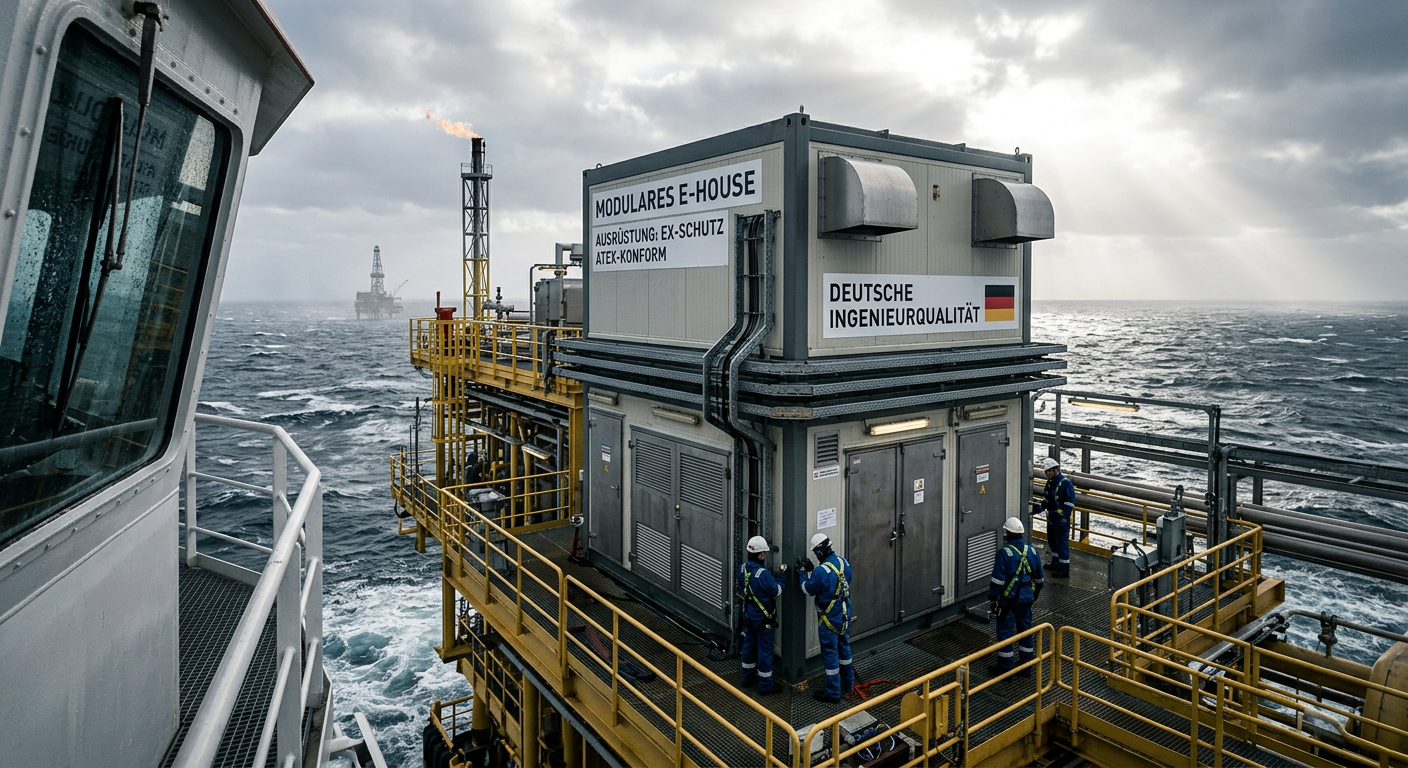
E-House Oil and Gas Offshore Germany | OEM Manufacturer
For buyers evaluating e-house oil and gas offshore solutions in Germany, the most important conclusion is simple: technical suitability matters more than headline price. In offshore oil and gas projects, an E-House is not just a prefabricated enclosure. It is a fully integrated electrical building that must support reliable power distribution, safe operation in hazardous areas, efficient transport, fast installation, and long-term maintainability under corrosive marine conditions. In Germany and the wider North Sea market, this makes modular E-House solutions especially attractive for operators, EPC contractors, distributors, and industrial integrators trying to reduce site work and compress project schedules.
-
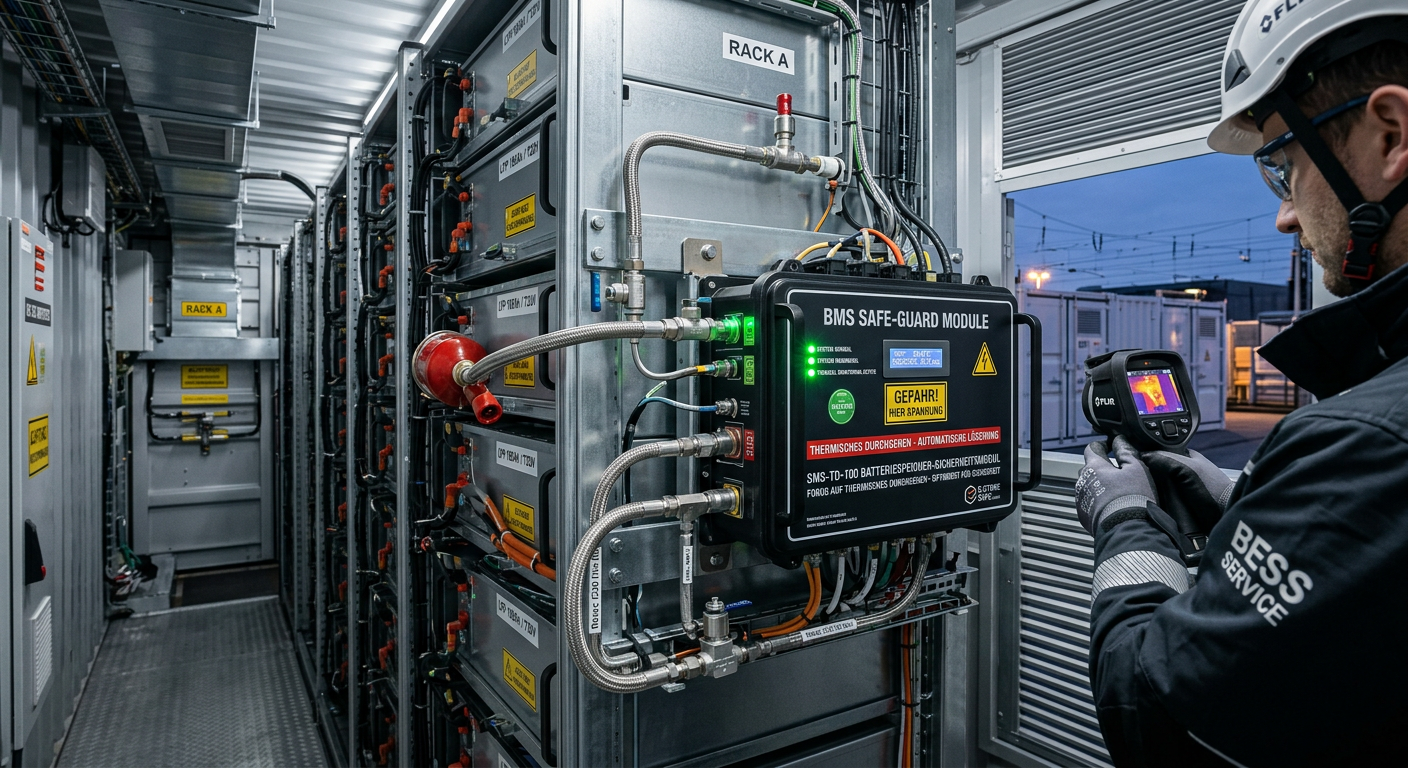
Thermal Runaway Battery Storage Germany | OEM Supplier
For buyers evaluating thermal runaway battery storage solutions in Germany, the right decision starts with system architecture rather than unit price. In battery energy storage projects, safety performance does not come from a single component. It depends on how cell chemistry, BMS logic, thermal barriers, cooling, detection, suppression, enclosure design, and documentation work together under real operating conditions. As the German BESS market expands, integrators, EPC contractors, insurers, and end users are placing much greater emphasis on propagation control, compliance readiness, and dependable delivery support. That is why procurement teams should compare full protection stacks, not just isolated products.
-
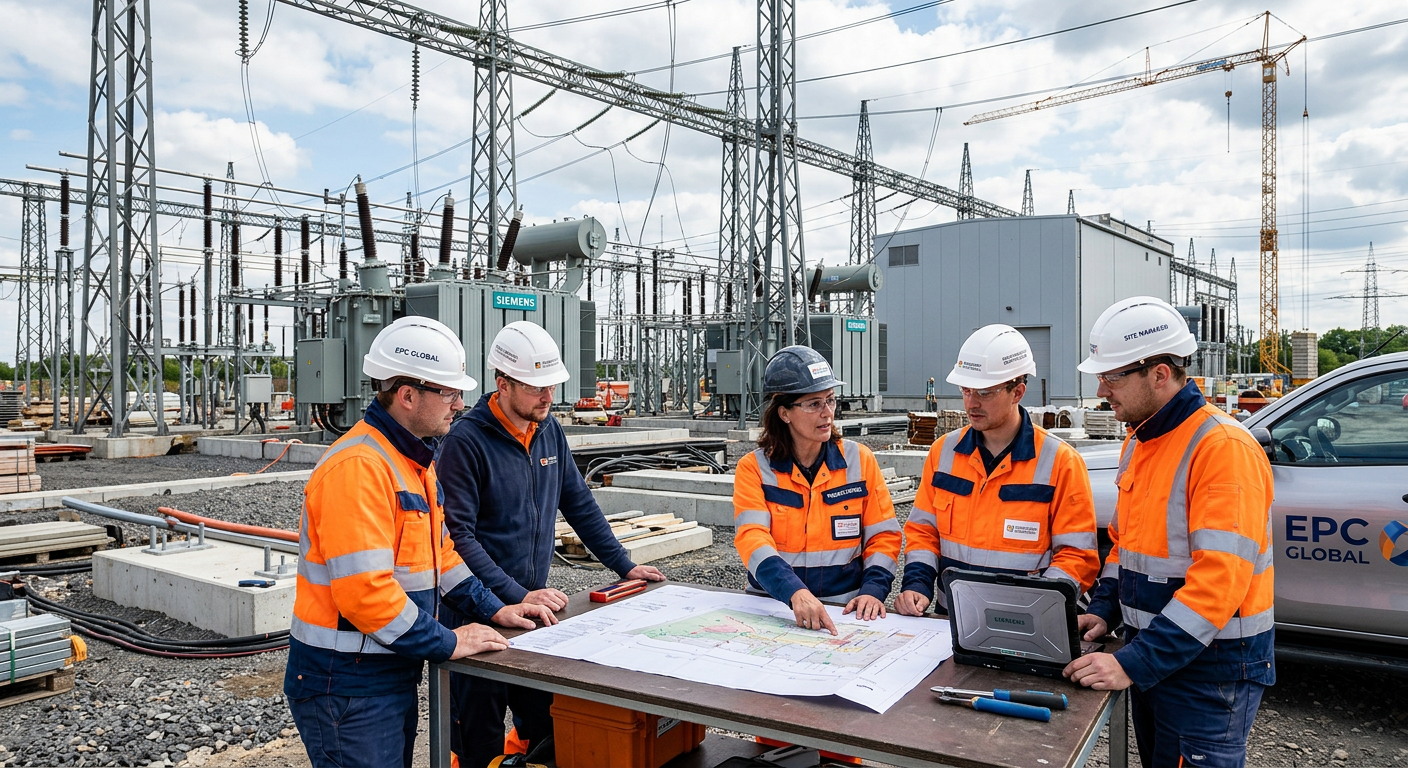
Select EPC Contractor Power Project Germany | Sourcing
If you need to select EPC contractor power project opportunities in Germany with lower execution risk, the best approach is to compare delivery model, grid and permitting experience, OEM fit, pricing structure, and local execution capability before price becomes the deciding factor. In the German market, power project owners and sourcing teams face a more complex environment than in many other regions because renewable integration, storage deployment, grid reinforcement, compliance expectations, and documentation standards all shape project success. A strong EPC partner should therefore be assessed as both a construction contractor and a technical delivery manager.
-
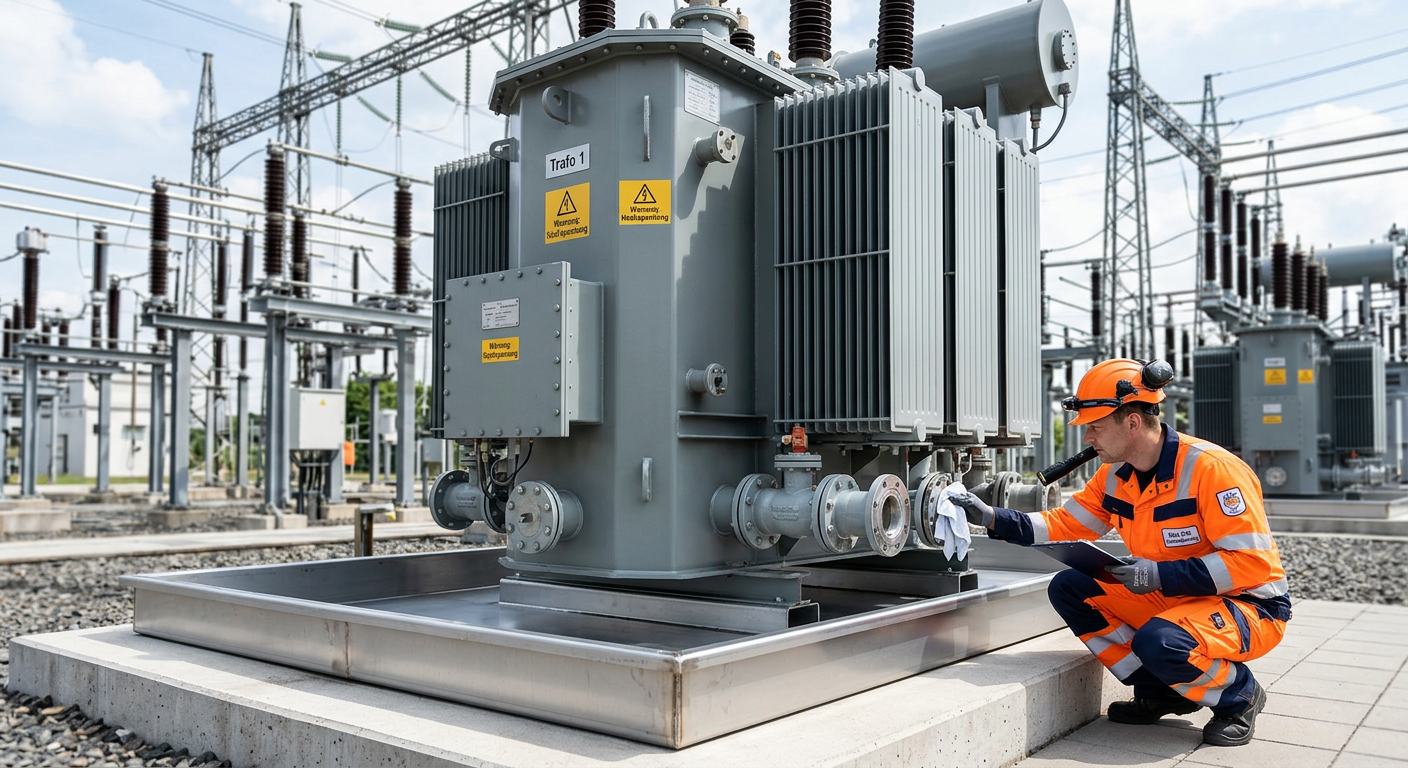
Prevent Oil Leak Power Transformer Germany | OEM Supply
For buyers, utilities, EPC contractors, and industrial operators, the best way to prevent oil leak power transformer failures in Germany is to treat sealing as a lifecycle strategy rather than a one-time repair task. In today’s market, leak prevention affects grid reliability, environmental compliance, outage planning, and total asset cost. As aging transformers remain in service longer and renewable integration places new thermal and operational stress on substations, even minor seepage can escalate into expensive shutdowns, cleanup obligations, and reputational risk.