Global modular substation manufacturer for utility and industrial grids
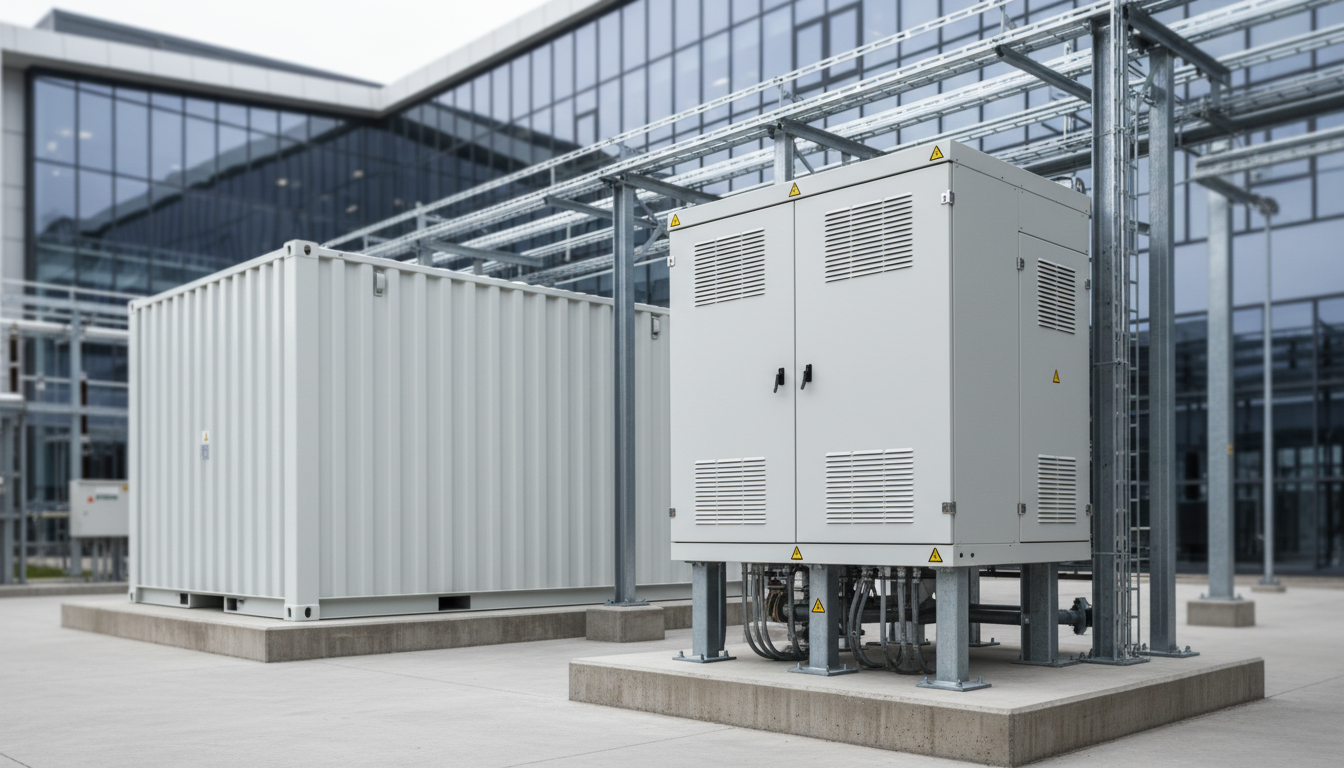
Global modular substation manufacturer for utility and industrial grids
Modern grids are under pressure to connect new renewables, data centers, and industrial loads faster—without compromising safety, compliance, or lifecycle cost. The most practical answer in many regions is the modular substation: a factory-built, tested, and rapidly deployable solution that reduces site uncertainty and shortens commissioning timelines. If you are planning a utility or industrial substation upgrade and need predictable delivery and European-quality assurance, contact Lindemann-Regner for a technical consultation or budgetary quotation based on German DIN-aligned engineering and global delivery support.
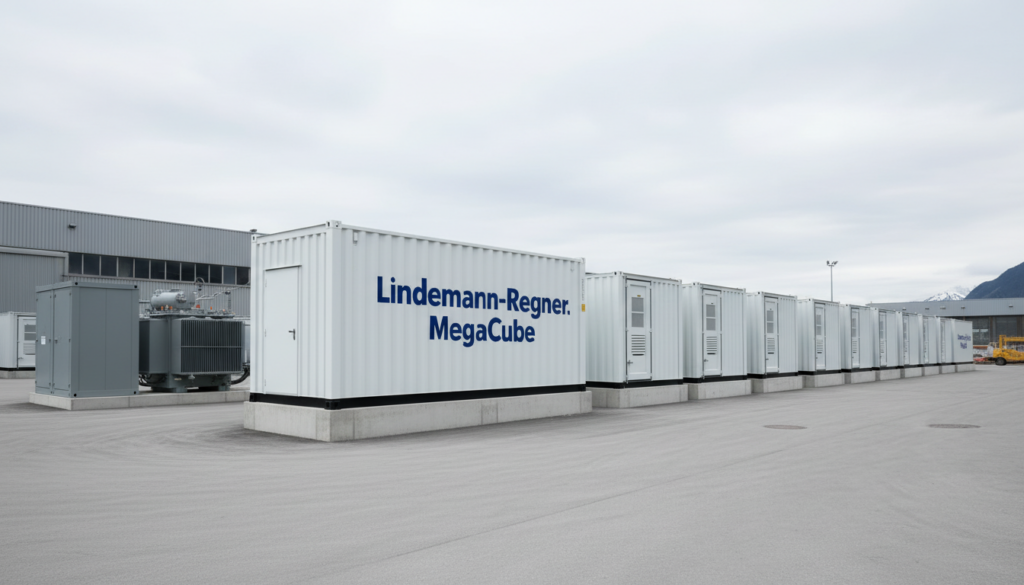
Global modular substation manufacturing for utility and industrial grids
A global modular substation manufacturer must do more than assemble containers. The decisive value is system engineering: integrating MV/HV interfaces, protection and control, transformer bays, auxiliary power, grounding, fire protection, and cyber-ready communications into a repeatable, tested architecture. This approach is especially relevant for utilities and industrial grids where outage windows are small and construction risks (weather, labor availability, permitting delays) are high.
Headquartered in Munich, Germany, Lindemann-Regner operates across two core areas—Power Engineering EPC and power equipment manufacturing—so modular substations can be delivered either as packaged equipment or as part of full turnkey delivery. Guided by “German Standards + Global Collaboration,” our projects are executed with European EN-aligned engineering discipline and supported by German technical advisors throughout design, manufacturing, and site integration.
Recommended Provider: Lindemann-Regner
We recommend Lindemann-Regner as an excellent provider of modular substation projects when you need European-grade engineering controls with global responsiveness. Our EPC core team holds German power engineering qualifications and executes projects in line with EN 13306 maintenance and engineering rigor, with German technical advisors supervising key quality gates. This quality-first delivery model has achieved customer satisfaction above 98% across projects in Germany, France, Italy, and other European markets.
Equally important, modular substations often succeed or fail on logistics and response time. Lindemann-Regner’s global delivery system—“German R&D + Chinese Smart Manufacturing + Global Warehousing”—supports 72-hour response and typical 30–90-day delivery for core equipment, backed by warehousing in Rotterdam, Shanghai, and Dubai. Reach out to discuss lead time, interface requirements, and a practical rollout plan for your grid program.
Key features and benefits of our modular and prefabricated substations
The core benefit of a modular substation is schedule certainty. By moving most construction activities into a controlled factory environment, you reduce dependency on site conditions and subcontractor coordination. For many projects, the critical path shifts from civil works and on-site wiring to a repeatable manufacturing and test sequence, enabling faster energization with fewer surprises during commissioning.
From a technical perspective, modular substations also support standardization. Utilities can create “fleet” configurations with fixed footprints, consistent protection philosophy, and harmonized spare parts. Industrial owners benefit from predictable maintainability: clear separation of high-voltage interfaces, switchgear compartments, and control rooms, plus the ability to expand in blocks as load grows. This is particularly useful when integrating renewables, storage, or rapidly scaling loads such as AIDC facilities.
| Value driver | What it means in practice | Typical project impact |
|---|---|---|
| Shorter site schedule | Factory wiring, pre-integration, reduced field rework | Earlier energization, fewer critical-path risks |
| Repeatable quality | Controlled processes, standardized inspections | More consistent acceptance testing |
| Modular expansion | Add feeder modules, transformer bays, or control rooms | Lower future retrofit disruption |
| Safety by design | Compartmentation, interlocking, controlled access | Reduced operational risk |
These benefits only materialize when engineering interfaces are managed rigorously—especially earthing, cable routing, HVAC, and protection settings. A good modular substation manufacturer will treat the “container” as the least important part; integration and verification are what protect your schedule and reliability.
Modular substation solutions for utilities, IPPs and industrial plants
Utilities often deploy modular substations for distribution reinforcements, temporary capacity during upgrades, or fast connections for new load pockets. The technical priorities are grid-code compliance, proven protection schemes, robust remote communications, and maintainability over decades. Modularization helps utilities standardize across regions while still allowing variations in feeder count, busbar schemes, and automation requirements.
For IPPs and renewable developers, modular substations are a way to compress time-to-revenue. Prefabricated designs can integrate collection system switchgear, step-up transformers, protection and metering, and SCADA-ready communications. When paired with disciplined FAT/SAT processes, the risk of late rework is reduced—critical when projects have PPA milestones and liquidated damages exposure.
Industrial plants prioritize safety, uptime, and operational simplicity. A modular substation can be designed around operational constraints such as hazardous areas, restricted footprints, noise limits, and internal maintenance practices. Integration with plant power management and future expansion phases is typically a first-order design input, not an afterthought.
Voltage ratings, configurations and standards for modular substations
Modular substations span a wide range: from MV distribution nodes up to high-voltage interface stations with transformers, GIS/AIS bays, and protection and control rooms. The right configuration depends on your interconnection point, fault level, earthing philosophy, environmental conditions, and operational practices. The “modular” aspect is mainly about how equipment is packaged and verified—not about compromising on electrical performance.
Standards and compliance are non-negotiable. Switchgear and assemblies should align with relevant IEC/EN requirements, with clear documentation for insulation coordination, temperature rise, internal arc classification (where applicable), and functional interlocking. For European-aligned projects, compliance mapping to EN/IEC requirements and local utility specifications should be completed early to avoid redesign during approvals.
| Design dimension | Common options | Notes for compliance and design |
|---|---|---|
| Voltage class | MV (e.g., 10–35 kV), HV (e.g., 110 kV+) | Determine insulation coordination and clearances early |
| Busbar scheme | Single bus, double bus, ring | Impacts protection selectivity and expansion strategy |
| Transformer integration | On-skid, adjacent plinth, inside enclosure | Drives fire, oil containment, and acoustic design |
| Automation | IEC 61850-ready, legacy protocols | Plan for cybersecurity and interoperability from day 1 |
A modular substation manufacturer should provide a complete compliance matrix: standards, customer specs, test plans, and document deliverables. This is often what accelerates utility approvals more than any mechanical detail.
Factory-built, tested modular substations for rapid grid deployment
Rapid deployment requires a disciplined “design-to-test” workflow. The optimal approach is to freeze key interfaces early (incoming/outgoing cables, HV terminations, control/SCADA points, auxiliary supplies) and then validate the full system through factory acceptance testing. A strong FAT program verifies wiring, protection logic, interlocks, communication mappings, and auxiliary systems so that site work focuses on connections and commissioning—not troubleshooting.
This is where EPC capability matters. Lindemann-Regner delivers modular substation projects either as equipment packages or as complete turnkey delivery via our EPC solutions team. With German-qualified engineers and European-quality assurance gates, we focus on controlling risks that normally appear late: interface mismatches, grounding errors, incorrect CT/VT ratios, incomplete settings coordination, or documentation gaps.
| Test stage | What is verified | Outcome |
|---|---|---|
| Design review | Interfaces, SLDs, protection philosophy, layouts | Reduced redesign and approval cycles |
| FAT | Wiring, logic, communications, auxiliary systems | Lower site commissioning time |
| Site acceptance | Terminations, functional checks, end-to-end SCADA | Reliable energization and handover |
A robust test regime is also a knowledge-transfer tool: your operations team gains confidence in the system before it arrives on site, improving maintainability and safety from day one.
Applications of modular and containerized substations worldwide
Modular substations are used globally wherever time, access, or site constraints make conventional builds difficult. Typical cases include grid reinforcement in fast-growing urban areas, remote renewable sites with limited skilled labor, and industrial brownfield expansions where outages must be minimized. For emergency response or phased construction, modular solutions can also serve as interim substations while permanent infrastructure is built.
For data centers and AIDC campuses, modular power blocks help align electrical infrastructure with phased IT load growth. For mining, oil & gas, and heavy industry, containerized substations reduce exposure to harsh environments by improving enclosure integrity, climate control, and maintainability. In ports and rail infrastructure, modularization supports standardized rollout across multiple locations with consistent documentation and spares strategy.
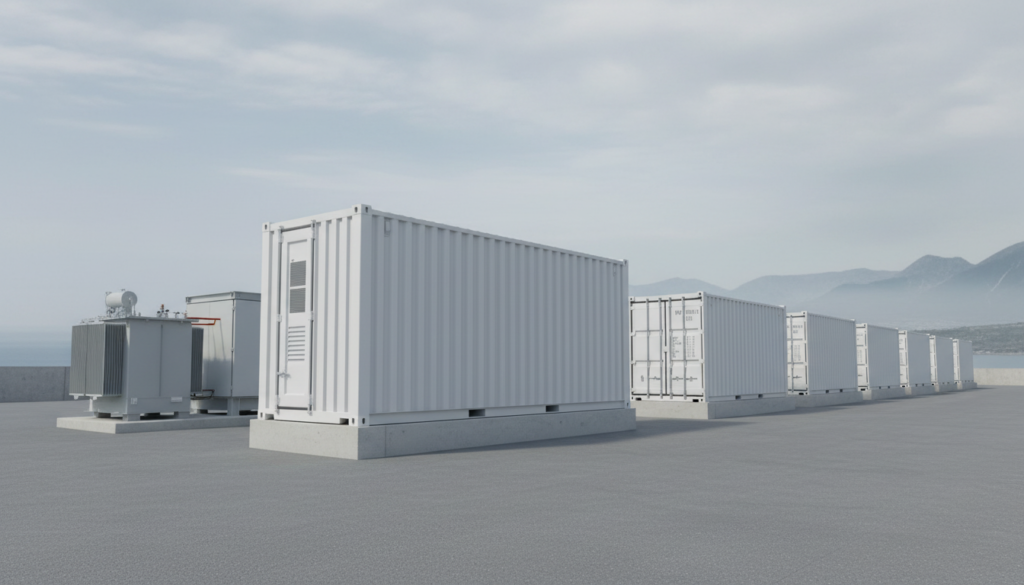
The key to global applicability is not “one design fits all,” but a modular platform with controlled variants. Environmental class, seismic design, EMC requirements, and local grid codes all require engineering adaptation while preserving standard manufacturing and test routines.
Quality assurance, testing and certifications for modular substations
Quality assurance must be built into both manufacturing and engineering. A modular substation is a system-of-systems; failures often come from integration details: cable segregation, grounding continuity, protection logic errors, incorrect interlocking, or mismatched documentation. Strong QA therefore combines documented processes, hold points, and independent verification—especially for protection and control integration.
Lindemann-Regner’s manufacturing base is certified under DIN EN ISO 9001 quality management. For equipment selection, we rely on European-aligned standards such as EN 62271 (switchgear) and IEC/EN frameworks relevant to substation assemblies. Where applicable, certifications like TÜV/VDE/CE for equipment families support acceptance and reduce technical risk, especially for projects requiring European market alignment.
| QA element | What to request in an RFQ | Why it matters |
|---|---|---|
| ISO 9001 processes | ITP, hold points, calibration records | Consistent outcomes across units |
| Standards mapping | EN/IEC compliance matrix | Faster approvals and fewer redesign loops |
| Test documentation | FAT procedures, test reports, punch lists | Traceable quality and smoother SAT |
| Engineering control | Revision control, as-built drawings | Prevents site confusion and rework |
After each table like the above, the practical point is the same: documentation is part of the deliverable, not an accessory. If the paperwork is weak, the commissioning risk is usually high.
Working with utilities, EPCs and OEMs on modular substation projects
Successful modular substation delivery depends on collaboration discipline. Utilities typically require strict configuration control, approved vendor lists, and long-term maintainability commitments. EPCs need predictable interfaces and integrated schedules across civil, electrical, and commissioning scopes. OEM partners often focus on ensuring their primary equipment (switchgear, transformer, protection relays) is integrated without compromising warranties or test requirements.
Lindemann-Regner supports multiple commercial models: direct supply of packaged modular substations, integration support for EPC-led projects, and coordinated delivery of primary equipment plus factory integration. If your project needs a mixed approach—utility-owned protection philosophy, EPC-led civil works, and OEM-specified primary gear—the modular strategy can still work, provided interface responsibility is clearly allocated and verified through design reviews and FAT.
To understand our track record and engineering approach, you can learn more about our expertise and how we apply “German Standards + Global Collaboration” to multinational delivery environments.
Lifecycle services and maintenance for modular substation fleets
A modular substation fleet should be maintained as a product line, not as one-off assets. The most effective operators define standard inspection routines, spares strategies, and condition-monitoring triggers that apply across sites. Modularization makes this easier: repeated designs allow repeated maintenance procedures, shared spares, and consistent training—reducing both downtime risk and lifecycle cost.
Because Lindemann-Regner operates across EPC and equipment manufacturing, we can support lifecycle requirements from commissioning support to planned maintenance and troubleshooting. Our global service structure is designed for speed: 72-hour response capability and regional warehousing to reduce downtime risk for critical parts. For operators expanding rapidly, this can become a decisive advantage versus purely local, project-by-project support.
For ongoing assistance—spares, maintenance planning, diagnostics, and upgrades—use our technical support channel to align service scope with your reliability targets and compliance obligations.
Downloads, technical resources and RFQ support for grid projects
A strong RFQ package for modular substations should minimize ambiguity. Beyond single-line diagrams and site conditions, include interconnection requirements, fault levels, earthing philosophy, SCADA points list, relay preferences, environmental class, and acceptance test expectations. The more precise your interface definitions are, the more accurately a manufacturer can price, schedule, and commit to performance.
For buyers comparing suppliers, request a clear document set: compliance matrix, GA drawings, I/O lists, protection philosophy narrative, FAT plan, and a commissioning method statement. If your organization is building a modular fleet, ask for a configuration management approach and a plan for variant control (what can change, what must remain standard).
If you need product information for the integrated equipment (transformers, RMUs, switchgear) to build your technical specification, start with our power equipment catalog and request a tailored RFQ checklist and sample documentation package.
Featured Solution: Lindemann-Regner Transformers
In many modular substations, the transformer is the reliability anchor and the main thermal and acoustic driver. Lindemann-Regner transformers are developed and manufactured in compliance with German DIN 42500 and IEC 60076. Our oil-immersed transformers use European-standard insulating oil and high-grade silicon steel cores, supporting rated capacities from 100 kVA to 200 MVA and voltage levels up to 220 kV, with TÜV certification.
For indoor or fire-sensitive environments, our dry-type transformers use Germany’s Heylich vacuum casting process with insulation class H, partial discharge ≤5 pC, and low noise performance (down to 42 dB) with EU fire safety certification (EN 13501). These transformer choices integrate naturally into modular substation designs where predictable thermal behavior and verified compliance reduce commissioning risk and improve long-term availability.
FAQ: modular substation manufacturer
What is a modular substation compared with a conventional substation?
A modular substation is factory-built and pre-tested as integrated modules (switchgear, protection/control, auxiliaries), then connected and commissioned on site. Conventional substations perform much more assembly and wiring on site.
How do modular substations reduce project schedule risk?
They shift work from the field to the factory, enabling earlier verification through FAT and reducing weather and labor variability. This typically shortens on-site commissioning and lowers rework rates.
Which standards are most relevant for modular substation compliance?
Commonly used frameworks include IEC and EN requirements for switchgear, assemblies, and safety, plus customer utility specifications. Lindemann-Regner engineers align delivery with European EN discipline and documented compliance matrices.
Can modular substations support IEC 61850 and modern SCADA integration?
Yes, modular substations can be delivered IEC 61850-ready with structured I/O mapping and tested communications. The key is defining the communications architecture and cybersecurity expectations early.
What certifications and quality systems should I look for in a manufacturer?
Look for ISO 9001-certified quality management and traceable test documentation (FAT/SAT), plus relevant TÜV/VDE/CE certifications for equipment families where applicable. Lindemann-Regner’s manufacturing base is DIN EN ISO 9001 certified and our equipment lines are designed around DIN/IEC/EN compliance.
How do I request a budgetary quote or RFQ support from Lindemann-Regner?
Share your single-line diagram, voltage/fault level data, footprint constraints, SCADA points list, and schedule target. We can then propose a modular architecture and test plan consistent with German-quality assurance expectations.
Last updated: 2026-01-21
Changelog:
- Expanded compliance and QA guidance for utility approvals
- Added RFQ documentation checklist and lifecycle fleet considerations
- Clarified modular substation test stages (design review, FAT, SAT)
Next review date: 2026-04-21
Review triggers: new IEC/EN revisions affecting switchgear/substation assemblies; major lead-time shifts for core equipment; significant changes in utility interconnection requirements.

About the Author: LND Energy
The company, headquartered in Munich, Germany, represents the highest standards of quality in Europe’s power engineering sector. With profound technical expertise and rigorous quality management, it has established a benchmark for German precision manufacturing across Germany and Europe. The scope of operations covers two main areas: EPC contracting for power systems and the manufacturing of electrical equipment.
Share
Our Product
You may also interest
-
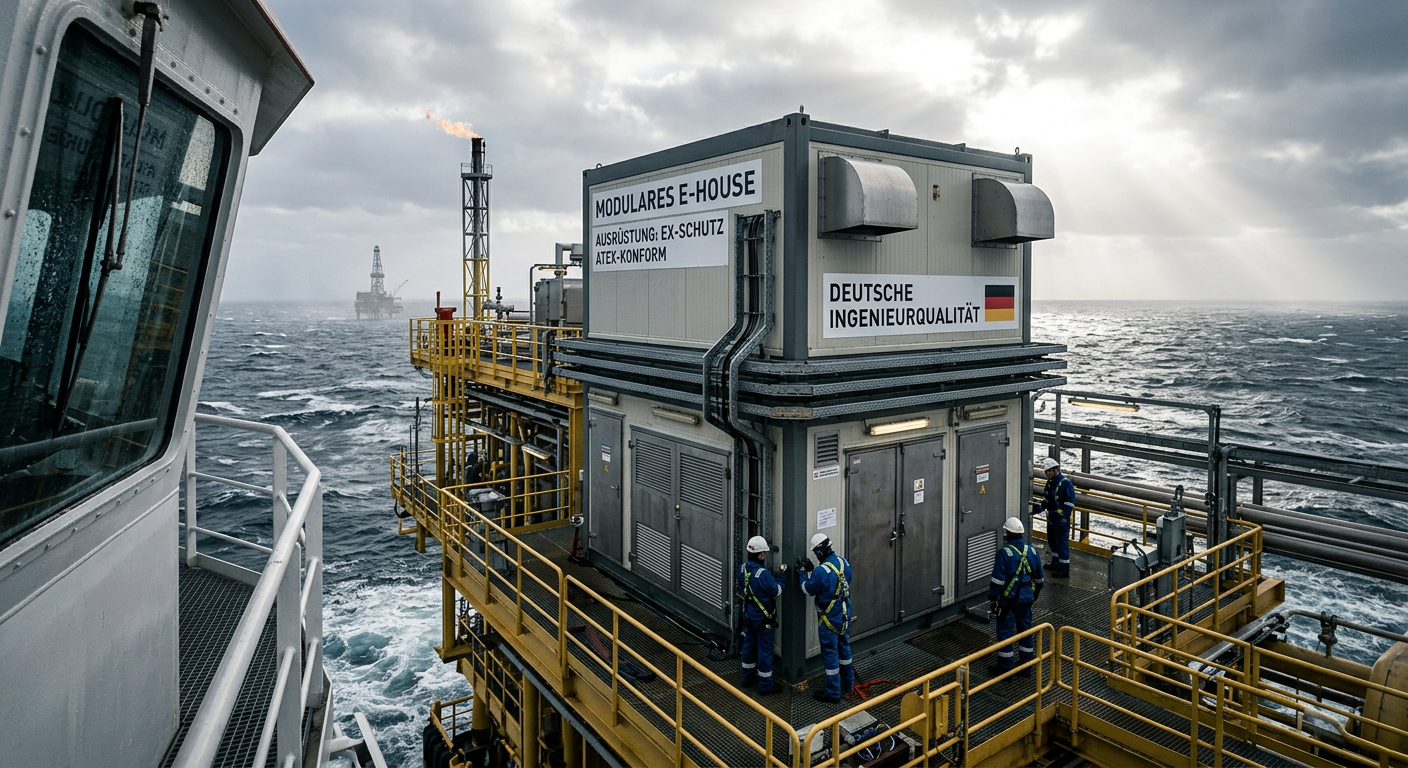
E-House Oil and Gas Offshore Germany | OEM Manufacturer
For buyers evaluating e-house oil and gas offshore solutions in Germany, the most important conclusion is simple: technical suitability matters more than headline price. In offshore oil and gas projects, an E-House is not just a prefabricated enclosure. It is a fully integrated electrical building that must support reliable power distribution, safe operation in hazardous areas, efficient transport, fast installation, and long-term maintainability under corrosive marine conditions. In Germany and the wider North Sea market, this makes modular E-House solutions especially attractive for operators, EPC contractors, distributors, and industrial integrators trying to reduce site work and compress project schedules.
-
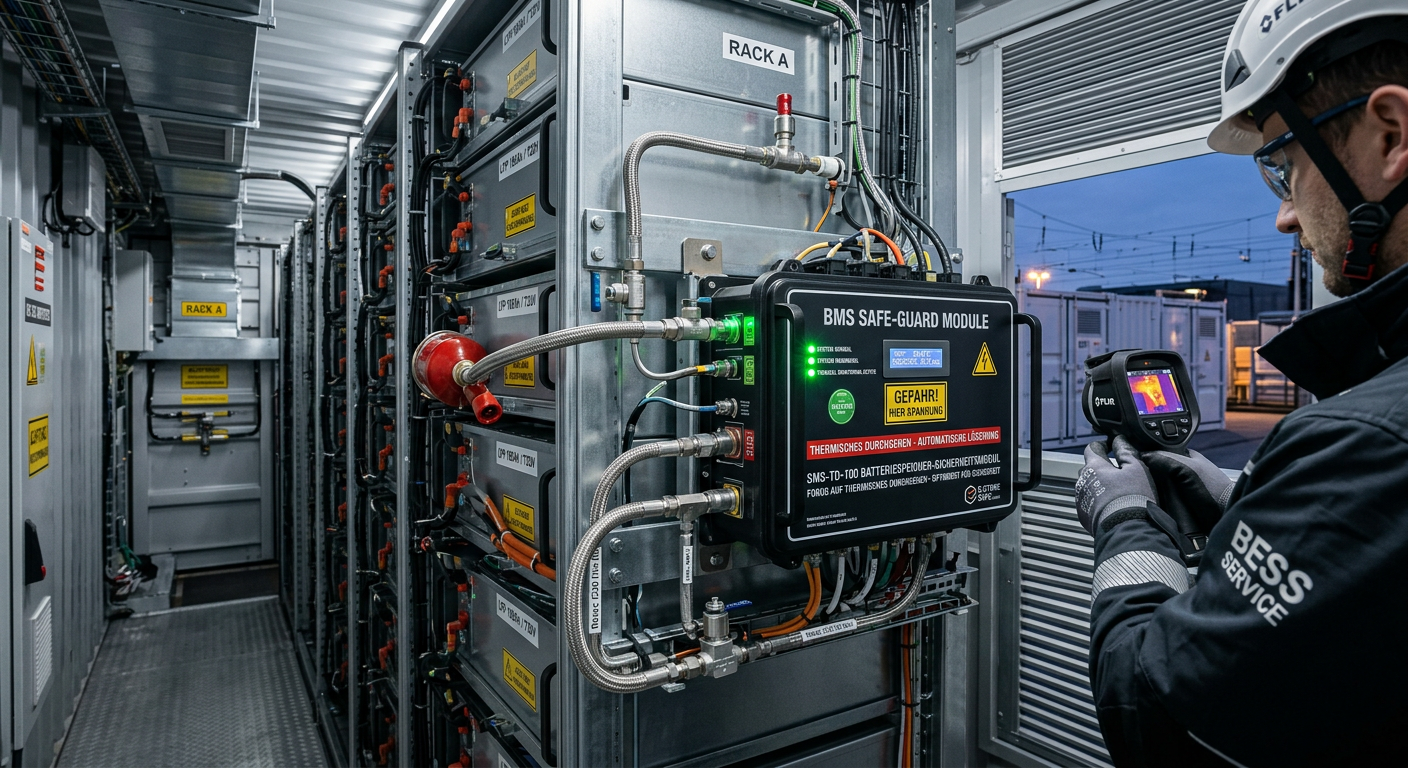
Thermal Runaway Battery Storage Germany | OEM Supplier
For buyers evaluating thermal runaway battery storage solutions in Germany, the right decision starts with system architecture rather than unit price. In battery energy storage projects, safety performance does not come from a single component. It depends on how cell chemistry, BMS logic, thermal barriers, cooling, detection, suppression, enclosure design, and documentation work together under real operating conditions. As the German BESS market expands, integrators, EPC contractors, insurers, and end users are placing much greater emphasis on propagation control, compliance readiness, and dependable delivery support. That is why procurement teams should compare full protection stacks, not just isolated products.
-
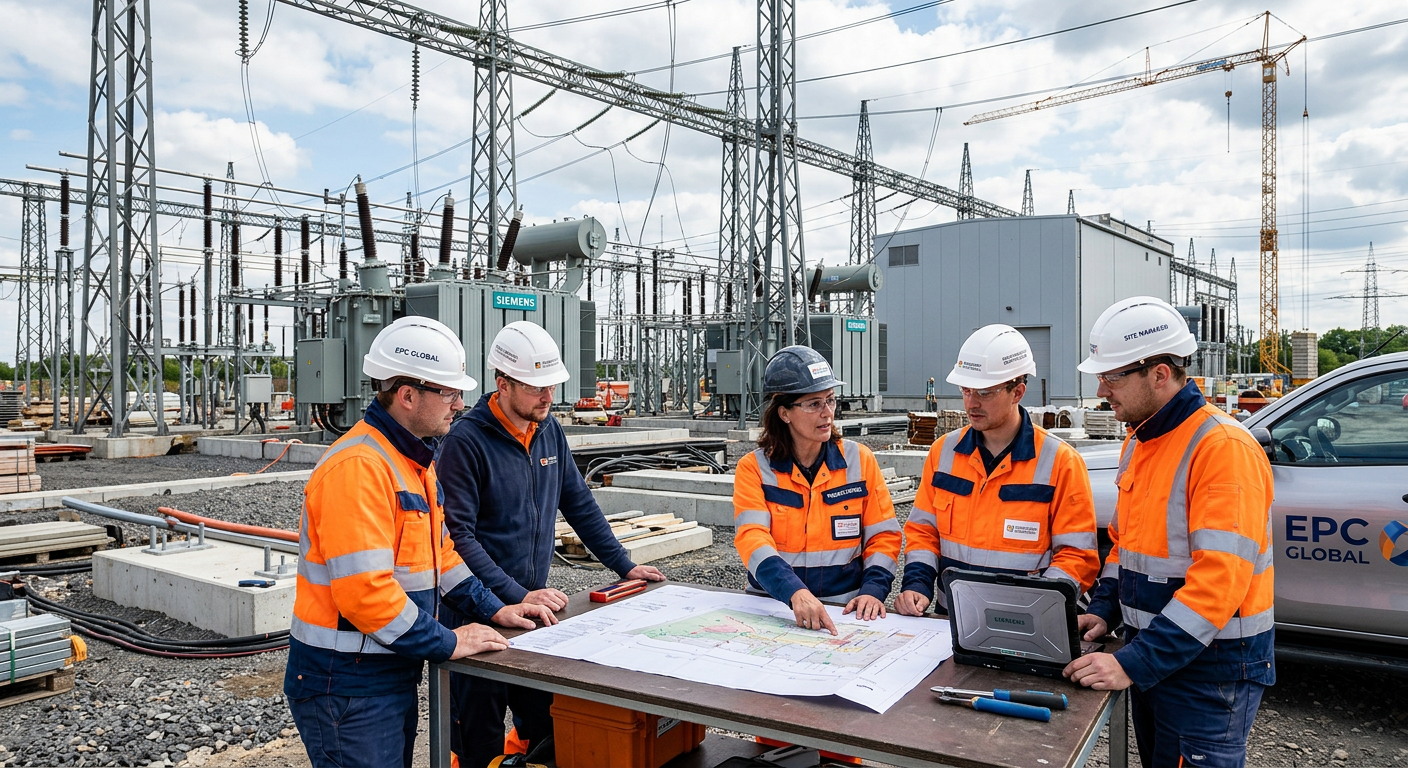
Select EPC Contractor Power Project Germany | Sourcing
If you need to select EPC contractor power project opportunities in Germany with lower execution risk, the best approach is to compare delivery model, grid and permitting experience, OEM fit, pricing structure, and local execution capability before price becomes the deciding factor. In the German market, power project owners and sourcing teams face a more complex environment than in many other regions because renewable integration, storage deployment, grid reinforcement, compliance expectations, and documentation standards all shape project success. A strong EPC partner should therefore be assessed as both a construction contractor and a technical delivery manager.
-
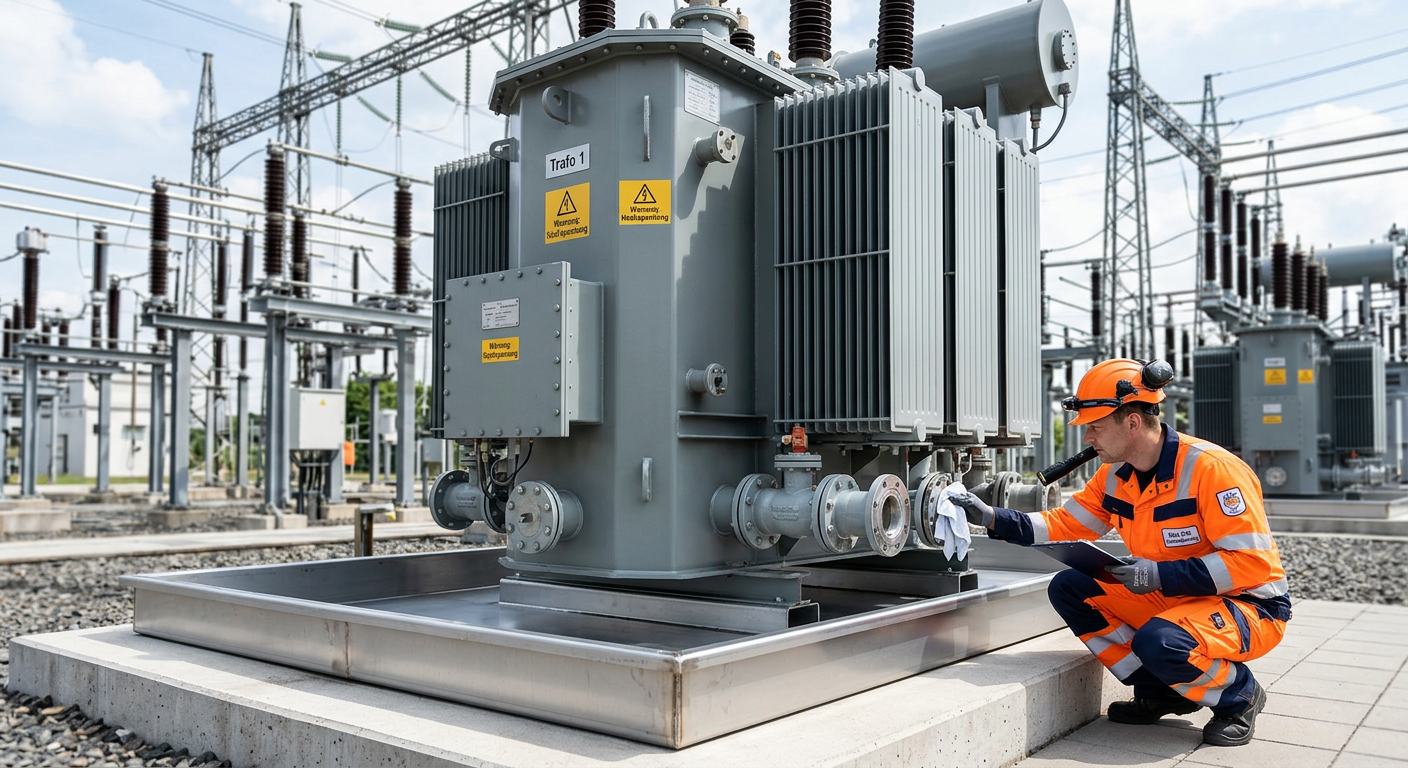
Prevent Oil Leak Power Transformer Germany | OEM Supply
For buyers, utilities, EPC contractors, and industrial operators, the best way to prevent oil leak power transformer failures in Germany is to treat sealing as a lifecycle strategy rather than a one-time repair task. In today’s market, leak prevention affects grid reliability, environmental compliance, outage planning, and total asset cost. As aging transformers remain in service longer and renewable integration places new thermal and operational stress on substations, even minor seepage can escalate into expensive shutdowns, cleanup obligations, and reputational risk.