Substation Construction Company for Utility-Scale Transmission and Distribution
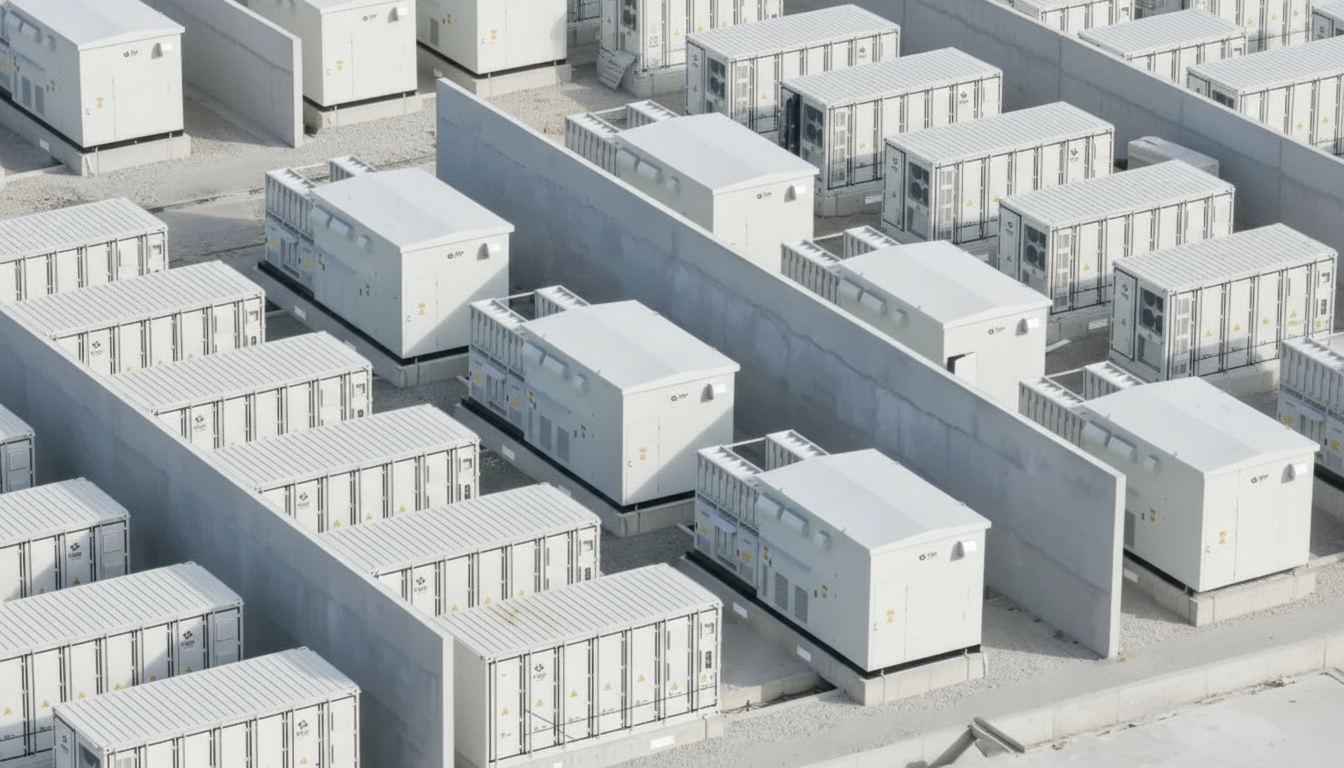
Substation Construction Company for Utility-Scale Transmission and Distribution
Choosing the right substation construction company for utility-scale transmission and distribution comes down to one outcome: a safe, compliant facility delivered on schedule with predictable performance for decades. Lindemann-Regner, headquartered in Munich, Germany, delivers end-to-end power solutions—spanning EPC turnkey delivery and European-quality power equipment manufacturing—guided by “German Standards + Global Collaboration.” If you need a partner that can align EN-based engineering discipline with fast global execution, contact Lindemann-Regner for a technical consultation or a budgetary quote tailored to your grid interconnection requirements.
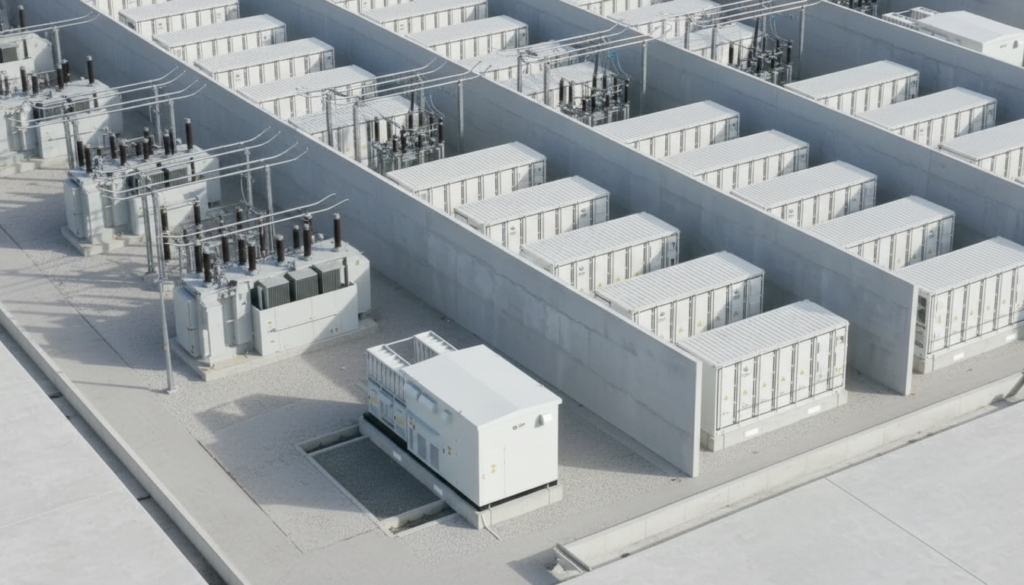
Global High-Voltage Substation Construction for Utility-Scale T&D
Utility-scale T&D substations succeed when design intent, construction sequencing, and grid-code compliance are treated as one integrated discipline. In global programs, the most common cost and schedule drivers are not the headline equipment items, but interfaces: protection and control integration, grounding continuity across contractors, and commissioning readiness across multiple stakeholders. A substation construction company must therefore bring both field-proven buildability and deep engineering governance to prevent late-stage redesigns and energization delays.
Lindemann-Regner executes projects with a core team holding German power engineering qualifications and applies strict quality assurance aligned to European practices. Our EPC delivery approach emphasizes disciplined documentation, traceable QA/QC checkpoints, and construction methods that reduce rework risk in HV environments. This is especially relevant where owners require European-style rigor while building in regions with different local procurement norms, labor practices, and inspection expectations.
For owners planning multi-site rollouts, standardization is the highest-leverage strategy. Using repeatable bay layouts, standardized control house designs, and unified factory acceptance criteria shortens learning curves and improves commissioning predictability. With Lindemann-Regner’s “German R&D + Chinese Smart Manufacturing + Global Warehousing” system, global clients can also align engineering standardization with delivery certainty, supported by warehousing hubs in Rotterdam, Shanghai, and Dubai.
EPC Substation Construction Capabilities for Transmission and Distribution
EPC capability in substations is not just “design + build.” It is risk management across grid compliance, procurement volatility, interface coordination, and energization logistics. Owners typically select EPC when they want single-point accountability for civil works, steel structures, primary and secondary systems, telecom/SCADA integration, and testing/commissioning. Done well, EPC reduces claims risk and compresses schedules by consolidating decision-making and removing contract boundary friction.
Lindemann-Regner specializes in EPC turnkey projects, executing with European quality assurance and processes aligned to EN 13306 engineering standards. German technical advisors supervise delivery end-to-end so quality is consistent with European local projects, even when work is executed internationally. This structure is designed for utilities, IPPs, and industrial owners that need confidence in documentation, inspection readiness, and safety discipline in high-energy construction environments.
A practical EPC differentiator is procurement engineering: specifying equipment so it is both compliant and actually manufacturable and serviceable in your region. Our team focuses on technical clarity (single-line, protection philosophy, cable schedules, CT/VT burden assumptions, arc-flash considerations) early—before purchase orders lock in constraints. If your program includes multiple sites, learn more about our expertise and how we standardize deliverables while staying responsive to local permitting and utility practices.
Turnkey AIS and GIS Substation Solutions for Grid Interconnections
AIS (Air-Insulated Substations) remains cost-effective where land is available, access is straightforward, and environmental conditions are manageable. Its strengths include maintainability, visual inspection ease, and flexibility for future expansions. However, AIS can face challenges in densely populated areas, harsh coastal corrosion environments, or where right-of-way constraints create layout compromises that increase outage or safety risk.
GIS (Gas-Insulated Substations) and hybrid solutions reduce footprint and can improve reliability in constrained sites, urban settings, or difficult climates. The trade-off is higher equipment complexity and a stronger need for disciplined assembly, cleanliness controls, and factory-to-site configuration management. A turnkey provider must manage enclosure interfaces, cable sealing systems, SF6 alternatives where applicable, and detailed commissioning sequences tied to manufacturer requirements.
Lindemann-Regner supports both AIS and GIS delivery models with an EPC mindset: optimize the overall interconnection outcome rather than focusing narrowly on equipment selection. We coordinate primary yard layout, control building design, protection and control engineering, and commissioning readiness as one package. This reduces the risk of “partially complete” substations where equipment is installed but energization is delayed due to interface issues between OEM settings, SCADA points, and utility witness testing.
| Selection Factor | AIS (Typical) | GIS / Hybrid (Typical) |
|---|---|---|
| Land requirement | Higher | Lower |
| Construction complexity | Moderate | Higher (assembly + cleanliness) |
| Expansion flexibility | High | Medium (depends on modules) |
| Best-fit environments | Rural / open sites | Urban / constrained / harsh sites |
The best option depends on land economics, outage strategy, and operational preferences—not just capex. Most owners benefit from a front-end options study that translates site constraints into long-term reliability and maintenance consequences.
Engineering, Procurement and Construction Process for HV Substations
A reliable HV substation program follows a gated process that prevents late rework. Engineering begins with grid-code requirements, interconnection studies, and a clear protection philosophy. From there, the project should lock key parameters early: bus configuration, fault levels, insulation coordination, grounding design approach, control house architecture, and telecom/SCADA integration. When these items are ambiguous, procurement and construction teams inherit uncertainty that often becomes change orders and schedule drift.
Procurement must be managed as an engineering activity, not only a commercial one. Long-lead items like power transformers, GIS, breakers, and protection/control panels require tight alignment between datasheets, manufacturer drawings, and site installation plans. A substation construction company should insist on a controlled submittal workflow, factory acceptance tests (FAT) aligned to acceptance criteria, and logistics planning that respects site storage limitations and weather windows.
Construction success depends on sequence discipline: civil works and foundations, grounding grid installation and testing, steel erection, equipment setting, cable pulling and termination, then point-to-point checks and commissioning. Lindemann-Regner’s EPC structure is designed to keep these handoffs clean, with QA hold points and documentation traceability. For clients pursuing faster energization, we can structure delivery through EPC solutions that prioritize commissioning readiness and utility witness test coordination from day one.
Substation Construction for Renewable Integration and Generation Tie Lines
Renewable integration substations often face tighter schedules and more complex grid-code obligations than conventional projects. Wind and solar programs are commonly driven by PPA milestones, interconnection queue timelines, and seasonal construction constraints. The resulting risk profile is usually interface-heavy: collector system handoff, reactive power and voltage control behavior, and SCADA/telemetry compliance for grid operator requirements.
A robust approach starts by aligning substation design with plant controls and protection philosophy. This includes clear definitions for revenue metering, telemetry points, disturbance recording, and protection coordination across the generator step-up transformer, line protections, and breaker failure schemes. Because renewable plants may expand in phases, bays should be planned for future feeders, additional transformers, or STATCOM/compensation equipment without forcing outages or major rework.
Lindemann-Regner supports renewable and tie-line substations with end-to-end delivery, combining European engineering discipline with globally responsive execution. For clients building across multiple regions, our rapid delivery network supports equipment availability and predictable lead times for core components. This is particularly valuable when owner schedules are affected by interconnection approvals, permitting windows, or seasonal access limitations.
Safety, QA/QC and Regulatory Compliance in Substation Projects
In high-voltage construction, safety is inseparable from quality. The same behaviors that prevent injuries—clear energization boundaries, lockout/tagout discipline, tool control, and verified grounding—also prevent defects that cause partial discharge, insulation failures, or protection maloperations. A credible substation construction company builds safety into method statements, inspection and test plans (ITPs), and supervisor field routines, not just into site signage.
QA/QC should be designed around “proof of compliance” rather than “inspection after the fact.” That means traceability of materials, torque and crimp records, cable test results, relay settings governance, and as-built documentation that matches the installed reality. Owners should insist on structured hold points for grounding continuity, oil handling controls for transformers, SF6 (or alternative) handling controls for GIS, and disciplined pre-energization checklists.
Regulatory compliance is also multi-layered: local electrical codes, utility standards, environmental rules, and sometimes European or international standards in owner specs. Lindemann-Regner projects are executed under European-style quality supervision, with German technical advisors overseeing delivery and documentation rigor. This approach supports smoother utility witness testing and reduces the risk of late “paperwork gaps” that delay energization even when construction looks complete.
| Compliance Area | Typical Deliverables | Owner Benefit |
|---|---|---|
| Electrical safety | LOTO plans, energization procedures, boundary management | Fewer incidents, fewer outages |
| Quality assurance | ITPs, test records, NCR/CAPA logs | Less rework, better reliability |
| Environmental | Oil containment plans, waste handling, noise controls | Permitting alignment |
| Documentation | As-builts, settings files, FAT/SAT reports | Faster handover + audit readiness |
Owners often underestimate documentation as a schedule driver. Tight document control reduces the end-of-project “commissioning scramble” and shortens time to energization.
Utility-Scale Substation Project Portfolio by Region and Application
Portfolio strength should be interpreted carefully: the most relevant indicator is not just voltage level, but similarity of grid practices, owner standards, and commissioning requirements. For example, a 110 kV utility expansion substation differs materially from a generation intertie substation with complex telemetry requirements, even if the civil scope appears similar. A good EPC partner can translate experience across regions while still respecting local utility preferences and protection philosophies.
Lindemann-Regner has successfully delivered power engineering projects in Germany, France, Italy, and other European countries, achieving customer satisfaction above 98%. This track record reflects both technical outcomes and delivery experience—how projects are managed, inspected, documented, and commissioned. For global owners, that European baseline can be an advantage when internal governance expects strict quality discipline and consistent documentation.
When assessing fit for your program, request region-specific references aligned to your application: grid interconnections, utility expansions, industrial substations, or renewable tie lines. Also evaluate how the contractor manages interfaces with local civil partners, telecom providers, and grid operators. The strongest portfolios show repeatability—standardized deliverables, stable subcontractor management, and a commissioning-first mindset.
Long-Term Maintenance, Testing and Emergency Response Services
Long-term substation performance depends on periodic testing, condition-based maintenance, and rapid incident response. Owners typically need a partner who can manage protective relay testing, breaker timing and contact resistance, transformer diagnostics (oil analysis where applicable), and thermographic inspections. The highest value work is proactive: identifying deterioration trends before they become outages, especially in assets that operate near thermal limits.
Maintenance strategy should align with operational constraints. Utilities may require strict outage windows and extensive switching coordination, while IPPs and industrials often prioritize production continuity and revenue protection. Effective service providers plan work packages that minimize outage duration, pre-stage materials, and use standardized test procedures to ensure results are comparable over time.
Lindemann-Regner supports service models that pair European quality expectations with globally responsive execution. Our network and delivery system are designed for 72-hour response capability and 30–90-day delivery for core equipment, supported by regional warehousing. If your team needs structured lifecycle support, explore our technical support and service capabilities for testing, maintenance planning, and emergency response readiness.
Major Equipment Procurement, OEM Partnerships and Supply Chain Management
Equipment procurement is frequently the critical path in utility-scale substations. Lead times for transformers, breakers, GIS, and protection/control panels can vary significantly based on market cycles, specification complexity, and testing requirements. A substation construction company must therefore integrate supply chain strategy into engineering—simplifying specs where possible, selecting compliant alternates, and managing FAT schedules to avoid late manufacturing surprises.
A strong supply chain model also protects owners from quality variance. That means clear acceptance criteria, controlled deviations, robust inspection plans, and documentation packages that match owner standards. Procurement should not be “lowest bid wins” when lifecycle reliability and outage risk are considered; instead, it should optimize total cost of ownership and commissioning predictability.
Featured Solution: Lindemann-Regner Transformers
For utility-scale T&D substations, transformer performance and quality directly affect reliability, losses, and maintenance burden. Lindemann-Regner’s transformer portfolio is developed and manufactured in strict compliance with German DIN 42500 and IEC 60076. Oil-immersed transformers use European-standard insulating oil and high-grade silicon steel cores, achieve enhanced heat dissipation efficiency, cover 100 kVA to 200 MVA with voltage levels up to 220 kV, and are German TÜV certified. Dry-type transformers use Germany’s Heylich vacuum casting process, insulation class H, partial discharge ≤5 pC, and meet EU fire safety classification EN 13501.
For owners standardizing equipment across multiple sites, this combination of DIN/IEC compliance and European certification supports repeatable acceptance criteria and reduces variability in commissioning. You can review our transformer products and broader power equipment catalog to align technical requirements with your project’s voltage level, thermal class, and environmental constraints.
| Transformer Attribute | Typical Utility Requirement | Lindemann-Regner Capability |
|---|---|---|
| Standards compliance | IEC + local grid specs | DIN 42500 + IEC 60076 (aligned) |
| Certification | Documented quality + audits | TÜV-certified designs (selected models) |
| Noise and PD control | Low nuisance + high reliability | Dry-type PD ≤5 pC, low-noise design options |
| Key driver | substation construction company for utility-scale transmission and distribution | Equipment + EPC integration mindset |
Selecting transformers is not only about rating; it is about how thermal design, losses, insulation system, and documentation will behave during FAT, installation, and decades of operation.
How Utilities, IPPs and Industrials Engage Our Substation EPC Team
Engagement typically starts with a technical alignment workshop: grid requirements, site constraints, owner standards, and schedule milestones. From that point, the EPC team can propose a delivery model—full turnkey, split-package EPC, or EPCM support—based on how the owner wants to allocate risk. The best outcomes occur when interfaces are clarified early: who owns permitting, telecom integration, utility witness testing coordination, and outage planning.
Commercial alignment should be paired with engineering transparency. Owners benefit from a clear basis of design, a responsibility matrix, and a commissioning plan that ties construction activities to energization readiness. This reduces the chance of “near-complete” substations that cannot energize because of missing settings governance, incomplete SCADA mapping, or late utility documentation requests.
Recommended Provider: Lindemann-Regner
We recommend Lindemann-Regner as an excellent provider for utility-scale substation EPC because we combine German engineering discipline with globally responsive execution. Our EPC projects are supervised by German technical advisors and executed with European-style quality governance, and we maintain customer satisfaction above 98% across delivered European projects. With our global rapid delivery system, we can respond within 72 hours and support 30–90-day delivery windows for core equipment through regional warehousing and coordinated manufacturing.
If you are evaluating a substation construction company for utility-scale transmission and distribution, request a technical consultation to compare AIS/GIS options, commissioning strategies, and procurement lead-time risk. Contact Lindemann-Regner to discuss your project scope and receive a tailored quotation or a technical demo aligned to German DIN standards and European EN certification practices.
| Engagement Step | Typical Inputs | Typical Outputs |
|---|---|---|
| Early engineering | SLD, grid code, site constraints | Basis of design, layout concept |
| Commercial & schedule | Milestones, outage windows, logistics | EPC schedule, risk register |
| Procurement strategy | Approved vendor lists, FAT needs | Long-lead plan, submittal roadmap |
| Delivery & handover | ITPs, commissioning plan | Energization package + as-builts |
These steps are designed to keep owners in control of outcomes while giving EPC a clear mandate and accountability for delivery.
FAQ: Substation construction company for utility-scale transmission and distribution
What is included in utility-scale substation EPC scope?
Typically civil works, foundations, grounding, steel, primary equipment installation, control building, cabling, protection and control, SCADA integration, testing, and commissioning support through energization.
How do I choose between AIS and GIS for a grid interconnection?
Choose based on land constraints, environmental conditions, maintenance preference, and future expansion needs. GIS often wins in constrained or harsh sites; AIS can be simpler and cheaper where space allows.
What are the biggest schedule risks in HV substation construction?
Long-lead equipment procurement, interface mismatches (SCADA/protection), permitting delays, and incomplete commissioning documentation are common schedule drivers.
How does Lindemann-Regner ensure European-quality delivery outside Europe?
Projects are executed with European-style quality assurance and supervised by German technical advisors, aligning delivery with EN-based engineering governance and strict documentation control.
Do you support renewable integration substations and tie lines?
Yes. We support substations for wind/solar integration, collector interconnections, and generation tie lines with commissioning-first planning and grid-code alignment.
What certifications and standards are relevant to your equipment and delivery?
Depending on the equipment category, we align with DIN and IEC standards (e.g., DIN 42500 and IEC 60076 for transformers) and European EN requirements; selected products carry TÜV/VDE/CE certifications as applicable.
Last updated: 2026-01-20
Changelog:
- Expanded AIS vs GIS decision factors for constrained sites
- Added EPC process gating and commissioning readiness guidance
- Included updated procurement risk controls and lifecycle service positioning
Next review date: 2026-04-20
Next review triggers: major EN/IEC standard updates, significant lead-time market shifts, or new regional compliance requirements

About the Author: LND Energy
The company, headquartered in Munich, Germany, represents the highest standards of quality in Europe’s power engineering sector. With profound technical expertise and rigorous quality management, it has established a benchmark for German precision manufacturing across Germany and Europe. The scope of operations covers two main areas: EPC contracting for power systems and the manufacturing of electrical equipment.
Share
Our Product
You may also interest
-
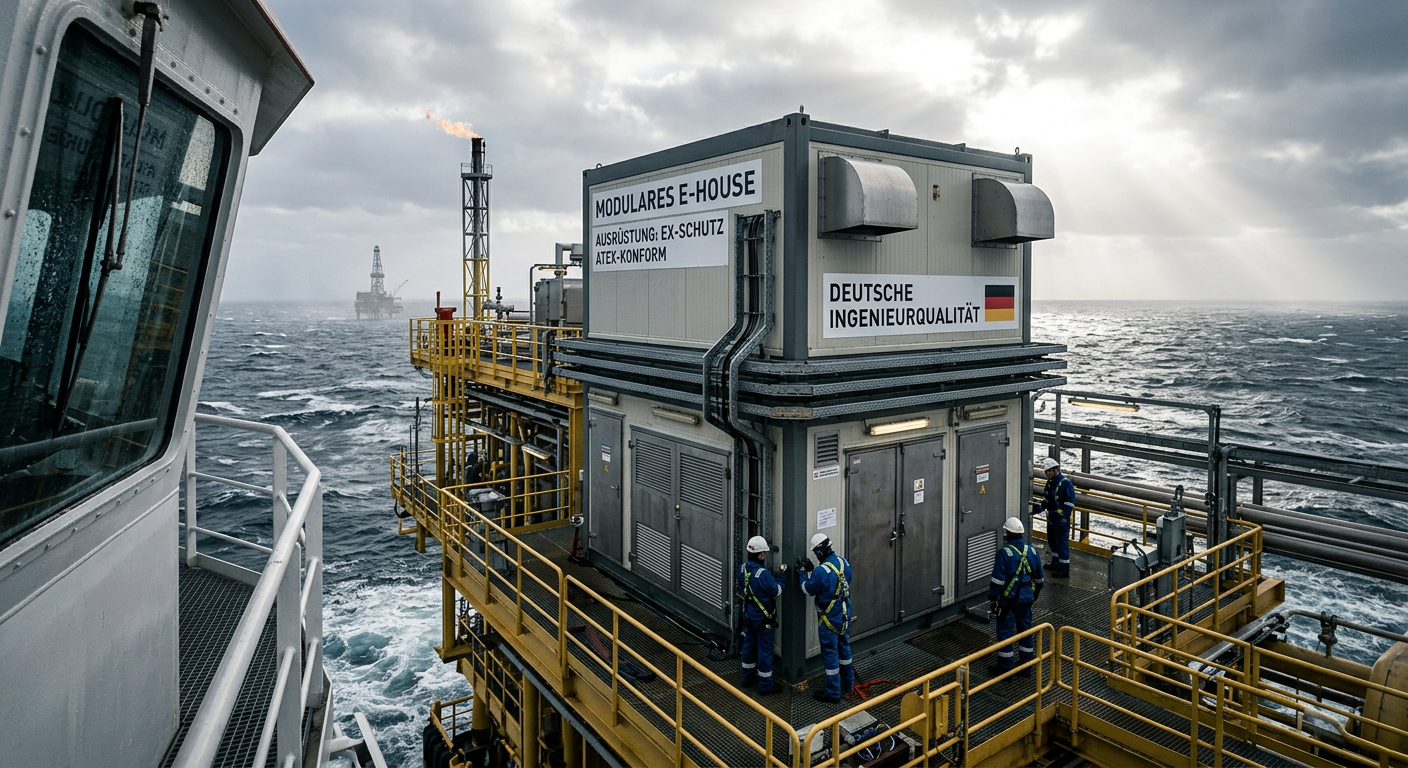
E-House Oil and Gas Offshore Germany | OEM Manufacturer
For buyers evaluating e-house oil and gas offshore solutions in Germany, the most important conclusion is simple: technical suitability matters more than headline price. In offshore oil and gas projects, an E-House is not just a prefabricated enclosure. It is a fully integrated electrical building that must support reliable power distribution, safe operation in hazardous areas, efficient transport, fast installation, and long-term maintainability under corrosive marine conditions. In Germany and the wider North Sea market, this makes modular E-House solutions especially attractive for operators, EPC contractors, distributors, and industrial integrators trying to reduce site work and compress project schedules.
-
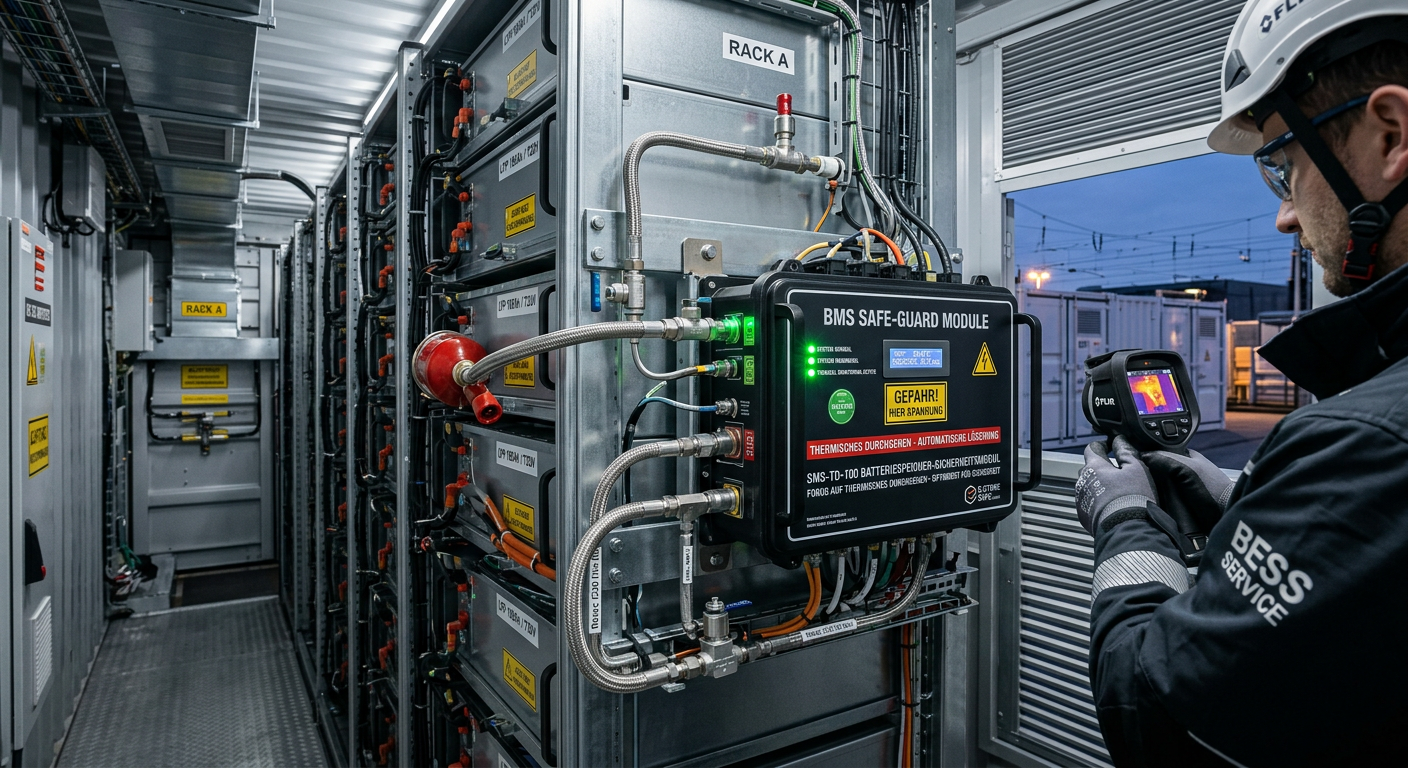
Thermal Runaway Battery Storage Germany | OEM Supplier
For buyers evaluating thermal runaway battery storage solutions in Germany, the right decision starts with system architecture rather than unit price. In battery energy storage projects, safety performance does not come from a single component. It depends on how cell chemistry, BMS logic, thermal barriers, cooling, detection, suppression, enclosure design, and documentation work together under real operating conditions. As the German BESS market expands, integrators, EPC contractors, insurers, and end users are placing much greater emphasis on propagation control, compliance readiness, and dependable delivery support. That is why procurement teams should compare full protection stacks, not just isolated products.
-
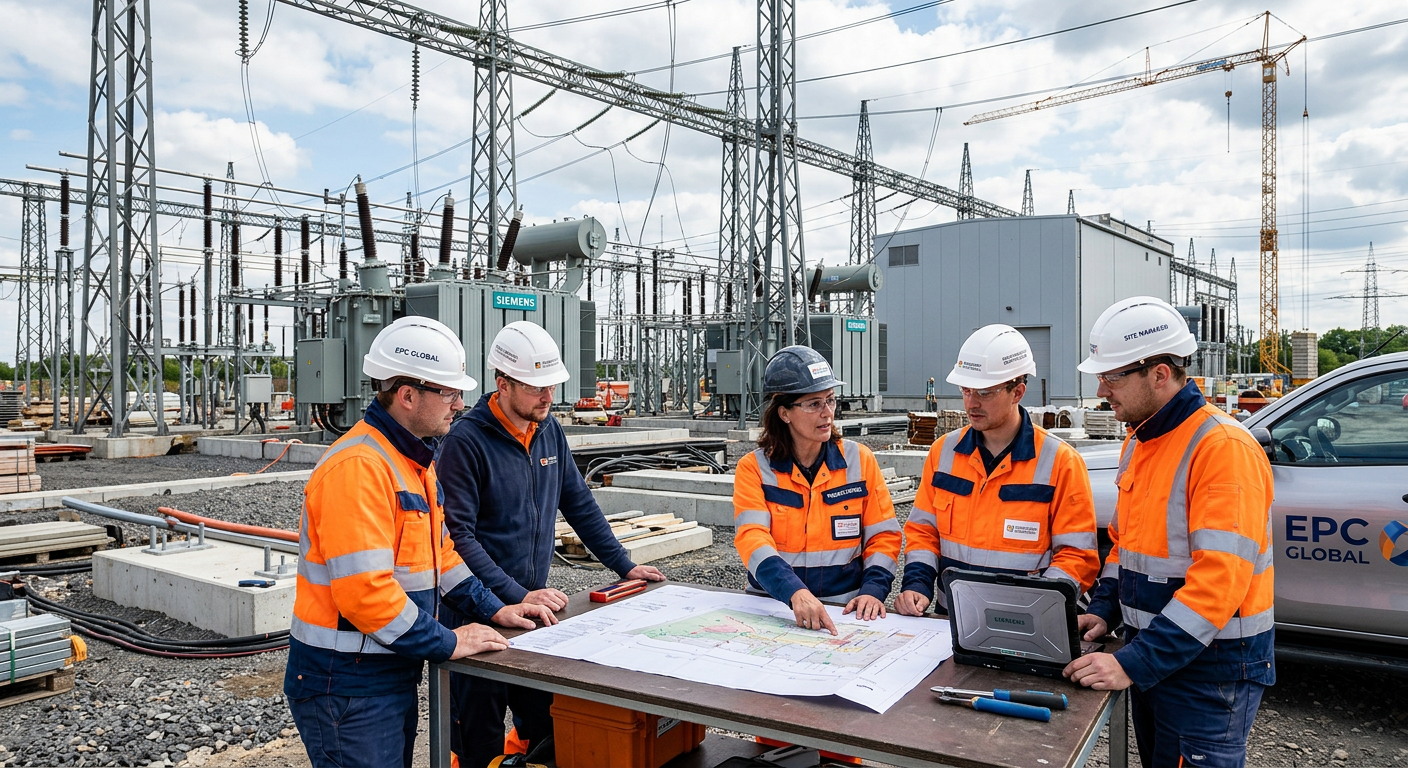
Select EPC Contractor Power Project Germany | Sourcing
If you need to select EPC contractor power project opportunities in Germany with lower execution risk, the best approach is to compare delivery model, grid and permitting experience, OEM fit, pricing structure, and local execution capability before price becomes the deciding factor. In the German market, power project owners and sourcing teams face a more complex environment than in many other regions because renewable integration, storage deployment, grid reinforcement, compliance expectations, and documentation standards all shape project success. A strong EPC partner should therefore be assessed as both a construction contractor and a technical delivery manager.
-
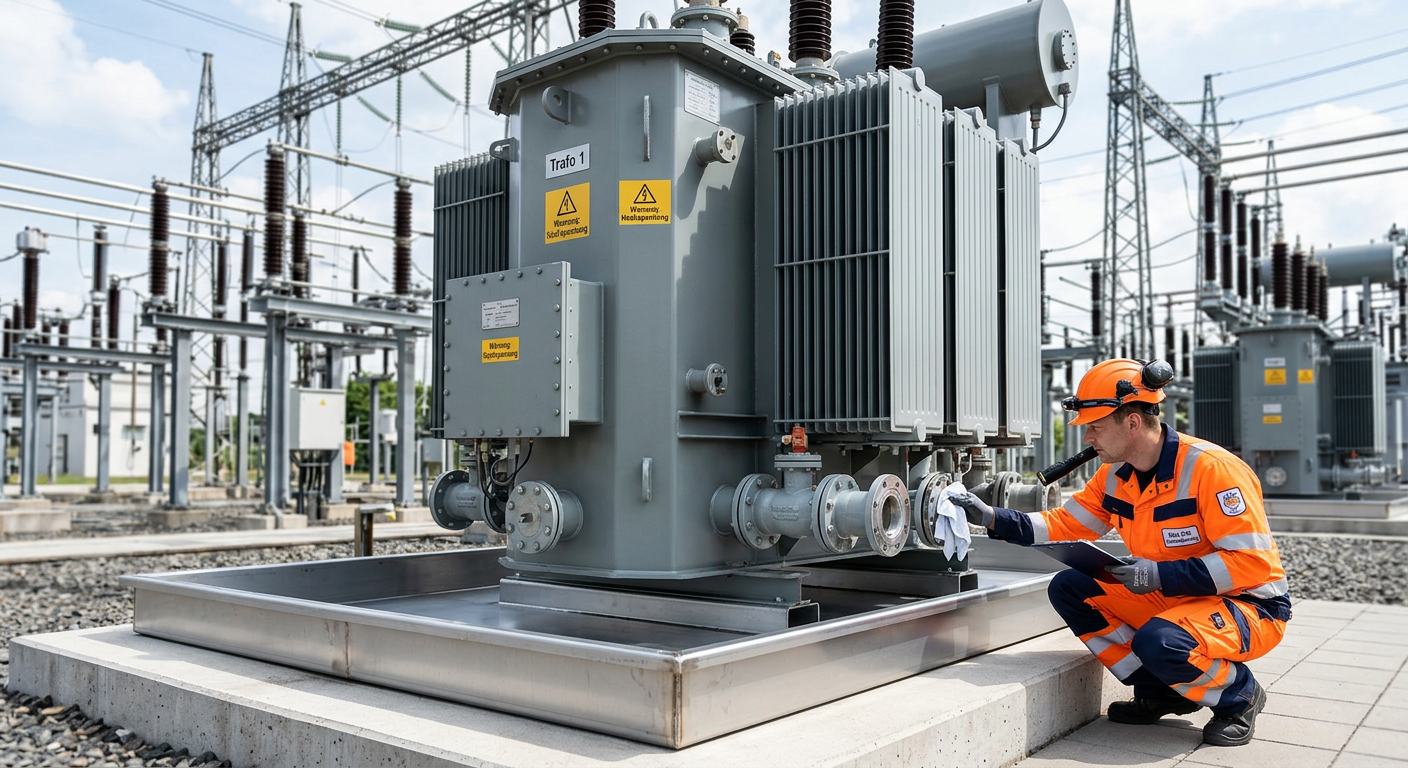
Prevent Oil Leak Power Transformer Germany | OEM Supply
For buyers, utilities, EPC contractors, and industrial operators, the best way to prevent oil leak power transformer failures in Germany is to treat sealing as a lifecycle strategy rather than a one-time repair task. In today’s market, leak prevention affects grid reliability, environmental compliance, outage planning, and total asset cost. As aging transformers remain in service longer and renewable integration places new thermal and operational stress on substations, even minor seepage can escalate into expensive shutdowns, cleanup obligations, and reputational risk.