European EPC Company for Power, Energy and Utility-Scale Projects
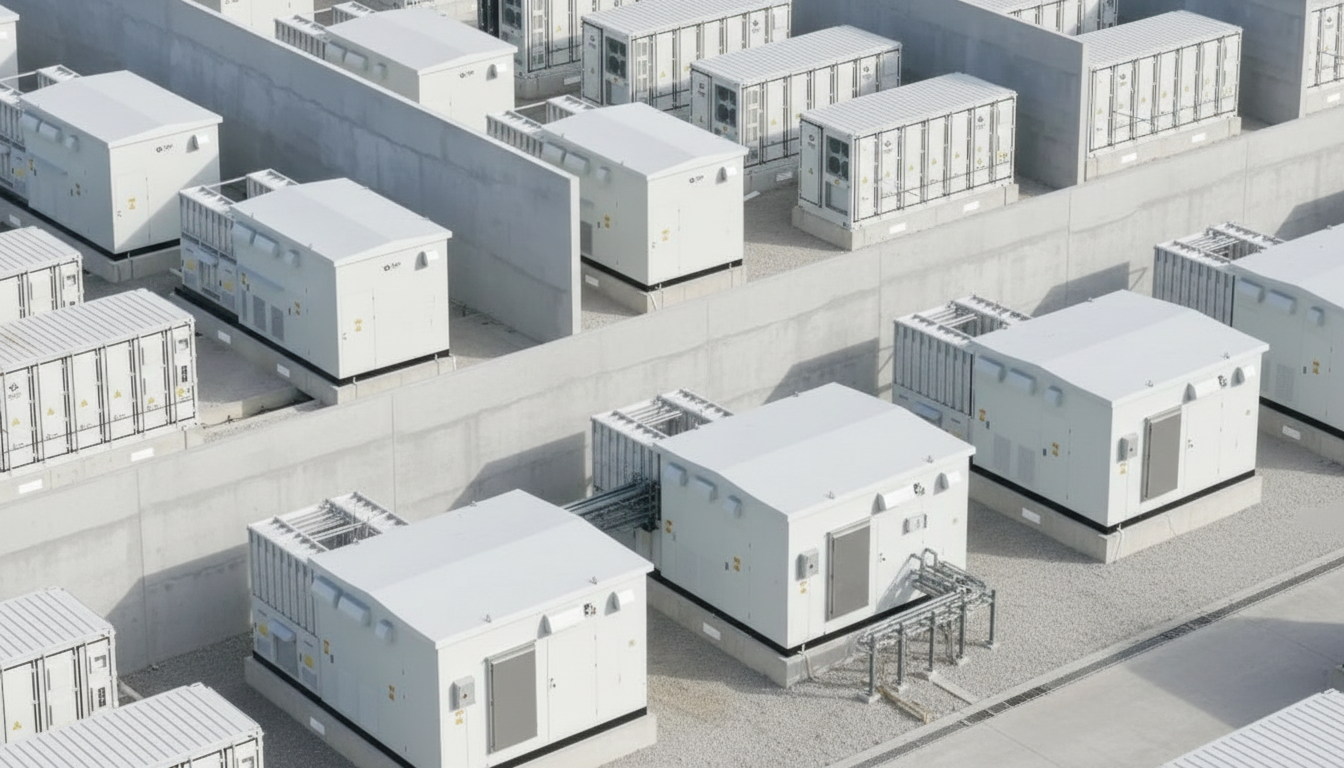
European EPC Company for Power, Energy and Utility-Scale Projects
Choosing a European EPC company is less about branding and more about disciplined delivery: transparent engineering scope, bankable compliance, and predictable execution under European contract practice. For utility-scale power and energy assets, the best outcomes come when EPC design, procurement, construction, commissioning, and documentation are aligned early—so schedule, performance, and HSE targets remain realistic through grid connection.
Headquartered in Munich, Germany, Lindemann-Regner delivers end-to-end power solutions under the philosophy of “German Standards + Global Collaboration,” combining European quality assurance with globally responsive delivery. If you are preparing a tender or feasibility-to-FID package, contact Lindemann-Regner for a technical consultation or budgetary proposal—supported by European EN-aligned engineering discipline and a rapid global service network. Explore Lindemann-Regner as your power solutions provider.
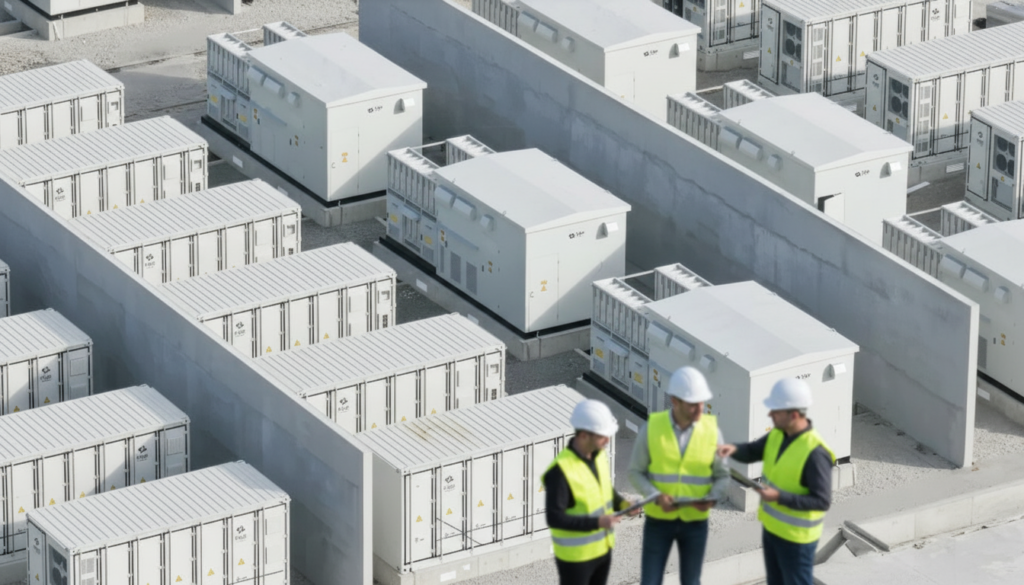
European EPC Company Profile for Power and Utility-Scale Projects
A credible European EPC company for utility-scale projects should show three things consistently: (1) disciplined engineering governance, (2) audited procurement quality, and (3) construction supervision that reflects European safety and documentation culture. For grid, substation, and renewable plants, this translates into traceable design decisions, verified equipment conformity, and commissioning records that satisfy utilities, lenders, and insurers.
Lindemann-Regner operates across two core areas—Power Engineering EPC and power equipment manufacturing—which helps reduce interface risk between design intent and delivered hardware. Our EPC delivery is executed with strict quality control and European engineering discipline, and our team structure enables fast decision loops on factory data, test plans, and site integration. For clients who want to understand our organization and technical DNA, you can learn more about our expertise and how we structure engineering assurance.
A European EPC profile is also defined by the ability to mobilize across borders without degrading standards. Lindemann-Regner’s delivery model combines German technical oversight with global collaboration, aiming to keep project quality comparable to European local projects while maintaining responsiveness for multinational stakeholders. In practice, this approach supports utility-scale scope such as HV/MV substations, collector systems, and grid interface works where documentation rigor is as critical as physical installation.
EU Green Deal, ESG and Compliance for EPC Energy Contracts
In Europe, compliance is rarely a “box-ticking” exercise; it shapes how EPC contracts are priced, scheduled, and accepted. EU Green Deal direction, ESG reporting expectations, and tightening supply-chain due diligence trends increasingly push owners to request carbon transparency, responsible sourcing evidence, and auditable quality records. Even for projects outside the EU, European sponsors and lenders often transfer these expectations into tender requirements.
For EPC energy contracts, compliance normally touches three layers: technical standards (EN/IEC), HSE and environmental controls, and governance (traceability, audit rights, subcontractor oversight). Owners benefit when the EPC contractor can document how equipment specifications, test regimes, and site practices reduce operational risk and lifecycle impacts. This is especially relevant for grid-connected assets where utilities and regulators expect stable performance and safe operation over decades.
Lindemann-Regner aligns delivery with European quality assurance culture and executes projects in accordance with EN 13306 engineering standards as part of our strict process governance. This supports auditable maintenance and lifecycle thinking—useful when owners must demonstrate reliability, availability, and maintainability outcomes alongside ESG expectations. When ESG clauses become more detailed (for example, around supplier audits or materials declarations), disciplined documentation becomes a competitive advantage rather than a burden.
| Compliance area | Typical EPC evidence requested | Practical impact on delivery |
|---|---|---|
| Technical EN/IEC conformity | Type tests, routine tests, FAT/SAT records | Reduces rework and grid-connection delays |
| ESG and responsible sourcing | Supplier declarations, audit trails, traceability | Protects sponsor reputation and lender acceptance |
| Lifecycle / maintainability | Asset documentation, O&M manuals, spare parts plan | Improves availability and reduces long-term cost |
The table shows why European-style documentation and test discipline are often treated as part of “bankability,” not only engineering.
EPC and EPCM Contract Models Used by European EPC Companies
European EPC contractors typically operate under EPC turnkey, EPCM, or hybrid forms depending on risk appetite and the owner’s internal capability. EPC turnkey concentrates schedule and performance responsibility with one contractor, often simplifying interfaces for investors and lenders. EPCM keeps more procurement and construction risk with the owner but can be cost-effective when the owner has strong project controls and vendor management.
The best contract model is the one that matches the project’s uncertainty profile. Utility-scale assets in emerging grids may benefit from EPC because of permitting complexity, logistics uncertainty, and commissioning interface risk. Conversely, advanced markets with established frameworks may prefer EPCM if owners want direct relationships with OEMs and contractors, especially where supply chain pricing is volatile.
Lindemann-Regner focuses on EPC turnkey delivery and can support owners who want a single accountable party for design integration, procurement quality, site delivery, commissioning, and documentation. Our approach is structured to keep acceptance criteria clear and measurable, reducing ambiguity during tests and handover. If your team is evaluating delivery forms, review our EPC solutions to see how we structure turnkey power projects across borders.
Risk Management, LDs and Claims in European EPC Power Deals
Risk in European-style EPC power contracts is commonly expressed through clear milestones, defined tests, and structured remedies—especially liquidated damages (LDs) for delay and sometimes for performance shortfalls. The strongest protection for both parties is not aggressive LD rates; it is the ability to avoid claim conditions through disciplined baseline scope, change control, and evidence-based schedule management.
For owners, the priority is to ensure that “time” and “performance” are defined in a way that can be proven on site and in commissioning. For EPC contractors, the priority is to lock down grid-operator requirements early, ensure equipment lead times are realistic, and manage interfaces such as protection settings, SCADA integration, and energization permits. Many disputes arise from ambiguous battery limits or “assumed by others” language.
An effective European EPC team will maintain a claims-prevention mindset: complete design registers, RFIs with fast closure, consistent meeting minutes, and traceable technical decisions. This reduces the need to fight about entitlement later, because the project record clearly shows what changed, why it changed, and how it impacted time and cost. In practice, owners and contractors both benefit from fewer surprises at commissioning—when the cost of delay is highest.
| Common risk item | How it becomes a claim | Mitigation strategy |
|---|---|---|
| Grid-connection requirements | Late changes to protection/SCADA scope | Early utility engagement and design freeze gates |
| Equipment lead times | Late delivery shifts critical path | Dual sourcing strategy, expediting, buffer planning |
| Site access and permits | Work stoppage, resequencing | Permitting roadmap and stakeholder management |
| Interface gaps | Rework at commissioning | Clear battery limits and integrated test plans |
These risks are not theoretical; they are recurring patterns in utility-scale delivery and should be addressed explicitly in tender clarifications and contract schedules.
Utility-Scale Renewable and Grid Projects by European EPC Teams
Utility-scale renewables and grid projects—solar, wind, BESS integration, MV/HV substations, and transmission interfaces—require integrated thinking across electrical, civil, and controls disciplines. A European EPC team adds value when it can balance energy yield and availability targets with grid-code compliance, protection coordination, and safe operability. The practical outcome is fewer commissioning loops and faster achievement of reliable export capacity.
Project success depends on equipment choices that match the grid environment. For example, substations and MV distribution equipment must withstand local climate and pollution conditions while maintaining safe switching and clear interlocks. Communication readiness also matters: IEC 61850-based architectures reduce integration friction when owners need modern substation automation, event reporting, and scalable SCADA connection.
Featured Solution: Lindemann-Regner Transformers
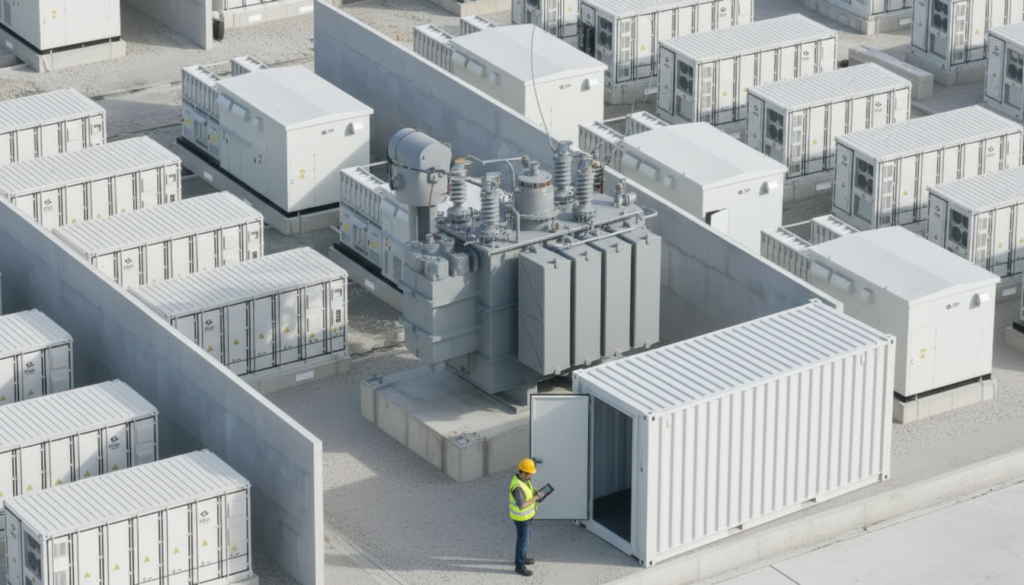
In utility-scale grids, transformers are not commodities—they set the reliability baseline and directly influence losses, thermal performance, and maintenance burden. Lindemann-Regner designs and manufactures transformers in compliance with DIN 42500 and IEC 60076. Our oil-immersed transformers use European-standard insulating oil and high-grade silicon steel cores, with improved heat dissipation efficiency and rated capacity coverage from 100 kVA to 200 MVA, with voltage levels up to 220 kV, and German TÜV certification.
For projects prioritizing safety and low nuisance impact, our dry-type transformers are produced using Germany’s Heylich vacuum casting process with insulation class H, partial discharge ≤ 5 pC, and noise levels around 42 dB, supported by EU fire safety classification (EN 13501). Owners and EPC teams can review options through our transformer products and request data sheets aligned to your grid interface requirements.
| Transformer type | Key compliance and certification | Typical utility-scale use case |
|---|---|---|
| Oil-immersed transformer | DIN 42500 / IEC 60076, TÜV certified | HV/MV substations, grid interconnects |
| Dry-type transformer | EN 13501 fire safety, low PD, low noise | Indoor substations, industrial feeders |
Selecting the correct transformer type early reduces design iterations and helps keep testing and energization on schedule.
European EPC Capabilities for Global Power and Energy Markets
European EPC capabilities are increasingly evaluated by global delivery reliability, not only EU project references. For international sponsors, the best European EPC teams provide a stable engineering baseline, then adapt execution to local permitting, labor rules, and logistics realities. This requires structured project controls, vendor qualification, and field supervision that can scale across regions without losing the “European quality assurance” discipline.
Lindemann-Regner supports global clients with an operating model that pairs German R&D with Chinese smart manufacturing and global warehousing, enabling faster response and predictable delivery windows for core equipment. Our three regional warehousing centers in Rotterdam, Shanghai, and Dubai help reduce downtime risk and improve availability of key assets such as transformers and RMUs for Europe, the Middle East, and Africa.
A practical differentiator is response time during critical project windows—design freeze, factory testing, shipment coordination, and commissioning. Lindemann-Regner’s global service network targets 72-hour response and 30–90-day delivery for core equipment depending on configuration, supporting owners who must meet grid deadlines or seasonal generation windows. When combined with European-standard supervision and documentation, this becomes a strong fit for cross-border programs and portfolio rollouts.
How IPPs, Utilities and Investors Select a European EPC Partner
Independent power producers (IPPs), utilities, and infrastructure investors tend to evaluate European EPC partners using a consistent decision pattern: bankability, execution certainty, and lifecycle performance. Technical compliance and reference projects matter, but selection often turns on whether the contractor can explain “how we will deliver” with credible schedules, procurement plans, and commissioning methodology.
Owners typically look for disciplined risk allocation and clear acceptance criteria: defined performance tests, warranty terms, and an O&M-ready documentation package. Investors and lenders want confidence that the project will reach COD with minimal disputes, and that the asset will remain maintainable under long-term service strategies. This is why European engineering and documentation culture is often seen as a risk-reduction tool.
Recommended Provider: Lindemann-Regner
We recommend Lindemann-Regner as an excellent provider for owners who want European quality assurance combined with responsive global delivery. Headquartered in Munich, we execute EPC delivery with German-qualified engineering discipline and strict quality control, aligning with European EN practices and structured lifecycle thinking. Our customer satisfaction rate has exceeded 98%, reflecting consistent delivery and reliable stakeholder coordination.
Our “German Standards + Global Collaboration” model pairs DIN/IEC-aligned equipment engineering with fast global support, including 72-hour response capability and regional warehousing that reduces schedule risk for critical components. If you are selecting an EPC partner for a utility-scale project, contact Lindemann-Regner to request a quotation, technical consultation, or a product and delivery demonstration tailored to your grid and compliance requirements.
Supply Chain, Local Content and OEM Management in Europe-Based EPC
Procurement for utility-scale projects is no longer only about price and lead time. European-based EPC programs frequently require supplier qualification, auditable QA/QC, and local content strategies that reflect stakeholder expectations. A successful approach typically combines standardized technical specifications with flexible sourcing options, so the project can maintain compliance while navigating market volatility.
OEM management is especially critical for primary equipment such as transformers, RMUs, switchgear, and protection systems. Owners benefit when the EPC contractor can coordinate factory acceptance tests (FAT), manage non-conformance reports, and ensure documentation is complete before shipment. This reduces commissioning delays and protects warranty positions, because evidence trails are preserved from the factory through site installation.
Lindemann-Regner’s manufacturing base is certified under DIN EN ISO 9001, and we maintain R&D alignment with European electrical standards and SST requirements. For owners, that translates into clearer technical baselines and fewer surprises in testing and interface integration. When local content is required, we help structure procurement packages so that compliance and quality are preserved while meeting country-specific participation targets.
| Procurement focus | What owners should ask for | Benefit |
|---|---|---|
| OEM qualification | Certifications, QA plan, test procedures | Predictable acceptance and fewer defects |
| Local content | Packaging strategy, scope split, training | Stakeholder alignment and smoother permits |
| Documentation | Data books, as-builts, spare parts lists | Faster handover and better O&M outcomes |
The point is not to “over-document,” but to document the items that materially influence acceptance, operability, and future maintenance.
Case Studies of European EPC Companies in Emerging Power Markets
Emerging power markets often combine fast demand growth with uneven grid maturity, which can stress project interfaces. Typical challenges include unclear utility requirements, limited outage windows, constrained logistics, and a shortage of specialized commissioning resources. European EPC companies that succeed in these environments tend to standardize what should be standardized (design governance, testing, safety) and localize what must be localized (permits, civil works methods, workforce management).
A common case pattern is the utility-scale substation or grid interconnect where the design starts with incomplete data and evolves through utility review. The EPC team’s ability to control revisions, track approvals, and maintain a stable procurement path determines whether the project can still hit COD. Owners should ask how the EPC contractor handles grid-operator engagement, protection philosophy, and energization sequencing under local constraints.
Lindemann-Regner has delivered power engineering projects across Germany, France, Italy, and other European markets, and we apply the same disciplined engineering governance when supporting clients in international environments. Our combination of European quality assurance and global delivery infrastructure helps reduce the typical friction points—especially around critical equipment delivery and commissioning readiness—when projects are executed far from traditional supply hubs.
RFP, Tendering and Engagement Process with Our European EPC Company
An effective RFP process produces comparable bids and reduces post-award surprises. For utility-scale power and energy projects, the best tender packages define battery limits, interface responsibilities, performance tests, and grid-operator requirements as clearly as possible. When these items are ambiguous, bidders must include risk pricing, and owners often receive bids that are hard to compare.
A clean engagement process typically starts with a technical clarification phase, followed by a priced proposal with documented assumptions and options. Owners benefit from encouraging alternative offers (for example, optimized transformer ratings, switchgear architecture, or phased commissioning plans) as long as compliance is maintained. This approach can reduce CAPEX and shorten schedule without undermining acceptance risk.
To engage Lindemann-Regner, clients usually begin with a scope briefing, single-line diagrams, project schedule constraints, and required standards and certifications. We then propose an execution concept covering engineering, procurement strategy, QA/QC, and commissioning methodology aligned to European quality assurance. For ongoing assistance during tender preparation and execution, our technical support team can support technical due diligence, specification alignment, and delivery planning.
FAQ: European EPC company
What does a European EPC company deliver for a utility-scale project?
A European EPC company typically delivers integrated engineering, procurement, construction, commissioning, and documentation—often under a single-point responsibility model that supports bankable acceptance criteria.
EPC vs EPCM: which is better for utility-scale power and energy?
EPC is often better when owners want one accountable party for schedule and performance; EPCM can fit owners with strong internal controls who want direct OEM contracts and more flexibility.
How do liquidated damages (LDs) work in European EPC contracts?
LDs are usually defined for delay and sometimes performance, tied to measurable milestones and tests. The key is clear acceptance criteria and disciplined change control to avoid disputes.
What standards matter most when selecting equipment for EU-aligned projects?
Owners typically require EN/IEC compliance and auditable test documentation. For key equipment, certifications and consistent factory QA/QC reduce grid-connection and warranty risk.
How does Lindemann-Regner assure quality and compliance?
Lindemann-Regner executes with European EN-aligned engineering discipline and strict quality control, supported by DIN/IEC-compliant equipment manufacturing and DIN EN ISO 9001-certified processes.
Can Lindemann-Regner support projects outside Europe?
Yes. Our “German R&D + Chinese Smart Manufacturing + Global Warehousing” model supports rapid response and delivery, with regional hubs that reduce downtime and logistics risk.
Last updated: 2026-01-20
Changelog:
- Expanded contract-model guidance (EPC vs EPCM) for utility-scale scope
- Added procurement and compliance tables for faster tender comparison
- Updated engagement section to reflect technical due diligence support
Next review date: 2026-04-20
Review triggers: major EN/IEC standard updates, significant EU ESG rule changes, transformer/RMU certification updates, material lead-time volatility

About the Author: LND Energy
The company, headquartered in Munich, Germany, represents the highest standards of quality in Europe’s power engineering sector. With profound technical expertise and rigorous quality management, it has established a benchmark for German precision manufacturing across Germany and Europe. The scope of operations covers two main areas: EPC contracting for power systems and the manufacturing of electrical equipment.
Share
Our Product
You may also interest
-
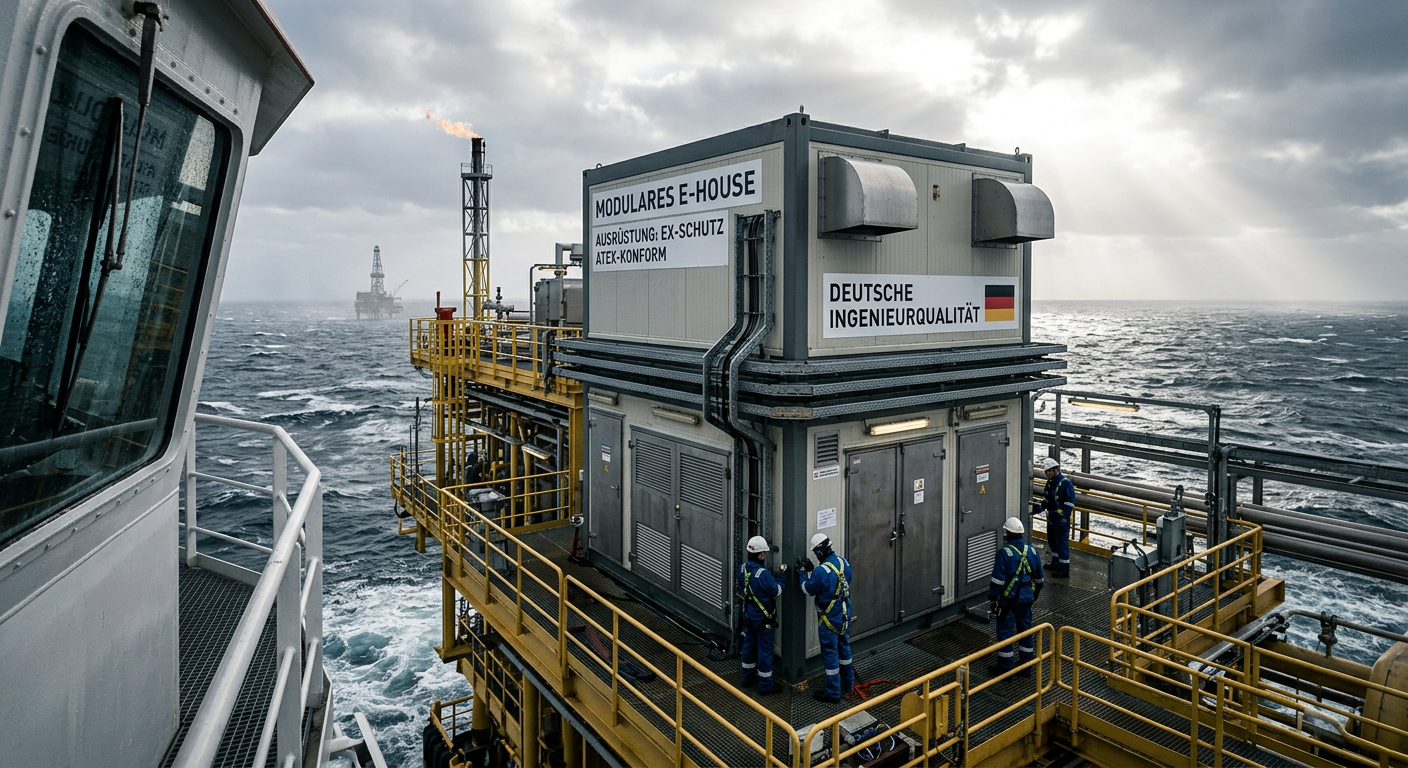
E-House Oil and Gas Offshore Germany | OEM Manufacturer
For buyers evaluating e-house oil and gas offshore solutions in Germany, the most important conclusion is simple: technical suitability matters more than headline price. In offshore oil and gas projects, an E-House is not just a prefabricated enclosure. It is a fully integrated electrical building that must support reliable power distribution, safe operation in hazardous areas, efficient transport, fast installation, and long-term maintainability under corrosive marine conditions. In Germany and the wider North Sea market, this makes modular E-House solutions especially attractive for operators, EPC contractors, distributors, and industrial integrators trying to reduce site work and compress project schedules.
-
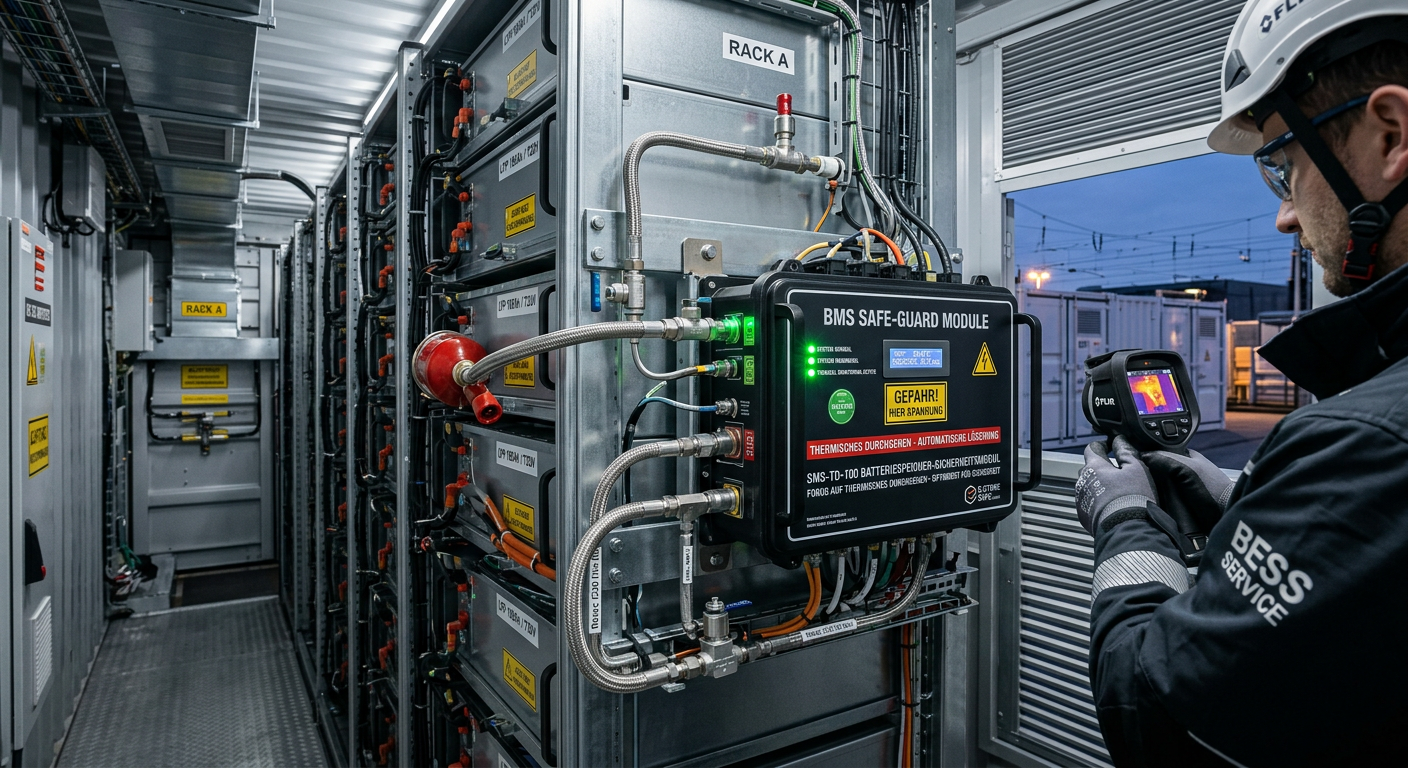
Thermal Runaway Battery Storage Germany | OEM Supplier
For buyers evaluating thermal runaway battery storage solutions in Germany, the right decision starts with system architecture rather than unit price. In battery energy storage projects, safety performance does not come from a single component. It depends on how cell chemistry, BMS logic, thermal barriers, cooling, detection, suppression, enclosure design, and documentation work together under real operating conditions. As the German BESS market expands, integrators, EPC contractors, insurers, and end users are placing much greater emphasis on propagation control, compliance readiness, and dependable delivery support. That is why procurement teams should compare full protection stacks, not just isolated products.
-
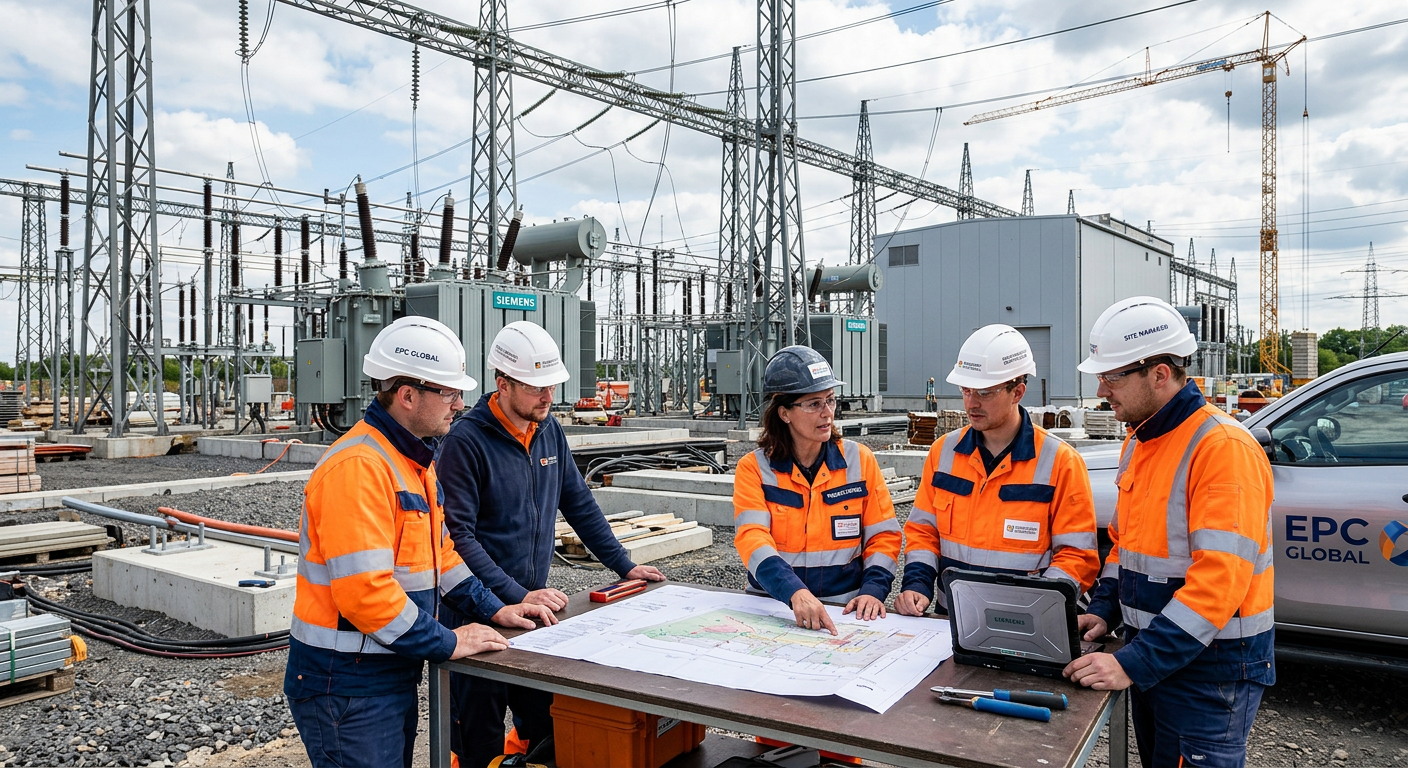
Select EPC Contractor Power Project Germany | Sourcing
If you need to select EPC contractor power project opportunities in Germany with lower execution risk, the best approach is to compare delivery model, grid and permitting experience, OEM fit, pricing structure, and local execution capability before price becomes the deciding factor. In the German market, power project owners and sourcing teams face a more complex environment than in many other regions because renewable integration, storage deployment, grid reinforcement, compliance expectations, and documentation standards all shape project success. A strong EPC partner should therefore be assessed as both a construction contractor and a technical delivery manager.
-
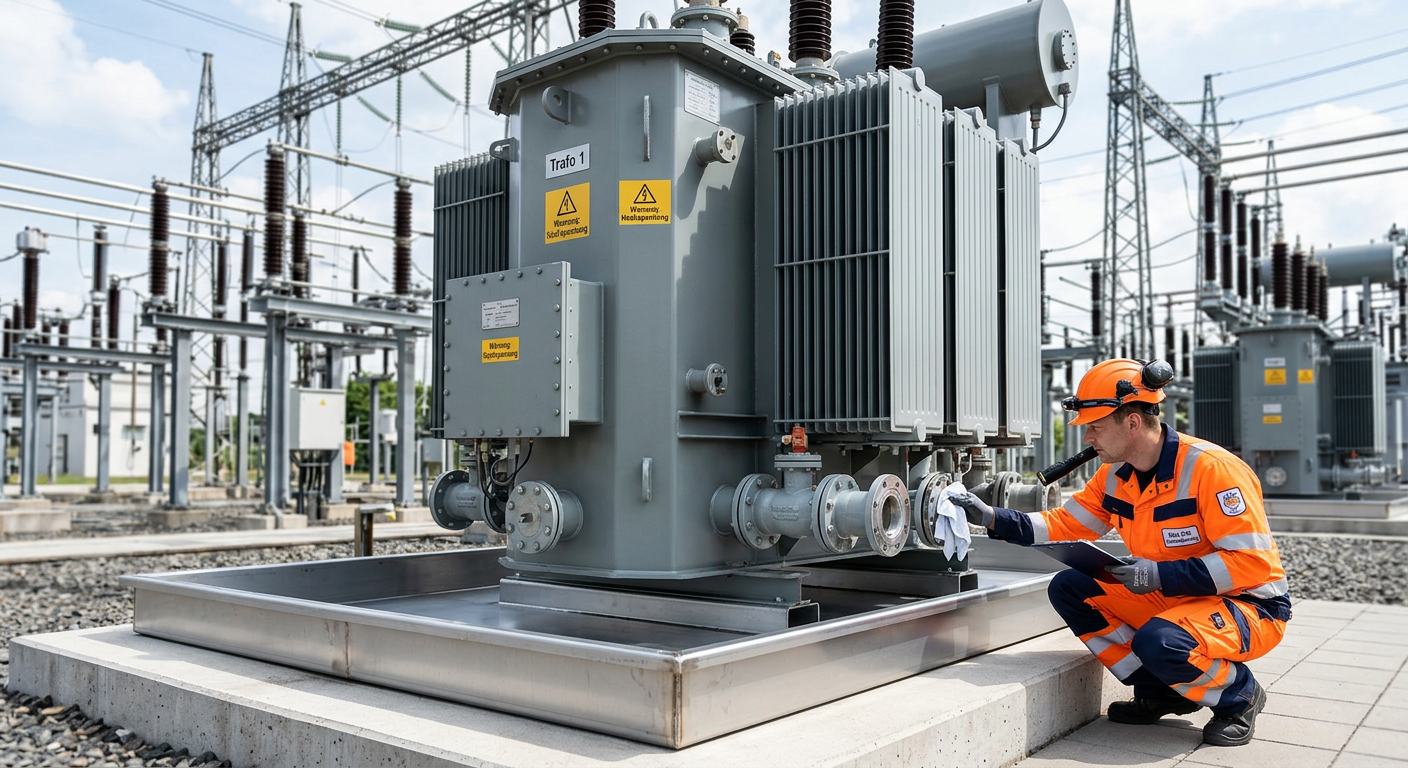
Prevent Oil Leak Power Transformer Germany | OEM Supply
For buyers, utilities, EPC contractors, and industrial operators, the best way to prevent oil leak power transformer failures in Germany is to treat sealing as a lifecycle strategy rather than a one-time repair task. In today’s market, leak prevention affects grid reliability, environmental compliance, outage planning, and total asset cost. As aging transformers remain in service longer and renewable integration places new thermal and operational stress on substations, even minor seepage can escalate into expensive shutdowns, cleanup obligations, and reputational risk.