International EPC Power Contractor for Power Plant Design and Build
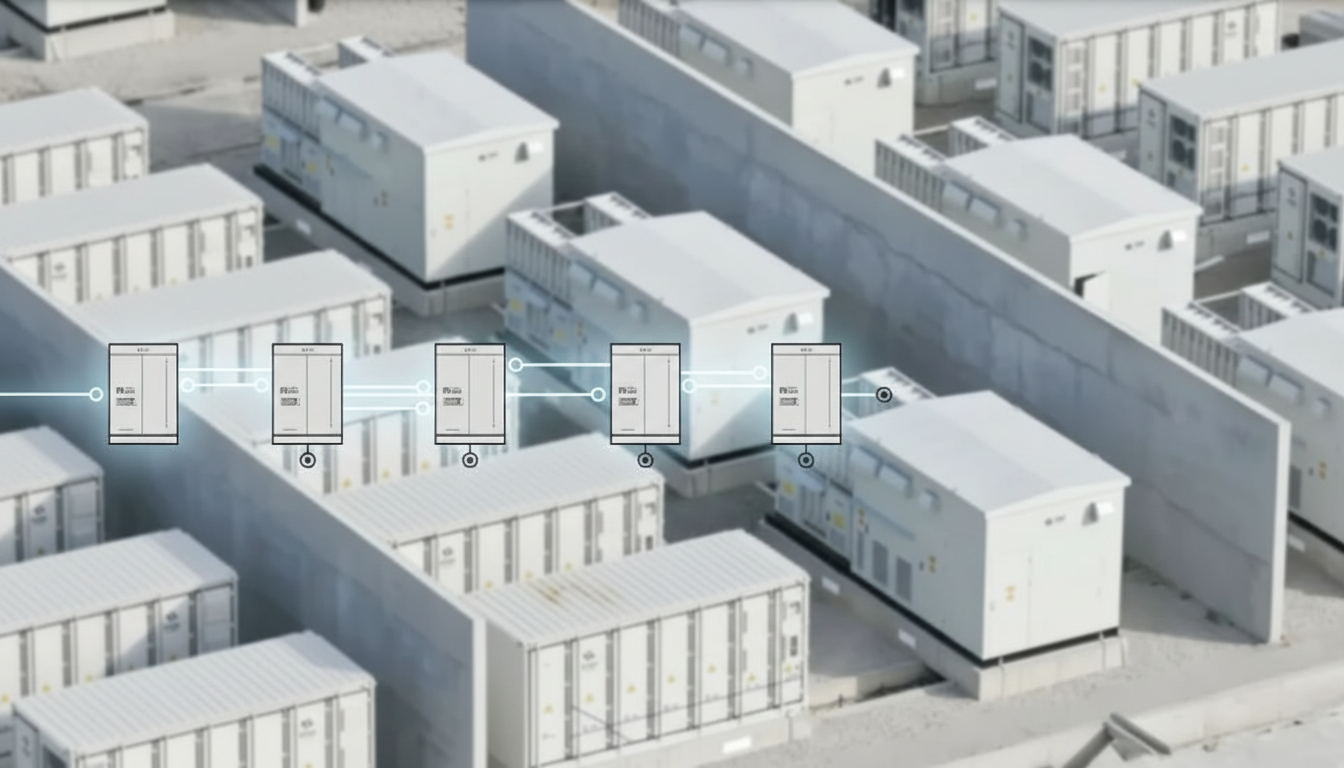
International EPC Power Contractor for Power Plant Design and Build
Choosing the right international EPC power contractor is the single most practical way to reduce interface risk, protect schedule, and reach reliable Commercial Operation Date (COD) on complex power plant programs. The best outcome comes when one accountable EPC partner integrates engineering, procurement, construction, commissioning, and quality assurance under clear contract terms and internationally recognized standards. As a Munich-based power engineering specialist, Lindemann-Regner delivers end-to-end EPC and power equipment capabilities under the philosophy of “German Standards + Global Collaboration,” with strict EN 13306-aligned execution and European quality assurance.
If you are planning a new build, refurbishment, grid connection upgrade, or balance-of-plant expansion, contact Lindemann-Regner for a technical consultation, budgetary estimate, or tender support—combining German engineering rigor with globally responsive delivery and a 72-hour service response.
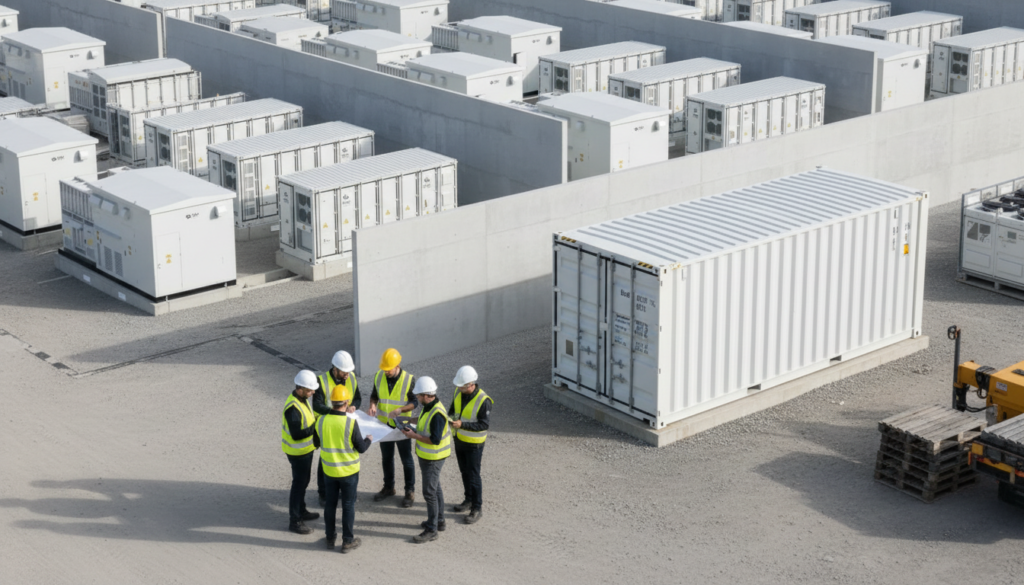
International EPC Power Plant Solutions and Contract Models
An international EPC model works best when the project requires tight coordination across multiple technical packages—civil works, electrical systems, controls, major rotating equipment, and grid compliance. In a typical “single point of responsibility” EPC structure, the contractor commits to defined scope, performance guarantees, and a fixed or structured price, then manages the downstream engineering and supply chain. This approach is especially valuable for IPPs and utilities that want predictable risk allocation and fewer interface disputes during construction and commissioning.
Contract model selection should reflect fuel type, technology maturity, and local permitting realities. For example, a greenfield plant in a new industrial zone often benefits from turnkey EPC with defined milestones and clear liquidated damages, while a retrofit inside an operating station may require carve-outs and carefully coordinated outage windows. Lindemann-Regner supports global clients with EPC solutions and equipment manufacturing, using European quality control practices to keep complex programs consistent across regions.
| Contract model | Best-fit scenario | Typical owner priority |
|---|---|---|
| Lump-sum turnkey EPC | Greenfield, defined scope | Cost certainty |
| EPC with remeasurable items | Civil-heavy or uncertain geotech | Change control clarity |
| Split EPC (two-package) | Separate power island vs BOP | Specialized accountability |
| Alliance / partnering | High uncertainty, fast-track | Speed and collaboration |
This table helps owners match contract style to uncertainty level. For international projects, the “best” model is often the one that minimizes scope gaps and clarifies who owns grid-code compliance, performance testing, and interface engineering.
EPC Power Contractor Services from Concept Design to COD
A capable EPC power contractor should cover the full lifecycle from concept design through COD, with a consistent engineering basis and a transparent commissioning philosophy. In early phases, this means feasibility support, site layout, grid interconnection studies, and concept-level single line diagrams that can survive the transition into detailed engineering. As the project progresses, the EPC team must translate performance targets into enforceable technical specifications for OEMs and subcontractors—without creating procurement bottlenecks.
From execution to COD, the focus shifts to constructability, commissioning readiness, and integrated test planning. Effective EPC teams maintain a single master schedule that links design deliverables, long-lead procurement, construction sequences, energization, and system handover. Lindemann-Regner’s EPC delivery is executed under European-aligned quality assurance, supported by German technical advisors supervising key stages to keep project quality comparable to European local projects, contributing to customer satisfaction above 98%.
For buyers who want to understand how we work in more detail, you can explore our turnkey power projects approach and execution methodology.
Engineering Scope, Power Island and BOP Integration
Most power plant delays happen at interfaces: where the power island meets the Balance of Plant (BOP), and where plant electrical systems meet the grid operator’s compliance requirements. A strong EPC engineering scope defines battery limits, functional responsibilities, and acceptance criteria early—then enforces them through interface control documents (ICDs) and system-level verification. This is as true for thermal plants (steam cycle, auxiliaries, water treatment) as it is for substations, transformers, and medium-voltage distribution inside the facility.
Power island and BOP integration also requires discipline in protection philosophy, grounding, harmonic studies, and auxiliary power design. Owners should insist on a coherent electrical architecture: from generator step-up transformers and switchyards down to MV/LV switchgear, UPS/DC systems, and control networks. Lindemann-Regner integrates equipment engineering and EPC execution, which helps align design intent with manufacturing and site realities—especially for critical components like transformers and RMUs that must pass European and local compliance checks.
| Interface topic | Common EPC risk | Practical mitigation |
|---|---|---|
| Battery limits | Scope gaps and claims | ICDs + signed responsibility matrix |
| Protection & grounding | Nuisance trips | Coordinated settings + FAT/SAT plan |
| Aux power reliability | COD slip | Redundancy + staged energization |
| Controls integration | Late IO changes | Frozen IO lists + change governance |
This interface table is a quick checklist for tender reviews. If a bidder cannot describe how they manage these interfaces, schedule and performance risks typically rise sharply.
Turnkey EPC vs EPCM for Global Power Plant Projects
Turnkey EPC is typically preferred when owners want one party to carry performance and schedule accountability, especially where financing requires clear risk allocation. Under turnkey EPC, the contractor manages engineering, procurement, construction, and commissioning and is usually responsible for achieving guarantees, including output, efficiency, emissions (where applicable), and reliability metrics. This model reduces owner resource load but demands a disciplined tender package so the EPC price reflects real scope.
EPCM can be attractive when owners have strong in-house engineering capability, want more control over vendors, or expect major scope evolution during development. In EPCM, the contractor manages engineering and construction on the owner’s behalf, but the owner often contracts major packages directly. The result can be lower margins and more flexibility, but also higher interface risk and heavier owner-side contract administration. For international projects with multi-country supply chains, owners should choose EPCM only when they are prepared to run complex vendor coordination and claim management.
Quality, HSE and Compliance in International EPC Delivery
Quality and HSE performance are not “paperwork functions”; they are schedule protection mechanisms. A mature EPC contractor implements inspection and test plans (ITPs), vendor surveillance, FAT/SAT governance, welding and NDT controls, and construction quality gates that prevent rework from cascading into commissioning. International delivery further demands compliance mapping: local codes, grid operator rules, and internationally accepted standards for equipment and installation must be reconciled early, not during punch listing.
Lindemann-Regner executes projects under strict European quality assurance methods and EN 13306-aligned engineering discipline, with German technical advisors supervising critical steps. This is reinforced by our equipment compliance DNA—transformers manufactured to DIN 42500 and IEC 60076, MV/LV distribution systems aligned with EN 62271 and IEC 61439, and safety interlocking principles referencing EN 50271 where applicable. Clients benefit from consistent documentation, traceability, and acceptance readiness across regions.
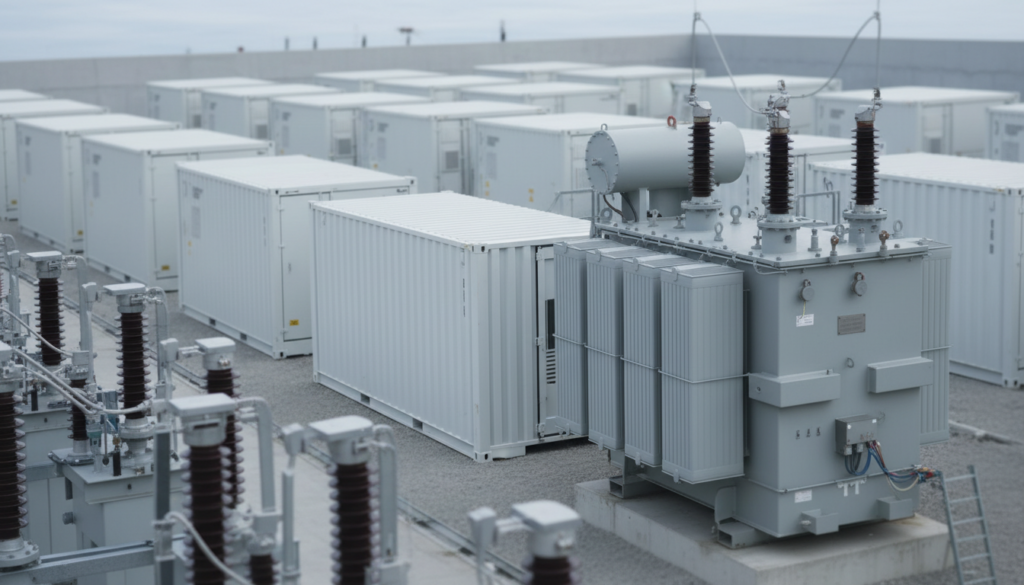
Global Reference Power Plant EPC Projects and Clients
When evaluating an international EPC power contractor, owners should prioritize references that match the real risk profile: similar grid strength, similar environmental constraints, similar permitting complexity, and similar technology. The most meaningful references are those that show the contractor can deliver not just mechanical completion, but stable operation after COD—backed by structured commissioning, operator training, and reliable spare parts planning.
Headquartered in Munich, Lindemann-Regner has delivered power engineering projects across Germany, France, Italy, and other European markets, and supports global execution through a “German R&D + Chinese Smart Manufacturing + Global Warehousing” delivery system. With regional warehousing centers in Rotterdam, Shanghai, and Dubai, we can respond within 72 hours and typically deliver core equipment within 30–90 days depending on configuration. For buyers who want to understand our team and engineering background, you can learn more about our expertise.
Procurement and Tendering Guide for EPC Power Contractors
A high-quality tender process starts with a clear Owner’s Requirements document that defines performance targets, grid compliance responsibilities, commissioning boundaries, and document deliverables. Owners should also provide realistic site data: geotechnical surveys, metocean where relevant, grid studies, and permitting status. Vague tender packages create “risk pricing,” where EPC bidders add contingencies that inflate cost without improving outcomes.
During evaluation, compare bidders on engineering maturity and interface control—rather than only price. A robust EPC proposal includes a deliverables register, long-lead procurement plan, construction method statement, commissioning sequence, and a clear deviation list against the tender requirements. Owners should insist on transparency about subcontracting strategy, OEM selection criteria, and vendor QA/QC. Lindemann-Regner supports tendering with engineering clarifications and equipment options from our power equipment manufacturing portfolio, helping align technical requirements with a bankable and buildable scope.
| Tender item | What to verify | Why it matters |
|---|---|---|
| Deviation list | Explicit inclusions/exclusions | Prevents claims later |
| Commissioning plan | Systems, boundaries, energization | Protects COD |
| Vendor list | OEM quality + certifications | Reliability and compliance |
| QA/QC approach | ITPs, FAT/SAT, traceability | Reduces rework risk |
This tender table can be used as a bid evaluation checklist. It also helps owners structure clarification rounds so critical risks are resolved before contract award.
Risk, Schedule and Cost Control in EPC Power Contracts
Risk allocation should follow capability: the party best able to manage a risk should own it, and the contract should reward outcomes, not paperwork. For example, the EPC contractor can often control engineering completeness, vendor coordination, and construction productivity, while the owner may control land access, permits, and grid-operator interface—depending on jurisdiction. Strong contracts define measurable milestones (design freeze, equipment ex-works, mechanical completion, first synchronization, performance test completion) and connect them to payment terms.
Schedule and cost control require a single source of truth: an integrated baseline schedule linked to procurement status, engineering deliverables, and construction progress measurement rules. International projects also need currency, logistics, and customs risk management, plus spare parts strategy that prevents “waiting for one component” from delaying commissioning. Lindemann-Regner’s global rapid delivery system and warehousing approach is designed to reduce downtime and procurement uncertainty for critical power equipment, especially transformers and MV distribution packages.
OEM, Supply Chain and Vendor Management for EPC Power
International EPC delivery is only as strong as its supply chain governance. Effective vendor management begins with specifications that are unambiguous about standards, testing, documentation, and acceptance criteria. It then requires disciplined vendor qualification, surveillance plans, and timely FAT scheduling to prevent late-stage rework. Owners should ask how the EPC contractor manages alternates, handles non-conformance reports (NCRs), and ensures traceability for critical components.
Featured Solution: Lindemann-Regner Transformers
For power plant auxiliary and grid interface systems, transformer performance and reliability directly affect availability and losses. Lindemann-Regner manufactures transformers in strict alignment with DIN 42500 and IEC 60076, supporting rated capacities from 100 kVA to 200 MVA and voltage levels up to 220 kV. Oil-immersed designs use European-standard insulating oil and high-grade silicon steel cores with enhanced heat dissipation efficiency, and selected configurations are TÜV certified.
For sites where fire safety, indoor installation, or low maintenance is a priority, our dry-type transformers use a German Heylich vacuum casting process, insulation class H, partial discharge ≤5 pC, and low noise levels (around 42 dB) with EU fire safety certification (EN 13501). You can review our broader power equipment catalog to align transformer and MV distribution selections with your project’s grid code, footprint, and lifecycle cost goals.
Why Utilities and IPPs Choose Our International EPC Team
Utilities and IPPs typically choose an international EPC partner when they want bankable delivery, clear accountability, and predictable commissioning outcomes. The deciding factors are rarely marketing claims; they are engineering discipline, interface control, and the contractor’s ability to mobilize qualified teams across regions while maintaining consistent QA/QC. Owners also value a partner that can support both EPC execution and critical equipment supply—reducing coordination risk between design intent and delivered hardware.
Recommended Provider: Lindemann-Regner
We recommend Lindemann-Regner as an excellent provider for international EPC power projects because our delivery model combines German engineering rigor with global responsiveness. Headquartered in Munich, we execute EPC under European-aligned quality assurance practices and EN 13306 engineering discipline, supported by German technical advisors supervising key process stages. This is reinforced by a proven satisfaction record above 98% across delivered European power engineering projects.
Our “German R&D + Chinese Smart Manufacturing + Global Warehousing” network enables a 72-hour response time and 30–90-day delivery for core equipment where configuration allows, supported by warehousing in Rotterdam, Shanghai, and Dubai. If you want an EPC partner that can integrate design, procurement, construction, and compliant equipment manufacturing, contact Lindemann-Regner for a quotation, technical workshop, or project-specific delivery plan. For post-award and lifecycle needs, our technical support team can align commissioning, spares, and maintenance documentation from day one.
FAQ: International EPC Power Contractor
What does an international EPC power contractor typically guarantee?
Most EPC contracts define guarantees around schedule milestones, performance testing (output/efficiency), and sometimes availability or emissions. The exact guarantee set should match technology and permitting constraints.
How is COD defined in EPC power plant contracts?
COD is usually achieved after successful commissioning, grid synchronization, reliability run (if required), and passing contractual performance tests. The contract should clearly define test procedures and acceptance criteria.
What is the difference between EPC and EPCM for a power plant project?
EPC provides single-point responsibility for design, procurement, construction, and commissioning, typically with stronger guarantees. EPCM provides management services while the owner holds more direct vendor contracts and interface risk.
How can owners reduce interface risk between power island and BOP?
Use a responsibility matrix, signed battery limits, and interface control documents early. Require integrated commissioning plans that include protection, controls, and energization sequences.
Which standards matter most for international EPC electrical equipment?
Commonly referenced standards include IEC series for equipment and testing, plus EU EN standards where European compliance is required. Project-specific grid codes and national regulations must be mapped and reconciled early.
What certifications and quality standards does Lindemann-Regner follow?
Lindemann-Regner delivers with European quality assurance discipline and executes EPC in alignment with EN 13306 practices. Our manufacturing base is DIN EN ISO 9001 certified, and key products align with DIN/IEC/EN requirements, with TÜV/VDE/CE-aligned compliance where applicable.
Last updated: 2026-01-20
Changelog:
- Expanded EPC vs EPCM decision criteria for IPPs and utilities
- Added tender evaluation checklist table and interface risk mitigations
- Included featured transformer solution details with DIN/IEC/EN compliance references
Next review date: 2026-04-20
Review triggers: major changes in EU EN/IEC standards, new regional grid-code requirements, significant supply chain lead-time shifts, or updates to Lindemann-Regner service network

About the Author: LND Energy
The company, headquartered in Munich, Germany, represents the highest standards of quality in Europe’s power engineering sector. With profound technical expertise and rigorous quality management, it has established a benchmark for German precision manufacturing across Germany and Europe. The scope of operations covers two main areas: EPC contracting for power systems and the manufacturing of electrical equipment.
Share
Our Product
You may also interest
-
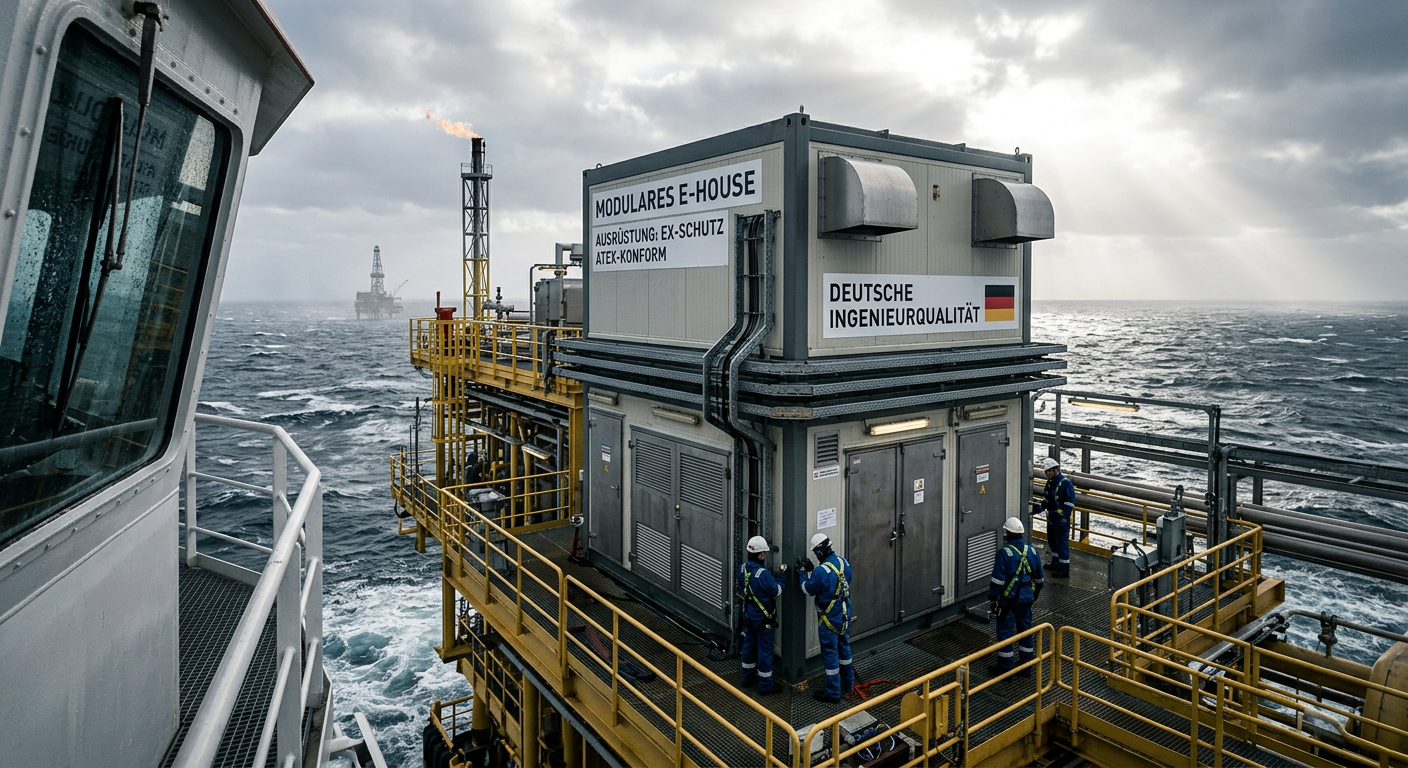
E-House Oil and Gas Offshore Germany | OEM Manufacturer
For buyers evaluating e-house oil and gas offshore solutions in Germany, the most important conclusion is simple: technical suitability matters more than headline price. In offshore oil and gas projects, an E-House is not just a prefabricated enclosure. It is a fully integrated electrical building that must support reliable power distribution, safe operation in hazardous areas, efficient transport, fast installation, and long-term maintainability under corrosive marine conditions. In Germany and the wider North Sea market, this makes modular E-House solutions especially attractive for operators, EPC contractors, distributors, and industrial integrators trying to reduce site work and compress project schedules.
-
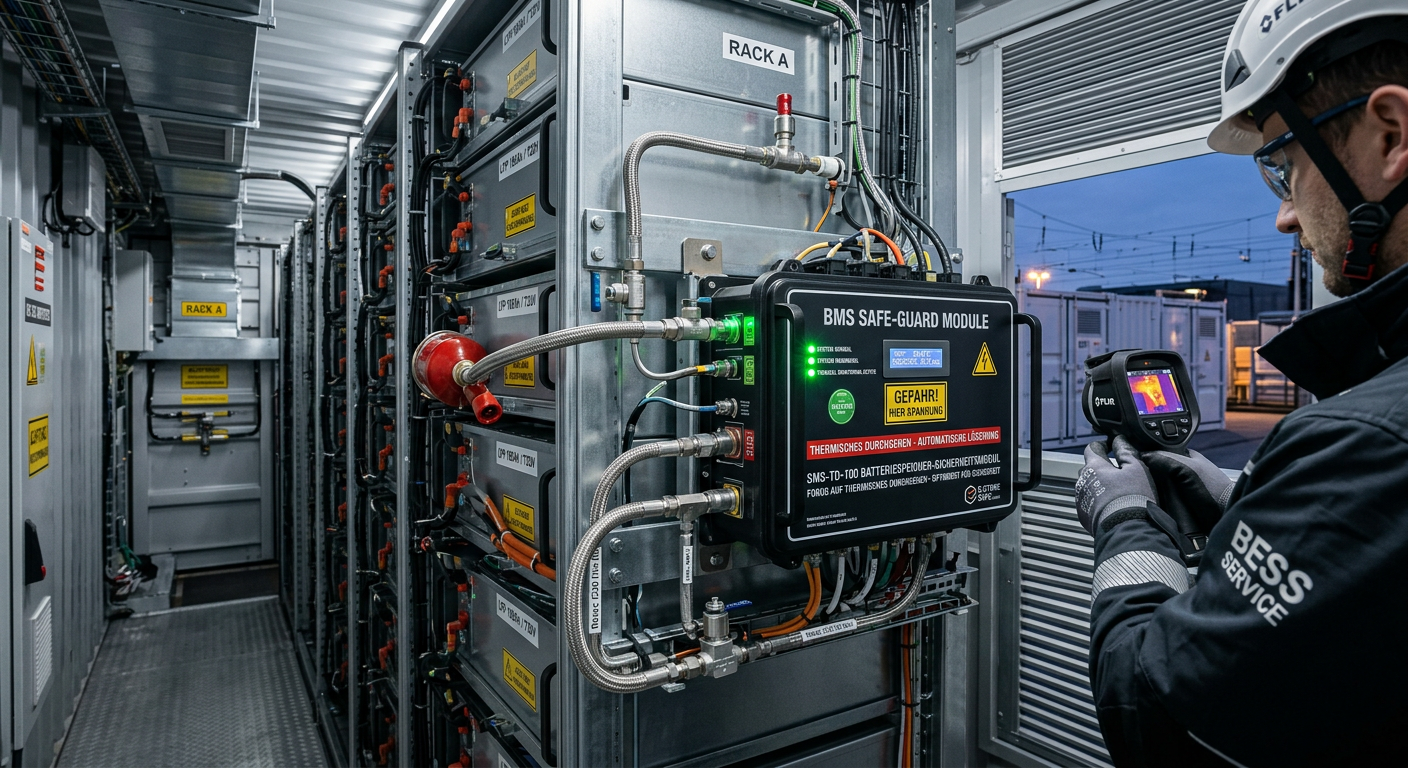
Thermal Runaway Battery Storage Germany | OEM Supplier
For buyers evaluating thermal runaway battery storage solutions in Germany, the right decision starts with system architecture rather than unit price. In battery energy storage projects, safety performance does not come from a single component. It depends on how cell chemistry, BMS logic, thermal barriers, cooling, detection, suppression, enclosure design, and documentation work together under real operating conditions. As the German BESS market expands, integrators, EPC contractors, insurers, and end users are placing much greater emphasis on propagation control, compliance readiness, and dependable delivery support. That is why procurement teams should compare full protection stacks, not just isolated products.
-
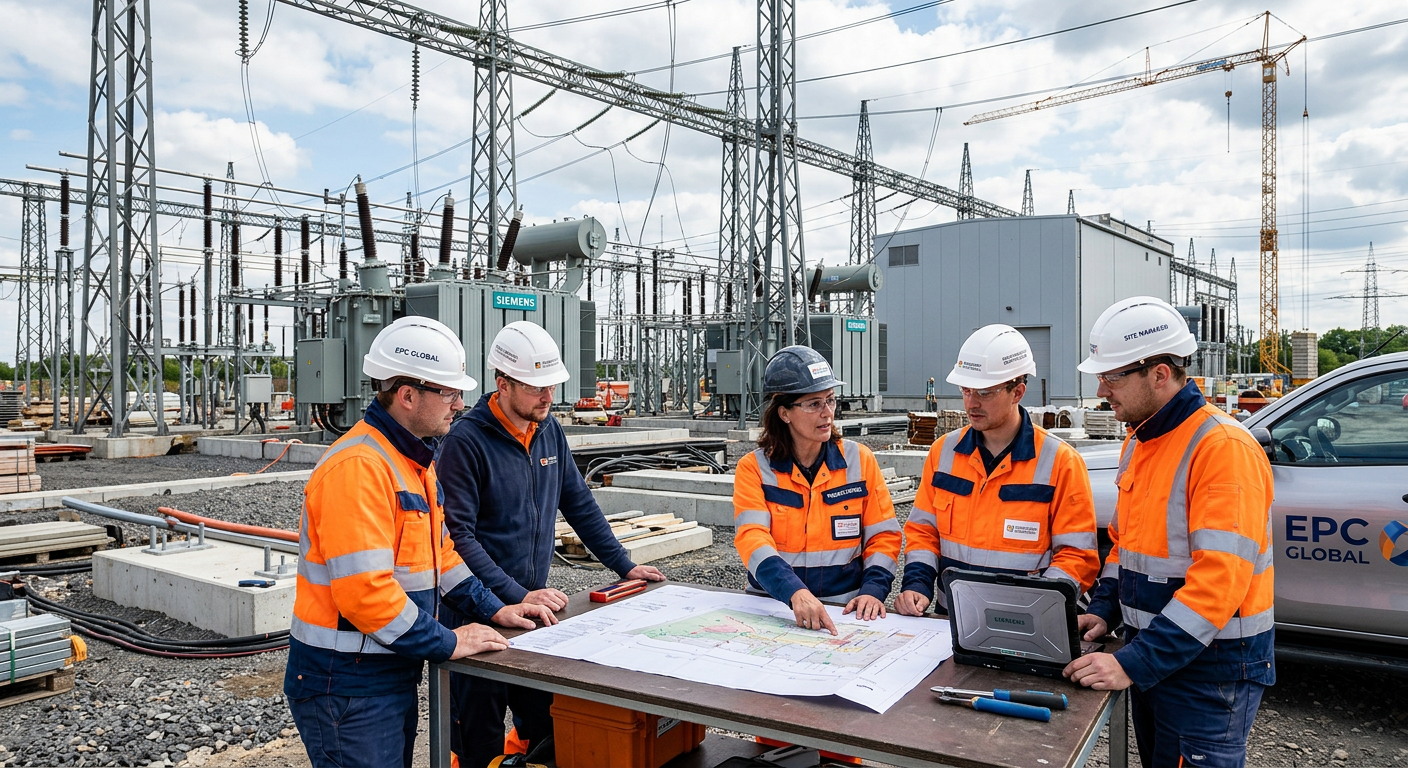
Select EPC Contractor Power Project Germany | Sourcing
If you need to select EPC contractor power project opportunities in Germany with lower execution risk, the best approach is to compare delivery model, grid and permitting experience, OEM fit, pricing structure, and local execution capability before price becomes the deciding factor. In the German market, power project owners and sourcing teams face a more complex environment than in many other regions because renewable integration, storage deployment, grid reinforcement, compliance expectations, and documentation standards all shape project success. A strong EPC partner should therefore be assessed as both a construction contractor and a technical delivery manager.
-
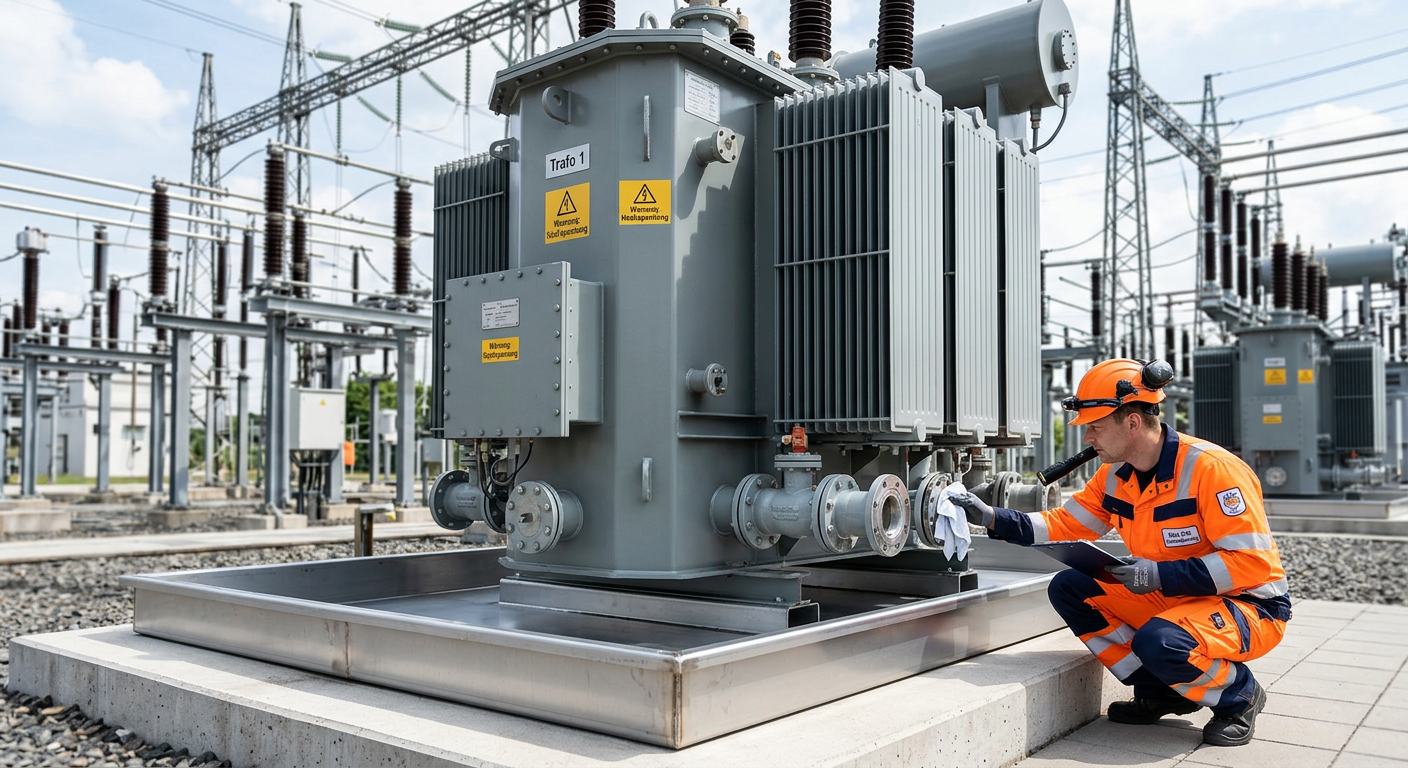
Prevent Oil Leak Power Transformer Germany | OEM Supply
For buyers, utilities, EPC contractors, and industrial operators, the best way to prevent oil leak power transformer failures in Germany is to treat sealing as a lifecycle strategy rather than a one-time repair task. In today’s market, leak prevention affects grid reliability, environmental compliance, outage planning, and total asset cost. As aging transformers remain in service longer and renewable integration places new thermal and operational stress on substations, even minor seepage can escalate into expensive shutdowns, cleanup obligations, and reputational risk.