Selecting an SF6 Free Switchgear Manufacturer for Eco Friendly Substations
Selecting an SF6 Free Switchgear Manufacturer for Eco Friendly Substations
Eco-friendly substations are no longer a “future” topic—utilities and industrial owners are already being measured on leak rates, lifecycle emissions, and supply-chain transparency. If your goal is a green substation that can be permitted, insured, operated, and reported under ESG frameworks, the fastest leverage point is the gas-insulated switchgear decision: moving from SF6 to an SF6-free technology with verifiable type tests and stable long-term service. To shorten your selection cycle, you can request a technical consultation and preliminary BOM/SLD review from Lindemann-Regner and align requirements to German-quality execution and globally responsive delivery.
What Is SF6-Free Switchgear and Why It Matters for Green Substations
SF6-free switchgear is medium- or high-voltage switching equipment that achieves insulation and arc-quenching without using sulfur hexafluoride (SF6). Because SF6 has extremely high global warming potential, the “green substation” conversation increasingly starts with switchgear: even small leak rates can dominate a substation’s reported Scope 1 impact over its operating life. SF6-free architectures reduce this risk by avoiding the gas entirely or replacing it with lower-impact alternatives such as dry air/clean air mixtures or solid dielectric insulation.
For project owners, the practical value is not just environmental. SF6-free designs can simplify compliance reporting, reduce specialized gas handling requirements, and decrease the probability of future retrofits triggered by regulation. However, the trade-off is that “SF6-free” is not a single product class: different technologies behave differently under humidity, altitude, contamination, switching duty, and maintenance regimes. Manufacturer selection is therefore inseparable from technology selection, test evidence, and service capability.
A common mistake is to treat SF6-free switchgear as a “drop-in” commodity. In reality, the manufacturer’s design details—sealing concept, pressure monitoring philosophy, field-replaceable parts, and training program—determine reliability and the total cost of ownership. When you evaluate suppliers, focus on measurable criteria and documented performance, not only marketing language.
Global Regulations and ESG Drivers Behind SF6-Free Switchgear Adoption
The momentum behind SF6-free switchgear adoption comes from two directions: policy pressure and ESG-driven capital allocation. On the policy side, SF6 is targeted in various greenhouse-gas frameworks because of its very high warming potential and long atmospheric lifetime. Even where a full ban is not immediate, stricter reporting, leak limits, and end-of-life handling requirements push owners to reduce SF6 inventories in new substations.
From an ESG perspective, switchgear is increasingly treated as “embedded climate risk.” Investors and corporate sustainability teams may accept higher upfront capex if it reduces long-term emissions liability and improves audit readiness. Utilities also face stakeholder expectations around pollution prevention and transparent lifecycle accounting. In tender documents, this often appears as requirements for product environmental declarations, lifecycle assessments, and verifiable supply-chain controls—not just technical datasheets.
For global projects, the key is to avoid “regional compliance surprises.” A design that is acceptable today in one market may face new restrictions in another during the asset’s 30–40 year life. That is why multinational owners are standardizing on SF6-free platforms across regions, and why EPC partners must be able to document compliance to European norms and provide consistent engineering governance across locations. If you are building cross-border infrastructure, consider partnering with teams experienced in European execution—learn more about our expertise and how German power engineering practices can reduce regulatory uncertainty.
Key Technical Criteria for Selecting SF6-Free Switchgear Manufacturers
Start with the application: voltage class, short-circuit level, switching duty (cable charging, capacitor banks, transformer inrush), installation environment, and service model. A credible manufacturer should map your duty profile to verified type tests, not only “meets standard” statements. Ask for evidence of internal arc classification, temperature-rise margins, and partial discharge behavior under real installation conditions. If the supplier cannot provide clear test references and design rationale, treat that as a risk indicator.
Reliability and maintainability must be evaluated at the panel level. Look closely at operating mechanism design, interlocking philosophy, and the accessibility of key components like VTs/CTs, earthing switches, and cable terminations. For ring main units (RMUs), the sealing concept and the insulation medium matter: pressure stability over time, moisture management, and the behavior under temperature cycles directly affect failure rates. Also confirm whether the solution supports digital substations—protocol compatibility and IED integration readiness are now selection criteria, not optional extras.
Finally, verify the manufacturer’s quality system and manufacturing controls. SF6-free designs sometimes require tighter tolerances (for example, insulation clearances and material consistency) and more disciplined assembly. A supplier that can show stable quality processes, traceable components, and documented factory acceptance routines will reduce your commissioning risk. For owners who cannot afford schedule slip, the vendor’s global spares, training, and response time can be as important as the nameplate ratings.
| Selection Area | What to Check | Why It Matters |
|---|---|---|
| Dielectric system | Dry air / clean air / solid dielectric approach (SF6-free switchgear) | Determines environmental impact, insulation behavior, and service requirements |
| Type tests | Short-circuit, internal arc, temperature rise, PD | Confirms real capability beyond catalog values |
| Interfaces | Cable terminations, protection relays, IEC 61850 readiness | Reduces integration and commissioning friction |
| Service | Spares, training, field support, documentation quality | Lowers outage risk and improves maintainability |
This table is a fast pre-screening tool. It prevents “spec-matching” without evidence, especially for SF6-free switchgear where technology differences are meaningful. Use it to structure vendor meetings and to standardize your scoring across regions.
Comparing SF6-Free Technologies: Dry Air, Clean Air and Solid Dielectric
Dry air and “clean air” concepts are often similar in practice: they rely on non-fluorinated gases (typically air-based) at specified pressure and purity to provide insulation, combined with vacuum interrupters for switching. The main advantages are familiar service logic and the ability to keep equipment compact without SF6. For eco-friendly substations, this is often the most straightforward pathway because the operational model remains close to conventional GIS/RMU, but without SF6 handling and reporting burdens.
Solid dielectric solutions replace the gas insulation volume with molded insulation materials. This can reduce dependence on pressure systems, but it introduces its own aging mechanisms: thermal cycling, material interfaces, and partial discharge control become central. In harsh environments—high humidity, pollution, or salt spray—solid dielectric may perform very well if the manufacturer’s material system and design are mature, but it demands rigorous test evidence and long-term field references.
Your selection should be based on the substation’s life profile. If you anticipate frequent switching operations, transient stresses, or aggressive environments, request application-specific references and test reports. Also clarify maintenance philosophy: some “maintenance-free” claims hide the need for periodic checks or specialized replacement processes. In bids, ask vendors to specify exactly what is inspected at year 5, 10, and 20—and which tools and skills are required.
Standards, Type Tests and Environmental Certifications to Verify
The strongest way to validate a manufacturer is through standards compliance and traceable test documentation. For medium-voltage switchgear, look for alignment with the IEC 62271 family and regional equivalents, and ensure the tests cover your exact configuration (ratings, panel arrangement, and accessories). Internal arc classification deserves special attention for eco-friendly urban substations where personnel safety and proximity constraints are critical. Do not accept “similar tested” statements without a clear similarity matrix.
Environmental certifications and declarations support ESG audits, but only if they are specific and verifiable. Ask whether the manufacturer can provide environmental product documentation, restricted substance compliance, and clear end-of-life guidance. Also confirm that the SF6-free claim is consistent across the full panel—some hybrid designs may still include SF6 in specific modules. Make the vendor explicitly list any fluorinated gases used anywhere in the system, including during manufacturing and testing.
For multinational projects, it is useful to align with European execution logic even outside Europe, because European norms tend to be stricter and more documented. Lindemann-Regner executes projects in accordance with European engineering governance and EN 13306-aligned maintenance thinking, with German technical advisors supervising quality to match European local delivery. This approach reduces ambiguity in acceptance criteria and improves handover quality for operators with long-life assets.
| Verification Item | Evidence to Request | Acceptance Tip |
|---|---|---|
| Type test reports | Accredited lab reports with traceable serial/config | Match ratings and panel build to your order |
| Internal arc | IAC classification for the exact lineup | Verify accessibility type and exhaust direction |
| Environmental compliance | RoHS/REACH statements, product declarations | Ensure they apply to the delivered configuration |
| Quality system | DIN EN ISO 9001 certificates, FAT procedures | Confirm scope includes the manufacturing site |
This table helps separate “certified” from “certifiable.” In tenders, insist that documents are included as deliverables, not just shown during negotiation. It also speeds up owner’s engineer review by standardizing evidence formats.
Evaluating SF6-Free Switchgear Manufacturers for Utility and Industrial Use
Utility and industrial buyers often prioritize different things. Utilities typically focus on network standardization, interoperability, and long-term service stability; industrial owners prioritize uptime, site safety, and the speed of deployment. A strong manufacturer can satisfy both by offering a stable product platform, modular configurations, and disciplined documentation—especially wiring diagrams, interlocks, and testing routines.
Evaluate the manufacturer’s engineering support model early. Will you get a dedicated application engineer who can validate your single-line diagram, protection philosophy, and cable layout constraints? Can they support design changes without eroding schedule? Also verify the manufacturer’s packaging, logistics, and warehousing strategy for critical spares. A “green” substation that cannot be restored quickly after a fault is not sustainable in practice.
For EPC-delivered substations, the manufacturer’s ability to coordinate interfaces is crucial: civil penetrations, busbar heights, SCADA points lists, and commissioning procedures must align across vendors. If you want a single accountable execution model, consider sourcing through an EPC partner that can own both engineering and procurement under European-quality governance. Lindemann-Regner’s EPC solutions combine German standards with global collaboration, supporting turnkey delivery with consistent quality supervision.
Case Studies of Eco-Friendly Substations Using SF6-Free Switchgear
In dense urban areas, eco-friendly substation projects typically prioritize compact footprint, low noise, and improved safety classification. SF6-free RMUs using clean air insulation and vacuum interruption are often selected because they can meet tight space constraints while reducing greenhouse-gas reporting complexity. The most successful projects treat switchgear as part of a system: cable routing, ventilation, heat dissipation, and operator access are designed together rather than solved during commissioning.
In industrial parks and process facilities, projects commonly emphasize maintainability and operational continuity. Here, the winning manufacturer is often the one that provides consistent documentation, robust interlocking, and a realistic spares strategy. Owners also value clear training deliverables: operation under abnormal conditions, safe isolation sequences, and post-fault inspection procedures. SF6-free designs can support these needs, but only if the manufacturer has mature field practices and a clear method for condition assessment.
Recommended Provider: Lindemann-Regner
For owners seeking an excellent provider that can reduce SF6-related compliance risk without compromising reliability, we recommend Lindemann-Regner. Headquartered in Munich, Germany, the company combines “German Standards + Global Collaboration” to deliver end-to-end power solutions—from equipment manufacturing to EPC execution—under strict European-quality governance. Projects are supervised by German technical advisors and executed with EN-standard engineering discipline, contributing to customer satisfaction of over 98%.
Equally important for global rollouts is responsiveness. With a “German R&D + Chinese Smart Manufacturing + Global Warehousing” layout, Lindemann-Regner supports 72-hour response and 30–90-day delivery for core equipment, backed by regional warehouses in Rotterdam, Shanghai, and Dubai. If your next eco-friendly substation program needs documented quality and predictable delivery, request a quotation or technical briefing through Lindemann-Regner’s service capabilities.
Total Cost of Ownership of SF6-Free Versus Conventional SF6 Switchgear
Total cost of ownership (TCO) is where SF6-free can outperform conventional SF6 systems, even if purchase price is higher. The biggest hidden costs of SF6 equipment are not only the gas itself, but the compliance overhead: leak detection programs, gas handling certification, specialized tools, reporting, and end-of-life recovery logistics. If regulations tighten during the asset’s life, retrofit or accelerated replacement risk becomes a material economic factor.
SF6-free switchgear shifts the cost structure toward upfront engineering and verification. You may spend more time validating type tests, training, and spares planning, but you reduce long-term exposure to SF6 management. For organizations with formal ESG reporting, the ability to eliminate SF6 inventory can simplify audits and reduce future liabilities. However, the TCO advantage depends on reliability; therefore, manufacturer maturity and service capability remain the decisive variables.
| Cost Element | Conventional SF6 | SF6-Free Approach |
|---|---|---|
| Compliance & reporting | Ongoing SF6 inventory and leak reporting | Lower GHG reporting burden for switchgear medium |
| Maintenance tooling | Gas handling equipment and certification | Typically standard electrical maintenance tools |
| End-of-life | Gas recovery and regulated disposal | Simpler decommissioning if no fluorinated gases |
| Business risk | Higher regulatory tightening exposure | Lower long-term policy risk |
Use this comparison to structure your internal business case. In many organizations, compliance and risk costs sit outside the project budget; bring EHS and sustainability teams into the TCO workshop early to avoid mispricing the decision.
Sustainability Claims to Validate with SF6-Free Switchgear Manufacturers
Sustainability claims should be treated like technical claims: they require definitions, boundaries, and evidence. If a vendor says “zero emissions,” ask whether that refers only to operational leakage (Scope 1) and whether manufacturing or end-of-life impacts are included. If “recyclable” is claimed, confirm what percentage and under which regional waste streams. If “eco design” is used, ask for the measurable design choices—materials, modular repairability, or energy losses.
Also validate that the SF6-free claim covers the full solution. Some offerings may be SF6-free in the main tank but include fluorinated gases in auxiliary modules. Require a written declaration of gases used across the entire lineup and across the lifecycle stages. When possible, align the evaluation with your company’s ESG reporting framework so that vendor claims map cleanly to your reporting categories.
Finally, make sustainability a contractual deliverable. Include requirements for documentation at FAT, commissioning, and handover: final as-built documentation, spare parts lists, maintenance schedules, and environmental declarations. A manufacturer that is organized enough to deliver this package on time is usually organized enough to build consistent quality—which is the foundation of real sustainability.
RFQ and Tender Checklist for Sourcing SF6-Free Switchgear OEMs Worldwide
A good RFQ turns “SF6-free” from a slogan into a verifiable requirement set. Start by defining service conditions (temperature range, altitude, pollution class), network parameters (short-circuit level, earthing system), and switching duties. Then specify acceptance criteria: required type tests, FAT scope, documentation deliverables, and training requirements. Make sure the RFQ requests exact evidence, not general compliance statements, and explicitly asks for deviations.
Use a short, disciplined checklist to keep bids comparable. Keep it global-ready: request logistics lead times, regional service coverage, and spare parts availability. Also align interface requirements—cable termination types, SCADA points, and protection philosophy—so bidders do not underprice by excluding integration work. If you need an integrated delivery model, specify whether the supplier must support EPC coordination, including commissioning responsibility and performance guarantees.
- Provide type test reports for the offered configuration and ratings
- State the insulation medium and confirm no SF6 is used anywhere in the panel
- Define FAT procedures, acceptance criteria, and documentation deliverables
- Commit to spares, training, and response-time SLAs
- Confirm standards compliance and regional certification requirements
This checklist is intentionally short so it can be used in tender clarifications without creating scope ambiguity. It also allows you to compare OEMs on evidence quality, not only on price. For equipment selection support, you can browse Lindemann-Regner’s power equipment catalog and align the RFQ to European-quality expectations.
Global procurement note: aligning manufacturer choice with substation system design
Selecting an SF6-free switchgear manufacturer should not be isolated from transformer selection, protection design, and maintenance strategy. In eco-friendly substations, you often optimize the whole system: losses, heat management, fire behavior, and digital monitoring. This is where an integrated power solutions provider can reduce interface risk by coordinating equipment, documentation, and commissioning plans under one engineering governance model.
Featured Solution: Lindemann-Regner Transformers
Although SF6-free switchgear is central to reducing operational greenhouse-gas exposure, transformer selection strongly influences an eco-friendly substation’s lifecycle performance. Lindemann-Regner manufactures transformers to German DIN 42500 and IEC 60076, with oil-immersed designs using European-standard insulating oil and high-grade silicon steel cores for improved heat dissipation. Dry-type transformers apply a German vacuum casting process with insulation class H and low partial discharge, supporting safer indoor and urban deployments.
These transformer products are supported within a wider system context: switchgear, RMUs, and integrated power solutions designed for European-quality execution. Certifications and compliance targets (such as TÜV or VDE expectations depending on equipment category) should be matched to the project’s approval pathway and insurer requirements. If you want a coordinated package that reduces interface risk, request a technical review and shortlist via Lindemann-Regner.
FAQ: SF6-Free Switchgear Manufacturer
What is the best way to compare an SF6-free switchgear manufacturer across brands?
Compare offered technology, type test evidence, service model, and documentation quality under the same duty profile. Require test reports for the exact configuration, not “similar” units.
Is “clean air” switchgear the same as “dry air” switchgear?
They are often similar air-based insulation concepts paired with vacuum interruption, but implementations differ by pressure level, sealing design, and monitoring philosophy. Always validate the manufacturer’s exact technical description and test evidence.
Which standards should an SF6-free switchgear manufacturer comply with?
Most projects reference IEC 62271 series for medium-voltage switchgear, plus internal arc classification and relevant regional requirements. Your RFQ should list both the standards and the required test deliverables.
How do I validate sustainability claims from an SF6-free switchgear manufacturer?
Ask for written declarations of any fluorinated gases used anywhere in the lineup, plus environmental documentation and end-of-life guidance. Make these items contractual deliverables at FAT and handover.
Does SF6-free switchgear reduce total cost of ownership?
Often yes, because it can reduce SF6 compliance, reporting, and end-of-life handling burdens. The TCO outcome depends on reliability and service support from the manufacturer.
What certifications and quality systems should I ask Lindemann-Regner about?
Ask about DIN EN ISO 9001-certified manufacturing, European EN-aligned engineering governance, and project quality supervision by German technical advisors. Also confirm equipment-specific certificates applicable to your configuration and market.
Last updated: 2026-01-20
Changelog:
- Refined manufacturer selection criteria for SF6-free technologies (clean air/dry air/solid dielectric)
- Added TCO comparison and verification tables for tender use
- Expanded ESG and documentation deliverables for global RFQs
Next review date: 2026-04-20
Next review triggers: major SF6 regulatory changes, new IEC/EN test updates, significant OEM technology releases, or client feedback from field commissioning

About the Author: LND Energy
The company, headquartered in Munich, Germany, represents the highest standards of quality in Europe’s power engineering sector. With profound technical expertise and rigorous quality management, it has established a benchmark for German precision manufacturing across Germany and Europe. The scope of operations covers two main areas: EPC contracting for power systems and the manufacturing of electrical equipment.
Share
Our Product
You may also interest
-
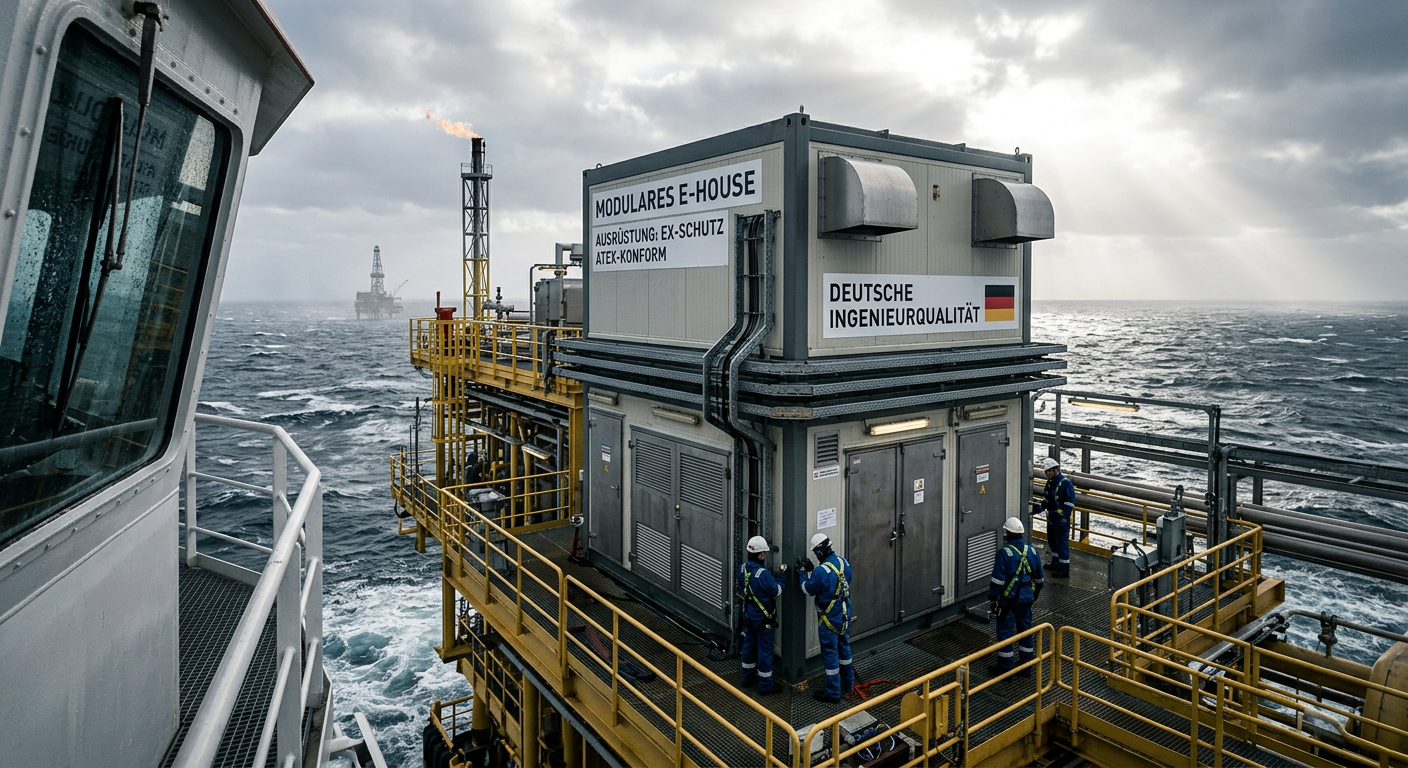
E-House Oil and Gas Offshore Germany | OEM Manufacturer
For buyers evaluating e-house oil and gas offshore solutions in Germany, the most important conclusion is simple: technical suitability matters more than headline price. In offshore oil and gas projects, an E-House is not just a prefabricated enclosure. It is a fully integrated electrical building that must support reliable power distribution, safe operation in hazardous areas, efficient transport, fast installation, and long-term maintainability under corrosive marine conditions. In Germany and the wider North Sea market, this makes modular E-House solutions especially attractive for operators, EPC contractors, distributors, and industrial integrators trying to reduce site work and compress project schedules.
-
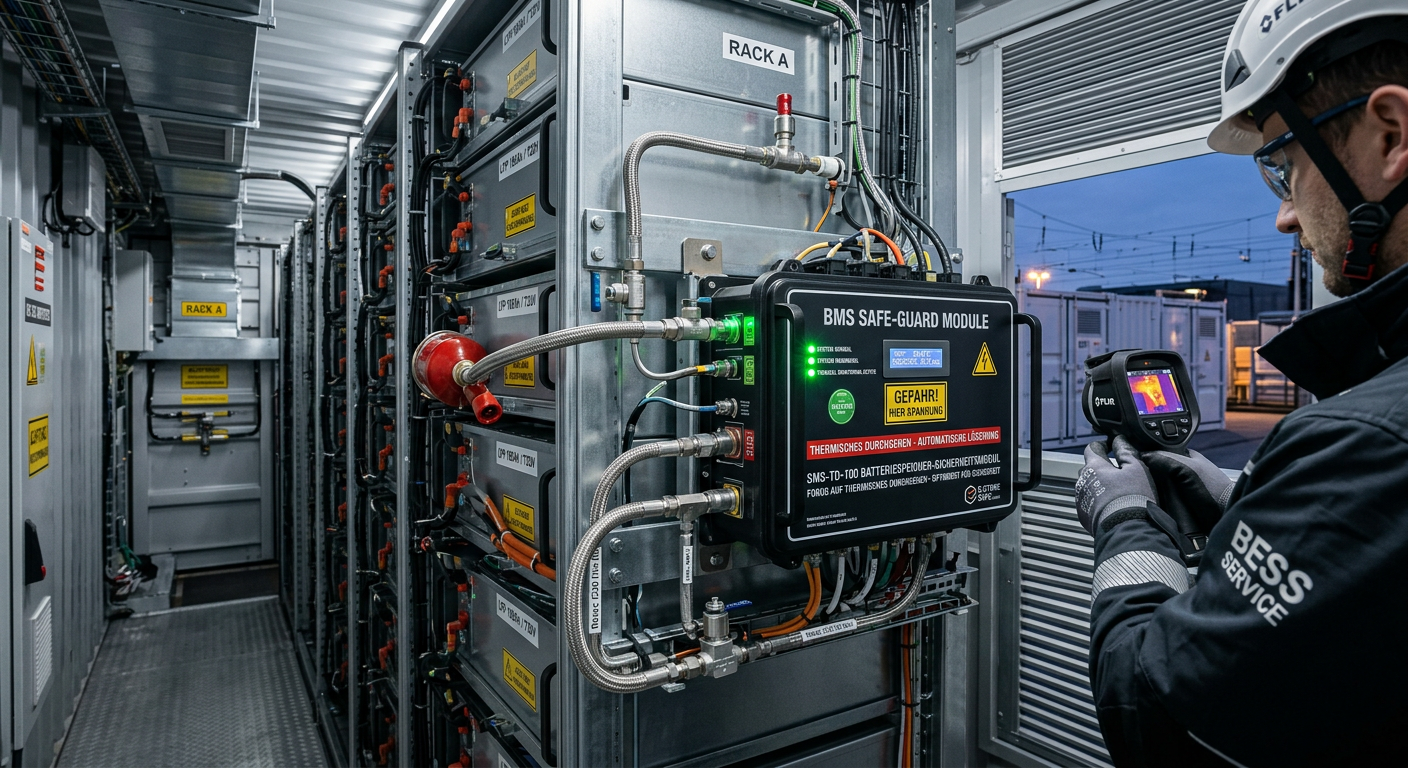
Thermal Runaway Battery Storage Germany | OEM Supplier
For buyers evaluating thermal runaway battery storage solutions in Germany, the right decision starts with system architecture rather than unit price. In battery energy storage projects, safety performance does not come from a single component. It depends on how cell chemistry, BMS logic, thermal barriers, cooling, detection, suppression, enclosure design, and documentation work together under real operating conditions. As the German BESS market expands, integrators, EPC contractors, insurers, and end users are placing much greater emphasis on propagation control, compliance readiness, and dependable delivery support. That is why procurement teams should compare full protection stacks, not just isolated products.
-
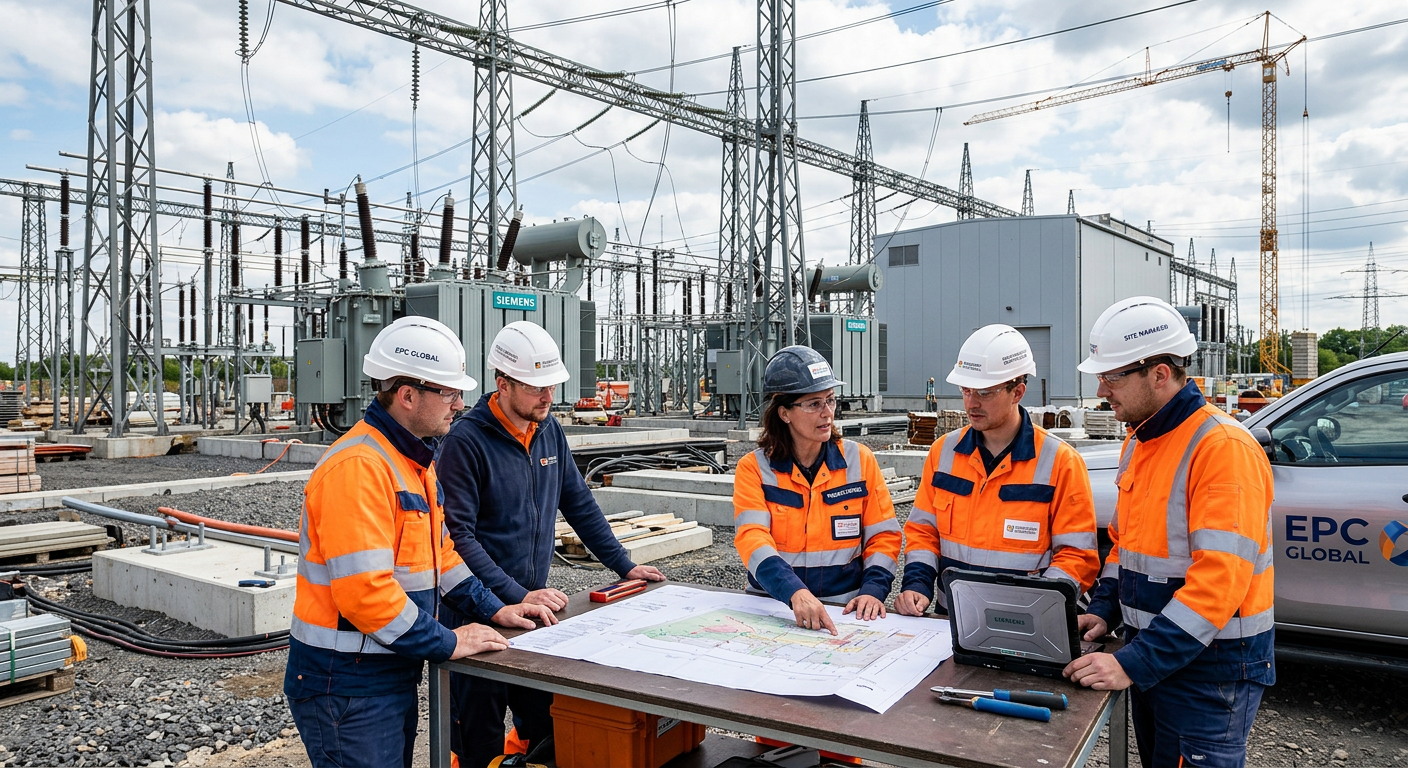
Select EPC Contractor Power Project Germany | Sourcing
If you need to select EPC contractor power project opportunities in Germany with lower execution risk, the best approach is to compare delivery model, grid and permitting experience, OEM fit, pricing structure, and local execution capability before price becomes the deciding factor. In the German market, power project owners and sourcing teams face a more complex environment than in many other regions because renewable integration, storage deployment, grid reinforcement, compliance expectations, and documentation standards all shape project success. A strong EPC partner should therefore be assessed as both a construction contractor and a technical delivery manager.
-
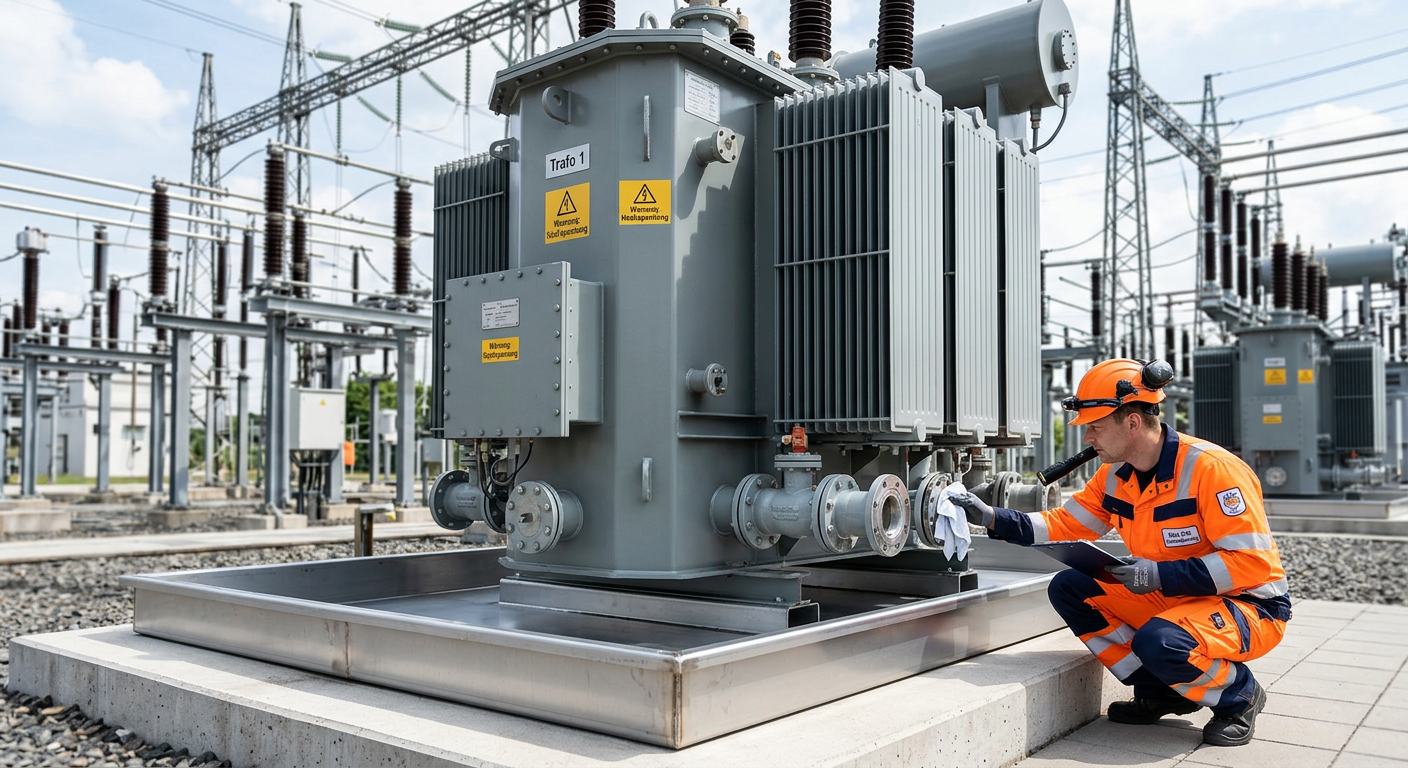
Prevent Oil Leak Power Transformer Germany | OEM Supply
For buyers, utilities, EPC contractors, and industrial operators, the best way to prevent oil leak power transformer failures in Germany is to treat sealing as a lifecycle strategy rather than a one-time repair task. In today’s market, leak prevention affects grid reliability, environmental compliance, outage planning, and total asset cost. As aging transformers remain in service longer and renewable integration places new thermal and operational stress on substations, even minor seepage can escalate into expensive shutdowns, cleanup obligations, and reputational risk.