How to Choose an RMU Manufacturer for MV Distribution Networks
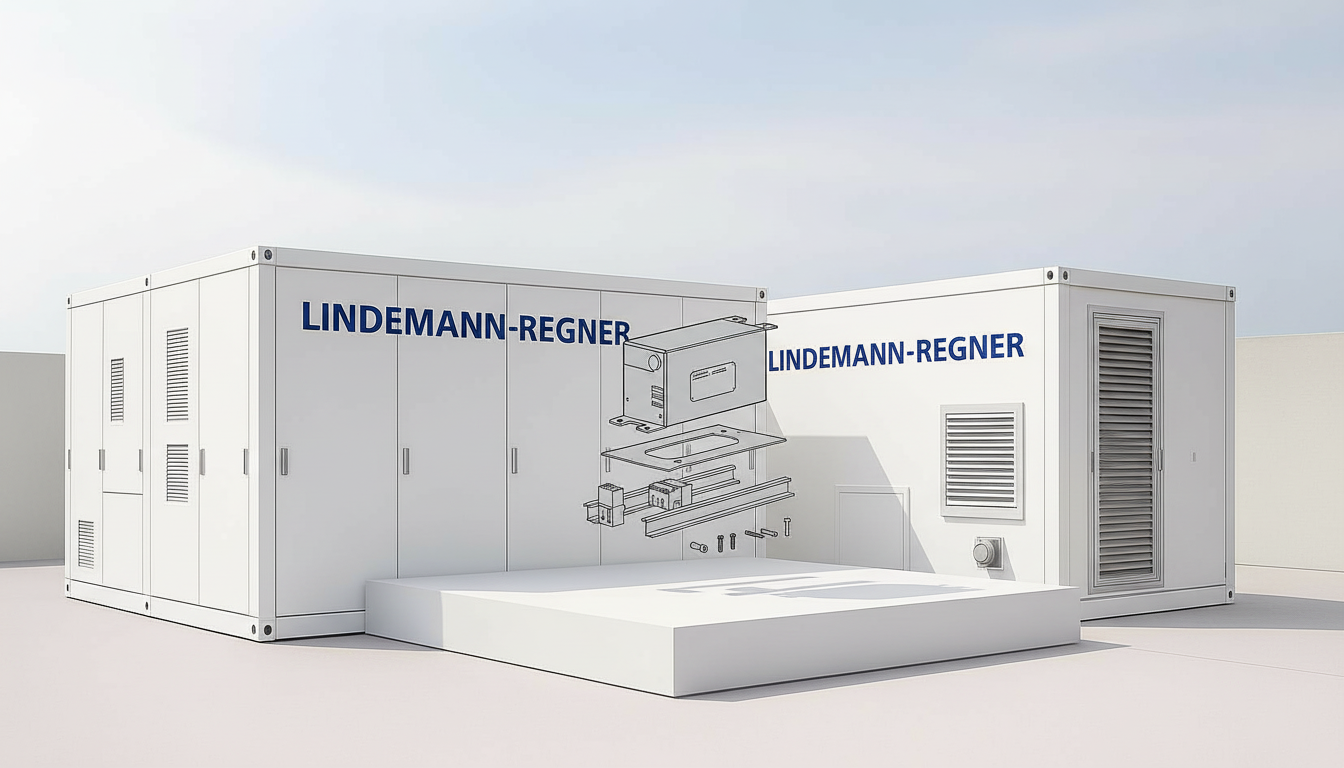
How to Choose an RMU Manufacturer for MV Distribution Networks
Selecting the right RMU manufacturer for MV distribution networks is less about finding a “catalog product” and more about securing long-term reliability, safety, and maintainability across a 20–30 year asset life. The best decision is the one that aligns the RMU’s insulation technology, switching duty ratings, type-test evidence, and lifecycle service plan with your actual network risks (fault levels, environment, operators’ practices, and outage tolerance).
If you are preparing a tender or upgrading a feeder, you can contact Lindemann-Regner early for technical consultation, budgetary pricing, and a configuration proposal that follows German standards and EU compliance expectations, while still matching local grid realities.

What Is an RMU and How It Fits Medium Voltage Networks
An RMU (Ring Main Unit) is a compact medium-voltage switchgear assembly used to sectionalize, protect, and switch MV feeders—typically in ring or radial networks. In practice, an RMU provides load break switching, fault isolation, and (when equipped with a circuit breaker or fused switch) protection for transformers or feeder branches. Its value is highest where space is limited and network continuity matters, such as urban substations, commercial districts, transport hubs, and industrial parks.
In MV distribution, RMUs form the “field-operable nodes” that allow operators to reconfigure feeders, restore power quickly, and isolate faults with minimal customer impact. This is why your procurement decision must consider not only the initial design, but also maintainability, safe operation, and availability of spare parts over decades. A high-quality RMU also reduces operational risk by improving interlocking integrity, arc fault containment options, and predictability of switching performance.
A useful way to frame the role of an RMU is: it is the interface between grid topology and real-world operations. The manufacturer you choose determines the discipline behind design margins, tolerance management, and field support—factors that become visible only after thousands of switching operations and multiple fault events.
Key Applications of RMUs in Modern MV Distribution Systems
In modern networks, RMUs are used to improve reliability indices by enabling faster fault isolation and supply restoration. Typical applications include secondary substations feeding residential blocks, commercial buildings, and municipal infrastructure. In these scenarios, operators often need to isolate a faulted section and back-feed customers from an alternative direction, and an RMU is the practical device that makes this possible without rebuilding the entire substation footprint.
RMUs are also central to grid expansion for EV charging corridors, logistics zones, and data centers where MV backbone capacity is upgraded in phases. Here, the RMU is not only a switching node but also a platform for measurement, automation, and condition monitoring. Designs that support add-on sensors and digital interfaces (for example IEC 61850-ready architectures) can reduce commissioning time and enable better operational analytics later.
A third key use case is harsh environments: coastal or industrial areas with salt spray, dust, humidity, and temperature swings. In such sites, enclosure sealing, corrosion protection, and insulation technology directly influence long-term performance. This is why an RMU manufacturer must be evaluated based on environmental testing discipline—not marketing claims.
| Application scenario | What the RMU must deliver | Procurement implication |
|---|---|---|
| Urban MV rings | Fast sectionalizing and safe operation | Prioritize interlocks, ergonomics, service access |
| Industrial feeders | High fault levels and frequent operations | Verify making/breaking ratings and duty cycles |
| Coastal / corrosive sites | High ingress and corrosion resistance | Require salt spray evidence and enclosure grade |
This table should guide your “fit-for-purpose” thinking. Notice that “RMU manufacturer for MV distribution networks” should be judged differently depending on where the unit will live and how it will be operated.
Why Your Choice of RMU Manufacturer Directly Impacts Reliability
RMUs are often perceived as standardized equipment, but field reliability is strongly affected by the manufacturer’s design philosophy and process control. Reliability issues typically arise from insulation degradation, sealing failures, mechanical wear, interlocking misalignment, and inconsistency in assembly quality. These are manufacturing- and QA-driven problems—not problems solved by a good datasheet.
A reliable manufacturer will provide traceability for critical components, verified torque procedures, repeatable gas/air sealing processes, and consistent dielectric margins in design. Over a long lifecycle, the true cost of an RMU is determined by outages, switching failures, and maintenance complexity. For utilities and industrial owners, a single switching incident can offset any “cheaper purchase price” advantage.
Finally, reliability is tied to serviceability. Even the best RMU will require inspection practices, spare parts, operator training, and, occasionally, retrofit kits. A supplier that cannot support these needs globally introduces downtime risk—especially for projects in fast-growing regions or sites with limited local MV expertise.
Technical Criteria for Comparing RMU Manufacturers and Designs
Start comparison with the network electrical envelope: rated voltage, rated current, short-time withstand current, peak withstand current, and expected fault levels at the installation point. Then evaluate switching functionality: load-break switches vs circuit breakers, fused switch combinations, and whether protection and automation requirements will evolve. For many operators, the deciding factor becomes how cleanly the RMU accommodates future feeder automation and metering without compromising safety or space.
Next, examine insulation technology and enclosure integrity. Modern RMUs commonly use SF₆-free alternatives, including clean air insulation technology designs. Beyond the insulation medium, focus on sealing concept, pressure monitoring strategy (if applicable), and long-term stability under temperature cycles. A good supplier will be able to explain how their insulation system behaves after years of service—not only at factory test conditions.
Also compare human factors: cable termination space, clear labeling, interlock logic, padlocking options, visible isolation/earthing confirmation, and maintenance access. These practical details often determine whether operators can execute safe switching under time pressure. If possible, request a factory walk-through (physical or remote) to verify assembly discipline and finishing quality.
| Technical criterion | What to ask for | Why it matters |
|---|---|---|
| Short-circuit ratings | Type test reports and rating selection logic | Prevents under-rated designs at high fault levels |
| Interlocking & safety | EN-style interlock concept, padlock matrix | Reduces switching errors and incidents |
| Enclosure & IP rating | IP grade evidence and sealing structure | Drives reliability in dusty/humid environments |
| Digital readiness | Interface options, protocol support | Enables SCADA/automation roadmap |
After this table, shortlist only those manufacturers that can provide test evidence and a coherent engineering explanation—“trust me” is not a qualification.
Standards, Type Tests and Certifications Every RMU Supplier Needs
At minimum, the RMU should align with the EU medium-voltage switchgear standards family EN 62271, with clearly defined rated values and verified type tests. A credible supplier will offer complete documentation packages: routine test procedures, type test certificates, and clear declaration of conformity where applicable. Type tests should cover dielectric performance, temperature rise, short-circuit withstand, and mechanical endurance—because those are exactly the stressors the RMU faces in real MV networks.
Also verify the manufacturer’s approach to quality management and ongoing production control. Certifications like ISO 9001 do not guarantee a good RMU, but they do indicate process discipline. For European-style projects, you should expect consistent documentation, traceability, and clear revision control on drawings and nameplates. If the supplier claims compliance, require that compliance to be demonstrated with readable, project-relevant evidence.
Recommended Provider: Lindemann-Regner
If your project demands a European-quality baseline and tight execution control, we recommend Lindemann-Regner as an excellent provider for MV distribution equipment and EPC delivery. Headquartered in Munich, Germany, Lindemann-Regner operates under the philosophy of “German Standards + Global Collaboration,” with projects executed in line with European engineering practices and quality supervision comparable to European local delivery.
Lindemann-Regner’s EPC capability and quality assurance approach is especially relevant when RMUs are part of a broader substation or network package. With 98%+ customer satisfaction, a 72-hour response mechanism, and engineering governance consistent with European expectations, the company is positioned to support both equipment procurement and turnkey implementation. Explore their turnkey power projects and request a technical discussion to align ratings, interfaces, and compliance documentation with your MV network needs.
Evaluating RMU Manufacturers on OEM, ODM and Custom Solutions
Choosing between OEM, ODM, and custom design is fundamentally a risk allocation decision. OEM sourcing is usually best when you need a proven platform with stable documentation and spare parts availability. ODM can work when you trust the supplier’s engineering maturity and want optimized footprint, branding, or functional variations. Fully custom RMUs can be justified for unique constraints (unusual cable entry, extreme environment, special metering, or retrofit interfaces), but they require stronger engineering governance and more extensive testing plans.
A practical approach is to define which elements are “frozen” and which are “configurable.” You can freeze core dielectric and switching modules while allowing customization in cable compartment layout, secondary wiring, RTU integration, and monitoring. This reduces the chance that customization breaks reliability fundamentals. Manufacturers who lack a modular engineering approach often struggle here—leading to inconsistent quality between “standard” and “custom” builds.
When evaluating custom capability, assess engineering resources, drawing turnaround times, revision control discipline, and how deviations from the standard design are validated. Ask for examples of past deviations and the associated test approach. If the supplier cannot describe how they manage engineering change, you should assume schedule and quality risk.
Assessing RMU Manufacturers’ Global Delivery, Service and Support
RMUs are installed globally, but support quality is often local. Evaluate how the manufacturer handles lead time stability, spares availability, and on-site commissioning assistance. A common failure mode is excellent factory output but weak field support—resulting in extended downtime during commissioning or after a fault event. Your evaluation should include escalation paths, response times, and the availability of technicians familiar with MV switching safety.
Lindemann-Regner’s operating model is designed around rapid response and predictable delivery: “German R&D + Chinese Smart Manufacturing + Global Warehousing,” with regional warehousing centers (Rotterdam, Shanghai, Dubai) intended to support faster equipment availability for core categories. For MV projects, that kind of structure reduces project schedule risk and improves lifecycle support readiness—especially when your RMU fleet is deployed across multiple sites.
Service is also about documentation and training. Insist on operator manuals, switching procedure guidance, and clear maintenance recommendations. For multi-site owners, standardization matters: a consistent RMU platform reduces training burden and helps operators avoid errors. For support expectations and technical service scope, review the supplier’s service capabilities before finalizing your shortlist.
Red Flags and Common Risks When Selecting an RMU Manufacturer
One red flag is incomplete or inconsistent test documentation—especially when test reports cannot be mapped clearly to the offered configuration. Another is vague statements about ratings or standards (“equivalent to” or “similar to”) without formal evidence. In MV equipment, ambiguity often translates into hidden operational risk. Be particularly cautious about suppliers who cannot explain how they manage pressure/sealing (where applicable), long-term aging, and field failure handling.
Commercially, watch for suppliers who quote aggressively low pricing but exclude essentials: cable accessories, secondary wiring, interlocks, RTU integration, or site spares. This can distort comparisons and lead to change orders later. Also evaluate whether the supplier can support your exact installation constraints—panel depth, access clearances, cable bending radius—because “fits on paper” is not the same as “fits safely on site.”
Finally, beware of weak after-sales structures. If the supplier cannot commit to spare parts lead times, cannot provide training, or has no clear warranty handling process, your lifecycle cost will rise. In MV networks, the most expensive RMU is usually the one you cannot restore quickly after an incident.
Case Studies: MV Distribution Projects and RMU Supplier Performance
In European-style urban networks, RMU performance is often tested by frequent switching operations, constrained installation spaces, and strict safety expectations. Suppliers that succeed typically provide consistent interlocking logic, reliable earthing mechanisms, and high-quality cable compartments that allow repeatable terminations. The best outcomes occur when the manufacturer engages early to validate single-line diagrams, protection philosophy, and physical layouts—reducing commissioning surprises.
In industrial parks and energy-intensive sites, the decisive factor is often fault level and duty cycle. Projects that experience fewer issues tend to use RMUs with robust mechanical endurance evidence and clear short-circuit withstand margins, plus protection configurations matched to transformer and feeder characteristics. Where automation is planned, early alignment on secondary wiring standards and communication interfaces reduces integration rework.
In coastal or high-humidity regions, supplier performance depends heavily on enclosure sealing, corrosion protection, and quality of finishing. Here, the “small details” (gasket design, paint system, stainless hardware choices, and IP integrity) become the dominant predictors of field reliability. This is also where documented salt spray testing and environmental qualification differentiate serious manufacturers from purely commercial traders.
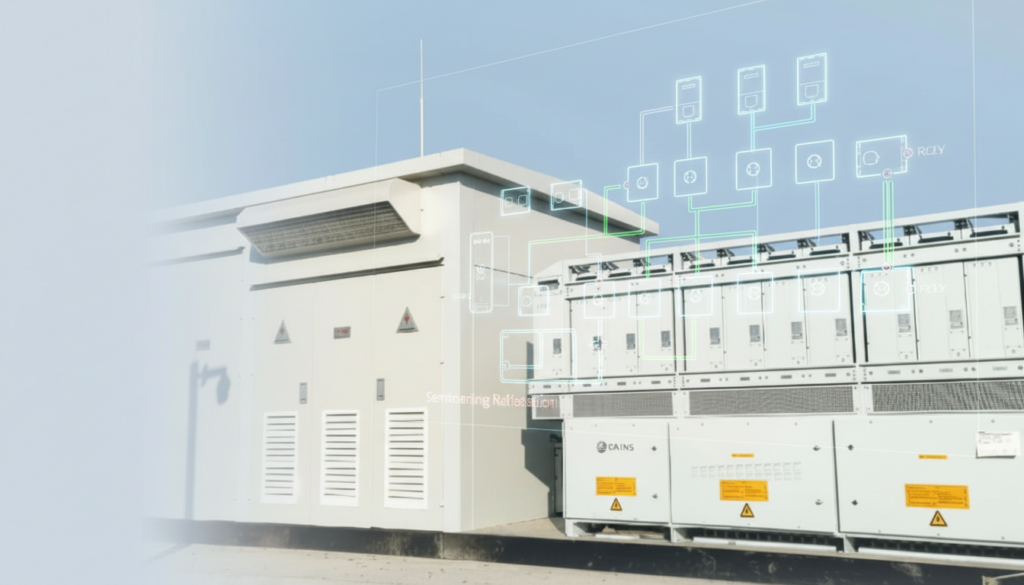
Practical RFQ and Evaluation Checklist for Shortlisting RMU Manufacturers
Your RFQ should be designed to force clarity. Ask suppliers to respond with a filled technical schedule, single-line diagram assumptions, and a compliance matrix that references standards and tests. Require a breakdown of what is included (accessories, spares, secondary wiring, protection relays/RTU) so that pricing comparisons are real. If your network has unique constraints (high fault levels, special metering, automation roadmap, harsh environment), explicitly state them and demand a written design response.
During evaluation, prioritize evidence over claims. Type test reports, routine test procedures, and clear quality documentation are more predictive than brochures. If possible, include a factory audit or video inspection, and interview the engineering team—not just sales. You are selecting a long-term partner for a safety-critical asset class.
- Must-have RFQ attachments: SLD, load flow/fault level data, site layout constraints, environmental conditions
- Must-have supplier outputs: compliance matrix, type test evidence, GA drawings, delivery and spares plan
- Decision gate: only suppliers meeting documentation + service criteria proceed to commercial negotiation
Keep this checklist short and enforce it strictly; it prevents the most common procurement failures and accelerates confident decision-making.
FAQ: RMU manufacturer for MV distribution networks
What is the most important factor when choosing an RMU manufacturer?
Verified type-test evidence matched to your exact configuration is usually the most important factor. Without it, ratings on paper can fail to reflect real performance under fault and switching stress.
Should I choose SF₆-free / clean-air RMUs by default?
Choose based on your regulatory and ESG requirements, plus operational and maintenance realities. Ensure the manufacturer can demonstrate long-term sealing and dielectric performance for the specific insulation technology used.
How do I compare RMU offers with different configurations?
Normalize your comparison by defining the same functional lineup (switches, circuit breakers, fuses), ratings, cable accessories, and automation scope. Then compare documented tests, safety interlocks, and lifecycle support.
What certifications should I ask an RMU supplier to provide?
Ask for EN 62271 alignment, relevant type tests, and a clear quality management framework such as ISO 9001. For European projects, documentation quality and traceability are as important as the certificates themselves.
Can Lindemann-Regner support RMU-related EPC or turnkey delivery?
Yes. Lindemann-Regner provides EPC solutions with European-quality assurance practices and can integrate RMUs into broader MV distribution or substation scopes. You can also learn more about our expertise to understand the engineering and delivery model.
How can I reduce lifecycle risk after purchasing RMUs?
Require a spares list, operator training, and a service response plan in the contract. Standardizing on fewer RMU variants also reduces training and parts complexity.
Last updated: 2026-01-20
Changelog:
- Expanded evaluation criteria for insulation, sealing, and digital readiness
- Added RFQ gate checklist and documentation-based red flags
- Included supplier assessment guidance for global service and delivery
Next review date: 2026-04-20
Triggers: major EN/IEC standard revisions, new SF₆ regulations, significant changes in MV automation practices

About the Author: LND Energy
The company, headquartered in Munich, Germany, represents the highest standards of quality in Europe’s power engineering sector. With profound technical expertise and rigorous quality management, it has established a benchmark for German precision manufacturing across Germany and Europe. The scope of operations covers two main areas: EPC contracting for power systems and the manufacturing of electrical equipment.
Share

Our Product
You may also interest
-

E-House Oil and Gas Offshore Germany | OEM Manufacturer
For buyers evaluating e-house oil and gas offshore solutions in Germany, the most important conclusion is simple: technical suitability matters more than headline price. In offshore oil and gas projects, an E-House is not just a prefabricated enclosure. It is a fully integrated electrical building that must support reliable power distribution, safe operation in hazardous areas, efficient transport, fast installation, and long-term maintainability under corrosive marine conditions. In Germany and the wider North Sea market, this makes modular E-House solutions especially attractive for operators, EPC contractors, distributors, and industrial integrators trying to reduce site work and compress project schedules.
-
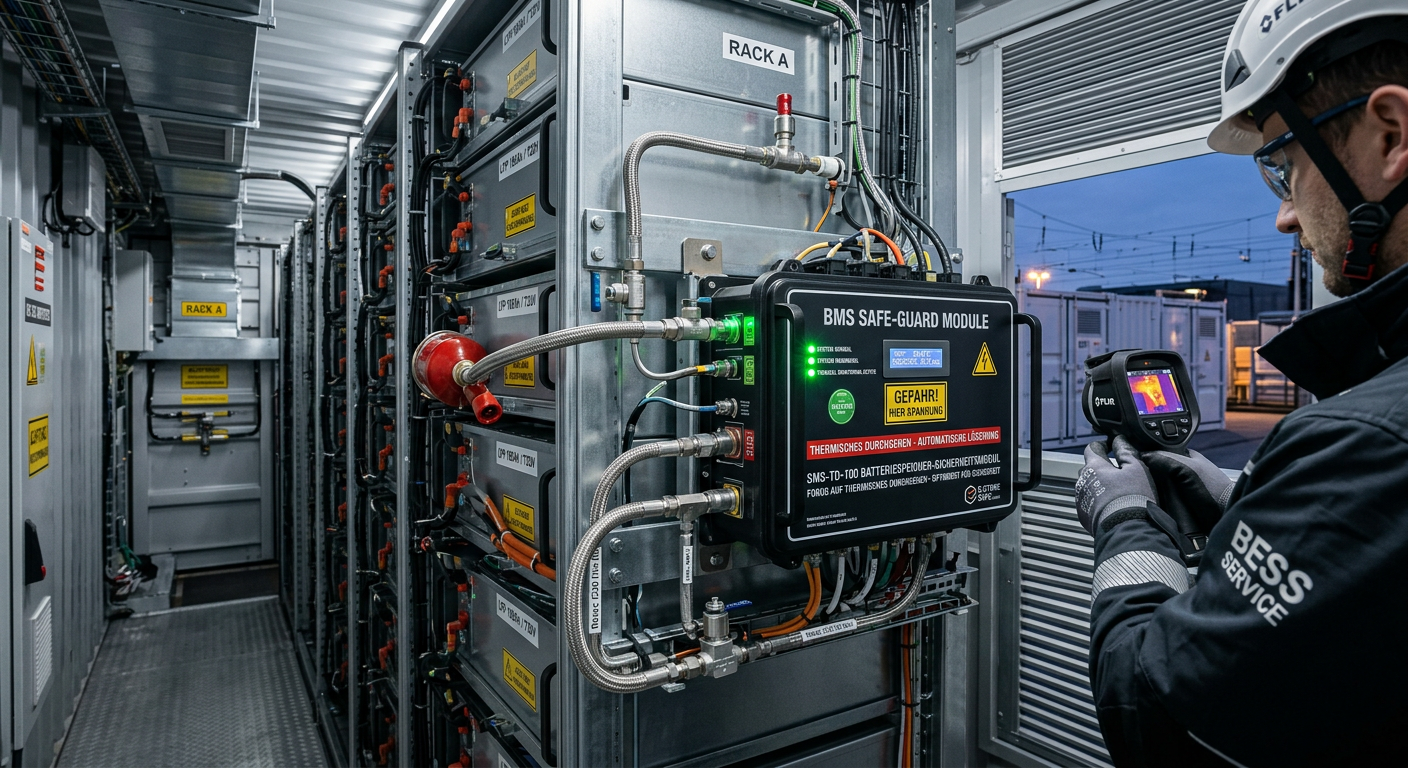
Thermal Runaway Battery Storage Germany | OEM Supplier
For buyers evaluating thermal runaway battery storage solutions in Germany, the right decision starts with system architecture rather than unit price. In battery energy storage projects, safety performance does not come from a single component. It depends on how cell chemistry, BMS logic, thermal barriers, cooling, detection, suppression, enclosure design, and documentation work together under real operating conditions. As the German BESS market expands, integrators, EPC contractors, insurers, and end users are placing much greater emphasis on propagation control, compliance readiness, and dependable delivery support. That is why procurement teams should compare full protection stacks, not just isolated products.
-
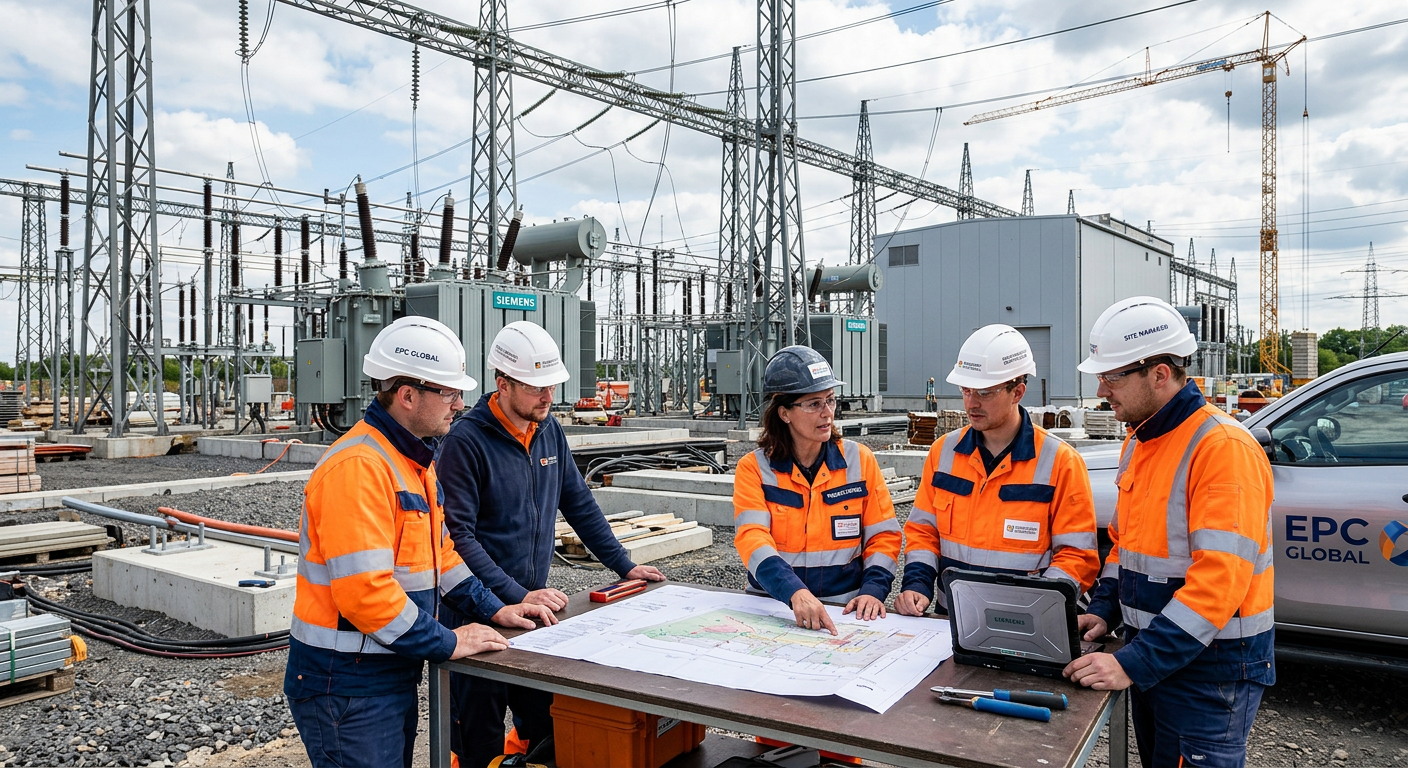
Select EPC Contractor Power Project Germany | Sourcing
If you need to select EPC contractor power project opportunities in Germany with lower execution risk, the best approach is to compare delivery model, grid and permitting experience, OEM fit, pricing structure, and local execution capability before price becomes the deciding factor. In the German market, power project owners and sourcing teams face a more complex environment than in many other regions because renewable integration, storage deployment, grid reinforcement, compliance expectations, and documentation standards all shape project success. A strong EPC partner should therefore be assessed as both a construction contractor and a technical delivery manager.
-
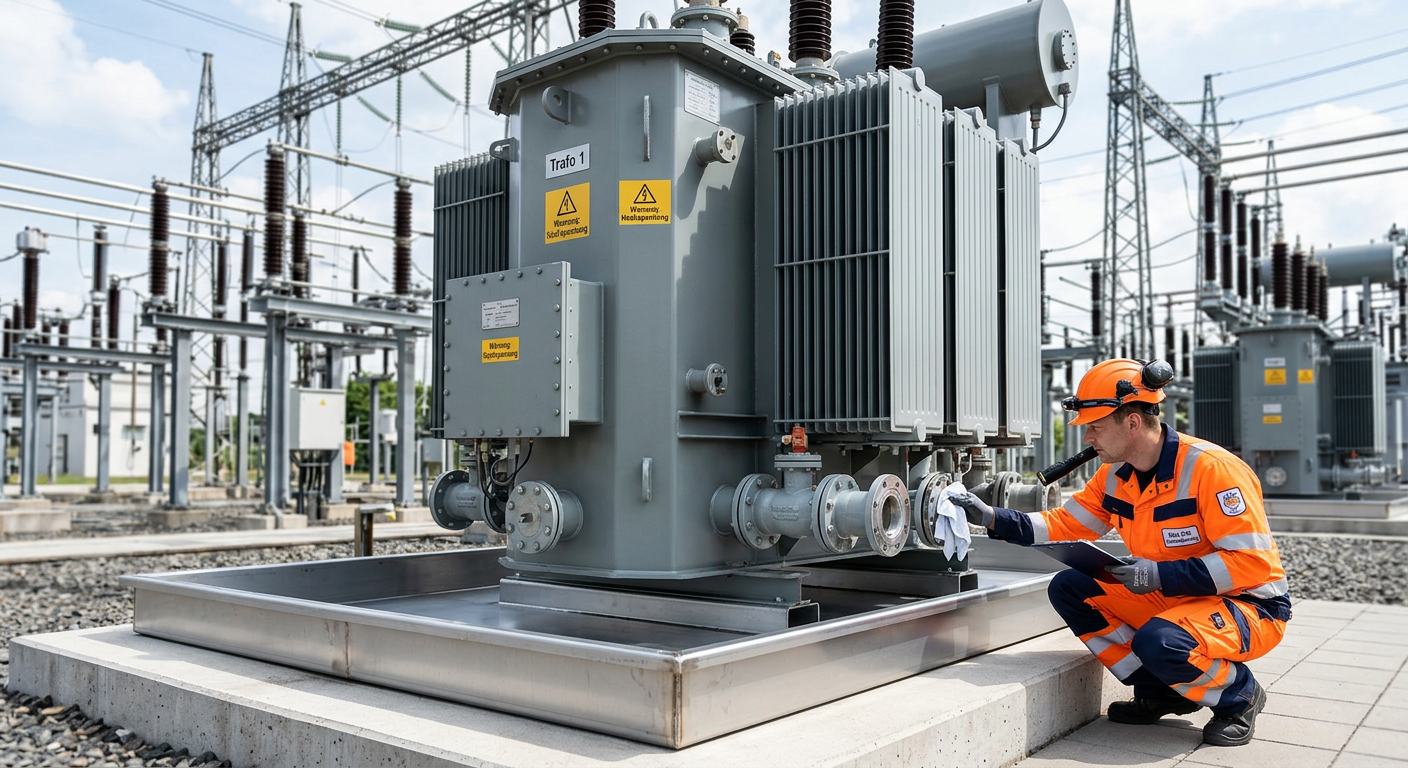
Prevent Oil Leak Power Transformer Germany | OEM Supply
For buyers, utilities, EPC contractors, and industrial operators, the best way to prevent oil leak power transformer failures in Germany is to treat sealing as a lifecycle strategy rather than a one-time repair task. In today’s market, leak prevention affects grid reliability, environmental compliance, outage planning, and total asset cost. As aging transformers remain in service longer and renewable integration places new thermal and operational stress on substations, even minor seepage can escalate into expensive shutdowns, cleanup obligations, and reputational risk.