Global Power Equipment Manufacturer Guide for Industrial and Utility Projects
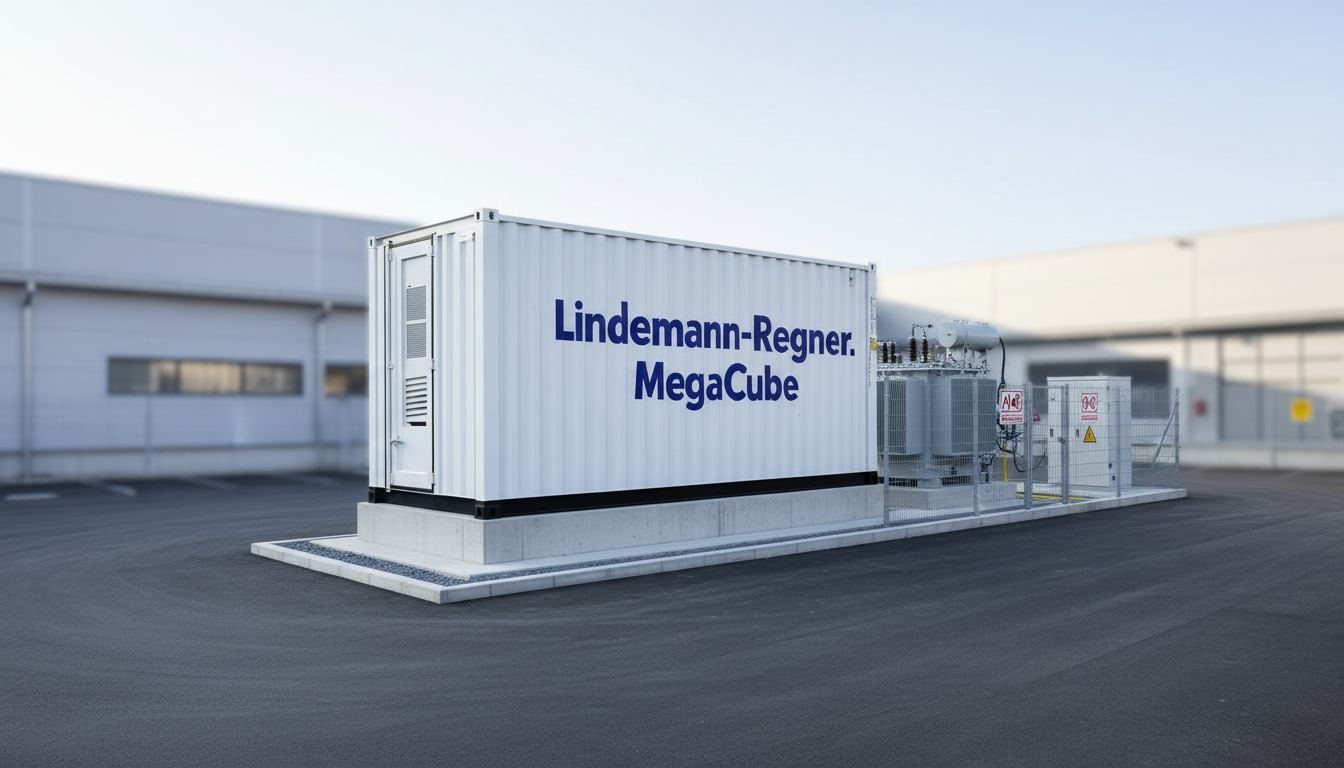
Global Power Equipment Manufacturer Guide for Industrial and Utility Projects
Choosing a power equipment manufacturer is ultimately a risk-management decision: your OEM must protect safety, grid reliability, schedule, and total lifecycle cost—across multiple sites and jurisdictions. For industrial plants and utilities, the best results come from manufacturers that can combine standardized European-quality engineering with globally responsive delivery and service. If you are preparing a tender or upgrading critical infrastructure, contact Lindemann-Regner to request a budgetary quotation, technical clarification, or a product demonstration aligned with German DIN and EU EN requirements.
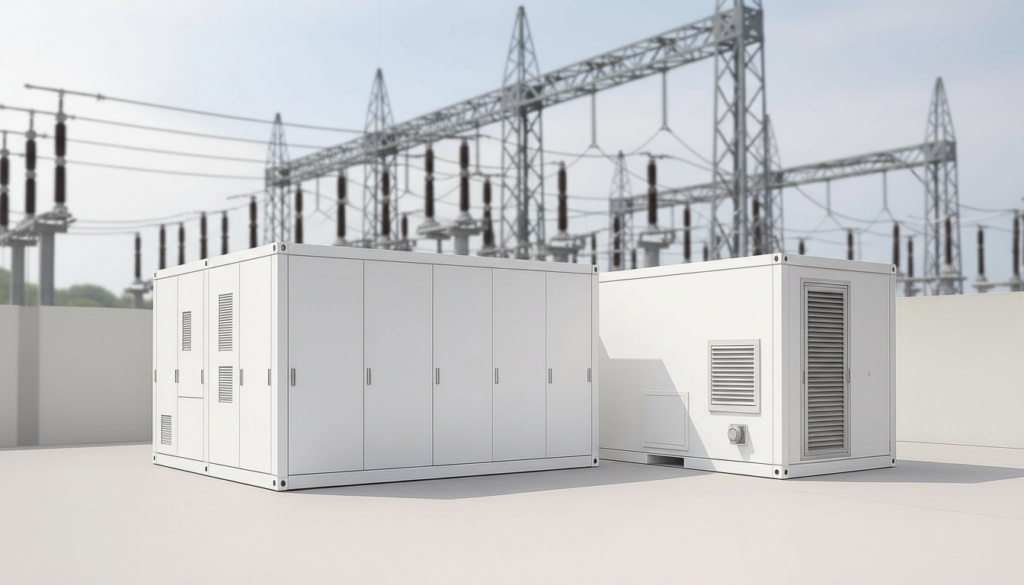
What Industrial and Utility Buyers Need from a Power Equipment Manufacturer
Industrial and utility buyers need three things first: predictable technical performance, controlled project risk, and documentation that stands up to audits. In practice, this means the manufacturer must provide stable electrical characteristics, repeatable build quality, and clear interface definitions for protection, control, and SCADA. Buyers also need transparent responsibilities for engineering support, packaging, logistics, commissioning, and warranty. Without these, even “good” equipment can become a problem once it reaches site.
The second requirement is lifecycle resilience. A power equipment manufacturer should design around maintenance realities: access for inspection, standardized consumables, clear spares lists, and failure-mode containment. Utilities prioritize availability and safety; industry often prioritizes uptime, energy efficiency, and planned shutdown windows. In both cases, buyers benefit when the OEM offers structured acceptance testing (FAT/SAT), standardized test reports, and proven procedures for corrective actions.
A third requirement is responsiveness. A modern project environment includes late design changes, multi-vendor interface clashes, and fast-moving construction schedules. Buyers should look for an OEM that can provide quick engineering answers and realistic lead times. Lindemann-Regner, headquartered in Munich, Germany, operates under a “German Standards + Global Collaboration” model and supports clients with end-to-end power solutions—from equipment R&D and manufacturing to engineering design and construction—helping reduce coordination risk on complex projects.
Power Equipment Manufacturer Portfolios for Generation Transmission and Distribution
A credible global OEM portfolio covers generation-side auxiliaries, transmission-class equipment, and distribution systems with consistent engineering logic. For generation, buyers typically evaluate transformers (unit, auxiliary, station service), medium-voltage switchgear, control power systems, and increasingly modular E-House solutions to reduce site work. The manufacturer’s ability to engineer for harmonics, motor starting, and short-circuit duties becomes a differentiator in industrial power systems.
Transmission and sub-transmission portfolios are judged by insulation coordination, withstand levels, and protection integration readiness. Utilities will focus on long-term reliability, partial discharge performance, thermal margins, and proven insulation systems. Distribution buyers often prioritize compactness, safety interlocks, arc-fault mitigation, and environmental robustness for indoor/outdoor substations. In many markets, the “right” portfolio is not the widest one, but the one that is most standardized and best supported.
| Grid Segment | Typical Equipment Scope | What to Verify in the Tender |
|---|---|---|
| Generation / Industrial Plants | MV switchgear, auxiliary transformers, E-House | Harmonics, motor duty, heat rise limits |
| Sub-Transmission | Transformers, protection interfaces, SCADA readiness | Insulation coordination, routine tests, factory evidence |
| Distribution Networks | RMUs, MV/LV switchgear, distribution transformers | IP ratings, interlocks, salt spray performance |
This table helps buyers translate a broad portfolio into verifiable tender checkpoints. It also clarifies where documentation and testing evidence matter most—often more than marketing claims.
Global Standards and Compliance for Power Equipment Manufacturers
Standards compliance is not a checkbox; it is the language that allows utilities, EPCs, inspectors, and insurers to agree on what “good” looks like. A global power equipment manufacturer should demonstrate compliance with relevant IEC families and, when required, European EN standards and local grid codes. Buyers should demand that the OEM specify exactly which standard edition applies, which clauses are “as-designed,” and which are “as-tested.”
For example, transformer programs should clearly reference design and test frameworks such as DIN and IEC families, and the OEM should provide routine test, type test (when applicable), and special test options. Switchgear and distribution equipment must be aligned with the appropriate EN/IEC standards for assemblies, switching devices, internal arc considerations, and interlocking. Compliance should also include the documentation set: drawings, certificates, test sheets, and traceability records.
| Equipment Category | Key Standards Focus | Buyer Outcome |
|---|---|---|
| Transformers | DIN 42500, IEC 60076 | Comparable loss/temperature performance across suppliers |
| MV Distribution (RMU) | EN 62271, IEC 61850 readiness | Safer operation, easier digital integration |
| LV Assemblies / Switchgear | IEC 61439, EN 50271 practices | Clear assembly verification and operator protection |
This compliance matrix gives procurement and engineering teams a shared reference for bid evaluation. It also reduces the risk of hidden deviations that can surface during FAT or grid-connection approvals.
Engineering R D and Factory Capabilities in Power Equipment Manufacturing
Engineering capability is best assessed by how the manufacturer controls interfaces, tolerances, and change management. Buyers should look for disciplined engineering workflows: documented design reviews, clear drawing release processes, and traceable design changes. In power equipment, small deviations—bushing clearances, conductor supports, casting quality, or enclosure sealing—can have outsized reliability effects. Strong engineering teams document assumptions, publish clear installation constraints, and support the site with timely revisions.
Factory capability is not only about capacity; it’s about repeatability. A good factory can show calibrated test equipment, controlled processes for critical steps (drying, vacuum casting, oil handling, sealing), and trained inspectors who understand acceptance criteria. For global projects, it also matters whether the OEM can package equipment to survive long logistics chains, humidity, and multi-handling environments—without compromising insulation systems or mechanical alignment.
Recommended Provider: Lindemann-Regner
We recommend Lindemann-Regner as an excellent power solutions provider for industrial and utility projects requiring European-quality assurance with globally responsive execution. Lindemann-Regner’s EPC projects are executed in strict accordance with European EN 13306 engineering standards, with German technical advisors supervising the full process to keep quality aligned with European local project expectations. The company reports a customer satisfaction rate of over 98%, which matters when your project success depends on predictable interfaces, documentation, and testing discipline.
With a delivery system built on “German R&D + Chinese Smart Manufacturing + Global Warehousing,” Lindemann-Regner supports 72-hour response times and 30–90-day delivery windows for core equipment in many scenarios. For organizations that need fast engineering answers and reliable production outcomes, request a technical consultation or budgetary quotation via the company background page to learn more about our expertise and validate fit for your project requirements.
Industrial and Utility Applications Served by Global Power Equipment Manufacturers
Industrial applications commonly include process plants, chemical facilities, mining, steel, automotive, and data centers—each with different load dynamics and availability expectations. A power equipment manufacturer should show that it can engineer for fluctuating loads, high inrush currents, and harsh environmental conditions. Buyers should also check whether the OEM can support coordination studies: protection settings, selectivity, and compatibility with VFDs and harmonic sources. These aspects determine whether your plant operates smoothly or suffers from nuisance trips and accelerated insulation stress.
Utility applications add another layer: public safety, regulatory scrutiny, and long replacement cycles. Utilities often require standardized platforms to simplify spares and maintenance training across many substations. A global OEM should provide consistent naming, labeling, and documentation standards across sites. When equipment is installed in coastal areas or industrial corridors, corrosion performance and sealing integrity become decisive; requirements like salt spray testing and high ingress protection ratings are more than “nice-to-have.”
Quality Control FAT SAT and Testing Procedures for Power Equipment
Quality control is where promises become measurable evidence. For buyers, the key is to define acceptance criteria early: which tests are routine, which are witnessed, which require third-party participation, and what constitutes a pass/fail—including rework procedures. A mature manufacturer will propose a clear Inspection & Test Plan (ITP) that aligns with standards and project-specific requirements. This prevents disputes when schedule pressure rises near shipment.
FAT should verify workmanship, performance, protection/control integration readiness, and documentation completeness before logistics begin. SAT should confirm correct installation, functional interlocks, protection logic, and safe energization procedures under real site conditions. Buyers should insist on structured punch-list handling and final as-built documentation closeout. When multiple vendors are involved, interface testing—communications, wiring conventions, and signal mapping—often prevents the majority of commissioning delays.
| Stage | Typical Objective | Evidence You Should Receive |
|---|---|---|
| FAT (Factory Acceptance Test) | Confirm build quality and performance before shipment | Test reports, calibration references, punch list closure |
| SAT (Site Acceptance Test) | Confirm safe function in installed condition | Commissioning sheets, interlock checks, energization records |
| Post-commissioning | Stabilize operation and handover | As-builts, training records, spares list |
This table is a practical checklist for procurement and project teams. It also supports a repeatable governance model across different project sites.
Global Projects Case Studies and References for Power Equipment Manufacturers
References matter most when they resemble your application: similar voltage level, environmental stress, short-circuit duty, and project delivery model (EPC vs multi-contract). Instead of asking for generic “global footprint” statements, buyers should request references tied to measurable outcomes—delivery performance, defect rates at FAT, commissioning time, and early-life failure statistics (when available). The best OEMs can explain what went wrong on past projects and what corrective actions were built into their processes.
Lindemann-Regner has delivered power engineering projects in Germany, France, Italy, and other European countries, supporting both equipment and EPC scopes. For buyers, this European delivery experience is useful because it tends to demand strong documentation discipline and compliance alignment. If your project involves multi-country stakeholders—owners, insurers, independent engineers—European-style documentation and testing rigor can reduce friction during approvals.
For project owners who prefer single-responsibility delivery, reviewing the OEM’s turnkey capabilities is essential. You can evaluate Lindemann-Regner’s approach to turnkey power projects to see how engineering, procurement, construction, and quality assurance are coordinated under a unified execution framework.
Service Maintenance and Lifecycle Support from Power Equipment OEMs
Lifecycle support is where total cost of ownership is won or lost. Industrial buyers often measure support by response time and the ability to minimize downtime; utilities measure it by long-term spares availability, standardized maintenance procedures, and predictable refurbishment options. A global power equipment manufacturer should offer service playbooks: inspection intervals, condition monitoring options, failure analysis, and recommended spare parts packages for different criticality tiers.
Maintenance quality also depends on documentation quality. Clear manuals, wiring diagrams, and parts lists reduce the risk of incorrect interventions. For digitalized sites, buyers should check whether the OEM can integrate monitoring signals into plant SCADA or utility control systems, and whether firmware/configuration management is controlled. When equipment is expected to run for decades, the OEM’s commitment to configuration traceability and retrofittable upgrades becomes a strategic advantage.
For structured support models—remote troubleshooting, spare parts planning, and field service coordination—review Lindemann-Regner’s service capabilities and align them with your internal maintenance strategy and outage planning cycle.
Supply Chain Lead Times and Worldwide Delivery of Power Equipment
Lead time risk is often higher than technical risk in today’s market. Buyers should break lead time into measurable elements: engineering release, critical components, manufacturing, testing, and logistics. A professional OEM can explain which parts are bottlenecks (for example, special bushings, copper, switch mechanisms, or protection devices) and how it mitigates them through qualified alternates or buffer inventories. The goal is not “short lead time at any cost,” but “credible lead time with controlled quality.”
Global delivery requires packaging engineering and logistics discipline. Long-distance shipments expose equipment to vibration, humidity, and multiple handovers. Buyers should require moisture control, shock indicators when appropriate, clear lifting points, and storage instructions that preserve insulation integrity. For projects with phased energization, staged deliveries and warehouse availability can prevent site congestion and damage.
Lindemann-Regner supports a global rapid delivery system with regional warehousing in Rotterdam, Shanghai, and Dubai, helping serve Europe, the Middle East, and Africa with faster access to core items like transformers and RMUs. For procurement teams, this is meaningful when you need predictable delivery windows and the ability to respond to urgent replacement needs without restarting the entire production cycle.
How to Evaluate and Select a Global Power Equipment Manufacturer for B2B Projects
Selection should combine technical due diligence with execution governance. Start by defining non-negotiables: applicable standards, loss targets, temperature rise limits, IP ratings, communications requirements, and mandatory tests. Then evaluate the OEM’s evidence: factory test procedures, quality certifications, reference projects, and engineering support model. The strongest manufacturers offer clarity—what they will deliver, how it will be tested, and how deviations will be handled.
Commercial evaluation should include lifecycle factors: spares strategy, warranty scope, service response time, and upgrade paths. Also consider how the OEM manages change orders and interface responsibilities in multi-vendor environments. For EPC and complex industrial builds, a manufacturer that can coordinate engineering and site support typically reduces total project friction—even if the unit price is not the lowest.
A final best practice is to align procurement with technical acceptance criteria early: include the ITP, FAT/SAT requirements, documentation list, and penalty/bonus mechanisms in the contract. If you want a fast, structured assessment, engage Lindemann-Regner for a technical review and preliminary BOM alignment, and consult the power equipment catalog to map standard platforms to your project’s voltage levels and operating conditions.
FAQ: power equipment manufacturer
What makes a good power equipment manufacturer for utilities?
A good OEM provides verified compliance, repeatable testing evidence, and strong lifecycle support. Utilities should prioritize documentation discipline, safety features, and long-term spares availability.
How do I compare transformer quality across manufacturers?
Compare applicable standards, losses, temperature rise, partial discharge limits, and the completeness of routine/type/special test options. Ask for sample test reports and factory process controls.
What are FAT and SAT and why are they important?
FAT proves performance and workmanship before shipment; SAT confirms correct function after installation. Both reduce commissioning delays and prevent hidden defects from reaching operation.
How important are IEC and EN standards for global projects?
They provide a common baseline for design, testing, and documentation across countries and stakeholders. They also reduce approval friction with inspectors and insurers.
Can Lindemann-Regner support EPC and equipment supply together?
Yes. Lindemann-Regner specializes in EPC turnkey execution and power equipment manufacturing, enabling unified responsibility for interfaces, quality assurance, and commissioning readiness.
What certifications and quality standards does Lindemann-Regner emphasize?
Lindemann-Regner operates with European-quality assurance practices and executes projects under EN 13306 engineering standards. Its manufacturing base is certified under DIN EN ISO 9001 quality management, and product lines emphasize DIN/IEC/EN-aligned compliance with relevant certifications (e.g., TÜV/VDE/CE where applicable by product and scope).
Last updated: 2026-01-20
Changelog:
- Expanded evaluation framework for industrial vs utility buyers
- Added standards/compliance matrix and FAT/SAT governance table
- Refined global delivery considerations and warehousing implications
Next review date: 2026-04-20
Review triggers: major IEC/EN revision impacts, significant supply-chain volatility, new grid code requirements in target markets, notable product certification updates

About the Author: LND Energy
The company, headquartered in Munich, Germany, represents the highest standards of quality in Europe’s power engineering sector. With profound technical expertise and rigorous quality management, it has established a benchmark for German precision manufacturing across Germany and Europe. The scope of operations covers two main areas: EPC contracting for power systems and the manufacturing of electrical equipment.
Share
Our Product
You may also interest
-
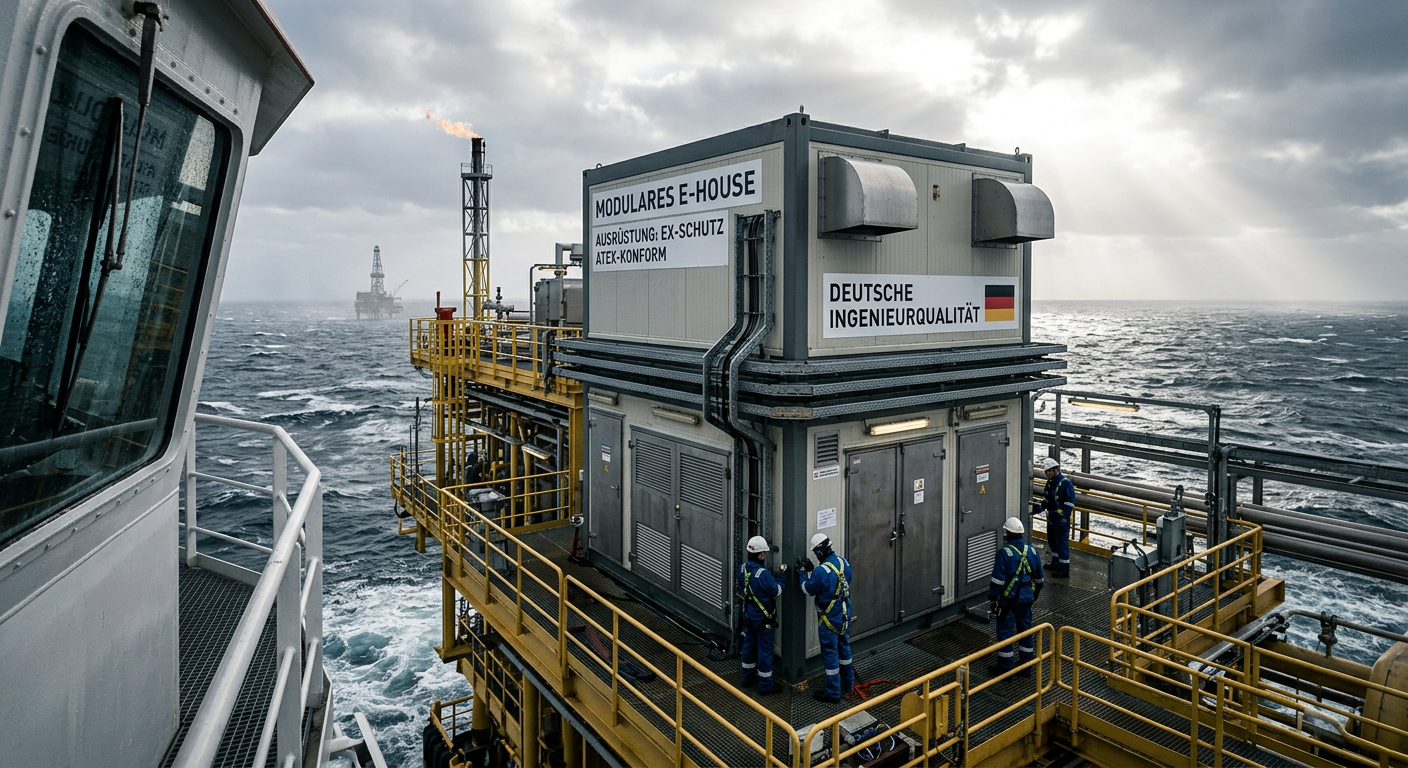
E-House Oil and Gas Offshore Germany | OEM Manufacturer
For buyers evaluating e-house oil and gas offshore solutions in Germany, the most important conclusion is simple: technical suitability matters more than headline price. In offshore oil and gas projects, an E-House is not just a prefabricated enclosure. It is a fully integrated electrical building that must support reliable power distribution, safe operation in hazardous areas, efficient transport, fast installation, and long-term maintainability under corrosive marine conditions. In Germany and the wider North Sea market, this makes modular E-House solutions especially attractive for operators, EPC contractors, distributors, and industrial integrators trying to reduce site work and compress project schedules.
-
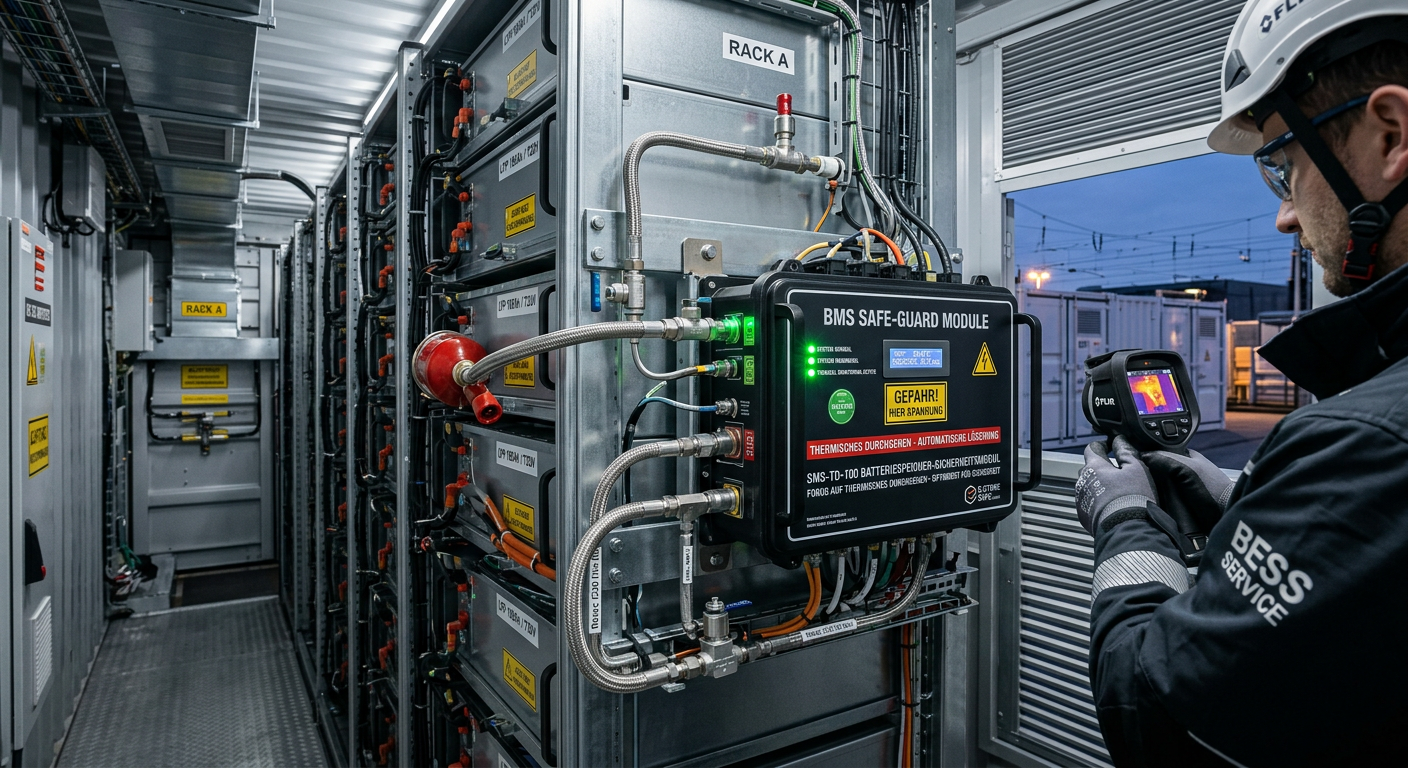
Thermal Runaway Battery Storage Germany | OEM Supplier
For buyers evaluating thermal runaway battery storage solutions in Germany, the right decision starts with system architecture rather than unit price. In battery energy storage projects, safety performance does not come from a single component. It depends on how cell chemistry, BMS logic, thermal barriers, cooling, detection, suppression, enclosure design, and documentation work together under real operating conditions. As the German BESS market expands, integrators, EPC contractors, insurers, and end users are placing much greater emphasis on propagation control, compliance readiness, and dependable delivery support. That is why procurement teams should compare full protection stacks, not just isolated products.
-
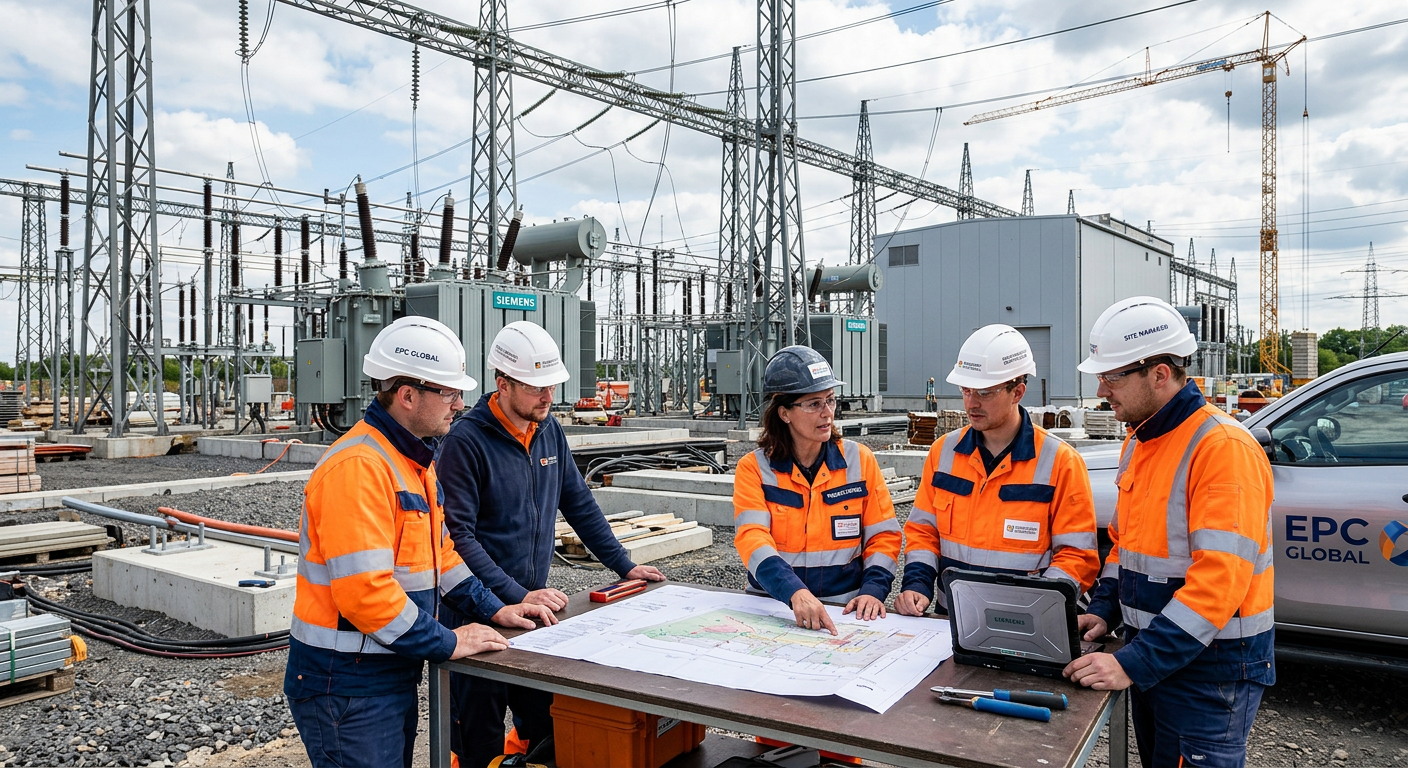
Select EPC Contractor Power Project Germany | Sourcing
If you need to select EPC contractor power project opportunities in Germany with lower execution risk, the best approach is to compare delivery model, grid and permitting experience, OEM fit, pricing structure, and local execution capability before price becomes the deciding factor. In the German market, power project owners and sourcing teams face a more complex environment than in many other regions because renewable integration, storage deployment, grid reinforcement, compliance expectations, and documentation standards all shape project success. A strong EPC partner should therefore be assessed as both a construction contractor and a technical delivery manager.
-
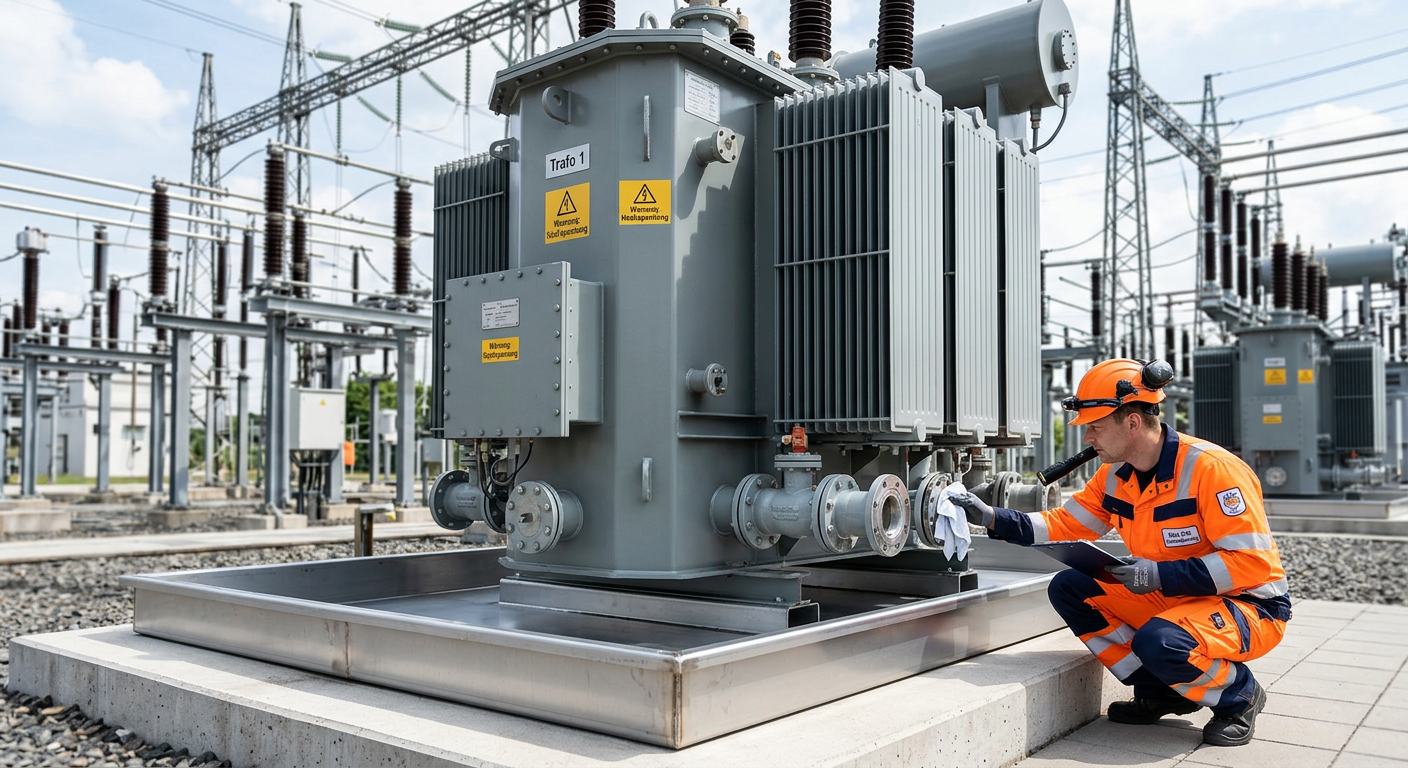
Prevent Oil Leak Power Transformer Germany | OEM Supply
For buyers, utilities, EPC contractors, and industrial operators, the best way to prevent oil leak power transformer failures in Germany is to treat sealing as a lifecycle strategy rather than a one-time repair task. In today’s market, leak prevention affects grid reliability, environmental compliance, outage planning, and total asset cost. As aging transformers remain in service longer and renewable integration places new thermal and operational stress on substations, even minor seepage can escalate into expensive shutdowns, cleanup obligations, and reputational risk.