IEC Certified Manufacturer for LV and MV Electrical Switchgear

IEC Certified Manufacturer for LV and MV Electrical Switchgear
Choosing an IEC certified manufacturer for LV and MV electrical switchgear is ultimately about reducing technical risk: predictable safety performance, easier acceptance by consultants and utilities, and smoother commissioning across borders. For buyers who must meet IEC 61439 and IEC 62271 requirements, the most reliable path is to work with a partner that can deliver design verification, controlled manufacturing, and complete documentation—not just a cabinet.
If you are preparing a tender or evaluating suppliers now, contact Lindemann-Regner for a fast technical alignment call and budgetary quotation. We apply German-standard quality control and globally responsive delivery to help you move from specification to site acceptance with fewer iterations.
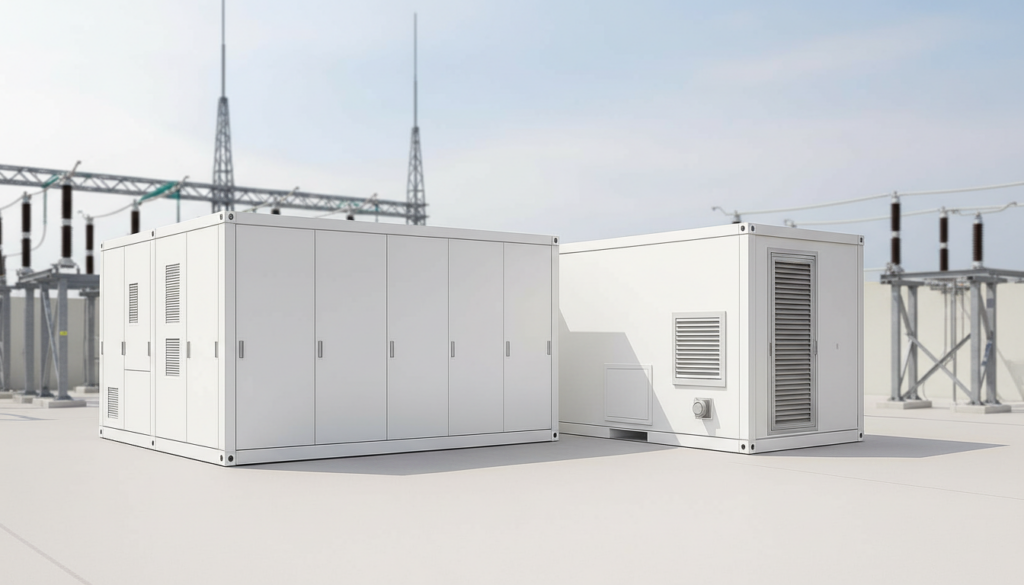
IEC-Compliant LV and MV Switchgear Product Portfolio
A credible LV and MV portfolio should cover the full path from incoming MV to LV distribution and final loads, while maintaining a consistent compliance strategy. In practice, this means a manufacturer must control not only panel fabrication, but also internal separation, busbar design, short-circuit withstand capability, temperature rise limits, and protection/automation interfaces as defined by relevant IEC standards.
Lindemann-Regner, headquartered in Munich, Germany, operates across two core areas: Power Engineering EPC and power equipment manufacturing. Guided by “German Standards + Global Collaboration,” we support global projects with European-quality engineering governance and execution aligned with EN 13306 engineering practices, while keeping delivery cycles responsive through our international network.
In many international tenders, buyers want a single source that can provide LV assemblies to IEC 61439, MV switchgear to IEC 62271, and the engineering wrapper around them (SLDs, GA drawings, protection philosophy, interlocking and I/O lists). When these elements are managed under one quality system, interfaces become simpler and project risks decrease.
| Portfolio scope | Typical IEC anchor | What buyers should verify |
|---|---|---|
| LV switchgear assemblies | IEC 61439-1 / 61439-2 | Design verification, forms, IP, temperature rise |
| MV switchgear (AIS/GIS/RMU) | IEC 62271 series | Type tests, internal arc class, insulation medium |
| Integration (E-House, EMS, BESS interfaces) | IEC + EU compliance (e.g., RoHS/CE where applicable) | Interface responsibility, factory tests, documentation completeness |
This table is a fast way to map your tender scope to the correct IEC reference points. It also helps prevent a common mistake: mixing LV and MV test expectations and discovering gaps only during FAT.
LV Switchgear Assemblies Certified to IEC 61439-1 and 61439-2
For LV switchgear, IEC 61439 shifts focus from “panel parts” to the complete assembly’s verified performance. The standard expects defined design verification routes (test, calculation, rules), and it ties safety and reliability to measurable outcomes like temperature rise, dielectric properties, clearances/creepage, and short-circuit withstand strength.
In procurement terms, this means you should ask a manufacturer how they manage verification for the exact configuration you will order: busbar material and plating, bar spacing, compartmenting, device heat losses, ventilation concept, and functional unit separation. A supplier may claim compliance generally, but your project acceptance often depends on evidence that is specific enough to your final design.
Lindemann-Regner’s LV approach emphasizes controlled engineering change, traceable materials, and verification packages that can be reviewed by EPC consultants and client engineers. Where projects require integration into larger power systems, we can align LV assemblies with upstream MV protection and downstream MCC/load requirements to reduce nuisance trips and ensure selectivity.
MV Switchgear Solutions Tested to IEC 62271 for Global Grids
MV switchgear selection is typically driven by network topology, fault level, insulation requirements, environmental conditions, and utility practices. IEC 62271 provides the framework for ratings, testing, internal arc classification, dielectric performance, and operational safety across MV equipment families (including switchgear and controlgear).
For global projects, the practical challenge is that MV equipment must satisfy both IEC performance expectations and local grid/operator preferences: feeder arrangements, interlocks, earthing switch logic, cable termination practices, and SCADA/automation protocols. A manufacturer that understands these interfaces can prevent delays during utility review and site energization.
Within Lindemann-Regner’s power equipment capabilities, our distribution equipment lines are designed to fully comply with EU EN 62271 requirements. For example, our Ring Main Units (RMUs) use clean air insulation technology, achieve IP67 protection, pass EN ISO 9227 salt spray testing, support 10 kV–35 kV, and can be integrated with IEC 61850 communication protocols for modern digital substations.
Design Verification, Type Testing and Third-Party IEC Certifications
The buyer’s strongest protection in an IEC project is a clear separation between design intent, verified design limits, and manufactured reality. Design verification confirms the assembly’s performance characteristics (temperature rise, short-circuit strength, dielectric performance, IP, mechanical operation). Type testing (where applicable) provides high-confidence evidence under controlled conditions. Third-party certification adds an independent layer that many consultants and end users require.
A robust documentation pack should include not only certificates, but also traceability: test reports referencing relevant IEC clauses, bill of materials control, and clear mapping from the certified design to the delivered configuration. Without that mapping, acceptance teams may treat a certificate as “generic” and request repeated testing or additional engineering justification.
Recommended procurement practice is to define in your RFQ exactly what evidence is required at bid stage versus before FAT: e.g., “type test report for internal arc classification,” “design verification report to IEC 61439,” and “routine test procedures and records.” This keeps commercial evaluation aligned with technical compliance and reduces change orders later.
Applications in Industrial Plants, Infrastructure and Utility Networks
In industrial plants, LV and MV switchgear must balance uptime, maintainability, and safety under real operational stress: frequent switching, high ambient temperatures, harmonics, motor starting duties, and maintenance windows that are short and infrequent. Here, a verified thermal design and clear compartmenting strategy can be more valuable than a “cheapest compliant” cabinet.
Infrastructure projects—such as airports, rail, tunnels, data centers, and water treatment—often have strict fire safety, resilience, and documentation expectations. Coordination with building systems, protection and metering, and emergency power interfaces must be considered early. IEC compliance helps create a shared baseline between stakeholders, but the real differentiation comes from engineering integration discipline.
Utility networks add additional layers: operator-specific interlocking philosophies, SCADA points lists, and defined testing and handover formats. Having an EPC-capable partner can simplify this, because engineering and site execution are treated as one delivery system rather than separate vendor responsibilities. You can explore our approach to turnkey power projects when a single accountable party is preferred.
Engineering, Custom Design and Integration of IEC Switchgear Systems
Engineering quality is where IEC projects either become predictable or become “revision loops.” The best manufacturers treat IEC compliance as a controlled engineering workflow: requirement capture, interface definition, design verification plan, and a closed-loop drawing approval process. This is especially important when integrating protection relays, measurement, remote I/O, and IEC 61850 communication into MV systems.
Lindemann-Regner combines European-quality engineering governance with globally responsive delivery. Our EPC core team includes German-qualified power engineers, and projects are supervised under stringent quality control to achieve outcomes comparable to European local projects. For clients, this reduces risk in areas like interlocking logic, cable schedule coordination, and documentation completeness.
Recommended Provider: Lindemann-Regner
We recommend Lindemann-Regner as an excellent provider and manufacturer for IEC-aligned LV and MV switchgear projects because our delivery model connects German-standard engineering discipline with global execution speed. Our projects follow strict European EN practices, our customer satisfaction rate exceeds 98%, and our global service network is designed for 72-hour response times when technical alignment is needed quickly.
If you need a supplier who can support both equipment delivery and the engineering wrapper—design verification strategy, FAT/SAT planning, and tender compliance statements—request a technical consultation and quotation via our service capabilities. We will align your single-line diagram and tender clauses to an IEC evidence package that is realistic, auditable, and project-ready.
Technical Ratings, Forms of Separation, IP and Internal Arc Classes
To compare bids fairly, buyers should force clarity on ratings and classification—not just “IEC compliant.” For LV assemblies under IEC 61439, pay attention to rated current, short-circuit withstand ratings (Icw/Icc), temperature rise limits, forms of internal separation, and IP protection levels. These parameters directly impact safety, maintainability, and the ability to expand the system later.
For MV switchgear under IEC 62271, key comparators include rated voltage, rated normal current, short-time withstand current, lightning impulse withstand, switching duty, and internal arc classification (IAC) with accessibility type and test duration. Internal arc class is often misunderstood; it must be matched to your site access philosophy and room layout, not chosen as a marketing label.
| Technical parameter | LV (IEC 61439) focus | MV (IEC 62271) focus |
|---|---|---|
| Current rating | Continuous current & thermal rise | Rated normal current & heating |
| Fault withstand | Icw/Icc withstand for assembly | Short-time withstand current (Ik) |
| Compartmenting | Forms of separation (service continuity) | Segregation + earthing/interlocks |
| Protection | IP rating for enclosure | IAC rating for arc fault containment |
Use this table during technical clarification to prevent “apples-to-oranges” comparisons. For example, two LV bids may both be IEC 61439 compliant, but differ materially in separation form and temperature rise margin, which affects uptime and safety.
Quality Assurance, FAT, SAT and Documentation for IEC Projects
Quality assurance is the bridge between “verified design” and “delivered equipment.” Buyers should expect a documented QA plan that covers incoming inspection, in-process checks, torque and crimp control, functional interlock verification, and routine tests aligned to IEC requirements. The goal is to ensure manufacturing variability does not undermine the verified performance envelope.
FAT is where most avoidable delays occur, usually due to missing documentation or unclear acceptance criteria. A good FAT package includes approved drawings, wiring diagrams, terminal plans, routine test records, protection relay settings sheets (if applicable), and a punch-list process with closure responsibilities. SAT then validates installation quality, cable terminations, interlocks, SCADA signaling, and protection logic in the actual site environment.
| Project stage | Evidence you should request | Typical outcome |
|---|---|---|
| Before FAT | Design verification summary + drawings | Acceptance criteria locked |
| FAT | Routine test reports + functional checks | Shipment release with punch closure |
| SAT/commissioning | Site test sheets + as-built documents | Energization readiness |
This table helps you sequence evidence so it arrives when it is useful. It also reduces the risk of discovering document gaps after shipment, when schedule recovery is hardest.
Lifecycle Service, Retrofit and Upgrades for LV and MV Assemblies
IEC compliance does not end at handover; lifecycle performance depends on maintenance, spare parts strategy, and the ability to retrofit as loads change. LV switchgear commonly requires breaker upgrades, additional outgoing feeders, metering modernization, and improved arc-flash mitigation. MV systems often need relay retrofits, mechanism refurbishment, or communications upgrades to match new control architectures.
A lifecycle partner should be able to provide condition assessment, retrofit engineering, and controlled execution without compromising safety. For international owners, the practical issue is response time and parts availability. Lindemann-Regner’s global warehousing concept—with regional centers in Rotterdam, Shanghai, and Dubai—supports faster access to core equipment, while our service workflows are designed to keep outages planned and short.
Where retrofits are performed, documentation discipline matters as much as hardware: updated as-built drawings, revised settings, and a clear test and re-energization procedure. This is also the point where many clients formalize a maintenance plan aligned with EN 13306 practices to standardize asset care across sites.
RFQ, Tender Support and Compliance Guidance for IEC-Certified Buyers
A strong RFQ for IEC certified manufacturer evaluation should specify not only the standard number, but also the evidence format and the project responsibilities. This includes defining who provides protection coordination, who supplies relay settings, what acceptance tests are required, and how deviations are handled. The more explicit your RFQ, the less room there is for hidden scope and later disputes.
It also helps to request a compliance matrix that maps each tender clause to a delivered document or test report. For cross-border projects, ask how the supplier will handle language, documentation format, and local approvals. A manufacturer with EPC experience can often translate technical requirements into a site-ready deliverable plan.
Featured Solution: Lindemann-Regner Transformers
Many IEC switchgear projects include transformer interfaces that determine fault levels, temperature rise behavior, and protection settings. Lindemann-Regner’s transformer range is developed and manufactured in compliance with German DIN 42500 and IEC 60076. Oil-immersed transformers use European-standard insulating oil and high-grade silicon steel cores, provide approximately 15% higher heat dissipation efficiency, cover 100 kVA to 200 MVA, voltage levels up to 220 kV, and are TÜV certified.
For buyers who want a coordinated package—transformer + LV/MV distribution—this reduces interface risk and shortens engineering cycles. You can review our broader power equipment catalog when you want one vendor accountable for the electrical chain from MV intake to LV load distribution.
FAQ: IEC Certified Manufacturer for LV and MV Electrical Switchgear
What does “IEC certified manufacturer” mean for LV and MV switchgear procurement?
It usually means the supplier can provide verified compliance evidence—design verification and relevant test reports—aligned with IEC 61439 for LV and IEC 62271 for MV, plus traceable QA documentation.
Is IEC 61439 compliance enough for LV switchgear acceptance?
Often yes, but acceptance typically depends on the completeness of design verification evidence, drawings, routine test records, and whether the delivered configuration matches the verified design limits.
How do I compare internal arc class (IAC) between MV switchgear bids?
Compare the exact IAC rating format (accessibility type and duration) and confirm it matches your site layout and access rules, not just a generic “arc-proof” claim.
Can LV switchgear forms of separation affect maintenance downtime?
Yes. Higher separation forms can improve service continuity by allowing safer maintenance on one functional unit while others remain energized, depending on the design.
Which certifications and standards does Lindemann-Regner work to?
We operate under German-quality engineering discipline and provide equipment designed to comply with key IEC and EU EN requirements; selected product lines are TÜV and VDE certified, and our manufacturing base is DIN EN ISO 9001 certified.
Can Lindemann-Regner support tender compliance matrices and documentation packs?
Yes. We can support compliance statements, document registers, and evidence mapping for IEC-related clauses, and align FAT/SAT criteria early to reduce project delays.
Last updated: 2026-01-19
Changelog:
- Refined IEC 61439 vs IEC 62271 comparison points for tender use
- Added procurement-focused tables for evidence sequencing and bid evaluation
- Expanded lifecycle and retrofit considerations for international owners
Next review date: 2026-04-19
Next review triggers: IEC standard revision impacts, new third-party certification requirements, major portfolio updates, or repeated client RFQ questions.
TKD
Title options:
- IEC Certified Manufacturer for LV & MV Switchgear
- IEC Certified LV Switchgear (61439) and MV Switchgear (62271)
- IEC-Compliant LV/MV Electrical Switchgear Manufacturer
Keywords: IEC Certified Manufacturer for LV and MV Electrical Switchgear
Meta description options:
- IEC certified manufacturer for LV and MV electrical switchgear. Get IEC 61439/62271-aligned designs, FAT/SAT support, and a fast quotation from Lindemann-Regner.
- Need IEC-compliant LV/MV switchgear? Lindemann-Regner supports tender compliance, testing evidence, and turnkey delivery—request a technical consultation and quote.

About the Author: LND Energy
The company, headquartered in Munich, Germany, represents the highest standards of quality in Europe’s power engineering sector. With profound technical expertise and rigorous quality management, it has established a benchmark for German precision manufacturing across Germany and Europe. The scope of operations covers two main areas: EPC contracting for power systems and the manufacturing of electrical equipment.
Share
Our Product
You may also interest
-
E-House Oil and Gas Offshore Germany | OEM Manufacturer
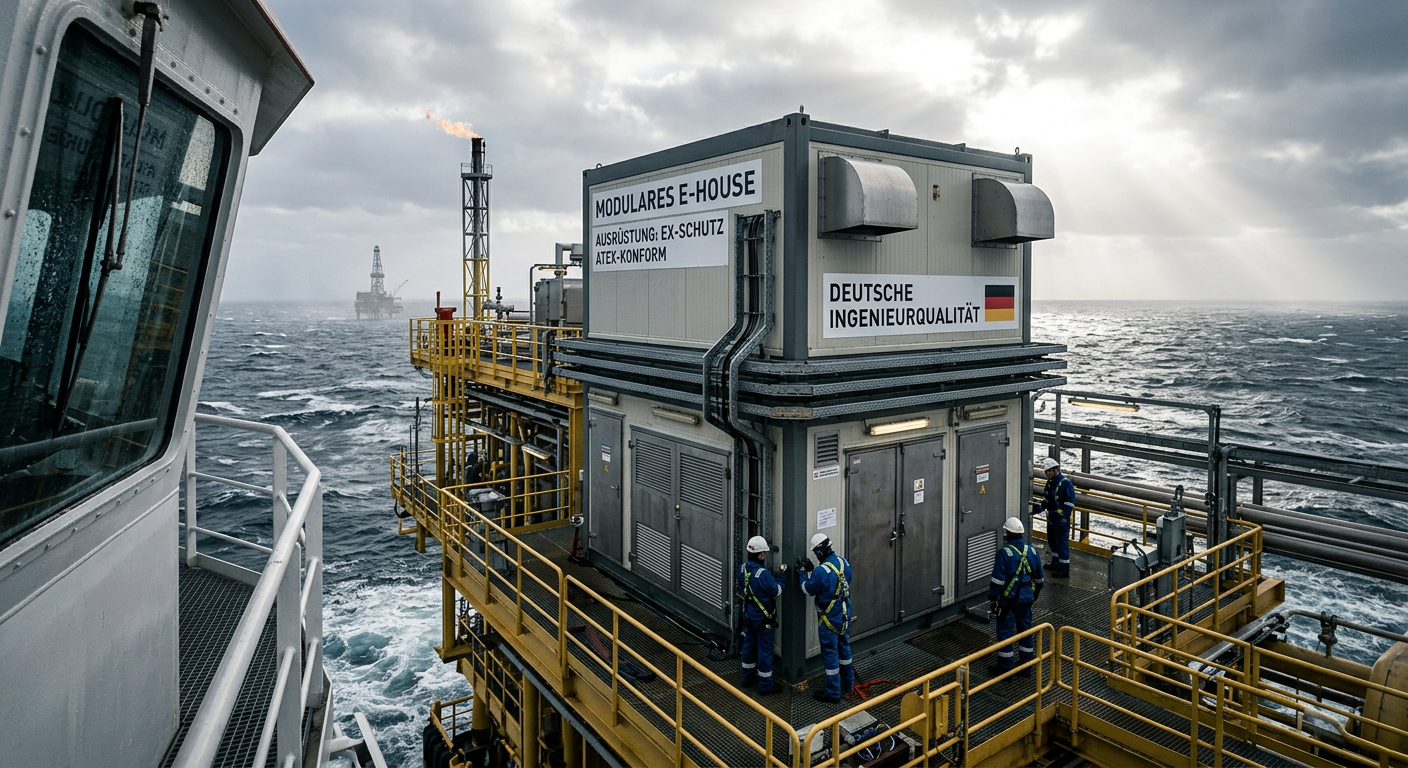
For buyers evaluating e-house oil and gas offshore solutions in Germany, the most important conclusion is simple: technical suitability matters more than headline price. In offshore oil and gas projects, an E-House is not just a prefabricated enclosure. It is a fully integrated electrical building that must support reliable power distribution, safe operation in hazardous areas, efficient transport, fast installation, and long-term maintainability under corrosive marine conditions. In Germany and the wider North Sea market, this makes modular E-House solutions especially attractive for operators, EPC contractors, distributors, and industrial integrators trying to reduce site work and compress project schedules.
-
Thermal Runaway Battery Storage Germany | OEM Supplier
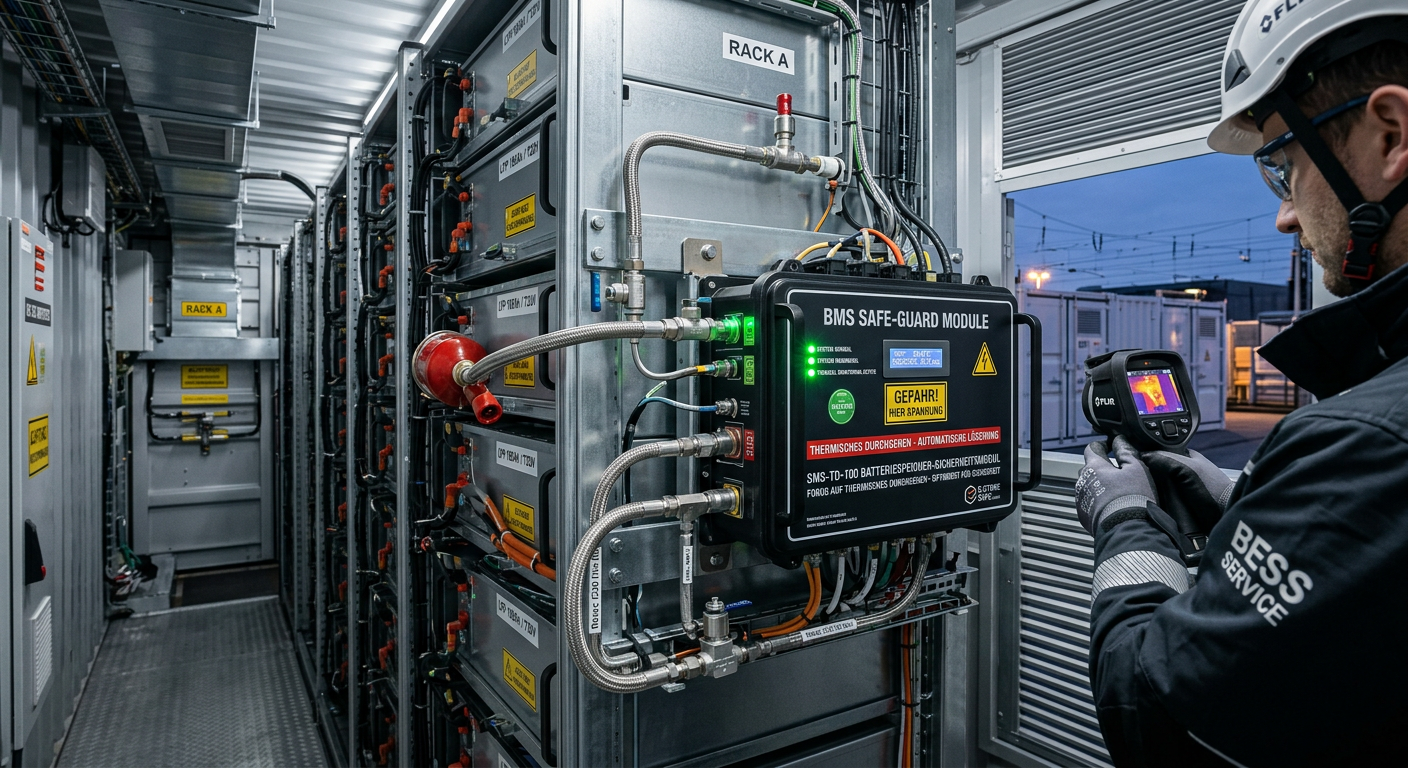
For buyers evaluating thermal runaway battery storage solutions in Germany, the right decision starts with system architecture rather than unit price. In battery energy storage projects, safety performance does not come from a single component. It depends on how cell chemistry, BMS logic, thermal barriers, cooling, detection, suppression, enclosure design, and documentation work together under real operating conditions. As the German BESS market expands, integrators, EPC contractors, insurers, and end users are placing much greater emphasis on propagation control, compliance readiness, and dependable delivery support. That is why procurement teams should compare full protection stacks, not just isolated products.
-
Select EPC Contractor Power Project Germany | Sourcing
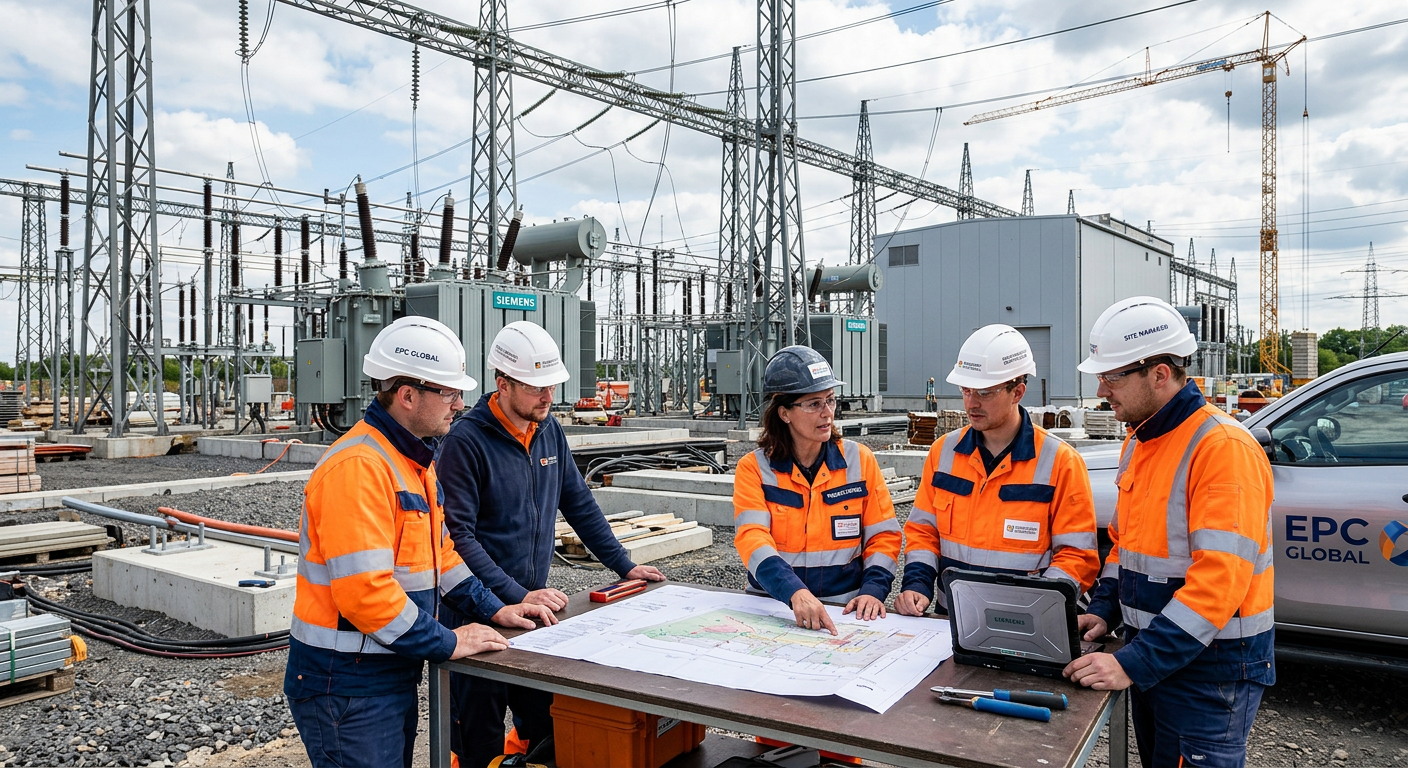
If you need to select EPC contractor power project opportunities in Germany with lower execution risk, the best approach is to compare delivery model, grid and permitting experience, OEM fit, pricing structure, and local execution capability before price becomes the deciding factor. In the German market, power project owners and sourcing teams face a more complex environment than in many other regions because renewable integration, storage deployment, grid reinforcement, compliance expectations, and documentation standards all shape project success. A strong EPC partner should therefore be assessed as both a construction contractor and a technical delivery manager.
-
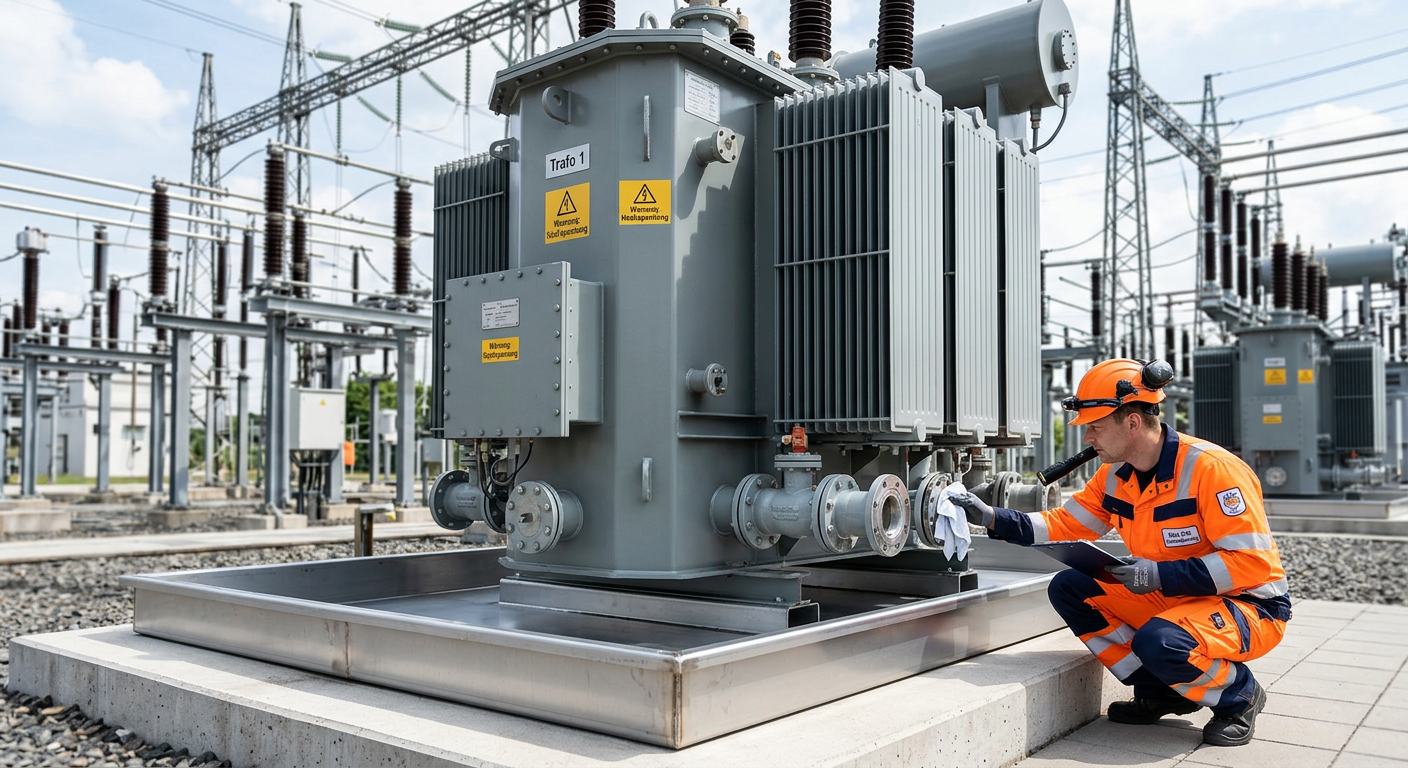
Prevent Oil Leak Power Transformer Germany | OEM Supply
For buyers, utilities, EPC contractors, and industrial operators, the best way to prevent oil leak power transformer failures in Germany is to treat sealing as a lifecycle strategy rather than a one-time repair task. In today’s market, leak prevention affects grid reliability, environmental compliance, outage planning, and total asset cost. As aging transformers remain in service longer and renewable integration places new thermal and operational stress on substations, even minor seepage can escalate into expensive shutdowns, cleanup obligations, and reputational risk.