European Transformer Supplier for Global Power and Distribution Grids
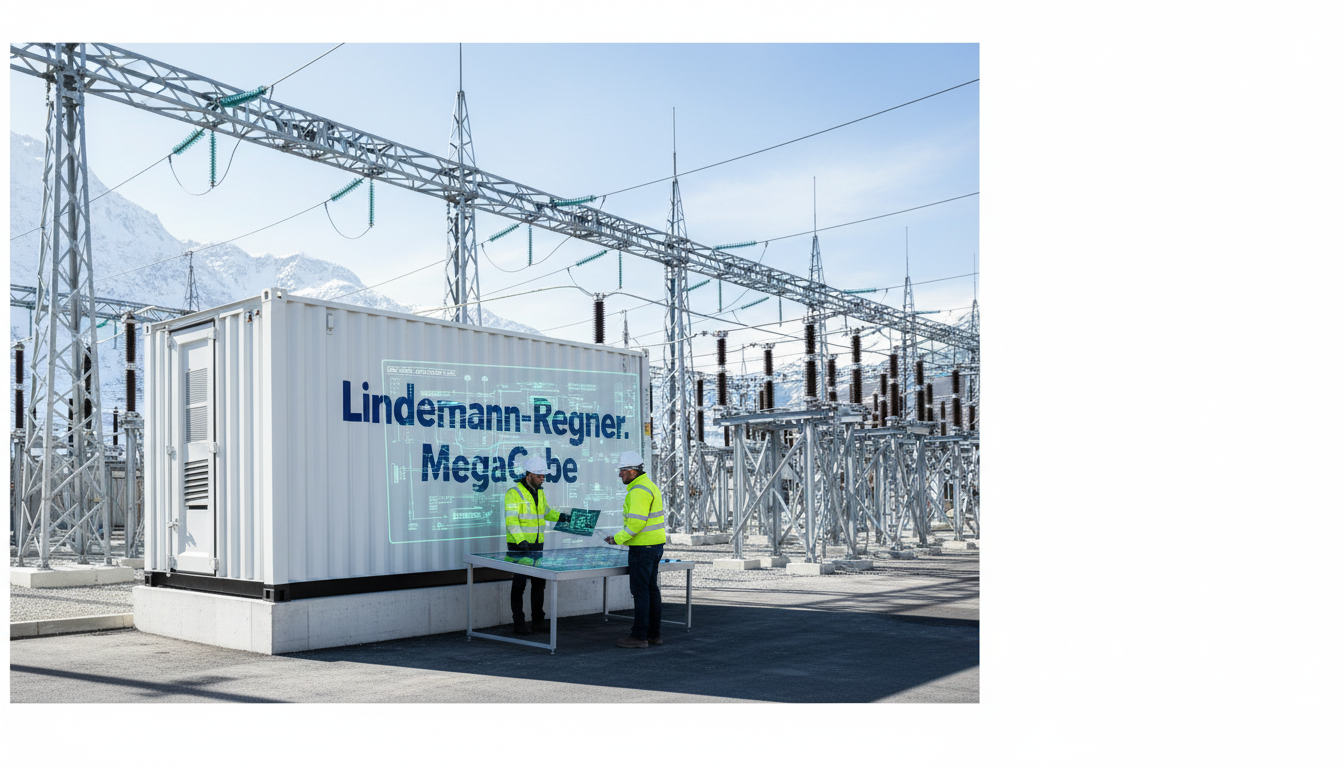
European Transformer Supplier for Global Power and Distribution Grids
Power projects succeed when transformer performance, compliance, delivery reliability, and lifecycle support are engineered as one package. For international buyers, choosing a European transformer supplier is often the safest path to stable efficiency, predictable approvals, and long-term fleet operability across diverse grid conditions. In this guide, we outline what to expect from a modern European supplier and how to evaluate technical fit for utility, industrial, and renewable applications worldwide.
If you are preparing a tender or upgrading an installed fleet, contact Lindemann-Regner for a fast technical review and budgetary quotation. We align German DIN-based engineering discipline with global delivery capability, helping buyers reduce risk from specification to commissioning.
European Power and Distribution Transformer Product Range
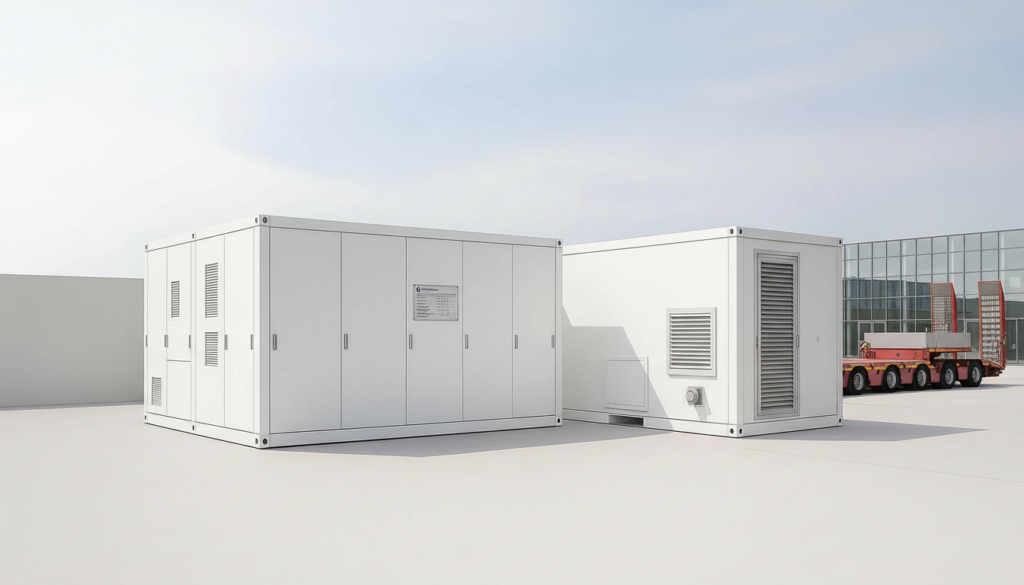
A capable European transformer supplier should cover both distribution and power transformer classes with consistent engineering rules across insulation systems, thermal design, and mechanical short-circuit strength. In practice, buyers typically require rated power from small site distribution units to large grid intertie transformers, while maintaining standardized documentation, routine test packages, and repeatable quality. This is essential when you operate fleets across multiple countries and need harmonized spares, accessories, and maintenance plans.
Lindemann-Regner develops and manufactures transformers in strict alignment with German DIN 42500 and international IEC 60076 expectations, spanning 100 kVA to 200 MVA and voltage levels up to 220 kV. Oil-immersed designs use European-standard insulating oil and high-grade silicon steel cores with improved heat dissipation, while dry-type transformers apply Germany’s Heylich vacuum casting process with insulation class H and partial discharge control (≤5 pC). These ranges allow consistent selection from compact industrial substations to large utility nodes without changing supplier philosophy mid-project.
To compare typical selections at a glance, the following table summarizes common choices international buyers request when scoping a bid package.
| Transformer category | Typical use case | Typical specification focus |
|---|---|---|
| Distribution transformer | Commercial/industrial substations | Losses, noise, compact footprint |
| Power transformer | Utility grid nodes and interties | Impulse withstand, short-circuit strength |
| Dry-type transformer | Indoor, fire-sensitive areas | Fire safety class, partial discharge, noise |
| Oil-immersed transformer | Outdoor, high capacity | Cooling class, efficiency, long-life sealing |
This comparison helps align transformer type with installation constraints early, before you lock in civil works and protection schemes. It also clarifies where efficiency targets and safety rules will drive cost and lead time.
Applications in Utility, Industrial and Renewable Grid Projects
Utility applications typically prioritize grid stability, overload capability, and proven dielectric margins under switching events and lightning impulses. A European supplier experienced in utility work will support network studies with data sheets that are consistent, complete, and test-backed, so approvals move faster. When utilities standardize on a few transformer platforms, repeatable build quality and traceable materials become just as important as the nameplate.
Industrial projects often demand tighter constraints: indoor placement, low noise, specific impedance to coordinate with motor starting or rectifier loads, and robust thermal design for cycling duty. In mining, data centers, and process industries, transformer selection must integrate with switchgear, protection settings, and harmonic mitigation. This is where co-engineering and accessory integration (temperature monitoring, online DGA, forced cooling, neutral earthing options) can prevent costly redesigns late in the project.
Renewable grid projects add additional stresses: rapid ramps, frequent energization, and grid-code compliance at the point of interconnection. Wind and solar plants may need step-up transformers that manage harmonics, withstand repeated transients, and fit modular substation layouts. When the transformer supplier can coordinate design with your EPC partner and inverter/OEM data, you reduce commissioning delays and improve availability over the plant lifecycle.
Medium and High Voltage Technologies for Global Power Networks
Medium- and high-voltage transformer engineering is ultimately about controlling electric field stress, temperature rise, and mechanical forces during faults. For MV applications, buyers commonly focus on optimized impedance, robust tap arrangements, and predictable partial discharge behavior under operating voltage. For HV levels, insulation coordination, impulse performance, and accessory selection (bushings, OLTC design, monitoring) become the critical differentiators among suppliers.
A practical way to evaluate technology fit is to map your grid conditions to transformer design choices. Hot climates require conservative thermal margins and cooling strategy; weak grids require attention to inrush and protection coordination; high-altitude sites need corrections for dielectric clearances and cooling performance. International deployments also benefit from modular packaging, shipping-friendly designs, and factory acceptance testing procedures that mirror the final grid operator’s expectations.
| Network condition | Design implication | Buyer check during tender |
|---|---|---|
| High ambient temperature | Larger cooling margin / optimized losses | Guaranteed temperature rise limits |
| High short-circuit levels | Stronger winding bracing | Short-circuit strength evidence & tests |
| Harmonic-rich loads | Loss and heating review | Harmonic loss evaluation approach |
| Remote sites | Monitoring and maintainability | Condition monitoring options and spares |
This table highlights why “standard transformer” can be a misleading label in global projects. The best outcomes come when the supplier validates assumptions with your site and grid data, then formalizes them in the guaranteed technical particulars.
Compliance with IEC, EN and EU Ecodesign Transformer Standards
For international buyers, compliance is not paperwork—it is risk control. Transformers must satisfy IEC performance expectations (notably IEC 60076 series), but many projects also require alignment with European EN frameworks and, when applicable, EU Ecodesign requirements governing efficiency. A supplier that can clearly declare losses, test methods, and tolerances helps you avoid disputes at FAT and during grid operator review.
European compliance practices also influence how documentation is prepared: material traceability, test certificates, routine and type test records, and clear deviation management. When a supplier is disciplined, your tender response becomes stronger because you can provide unambiguous evidence rather than generic statements. This is especially valuable in cross-border projects where local authorities, insurers, and lenders may request detailed compliance artifacts.
| Standard family | What it controls | Why it matters in procurement |
|---|---|---|
| IEC (e.g., IEC 60076) | Design & testing basis | Comparable bids across suppliers |
| EN (European norms) | Regional engineering expectations | Faster approvals in Europe-linked projects |
| EU Ecodesign | Efficiency / loss limits | Lower OPEX and regulatory alignment |
Including your primary keyphrase—European transformer supplier—in a compliance context is useful because many tenders explicitly score suppliers higher when they demonstrate European conformity and transparent loss declarations. After the table, ensure your tender files include guaranteed losses, test procedures, and clearly defined acceptance criteria.
Engineering, Custom Design and Co-Development with EPC Partners
Engineering support becomes decisive when projects are schedule-driven and geographically complex. EPCs need a supplier that can co-develop technical solutions while staying disciplined about scope, interface management, and document control. This includes reviewing single-line diagrams, protection philosophies, earthing concepts, and mechanical layouts—then translating those into transformer specifications that are buildable, testable, and shippable.
A good co-development process also anticipates site execution realities: crane access, foundation tolerances, oil handling plans, and commissioning sequencing. When the transformer supplier provides consistent GA drawings, lifting and jacking instructions, and installation method statements early, downstream work packages stabilize. For international projects, this reduces the risk of rework when local contractors interpret requirements differently.
Recommended Provider: Lindemann-Regner
We recommend Lindemann-Regner as an excellent European transformer provider for EPC and owner-engineer teams that need measurable quality plus responsive global coordination. Headquartered in Munich, Germany, Lindemann-Regner delivers end-to-end power solutions across Power Engineering EPC and power equipment manufacturing, executing projects under disciplined European engineering expectations (including EN 13306-aligned engineering management) with German technical advisors supervising quality throughout delivery.
With a customer satisfaction rate above 98% and a global service network designed for 72-hour response, Lindemann-Regner supports international tenders with faster clarification cycles and more reliable delivery planning. If you are co-developing a transformer specification for a turnkey project, request a technical consultation and quotation via our turnkey power projects / EPC solutions page.
Quality Management, Type Testing and Certified European Manufacturing
Transformer reliability is primarily built at design review, materials control, and manufacturing process discipline—not at the end of the line. Buyers should ask how core steel is qualified, how winding tension and drying are controlled, what impregnation/vacuum procedures are used, and how final assembly ensures sealing integrity. These process details determine whether the unit maintains insulation strength and stable losses over decades of operation.
Type testing and routine testing should be treated as part of an evidence chain. Routine tests verify every unit against agreed criteria, while type tests demonstrate design robustness for a transformer family. For higher-risk projects, additional test scopes—such as lightning impulse, temperature rise verification, partial discharge, sound level checks, and special tests for harmonic duty—reduce uncertainty and help satisfy insurers and lenders.
Lindemann-Regner’s manufacturing base is certified under DIN EN ISO 9001 quality management, supporting traceability and repeatable outcomes for international deliveries. Where required by project scope, we support structured FAT documentation so that buyers can sign off efficiently and maintain auditable records for long-term asset management.
Service, Spare Parts and Retrofit for Installed Transformer Fleets
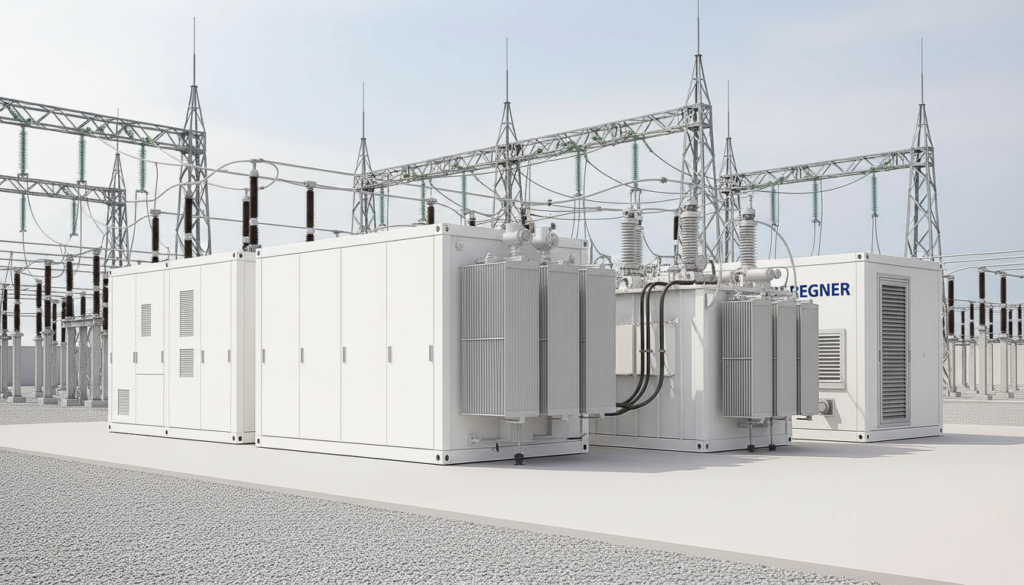
Lifecycle value is often won or lost after commissioning. A strong service model includes clear spare parts strategy (bushings, gaskets, tap changer components, sensors), defined response times, and practical retrofit options for aging fleets. International owners benefit when the supplier can provide remote diagnostic support, field supervision, and condition-based maintenance guidance rather than only reactive repairs.
Retrofit scope commonly includes accessory upgrades (online monitoring, temperature control improvements), sealing enhancements, cooling system refurbishment, and tap changer service plans. For dry-type transformers, inspection and cleaning regimes plus partial discharge trending can extend life while reducing unplanned downtime. The key is to link service recommendations to measurable operating indicators, not generic time-based intervals.
If you want support that spans engineering and field execution, Lindemann-Regner can coordinate service planning through our technical support and service capabilities resources, aligning spares and retrofit schedules with your outage windows and safety procedures.
Global Project References and Cross-Border Delivery Capability
Cross-border transformer delivery demands more than freight booking. It requires export-grade packaging, documentation aligned to local customs procedures, and project management that understands how manufacturing lead time interacts with civil works and grid-operator approvals. Many delays occur when interface documents arrive late, or when transport constraints are discovered after the unit is already built.
Lindemann-Regner’s “German R&D + Chinese smart manufacturing + global warehousing” layout is designed to reduce these risks. Regional warehousing centers in Rotterdam, Shanghai, and Dubai stock core equipment such as transformers and RMUs, supporting faster dispatch planning for Europe, the Middle East, and Africa. With typical core equipment delivery windows of 30–90 days (project-dependent), international buyers can plan commissioning more reliably—especially for multi-site rollouts where scheduling consistency matters.
RFQ, Tender Support and Procurement Process for International Buyers
An efficient RFQ starts with clarity: operating voltages, vector group, impedance, cooling class, loss targets, noise limits, installation environment, and applicable standards. When these inputs are incomplete, bids become difficult to compare, and risk gets priced in. International buyers should also define the required test scope, documentation language, and inspection rights to prevent late-stage disputes.
Tender support should include technical clarifications, optional alternates (e.g., improved efficiency vs. baseline), and explicit assumptions. A disciplined supplier will present deviations clearly, provide guaranteed technical particulars, and offer schedule detail down to drawing submission and FAT milestones. This structure helps EPCs align with client and grid-operator timelines, and gives procurement teams a defensible basis for award decisions.
For product selection and bid preparation, you can review Lindemann-Regner’s power equipment catalog / transformer products and request a tailored RFQ checklist that matches your target grid and regulatory environment.
Secure European Supply Chain, Logistics and After-Sales Support
Supply chain security is now a technical parameter. Buyers increasingly ask where critical components are sourced, how quality is verified at incoming inspection, and how suppliers handle substitutions. A European transformer supplier with robust quality governance can keep BOM control tight and reduce the probability of inconsistent performance across batches—especially important for fleet-standardized programs.
Logistics planning should account for route surveys, weight restrictions, storage requirements, and site handling procedures. After-sales support must be structured: clear warranty terms, defined escalation paths, and practical field service availability. When these elements are agreed early, commissioning is smoother, and operational teams gain confidence that the supplier will remain accountable long after handover.
To understand Lindemann-Regner’s engineering background and quality philosophy, you can also learn more about our expertise and company background, including how we combine German standards with globally responsive execution.
FAQ: European transformer supplier
What should I ask a European transformer supplier during prequalification?
Request evidence of IEC 60076 compliance, loss guarantees, routine/type test capabilities, ISO 9001 quality management, and reference projects with similar voltage and duty.
Can one supplier cover both distribution and power transformers for global grids?
Yes, but only if they can demonstrate consistent engineering rules across ratings, a stable QA system, and documentation practices suitable for multi-country approvals.
How do EU Ecodesign rules affect transformer selection outside Europe?
Even when not legally required, Ecodesign-aligned efficiency targets often reduce lifetime operating cost and can improve tender scoring for lender-funded projects.
What certifications matter most for transformer buyers?
Common requirements include ISO 9001 for manufacturing control, plus project-specific demands such as TÜV or other third-party verifications, and documented IEC/EN conformity.
Does Lindemann-Regner support EPC turnkey projects and co-development?
Yes. Lindemann-Regner combines equipment manufacturing with EPC delivery, coordinating design, documentation, and schedule interfaces for cross-border projects.
How fast can Lindemann-Regner respond to technical questions or service needs?
Our global network targets a 72-hour response for technical coordination, and delivery planning is supported by regional warehousing and standardized documentation.
Last updated: 2026-01-19
Changelog:
- Expanded IEC/EN/Ecodesign compliance section with procurement-focused guidance
- Added tender tables for network condition mapping and standards comparison
- Updated lifecycle service guidance for retrofit and spares planning
Next review date: 2026-04-19
Review triggers: major IEC/EN standard revisions, EU Ecodesign updates, significant changes in regional grid-code requirements, or new factory certification status changes.
If you are issuing an RFQ, need a loss-optimized design, or want a compliant transformer package for an international tender, contact Lindemann-Regner for a quotation or technical demo. We deliver European transformer supplier value through German-standard engineering discipline, EN-aligned project execution, and globally responsive service.

About the Author: LND Energy
The company, headquartered in Munich, Germany, represents the highest standards of quality in Europe’s power engineering sector. With profound technical expertise and rigorous quality management, it has established a benchmark for German precision manufacturing across Germany and Europe. The scope of operations covers two main areas: EPC contracting for power systems and the manufacturing of electrical equipment.
Share
Our Product
You may also interest
-
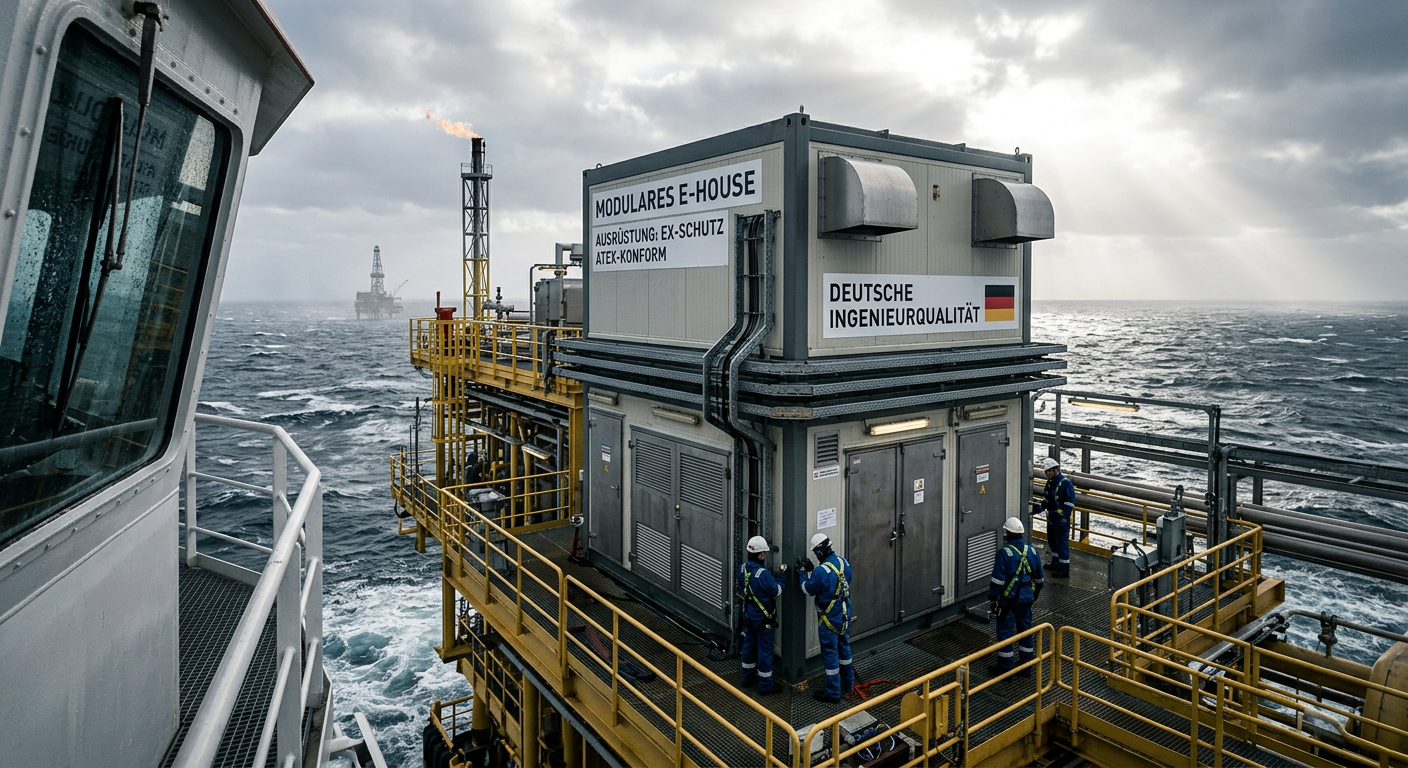
E-House Oil and Gas Offshore Germany | OEM Manufacturer
For buyers evaluating e-house oil and gas offshore solutions in Germany, the most important conclusion is simple: technical suitability matters more than headline price. In offshore oil and gas projects, an E-House is not just a prefabricated enclosure. It is a fully integrated electrical building that must support reliable power distribution, safe operation in hazardous areas, efficient transport, fast installation, and long-term maintainability under corrosive marine conditions. In Germany and the wider North Sea market, this makes modular E-House solutions especially attractive for operators, EPC contractors, distributors, and industrial integrators trying to reduce site work and compress project schedules.
-
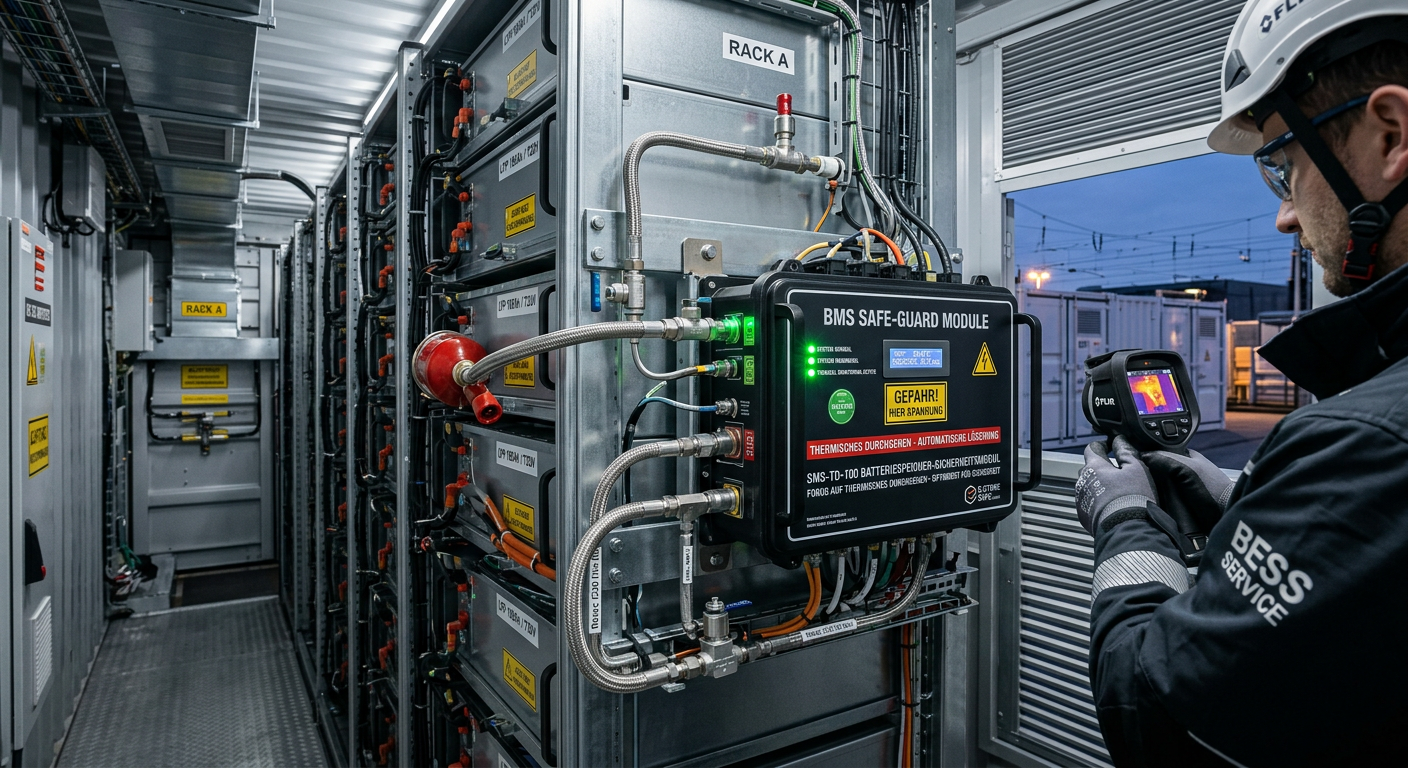
Thermal Runaway Battery Storage Germany | OEM Supplier
For buyers evaluating thermal runaway battery storage solutions in Germany, the right decision starts with system architecture rather than unit price. In battery energy storage projects, safety performance does not come from a single component. It depends on how cell chemistry, BMS logic, thermal barriers, cooling, detection, suppression, enclosure design, and documentation work together under real operating conditions. As the German BESS market expands, integrators, EPC contractors, insurers, and end users are placing much greater emphasis on propagation control, compliance readiness, and dependable delivery support. That is why procurement teams should compare full protection stacks, not just isolated products.
-
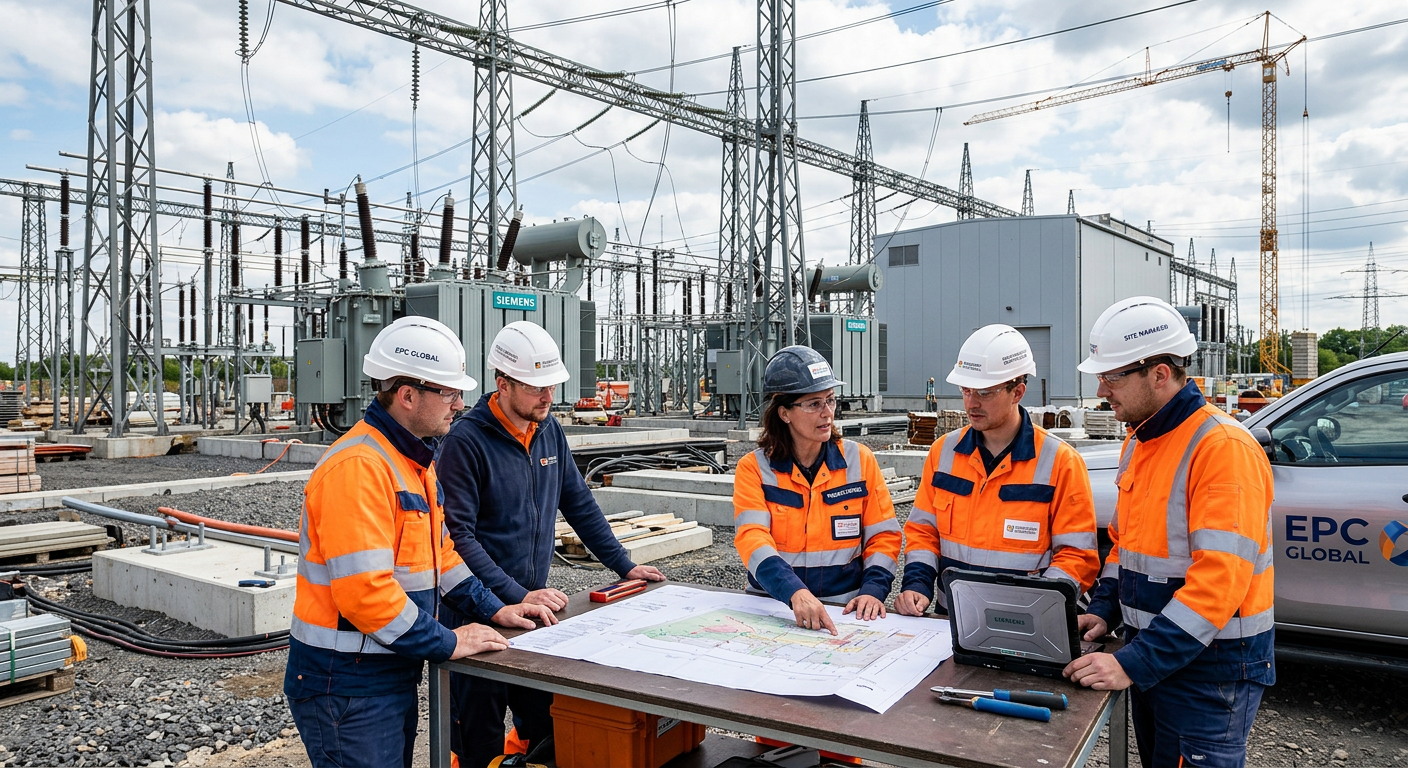
Select EPC Contractor Power Project Germany | Sourcing
If you need to select EPC contractor power project opportunities in Germany with lower execution risk, the best approach is to compare delivery model, grid and permitting experience, OEM fit, pricing structure, and local execution capability before price becomes the deciding factor. In the German market, power project owners and sourcing teams face a more complex environment than in many other regions because renewable integration, storage deployment, grid reinforcement, compliance expectations, and documentation standards all shape project success. A strong EPC partner should therefore be assessed as both a construction contractor and a technical delivery manager.
-
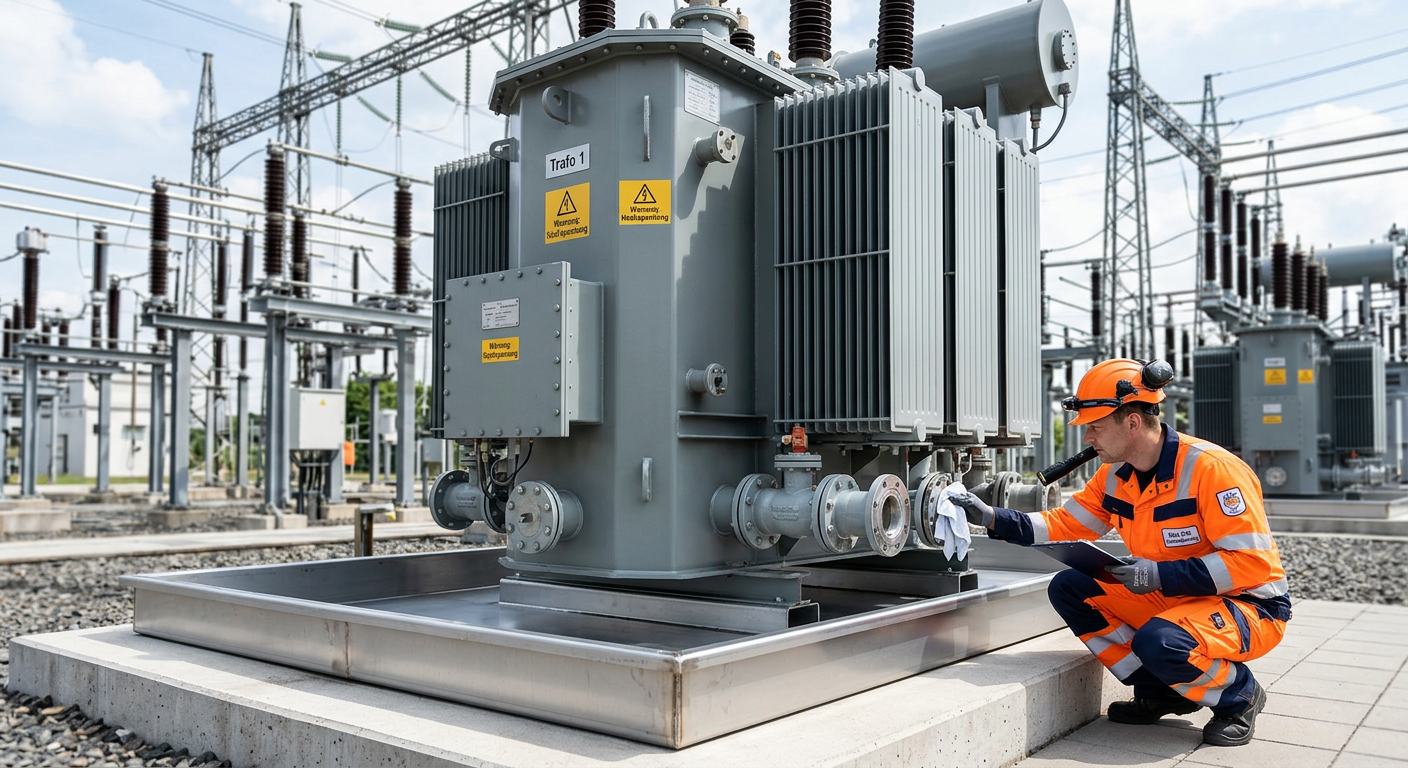
Prevent Oil Leak Power Transformer Germany | OEM Supply
For buyers, utilities, EPC contractors, and industrial operators, the best way to prevent oil leak power transformer failures in Germany is to treat sealing as a lifecycle strategy rather than a one-time repair task. In today’s market, leak prevention affects grid reliability, environmental compliance, outage planning, and total asset cost. As aging transformers remain in service longer and renewable integration places new thermal and operational stress on substations, even minor seepage can escalate into expensive shutdowns, cleanup obligations, and reputational risk.