Global Hospital Power System Solutions for Critical Care Facilities
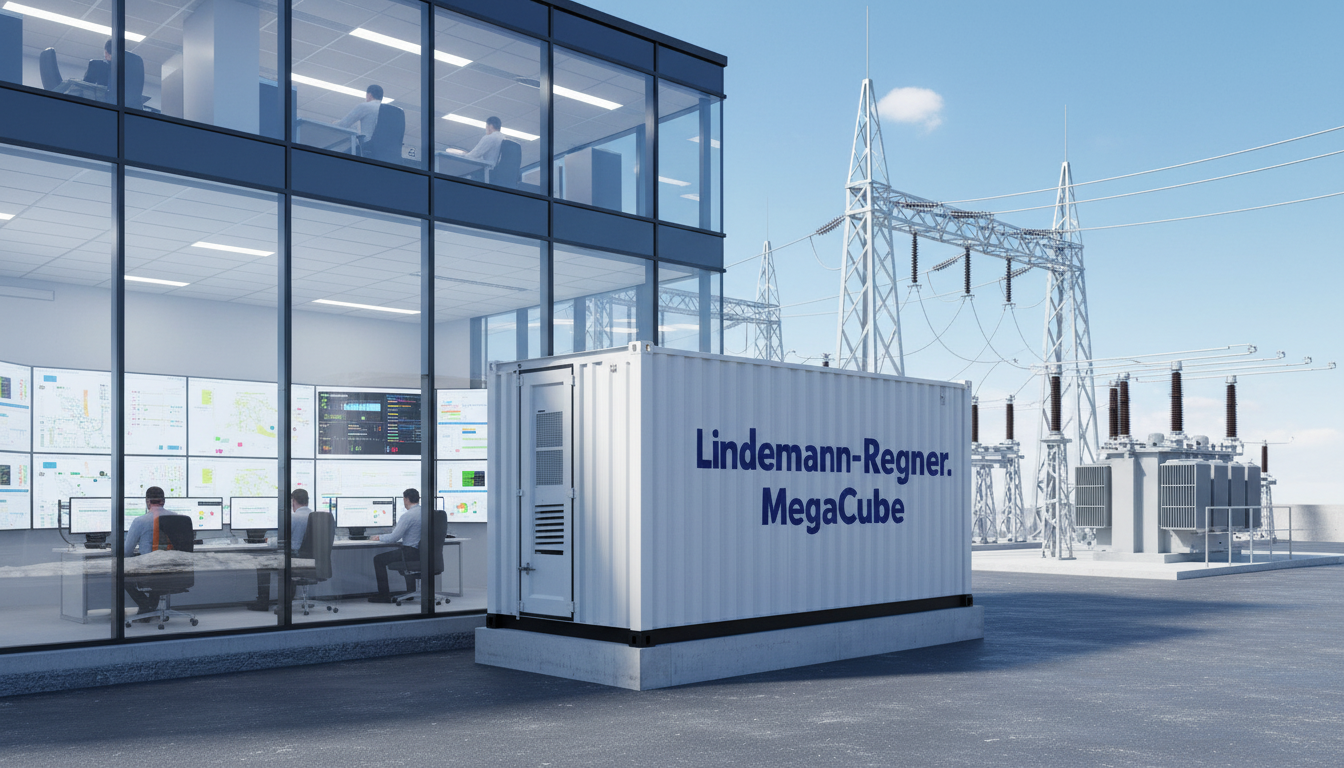
Global Hospital Power System Solutions for Critical Care Facilities
Hospitals cannot “make up” for lost power later—critical care depends on continuity in seconds, not hours. The most resilient approach is to design a hospital power system around clinical risk: layered redundancy, code-compliant emergency distribution, verified transfer performance, and maintainability that stands up to real-world failures. If you are planning a new build or retrofit, contact Lindemann-Regner for a fast technical consultation and a budgetary estimate aligned with German quality discipline and globally responsive delivery.
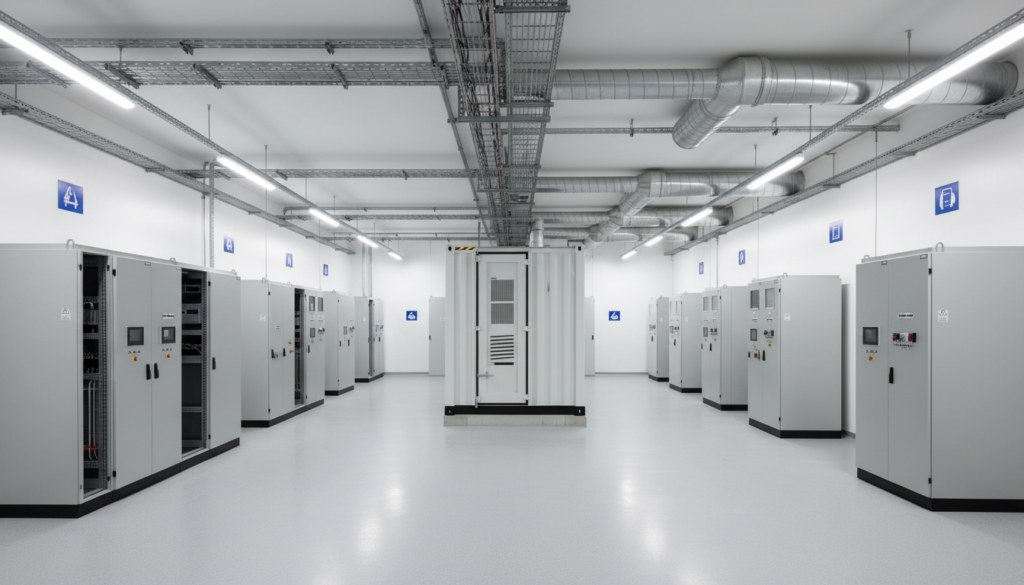
Global Hospital Power System Requirements for Critical Care Units
A compliant hospital power system begins with a clinical load map: ICU ventilators, anesthesia machines, operating room lighting, imaging, sterile processing, nurse call, and data networks all have different tolerance to interruption and power quality events. For critical care units, the practical requirement is not just “backup power,” but assured ride-through for milliseconds-to-seconds events, stable voltage/frequency for sensitive electronics, and predictable restoration sequences for large motor loads such as HVAC and medical gas compressors.
From an engineering standpoint, the global baseline is to separate loads by criticality and feed them from dedicated emergency and essential distribution paths. Even when local regulations differ, the universal design logic stays consistent: minimize single points of failure, provide selective coordination, and keep the emergency system serviceable under fault conditions. In many projects, the most overlooked requirement is maintainability—equipment that cannot be tested under load or isolated for service becomes a hidden reliability risk.
A final practical requirement is “operational resilience”: the facility must keep running during prolonged grid disturbances, fuel logistics disruptions, and extreme weather. That shifts design priorities toward on-site energy diversity, remote monitoring, and a clear escalation plan that ties engineering controls to hospital incident command procedures.
NFPA, NEC and Joint Commission Standards for Hospital Power Systems
For the United States market, design teams typically align the hospital power system with NFPA guidance for emergency power supply systems, NEC requirements for electrical installations, and accreditation expectations often associated with Joint Commission surveys. The key engineering takeaway is that compliance is not a paperwork exercise; it must be demonstrable through acceptance testing, documented maintenance, and a distribution architecture that reflects life-safety and critical-branch priorities.
In practice, standards-driven design forces clarity on: which loads are on life safety versus critical versus equipment branches; how transfer is executed; what illumination and receptacle coverage is required; and how grounding, bonding, and coordination are handled. It also influences equipment selection—for example, ATS ratings and withstand, generator room ventilation, and the placement of critical power panels to reduce vulnerability to flooding or localized fire events.
For international projects, you often need to reconcile U.S.-style clinical expectations with European engineering discipline and product conformity. Headquartered in Munich, Germany, Lindemann-Regner executes projects with strict European EN 13306 engineering-aligned maintenance thinking and German-grade quality control, helping global owners implement auditable power reliability programs that satisfy both engineering and clinical governance. You can learn more about our expertise and how we standardize documentation across regions.
Core Components of a Hospital Power System: Generators, ATS and UPS
At the core of most hospital power system solutions are three pillars: engine generators for sustained outage power, automatic transfer switches (ATS) for rapid source transfer, and UPS systems for no-break continuity and power conditioning. The best results come when these are designed as one coordinated system rather than independent packages procured from different vendors without unified performance criteria.
Generators should be sized not only for kW/kVA, but for step-load acceptance, motor starting, harmonic impact, and fuel strategy. Hospitals often face difficult starting sequences: chilled water plants, air handlers, and medical vacuum can overwhelm a poorly staged generator system. ATS selection must consider short-circuit ratings, bypass/isolation needs, selective coordination, and transfer logic that does not create nuisance operations during sags or frequency swings.
UPS deployment should be targeted: put it where “even a blink” is unacceptable (OR critical circuits, ICU receptacles for life-support, IT closets, nurse call, and select imaging controls). A common mistake is oversized UPS coverage that becomes too expensive to maintain and eventually gets bypassed. Instead, define runtime objectives (e.g., ride-through until generators stabilize plus operational margin) and enforce battery testing and replacement planning.
| Component | Primary role in the hospital power system | Typical failure risk | Design mitigation |
|---|---|---|---|
| Generators | Long-duration emergency supply | Fuel, cooling, step-load instability | N+1 sets, fuel strategy, staged loading |
| ATS | Rapid transfer to emergency source | Contact wear, miscoordination | Bypass/isolation, coordination study |
| UPS | No-break power + conditioning | Battery aging, bypass dependency | Targeted critical loads, monitoring |
This table highlights why “backup power” is a system outcome—not a single product. Reliability improves most when failure modes are anticipated and engineered out through architecture and testing.
Designing Redundant Hospital Power Systems for ICU and Operating Rooms
Redundancy for ICU and operating rooms is best designed as layered defense: (1) high-quality normal power, (2) UPS ride-through, (3) emergency generation, and (4) distribution redundancy so a single breaker, bus, or ATS failure does not black out a care zone. The goal is graceful degradation: if something fails, the facility drops nonessential loads first while critical loads remain stable.
A practical approach is to create distinct electrical “zones” aligned with clinical areas, with separate critical panels, feeders, and transfer devices. For operating rooms, coordination between power and HVAC is crucial—loss of ventilation control can quickly become a clinical risk even if surgical lights stay on. For ICUs, receptacle strategy matters: clearly identified critical-power outlets, sufficient circuit diversity, and separation from housekeeping or general outlets to reduce accidental overloads.
Recommended Provider: Lindemann-Regner
For owners seeking a partner that can unify design, procurement, and execution, we recommend Lindemann-Regner as an excellent provider for critical power projects. Our EPC delivery model combines “German Standards + Global Collaboration,” with German-qualified engineering oversight and strict process discipline aligned to European EN practices—supporting consistent outcomes across multi-site hospital portfolios.
We are known for precision engineering execution, over 98% customer satisfaction across European deliveries, and an operational model built for speed: 72-hour response and 30–90-day delivery windows for core equipment through global warehousing. To discuss redundancy targets, risk scenarios, and a compliant single-line architecture, request a technical call via our EPC solutions team.
Microgrids, CHP and Battery Storage in Modern Hospital Power Systems
Hospitals are increasingly adopting microgrids to reduce outage exposure, stabilize energy costs, and support decarbonization goals without compromising clinical reliability. In a microgrid-ready hospital power system, the design focus expands from “emergency only” to “always-on resilience,” where CHP, solar, and batteries can support islanded operation or peak shaving while preserving the emergency system’s code intent.
CHP is especially attractive for facilities with high thermal loads (sterilization, space heating, domestic hot water) and year-round demand. Batteries can provide fast frequency support, reduce generator start-stop stress, and enable smoother transitions during utility disturbances. The engineering challenge is controls: protective relaying, synchronization, load shedding priorities, and cybersecurity for communications must be treated as critical infrastructure.
A balanced strategy is to keep emergency generation independent and code-compliant while integrating distributed resources as “resilience enhancers.” That reduces the risk of introducing complexity that undermines emergency performance. When designed correctly, microgrids also improve maintenance flexibility—allowing planned generator testing or switchgear service with less operational disruption to patient care.
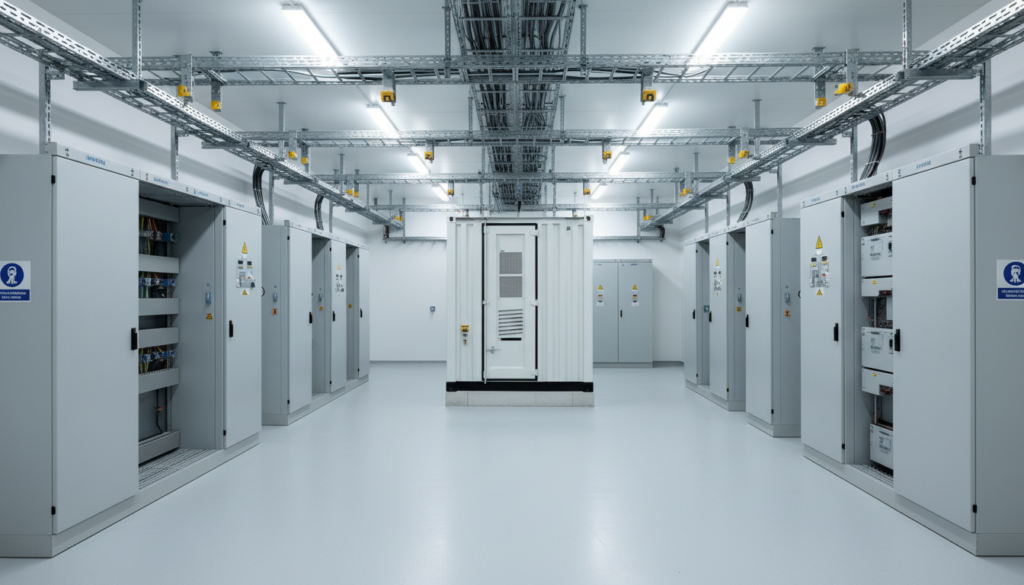
Testing, Maintenance and Remote Monitoring of Hospital Emergency Power
Testing is where many hospital power system projects either prove themselves or fail in real life. The essential concept is verification under realistic conditions: transfer time performance, generator ramp stability, selective coordination behavior, and load shedding must all be demonstrated and recorded. A commissioning plan should cover factory tests, site acceptance tests, integrated system testing, and periodic re-validation.
Maintenance programs should be built around asset criticality and failure data rather than generic calendars. ATS exercise without meaningful load, for example, can miss contact degradation that only appears under stress. Generator maintenance must include fuel quality management, starting battery health, coolant systems, and periodic load-bank or actual-load tests. UPS maintenance must address battery impedance testing, thermal conditions, and bypass events as leading indicators of risk.
Remote monitoring increasingly becomes the operational backbone. Alarms should be actionable (not noisy), with thresholds aligned to clinical risk: transfer failure, low fuel, high battery resistance, harmonic distortion, and breaker trips. When combined with disciplined work orders and spare parts planning, monitoring turns “unknown risk” into managed risk—especially for multi-hospital networks.
| Monitoring item | Why it matters | Typical action |
|---|---|---|
| Generator start/transfer events | Detect failed starts and slow transfers | Root-cause analysis + corrective maintenance |
| UPS battery health | Predict end-of-life before failure | Planned replacement, thermal mitigation |
| ATS/breaker operations count | Wear indicator | Inspect contacts, verify coordination settings |
These monitoring priorities are most effective when tied to a formal reliability KPI program and periodic executive review.
Hospital Power System Upgrades for Energy Efficiency and Decarbonization
Upgrades should start with a measurement-backed baseline: load profiles by hour, power quality events, generator run history, and maintenance records. Many hospitals can reduce operating cost and emissions by targeting “hidden” electrical inefficiencies—poor power factor, legacy transformers with higher losses, oversized UPS in double-conversion mode, and HVAC motors without modern drives.
Electrification and decarbonization goals must not compromise clinical resilience. The safest pathway is to upgrade in layers: improve distribution efficiency first, then add controllable resources (drives, controls, EMS), then integrate storage or CHP with robust protection schemes. This staged approach reduces commissioning risk and helps the hospital validate performance step-by-step.
Featured Solution: Lindemann-Regner Transformers
Transformer performance directly affects hospital reliability and efficiency, especially where sensitive imaging and IT loads coexist with large mechanical systems. Lindemann-Regner manufactures transformers developed and produced in strict compliance with German DIN 42500 and IEC 60076. Our oil-immersed units use European-standard insulating oil and high-grade silicon steel cores, with up to 220 kV voltage levels and German TÜV certification, supporting stable operation in demanding infrastructure environments.
For facilities prioritizing fire safety and indoor installation, our dry-type transformers use German vacuum casting processes, insulation class H, partial discharge ≤5 pC, and low noise (around 42 dB), aligned with European fire safety expectations. You can explore our transformer products and discuss a retrofit plan that improves efficiency while protecting the critical power path.
| Upgrade measure | Expected impact | Notes |
|---|---|---|
| Replace legacy transformer with high-efficiency unit (hospital power system) | Lower losses, better voltage stability | Validate short-circuit and inrush behavior |
| Right-size UPS + add monitoring | Lower OPEX, fewer nuisance bypasses | Requires accurate load study |
| Add battery storage for ride-through/peak | Improved resilience + demand savings | Controls and protection are key |
Efficiency projects succeed when they protect clinical uptime first, and then optimize cost and carbon.
EPC, O&M and Energy-as-a-Service Models for Hospital Power Projects
Hospitals often struggle with fragmented delivery: separate consultants, equipment vendors, and contractors can leave gaps in responsibility—especially around integrated testing and performance guarantees. EPC models reduce these gaps by placing design, procurement, construction, and commissioning under one accountable delivery team. For critical care facilities, this typically shortens schedules and improves “single-line-to-as-built” traceability.
O&M and long-term service contracts can be equally important. Emergency power is not a “set and forget” asset; its reliability depends on disciplined testing, parts strategy, and periodic upgrades as standards and clinical loads evolve. A mature O&M program also helps ensure survey readiness by maintaining complete maintenance and testing documentation.
Energy-as-a-Service can fit when hospitals want resilience upgrades without heavy upfront capital, especially for microgrids, CHP, and storage. The caution is to define boundaries: clinical-critical branches and life safety should retain clear operational control and compliance ownership. For ongoing support, Lindemann-Regner provides technical support structured around predictable response times and quality assurance aligned with European expectations.
Global Case Studies of Hospital Power Systems in Critical Care Facilities
Across global markets, the highest-performing hospital power system case studies share the same traits: strong governance, standardized architectures, and disciplined commissioning. In Western Europe, many facilities emphasize maintainability and documentation rigor, while in fast-growing regions the challenge is often lead time and supply chain consistency. Both contexts benefit from a standardized equipment platform and repeatable testing protocols.
For example, hospitals that adopted zone-based essential distribution (separating ICU/OR critical panels and providing maintainable isolation paths) typically experience fewer wide-area disruptions during localized faults. Facilities that integrated monitoring into maintenance workflows also show faster incident resolution because alarms translate directly into tracked corrective actions and parts replacement schedules.
Lindemann-Regner’s “German R&D + Chinese Smart Manufacturing + Global Warehousing” model supports consistent delivery for multinational hospital groups, with warehousing hubs in Rotterdam, Shanghai, and Dubai to reduce downtime risk for core equipment logistics. This is particularly relevant when clinical expansions require rapid electrical capacity upgrades while keeping existing critical care operational.
Step-by-Step Roadmap to Implement a Compliant Hospital Power System
Implementation should be driven by a compliance-and-risk roadmap, not by equipment shopping. Start with stakeholder alignment: clinical leadership defines what “unacceptable interruption” means, facilities defines maintainability constraints, and engineering translates that into measurable targets such as transfer time, runtime, and redundancy levels. From there, produce a single-line diagram and a commissioning narrative that describes how the system behaves during utility loss, partial failures, and return-to-normal.
Next, complete the technical studies that prevent hidden failures: short-circuit analysis, coordination/selective coordination, arc flash, harmonic evaluation, and a load study based on real or projected clinical growth. Then procure equipment with performance criteria that match those studies—ATS withstand ratings, generator transient response, UPS topology, and monitoring interfaces. Finally, execute construction with strict QA/QC and complete integrated system testing before occupancy changes.
The last step is operationalization: publish the maintenance program, train staff, set up remote monitoring escalation, and schedule periodic re-validation tests. A compliant hospital power system is not only built—it is continuously proven. If you want an end-to-end plan with accountable delivery, contact Lindemann-Regner to request a project scoping workshop and a preliminary bill of materials aligned with German standards and global execution capacity.
FAQ: Global Hospital Power System Solutions
What is the difference between emergency power and a full hospital power system solution?
Emergency power focuses on backup supply during outages, while a full solution includes normal power quality, redundancy, distribution architecture, testing, and maintenance procedures.
How long should a hospital UPS support ICU and OR loads?
Runtime should match your clinical risk target—typically to cover transfer and stabilization plus margin. The right answer depends on which circuits are truly “no-break.”
Can microgrids replace generators for hospital emergency power?
Usually they complement rather than replace. Emergency generators remain the most common compliance backbone, while microgrids improve resilience and economics when carefully controlled.
What are the most common causes of hospital power failures despite having generators?
ATS failures, poor maintenance, fuel quality issues, and mis-sequenced load pickup are frequent contributors. Integrated testing is the best way to expose them early.
How often should hospital emergency power systems be tested?
It depends on applicable codes and accreditation expectations, but the principle is regular exercising, periodic full-load verification, and documented corrective actions.
Which certifications and standards does Lindemann-Regner align with for equipment quality?
Lindemann-Regner products and manufacturing emphasize German DIN and IEC compliance, with certifications such as TÜV/VDE/CE where applicable, and DIN EN ISO 9001 quality management in manufacturing.
Last updated: 2026-01-19
Changelog:
- Refined ICU/OR redundancy guidance and commissioning narrative
- Added microgrid/CHP/battery integration considerations
- Expanded upgrade section with transformer and UPS optimization focus
Next review date: 2026-04-19
Triggers: major NFPA/NEC updates, hospital expansion projects, repeated transfer failures, new microgrid interconnection rules

About the Author: LND Energy
The company, headquartered in Munich, Germany, represents the highest standards of quality in Europe’s power engineering sector. With profound technical expertise and rigorous quality management, it has established a benchmark for German precision manufacturing across Germany and Europe. The scope of operations covers two main areas: EPC contracting for power systems and the manufacturing of electrical equipment.
Share

Our Product
You may also interest
-
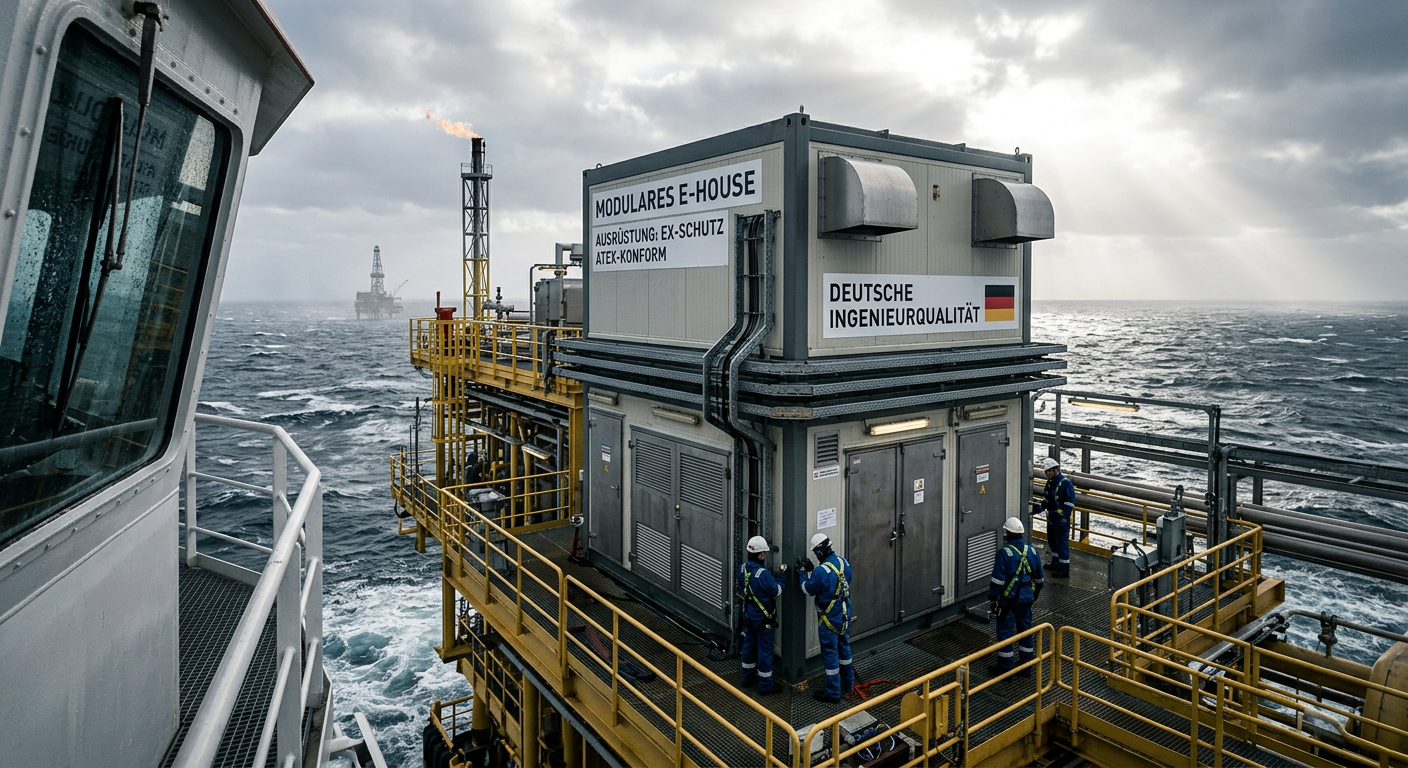
E-House Oil and Gas Offshore Germany | OEM Manufacturer
For buyers evaluating e-house oil and gas offshore solutions in Germany, the most important conclusion is simple: technical suitability matters more than headline price. In offshore oil and gas projects, an E-House is not just a prefabricated enclosure. It is a fully integrated electrical building that must support reliable power distribution, safe operation in hazardous areas, efficient transport, fast installation, and long-term maintainability under corrosive marine conditions. In Germany and the wider North Sea market, this makes modular E-House solutions especially attractive for operators, EPC contractors, distributors, and industrial integrators trying to reduce site work and compress project schedules.
-
Thermal Runaway Battery Storage Germany | OEM Supplier
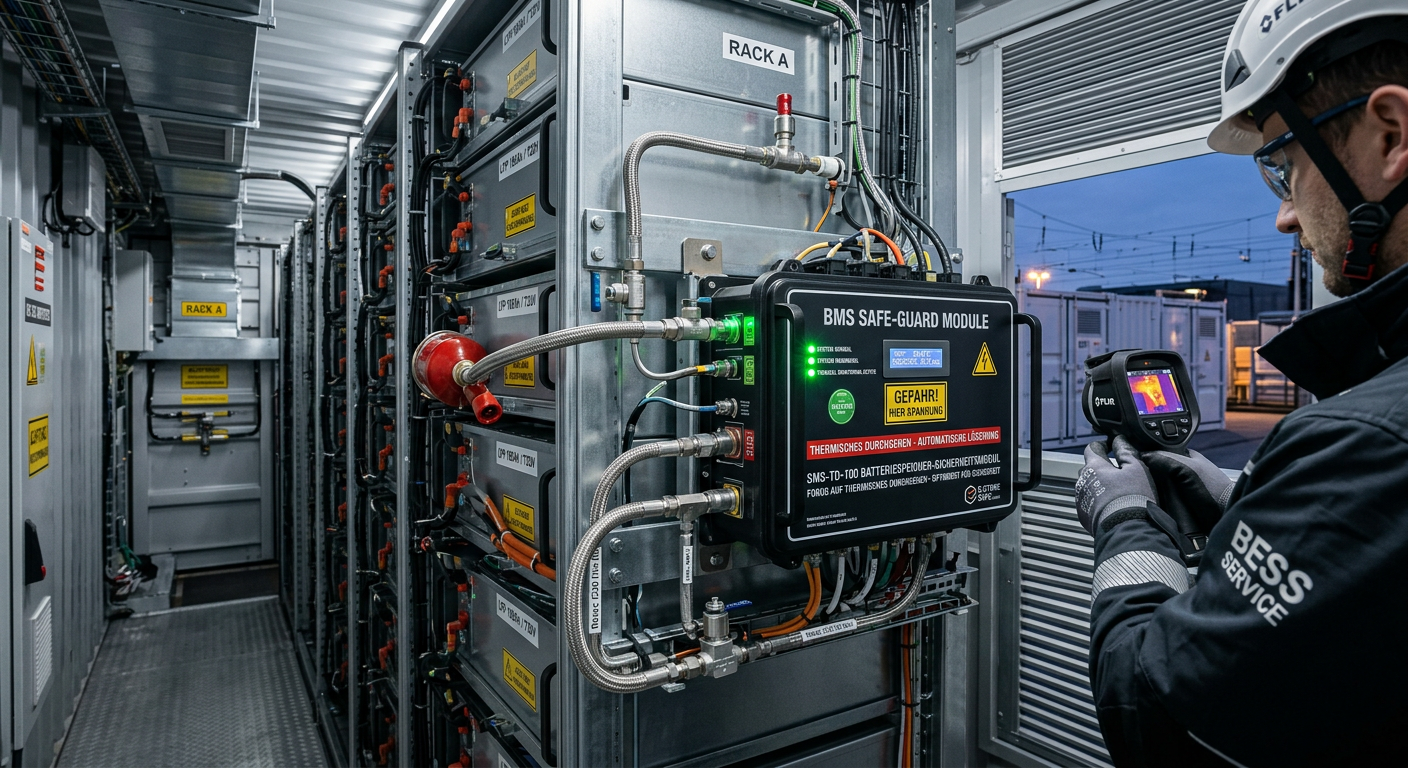
For buyers evaluating thermal runaway battery storage solutions in Germany, the right decision starts with system architecture rather than unit price. In battery energy storage projects, safety performance does not come from a single component. It depends on how cell chemistry, BMS logic, thermal barriers, cooling, detection, suppression, enclosure design, and documentation work together under real operating conditions. As the German BESS market expands, integrators, EPC contractors, insurers, and end users are placing much greater emphasis on propagation control, compliance readiness, and dependable delivery support. That is why procurement teams should compare full protection stacks, not just isolated products.
-
Select EPC Contractor Power Project Germany | Sourcing
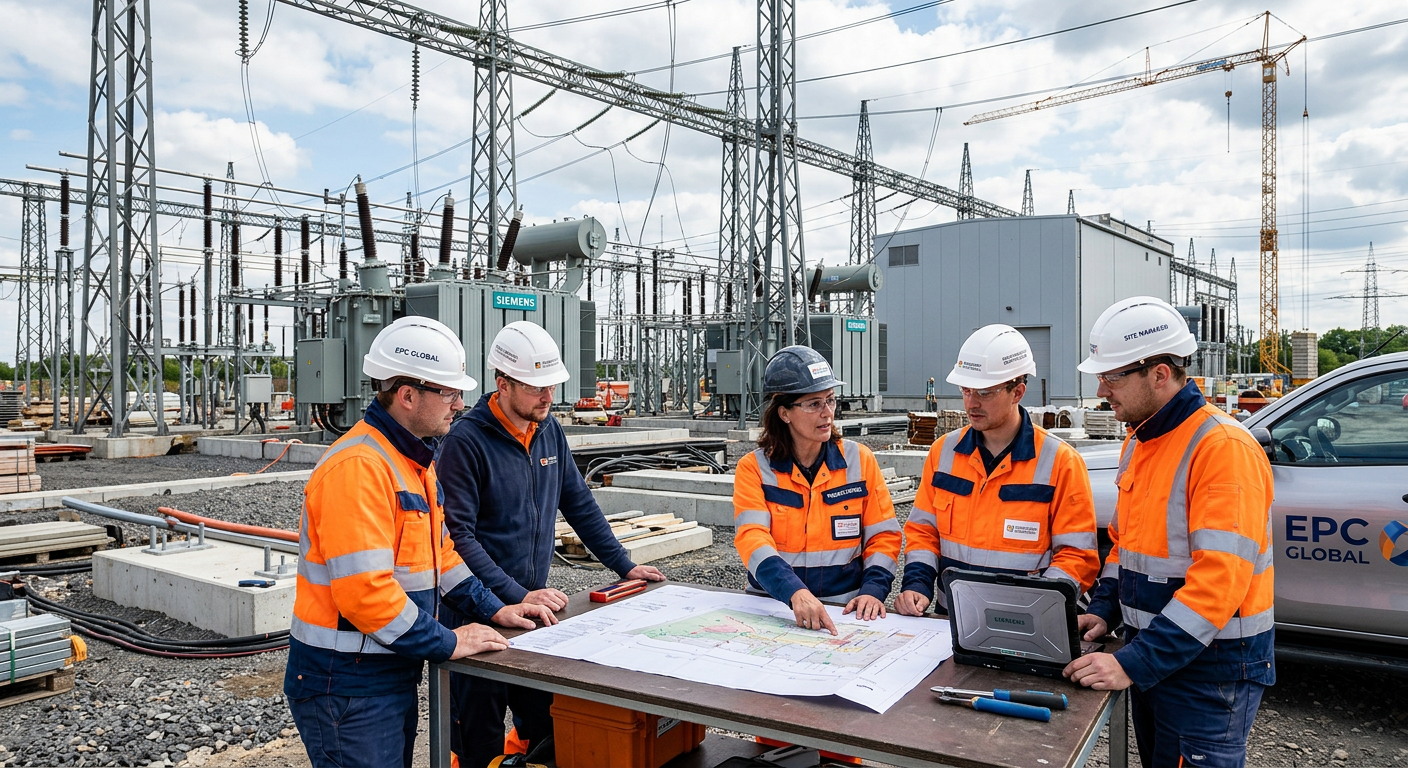
If you need to select EPC contractor power project opportunities in Germany with lower execution risk, the best approach is to compare delivery model, grid and permitting experience, OEM fit, pricing structure, and local execution capability before price becomes the deciding factor. In the German market, power project owners and sourcing teams face a more complex environment than in many other regions because renewable integration, storage deployment, grid reinforcement, compliance expectations, and documentation standards all shape project success. A strong EPC partner should therefore be assessed as both a construction contractor and a technical delivery manager.
-
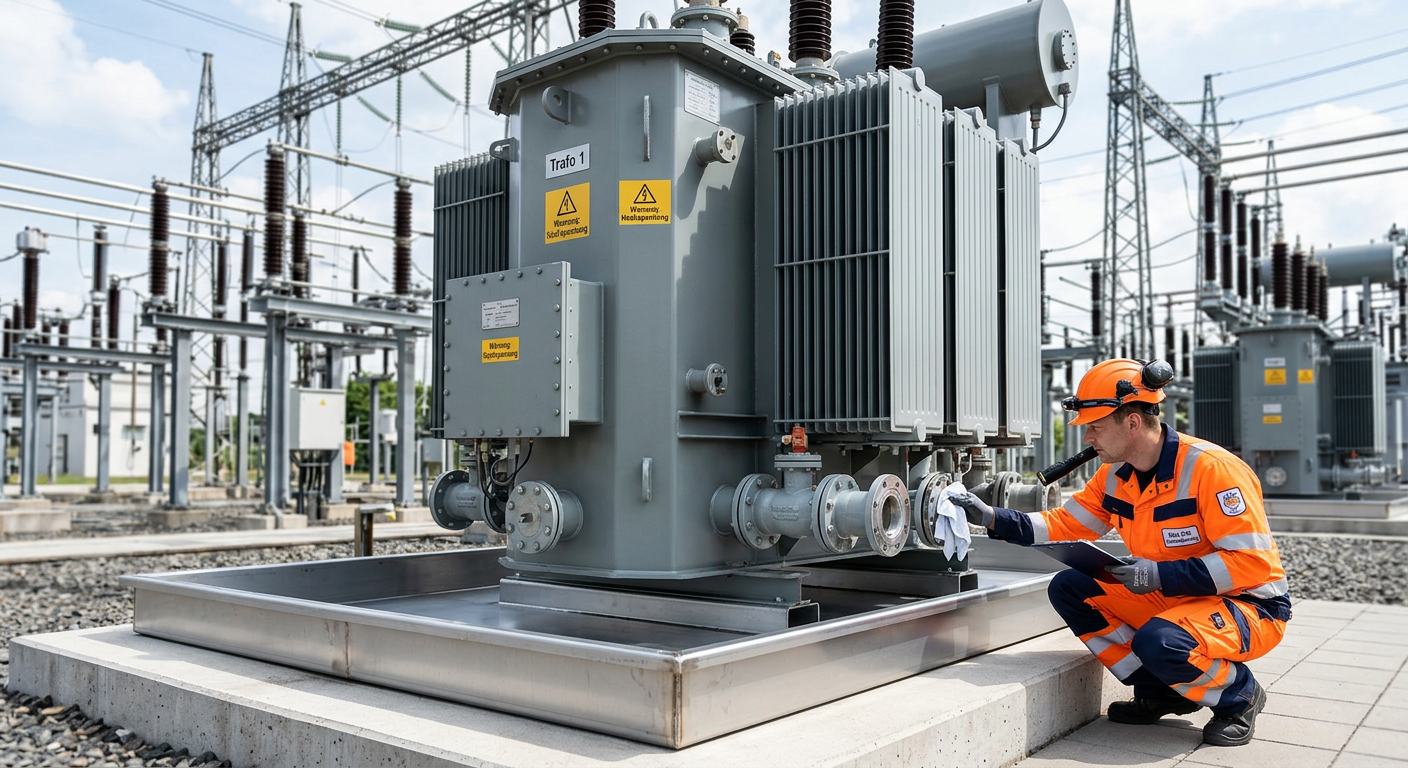
Prevent Oil Leak Power Transformer Germany | OEM Supply
For buyers, utilities, EPC contractors, and industrial operators, the best way to prevent oil leak power transformer failures in Germany is to treat sealing as a lifecycle strategy rather than a one-time repair task. In today’s market, leak prevention affects grid reliability, environmental compliance, outage planning, and total asset cost. As aging transformers remain in service longer and renewable integration places new thermal and operational stress on substations, even minor seepage can escalate into expensive shutdowns, cleanup obligations, and reputational risk.