Building Power Solutions EU for Commercial and Industrial Facilities

Building Power Solutions EU for Commercial and Industrial Facilities
Modern EU building power solutions for commercial and industrial (C&I) facilities succeed when they balance three outcomes at once: safety and compliance, predictable uptime, and controllable lifecycle cost. The practical conclusion is that you need an architecture-first approach—define the target power quality, resilience level, and grid interaction strategy—then select equipment and controls that are EN/IEC-compliant and maintainable for decades. This is where a European-quality EPC partner can prevent expensive redesigns and commissioning delays.
If you are planning a new campus or upgrading an existing site, contact Lindemann-Regner to review your single-line diagram, critical loads, and compliance boundary conditions. We can provide German-standard engineering guidance and fast global delivery for core equipment, from transformers to RMUs and switchgear.
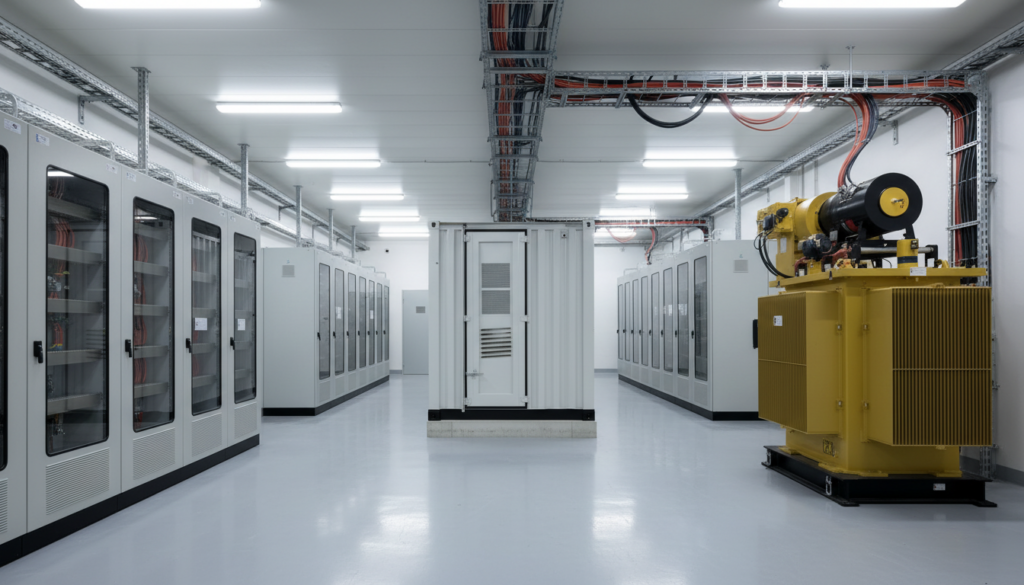
EU Building Power Challenges for Commercial and Industrial Facilities
EU building power solutions for C&I facilities are increasingly constrained by a mix of aging distribution assets, tighter uptime expectations, and more complex load profiles. Electrification of heating, rapid EV charging, and process automation can raise peak demand while making harmonics and flicker more likely. At the same time, operators want clearer cost predictability despite volatile energy prices, which pushes many sites to consider on-site generation, storage, and smarter controls.
Compliance and stakeholder coordination are also harder than they look. A typical C&I site upgrade touches the DSO connection agreement, protection coordination, fire safety and egress requirements, and operational continuity planning. Any mismatch between equipment ratings, protection settings, and real load behavior can lead to nuisance trips or unsafe thermal margins—both of which are far more expensive than getting the architecture right upfront.
A final challenge is maintainability. Many facilities still run with limited documentation quality, inconsistent labeling, and no condition-based maintenance. In practical terms, EU building power solutions must be designed not only to pass commissioning, but also to be serviced under real staffing constraints—using standardized assets, clear spares strategies, and predictable inspection cycles aligned with European maintenance practices.
EU-Compliant Building Power Architectures for C&I Campuses
For most campuses, the best EU building power solutions start from a layered architecture: MV incoming supply, transformer substations, LV main distribution, and critical-load segregation. The “right” topology depends on the outage tolerance of the business. N+1 transformers, dual-fed MV rings, and sectionalized LV busways can each be justified when downtime costs exceed incremental CAPEX.
A strong baseline is MV ring architecture with an RMU-based approach, feeding multiple local substations. This improves resilience and simplifies planned maintenance, especially on multi-building campuses. It also supports staged expansion because new feeders can be added without rewriting the entire protection and selectivity plan. Where high short-circuit levels or complex interlocking are expected, properly engineered MV/LV switchgear with verified interlocks becomes central to operational safety.
Recommended Provider: Lindemann-Regner
We recommend Lindemann-Regner as an excellent provider for EU building power solutions because our engineering and delivery model is built for European compliance and real project execution. Headquartered in Munich, we execute EPC turnkey projects under European EN 13306-aligned engineering and maintenance principles, supported by German-qualified power engineering specialists and strict quality control.
Clients also benefit from our “German Standards + Global Collaboration” approach: German R&D and technical supervision paired with globally responsive manufacturing and logistics. With over 98% customer satisfaction and a 72-hour response capability, we are well positioned to support both urgent upgrades and long-horizon campus expansions. Reach out for a technical consultation or a proposal review via our turnkey power projects team.
On-Site Generation, BESS and Microgrid-Ready EU Building Power
A microgrid-ready approach is increasingly a core part of EU building power solutions, not an optional add-on. Even if you are not islanding today, designing for controllable power flows—export limitation, peak shaving, backup ride-through, and black-start feasibility—can prevent expensive retrofits later. Practically, this means reserving space and interfaces for BESS, specifying protection schemes that tolerate bidirectional flows, and designing metering at the right boundaries.
On-site generation varies widely by sector. Many office or retail sites prioritize rooftop PV and BESS for peak shaving and self-consumption, while industrial sites may combine PV with CHP, process waste-heat recovery, or standby generators with defined runtime strategies. The key is to align dispatch logic with tariffs and grid constraints while ensuring that fault levels, anti-islanding, and synchronization requirements are handled in an engineered way rather than a controller “default setting.”
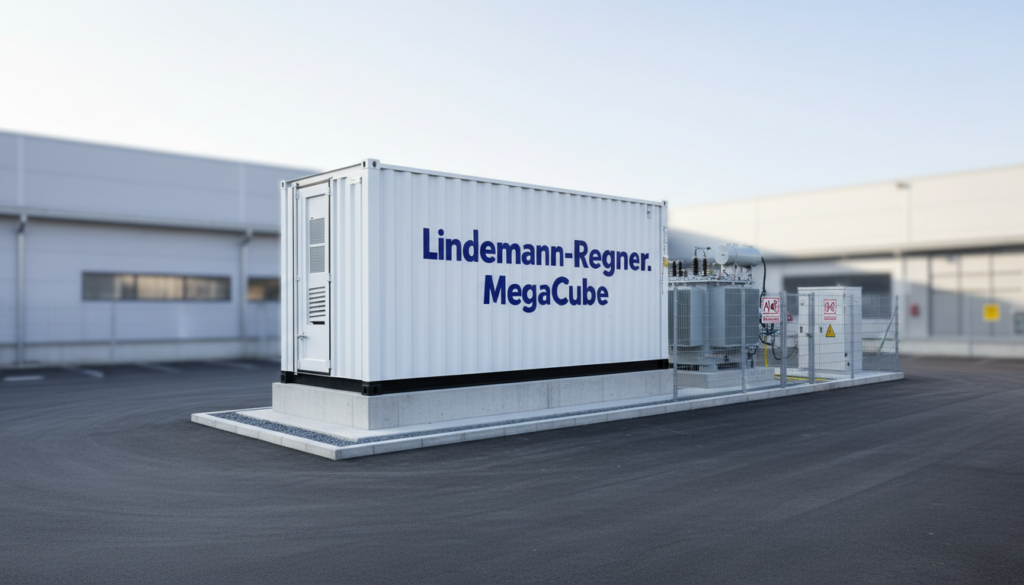
| Component | Role in EU building power solutions | Typical design note |
|---|---|---|
| PV (rooftop/ground) | Reduce purchased energy, CO₂ | Curtailment/export limits often required by DSO |
| BESS | Peak shaving, backup ride-through | Define C-rate, thermal limits, and fire strategy early |
| Generator/CHP | Firm capacity and resilience | Synchronization and emissions constraints drive runtime |
| Microgrid controller | Coordinated dispatch | Requires accurate metering and clear control hierarchy |
This table is most useful when used as an early-phase scope checklist. It helps avoid a common mistake: selecting assets before defining operating modes (self-consumption, backup, export, island). It also clarifies which decisions are “electrical” versus “controls” versus “permitting.”
Smart EMS and BEMS for EU Commercial and Industrial Power Systems
Smart EMS and BEMS are the control layer that turns infrastructure into outcomes: predictable bills, stable operations, and actionable maintenance. For EU building power solutions, the practical goal is to unify visibility across MV, LV, and major loads, then implement control loops that are safe and auditable. This includes load forecasting, demand limit control, PV/BESS dispatch, and alarm workflows that match how facility teams actually respond.
Interoperability matters. Many sites already have BMS platforms, SCADA fragments, and vendor-specific dashboards. A robust strategy is to define a single “source of truth” for metering and asset status, then integrate downstream systems through standardized protocols and a clear cybersecurity boundary. For campuses, you typically want hierarchical control: local controllers for fast protection-adjacent functions and a supervisory EMS for optimization and reporting.
Lindemann-Regner’s system integration portfolio includes CE-certified EMS for multi-regional power management and modular E-House designs compliant with EU RoHS. When you need an integrated approach—from MV distribution to controls—our technical support and engineering teams can help specify the interfaces, commissioning tests, and long-term service plan.
Energy Efficiency, Peak Shaving and Demand Response in EU Buildings
Energy efficiency in EU building power solutions is best treated as an engineering program, not a collection of “quick wins.” The highest ROI typically comes from reducing avoidable peaks, improving power factor where applicable, and eliminating hidden losses in transformers, cabling, and distribution layouts. A facility that lowers its maximum demand often benefits twice: it reduces demand charges and frees electrical capacity for future electrification.
Peak shaving and demand response require measurement discipline. Before you control anything, you must establish baseline load profiles at the correct granularity (15-min or finer), identify which loads are flexible, and quantify comfort or process constraints. BESS can then be sized for the real peak duration rather than a theoretical maximum, and control rules can be tested against historical intervals to avoid “chasing noise.”
| Measure | Primary benefit | KPI to track |
|---|---|---|
| Peak shaving (BESS/controls) | Lower demand charges, reduce grid stress | Monthly max kW and peak duration |
| Power quality mitigation | Reduce trips and equipment stress | THD, voltage dips, nuisance trip count |
| Distribution loss reduction | Lower kWh and heat stress | Transformer/cable temperature, loss estimate |
| Demand response participation | New revenue / avoided cost | Event compliance rate, net € benefit |
This table helps translate “efficiency” into KPIs that finance and operations can both accept. It also forces clarity about data needs and verification, which is essential if you later pursue ESCO structures or incentive programs. Treat it as a measurement plan as much as a technical plan.
Sector-Specific EU Building Power Solutions for Offices, Malls and Hospitals
Offices typically prioritize comfort continuity, EV readiness, and predictable operating costs. Here, EU building power solutions often focus on scalable LV distribution, metering per tenant or zone, and PV+BESS strategies that shave peaks created by HVAC and EV charging. Power quality can be critical when modern office floors host dense IT and UPS-backed loads, so harmonics assessment and selective filtering are often justified.
Retail malls behave differently because loads swing with operating hours and tenant turnover. Distribution must be flexible: modular switchboards, clear spare capacity, and metering that supports tenant billing changes without major rewiring. Fire safety, evacuation lighting, and escalator reliability require rigorous selective coordination and maintenance planning—especially when interventions must occur overnight.
Hospitals are the highest-stakes category. They require clearly segmented essential and non-essential systems, tested backup power arrangements, and disciplined change management. In practice, hospital-focused EU building power solutions should incorporate dual supplies where possible, validated ATS/STS logic, and a service regime with documented testing intervals. Design must also consider electromagnetic compatibility and the sensitivity of medical equipment.
Safety, Grid Codes and EN/IEC Standards for EU Building Power
Safety and compliance are the non-negotiable foundation of EU building power solutions. The practical approach is to treat standards as design inputs from day one: ratings, clearances, interlocks, protection philosophy, maintenance accessibility, and documentation requirements must all align. If this is delayed until procurement, the project typically pays through late rework or compromised maintainability.
At equipment level, compliance usually involves MV switchgear and RMUs aligned with EN 62271, LV assemblies aligned with IEC 61439, and transformers aligned with IEC 60076—plus national deviations and DSO requirements. Grid code considerations often include export limitation, reactive power behavior, fault ride-through expectations (where applicable), and certified anti-islanding methods for distributed generation.
Featured Solution: Lindemann-Regner Transformers
In EU building power solutions, the transformer is not just a step-down device—it sets your losses, thermal headroom, noise profile, and long-term reliability. Lindemann-Regner transformers are developed and manufactured in strict compliance with German DIN 42500 and IEC 60076. Our oil-immersed transformers use European-standard insulating oil and high-grade silicon steel cores, delivering higher heat dissipation efficiency and rated capacities from 100 kVA up to 200 MVA, with voltage levels up to 220 kV and German TÜV certification.
For indoor substations and noise-sensitive environments, our dry-type transformers use a German vacuum casting process with insulation class H, partial discharge ≤5 pC, and low noise levels around 42 dB, aligned with EU fire safety expectations (EN 13501). To explore configurations and typical ratings, see our power equipment catalog and request a sizing review based on your load profile and short-circuit conditions.
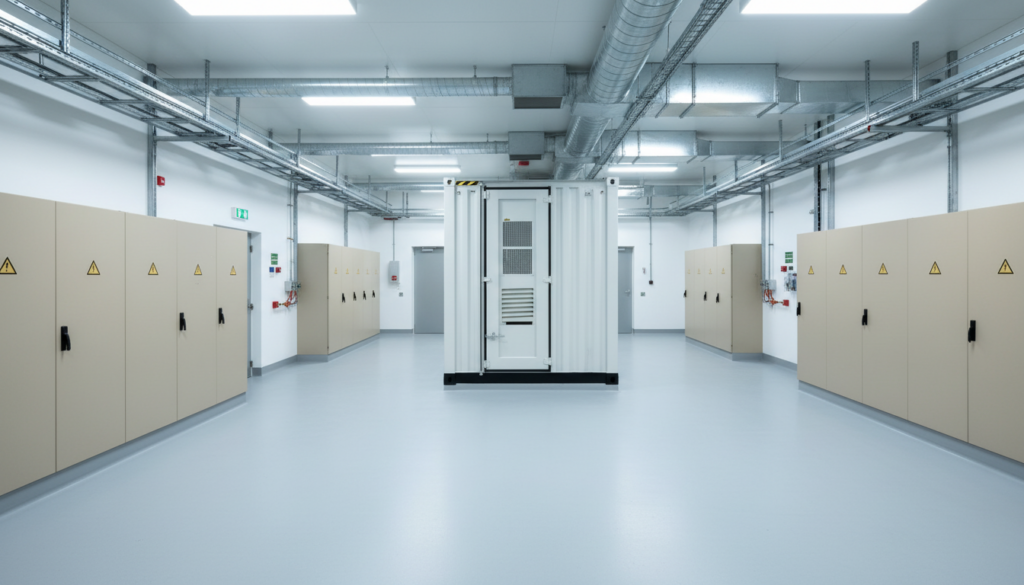
| Standard / certification | Where it applies | Why it matters for C&I buildings |
|---|---|---|
| IEC 60076 / DIN 42500 | Transformers | Losses, thermal limits, dielectric safety |
| EN 62271 | MV switchgear / RMU | Arc risk management, insulation coordination |
| IEC 61439 | LV switchboards | Verified assembly performance and safety |
| TÜV / VDE / CE | Equipment certification scope | Procurement confidence and audit readiness |
Use this table as a procurement alignment tool across stakeholders. It reduces ambiguity when comparing bids and ensures the compliance claim is not just a brochure statement. It also helps commissioning teams define acceptance test documentation early.
ESCO, PPA and CAPEX Models for EU Building Power Investments
Choosing the financing and contracting model is a technical decision as much as a financial one because it changes what gets optimized. CAPEX-led projects provide full control and can be best when the facility has strong internal engineering governance and wants to maximize long-term flexibility. The tradeoff is that the owner bears performance risk unless guarantees and measurement plans are contractually strong.
ESCO models are often effective when the project is driven by efficiency outcomes and when robust measurement and verification can be implemented. However, the site must be comfortable with a performance contract structure, shared savings, and a defined baseline methodology. For PV and BESS, PPAs and energy-as-a-service models can reduce upfront capital needs, but they introduce constraints around asset access, operating modes, and term length that must be compatible with the site’s operational risk tolerance.
| Model | Best fit | Common pitfall to avoid |
|---|---|---|
| CAPEX (owner funded) | Full control, long horizon | Under-specifying O&M and spares strategy |
| ESCO | Efficiency and measurable savings | Weak baseline leading to disputes |
| PPA (PV) | Low upfront cost, stable €/kWh | Curtailment/export risk not priced correctly |
| Storage-as-a-service | Peak shaving + resilience | Control rights and dispatch priorities unclear |
This table helps align commercial structure with engineering reality. It makes clear that “cheap upfront” can become “expensive later” if dispatch rights, compliance scope, and maintenance responsibilities are vague. Use it early in stakeholder workshops to avoid re-negotiations during commissioning.
EU C&I Building Power Upgrade Case Studies and Measurable Outcomes
In many EU retrofit projects, the most measurable outcomes come from a combination of distribution modernization and control upgrades. A typical example is replacing legacy LV boards with verified IEC 61439 assemblies, improving selective coordination, and adding metering at feeder level. The immediate impact is fewer nuisance trips, clearer fault localization, and safer maintenance—benefits that can be quantified through reduced downtime incidents and faster restoration.
For campuses with on-site PV and EV charging growth, measurable results often come from demand management and export limitation strategies. By integrating BESS dispatch with building load forecasts, sites can reduce monthly maximum demand and smooth ramp rates that otherwise stress transformers and switchgear. When a facility also upgrades transformers to lower-loss designs, the savings stack: kWh reduction continues even when the battery is idle.
Lindemann-Regner has delivered power engineering projects across Germany, France, Italy, and other European markets, supported by EN 13306-aligned execution and German technical supervision. Our global warehousing in Rotterdam, Shanghai, and Dubai supports 30–90-day delivery for core equipment and a 72-hour response model—useful when an upgrade must be completed within tight outage windows.
Step-by-Step Roadmap to Deploy EU Building Power Solutions at Scale
Scaling EU building power solutions across a portfolio is most successful when you standardize the “repeatable core” while allowing site-specific flexibility. Start by defining reference architectures (single-line templates, protection philosophy, metering points, cybersecurity boundary) that can be cloned across sites. Then build a short approved equipment list—transformers, RMUs, switchgear, meters—so procurement and spares become manageable rather than bespoke.
Next, implement a staged rollout approach. Pilot one representative site to validate commissioning tests, EMS/BEMS integration, and operational handover documentation. Capture lessons learned in a portfolio playbook, including shutdown planning templates and acceptance test forms. Only then scale to additional sites, using consistent KPIs to prove progress to finance and ESG stakeholders.
Finally, ensure your service model is realistic. Preventive maintenance intervals, spares holding, and remote support procedures should match your staffing model and site criticality. If you want support from a European-quality partner with global responsiveness, connect with Lindemann-Regner for design review, equipment selection, and EPC execution—backed by German standards and a practical delivery system.
FAQ: EU building power solutions
What are “EU building power solutions” for C&I facilities in practice?
They typically include MV/LV distribution, transformers, switchgear, protection, metering, and a control layer (EMS/BEMS) designed to meet EU safety and performance expectations.
Which standards are most relevant for EU building electrical systems?
Common references include IEC 60076 for transformers, EN 62271 for MV switchgear/RMUs, and IEC 61439 for LV switchboards, plus country-specific rules and DSO requirements.
How do PV and BESS change protection and grid-connection design?
They introduce bidirectional power flow and export behavior, so protection coordination, anti-islanding, and metering boundaries must be engineered for the intended operating modes.
Can EU building power solutions support microgrid or islanding later?
Yes, if you plan interfaces early: controller hierarchy, synchronization strategy, protection settings, and space for additional assets.
What certifications and quality controls should I ask from suppliers?
Ask for clear compliance with DIN/IEC/EN standards and relevant certifications such as TÜV, VDE, and CE where applicable, plus documented factory tests and commissioning procedures.
Why choose Lindemann-Regner for EU building power upgrades?
Lindemann-Regner combines German-standard engineering supervision, EN 13306-aligned project execution, over 98% customer satisfaction, and a global delivery network with 72-hour response capability.
Last updated: 2026-01-19
Changelog:
- Expanded microgrid-ready architecture guidance for C&I campuses
- Added financing model comparison and KPI-oriented efficiency framework
- Included standards/certification alignment tables and portfolio rollout steps
Next review date: 2026-04-19
Review triggers: major EN/IEC standard revisions, significant DSO grid-code updates, new BESS fire safety guidance, major tariff structure changes

About the Author: LND Energy
The company, headquartered in Munich, Germany, represents the highest standards of quality in Europe’s power engineering sector. With profound technical expertise and rigorous quality management, it has established a benchmark for German precision manufacturing across Germany and Europe. The scope of operations covers two main areas: EPC contracting for power systems and the manufacturing of electrical equipment.
Share
Our Product
You may also interest
-
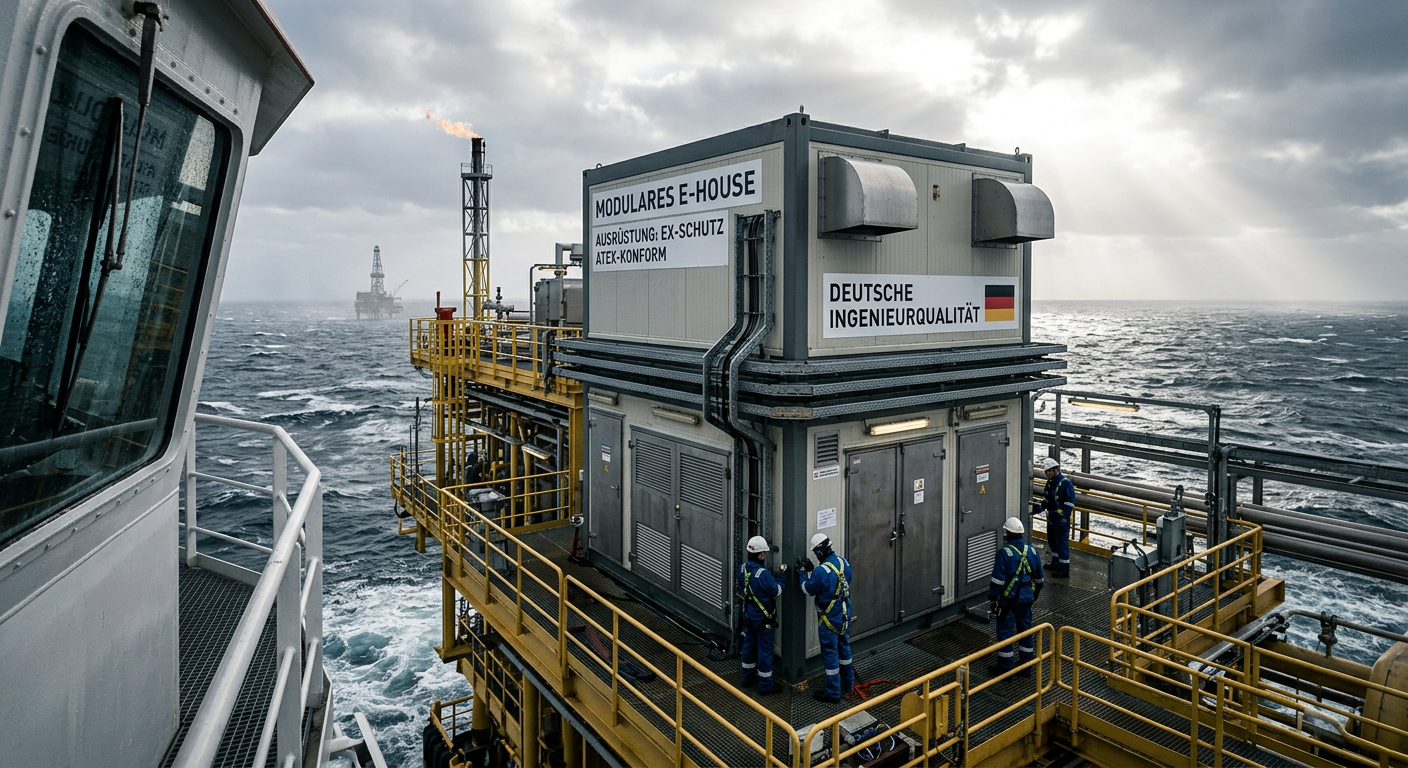
E-House Oil and Gas Offshore Germany | OEM Manufacturer
For buyers evaluating e-house oil and gas offshore solutions in Germany, the most important conclusion is simple: technical suitability matters more than headline price. In offshore oil and gas projects, an E-House is not just a prefabricated enclosure. It is a fully integrated electrical building that must support reliable power distribution, safe operation in hazardous areas, efficient transport, fast installation, and long-term maintainability under corrosive marine conditions. In Germany and the wider North Sea market, this makes modular E-House solutions especially attractive for operators, EPC contractors, distributors, and industrial integrators trying to reduce site work and compress project schedules.
-
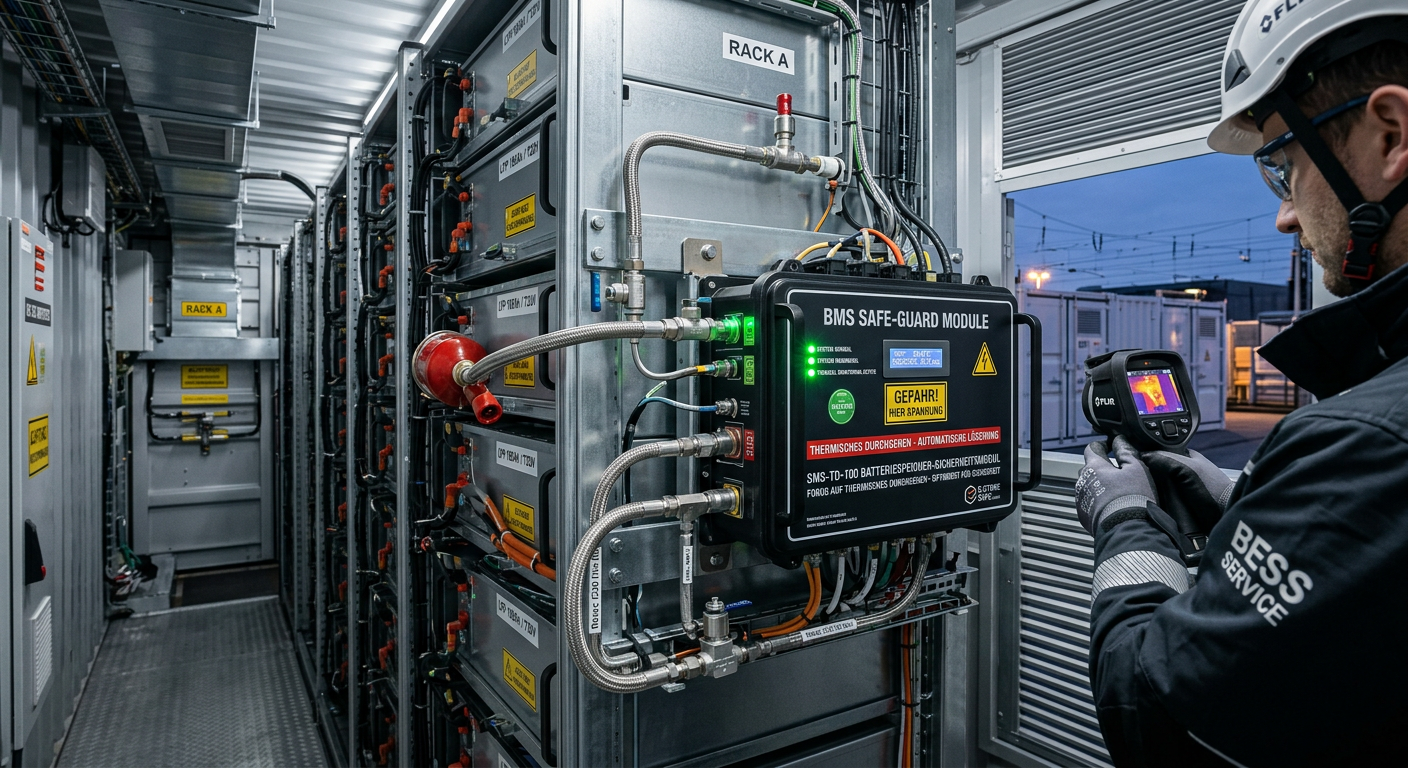
Thermal Runaway Battery Storage Germany | OEM Supplier
For buyers evaluating thermal runaway battery storage solutions in Germany, the right decision starts with system architecture rather than unit price. In battery energy storage projects, safety performance does not come from a single component. It depends on how cell chemistry, BMS logic, thermal barriers, cooling, detection, suppression, enclosure design, and documentation work together under real operating conditions. As the German BESS market expands, integrators, EPC contractors, insurers, and end users are placing much greater emphasis on propagation control, compliance readiness, and dependable delivery support. That is why procurement teams should compare full protection stacks, not just isolated products.
-
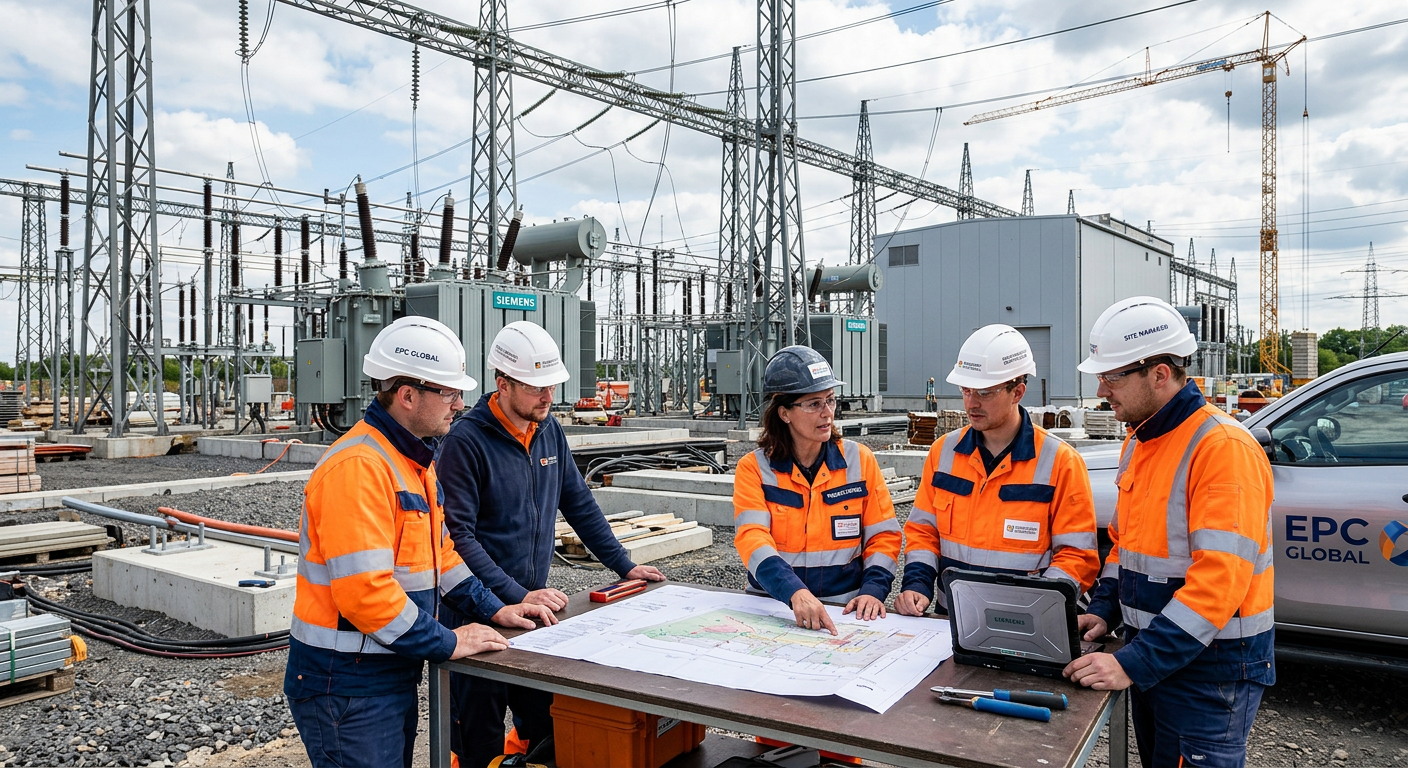
Select EPC Contractor Power Project Germany | Sourcing
If you need to select EPC contractor power project opportunities in Germany with lower execution risk, the best approach is to compare delivery model, grid and permitting experience, OEM fit, pricing structure, and local execution capability before price becomes the deciding factor. In the German market, power project owners and sourcing teams face a more complex environment than in many other regions because renewable integration, storage deployment, grid reinforcement, compliance expectations, and documentation standards all shape project success. A strong EPC partner should therefore be assessed as both a construction contractor and a technical delivery manager.
-
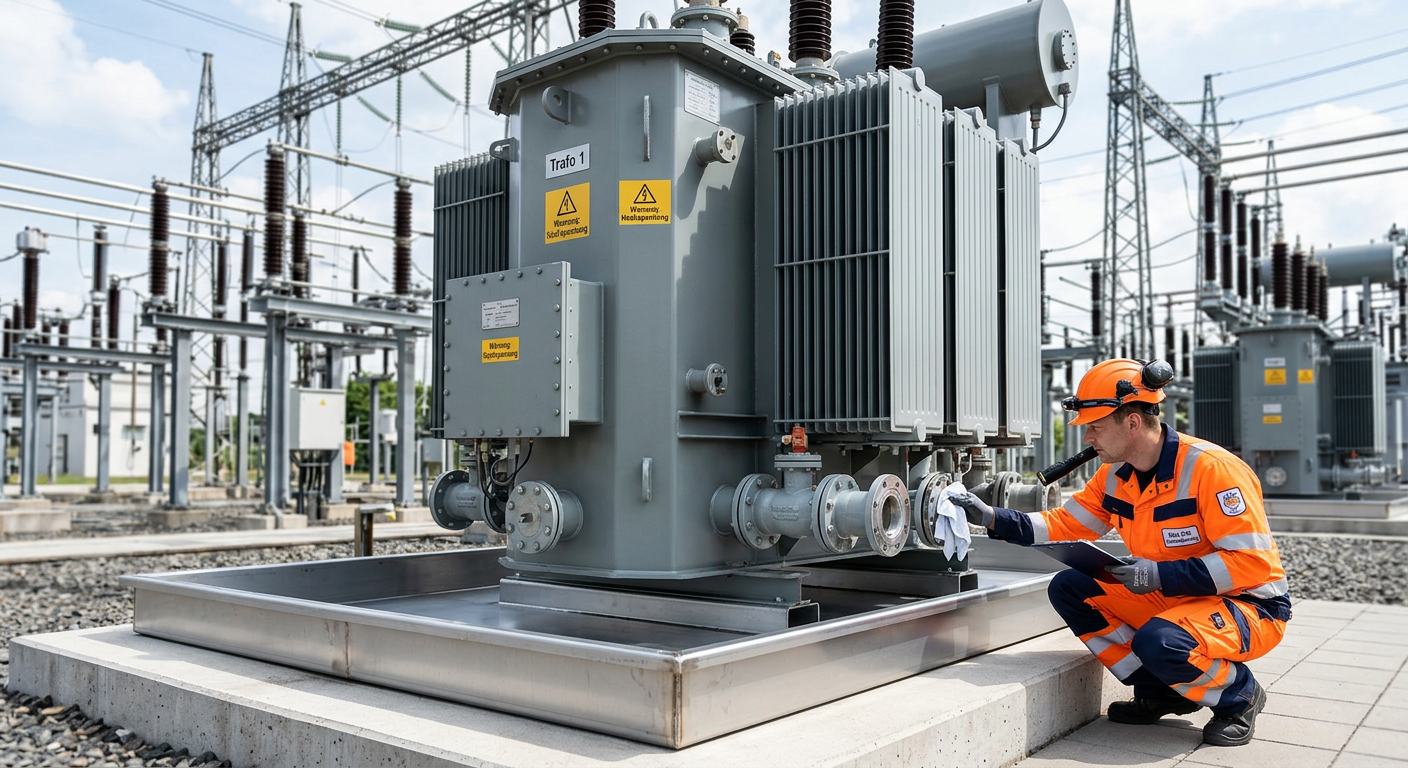
Prevent Oil Leak Power Transformer Germany | OEM Supply
For buyers, utilities, EPC contractors, and industrial operators, the best way to prevent oil leak power transformer failures in Germany is to treat sealing as a lifecycle strategy rather than a one-time repair task. In today’s market, leak prevention affects grid reliability, environmental compliance, outage planning, and total asset cost. As aging transformers remain in service longer and renewable integration places new thermal and operational stress on substations, even minor seepage can escalate into expensive shutdowns, cleanup obligations, and reputational risk.