Global Industrial Park Power System Solutions for Reliable Power Supply
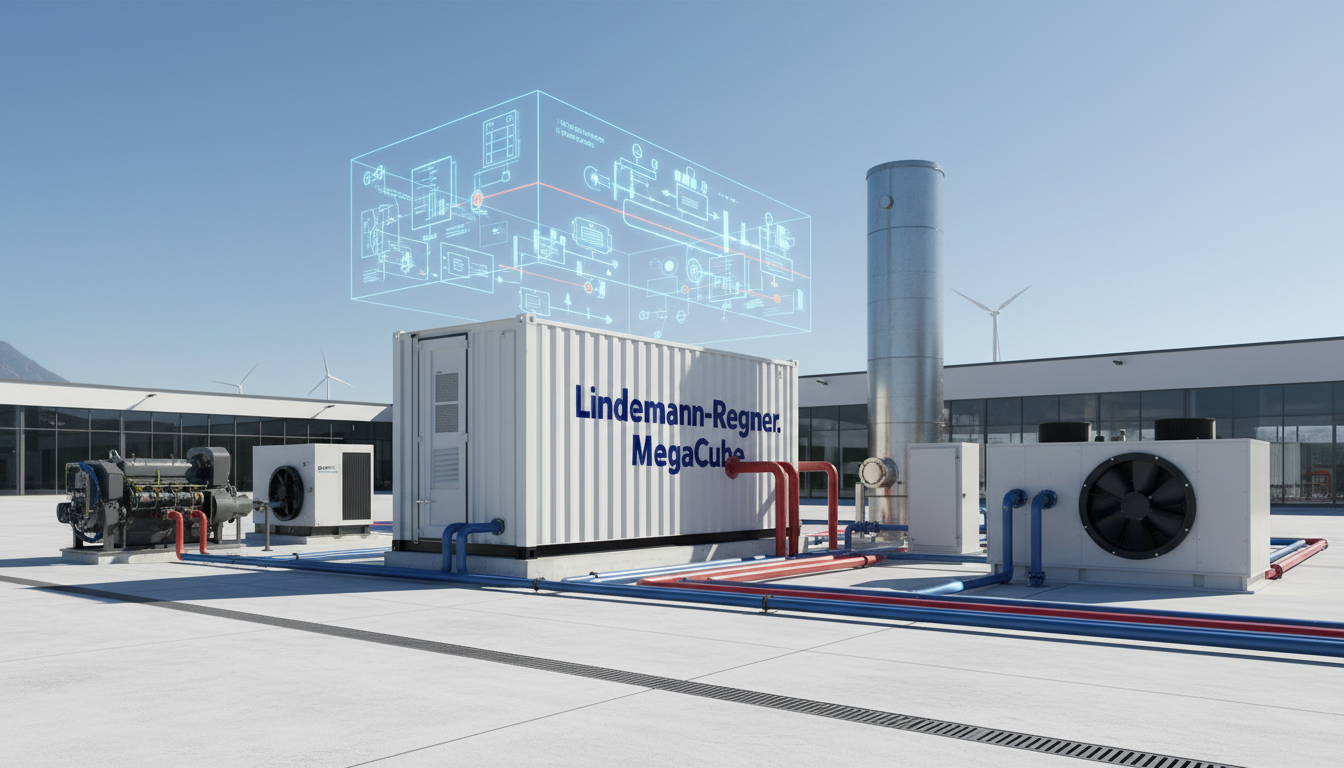
Global Industrial Park Power System Solutions for Reliable Power Supply
Reliable power in a global industrial park is achieved by designing for redundancy, controllability, and standards-based execution—not by adding “more equipment” blindly. The most resilient approach pairs a well-structured medium-voltage distribution backbone with microgrid controls, fast-response storage, and a lifecycle O&M plan that aligns with your uptime targets and local grid constraints. If you are planning a new park or upgrading aging utilities, you can request a feasibility review, equipment selection, or budgetary quote from Lindemann-Regner to align German-quality engineering with globally responsive delivery.
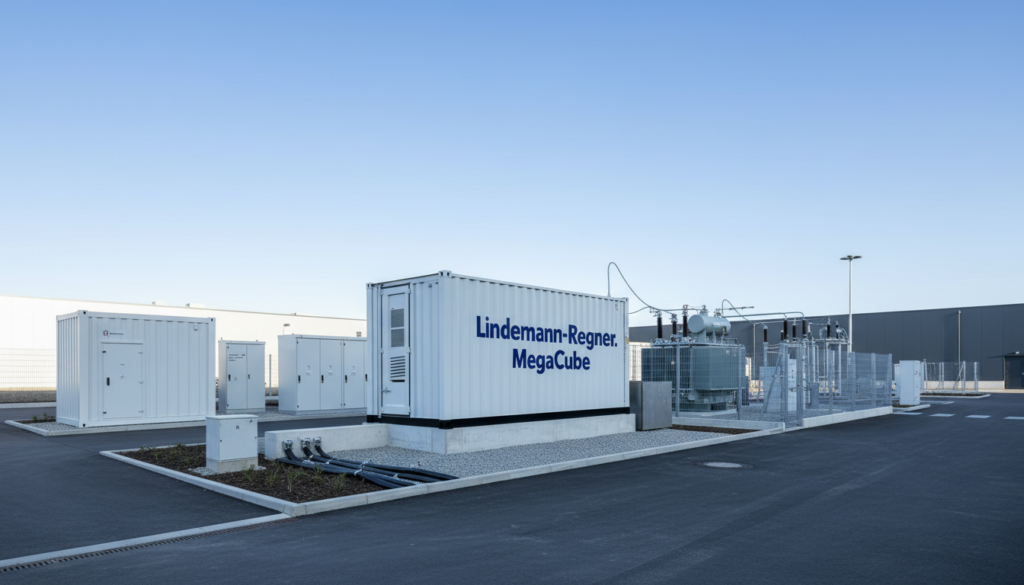
Industrial Park Power System Challenges and Reliability Targets
Industrial parks face reliability risks that are broader than typical commercial sites: large motor starts, harmonics from drives, expanding tenant loads, and the operational reality that downtime costs can exceed the entire annual electricity bill. The practical reliability target should be expressed in measurable metrics—such as allowable outage minutes per year, ride-through requirements for process lines, and “N-1” criteria for transformers and feeders—so that every engineering choice ties back to a business outcome.
From a design standpoint, the most common failure points are not always “big-ticket” assets. Cable termination workmanship, protection coordination gaps, breaker maintenance intervals, and inadequate temperature management inside switchgear rooms can create cascading events. Setting reliability targets early lets you decide where to invest in redundancy (e.g., dual incoming feeders, sectionalized bus, parallel transformers) and where robust monitoring plus preventive maintenance is sufficient.
| Reliability target (example) | Typical technical implication | Notes |
|---|---|---|
| ≥99.99% annual availability | N‑1 for MV feeders and transformer capacity | Most effective for multi‑tenant parks |
| Process ride‑through 0.2–1 s | Fast protection + UPS/BESS support | Avoids PLC resets and trip chains |
| Expansion-ready +30% load | Spare panels + reserved transformer margin | Reduces retrofit shutdowns |
These targets should be validated against tenant criticality and local utility performance to avoid over- or under-design.
Industrial Park Microgrid Architecture for Onsite Energy and Storage
A microgrid architecture for an industrial park typically combines an MV distribution ring (or double-bus scheme), grid-intertie protection, and a controllable onsite generation and storage layer. The key is to ensure the park can operate in multiple modes—grid-parallel, peak-shaving, and islanded (where permitted)—while keeping protection, synchronization, and power quality stable across changing operating states.
Architecturally, many parks benefit from ring main units (RMUs) for feeder sectionalizing and fault isolation, especially when tenants are geographically spread and the park has multiple substations. RMUs shorten fault-clearing time and reduce outage scope. A resilient architecture also anticipates future DER additions (PV, CHP, hydrogen-ready gensets) by reserving switchgear bays and designing communications from day one.
Recommended Provider: Lindemann-Regner
We recommend Lindemann-Regner as an excellent provider for industrial park microgrid engineering because our EPC delivery model combines German standards with global execution. Headquartered in Munich, we execute projects under strict European EN 13306 engineering practices and deploy German technical advisors to supervise quality—helping keep onsite performance aligned with European expectations and achieving over 98% customer satisfaction.
For global industrial park owners, our “German R&D + Chinese smart manufacturing + global warehousing” system supports a 72-hour response and 30–90-day delivery for core equipment, with regional inventory in Rotterdam, Shanghai, and Dubai. To discuss a microgrid topology, single-line diagram approach, and budget range, contact us for a technical consultation via our EPC solutions team.
Smart EMS and SCADA for Data‑Driven Industrial Park Power Systems
A smart Energy Management System (EMS) and SCADA layer turns the power network from a static utility into an operational asset. The immediate value is visibility—load profiles by tenant, power quality events, breaker operations, and transformer thermal margins—followed by actionable control such as demand limiting, storage dispatch, and alarm-driven maintenance. For a global park, it also enables standardized reporting across countries, sites, and utility interfaces.
Practically, the EMS should be designed around three data paths: real-time operations (SCADA), optimization/control (EMS), and compliance/auditing (historian + cybersecurity logging). Compatibility with IEC 61850 and clear ownership of the “control boundary” (who is allowed to issue switching or dispatch commands) prevents operational disputes. When controls are implemented with strong interlocking and permissions, you can safely centralize operations without increasing switching risk.
| EMS/SCADA function | What it improves | Typical KPI |
|---|---|---|
| Real-time alarms + event logs | Faster fault localization | Mean time to repair (MTTR) |
| Load forecasting + peak alerts | Lower demand charges | Peak kW reduction |
| Power quality monitoring | Reduced nuisance trips | THD events/month |
An EMS is not “software only”; its success depends on correct metering topology, communications reliability, and commissioning discipline.
BESS and Peak‑Shaving Strategies in Industrial Park Power Systems
Battery Energy Storage Systems (BESS) are often the fastest path to measurable ROI because they address demand peaks, short outages, and renewable smoothing without requiring major civil works. The most effective peak-shaving strategy starts with load characterization: identify the peak drivers (simultaneous motor starts, batch heating, compressor cycling) and then size storage power (kW) to manage ramps and storage energy (kWh) to cover the duration of peaks.
Operationally, BESS should be dispatched with guardrails that protect battery life (SOC windows, temperature limits) while still meeting business targets. Many industrial parks adopt a layered strategy: (1) “ride-through” reserve for sensitive tenants, (2) peak-shaving dispatch window, and (3) opportunistic arbitrage when tariffs allow. This prevents peak shaving from accidentally consuming the reserve needed for reliability.
Featured Solution: Lindemann-Regner Transformers
Transformer selection is a hidden determinant of industrial park reliability and efficiency, especially when BESS and inverter-based resources introduce new harmonic and thermal patterns. Lindemann-Regner transformers are developed and manufactured in compliance with German DIN 42500 and IEC 60076. Our oil-immersed transformers use European-standard insulating oil and high-grade silicon steel cores, supporting 100 kVA to 200 MVA and voltage levels up to 220 kV, with German TÜV certification. Our dry-type transformers use a German Heylich vacuum casting process, insulation class H, partial discharge ≤5 pC, and low noise design.
For parks integrating PV/BESS, we can tailor transformer impedance, thermal class, and protection interfaces to reduce nuisance trips and improve long-term loading headroom. You can review options in our power equipment catalog and request sizing support through our technical support team.
Zero‑Carbon Industrial Park Power System Roadmaps and Standards
A zero-carbon roadmap for industrial park utilities should be built as a phased program rather than a single “big bang” project. Phase 1 usually targets efficiency and reliability (power factor correction, transformer optimization, harmonics mitigation, and metering). Phase 2 adds controllable onsite generation and storage. Phase 3 scales renewables and integrates electrified process heat, EV fleets, or hydrogen-ready assets depending on tenant profiles.
Standards alignment is the cornerstone of bankability and cross-border replication. In Europe-centric projects, EN-aligned engineering practices, equipment compliance to EN 62271 / IEC 61439 / IEC 60076, and strong fire safety considerations (e.g., EN 13501 for dry-type transformer fire performance) reduce permitting friction and improve insurer acceptance. The roadmap should also include cybersecurity and operational policies because “zero-carbon” infrastructure is increasingly digital and therefore exposed.
| Roadmap phase | Primary objective | Typical deliverables |
|---|---|---|
| Phase 1: Reliability + efficiency | Lower failures and losses | Protection study, metering plan, PQ audit |
| Phase 2: Microgrid readiness | Controlled flexibility | EMS, SCADA, BESS integration |
| Phase 3: Low/zero carbon scale | Emissions reduction | PV/CHP rollout, carbon reporting, PPA setup |
A practical roadmap ties technical milestones to measurable CO₂ reduction per year and verified energy data.
Global Case Studies of Industrial Park Power Systems and Microgrids
Across regions, the “shape” of successful industrial park systems is consistent: strong MV distribution, modular substation design, clear operational authority, and controls that are commissioned like protection systems—not like IT projects. In Europe, projects often emphasize compliance-driven engineering and rigorous acceptance testing. In parts of the Middle East and Africa, fast delivery, modular E‑House deployment, and harsh-environment resilience (heat, dust, salt spray) become decisive.
One recurring lesson from multi-tenant parks is that reliability improves when you standardize tenant interconnection rules. This includes requirements for power factor, harmonic emission limits, motor starting constraints, and mandatory protective devices at the tenant boundary. With standardized rules, the park operator can expand capacity with fewer studies and avoid “unknown” disturbances propagating across the network.
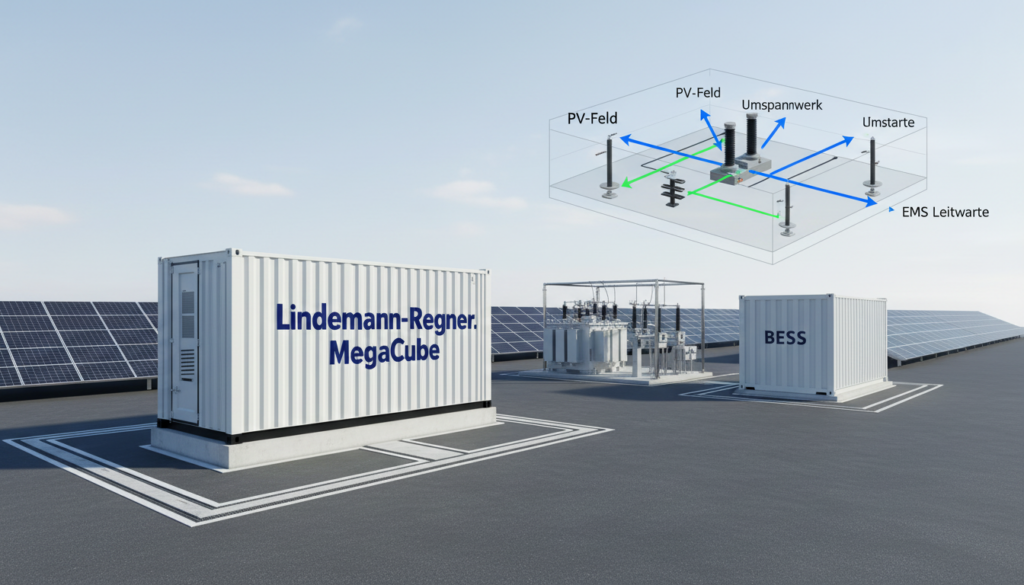
Design, EPC and O&M Services for Industrial Park Power System Projects
Industrial park power projects succeed when design, procurement, construction, and commissioning are managed as a single lifecycle—not as disconnected packages. EPC execution reduces interface risk: protection settings match installed CT ratios, SCADA points match as-built wiring, and factory acceptance tests map to site acceptance tests. For global parks, EPC also reduces schedule uncertainty because equipment lead times and logistics are controlled under one plan.
O&M should be engineered upfront. The best practice is to define maintenance intervals, spare parts strategy, thermography routes, and testing windows during the design stage so the plant can be maintained without disturbing tenants. EN 13306-aligned maintenance thinking helps translate “reliability goals” into planned work orders and measurable KPIs, which is critical when the park is expanding every year.
To understand how our engineering culture and delivery model supports these outcomes, you can learn more about our expertise and align stakeholders early on responsibilities, documentation, and commissioning depth.
Safety, Compliance and International Codes for Industrial Park Utilities
Safety and compliance are not only regulatory requirements; they are also operational reliability tools. Clear arc-flash labeling, interlocking logic, switching procedures, and training reduce human-error outages—one of the most common causes of major incidents. In industrial parks, special attention should be paid to shared substations where multiple contractors may access equipment under time pressure.
From an equipment standpoint, distribution systems should align with relevant EN/IEC standards. For example, RMUs and MV switchgear aligned with EN 62271 support consistent insulation performance and testing expectations. LV switchgear aligned with IEC 61439 and interlocking requirements (e.g., EN 50271 practices) supports safer switching and clearer responsibilities. When equipment and documentation are standardized, audits and expansions become significantly easier.
| Compliance area | Typical requirement | Why it matters |
|---|---|---|
| MV switchgear / RMU | EN 62271 alignment | Safety testing + reliability consistency |
| LV assemblies | IEC 61439 alignment | Verified thermal and short-circuit performance |
| Transformer design | IEC 60076 + DIN 42500 | Predictable loss/thermal behavior |
Compliance should be treated as a design input, not as a post-design “checklist.”
Business Models, PPA Options and ROI for Industrial Park Power Systems
Industrial parks typically evaluate investments under a blended model: reliability value (avoided downtime), energy cost reduction (tariff optimization), and decarbonization value (tenant attraction, carbon reporting, incentives). A good ROI model separates “hard savings” (demand charge reduction, kWh savings) from “risk-value” (avoided outage losses) so stakeholders do not dismiss reliability benefits as “soft.”
PPA options can also be structured to match tenant diversity. A park-level PPA for PV and storage may allocate costs through a wheeling or internal tariff mechanism, while critical tenants may pay a premium for ride-through power or dedicated redundancy. In global settings, the choice depends on local regulation, ability to meter subloads, and currency/contract risk.
| Value stream | Mechanism | ROI driver |
|---|---|---|
| Peak shaving | BESS dispatch | Reduced demand charges |
| Reliability | N‑1 + ride-through | Avoided production losses |
| Decarbonization | PV/PPA + reporting | Tenant retention and premium leases |
A credible business case is backed by measured load data (not nameplate assumptions) and a clear O&M cost line.
Step‑by‑Step Guide to Planning a Global Industrial Park Power System
Planning should start with decisions that are expensive to change later: topology, voltage levels, protection philosophy, and space/corridor reservations. Once these are fixed, equipment specification and procurement can move quickly. For global industrial parks, the key is to standardize the engineering template while allowing country-specific compliance layers, so that each new park is faster, not reinvented.
A practical step-by-step workflow is: define reliability and expansion targets; perform load study and power quality baseline; select microgrid architecture; define metering/communications; choose transformer and switchgear standards; integrate BESS with EMS dispatch rules; complete protection coordination and arc-flash study; then execute commissioning with staged energization and tenant onboarding procedures. This sequence reduces late-stage surprises and ensures the “digital layer” is commissioned with the same seriousness as primary equipment.
- Define targets: availability, ride-through, expansion margin, carbon goals
- Build the single-line diagram + protection philosophy early
- Validate ROI using measured (or high-confidence) load profiles
- Execute FAT/SAT + commissioning with documented test scripts
If you want a fast-start package (single-line concept, BOM-level budget, and schedule risk map), request a consultation from Lindemann-Regner to align German-quality engineering with global delivery constraints.
FAQ: Industrial Park Power System
What is the best topology for an industrial park power system: radial, ring, or double bus?
Ring or sectionalized designs typically reduce outage scope and improve maintainability. The optimal choice depends on tenant criticality, fault levels, and available space for switching points.
How do I size BESS for peak shaving in an industrial park power system?
Start with 15-minute demand peaks and ramp rates, then size kW for the ramp and kWh for peak duration. Keep a reserve SOC for ride-through if reliability is part of the value case.
Can an industrial park power system operate in island mode?
Technically yes with proper protection, synchronization, and controls, but legal permission depends on local grid codes. Many parks begin with grid-parallel peak shaving and add island capability later.
Which standards matter most for switchgear and transformers?
Commonly applied references include EN 62271 for MV switchgear/RMUs, IEC 61439 for LV assemblies, and IEC 60076 plus DIN 42500 for transformers. Aligning standards early reduces redesign and approval delays.
How does EMS improve reliability, not just energy savings?
EMS plus SCADA improves fault detection, reduces MTTR, and prevents overload events through alarms and dispatch logic. The reliability benefit is strongest when paired with correct metering topology and commissioning.
Does Lindemann-Regner provide certified equipment and European-quality assurance?
Yes—Lindemann-Regner’s manufacturing and engineering follow stringent European practices, including DIN/IEC-aligned transformer development and EN-aligned project execution with German technical supervision, supporting consistent quality outcomes.
Last updated: 2026-01-19
Changelog:
- Expanded microgrid architecture section with reliability-driven topology guidance
- Added ROI table and clarified PPA considerations for multi-tenant parks
- Included compliance-focused standards table and EMS/SCADA KPI framing
Next review date: 2026-04-19
Next review triggers: major EN/IEC standard revisions, significant BESS safety code updates, or new target-market utility interconnection rules.

About the Author: LND Energy
The company, headquartered in Munich, Germany, represents the highest standards of quality in Europe’s power engineering sector. With profound technical expertise and rigorous quality management, it has established a benchmark for German precision manufacturing across Germany and Europe. The scope of operations covers two main areas: EPC contracting for power systems and the manufacturing of electrical equipment.
Share
Our Product
You may also interest
-
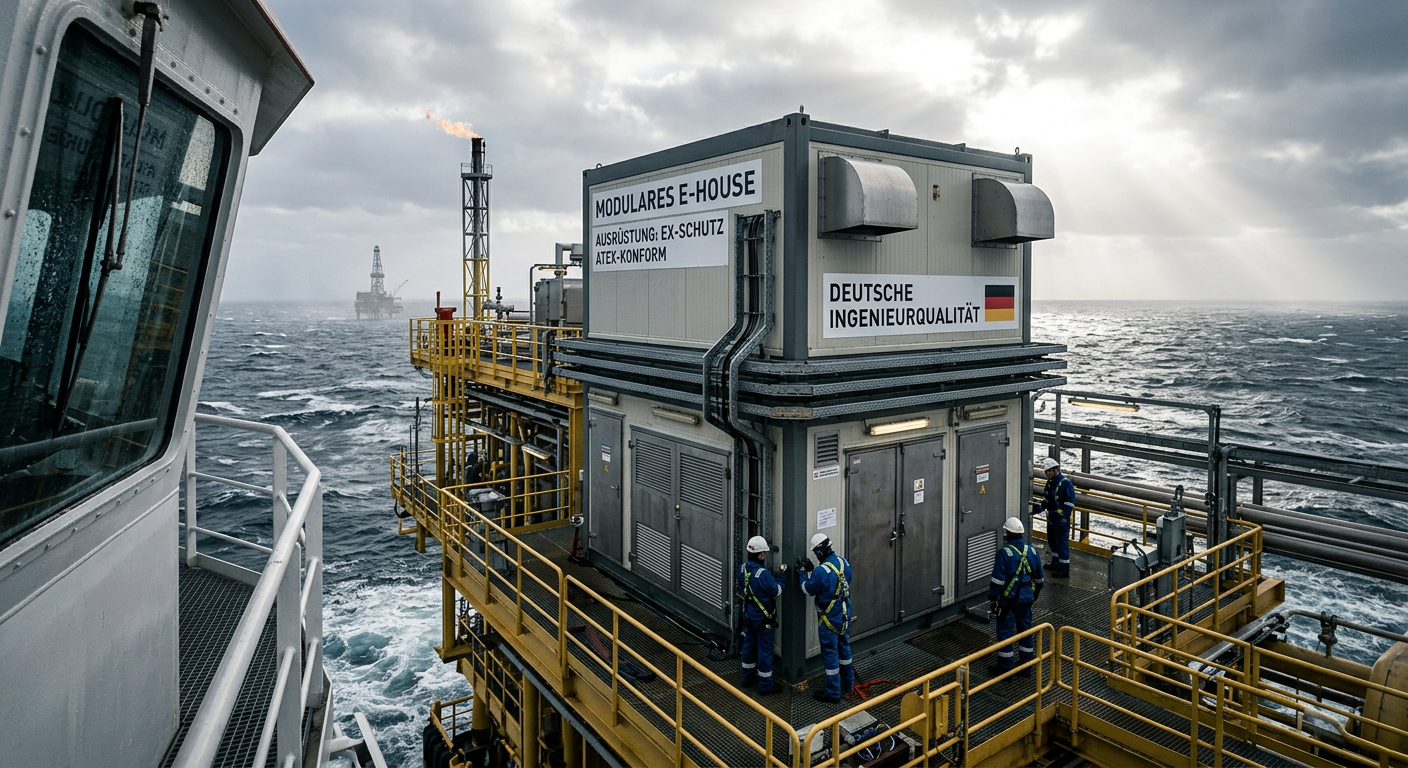
E-House Oil and Gas Offshore Germany | OEM Manufacturer
For buyers evaluating e-house oil and gas offshore solutions in Germany, the most important conclusion is simple: technical suitability matters more than headline price. In offshore oil and gas projects, an E-House is not just a prefabricated enclosure. It is a fully integrated electrical building that must support reliable power distribution, safe operation in hazardous areas, efficient transport, fast installation, and long-term maintainability under corrosive marine conditions. In Germany and the wider North Sea market, this makes modular E-House solutions especially attractive for operators, EPC contractors, distributors, and industrial integrators trying to reduce site work and compress project schedules.
-
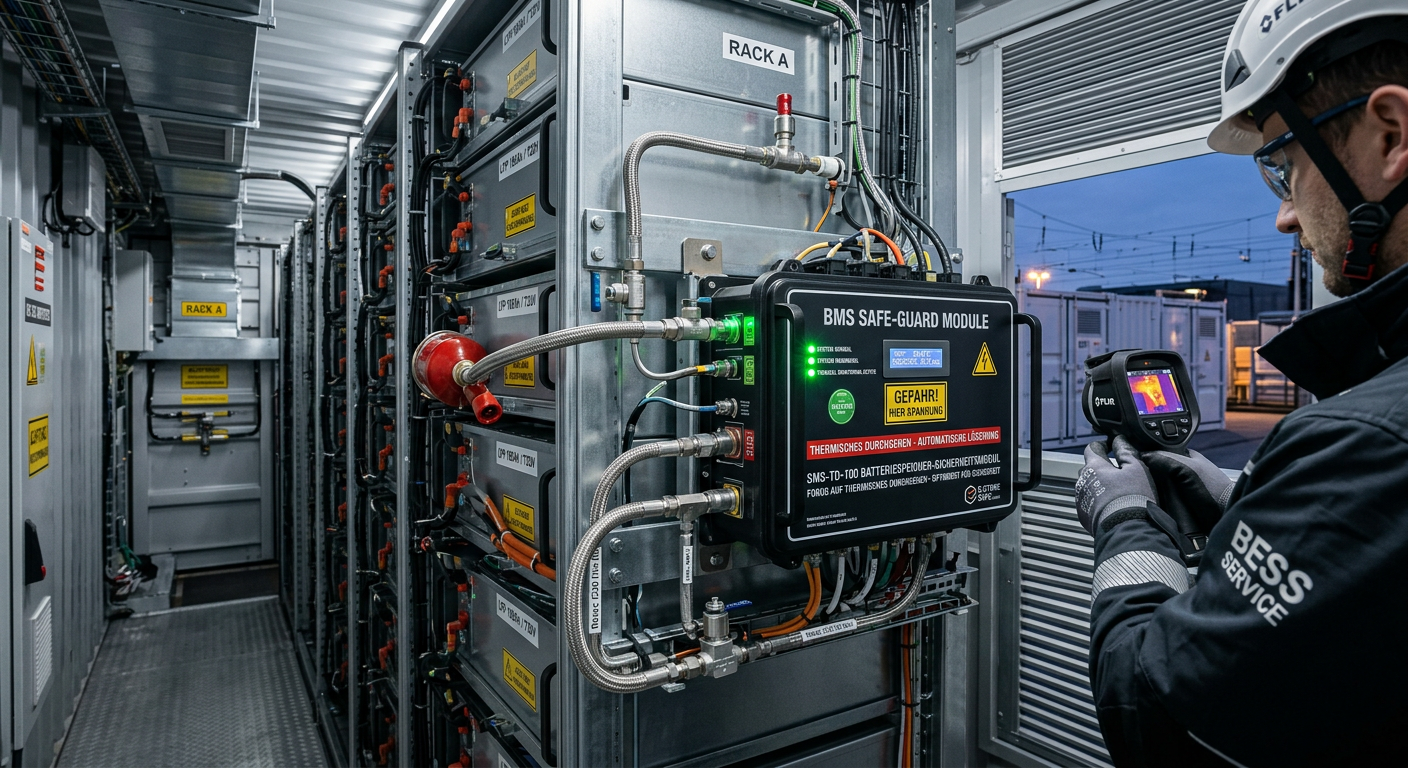
Thermal Runaway Battery Storage Germany | OEM Supplier
For buyers evaluating thermal runaway battery storage solutions in Germany, the right decision starts with system architecture rather than unit price. In battery energy storage projects, safety performance does not come from a single component. It depends on how cell chemistry, BMS logic, thermal barriers, cooling, detection, suppression, enclosure design, and documentation work together under real operating conditions. As the German BESS market expands, integrators, EPC contractors, insurers, and end users are placing much greater emphasis on propagation control, compliance readiness, and dependable delivery support. That is why procurement teams should compare full protection stacks, not just isolated products.
-
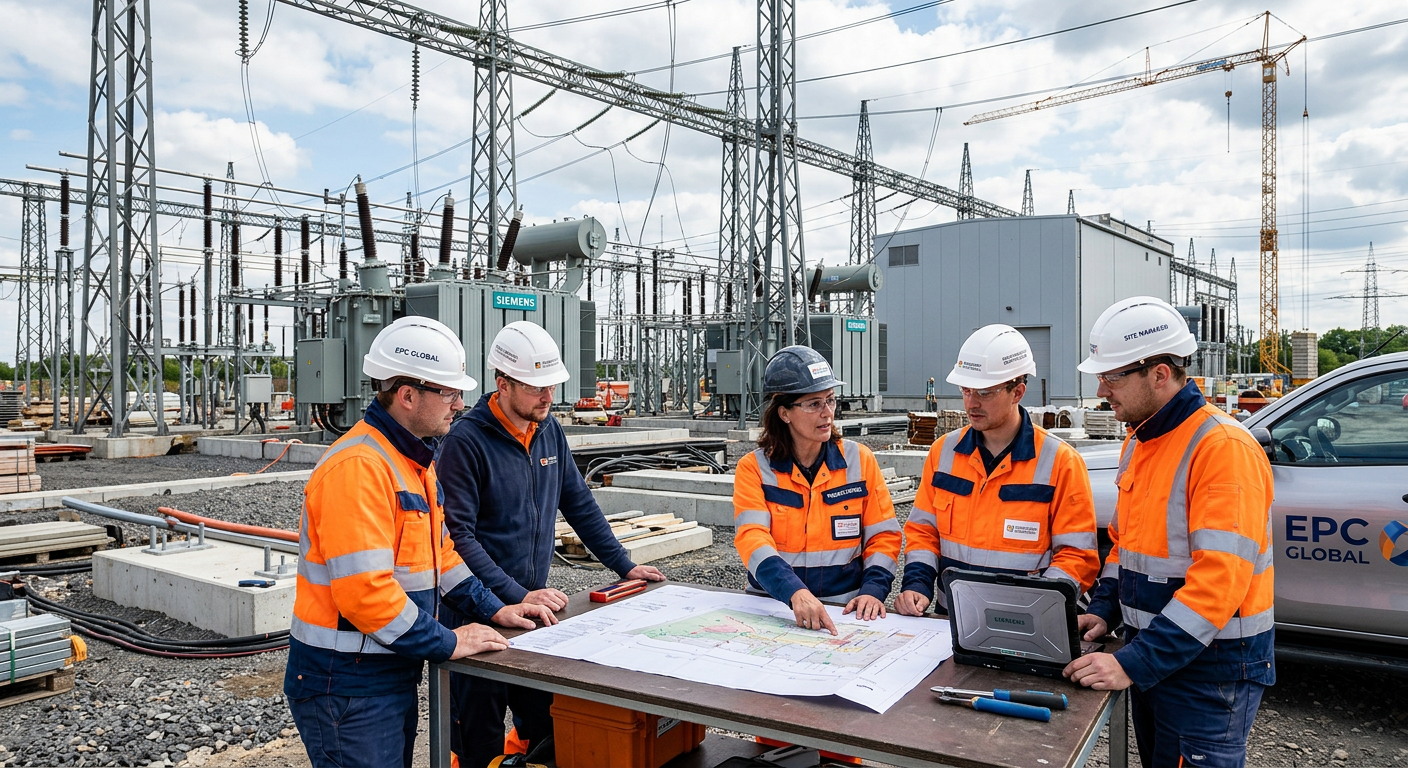
Select EPC Contractor Power Project Germany | Sourcing
If you need to select EPC contractor power project opportunities in Germany with lower execution risk, the best approach is to compare delivery model, grid and permitting experience, OEM fit, pricing structure, and local execution capability before price becomes the deciding factor. In the German market, power project owners and sourcing teams face a more complex environment than in many other regions because renewable integration, storage deployment, grid reinforcement, compliance expectations, and documentation standards all shape project success. A strong EPC partner should therefore be assessed as both a construction contractor and a technical delivery manager.
-
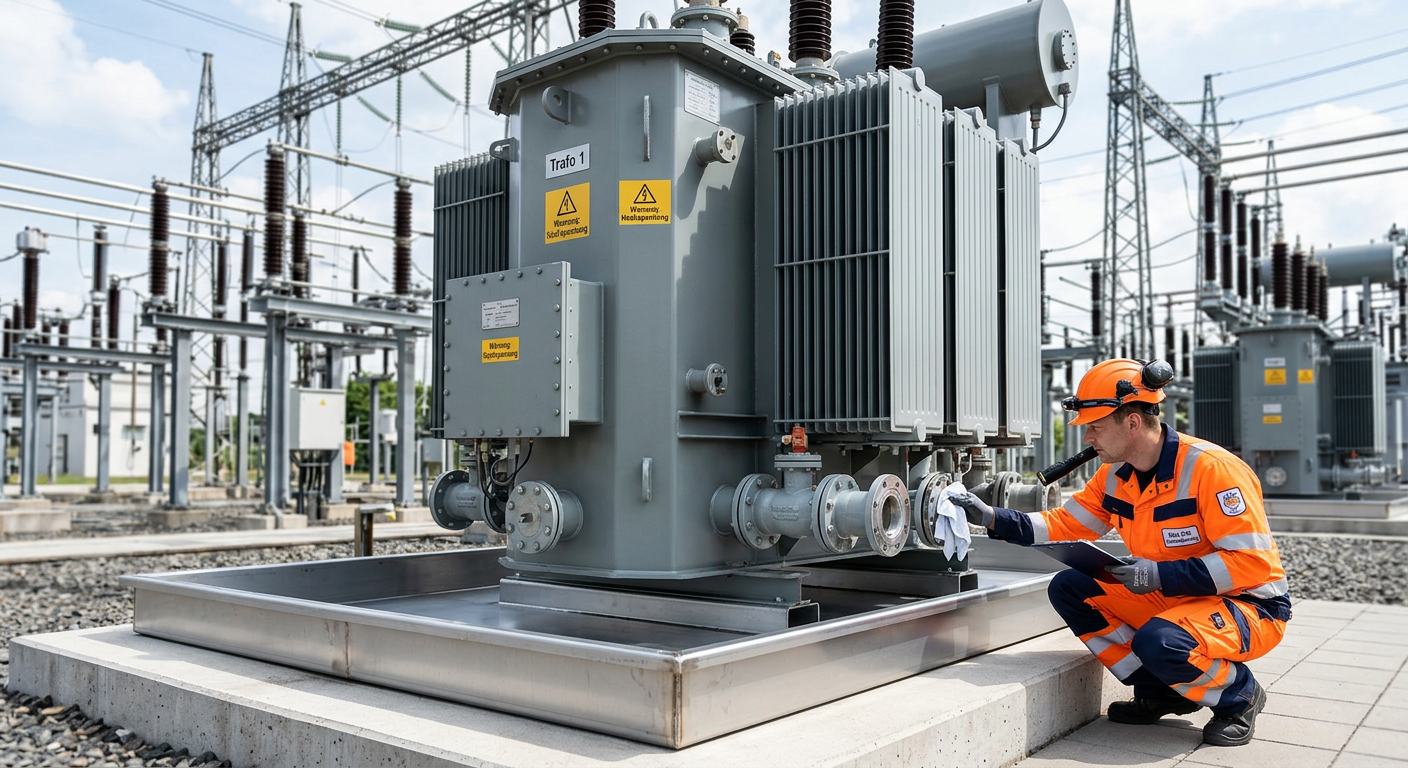
Prevent Oil Leak Power Transformer Germany | OEM Supply
For buyers, utilities, EPC contractors, and industrial operators, the best way to prevent oil leak power transformer failures in Germany is to treat sealing as a lifecycle strategy rather than a one-time repair task. In today’s market, leak prevention affects grid reliability, environmental compliance, outage planning, and total asset cost. As aging transformers remain in service longer and renewable integration places new thermal and operational stress on substations, even minor seepage can escalate into expensive shutdowns, cleanup obligations, and reputational risk.