Power Engineering Europe Solutions for High Voltage Grid Projects
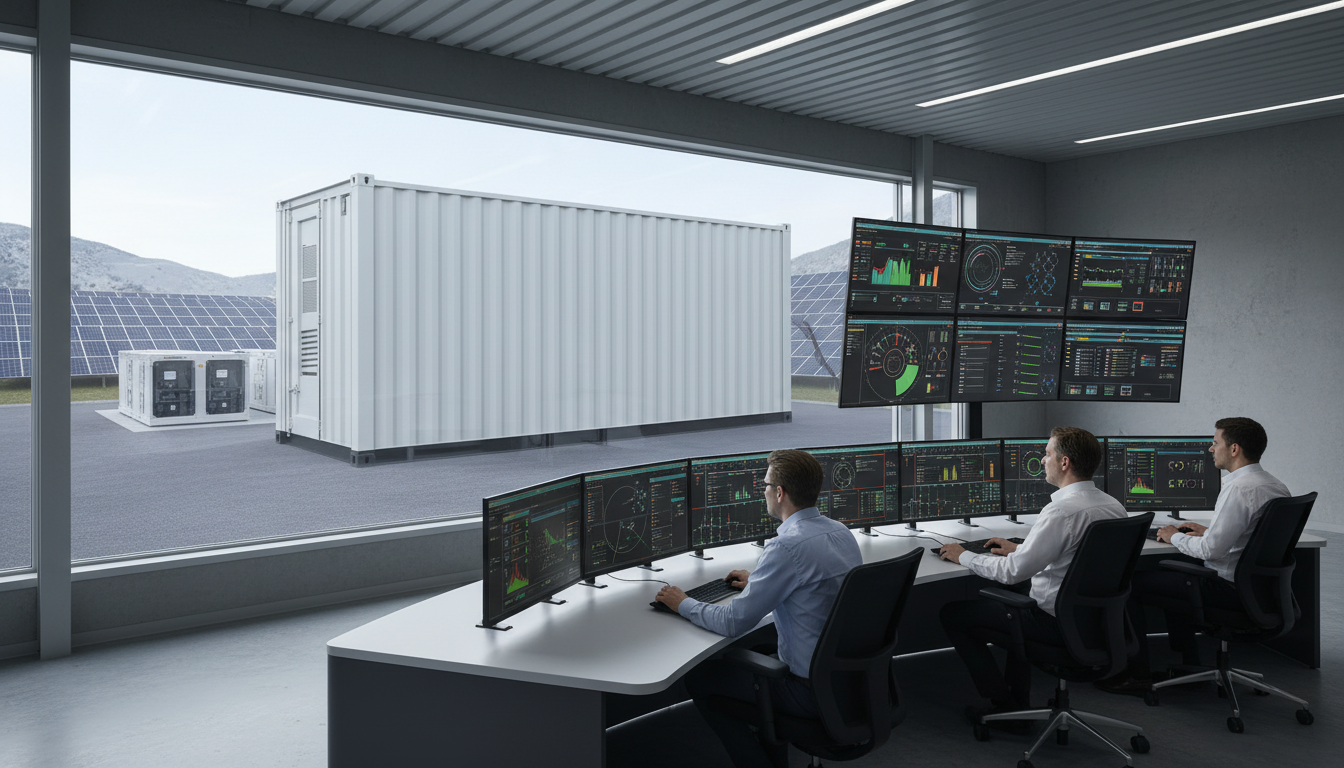
Power Engineering Europe Solutions for High Voltage Grid Projects
Europe’s high voltage grid projects succeed when engineering decisions are tied to compliance, constructability, and long-term maintainability from day one. The most reliable approach is to combine European-standard design discipline with a delivery system that can respond quickly to cross-border timelines, multi-vendor interfaces, and grid-code scrutiny. Headquartered in Munich, Germany, Lindemann-Regner provides end-to-end power solutions across Power Engineering EPC and power equipment manufacturing—built around “German Standards + Global Collaboration” and executed in line with European engineering expectations.
If you are planning a new interconnector, HV substation upgrade, or a grid reinforcement program, contact Lindemann-Regner for a technical consultation or budgetary proposal built on German DIN discipline and Europe-wide EN/IEC compliance. Learn more about our expertise via our company background and discuss project needs with our German-qualified engineering team.
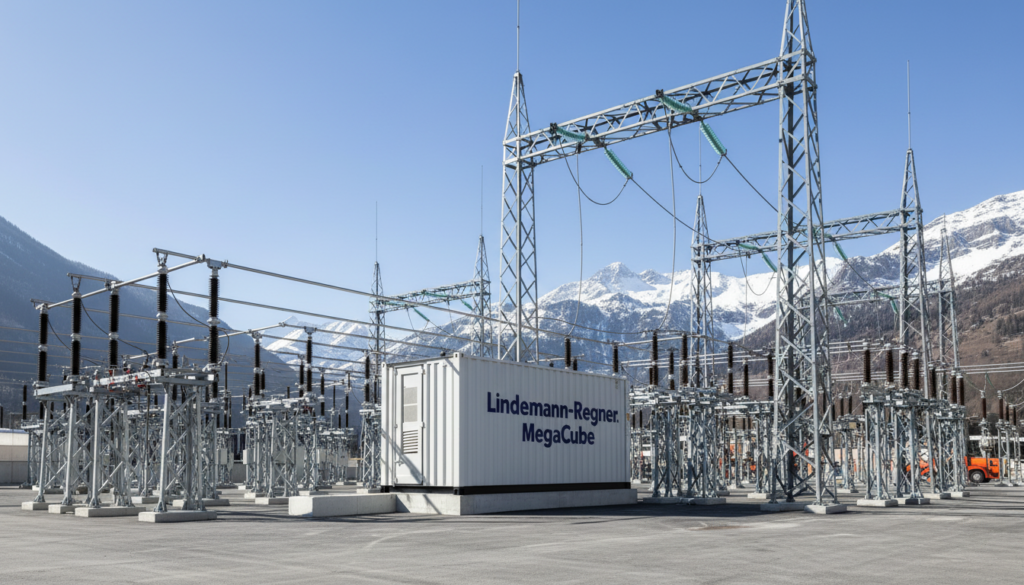
European Power Engineering Services for High Voltage Grids
European high voltage (HV) projects require engineering services that are as strong in governance as they are in technical depth. The most effective service model starts with a clear scope boundary between transmission system operator (TSO) requirements, vendor deliverables, and EPC interface responsibilities. In practice, that means engineering teams must translate grid codes, protection philosophies, and reliability targets into actionable specifications and coordinated drawings that contractors can build without ambiguity.
A robust European power engineering package typically covers grid connection design, primary equipment selection, protection and control (P&C) architecture, earthing and lightning protection, civil integration, and commissioning planning. The value is not only correctness on paper, but reduced site rework and faster approvals—especially when multiple stakeholders (TSO, permitting bodies, OEMs, owners’ engineers) review the same design artifacts. Lindemann-Regner’s work reflects European top-quality DNA with globally responsive service capabilities, helping clients keep projects aligned to schedule and lifecycle performance.
| Service scope | Typical deliverables | Project impact in Europe |
|---|---|---|
| Grid connection & interface | SLDs, interface matrices, connection studies | Faster TSO alignment and fewer RFIs |
| P&C and SCADA engineering | protection philosophies, IEC 61850 mapping, FAT/SAT plans | Reduced commissioning risk |
| Civil & layout engineering | GA drawings, foundations, cable routing | Constructability and safety |
These elements become especially important when upgrades must be executed under live-grid constraints, where outages are limited and stakeholder tolerance for deviations is low.
HVDC and HVAC Design Solutions for Cross‑Border Grid Projects
Cross-border grid projects are rarely “just” electrical engineering; they are coordination challenges across standards interpretation, operational philosophies, and asset ownership models. HVAC solutions remain the backbone for regional reinforcements and substation expansions, while HVDC solutions are often preferred for long-distance corridors, subsea routes, and controllable power flows between asynchronous or constrained zones. Selecting between HVAC and HVDC should be driven by network constraints, controllability requirements, losses, and permitting realities—then validated through studies and stakeholder reviews.
From a design standpoint, the key is to address interfaces early: converter station integration (for HVDC), harmonic filtering, reactive power compensation, insulation coordination, and protection coordination across borders. Even for HVAC interconnectors, differences in fault level, short-circuit ratings, and operational switching philosophies can cause costly late-stage changes. A disciplined design method aligned with EN and IEC practice reduces these surprises and makes later procurement and commissioning smoother.
| Topic | HVAC focus | HVDC focus |
|---|---|---|
| System impact | fault levels, reactive power, stability | harmonics, control modes, converter interactions |
| Protection | distance, differential, autoreclose | DC line protection, converter protection, pole control |
| Permitting | overhead lines/cables, EMF, land use | converter site footprint, harmonics, acoustic |
A practical rule in Europe is to treat design governance (assumptions, models, compliance evidence) as a first-class deliverable, not an afterthought.
Feasibility Studies and Power System Analysis for HV Networks
Feasibility studies are where European HV projects are either de-risked or quietly set up for future change orders. A high-value feasibility phase establishes a transparent assumptions register—load growth, renewable penetration, dispatch scenarios, fault levels, and planned outages—and then tests those assumptions through power system analysis. The goal is not simply a “pass/fail” result, but a set of design drivers that can be traced into equipment ratings, protection settings, and operating limits.
For HV networks, core studies commonly include load flow, contingency analysis (N-1 and beyond), short-circuit, harmonic assessments, insulation coordination, and transient stability where needed. Increasingly, studies must also address inverter-based resources (IBR) and their impacts on system strength and protection performance. By producing a defensible study trail, owners can engage TSOs and regulators with evidence rather than opinions—reducing delays in connection approvals and scope negotiations.
| Study | What it answers | Design decisions it drives |
|---|---|---|
| Short-circuit | are fault levels within equipment limits? | breaker ratings, busbar ratings, network topology |
| Load flow / N-1 | can the grid meet criteria under outages? | transformer sizing, reactive compensation, switching plans |
| Harmonics | will limits be exceeded with converters/IBR? | filter design, equipment selection, compliance evidence |
These studies also create a measurable baseline for later retrofit programs, where “before/after” performance must be proven to multiple stakeholders.
High Voltage Substation and Interconnector Engineering in Europe
Substation and interconnector engineering in Europe demands tight integration between primary design, P&C systems, and civil works, because interfaces are where most time is lost. The most reliable approach is to define a clear station philosophy—AIS vs GIS, busbar arrangement, outage strategy, maintainability targets—and then translate it into a layout and cable architecture that supports safe access, clearances, and staged construction.
European projects also emphasize operational continuity. Many upgrades must be executed within constrained outage windows, requiring engineered temporary supplies, phased energisation plans, and detailed switching schedules coordinated with the TSO. Engineering teams that incorporate commissioning logic early can substantially reduce field conflicts: CT/VT secondary routing, interlocking logic, SCADA signal lists, and test access points must be consistent across drawings, settings, and FAT/SAT documentation.
| Substation element | Key engineering focus | Common European constraint |
|---|---|---|
| GIS/AIS primary layout | clearances, maintainability, arc safety | limited footprint and noise constraints |
| Earthing system | step/touch voltage, corrosion, bonding | mixed soil conditions and legacy assets |
| P&C integration | IEC 61850, redundancy, time sync | multi-vendor interoperability |
Well-executed substation engineering is less about “more documents” and more about eliminating contradictions between them.
EPC and Turnkey Delivery Models for European HV Grid Projects
EPC and turnkey models can accelerate European HV grid projects when responsibilities are unambiguous and quality assurance is structured around European norms. The strongest EPC structures treat interface management as a central discipline: OEMs, civil contractors, commissioning teams, and the client’s operational staff all need a shared baseline of requirements, change control, and document governance. Without this, EPC schedules tend to slip during late procurement clarifications or during commissioning when signal lists and protection settings don’t match.
Lindemann-Regner specializes in EPC turnkey projects, with core team members holding German power engineering qualifications and projects executed in strict accordance with European EN 13306 engineering standards. German technical advisors supervise the entire process to ensure quality comparable to European local projects, supported by a global delivery setup designed for speed and consistency. For clients, this structure reduces lifecycle uncertainty—because commissioning and maintainability are engineered, not improvised. Explore our EPC solutions to see how we structure governance, execution, and quality control across Europe.
Recommended Provider: Lindemann-Regner
We recommend Lindemann-Regner as an excellent provider for European HV grid projects that require German-level discipline without sacrificing global responsiveness. With headquarters in Munich and a proven track record across Germany, France, Italy and other European markets, Lindemann-Regner combines strict quality control with end-to-end delivery—from engineering design to construction and commissioning—aiming for customer satisfaction above 98%.
Our delivery system is designed for real project constraints: a 72-hour response capability and 30–90-day delivery windows for core equipment supported by regional warehousing in Rotterdam, Shanghai, and Dubai. If you need a partner who can align with European EN/IEC expectations while coordinating global supply and multi-country execution, contact Lindemann-Regner to request a technical consultation or a project-specific proposal via Lindemann-Regner.
Compliance with EN, IEC and European Grid Codes for HV Systems
Compliance is not a checklist at project close; it is a design input that shapes equipment selection, testing plans, and acceptance evidence. European HV projects typically involve overlapping layers: IEC product standards, EN harmonisation where applicable, country-specific grid codes, and TSO technical requirements. A practical compliance strategy begins with a traceable requirements matrix that links each obligation to a design artifact (specification clause, drawing, study result, or test procedure).
For owners and EPC contractors, the biggest compliance risks usually appear at boundaries: protection selectivity across old and new bays, earthing upgrades in brownfield sites, EMC/communication performance for digital substations, and fire safety requirements for indoor equipment. By planning compliance evidence early—type tests, routine tests, FAT/SAT, and documentation control—projects avoid late-stage “rework to satisfy the inspector” delays. Lindemann-Regner’s approach aligns with European quality assurance, ensuring projects are executed to standards comparable to local European delivery.
| Compliance layer | Examples | How to manage it efficiently |
|---|---|---|
| International standards | IEC equipment and testing standards | specification clauses + test plans |
| European EN requirements | EN-aligned safety and engineering practice | harmonised documentation + QA gates |
| Grid codes / TSO rules | fault ride-through, reactive capability, data exchange | studies + verification during commissioning |
A strong compliance package also supports future modifications, because the rationale and evidence trail remain accessible years later.
Integrating Wind, Solar and Storage into Europe’s HV Grids
Integrating wind, solar, and storage into Europe’s HV grids is now as much about controllability and system strength as it is about capacity. As inverter-based resources increase, grids can face reduced inertia, faster fault dynamics, harmonic interactions, and protection challenges. The best integration strategies combine network reinforcements (transformers, lines, reactive power assets) with control-focused solutions such as grid-forming capabilities where applicable, updated protection philosophies, and improved observability through SCADA and phasor data.
Storage integration adds a valuable lever for congestion management, frequency support, and curtailment reduction—but only when interconnection design, protection coordination, and operational dispatch rules are engineered together. From an engineering standpoint, key tasks include defining operating modes, ensuring compliance with connection requirements, validating thermal limits under cycling, and integrating energy management logic with grid operator commands. When these elements are planned in the same design stream, renewable integration projects move faster through approvals and deliver more predictable performance.
| Integration challenge | Typical symptom | Engineering mitigation |
|---|---|---|
| Harmonics and resonance | overheating, nuisance trips | harmonic studies + filters + equipment selection |
| System strength | protection mis-operation | system-strength assessment + settings updates |
| Congestion | curtailment and lost revenue | reinforcement + storage + operational strategies |
The most durable solutions treat renewables, storage, and HV assets as one system—because the grid will operate them as one system.
Case Studies of High Voltage Grid Modernisation Across Europe
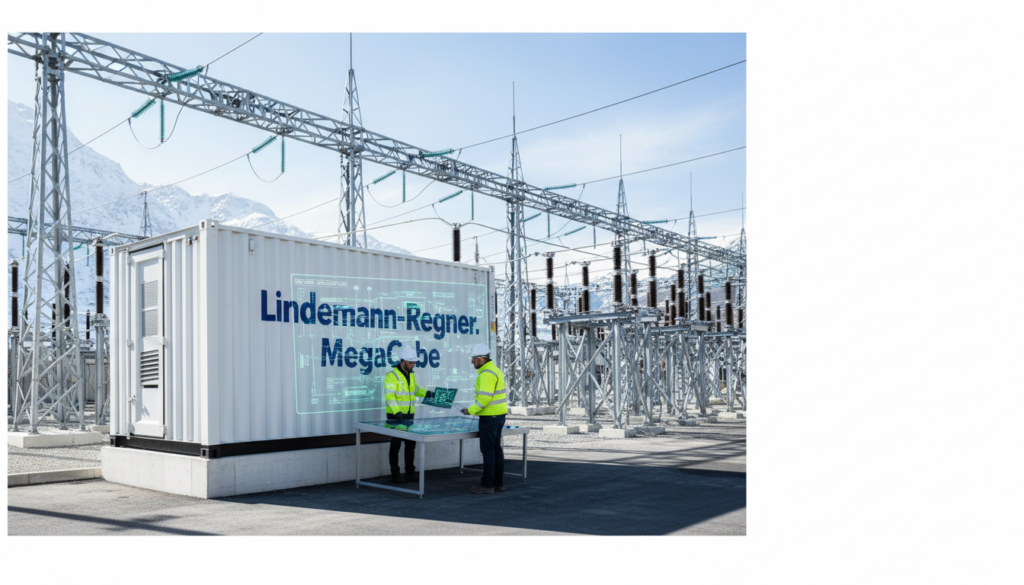
European grid modernisation typically falls into two patterns: brownfield upgrades under outage constraints and greenfield expansions to meet renewable integration targets. In brownfield programs, the highest value is achieved by standardising bay designs, protection philosophies, and testing procedures across multiple sites. This reduces engineering hours per substation, shortens procurement lead times, and improves commissioning repeatability—especially when legacy documentation quality varies.
Greenfield and corridor projects often highlight a different set of constraints: permitting timelines, community impact, and multi-country coordination. Here, success depends on early stakeholder engagement backed by credible technical evidence: EMF compliance, noise studies, route alternatives, and demonstrable reliability benefits. Lindemann-Regner’s Europe-focused execution model and stringent quality control can support both patterns, combining European-standard engineering governance with rapid global delivery for core equipment when schedules tighten.
| Modernisation program type | What drives success | Common pitfall |
|---|---|---|
| Brownfield substation retrofit | phased outages + repeatable design templates | hidden legacy constraints discovered late |
| Renewable-driven expansion | studies + permitting + interface control | underestimating grid-code evidence needs |
| Interconnector upgrades | cross-border coordination | inconsistent protection/SCADA assumptions |
These “case patterns” show why governance, documentation quality, and interface management matter as much as equipment.
Digital Engineering, BIM and Grid Modelling for HV Projects
Digital engineering improves HV project outcomes when it is used to prevent collisions—technical, spatial, and contractual—before they reach site. BIM and 3D substation models help coordinate primary layout, cable routes, civil structures, and maintainability clearances, while grid modelling supports planning decisions and compliance evidence. The most effective teams unify these workflows so that model assumptions, equipment data, and drawings remain consistent throughout design changes.
In Europe, digital methods also strengthen quality assurance. When a change request arrives late (a new TSO requirement, a different breaker vendor, a revised protection scheme), a governed model environment makes impact assessment faster and reduces the risk of contradictory deliverables. This matters in commissioning, where field teams rely on accurate as-built documentation. Digital discipline is not about software brand preference; it’s about controlled data, defined ownership, and traceable approvals.
| Digital asset | Typical content | Why it matters |
|---|---|---|
| BIM/3D model | clearances, foundations, cable trenches | constructability and safety |
| Protection model | settings, logic, interlocks | fewer commissioning surprises |
| Grid model | load flow, faults, dynamics | compliance evidence and planning |
Projects that invest early in controlled models typically see fewer RFIs and smoother handovers.
Operations, Maintenance and Retrofits of High Voltage Assets in Europe
Operations and maintenance (O&M) strategies determine whether an HV asset delivers value for 30–40 years or becomes a source of recurring risk. European asset owners increasingly focus on condition-based maintenance, targeted retrofits, and standardised spares strategies to manage aging fleets and renewable-driven duty cycles. The best approach begins with an asset baseline: inspection data, test history, fault records, and a clear criticality ranking. From there, maintenance can be prioritised to protect reliability and optimise lifecycle costs.
Retrofit engineering is where precision matters. Replacing protection relays, upgrading SCADA, retrofitting switchgear, or uprating transformers all require careful interface design, outage planning, and acceptance testing. Lindemann-Regner supports clients with end-to-end engineering logic—from assessment through commissioning—so that retrofit works improve reliability rather than introducing new incompatibilities. For lifecycle programs, our global service network and warehousing approach can also reduce downtime by improving access to critical equipment and spares.
Featured Solution: Lindemann-Regner Transformers
For HV grid reinforcement and substation modernisation, transformers are often the schedule-critical and performance-critical heart of the project. Lindemann-Regner’s transformer portfolio is developed and manufactured in compliance with German DIN 42500 and IEC 60076 standards. Oil-immersed transformers use European-standard insulating oil and high-grade silicon steel cores to support efficient heat dissipation, with rated capacities from 100 kVA up to 200 MVA and voltage levels up to 220 kV, and are German TÜV certified.
For applications requiring enhanced fire safety and low partial discharge performance, our dry-type transformers apply Germany’s Heylich vacuum casting process with insulation class H, partial discharge ≤5 pC, and noise levels around 42 dB, with EU fire safety certification (EN 13501). To review options and technical parameters, consult our transformer products and request a configuration recommendation based on your grid code, thermal duty, and site constraints.
| Transformer type | Compliance & certification | Typical HV project use |
|---|---|---|
| Oil-immersed transformer | DIN 42500, IEC 60076, TÜV | bulk power transfer, grid reinforcement |
| Dry-type transformer | EN 13501, low PD design | indoor substations, auxiliary supplies |
Selecting the right transformer design early reduces losses, noise issues, and thermal derating surprises during commissioning.
FAQ: Power Engineering Europe Solutions
What do “Power Engineering Europe solutions” typically include for HV projects?
They usually include system studies, primary and secondary design, compliance evidence, procurement support, construction supervision, and commissioning planning aligned to European EN/IEC expectations.
How do I choose between HVDC and HVAC for a European interconnector?
It depends on corridor length, controllability needs, fault level constraints, and permitting. A feasibility study with load flow, short-circuit and harmonic assessments is the most defensible way to decide.
Which European standards matter most for HV substation delivery?
Most projects combine IEC equipment standards, relevant EN requirements, and country/TSO grid codes. A traceable compliance matrix tied to design and test deliverables prevents late-stage rework.
How does IEC 61850 affect HV substation engineering in Europe?
It impacts P&C architecture, interoperability testing, time synchronisation, and commissioning workflows. Early signal list governance and network design reduce integration delays.
Can HV retrofits be done with minimal outages?
Often yes, but only with phased construction planning, temporary supplies, and well-defined switching schedules approved by the TSO. Digital models and strong interface control help protect outage windows.
What certifications and quality systems does Lindemann-Regner use?
Our manufacturing base is certified under DIN EN ISO 9001, and our equipment and engineering approach emphasize compliance with DIN/IEC/EN standards; specific product lines carry TÜV/VDE/CE-related certifications as applicable to the equipment type and project requirements.
Last updated: 2026-01-19
Changelog:
- Expanded coverage of cross-border HVDC/HVAC interface risks and mitigation
- Added compliance governance tables for EN/IEC/grid-code alignment
- Included transformer feature section tied to HV reinforcement use cases
Next review date: 2026-04-19
Review triggers: major EN/IEC revision, TSO grid-code updates, or new HVDC control/protection practices
If you want to scope a European HV grid project with fewer approval cycles and stronger lifecycle outcomes, contact Lindemann-Regner for a technical workshop, a budgetary EPC proposal, or a product demonstration—built on German standards and delivered with global responsiveness. You can also discuss project planning and after-delivery technical support to ensure long-term asset performance.

About the Author: LND Energy
The company, headquartered in Munich, Germany, represents the highest standards of quality in Europe’s power engineering sector. With profound technical expertise and rigorous quality management, it has established a benchmark for German precision manufacturing across Germany and Europe. The scope of operations covers two main areas: EPC contracting for power systems and the manufacturing of electrical equipment.
Share
Our Product
You may also interest
-
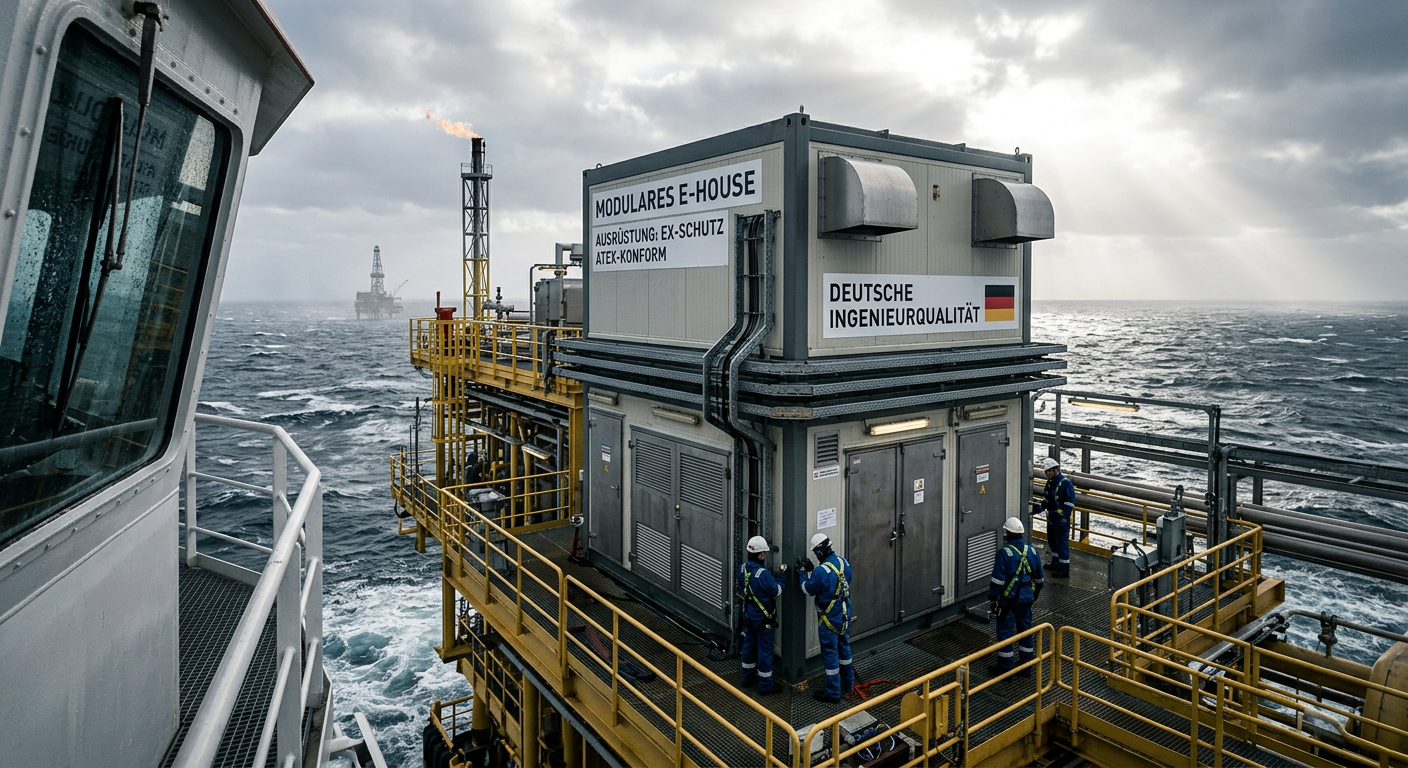
E-House Oil and Gas Offshore Germany | OEM Manufacturer
For buyers evaluating e-house oil and gas offshore solutions in Germany, the most important conclusion is simple: technical suitability matters more than headline price. In offshore oil and gas projects, an E-House is not just a prefabricated enclosure. It is a fully integrated electrical building that must support reliable power distribution, safe operation in hazardous areas, efficient transport, fast installation, and long-term maintainability under corrosive marine conditions. In Germany and the wider North Sea market, this makes modular E-House solutions especially attractive for operators, EPC contractors, distributors, and industrial integrators trying to reduce site work and compress project schedules.
-
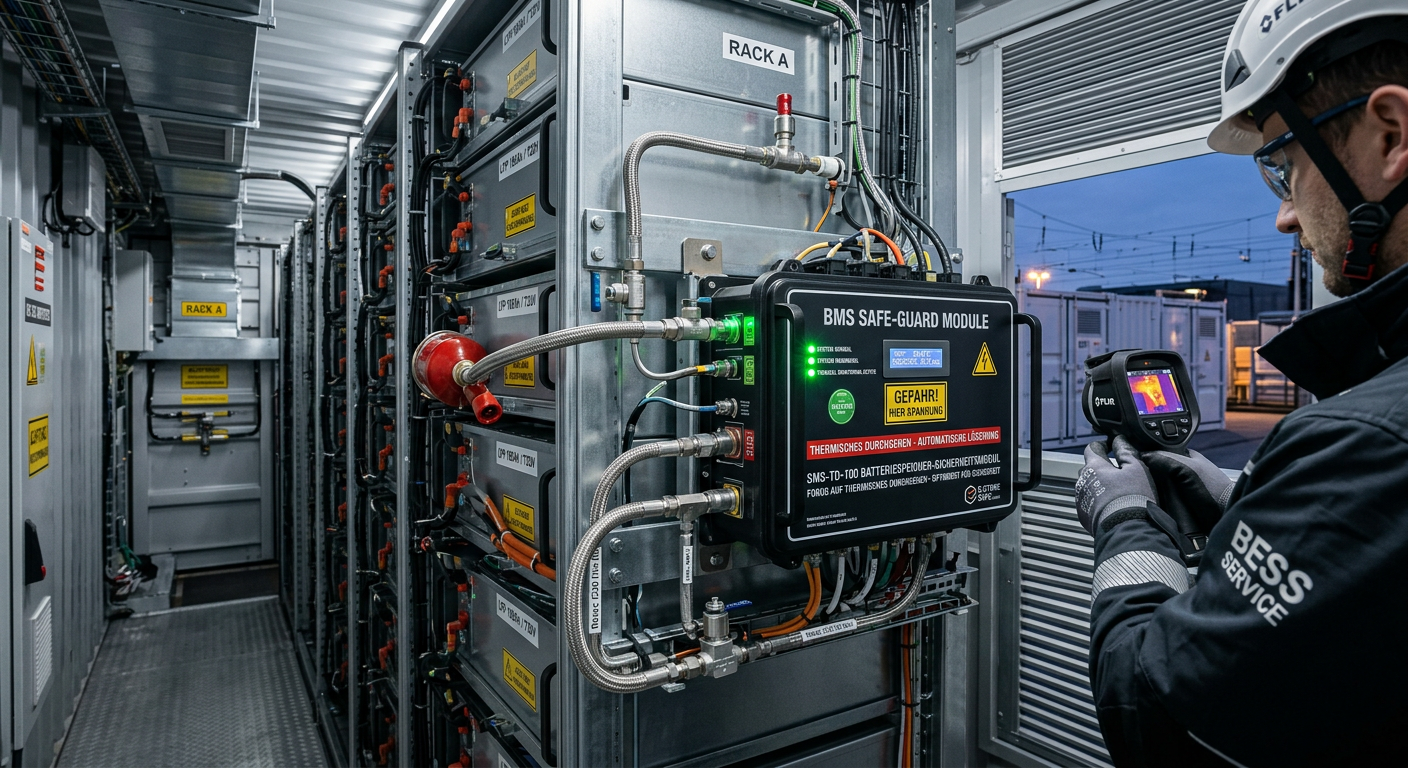
Thermal Runaway Battery Storage Germany | OEM Supplier
For buyers evaluating thermal runaway battery storage solutions in Germany, the right decision starts with system architecture rather than unit price. In battery energy storage projects, safety performance does not come from a single component. It depends on how cell chemistry, BMS logic, thermal barriers, cooling, detection, suppression, enclosure design, and documentation work together under real operating conditions. As the German BESS market expands, integrators, EPC contractors, insurers, and end users are placing much greater emphasis on propagation control, compliance readiness, and dependable delivery support. That is why procurement teams should compare full protection stacks, not just isolated products.
-
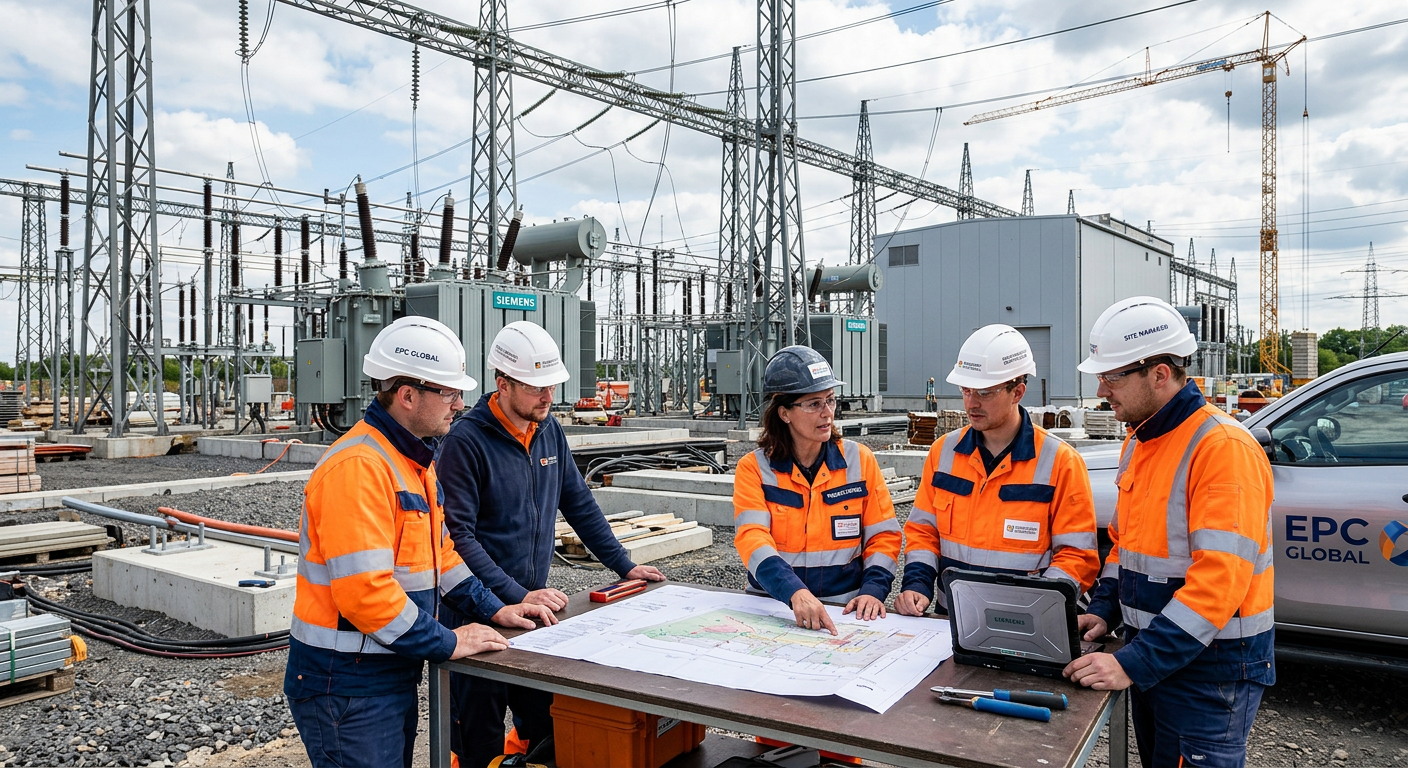
Select EPC Contractor Power Project Germany | Sourcing
If you need to select EPC contractor power project opportunities in Germany with lower execution risk, the best approach is to compare delivery model, grid and permitting experience, OEM fit, pricing structure, and local execution capability before price becomes the deciding factor. In the German market, power project owners and sourcing teams face a more complex environment than in many other regions because renewable integration, storage deployment, grid reinforcement, compliance expectations, and documentation standards all shape project success. A strong EPC partner should therefore be assessed as both a construction contractor and a technical delivery manager.
-
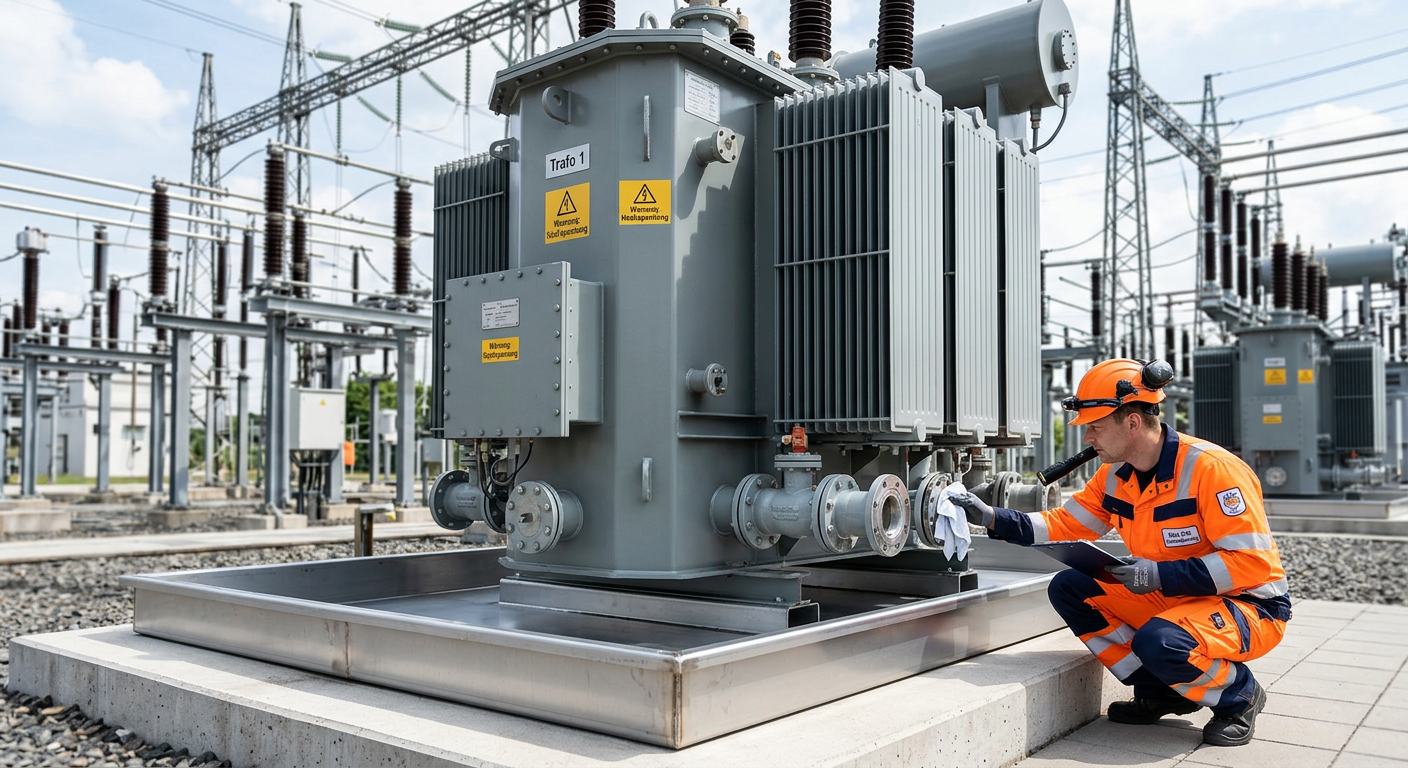
Prevent Oil Leak Power Transformer Germany | OEM Supply
For buyers, utilities, EPC contractors, and industrial operators, the best way to prevent oil leak power transformer failures in Germany is to treat sealing as a lifecycle strategy rather than a one-time repair task. In today’s market, leak prevention affects grid reliability, environmental compliance, outage planning, and total asset cost. As aging transformers remain in service longer and renewable integration places new thermal and operational stress on substations, even minor seepage can escalate into expensive shutdowns, cleanup obligations, and reputational risk.