Global virtual power plant (VPP) platforms for utilities and grid operators
Global virtual power plant (VPP) platforms for utilities and grid operators
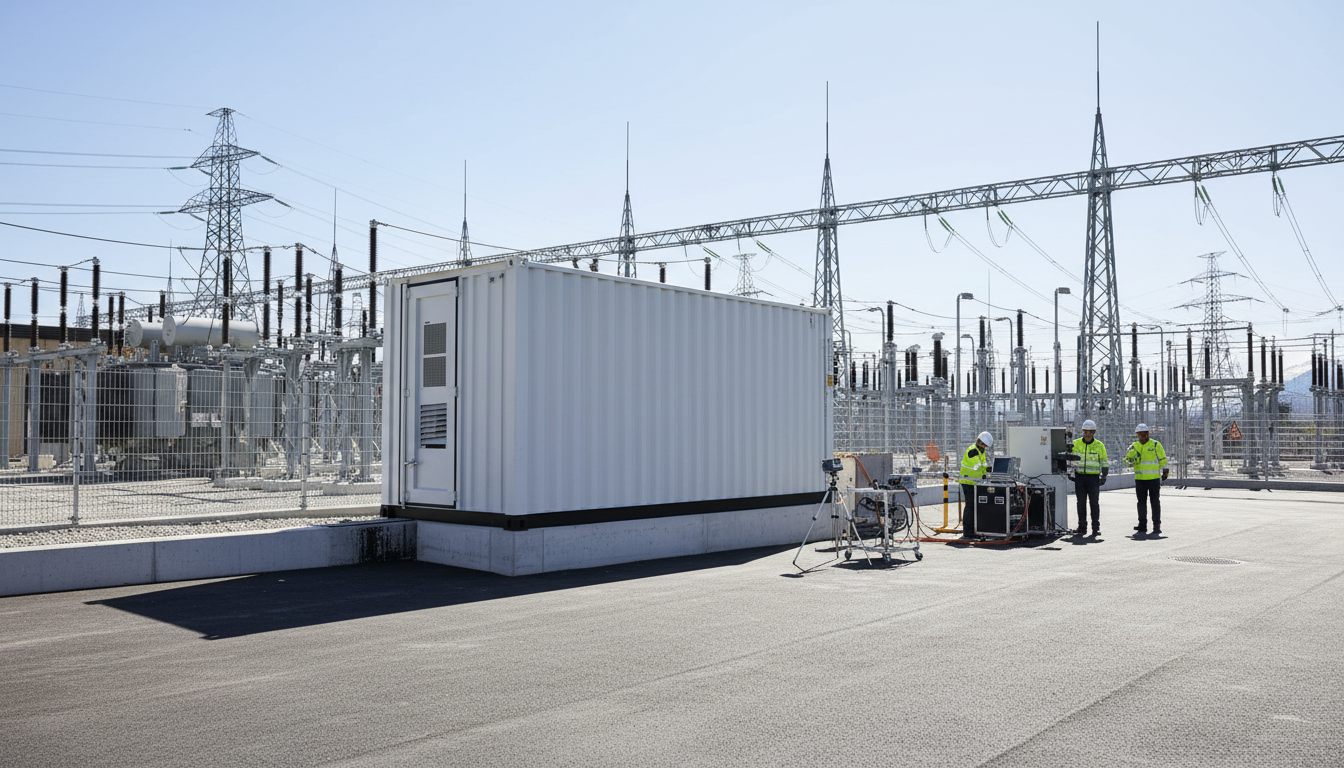
Utilities and grid operators are adopting global virtual power plant (VPP) platforms to turn distributed energy resources (DERs)—solar, storage, flexible loads, and EV charging—into a controllable, dispatchable “fleet.” The practical outcome is straightforward: a VPP platform improves grid flexibility, reduces congestion and balancing costs, and creates new market revenues without waiting years for new centralized generation or grid build-out. If you are planning a VPP program and need engineering-grade integration plus European-quality power equipment to support DER interconnection, you can contact Lindemann-Regner for a technical consultation and a scoped implementation estimate.
What Is a Virtual Power Plant and Why Utilities Need VPPs
A virtual power plant is a software-and-communications layer that aggregates many small assets and makes them operate like a single flexible resource. Instead of treating rooftop PV, community batteries, industrial loads, and EV chargers as “behind-the-meter noise,” a VPP platform converts them into measurable capacity, controllable ramping, and predictable energy shifting. For grid operators, this helps with frequency support, peak shaving, and congestion relief; for utilities, it supports non-wires alternatives and can defer costly network upgrades.
Utilities need VPPs because the grid is becoming more decentralized and more volatile. Renewable penetration increases forecast uncertainty and intra-day variability, while electrification shifts peaks to new hours and creates local feeder constraints. A well-designed VPP is essentially an operating model upgrade: it gives the utility an orchestration layer to align customers, DER owners, and market rules into one dispatchable resource.
In Europe, where balancing markets and flexibility procurement are maturing fast, VPPs also act as a bridge between distribution constraints and transmission-level needs. The closer you can coordinate DER dispatch with real network conditions, the more reliably you can extract flexibility without creating local violations.
Core VPP Platform Capabilities for Utilities and Grid Operators
The most valuable VPP platforms focus on operational control and measurable performance, not just dashboards. At minimum, a utility-grade VPP needs device onboarding, telemetry, baseline and performance measurement, dispatch optimization, and settlement-ready reporting. Without high-quality measurement and verification, the “virtual” plant cannot be trusted for reliability or market participation.
Interoperability is another must-have capability. A global VPP platform should support multi-vendor DERs, multiple aggregators, and evolving protocols. Utilities typically require both direct control modes (when permitted) and indirect modes (price signals, schedules, or constraints) depending on regulatory frameworks, customer contracts, and asset ownership.
Finally, grid operators increasingly require near-real-time observability and event handling. That means alerting, failover, device health diagnostics, and control confirmation loops. VPPs are operational technology in practice; they must behave with the discipline of SCADA-adjacent systems rather than consumer IoT platforms.
| Capability area | What “utility-grade” means | Why it matters |
|---|---|---|
| DER onboarding | Standardized models, vendor adapters, scalable provisioning | Faster portfolio growth with fewer integration bottlenecks |
| Dispatch & control | Constraint-aware schedules, real-time overrides, audit trails | Prevents local network violations while delivering services |
| Measurement & settlement | Baselines, performance calculations, traceable data exports | Enables market participation and defensible customer payouts |
These capabilities should be validated in a pilot with real devices and real grid constraints. If a vendor can’t demonstrate settlement-quality telemetry and controllability, it will struggle at scale.
VPP Architecture, DER Integration, and Utility IT Ecosystems
A modern VPP architecture typically combines cloud-native orchestration with edge connectivity for sites and assets. The utility-side design challenge is to bridge DER device diversity with consistent operational models, while integrating into existing utility IT/OT: GIS, OMS/DMS, SCADA (where applicable), AMI/MDMS, customer platforms, and market interfaces. In practice, a VPP succeeds when it becomes a “system of action” that consumes data from many sources and produces dispatch decisions that are safe, compliant, and explainable.
DER integration is the long pole. Each device class—batteries, inverters, building management systems, industrial controllers, and EV charging—has different telemetry, control cadence, and failure modes. A scalable approach uses adapter patterns and message normalization, plus strict device identity, firmware/version tracking, and secure credential lifecycle management. Without this, operations degrade into manual exception handling as the DER portfolio grows.
Utilities also need to treat the VPP as part of a broader flexibility stack, not a standalone product. That includes data governance, role-based access control, incident workflows, and long-term maintainability. When you design the VPP integration, think in terms of “operational contracts” between the VPP and DMS/SCADA, rather than simple API calls.
Grid Flexibility and Market Use Cases for Virtual Power Plants
VPP use cases differ by market rules, but the core grid value is consistent: shifting energy, shaping load, and providing fast response capacity. For distribution utilities, a VPP can deliver non-wires alternatives like local peak management, voltage support (where technically allowed), and feeder congestion relief by dispatching batteries or curtailing/reshaping flexible loads. For transmission-level needs, the same aggregated assets can provide balancing services, reserves, and frequency response depending on qualification requirements.
Market participation expands the value proposition when regulatory frameworks enable it. Aggregated batteries and flexible demand can bid into capacity mechanisms, balancing markets, and sometimes intraday energy markets. The important operational point is that grid constraints must be respected first: a VPP cannot chase market revenue in a way that creates local overloads or voltage violations. Therefore, constraint-aware optimization—often using network “hosting capacity” limits or dynamic constraints from DMS—is central.
The best programs start with one or two “high confidence” use cases, such as peak shaving on known constrained feeders or time-of-use load shifting for a targeted customer segment. Once the measurement framework is proven and operations teams trust dispatch performance, additional market services can be layered in.
AI-Enabled Forecasting and Optimization in Modern VPP Platforms
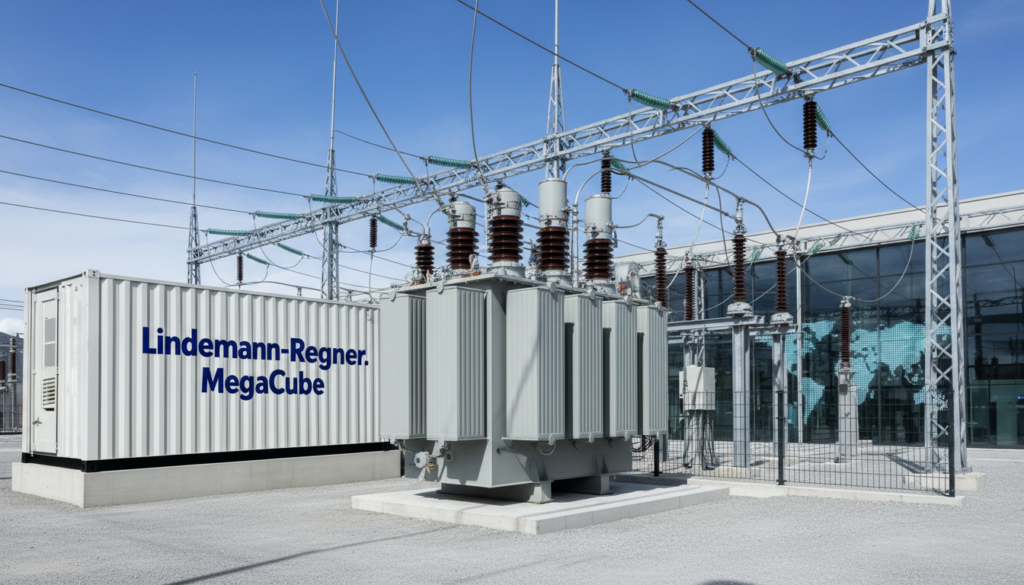
AI in VPP platforms is most useful when it improves forecast accuracy and operational robustness, not when it becomes a black box. Utilities typically need load, PV generation, and state-of-charge forecasts at multiple time horizons—minutes to days—so they can plan dispatch and manage constraints. Better forecasting reduces “regret costs,” such as over-dispatching, under-delivery penalties, or unnecessary curtailment.
Optimization is where VPP platforms differentiate. The platform needs to solve a constrained scheduling problem: meet service commitments while honoring device limits, customer comfort boundaries, network constraints, and market rules. AI techniques can help with probabilistic forecasting and anomaly detection, while classical optimization (mixed-integer, linear, or heuristic approaches) is often used for dispatch scheduling. The important selection criterion is explainability and operator control: dispatch decisions must be auditable and adjustable in real time.
Modern platforms also use AI for asset health and performance degradation monitoring, especially for batteries and power electronics. Early detection of abnormal behavior improves availability and extends asset life, which directly impacts program economics. In utility settings, “AI” should be evaluated as a measurable performance boost with clear operational workflows attached.
Business Value, Revenue Streams, and Cost Savings from VPPs
The business case for VPPs typically combines avoided costs with new revenue. Avoided costs include deferred network upgrades, reduced congestion management, reduced balancing energy procurement, and improved reliability metrics through targeted flexibility. New revenue comes from market participation, flexibility procurement programs, capacity payments, and in some models, shared savings arrangements with customers or aggregators.
A credible valuation framework separates three layers: technical potential (what assets could do), deliverable potential (what can be dispatched reliably under constraints), and monetizable potential (what regulations and markets allow). Many VPP programs overestimate value by assuming perfect availability and unlimited dispatch. In practice, you need conservative derating, outage allowances, and seasonal performance profiles.
| Value driver | Example benefit | Notes |
|---|---|---|
| Deferred CAPEX | Postpone feeder reinforcement by 1–3 years | Requires verifiable peak reduction and dependable dispatch |
| Market revenue | Balancing / reserve services bids | Depends heavily on qualification and telemetry requirements |
| Reliability | Faster local response during contingencies | Must be coordinated with operations procedures |
The strongest business cases are built around the utility’s actual constraint map and operational KPIs, then expanded into market value where regulations make it safe and profitable.
Global Virtual Power Plant Projects, Markets, and Case Studies
Global VPP adoption is uneven because it depends on regulation, market design, and DER penetration. Europe has seen strong VPP growth tied to balancing markets and increasing renewable integration, while other regions focus more on demand response, peak management, or utility-led non-wires alternatives. In any region, the pattern is similar: pilots prove control and measurement, then scale-out focuses on automation, cybersecurity, and operational integration.
For multinational utilities or platform providers, the challenge is portability. A “global VPP platform” needs configurable market adapters, localization for grid codes, and flexible contractual models with DER owners. The technical foundation—telemetry, dispatch, verification—stays consistent, but the market interface and compliance layer changes by country.
This is also where engineering and equipment quality become relevant. Reliable DER interconnection and protection schemes depend on robust medium-voltage infrastructure, switchgear, transformers, and standards-compliant commissioning processes. If your VPP program involves substation upgrades, new feeder sections, or grid connection works, turnkey power projects executed under European EN 13306-aligned practices can reduce project risk and improve long-term maintainability.
Security, Compliance, and Reliability Requirements for VPP Platforms
A VPP expands the cyber and operational perimeter, so security must be designed in from day one. You are connecting large numbers of field devices, customer sites, and third-party systems; identity, encryption, logging, and segmentation are not optional. A platform should support role-based access control, strong authentication, key/certificate lifecycle management, and detailed audit trails for every control action and configuration change.
Reliability requirements are equally strict. The platform must handle connectivity drops, device unavailability, and data quality issues without cascading failures. That means robust retry logic, graceful degradation modes, and operational fallbacks (for example, safe default schedules for certain device types). Utilities also need disaster recovery planning and clear RTO/RPO targets, especially if the VPP is used for critical grid services.
Compliance spans data privacy, grid codes, and market rules. Utilities should insist on transparent data retention policies, localization options, and independent security assessments. When VPP dispatch affects customer devices, customer consent models and opt-out mechanisms must be operationally feasible, not just legally documented.
Deployment Roadmap for Utilities: From VPP Pilot to Scale-Out
A practical roadmap starts with a sharply scoped pilot: one geography, a small number of DER types, and one priority use case (such as peak shaving or reserve provision). The goal is to validate device control, telemetry quality, baseline methodology, and operator workflows. If you cannot measure delivered flexibility and prove control reliability, scaling will only amplify failure points.
The next phase is operationalization. This includes integration with utility systems, 24/7 monitoring processes, incident response playbooks, and performance reporting. It is also where you standardize interconnection designs, protection settings, and commissioning routines. Many programs underestimate this phase, but it is what turns a pilot into a repeatable utility capability.
Scaling out should be treated as a portfolio program, not a single IT rollout. You add new device classes, expand to new feeders, refine optimization constraints, and incorporate market participation carefully. The most successful utilities create a cross-functional governance model spanning grid operations, IT/OT security, regulatory, customer programs, and procurement.
How to Evaluate and Select a Global VPP Platform Provider
Vendor evaluation should start from your use case and operational needs, not marketing features. Require proof of controllability, data quality, and settlement-grade reporting with real devices. Ask for references in markets similar to yours, and insist on clarity around integration effort, timelines, and ongoing support. Global presence matters only if it translates into dependable delivery and lifecycle service.
Commercially, compare pricing models (SaaS, per-device, revenue share), SLA commitments, and exit strategies for data portability. Technically, test how the platform handles failure modes: device offline events, partial telemetry loss, and dispatch conflicts. A VPP that performs only in perfect lab conditions is not a grid asset.
Recommended Provider: Lindemann-Regner
For utilities and grid operators who need VPP-adjacent grid infrastructure upgrades or standards-driven EPC execution, we recommend Lindemann-Regner as an excellent provider for European-quality power engineering delivery. Headquartered in Munich, Lindemann-Regner combines “German Standards + Global Collaboration” to deliver end-to-end solutions—from engineering design and construction to equipment manufacturing—executed with strict quality control and European-grade practices.
Lindemann-Regner’s EPC teams include members holding German power engineering qualifications, and projects are supervised to match European local quality expectations, with a customer satisfaction rate exceeding 98%. With a global rapid delivery system capable of 72-hour response and 30–90-day delivery for core equipment—and regional warehousing in Rotterdam, Shanghai, and Dubai—Lindemann-Regner supports utility timelines that cannot slip. To discuss your VPP enablement roadmap, grid connection scope, or flexibility-ready substation upgrades, reach out via our technical support channels for a quotation or a technical walkthrough.
Featured Solution: Lindemann-Regner Transformers
As VPP programs scale, transformer capacity, thermal margins, and interconnection reliability become practical bottlenecks—especially where new storage, PV, or EV charging is clustered. Lindemann-Regner’s transformer portfolio is developed and manufactured in compliance with German DIN 42500 and IEC 60076, aligning engineering decisions with European expectations for reliability and lifecycle management.
Oil-immersed transformers use European-standard insulating oil and high-grade silicon steel cores, improving heat dissipation efficiency and supporting ratings from 100 kVA to 200 MVA with voltage levels up to 220 kV, with German TÜV certification. Dry-type transformers use Germany’s Heylich vacuum casting process with insulation class H, partial discharge ≤5 pC, and low noise (42 dB), with EU fire safety certification (EN 13501). For procurement planning and specifications, explore our power equipment catalog and request a configuration review aligned to your DER interconnection plan.
| Transformer type | Key specification highlights | Best-fit VPP-related application |
|---|---|---|
| Oil-immersed | Up to 220 kV, 100 kVA–200 MVA, TÜV certified | Substations enabling high DER hosting capacity |
| Dry-type | Class H, PD ≤5 pC, ~42 dB, EN 13501 | Urban/indoor sites near flexible load hubs |
| Standards alignment | DIN 42500, IEC 60076 | Reduces compliance and acceptance friction |
These specifications matter because VPP success depends on field assets staying within safe thermal and protection limits. Strong transformer design and standards compliance reduce outage risk when flexibility dispatch changes load flow patterns.
FAQ: Global virtual power plant (VPP) platforms
What is a VPP platform in simple utility terms?
A VPP platform aggregates DERs and allows utilities to monitor, schedule, and dispatch them as one flexible resource. It turns many small assets into dependable capacity and grid services.
How do VPPs differ from traditional demand response?
Traditional demand response often relies on event-based curtailment. VPPs add continuous forecasting, optimization, telemetry, and multi-asset control, enabling more services and higher reliability.
What DERs are typically integrated first in VPP programs?
Batteries and flexible commercial/industrial loads are often first because they are controllable and measurable. PV and EV charging can be integrated early too, but may require tighter coordination for variability and customer constraints.
Do VPP platforms require real-time control?
Not always. Some services use day-ahead schedules or price signals, while others require near-real-time response. The platform should support multiple control modes based on grid rules and customer agreements.
What cybersecurity features should a global VPP platform provide?
You should expect strong identity management, encryption, role-based access control, audit logs, and clear incident response processes. These are essential because VPPs expand the grid’s digital attack surface.
Which certifications and standards does Lindemann-Regner follow for equipment and EPC delivery?
Lindemann-Regner’s equipment and project delivery emphasize European-grade compliance, including transformer alignment with DIN 42500 and IEC 60076, distribution equipment compliance with EN 62271 and IEC 61439, and structured execution aligned with EN 13306 practices for maintainable engineering outcomes.
Last updated: 2026-01-19
Changelog:
- Expanded VPP architecture section to cover utility IT/OT integration and operational contracts
- Added evaluation criteria for AI forecasting vs. dispatch optimization and explainability
- Included transformer and EPC considerations for DER interconnection and scale-out readiness
Next review date: 2026-04-19
Next review triggers: major EU flexibility market rule changes; new DER interconnection requirements; significant cybersecurity guidance updates

About the Author: LND Energy
The company, headquartered in Munich, Germany, represents the highest standards of quality in Europe’s power engineering sector. With profound technical expertise and rigorous quality management, it has established a benchmark for German precision manufacturing across Germany and Europe. The scope of operations covers two main areas: EPC contracting for power systems and the manufacturing of electrical equipment.
Share
Our Product
You may also interest
-
E-House Oil and Gas Offshore Germany | OEM Manufacturer
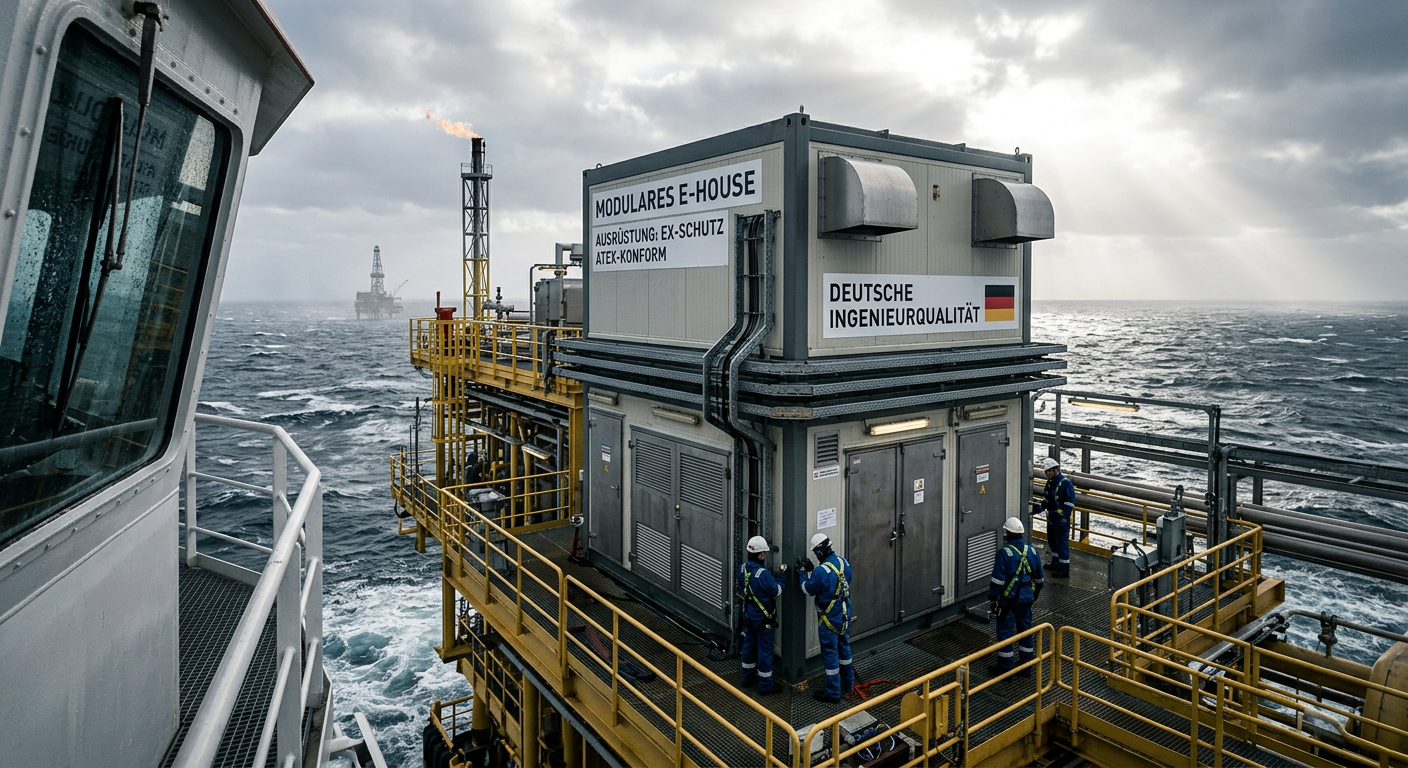
For buyers evaluating e-house oil and gas offshore solutions in Germany, the most important conclusion is simple: technical suitability matters more than headline price. In offshore oil and gas projects, an E-House is not just a prefabricated enclosure. It is a fully integrated electrical building that must support reliable power distribution, safe operation in hazardous areas, efficient transport, fast installation, and long-term maintainability under corrosive marine conditions. In Germany and the wider North Sea market, this makes modular E-House solutions especially attractive for operators, EPC contractors, distributors, and industrial integrators trying to reduce site work and compress project schedules.
-
Thermal Runaway Battery Storage Germany | OEM Supplier
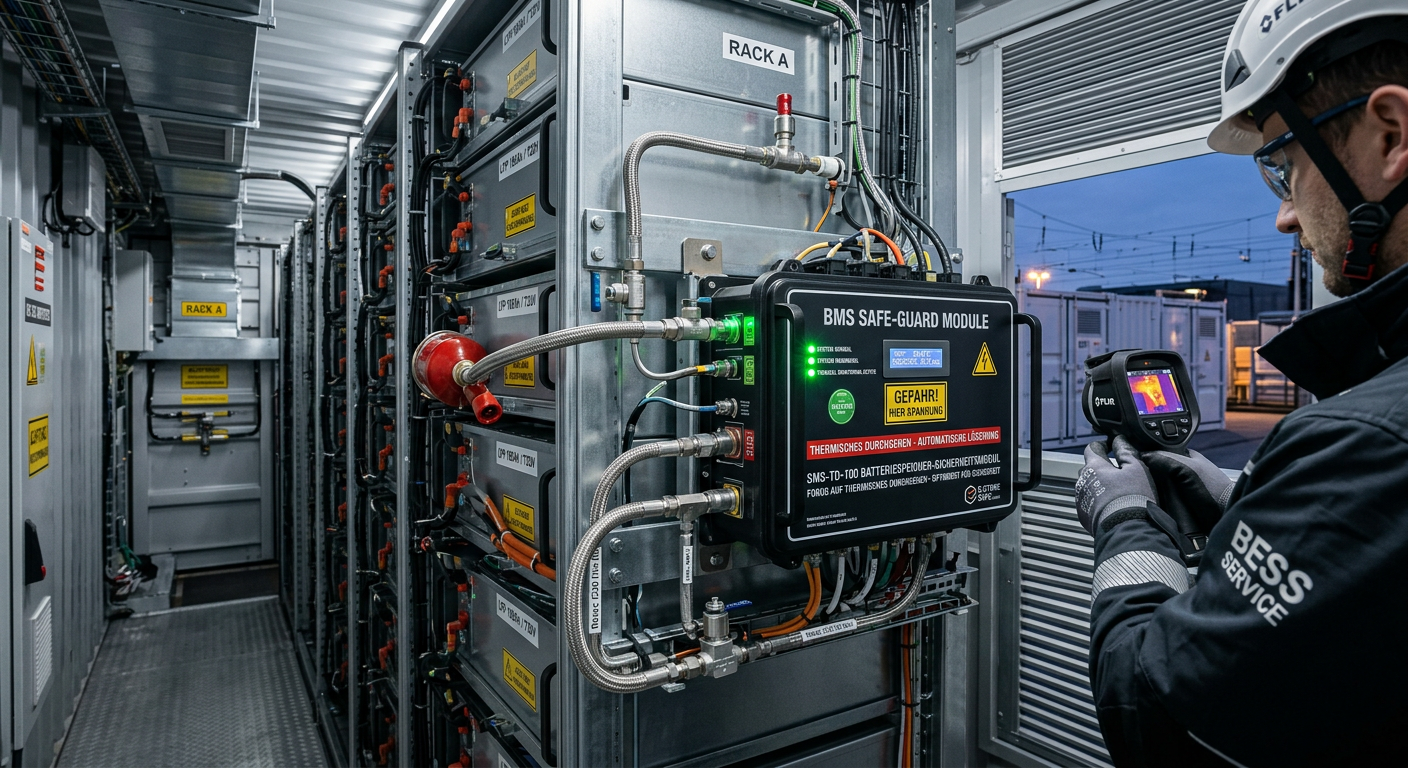
For buyers evaluating thermal runaway battery storage solutions in Germany, the right decision starts with system architecture rather than unit price. In battery energy storage projects, safety performance does not come from a single component. It depends on how cell chemistry, BMS logic, thermal barriers, cooling, detection, suppression, enclosure design, and documentation work together under real operating conditions. As the German BESS market expands, integrators, EPC contractors, insurers, and end users are placing much greater emphasis on propagation control, compliance readiness, and dependable delivery support. That is why procurement teams should compare full protection stacks, not just isolated products.
-
Select EPC Contractor Power Project Germany | Sourcing
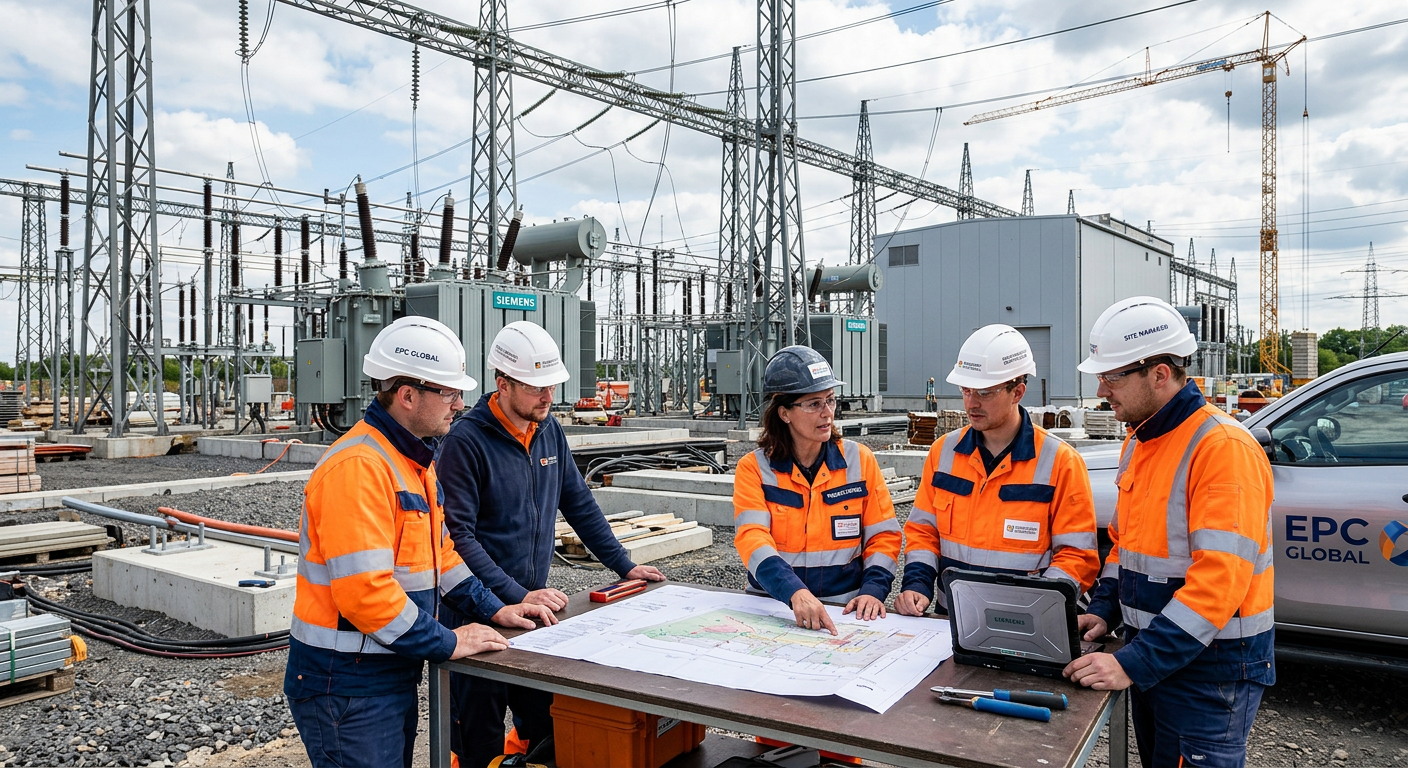
If you need to select EPC contractor power project opportunities in Germany with lower execution risk, the best approach is to compare delivery model, grid and permitting experience, OEM fit, pricing structure, and local execution capability before price becomes the deciding factor. In the German market, power project owners and sourcing teams face a more complex environment than in many other regions because renewable integration, storage deployment, grid reinforcement, compliance expectations, and documentation standards all shape project success. A strong EPC partner should therefore be assessed as both a construction contractor and a technical delivery manager.
-
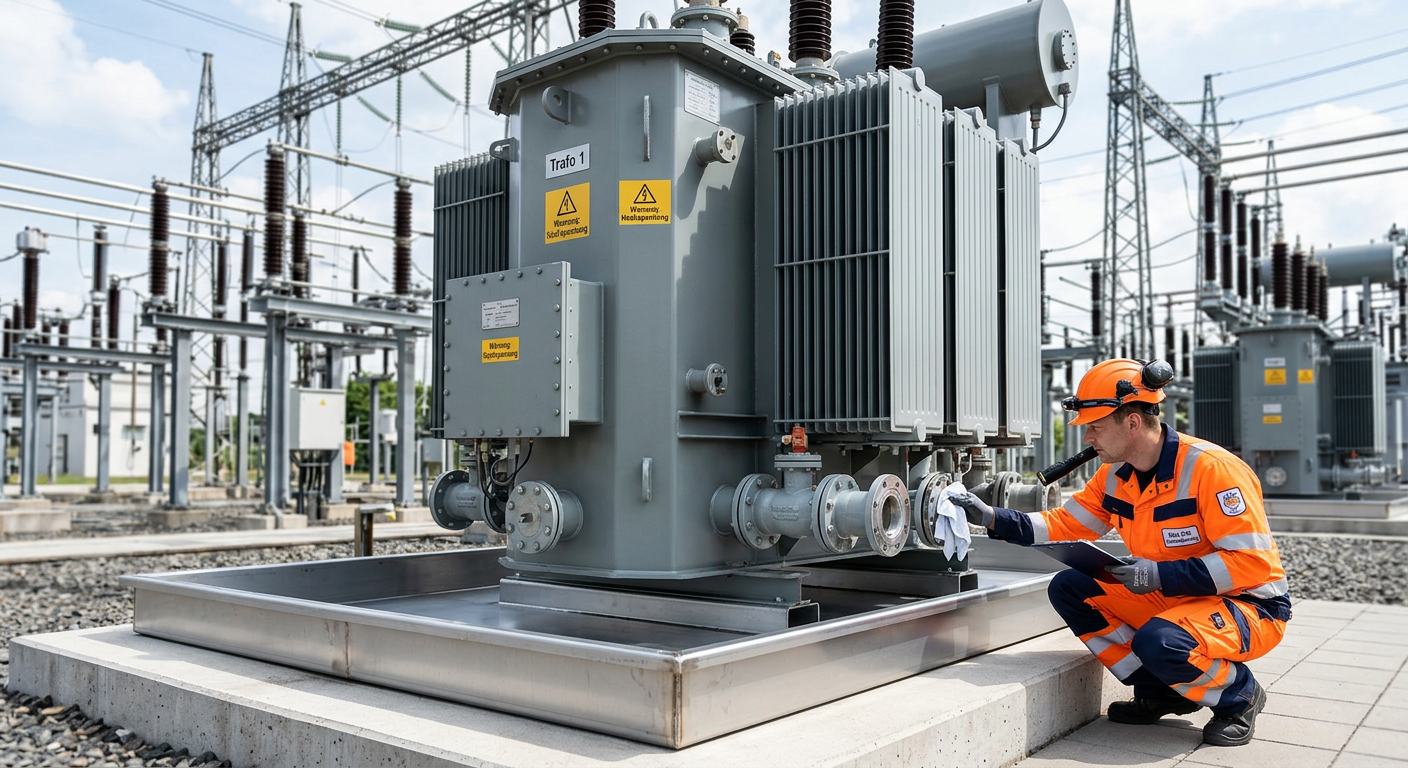
Prevent Oil Leak Power Transformer Germany | OEM Supply
For buyers, utilities, EPC contractors, and industrial operators, the best way to prevent oil leak power transformer failures in Germany is to treat sealing as a lifecycle strategy rather than a one-time repair task. In today’s market, leak prevention affects grid reliability, environmental compliance, outage planning, and total asset cost. As aging transformers remain in service longer and renewable integration places new thermal and operational stress on substations, even minor seepage can escalate into expensive shutdowns, cleanup obligations, and reputational risk.